The years leading up to and during menopause are a rite of passage.
The wise woman inside of us is calling to slow down,
To take stock,
To speak our truth,
To burn away all that no longer serves us,
Ready for our next cycle of life.
The good news is with the support,
Community,
Connection,
And most of all,
Sharing our stories and being truly seen and heard,
We will travel through this powerful,
Sometimes painful heroine's journey and out the other side.
Welcome to the Menopause Podcast,
Real and raw stories of midlife and mental health.
I'm your host,
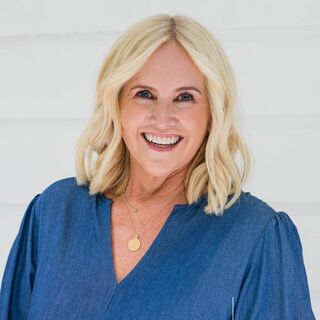
Kylie Patchett,
Menopause self-care coach and storyteller,
And I am so glad you found us.
Let's get on with the show.
Hello,
Hello,
Everybody.
Welcome to the show.
The beautiful Heidi Hogarth.
How are you?
Oh,
Good.
Thanks,
Kylie.
I'm looking forward to this chat.
Heidi has got a lot of wisdom to share with us about our cyclical nature and how it can,
Yeah,
Be beautifully supported.
I'm going to say.
So for those people who don't know who you are,
Would you like to introduce yourself?
Sure.
So,
You know,
I'm Heidi Hogarth.
I'm a psychotherapist.
I'm a psychotherapist.
I'm a psychotherapist.
I'm a psychotherapist.
I'm a psychotherapist.
I'm a psychotherapist.
I'm a psychotherapist.
I'm a psychotherapist.
I'm a psychotherapist.
I'm a psychotherapist.
I'm a psychotherapist.
I'm a psychotherapist.
I'm a psychotherapist.
I'm a psychotherapist.
I'm a psychotherapist.
I'm a psychotherapist.
I'm a psychotherapist.
I'm a psychotherapist.
I'm a psychotherapist.
I'm a psychotherapist.
I'm a psychotherapist.
I'm a psychotherapist.
I'm a psychotherapist.
I'm a psychotherapist.
I'm a psychotherapist.
I'm a psychotherapist.
I'm a psychotherapist.
I'm a psychotherapist.
I'm a psychotherapist.
I'm a psychotherapist.
I'm a psychotherapist.
I'm a psychotherapist.
I'm a psychotherapist.
I'm a psychotherapist.
I'm a psychotherapist.
I'm a psychotherapist.
I'm a psychotherapist.
Oh,
I'm a PMDD survivor.
I think that you should have a badge for that or a cape.
I like the idea of a cape.
Yeah,
People with PMDD often call themselves warriors.
I think that's common with chronic conditions.
You hear of endo warriors.
Yes.
But I like that.
I like being a warrior.
Yeah,
Absolutely.
I like that too because it's,
Yeah,
It's a certain take on the story that's not,
Yeah,
Not a this has been done to me.
Let's dive into why did you become a naturopath in the first place?
Did the PMDD,
Like,
Come to the surface for you first and that was what kind of invited you into this healing profession or the other way around?
I'd say the other way around.
So,
Yeah,
It was very common while I was studying that the people I studied with had had a fantastic healing journey with naturopathy or natural therapies.
Yes.
And that brought them to study it.
And I always felt left out.
I don't have a story yet.
I just thought it was the right thing.
It just gelled with me even as a teenager.
I wanted to study naturopathy.
My careers advisor at school advised me not to because it's not a very lucrative profession and all this blah,
Blah,
Blah that she gave me.
And so I came back to naturopathy in my late 20s after doing other degrees and faffing about and travelling and blah,
Blah,
Blah.
So,
Yeah,
But the desire stuck with me.
But it was with naturopathy,
I guess that was the start of my understanding of the menstrual cycle and mental health and that that was something I needed to address in myself.
I still wasn't aware that that is my condition and,
Therefore,
I can make a profession of it.
PMDD wasn't known very well.
It still isn't.
And back then,
Definitely not.
So back then,
I'm talking about 20 years ago.
But it was because it took me a long time to connect the dots between my menstrual cycle and my mental health because I had a very irregular cycle.
So it could be six to eight weeks.
I didn't have polycystic ovarian disease syndrome,
But it was considered and whatever,
It doesn't really matter the details.
But I used herbal medicine when I was studying to regulate my cycle and that's when I really clicked.
Like when I was 29,
Like,
Oh,
All of these awful moods and like wanting to leave my life and thinking everyone was better off without me was connected to my menstrual cycle.
Yeah.
So I guess the elephant in the room is let's talk about what PMDD is because even for myself,
Like I've got two people in my family that have really bad endo and I've noticed cycles around their mental health as well.
But PMDD is something that's really only been,
I think,
On my windshield probably in the last two years.
And I don't know whether that's like a general thing or whether it's just been because I've been kind of more,
I don't know,
Looking at,
You know,
Perimetaphores and hormone changes and then you start sort of reading up about the risk factors of having things like PMDD and PMT that's bad in early life and how that can play out in perimetaphores.
So what is PMDD?
What does it stand for for people listening that are going,
Hmm,
I notice I have mental health changes across my cycle.
How do we help them to kind of detect around these things?
Okay.
So PMDD stands for premenstrual dysphoric disorder.
So premenstrual meaning it happens before your bleed in the luteal phase of your menstrual cycle.
And dysphoric basically is the opposite of euphoric.
So it is a state of absolute misery.
It's considered a depressive disorder.
It's listed as a depressive disorder in the Diagnostic Manual of Mental Health.
So rather than a hormonal disorder,
A hormonal issue.
And the main symptoms,
There's quite a specific list of symptoms that you need to tick off to be diagnosed with it.
And there are what they call cognitive and,
Well,
What,
Affective,
Which is the emotional,
Isn't it?
And what's the other one?
Behavioural.
Oh,
My God.
I've just forgotten the two.
Yeah,
It's all right.
Anyway,
It doesn't matter.
So the main things are depression,
Quite debilitating depression,
Extreme anxiety and panic attacks and rage.
Like I think there isn't a person with PMDD who doesn't have at least one of those.
There's actually two other major conditions.
Oh,
The disinterest in your usual activities and something else.
And then there's another list of,
Like,
11 other things.
And so you need to tick off at least one of the first five major ones and then one or two in the other list.
And it should happen for two to three cycles.
So you need to notice patterns of symptoms happening premenstrually three to 14 days before the bleed.
Yeah.
And so it's always luteal.
So there's no because I think I guess my I don't know,
I mistakenly when I first came across PMDD was thinking it's like PMT on steroids,
But it feels I guess that's one way you could say it,
But it also feels to me because everything,
Every single thing that you've just talked about has been my perimenopause experience,
Like the rage,
The anxiety,
The depression and the disinterest and the feeling like people would be better off,
You know,
Without you there.
I cannot imagine how debilitating that would be to have every single month.
Like I just how so when you started to study,
Like when you started to get an inkling that there was a link,
Did you how did you feel?
Like because you're 29 by now.
So did you just think that you had garden variety mental health issues or what did you think?
Yeah,
I did for a long time.
I just thought I had garden variety mental health.
Yeah,
Yeah,
Yeah.
My mum has suffered depression for most of her life.
She was first diagnosed when I was 13 and I just thought,
Okay,
I'm going down that route.
And I did I wasn't without help.
I sought counselling and therapies and did a lot of work on understanding my family of origin and childhood conditioning and that kind of thing.
And that was definitely very helpful.
When I realised that it was much worse or really related to my menstrual cycle,
I really that cued shame in me.
Then I realised,
Oh,
It's just PMS.
Well,
That's what I thought.
That's what I told myself.
Oh,
My gosh,
Like you idiot.
It's just PMS.
Just deal with it.
This is what horrible doctors and other mental health professionals say to people with PMDD.
Oh,
It's PMS.
Suck it up.
Or here,
Take a pill.
Or here,
Take an antidepressant and you'll be right.
And all women have to deal with this and suck it up,
Princess.
So,
Yeah,
I was actually saying that to myself.
And so when I heard of PMDD as a diagnosis,
And it was also only a few years ago for me,
Like just light bulbs went off.
Like,
Oh,
It's not just me.
It's not just that I have this extreme PMS.
And it is often described as PMS on steroids.
And I don't describe it like that anymore because then I think people associate it with PMS.
That's what I think,
Yes.
It's so much worse.
It's so much more debilitating.
People describe it as a week of hell and three weeks cleaning up.
What you're talking about with that cycle is coming back.
So even when you feel good.
Like,
I've got a fantastic Facebook group,
If anybody's interested.
Yes.
But somebody put in there.
Oh,
I just asked.
So a cycle check in.
I just put a post up a couple of days ago.
And it's so common to hear,
Oh,
I just finished my bleed.
I'm feeling good,
But I'm dreading next week.
So even when she's in a good phase of the menstrual cycle,
She knows what's coming.
And,
Yeah,
That's really I think it's just exhausting.
And you always kind of got it hanging over your head,
Even when you're feeling good or when you shouldn't be feeling good.
So,
Yeah.
So many things I want to say.
I think it is really,
Really important for all of us,
And I will put my hand up as well and say I will dedicate myself not to say PMS on steroids because I think as you're talking,
When someone describes it like that,
It's diminishing it and making it kind of like,
Oh,
Just this garden variety kind of,
You know,
PMS experience where you might get a bit touchy for a couple of days or whatever.
And we're not talking about that.
We're talking about life-interrupting,
Life-affecting,
Cyclical.
And like you're saying,
And I relate because I definitely notice a pattern at the moment,
And I don't have PMDD,
But just perimenopause,
As soon as I've finished my bleed for a week,
I'm pretty good mental health-wise.
And then after that,
It can be a mixed bag.
Who knows what you wake up with?
But there is still that kind of pattern.
Now,
It may not continue like that because obviously perimenopause has other fluctuations.
When we think about,
So what happens in the luteal phase that makes PMDD sufferers susceptible to all of these things changing?
Is it the progesterone that's dropping?
A $64 million question.
Yes.
We don't know.
Yeah,
In a nutshell,
We don't know.
There's a few theories,
And the strongest one is,
Well,
It's considered an abnormal reaction in the brain of your normal hormonal fluctuations.
Okay.
And specifically,
Yeah,
I believe and have read and there is research on the effect of the metabolite of progesterone,
Which is called allopregnenolone.
Yes.
That stimulates GABA receptors.
You know,
GABA,
The GABA amino butyric acid,
Do your listeners understand this?
Possibly not,
So go down that track,
Yes.
Let's explain what GABA is,
Sorry.
I keep forgetting.
It's your neurotransmitter.
It's your everything's cool,
Everything's okay neurotransmitter.
Yeah.
There are a lot of different things stimulate GABA,
Actually,
Like GABA,
The amino acid itself and which acts as a neurotransmitter,
And aloe,
Allopregnenolone,
Which is often just referred to as aloe.
Some amino acids like taurine and l-theanine affect it.
Yeah.
Anyway,
So what's found with GABA specifically,
I'm not sure about other receptor points,
But receptors for GABA have a lot of different sections.
Yes.
So whereas GABA might stimulate,
You know,
Section one,
Then aloe stimulates section 19 and blah,
Blah,
So they think that aloe is affecting it in the wrong way.
There's a dysregulation in the aloe GABA system.
It's kind of turning off the GABA's ability.
It's the opposite effect.
Yeah.
You probably are aware that GABA and glutamate are on like a seesaw.
Vaguely.
I'm normally all over this.
I haven't done these talks for a while,
But glutamine is the amino acid that converts,
Is the precursor to glutamate,
Which also converts into GABA.
Yes.
So they have the same stem,
And the production line can go either way.
Gotcha.
So I think one thing that can also happen is that the GABA is converted rather into glutamate,
Which,
You know,
It's important for learning and memory and concentration,
But if it's overstimulated,
Then we can get anxiety and irritability and aggression and rage.
Got it.
So it's over,
Over,
Overdone.
Okay.
So that's the strongest theory,
The GABA system,
GABA and progesterone.
Yeah.
The other thing that makes people susceptible now as to how to treat it.
Well,
Maybe we'll talk about that later,
But we'll talk about what else makes people susceptible.
And we've talked about this off recordings before,
Is family,
I mean,
A history of trauma,
Adverse childhood experiences,
Or even recent traumas,
PTSD,
And PMDD,
A common co-diabetes.
Yeah.
What else?
ADHD and PMDD often go hand in hand.
I was going to say,
All the trauma-related things.
Yeah.
The more I read about trauma,
Particularly developmental trauma,
So before puberty,
I actually don't know what the definition of developmental trauma is,
But the reason I say before puberty is that a lot of the research that I've found about mental health changes in perimenopause is particularly if the ACEs are pre-puberty.
So there's something about that formative years,
But there's so much information about basically that affects every single pathway in the body.
So it isn't too much of a stretch for me to kind of be thinking,
Well,
If there's a seesaw,
Like we've just talked about one of the pathways,
You know,
Neuron transmitters,
If there's a seesaw that,
You know,
Requires a delicate balance to have people feel calm and like they can learn well rather than anxiety and rage-filled and,
You know,
Depressed,
It doesn't feel like too much of a stretch to my mind at least as a trauma sufferer to see that all of those things can be interwoven.
Yeah.
Trauma really affects the stress response.
So,
Yeah,
Because you're always on then high alert,
Always hyper responsive to any what for other people would be minor stressors become major in our bodies and brains,
Changes the architecture of the brain.
And more susceptible to tiny fluctuations and things too.
And I think that that's why there's a term,
I can't remember whose study it is,
But it's basically the term toxic stress that talks about that,
That rather than,
You know,
A threshold where it should be,
Our threshold is much,
Well,
I guess it's much lower.
I was putting my hands up then,
But it's much lower.
So tiny things can tip us over the edge.
And so,
Again,
It makes me think of when our hormonal changes happen either in cycle or because of perimetopause,
It's just another thing for this dysregulated system to deal with.
So,
Yeah.
If someone's listening and they're relating and they do have that kind of same story that you were talking about of feeling ashamed,
What would you say to them?
How would you approach that?
Well,
Hello there.
Interrupting this episode just briefly to share a bit of exciting news.
One of the things that has surprised me the most about this perimetopause journey is the fact that the former younger version of Kylie,
Who would always plan and goal set,
Has learned that life often has other ideas.
And that is exactly the same as what has happened in my business.
I thought when I returned to business back in October last year that I would go straight back into coaching,
Which is what I've always done in my own business.
And I did do a little bit of coaching,
But then life called me to study yoga,
Specifically for menopause,
And start SUE,
The self-care immersion program that I have.
And something else that has naturally unfolded is for me to use my marketing and communication skills from 15-plus years in all sorts of different communication,
Storytelling and relationship-building roles and offering that as a service to women in business.
So if you're listening to this podcast and you identify as a woman entrepreneur who is a healer or a helper and does work that is deeply transformative for the clients that you work with,
One of my favourite things is,
Similar to this podcast,
Interviewing you,
Pulling out the golden threads that inform who you are and why you are so passionate about what you do in the world,
And weaving them into a beautiful set of magnetic content and copy that is attracting to your best-fit clients.
So if you need the help of a copywriter or storyteller,
Reach out to me.
You'll find all the information on my website under Storytelling or at the bottom of the show notes.
Now back to the show.
Oh,
Google PMDD and join the club.
Yeah.
Like there's such a huge community of people out there,
So many support groups,
And that was so,
What do you call it,
So validating when I discovered PMDD.
I think the best thing I found was the community,
So having other people who understood how you're feeling.
Yeah.
The next thing I'd say is,
Yeah,
You're not alone.
Go firstly find these communities.
They're everywhere,
Just Facebook,
Instagram,
Anywhere.
Come and join mine.
Yeah,
I was going to say,
Come and join the best community.
It's so nice in there.
I waste a lot of time in there actually because I enjoy it so much.
And there's a fantastic resource,
The International Association of Premenstrual Disorders,
IAPMD.
Org.
They have a huge amount of resources for patients and providers as well,
But especially for patients if you've just discovered or suspect that you might have it,
You can do quizzes on there.
They've got resources that you can,
Like cycle tracking resources,
Things that you can bring to your doctor to help you talk about it.
Sometimes,
You know,
It's not well known,
And even GPs and psychiatrists and very well-educated medical professionals haven't heard of it or can also be dismissive of it.
So if you find someone,
Yeah,
So unfortunately self-advocacy can be necessary.
Yeah.
So if you find someone who's dismissive,
Just go find someone else or if you've got the energy to convince them,
Then that's good.
Yeah,
Exactly.
Hilarious that we as the people that are suffering these things need to then take on the labour of educating someone else.
I was going to say,
Oh,
My GP was actually Googling it in the consultation with me.
Yeah.
That's okay.
They can do that.
They can't know everything.
Well,
And I was just about to say,
I mean,
Honouring the fact that GPs are supposed to be the master of all of the different things that can go wrong and right with a human body,
And,
Of course,
That's impossible.
I do think,
Though,
As I'm hearing you say,
The advocacy thing is really important because if you are unfortunate enough to go to a doctor who dismisses or I actually asked my doctor something the other day,
Not my usual doctor,
New doctors for the practice,
Something the other day about something that had been raised with me with a family member,
And the answer was,
Oh,
That's just something that naturopaths make up.
And I was just like,
Oh,
You are not going to see me again,
My friend.
I was like,
In other words,
It's something that medicine doesn't understand because there's not actually a pill that you can give us to supposedly fix it.
Yes.
Anyway,
I'll get off my soapbox.
When you say about cycle tracking,
Et cetera,
I think one of the things,
If I'm hearing you say correctly,
What was difficult in really even understanding that there was a pattern was that you had irregular cycles anyway.
And so I'm guessing that cycle tracking becomes even more important then because then,
You know,
If it's six weeks apart,
You may not remember the last time before you bleed for two weeks you had because it's like,
You know,
That long ago kind of thing.
What would you recommend in terms of I know you've done,
I can never remember whether it's WISE or Wild Power.
Do you want to talk a little bit about their work in terms of how that helped you to understand your own cycle?
Yes,
Sure.
Yeah,
So Wild Power or menstruality is the term that Alexandra Pope and Shani Hugo-Wurlitzer in their book,
Wild Power,
And their online school,
The Red School.
Yes.
So they talk about phases of the menstrual cycle as inner seasons.
So they liken the bleed to winter where,
You know,
You want to be introspective,
You want to get away from social life to huddle down with a nice cup of tea and a warm bowl of soup.
And,
Yeah,
So there's also spiritual aspects.
Like it's a great time to tune into your intuition,
To dream into what you want to,
You know,
Let go of and create.
So it's a bit of a new moon,
Dark moon as well.
And coming out of the bleed where that's in the follicular phase is the scientific term when the follicles of your ovaries are developing and your hormones are rising,
So estrogen's rising,
Progesterone is still low at this stage.
But you're starting to come into your inner spring then,
And that's when people are feeling pretty good.
It's like a bit more playful,
A bit more like to be social,
A bit more creative and out there.
And,
Yeah,
Your energy's rising,
So you're feeling a bit better.
Then we come to ovulation,
And ovulation is the main event of the menstrual cycle.
Actually,
The bleed isn't the main event.
It's all about ovulation.
And it only happens like once,
And the egg lasts for 24 hours,
But the phase of ovulation when you get a big surge and all of you feel good,
It's like estrogen just boom.
You're like your inner Beyonce.
Yes.
Actually,
That's not me.
Love that.
I just saw your hair in a wind machine.
I'm sexy,
I'm glowing,
I feel good,
I am beautiful.
I want to get out there and do some,
You know.
Yes.
So that's,
Yeah,
Ovulation.
Testosterone is rising then as well,
So that brings on the libido and the confidence.
That inner Beyonce,
That comes from Maisie Hill.
I love it.
Maisie Hill keeps on coming across my windshield,
And I have not read her books yet,
So I will write her down again.
Another one I really love while we're on books is Lucy Peach.
She's an Aussie menstrual educator,
And she's a musician,
And she is hilarious.
Oh,
Cool.
Her book is called Period Queen,
And I really love it for Aussies especially.
Yeah,
Okay,
Cool.
It's just a little bit more down to earth.
Like I love Wild Power and,
You know,
The original,
And it's beautiful,
But it does seem a little bit untouchable sometimes.
Yeah,
I get what you're saying,
Yeah.
It's a little bit lofty.
Yes.
We're worshipping our menstrual cycle.
Yes,
Yes.
It perhaps is a little bit too far along the continuum for some people.
Anyway,
So we have our inner summer during ovulation,
And after that all the hormones drop.
Yes.
It can be quite sudden.
So some people have symptoms right from ovulation,
So premenstrual symptoms,
And then we come into the luteal phase,
Which is the second half of the menstrual cycle,
And that's our inner autumn.
So,
Again,
We're wanting to prepare,
To hunker down,
To let go of stuff,
You know,
The trees lose their leaves,
The sky turns dark.
Yeah.
And the veil is dropped,
Like the veil drops,
So estrogen can make everything feel like everything's hunky-dory and isn't wonderful,
And then it's gone,
And you're like,
What is this shit?
Yeah,
Yeah.
Am I still here?
So it can be normal.
So that's what I loved about the menstruality concept and the work and the idea of the inner autumn,
Because that's also the time when the inner critic pops up.
Yes.
Loudly,
And knowing that that is not just my experience,
That can be normal,
But it's more extreme for me.
Yes.
It's okay.
That really helped me to understand and accept how I was in that phase or how I am,
Actually.
I still am.
Yeah.
And to appreciate the power of it.
Yes.
That inner critic,
If it's not directed at yourself,
Which it normally is,
And that's the other thing people say about PMDD,
It's like an abusive relationship you have with yourself,
And that really resonates deeply,
Actually.
But when you can turn that not on other people but on circumstances or situations that don't serve you,
That are not good for you,
That you know is not okay,
Then it can be really powerful.
Yes.
Yes.
It's really helpful.
I don't need that anymore.
I'm not putting up with that.
No,
I'm not volunteering on the school excursion.
Yes.
I am done.
To me,
It's the discerning part,
And I totally agree that when we understand the purpose behind all of these,
Because when you're talking about wild power,
I have spoken before about Wise Power,
Which is their book specifically on the perimenopause transition,
And they talk about perimenopause being the inner autumn but in the macro.
Right.
Yeah,
And so it is,
Yeah,
Years and years,
Years and fucking years.
Not that I'm upset about that,
Heidi.
But I do think that it is the same energy,
Like the autumn energy is the getting ready to go really inwards,
But it is also this discernment of like what am I and am I not available for?
And there's other books that talk about it in phases of like separation,
But it is a powerful discerning stage as long as,
Like you said,
It's not always turned inwards at like,
Look at what you didn't.
And I think that that has been part of my experience as well,
Is just,
Yeah,
Need to be aware of where to shine,
The inner critic or the discerner.
Relationships often suffer too.
As our closest partners or people closest to us can often bear the brunt of whatever we're going through.
Ups and downs.
And there can be two parts to that.
So sometimes it is yourself and you need to look at that and consider it.
But I'm always saying,
If this is something that comes up every month,
Then please look at it when you are feeling okay and see is it really,
You know,
Is it you or is it the situation?
Is it the relationship?
You know,
We tend to put up with toxic relationships as well,
Blaming the PMDD.
I know it's just,
You know,
Blaming ourselves too much.
So I think there's a lot to be said for that discernment.
Yeah.
It's such a powerful thing.
I think like when you said when you first realised that what you had was PMDD and there's a sense of relief and acknowledgement and recognition and that kind of,
Oh,
It's not just me,
I think that there also,
I mean,
We have to be self-responsible.
We're not saying you can treat everyone,
You know,
Horribly and expect that life will be merry on the other side of it.
But I do think that there's a lot to be said for understanding that what we're experiencing is a normal part of experiencing this thing.
I found the same with ADHD.
Like as soon as I was in denial for many,
Many years and then but once I actually had that diagnosis but also found out because I never related to ADHD anything and the reason for that is because I have autism as well.
So they even each other out.
But once I realised that,
I was like,
Oh,
That's why it's never felt right and that's why I have these kind of,
It's almost like there's two sides of me kind of balancing each other out but sometimes it can feel like they're arguing quite a lot.
They can feel like they're arguing the need that needs like lots and lots of planning and routine and organisation and the need that's a freedom seeker.
But I think where I'm going with that is that when you understand that this is part of the natural cycle,
Then it normalises it and you can kind of,
It's almost like you can sit outside of it,
Isn't it,
And go,
Okay,
Yes.
I'm in that stage at the moment.
Exactly.
So maybe I don't necessarily,
Like if things keep coming up all the time,
Like you said,
Definitely look at them,
But maybe if I'm like happy in my relationship normally and then just at this particular time of the month,
I'm like,
Maybe that could be something that isn't necessarily true for the whole cycle.
Exactly.
And then it becomes really important to manage yourself,
Really,
To manage self-care,
Make sure that you're keeping,
Avoiding social interactions or I don't know,
So many things.
We're getting your food right,
Your exercise right,
All the self-care things,
Like getting all of those things in place,
Not letting your inner Beyonce book you in for a social speaking event when you know you're actually going to be.
Yes.
In the autumn phase and not feeling it.
I used to say I was an inner Billie Eilish because she was a bit more itchy and a bit more standoffish.
I love the rebel,
Yes.
But she was actually really friendly and lovely.
There you go.
I have to think of another analogy.
Yes,
So just preparing.
So the next step to menstrual cycle awareness and tracking your symptoms and your emotions and also the good stuff.
Like I said,
I am great at editing in my premenstrual phase.
Oh,
Yes.
This is if I've written something like wild and beautiful while I'm in my inner spring or inner summer and it's all fluffy and then my inner autumn I can just go,
Nup,
Nup,
Nup.
That is not necessary.
That is fluff.
Let's just hone in on that.
Let's focus this bit.
Yes,
So I'm much better at that.
I'm really good at bookkeeping,
You know,
Just kind of sometimes low-level tasks but I think sometimes also some creative things.
Yes.
And decluttering.
It's a great time for decluttering.
Oh,
Yes.
Oh,
My goodness.
Yes,
I love just chucking everything out.
Yes,
Me too.
My husband's like,
If I stand still long enough,
Then sometimes I come back to the beginning and I'm like,
Where did I put,
Damn it,
Did I throw that out?
Oh,
It's almost like I need like an in-between step.
It's just like park it.
I'm interested when you say about self-care,
When we think about how like if someone does have PMDD,
Actually question before we go into this,
If someone's listening who doesn't necessarily relate to the whole PMDD picture but does have,
You know,
Three days of PMT that's pretty awful,
Are the same sort of things that you're going to be talking about managing PMDD also relating to them or is it going to be slightly different?
Oh,
I think so.
Like there's quite a spectrum,
I think.
Yeah,
So I think it's worth considering.
But there's also other conditions that might mimic the symptoms.
So there's a lot of things to look at like your thyroid health.
Estrogen dominant scenario can have big overlaps,
Though when estrogen's high,
Too high compared to progesterone,
Which balances it out,
Then you can definitely get the mood swings and the irritability.
That might just be PMT or PMS.
And relatively not that hard to balance.
Toxicity,
You know,
Chemicals in the environment can affect your hormones and that can give you that estrogen dominant scenario as well.
Yeah,
So in general I'd say yes,
Similar things would apply.
And so when you're thinking about the PMDD person who is like at the let's go the worst-case scenario when they're at,
Well,
Actually for your own journey,
How did you start treating?
Once you were aware,
What was the journey that you went on?
Were you tempted to change everything at once or is that just me?
Oh,
I think I never have the resolve to do everything at once.
I'm quite lazy.
It's too much.
I get overwhelmed.
I guess it started with regulating my cycle and that alone helps a lot because actually one of the best herbs to regulate the cycle also boosts progesterone and that helped a lot of other symptoms.
So that was Vitex.
Vitex or also called the botanical name is Vitex agnus castus.
It's the common names chase tree or chased berry.
Oh,
Yes,
Okay.
Chased tree berry.
Yeah.
So that's commonly used to regulate the cycle and it has been,
It's one of the few herbs that have proven to help PMDD.
Just for listeners,
You can probably get it over the counter,
But you shouldn't take it if you're on hormonal medications.
Yeah.
Or probably not breastfeeding because it lowers prolactin.
Yeah.
And not in pregnancy.
I think we should definitely put the caveat in that this is,
You know,
A general conversation and not medical or naturopathic advice and you should definitely get professional advice.
Get professional advice.
Go and find,
Well,
We'll put the links in,
But,
Yes,
Find Heidi online and her group and,
Yes,
Speak to someone who actually,
Yeah,
Can help with your individual circumstances.
When you,
After you regulated your cycle and you were clearer with the picture of things happening,
I mean,
You said before about,
You know,
Don't let your inner Beyonce,
Like I have fallen for that trick for a lot of time because I'm like,
I don't want to actually go.
Like I've got something on tonight and I'm like,
It's wintertime.
What was I thinking?
Like I just do not,
I hibernate for the whole of the winter.
Like I literally,
You know,
I'm like,
Okay,
At five o'clock in the afternoon I'm in tracksuit pants and my big fluffy slippers and,
You know,
Got a doggy this side of me and I'm like,
Yeah,
Going in and tonight I have to be out until like eight o'clock.
What was I thinking?
It is something necessary and it's not going to be horrible to do,
But it's just like,
Ugh.
But apart from honouring yourself in those ways,
What type of,
Like when you're thinking about self-care through foods,
For instance,
Is there particular types or ways of eating that better support through the cycle?
Yeah,
There are.
I don't always recommend it first off because like we've talked about,
Stress is a major component of the whole condition and mental health.
And I think it just sometimes could just add to the stress thinking,
Oh,
What do I got to do now?
And,
Oh,
My God,
Now I've got to prepare this meal.
Yes.
You know,
Eat like this this time.
And so I prefer to get people just eating a good,
Healthy,
Wholesome,
Clean food to start with and tuning in to what their body needs at any one moment.
So,
Yeah,
So that's ideal really.
You can just sit and listen,
Oh,
What do I need now?
I really feel like a juicy steak or,
Oh,
I just want a vegetable soup,
You know.
Mine is mushroom soup at the moment.
My love of mushroom soup,
It knows no bounds this winter.
Like mushrooms,
Mushrooms,
Give me all the mushrooms.
That's crazy.
Yeah.
Isn't it?
Yeah,
I enjoy mushroom soup.
I haven't had it for ages.
I'm going to have to try that too.
Yeah,
So that's my preference anyway.
And the foods that I recommend are really based on the work of Felice Jacker from Deakin University.
Dr.
Felice Jacker,
She's done a lot of research into food and mood.
She's got a great website,
The Food and Mood Center.
You can just look her up.
And an excellent book,
Brain Changes.
And she talks about research into diets and mental health.
You know,
There's a lot of research into nutrients and mental health.
Yes.
But to research diets scientifically,
There's so many variables,
It's really hard to control.
Really difficult,
Yeah.
So she's done a few,
And the Mediterranean diet came out really strongly.
That's not pizza and pasta,
Sadly.
And copious amounts of red wine.
More plant-based proteins as well.
But,
You know,
Not fully.
So a bit of red meat shows to have better mental health outcomes as well.
So,
You know,
Iron and zinc is really important for mental health.
So I kind of treat it as a mental health condition,
To be honest,
More than a hormonal condition because that's also the main symptoms,
The hardest symptoms.
I've had people tell me,
They come to me and they tell me all about these horrible mental health symptoms and all kinds of stuff.
And then I'll ask about the periods.
Oh,
I can't get up because I'm in pain for three days and the bleed is so strong and I get this and I get that and my boobs are aching.
And it doesn't even come under the radar because the mental health issues are so much more debilitating.
Yeah.
And I believe they're going through life with all of that pain as well.
Yeah.
So,
Yeah,
That's why I'm looking at more the mental health side.
Definitely part of,
You know,
Naturopathy is a holistic view of treating the person,
Not the condition.
So I'll definitely be addressing the pain and the menstrual bleeds and any other issues as well.
But when it comes to food,
Just really good,
Clean food,
Lots of veggies,
Lots of greens,
Clean protein,
Healthy fats and,
Yeah,
Keeping blood sugar levels stable.
Yeah,
Stable.
You mentioned zinc before.
Is there any other particular – actually,
When going back into the GABA and the glutamate balance,
Do you treat that with – how do you treat that?
You can't just put more GABA on it because it's a receptor issue,
It's not – Yeah.
Yeah.
So there are a few nutrients found to help regulate the GABA system.
Yeah.
And they are magnesium and B6,
Chlorine,
Zinc.
Zinc.
I'm sure is in there as well.
Yeah.
What else?
They're the main ones?
Yeah,
Literally all of the things that I take.
Because I just feel like there's a pattern as we're talking,
The same sort of things that you're talking about,
Supporting PMDD,
Other things that I've personally – I'm not saying that this is for everybody – but for personally have evened out the extremes of mental health episodes that I'm having.
And particularly the biggest thing that made a change for me was just making sure that I was getting zinc in way higher levels than what,
Yeah,
Would – and,
Again,
This is not advice to anyone,
Just for my personal circumstances that,
Yeah,
At the level that it would normally be recommended,
It was kind of – Heidi,
I wanted to ask you about – this is going off topic and completely just personal interest,
But because the treatment is the same,
Is there any crossover between pyrolaria and there is?
It can be.
It's definitely something to consider if you have PMDD,
Perimenopausal issues,
Any mental health conditions.
Yeah.
Just something that came up in my family.
One of my cousins and her daughter have just been tested because of her menstrual issues.
And,
Yeah,
Their levels were like out of control,
Crazy for pyrolaria.
And the treatment is the same,
The B6 zinc and magnesium,
Yeah,
In particular.
Taurine I'm not sure on.
Can we go through,
Though,
When you were saying also before about the oestrogen dominance end of things and you said about environmental toxins,
Can we just talk a little bit about that?
So I think this is good information for any female on the planet anyway.
When you talk about environmental toxins,
You're talking about household products,
Personal care products,
All of those types of things.
Do you want to just talk a little bit about that?
Because I think it's something that is not necessarily well understood as a major contributor to,
Yeah,
Hormonal.
Yeah,
And the reason for that is that so firstly we're talking about a lot of chemicals in our food,
Environment,
Air,
Water,
Even in new car smell,
In plastics,
In,
You know,
Toys.
Literally everything.
You get that smell.
Perfumes,
Cosmetics.
So we have so many chemicals that we're exposed to daily and they have never or cannot be tested for safety with their cumulative effect on us.
So it's even rare for them to be tested one by one actually.
Yeah.
And for one chemical you might be exposed in such minimal amounts that that could be seen to not really affect you at all.
But when there's thousands,
Literally thousands every day,
Thousands are approved every day.
And unless it's something that's ingested,
It's not really tested for safety in humans.
But a lot of them are what we call endocrine disruptors,
Endocrine being the hormonal system.
And usually they act in an estrogenic way.
So they stimulate.
There's a few different ways they could act.
They can either stimulate the estrogen receptors.
They can affect the liver and the liver is really important in detoxing estrogen.
Detoxing,
Yep.
What else can they do?
Oh,
Sorry,
I can't think of the other one.
No,
That's all right.
It's basically they interrupt the balance.
They interrupt the natural balance of how the body should be able to be working,
Yeah.
Yeah,
Exactly.
And the simple fact is they're everywhere.
Unless you're living off grid in some remote place,
It's almost impossible to avoid them.
We can just minimise the effect,
Minimise our exposure by choosing different products,
Choosing natural products,
Choosing to avoid plastics and plastic touching your food in any way.
And if you buy something in plastic,
Maybe transfer it into a glass or stainless steel container.
And even BPA-free plastic.
So a lot of people are aware of BPA,
Bisphenol.
What is it?
Yeah,
I can never remember what they stand for.
There's too many letters in my brain.
Like that is one plastic component,
But there are others in that plastic.
So it might be BPA-free,
But it's probably not free of BPA,
BBB or,
You know,
Other plastics.
So avoid perfume,
Avoid things that have fragrance in them.
Go for essential oils as perfumes if you need to.
What else?
And look after your liver.
You look after your detox systems,
Your lymphatic system,
Your liver,
Drinking water,
Your kidneys,
The bowels.
One of the simplest ways to regulate an estrogen-dominant system is stimulating the liver and making sure you poo every day.
Yeah.
One to three times daily.
Nice,
Clear,
Easy,
Lovely poos.
You know,
No straining.
Yeah.
No pushing too hard.
Do you know what's – I didn't think I'd be talking about poo today on a podcast,
But here we go.
What actually makes a big difference for me is the magnesium regularly for,
Yeah,
I don't know why.
I've never had any issues with that type of stuff,
But definitely,
Yeah,
In the last little while with the perimenopause end of things.
But,
Yeah,
That and I love chia seeds and everything,
So that helps.
But anyway,
One thing I will have to out myself for,
Though,
I'm usually really good on the water,
But I'm not great on water in the wintertime.
So I've got to get back to drinking tea so that then I'm,
Yeah,
Having warm water.
Last winter I did,
Yeah,
Big pots of tea and then I'd just have that and,
Yeah,
So at least – but,
Yeah,
I'm not great at that at the moment.
I got through to last night and I was thinking,
Did I have any water today?
And I'm usually,
Yeah,
Mega water.
So judge it by the urine.
Sorry?
Judge your hydration status.
Yeah,
Yeah,
Yeah.
Because also in winter you might need less.
You're not sweating as much.
Yeah,
I'm not just noticing that,
Yeah,
Yeah,
Not noticing that I'm like bright yellow or anything,
But,
Yeah,
Just it's interesting how just the seasonal thing changes definitely the feeling of thirst.
Yeah.
You might also be getting water through your soups and your stews.
Yeah,
That's true.
I am eating a lot of soup.
I reckon this mushroom soup is the best mushroom soup I've ever – it's a recipe I've had for a few years.
Actually,
I put a picture of it on Instagram the other day and my old boss used to – I used to make it for her because she was vegan and it happens to be a vegan recipe,
Not because I'm vegan,
But – and she's like,
Oh,
My God,
Is that the soup you used to make for me?
Yes.
So I put the recipe in the show notes.
Yeah,
I know.
It's so simple because it's just mushroom,
Tamari,
And then a coconut milk can at the end.
But the tamari and the mushroom together,
There's something like – what is that?
I can never say it.
Umami,
Like that real – it feels to me like my kidneys really like it.
I don't know why.
That's just a sense that I have.
It's like my kidneys are – I don't know.
The wintertime I always want to nourish that.
Yeah.
I know in TCM at least the kidneys like dark food,
So I'm like,
Maybe mushrooms.
I don't know.
Anyway,
Random thoughts.
What would you say about managing stress?
Because I think it is important for us to really out the fact that the symptoms of chronic stress,
The symptoms of any mental health disturbance,
The symptoms of perimenopause and the weirdness that happens,
And it sounds like the PMDD picture are all so – like there's so much overlap,
It would be very difficult to sort of untangle them.
But let's talk about stress as part of the management of PMDD and perimenopause in fact.
How would you approach that with someone who it's very patently obvious that there's a lot of kind of busyness or pushing or striving or whatever,
Like feeling the stress there?
How do you talk about stress?
Oh,
Well,
It's firstly important to understand how stress really impacts all of the other hormones.
So stress is supposed to be an acute state of survival,
Right?
So it should come there to help us to run away or to fight something or to deal with something in the moment.
Yes.
And then the act of fighting it or running away is a way to resolve it and let it go.
When now we have this chronic stress,
We have constant triggers all through every day and we end up in this constant state of fight and flight,
And that really dysregulates the nervous system and heightens that stress response again and the trauma response.
And cortisol,
The stress hormone,
Just disrupts everything else.
Everything.
Everything.
And especially the reproductive system,
For one,
Because that is a non-essential system for survival.
We only need it to reproduce for the species.
But if it comes down to me having to survive in the moment,
I do not need to be making babies right now.
Exactly.
So one of the jobs important is to shut it down and shut down digestion as well.
So,
Yeah,
That's number one.
I think if people can understand how impactful stress really is and it's not just,
Oh,
I'm a bit overwhelmed or I'm a bit anxious,
It really has a systemic effect on your whole body,
Your physiology,
Your biochemistry and your mental health and everything,
Then that's number one.
Firstly,
Awareness.
Knowledge is power.
Yeah,
100%.
Yeah.
It's huge.
Huge.
And then I think more important than just managing stress is actively reducing it,
And that's where your discernment comes in,
Your boundaries,
Saying,
No,
What is essential,
What is non-essential,
And just don't do anything that's not essential.
Yeah.
Don't shirk your responsibilities and your commitments.
Of course,
You've got to live up to those.
Yeah.
And we are social beings and we want to,
You know,
Provide for our families and our communities.
But you don't always have to fold the laundry or have a clean floor,
You know.
I mean,
Those things are nice.
Yeah.
But,
You know,
You can survive with it.
Yeah,
And when it comes at a cost to yourself,
I think that that's been the measure for me that's really helped me to make decisions like that.
Yes,
There might be a part of me that still wants the perfectly clean house or to be the dutiful daughter or whatever,
But if that behaviour or what it takes to fulfil that,
And I would almost always say like the conditioning or the mask or the whatever,
Like whatever,
Particularly the good girl or people pleaser,
Like all of the shit that we've been conditioned with as younger girls.
If you cannot answer to me the question at what cost and have it be,
You know,
Something that you can fairly easily do inside of your mental,
Emotional,
Spiritual capacity,
Then the cost is too high.
And that has actually been a really helpful question for me to feel through that in this,
You know,
The autumn that is Peri Metaphors.
But I think for everyone it's like at what cost.
Yeah,
Exactly.
If you're doing that thing and it's actually creating more chronic stress and more pressure on yourself,
Then is it worth it?
And,
You know,
Maybe in my 20s and 30s I would have said yes,
It is because I was so attached to being particular ways.
Yeah.
But,
Yeah,
I just think there's always the opportunity to answer that question.
If you think,
Oh,
Yeah,
That is stressful,
But saying no is also stressful,
That's definitely something to investigate too with someone like you,
I reckon.
Well,
Yeah,
And if I actually I made a big decision this week to opt out of something and I realised that the only reason that I wasn't opting out,
Even though I'd known that was the right decision for me,
Was to not hurt someone's feelings or the idea of me not hurting.
Like who knows whether I would or I wouldn't have.
And I was just like,
Wow,
Is that a reason?
Is that reason enough for you to do something that's not comfortable,
That's not helpful,
That's not,
You know,
Nourishing you or is it better to?
And I think often when we have those ideas of like I can't let that person down,
What we're forgetting is that when we're doing something that is not what we want to do,
We're actually already letting that person down because we're actually not being honest.
Yeah.
And so we're stealing,
You know.
Yeah,
Exactly.
And that impacts other things as well.
And I think,
You know,
That is a really important thing and I think that is the blessing of the discerning,
Like the inner autumn.
I love that frame.
Thank you.
Because it is the time that my inner critic shows up,
But when you reframe it to being,
Yeah,
About,
Yeah,
What's being included and what's being excluded,
That feels.
And actually when I studied traditional Chinese medicine a long time ago,
But the element that's associated with autumn is metallic,
Like metal.
So it's that very,
You know,
Decisive,
You know,
It's either yes or no.
It's quite clear.
It's quite.
So that actually makes a lot of sense to me,
A lot of sense.
I haven't made those connections.
That's really cool.
I love how,
You know,
Quite often there's so many layers of,
Like I think all of the long,
Long,
Long,
Long-term healing traditions like naturopathy or Ayurveda or,
You know,
Any of the,
You know,
Ones that are older than allopathic medicine,
The real traditions,
Have often got the same sort of wisdom just in slightly different ways.
And I like.
It's fun.
Yeah.
Yeah.
It's really cool.
It's very cool.
We should share with people where to find.
So first of all,
I'll put all of this in the show notes,
But where to find your Facebook group and also where to find you online.
And you do.
Talk to us about the type of work that you do as well in terms of individual,
Et cetera.
Okay.
Yep.
So I'm still seeing people one-on-one for now,
Moving more into group work.
So next round of my PMDD program.
Oh,
This will put me on the spot.
It's like August.
We can.
Yeah.
You can tell me and I will put it in the show notes,
But I think it'll be around late July,
August intake.
It has been a three month program,
But I'm thinking about refining it to six to eight weeks.
See how we go.
Yeah.
Anyway.
So that's something that if you follow me on Insta or in my books or on my website week,
There's lots of freebies that you can download from there.
Then you'll definitely find out about it.
And I do a food and mood reboot,
Which is just a four week program and that's happening.
That's actually part of the PMDD program as well.
So it's like step one.
So,
Yeah,
You get all of that together and the group is nice.
So the Facebook group is called PMDD holistic support.
So I think you'll discover it that way.
Yep.
Beautiful.
And your website is just your name.
Heidi.
No,
It's not.
No,
I've got that domain,
But I haven't looked at that again.
I reminded myself.
Under me.
Listen,
Well,
Being dot life fundamental.
Well,
Being dot life.
Yeah.
I did know that on my task list,
But it's a non essential that I'm not going to allow to stress me out.
I know.
No,
I agree.
I have a huge to do list that has lots of non dates,
And I've actually got a part of my assign a cue says non essential,
And I just check everything.
It's brilliant.
I love it.
I love it.
It's out of my head and it lives somewhere,
But it doesn't live in me,
Which is good.
From what you're talking about,
I feel like I know there's always a benefit of one on one with a practitioner,
But it sounds very much like similar to the ADHD thing that I've found is that finding your community and understanding that there's many more people that are dealing with the same thing is a really powerful aspect of the healing around discovering of PMD and how to deal with it.
So the group program sounds amazing because of that connection.
Absolutely.
Yeah,
That's exactly why I want to work more in groups.
Yeah.
For that exact reason.
Makes sense.
So much more support.
There's so much more to celebrate.
So much.
Yeah.
So great.
And just that you're not alone.
Far out.
Anything feels worse when you feel like it's only you that's dealing with it.
Yeah.
Highly recommend if you're listening and your spidey senses are telling you that there's something here for you,
Which is what often happens when we hear things that are for us.
Yeah.
Go and connect with Heidi.
Thank you so much for coming on and sharing your wisdom and your learning.
I know there's,
Yeah,
A lot of autumn aha moments in our chat for me.
Embrace your wild power.
Yeah,
I know,
Right?
I'm like,
I am descending all over the shop.
Thanks,
Heidi.
See you later.
Thanks,
Dolly.
See you.
Bye.
Thanks so much for listening in to today's episode.
If you love the show,
As I hope you do,
Please take the time to subscribe on your favorite pod listening platform and rate and review.
And for bonus points,
If you have a friend or someone who popped to mind as you were listening to this episode,
Why not hit the share link wherever you're listening and send them a little love bomb.
Like,
Listen to this.
Did you know this is normal?
I really,
Really,
Really would love to get these beautiful stories into the hearts and ears and minds of so many more midlife mavens.
And your help spreading the love is truly,
Truly appreciated.
Thank you so much.
I'm Kylie Patchett,
Your host,
And have a spectacular day.