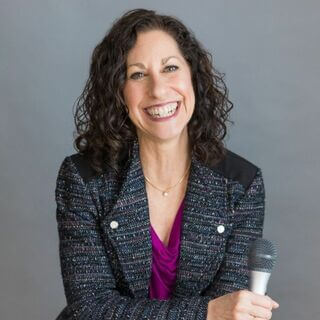
The years leading up to and during menopause are a rite of passage.
The wise woman inside of us is calling to slow down,
To take stock,
To speak our truth,
To burn away all that no longer serves us ready for our next cycle of life.
The good news is with the support,
Community,
Connection,
And most of all sharing our stories and being truly seen and heard,
We will travel through this powerful,
Sometimes painful heroine's journey and out the other side.
Welcome to the Menopause Podcast,
Real and raw stories of midlife and mental health.
I'm your host,
Kylie Patchett,
Menopause self-care coach and storyteller,
And I am so glad you found us.
Let's get on with the show.
As always,
I'm starting with a little boogie.
Good morning,
Everybody.
Welcome to another episode of the podcast.
I have the beautiful Sandy Davies from Happy Paws with me this morning.
How are you,
Sandy?
Oh,
I'm so good.
I might not sound my normal self,
But I'm great.
I'm so excited to be here.
You've got your husky voice on.
It's very sexy.
I was just saying before,
When we first connected,
I'm like,
I woke up and I thought,
Oh,
You know,
You always sort of do a bit of a scan of your day.
And I'm like,
Oh,
I start with Sandy and vaginas this morning.
That's where we're going,
People.
So Sandy,
For people that don't already know about your beautiful self,
Please introduce yourself.
So I'm Sandy Davies.
I'm right up in the top of far north Queensland on eastern Googielangi country.
I started out in Australia in southeast Queensland and was in tourism adventure.
And then we reached a point in our lives where we thought there has to be more than seven days a week with 12 to 14 hour days.
Oh,
Yeah.
And yeah,
Because it took us a long time to get there.
But when we got there,
It was magical because we found a young couple that had come back to Australia after many years with the International Red Cross.
Oh,
Wow.
And urban life wasn't suiting them.
So our adventure business was a perfect fit.
And then that gave us the freedom then to leap into remote living and just loving a slower pace.
Oh,
So good.
So I love that slow pace for a while.
And then very minibar snug in.
And I ended up out of desperation having no choice but to create a solution for intimate dryness when I couldn't find something natural and suitable for sensitive skin.
I love how you go.
I can't find something I'm going to create.
I know there's more to the story.
But I wonder,
Before we get into how Happy Paws came about,
Because I was just saying to you,
You know,
You read all this stuff about perimenopause,
Listen to things and,
You know,
The symptoms checklist kind of comes up.
And I think and I always thought,
Yeah,
Mental health.
Yes,
I've got that.
I've got the irritability.
I've got the rage.
I've got the inability to sleep,
All of those things.
But by the time you get to the nether regions,
I'm like,
Not all good there.
I spoke too soon.
So you were just saying to me before that you had when you were entering perimenopause,
There was other stuff in life that was happening,
But you kind of felt like you weren't coping as well as what you could,
But you weren't necessarily aware that perimenopause was a knocking at that stage.
Is that your experience?
Yes.
Well,
So when we moved to far north Queensland,
We built our house around my mother.
So my mother had come to live with us in southeast Queensland,
And she had an independent life a few doors down.
Yes.
But we knew she was aging and things were slowing down for her.
So we built a self-contained unit within our home.
Yeah,
Cool.
And we just,
We loved the life we were having with my mom.
And then she began to deteriorate a little bit more to the point that we were both working part time and making sure one person was always home.
Yes.
And one of the things we did to keep my mom independent and radiant was a bit of fake it till you make it.
So we always tried to make sure that she felt like she was still capable.
Yes.
So within our living area,
We had a separate laundry for my mom,
And then we had our own.
And I would pretend that I didn't have enough room in my,
Or I had extra room in my washing machine and would do an extra load.
So she could only do tea towels maybe.
Yeah.
So we did a lot of that fake it till you make it.
Where she didn't feel like her capacity was shrinking.
Yeah.
But when you're doing that,
To keep someone else confident and feeling like they have value on the planet,
It can just be a little bit tough for you.
And all of a sudden it was becoming so much tougher for me.
And I have a special little magic beach between where we live and Mossman,
I call it my Mark Twain beach,
Because it's the best place to go and solve all the problems of the universe.
So good.
So good.
And I found myself more and more of a going there and just like shouting out at the beach to sort of get my balance back and get my mojo back and get that grounding back.
And I had no idea really that it was Perry.
And I was getting a little bit more short tempered sometimes and having bits of flash anger.
This isn't me.
I've always been so sparkly and radiant and happy.
And even in hard times,
I could always find that bounce to happy and had no idea that it was Perry.
And actually at that time,
Something that I think we really are doing such a better job now at educating ourselves,
But I only knew the word menopause.
And then when I would talk to my GP,
He would say,
Oh,
It's just perimenopause.
And I had no idea that perimenopause was actually where it all happens.
So I kept thinking,
Oh my goodness,
If this is just Perry,
I'm not going to cope in menopause.
So it was a really difficult road than trying to educate myself in a regional remote area.
Yeah.
And I mean,
Goodness me,
Please,
God,
We're a bit further along with a GP saying just and menopause,
Perimenopause in the same sentence,
Because holy moly.
And I'm so relating to what you're saying about,
You know,
The words that I would use is like the emotional bandwidth of taking care of somebody else,
And particularly in the way that you so beautifully did for your mom to make sure that she didn't.
Yeah,
I went,
We took care of my dad for six years and he had an independent house about 10 steps from our back door.
But yeah,
He was,
He was so fiercely independent.
And it was so sad when that sort of started to,
Like when we had to say to him,
I don't know whether you can take the kids to daycare anymore at 86 when he'd had a stroke,
He was still driving.
And,
And just the,
The day that we took those car seats out of the car,
I just,
You know,
I feel like that was like the beginning of his kind of decline,
Although he did last for a long time.
But that emotional bandwidth thing,
That was one of the things that I really noticed.
And I didn't know it was perimenopause either.
Like I had,
I had,
And as it,
As it often is,
Perimenopause often overlaps with big life events,
Like taking care of adults,
Adults,
Sorry,
Parents,
Or I was mothering,
Yeah,
Two teenage daughters and one has a life-threatening health condition.
And,
You know,
She was rebelling against the things that she needed to do to manage that.
And yeah,
It just got too much.
And I thought that I was just,
I don't know,
Cracking under the pressure,
I have to say.
Exactly.
And,
And that's the worst bit with,
With us not knowing and,
And having that education and knowledge to be prepared for perimenopause because we've always thought that menopause was something that happened when we were older and when we were in our fifties,
But it all starts in our forties and we're not ready for it because we've just gotten into our groove.
And then all of a sudden we have this,
What the,
I know.
What the actual,
Yeah.
Yeah.
Yeah.
That's what I felt like too.
And one thing that you experienced too,
You said before,
Was that really heavy flooding periods where I haven't had them yet either.
Touch wood.
I feel like I'm jinxing myself here.
I was thinking,
Tell us a bit more about that because when that starts happening,
Other people I've spoken to where they're just like,
Am I dying?
Like,
Am I hemorrhaging?
Like what is going on here?
Yeah.
Well,
The first flooding event,
That is absolutely what you think.
Because for me,
I suppose,
I think maybe I'd skipped a period and then the next period came back with so much force and volume and cramps like I hadn't had before.
Yeah.
And,
And it is just,
You know,
Your body working harder to release those last few eggs.
And so when you step back from it,
Oh,
It all kind of makes sense,
But.
Yes.
But when that,
And at that time I hadn't heard of flooding events,
All I knew was,
Oh my gosh,
My period is suddenly so heavy when it comes.
I don't know when it's going to come.
I have to use so many tampons that I started.
That's when I started to experience the dryness.
Yeah.
Yeah,
Of course.
And the dryness would be the worst during the flooding events.
And then,
You know,
It's just so embarrassing and so limiting.
And you feel like you're a teenager again,
If you have a leak or whatever,
And you're like,
Oh my goodness,
Really?
What is this?
And when I went to talk to my doctor about that and said,
I'm starting to have,
I feel like it's just,
It's dry.
And my period is so heavy,
But I feel dry.
And he said,
Well,
That usually happens with sex and intercourse as you age.
Maybe you just need to try KY jelly.
So once again,
Totally missed the point.
And yes,
We start to have difficulty with penetration and a little bit of discomfort with sexual intimacy.
However,
That dryness also impacts us all the time.
And if we don't address the dryness with moisturizer as a daily part of our routine,
It even heightens that discomfort in our vaginal wall with intimacy.
Yeah.
That's what we were just talking about.
This is,
I feel like there's so many levels of dryness,
Itchiness,
Irritation that goes with perimenopause.
So I was saying to you before,
Like my skin all of a sudden is like hyper itchy,
Like hyper itchy.
I've never been like this before.
It is very dry where I live at the moment.
But,
And then we were talking about like,
If you do have intimate dryness,
Then it's not just the whole sex and intimacy thing.
It's,
I don't feel that I can walk very far.
I can't do the sport that I want to do.
I don't feel confident in myself.
And like you were saying before,
It took me a little while to realize that that was what was going on.
It was just like,
I wasn't really feeling like myself and I'm thinking,
Far out,
Man.
I feel like I had this perimenopause thing kind of figured out and then something else happens.
And is that what most people will say to you?
Is it just,
They didn't necessarily connect the fact that vaginal dryness was impacting them well outside of the bedroom necessarily.
Yeah,
Exactly.
And one,
It's one of those things where there's like,
There's still so much stigma and shroud around menopause and so much,
Well,
Even like,
So this weekend I've just been to Menopause the Musical.
It's doing a regional tour.
So good.
I loved going,
But there was a bit of me that just kind of,
My heart was just going,
Oh,
Why is this still so hard?
So an entire stadium full of women who have come to see a musical about menopause,
But it's okay to see it in the dark.
But outside there was a big banner for people to do selfies.
And there were groups of women that were coming along and having a laugh and doing the selfie.
But there were so many women that actually visibly curled up their lips,
Put their hand over and started whispering to someone or even were kind of like,
Oh my God,
I can't believe they're doing a photo.
So there's still this,
Oh,
You know,
We can go to musical,
But we can't say menopause out loud,
Especially like,
You know,
If we're somewhere remote.
And that's what I'd experienced like 10 years ago,
Even with my chemist,
When I was,
I had an allergic reaction to a pessary,
A multi-day pessary.
God,
I would have flayed my skin with clamshells if I could have.
So trying to find other options then and other moisturizers,
Which there aren't,
Or there weren't there then,
There's a few more that are cropping up,
Still not natural.
But at the time,
The chemist actually came down from up above,
Actually turned his back away from the shop so he'd have this private homestay.
Oh my goodness.
And then when the pharmacy assistant checked me out,
She wrapped up the,
Once again,
It was another lubricant,
Not a moisturizer,
But she wrapped it up,
Taped it up really tight and actually then came out from the counter,
Tucked it under my arm,
Gave me a bit of a patronizing pat and said,
Oh,
I hope this goes away.
So all of that,
I just kind of had all that flashed in my mind going,
Oh my gosh,
We're actually at a musical where we should be celebrating that we're all saying menopause is not a dirty word.
Yes.
And all I can think of is 10 years ago is still kind of the same today.
So I'm interested,
Because I saw your post about going to the menopause musical.
I didn't get to go when it was in Toowoomba because I had something else on.
Is it positively framed?
Yes,
It's kind of like a bit of a shared experience laugh,
I'm guessing.
Yeah.
Is it positively framed or not?
Or is it,
This is for your,
I'm going to steal,
Excuse me,
Annette McQueen's,
When she was on the podcast,
Says,
This is not for your entertainment.
She's like,
I think that menopause still is treated like that.
Like,
Oh,
She's having a hot flush,
Like that.
Was it positive or not?
I think right now,
Anything that gets us to have a conversation about menopause is positive.
Yes.
So I loved that there was a theater full of women from diverse backgrounds.
It'd be nice to see a mixed audience,
But that doesn't matter.
I love that there was a theater of women of mixed backgrounds all there,
And they are all going to work this week and talking about the fact that they went to Menopause the Musical.
Well,
Hopefully they are.
Hopefully.
Hopefully they're not having whiskey.
They're always going,
Oh,
It's something that women probably aren't going to tell.
But my feminist brain hurt a little bit.
My ageism brain hurt.
Some of my stereotype brains,
I just,
I had to keep telling myself in the seat,
Sit back and relax and be in the moment.
Take all the critical stuff and just put it away and just be glad that this conversation is happening and it's happening enough that this can tour the region.
Yeah.
Yeah.
Yeah.
I have the same struggle sometimes,
Especially the ageism,
The overlap of the ageism and the anti-menopause or negative sort of framing of menopause.
I saw somewhere the other day,
I was looking for,
I go through periods where I'm like,
All right,
I'm going to chop all my hair off because I hate it being hot.
So I'm in one of those periods at the moment and I went looking for- I recommend it.
Yeah,
Yeah,
Yeah,
Exactly.
I went looking for like short,
Shag,
Curly cuts,
Which is,
I know,
But you can find things that And I came across an article that was short,
Curly cuts for women,
Aging women.
And I was just like,
What the flip in hell does that have to do with anything?
How old I am or not?
Like,
Surely I just get to pick what my hair is like,
But there is still that like,
Oh,
You know,
Women of a certain age kind of filter.
And I'm like,
Oh,
Fuck.
I recently just found a sequined suit and I wore it to the Silver Sirens Redefining Aging event last month.
And when I actually found it,
So I'm really big on,
With expensive items or like ballgowns items,
I love repurposing.
I love Yaz Karingulis that does the big Australian garage sale.
I love that repurposing fashion.
I found this like $600 sequined suit in Mount Isa.
And I just love that I found this recycled suit.
And one of the ladies said,
Oh,
Is that for your daughter?
And I was like,
Hell no,
I am owning this.
I am going to be a million bucks.
And I just,
I thought it's so interesting that sometimes we,
We still have people that try to age us out of just celebrating something fantastic.
The same as defining a cut,
A haircut for aging.
It's like,
Because I have gotten to a certain age,
I can't dress for joy or celebration or to be flashy and,
And have fun.
I really rail against that at the moment.
Well,
But I have to say,
One of the things that I have felt in perimenopause is that I definitely have been less fun.
So like,
And I started to do a number on myself of like,
Oh,
Maybe this is just what getting older is.
And I'm like,
No,
No,
That's not my story.
I have felt like some of my mental landscape or the stories I've had about even,
Like I am,
I'm being surprised by my ageism.
Like I didn't think that I was ageist at all.
And I,
And I,
I have said this before in interviews,
Like my dad was 91 when he died.
He was full of pep and verve and interest in life.
And you know,
He wasn't an old person.
He was most disappointed that his body finally,
You know,
Clocked down on him.
And I've always had that as my frame of reference of like,
Yes,
I'm,
That's how I'm going to be.
Like I want to be,
You know,
But then yeah,
When I hit 47 and all these things started happening,
I did feel like my interest was really dropping off and that was much more to do with undiagnosed depression at that stage.
Um,
But yeah,
I think all of these things that,
That like this,
The right way to have your hair or the right thing to wear or the right,
It's like,
Why can your daughter,
I don't even know if you have a daughter,
But why can it be okay for your daughter to wear the sequins jumpsuit,
But not you?
Yeah.
Like what is that about?
Um,
So you said before the awful allergic reaction sounds absolutely hideous because yes,
I,
I can't imagine having an internal allergic reaction to something.
So when,
When that happened,
What,
Because your,
Your brain didn't just go,
Oh,
I'm having an allergic reaction.
You went,
Damn it.
I'm going to sort this out.
I'm going to,
I'm going to,
Or what was the process?
Because you obviously then became aware of all the crap that was in,
Um,
The option that you were given.
Yeah.
It was one of those things where,
I don't know,
We just,
We always trust a white coat,
You know,
And we're conditioned to that from childhood and it never occurred to me to actually look at the ingredient list.
Yes.
And then I had the reaction and I went and got the box and turned it over and it was like a wildy coyote cartoon.
Like my eyes came out of my head,
The horn started going,
The box was like,
I just put that there.
And it was just,
Oh my gosh,
How can I have not even thought about what was going into my most sacred space and my source of life.
And,
And then because it actually didn't just created even bigger issues with the dryness and even more issues with sensitive skin.
I started trying natural moisturizer.
Yeah.
At that time there was nothing in Australia.
There is another company in South Australia that's done something similar to Happy Paws now,
But there was nothing then.
So I ordered products from Switzerland,
From Germany,
From Sweden,
From Mexico.
Yeah.
I ordered products from all over the world and I don't know,
They would be hemp based and they'd still be sticky or it would be something that was a cream that's still oozed out.
Yes.
So many of the products they've got an applicator or they're dissolving pessary.
They're gross.
You have to wear a panty liner if you have sensitive skin,
The panty liner infuriates and irritates the sensitive skin.
And I kept thinking there has to be something better.
And my,
My main ingredient is coconut oil.
Yes.
But coconut oil standalone isn't enough because it doesn't have longevity.
It doesn't penetrate the skin.
It doesn't stay.
So I had,
It was actually through a chef friend and through some of my husband's research.
That's so cool.
I'll give coconut oil a go.
Yeah.
Um,
So I found a really good,
High quality direct micro expelled coconut oil that didn't have any nasties,
Any animal matter.
Who knew that coconut oil could have animal matter?
I know.
Isn't that crazy?
Oh my goodness.
I'm doing an inflammation protocol at the moment.
My naturopath is like,
Now make sure you coconut oil.
And I'm like,
What?
I know.
Who knew?
Oils ain't oils.
But it's actually food oils as well.
Yeah.
Crazy.
Um,
So yeah,
It was a multi-layered path that brought me there.
And,
And in that path of getting there,
There were so many things that,
Well,
Every single thing that said they were natural,
They still had a huge ingredient list.
So many of them had,
Um,
Overpowering scents and those scents say that we're not good enough.
And,
And our natural body isn't enough.
And there's so many messages out there in the menopause sector right now that we are not enough.
And it's the same crap from the teen magazines when we were growing up.
Yep.
It's just at the other end of the cycle.
Yep.
You know,
Embrace your minnow belly or embrace that you maybe have a few extra kilos and just find a way to,
You know,
Improve your strength training and be happy with your self-shape.
Like you don't have to have $270 or sometimes even a thousand dollars a month worth of supplements.
Like you are enough as you are.
And that's the same with your,
Your vulva and your vagina.
You are enough as you are.
And it is still a beautiful thing as you age.
And when you just give it some love,
It says,
I love you back.
Thank you.
Yeah.
Thank you for paying me some attention.
It's one of those crazy things because like dryness,
Like I'm saying about the menopause stigma,
There's enough stigma around menopause.
And then when you actually talk about vulval and vaginal dryness and the urinary stuff,
It's a hundred times worse for stigma.
And there's something about saying that we have something going on down there that makes us feel less than.
And we have to kind of flip the narrative on that to not thinking,
Oh,
Is there something wrong down there?
We have to say,
Oh,
I love down there.
And when we nourish it and give it moisture and things,
It,
It just,
It thrives.
It's one of those things where if you go back,
Like maybe 30 years,
There was dryness that would maybe rock up in research.
And they say,
Oh,
Maybe,
You know,
20% of women.
And then it kind of grew to 40%.
There was a survey that came out in the late nineties.
That was 47%.
Then there was this groundbreaking stuff just around the start of COVID.
78% of us from mid forties on will experience dryness,
Intimate dryness for the rest of our lives.
Now it's 84.
I know that's what I was just saying.
I'm like 84%.
That is just,
That's a crazy.
So,
But I've never had a conversation about anything like,
Mind you,
I have to say,
Even because of my own experiences and talking so much on this podcast,
Even in my friend group,
We still don't talk about every single symptom.
And I've only really,
I think it's because I've talked about my mental health struggles in perimenopause a lot that,
Yeah,
I've got a couple of friends that have now started talking to me one-on-one.
But in a group,
Even in my friend group,
We're still not at the stage where we're like,
Oh,
Do you get this?
I'm like,
If we're not talking to each other,
And I think this is where the danger is,
Like you said before,
Like we trust someone in a white coat.
We don't have enough education about what we can have access to or what is possible.
So then we don't advocate for ourselves.
And then we just,
I don't know,
Disappear off into the background with this dryness that is completely,
I don't even want to say treatable,
Because I don't want to kind of,
You know,
Illness-ize it.
But,
You know,
Like it's,
There's a solution.
There's a solution that's available.
But so many of us will go,
Oh no,
This is just the way that we age or the way that what we have to settle for.
Exactly.
And it's one of those things where if we,
You know,
If we always take care of our face,
We moisturize our face,
We moisturize our face at night,
We put moisturizer on with a sunscreen on.
But if we add moisturizing our vulva and vagina into our daily routine,
The same way,
Like same way,
Exactly.
If down there is some love like we do up here,
All of a sudden we realize we're walking better.
We can still have irritability.
It's not caused by dryness,
But our afternoon irritability can be a little bit less.
Like it can all fit together in this tapestry.
And when we give ourselves that bit of love,
It can make a huge difference just to our resilience.
And maybe we have a little bit longer before we go,
What that in a,
You know,
In an irritable day.
Yeah.
I think you've got,
You've hit the nail on the head because I feel like I've got,
You know,
A certain amount of,
I always say bandwidth.
And if I am,
Like I was saying to you before,
Like noise is really,
Really a thing for me at the moment.
So I got loop earplugs.
I put them in when I'm going into shopping centers.
Like I wear them at night.
I,
Even last night when I got,
I was away for the weekend and I loved doing what I was doing.
I was at an art workshop with friends and everything.
So it was beautiful.
And I'm also someone who really needs a lot of time to herself to just feel centered.
And so as soon as I got home,
Even though there was no one else in the house,
I put my earplugs in because it helps me to just feel a little bit more nestled and taken care of.
Yeah.
That's one of the ways that I deal with that noise taking some of my bandwidth.
And then if you're just using happy pause to take away that part of what could be taking up your bandwidth.
And then like,
I'm finding like,
It takes a while to figure out all the little bits and pieces that go together.
But yeah,
I have to say it's worthwhile.
Even like I use an eye mask to sleep.
It sounds like such a silly little thing,
But all those little things can add up to you feeling a lot better.
And especially by the afternoon,
That's exactly,
Yeah.
I never really thought about that before.
You know,
And each of our journeys is unique.
So the more we talk to each other and find out what other people are doing,
We can give that a go.
Like,
I don't know.
And even like,
I find,
You know,
The HRT conversation,
People get so fired up and so polarized.
You know,
It doesn't matter.
It works.
That's the magic solution for some.
It's not for others.
We just all have to figure out what we want to try.
And we all find,
Once we're open to the conversation,
We don't feel shame.
We all find the solution and the magic layer of multiple things that work for us to thrive.
Yeah,
Yeah,
Yeah,
Yeah.
It's so true.
I'm so over hearing the polls of extreme opinion around HRT.
I am so over it to the point where,
I don't know,
The rebellious part of me wants to really provoke around that point because I'm like,
I have actually had a guest on this podcast before that I've had to edit out a chunk of our interview.
And I explained to her why,
Because she was basically saying,
If you do all the right things early in life,
You'll go through menopause without needing anything.
And I was just like,
There is just no evidence to back up.
And you're basically just like the teen magazine saying,
The woman is doing the wrong.
If you've got any symptoms whatsoever,
It's because you've done something wrong.
You haven't done life right.
And I'm like,
How can you do that to,
Like,
Surely at this age,
We should be able to be actually starting to be a sisterhood rather than competing or making some of us wrong.
And it kind of feels like,
To me,
Like the bottle and breastfeeding thing.
It's like,
You know,
Either end of the spectrum,
You can't have an extreme view without understanding that everyone has a very different experience,
Different babies,
Different moms,
Different whatever's like,
You know,
And I'm one of those people that,
You know,
I went into motherhood thinking I would be able to not,
Not that I would be able to,
But my preference would be,
You know,
Natural birth breastfeeding until whenever the baby wanted to wean all of those things.
I ended up with the cesarean and bottle feeding both my babies for two different reasons.
And I look back now and I think I wasn't disappointed at the time,
Which is,
You know,
I didn't at least stay fixed to my idea,
But same thing with menopause.
Like I thought,
Like you said,
Around about my fifties,
Sometime I'll just stop getting my periods.
It's not going to be a big deal.
Oh my God.
But then I also,
Yeah,
I also had this self-judgment when I really struggled.
And I,
You know,
Finally sort of went to my,
Well,
Not my doctor actually,
Talked to my psychiatrist who treats me for ADHD.
And he's just like,
I think it's time that you really seriously considered trying HRT.
And I did have that moment of like,
Oh God,
Do I have to do this?
Like not naturally.
And I'm like,
Okay,
Either you feel depressed and like,
You don't want to be here and like,
You've got no joy in life or you try something different,
You know,
It's yeah.
I think we need to just stop the judgment end of things.
And I think for those people that I tried,
When I went to my doctor about something else,
She asked,
And that's actually one thing I will say that's gotten better in the last couple of years,
Or at least in my town,
There has been more in my experience,
Active asking from the doctor of common symptoms that women won't necessarily talk about like vulval and vaginal dryness.
And she actually asked me and then she offered me sort of pessary,
I think,
Anyway,
And I did absolutely nothing.
And it felt very,
I don't know,
Artificially,
I didn't like the,
You know,
Just didn't feel right.
And then I was like,
Hang on a minute,
I know that lady from Instagram.
And it makes a bloody big difference.
And I think the biggest thing for me is even with the medication version,
I felt maybe a slight difference,
As soon as you put it in,
But then over time,
It wasn't really making any difference.
And that's the difference that I'm noticing.
Yeah.
Yeah.
So that,
I mean,
Yeah,
I'm,
I just,
I want to honor the fact that you couldn't find something.
So you made it like,
I think that's pretty bloody cool.
So where,
What's the journey been like for you to try to not to try,
But to get your product into more hands of women?
Do you speak with doctors or do you mainly sell online?
Um,
I speak with doctors a little bit and I do love that I get,
Um,
Lots of women that come to me because their GP or their gynecologist has recommended Happy Paws.
Good.
Um,
Part of,
Part of when I formulated,
Because I found the solution for me and then a few more women in far North Queensland started using it.
And then my daughter actually said to me,
Mom,
You're always banging on about making a difference and you're not making this big.
You have to make this big.
So I love that.
My daughter kind of gave me that kick that I needed to go big and it was during COVID.
So we use that super money that you could take out.
Yeah.
Yeah.
And at the time,
There was a podcast that was interviewing lots of people in the cosmetic industry and the beauty industry.
And one of the things I found with all of,
You know,
These great success stories was they had means and they were very patronizing about people that tried to do a single range or people that didn't come in with,
With anywhere between like 200 and $500,
000 capital to get started and get exposed to the market.
And this like rebel in me went,
Oh,
That this is rubbish.
I'm going to do this.
I'm going to do this with just the money from super.
And I did,
I was able to start it up from that.
But I ended up with long COVID,
Which kind of just totally like,
It went like a Duracell battery down to probably about 20%.
So I don't know if it's that,
Or if it was that I didn't have the capital to put lots of money into marketing and into absorbing the cost to get it out there.
I have so many women now that I've made a difference for,
And that was the thing.
I started out wanting to make a difference for even one woman.
I have women that,
Some that are still on HRT and Happy Paws.
Some are Happy Paws solely,
Doesn't matter what your journey.
It's made a difference.
It's made a difference for people going back to swimming,
Going back to gardening,
Equestrian stuff,
Just life,
Getting through an afternoon at work where you've had that dip.
So I'm thankful for all of that,
But honest truth bomb.
I haven't reached the point of profitability.
And I'm so disappointed that I've done all the hard work,
And yet I'm not sure I'm going to get it across the line to a point of profitability myself without a pharma or someone taking over that has other multiple lines.
And I really hate to admit that some of those big success stories are bloody right.
The more I look at it,
When I try to put on.
.
.
I've been telling my accountants from the start,
I don't want to hear anything.
I don't want any of the negative talk.
I don't want any of the analysis.
I'm just going to have a go.
Yeah,
Yeah,
Yeah.
But I've kind of reached a point now,
Three and a half years down the track where I'm thinking,
Okay,
I don't even need to hear the feedback from my accountant,
Because when I actually take a long,
Hard look without any emotion,
Yeah,
I know that it's probably not sustainable from a profitability perspective.
And it's heartbreaking.
We just need everyone,
Because you've been on so many podcasts,
Surely we could just ask podcast audiences to try your product and then recommend it to a friend,
One friend.
Because that's the exponential word of mouth thing,
Isn't it?
Yeah,
Well,
And that's the thing.
Once someone actually is recommended to it and tries it,
They're like,
Oh,
My goodness.
The product speaks for itself.
Yes,
Exactly.
And there's so many of us that,
Well,
The new stats,
It's out there.
But it's that thing too,
Where I think we get so busy,
Whether it's our kids going through puberty or whatever,
As soon as we get busy or we have drama or tragedy or grief or anything else,
That's kind of the starting point of where we give.
.
.
We give away,
Not give up.
But that's the first thing we think,
Okay,
I'm too busy,
I'll just let that go.
So we let that go,
We let other maybe supplements go,
Or even mortgage stress.
I'm realizing that is probably the first thing that we neglect of ourselves when things get tough.
Yeah.
And do you think that part of that is kind of what I was saying before of like,
Is it because there is too many of us that have this kind of like,
Oh,
That's just what happens when you age,
Like that settling type of thing?
A lot of that.
But the other thing I find so often,
Like I find when I do something face-to-face,
If I do like a market or something,
I get so many women that will kind of almost be snappy at the table of,
Well,
I'm finished with that,
I don't need anything like that because I'm finished,
Meaning I'm,
You know,
I've gotten through and I'm post-menopausal.
And sometimes if it's the right environment,
I'll say,
Yeah,
But it's not just about perimenopause,
Dryness is something that affects us all our lives.
All our lives.
And if they kind of get interested,
We'll have a chat.
And it's amazing,
Sometimes those people that were,
So because I'm finished with all that,
Turn out to be the women that will tell everybody about half pause.
Yeah.
Because it's not just our 40s,
It's forever once we start our skin thins.
I think you're,
It comes back to,
Do people even know that it's available to them to feel still good?
Because I do think that you are 100% correct on this self-care,
Self-nourishment,
Self-nurturing.
It is the first thing that tends to go.
And there's,
You know,
There's a whole world of,
Yeah,
Don't even get me started on patriarchal culture and how we're trained to be caretakers,
All those things.
But I will continue to yell from the rooftops that that nourishment and that nurturing,
This is the perfect time for us to realize that if we are not responding to our own needs,
There's no way that we can respond to other people's with a full,
I don't know,
Bandwidth,
Rich,
Juicy,
Ambrosial energy that is possible if you do.
And it doesn't,
We're not talking about self-care that takes,
It takes literally like 30 seconds to apply a little pearl of happy pause at the beginning of the day,
As you said,
With your normal routine.
So yeah,
I do think you've hit the nail on the head.
It's that,
The self-nourishment and the self-nurturing that I feel like there's so many blocks to it.
Number one,
Did any of us have a reference point of a woman who self-nurtured or self-nourished themselves?
Most of us haven't.
I certainly didn't have a mother that demonstrated that to me.
I don't think that that has really been something that,
You know,
If there is a,
If there is,
When I ask that question in groups,
There is sometimes a person that goes,
Oh,
My aunt,
I had this crazy eccentric aunt.
And it's the aunt that weighed against everything,
Right?
So they did have kids.
They didn't,
They had a cool life.
They traveled.
They had a career that was really juicy or whatever.
And that is the,
It's almost like the,
I don't know,
What's that called?
Like the,
It's not off,
Not in the bell curve.
Like it's like this outlier,
That's what I'm trying to say.
Yeah,
I think,
And it's like,
What would be possible if all of us fully nurtured and nourished ourselves in the tiny ways that we can?
And we're not talking about,
You know,
Happy pause is not hugely expensive.
It doesn't take a lot of time.
It's not,
But I do think you're right.
It's that,
That,
Yeah,
The self-care falls off.
It's,
It's like,
You know,
Three minutes of diaphragmatic breathing can reset your nervous system.
Do we do it?
I'm,
I'm trained in this stuff.
Do I do it?
Quite often I'll end up getting to the end of my day at six o'clock and I'm hunched over my computer.
I'm super focused and I'm like,
I have not been in my body all day.
Yeah.
My shoulders are,
You know,
I need to loosen up.
I need to use my sit-stand desk actually to stand up with that.
That would be crazy.
Like all these tiny little things that are like,
How do we pattern interrupt?
Um,
Sandy,
Something that you talk about is this is the time,
You know,
This is the time.
Like if you want to do something cool or change your life or whatever,
This is the time.
Can you talk more about this?
Because I feel like this is part of this more positive reframe that I really,
Really want people to hear again and again and again.
Let's challenge the old age is inevitable type of thing.
Yeah.
I'm just so big on leap and have a go.
And there are so many bits where we feel like maybe we're going to,
You know,
Shatter into a thousand pieces or we're losing a mind.
We begin to have that self-doubt or self-judgment or that negative chatter as a part of that perimenopause experience.
And we have to just sweep all that out of the room.
And then if we are in a place where we're feeling like we have too many unfulfilled dreams,
Things we haven't done a wishlist,
You know,
Just do it.
And we always have a huge list of reasons we can't,
You know,
Whether it's,
Oh,
I don't want to lose my lease or,
Oh,
I can't afford that.
Or,
Oh,
I don't have any,
It doesn't matter.
You can always find a way.
Yeah.
And I always call them the responsibility excuses.
Like,
You know,
I'm being a responsible adult.
It's not,
It's not responsible to sell everything and move to the States as we did.
And people are like,
What the hell are you doing here?
Why not?
Yeah,
Well,
I found like we were midlife and just at the,
At the start of Perry,
When we threw all caution to the wind,
Sold our adventure business.
And as our competitors down South said,
We moved to the ass into nowhere.
Well,
Let me tell you,
The ass into nowhere is not the ass into nowhere,
But it is amazing as well.
Yes.
And you just,
You make the life changes.
And when you,
When you move somewhere remote,
The wages can be a little bit less.
You maybe don't have all the luxuries or a fancy summer there.
Doesn't matter.
Yeah,
But you live on the edge of the Dane trees.
And I know like it is just,
Well,
We just had visitors recently and,
And they said,
Oh,
We really want to take you out to dinner.
I said,
Well,
It's a little bit too hard for that,
But let's have fish and chips from the servo on the beach.
Yeah.
And they,
And they sat there on a log that had washed in and out of the wet season going much more perfect.
This is your life.
They both kept saying in a course,
You live here.
So fish and chips from a petrol station can be as amazing as a Michelin star restaurant.
Oh,
God.
Yeah.
I would say a thousand times more.
I'd better.
The simple life you're like,
Yeah,
I'm sold.
Like the simple life is for me.
Although I would have to say the simple country life in the middle of a fire season,
Probably I'd rather be in the Dane tree,
But that's fine.
Um,
What I'm interested to hear.
So when you moved there,
Were you empty nesters yet?
You were empty nesters,
Weren't you?
So your kids.
Well,
We were kind of empty nesters and it's really interesting because like we'd,
We've been talking about all the empty nest things we were going to do and all the dreams we were going to have.
And I guess that,
That comes back to that whole thing.
You know,
Find a way to thrive,
Leap,
Make your dreams happen,
Change the narrative,
Redefine it because we had a family tragedy that ended up with my mom then coming to Australia.
Yes.
Like we were empty nesters and everything changed and my mom came into our life and we had her here with us for 14 years and it involved sacrifice,
A pivot,
A complete change of how we thought our dream was going to be defined.
We still move north.
We still did everything in all of those empty nest dreams that we thought we were going to do.
We just changed the way and wove something else into it.
Yeah.
And,
Um,
Yeah,
So you don't have to think when,
When you get thrown a curve ball,
Oh,
There goes my dreams.
You just find a way of weaving that ball into the dreams.
Yeah.
And I always,
I always come back to you don't ever have the desire without,
Like to me,
The desiring of something is part,
Um,
Like that's part of your purpose or your,
You know,
The unfolding of your life.
And,
And,
But then we kind of have desires and then,
But we don't claim them because we're like,
Oh,
That'll be nice one day.
Or,
And I think,
You know,
What you're saying about having all these plans and then having life intervene anyway,
It just shows me,
It's like,
You may as well just go and do whatever the heck is calling you because who knows what life will bring next week.
Exactly.
Well,
And we've actually been dealing with that this year because my husband's best mate has passed away from oral cancer and it was just.
That's an awful thing.
It was such a terrible,
Well,
Any cancer is terrible,
But it was just such a,
You know,
A long debilitating.
I've had a relative pass from oral cancer,
So it's not pretty,
No.
Um,
But four years ago,
He and his wife rang us and his wife had been on a holiday with us because he had a fear of flying.
He'd been involved in a near death experience with a helicopter in Vanuatu on a construction job.
And she rang and said,
You know,
Arrow's gone to psychotherapy and he has overcome his fear of flying because I had such a good time going away with you and Harry that we want to do it again.
And in the phone call,
We said,
Oh,
You know,
We're just,
We're in such a tight position financially right now that we can't.
And then we went to bed and we tossed and turned both of us all night and like 4am,
We both just rolled over to each other and said,
We said,
Can't.
It's like 6 o'clock in the morning.
That's not even half of a cafeteria.
Yeah.
So we,
When we got up,
We got on the computer,
Looked at everything and thought,
You know,
We don't really have the money,
But we'll do it.
Yeah.
And we rang him and said,
Yep,
Right.
Let's do it.
And now I just,
When,
When Sue rang and shared with us about Arrow's passing,
She said,
You know,
One of the things that has just kept us going for the last 12 weeks is just that we went and that like,
That's such a crappy reminder that you do,
You just have to do it,
Whether it's a business,
A move,
A holiday,
Or a complete radical life change.
I'm not a big believer in the menopause divorce.
No,
I'm not either.
There can be a,
If you've had a whole life where,
You know,
That you've been at cross purposes and cross paths and you haven't had the courage,
Then now's the time,
The courage even for life changes like that,
If that is genuinely warranted.
Yeah.
And it's not just born from intense irritation and ridiculous mood swings that,
You know,
I do think I'm in a few menopause groups and there's often a thread where it's like,
I hate my husband.
And I never,
Ever comment on things.
Cause I just think,
Oh my God,
I'm such an outlier here.
I don't even know what I'm doing in here.
Cause it's those groups.
It's like,
Menopause is awful.
It's the end of the world.
Yeah.
Dramatization.
But occasionally you will get a voice of reason.
That's just like,
Has this been how you've been feeling for 30 years and you just haven't had the courage to actually speak for what you need?
Or is it something that has only just popped up since your perimenopause began?
Cause it's like,
Just work out how to get some support for the perimenopause and then see how you feel.
But it's like,
Everyone else is like,
Just leave him.
Like,
You know,
That type of like real.
Yeah.
Anyway.
And I do have more and more,
Like the more,
I guess,
Become visible and seen as a vulvovaginal expert as well as menopausal.
I have more and more conversations with men who are initially a little bit hesitant,
But they want to help and they don't know how.
Yes.
And I have so many conversations now with partners,
Partners and sons,
But especially partners who just really want to help.
Don't really know what to do.
Actually feel bad too.
If they feel like they're the causer of pain with discomfort and intimacy.
Yeah.
They want to find a way to have intimacy that both people feel pleasure to fit the heterosexual relationship that there are plenty of people that don't know how to talk about it,
But want to help you.
Yeah.
And when you can start to break those conversations down and get that support,
It's just amazing to have someone else that's wanting to lift you and help you sing as well.
Yeah,
Yeah,
Yeah.
I think my husband and I had this breakthrough moment at Christmas last year.
I was reading wise power from the red school ladies and I just,
That book is particularly about the separation psychological phase of perimenopause,
But you just want to like,
Basically like disconnect from everybody and put yourself in a little hibernation hole,
Which is exactly where I was at.
And I didn't have the words or the understanding of perimenopause to talk to Shane about it because I was just feeling irritated by everyone.
If the whole world could just F off,
That would be great.
That's where I was at.
And I didn't understand.
And I remember reading this passage,
Actually,
No,
It wasn't wise power.
I read second spring Kate Codrington's book at the same time.
And I think it's Kate's book that says a little note to loving partners.
And it was basically like,
Please have patience with me.
I will come back to you eventually.
But that sort of like,
I'm going through something that's,
It's a transition and it's huge and it feels really discombobulating and all of those things.
And I remember I was looking over my book and he,
I remember him kind of just exhaling and I thought,
He doesn't know what's going on either.
All he knows is that I'm snippy and snappy and don't do stuff and I don't,
Don't touch me,
Don't,
That sort of stuff.
And yeah,
I think that it can be really confusing for partners.
It's like,
Yeah,
My wife was like this or my partner was like this.
And then all of a sudden she's like this.
It doesn't seem to want to,
You know,
There's nothing's the same.
And I feel,
I feel sad for that loss of connection.
And,
You know,
I like to think we've got a pretty good relationship,
But I didn't have the language.
I just didn't have any way of communicating how I was feeling.
And like you were saying before,
Because I was,
You know,
Putting a parent into dementia care and two teenage daughters,
So there was a lot,
And I was working in a ridiculously ill-fitting corporate job that's a whole other kettle of fish.
And so all of this was colliding.
And so I actually didn't really know that what I was going through was this,
You know,
Quite strong separation phase of perimenopause.
How did you feel when you were,
Oh,
Actually you shared with me before you didn't have a period for nine months and then your period came back,
Which I want to talk about because I think I said to you,
Like,
I feel like I'm at the quickening end of the perimenopause.
But then I got a bloody period yesterday,
Right on schedule.
And I'm like,
What's going on?
I thought that I was at the,
Just about to kind of stop stage.
And you said something which I am definitely going to take away and chew over.
You said,
We are,
You know,
A bunch of high achievers and we just want to get it done.
And I was like,
Oh my God,
That's exactly how I'm looking at perimenopause.
Shit.
Can you talk a little bit more about that?
Yeah.
Well,
Yeah.
So absolutely,
Like we want to get across the finish line,
But I actually want to go back as well to men a little bit because there's this amazing book by Dr.
Louise Newsome in the U.
S.
Or in the U.
K.
And it's the Hanes Guide to Menopause.
So like Hanes manuals,
You know,
Like the mechanical car manuals.
And I reckon that it is the best bathroom book for the men in our lives when we are going through perimenopause.
And it is just,
It is so easy for men to read.
Yeah.
And they have just a light bulb because like,
I think so often with men,
They just want to fix things and they can't fix it.
And because I,
My biggest menopausal meltdown was probably just before Christmas.
And we were at the back of the car and I was trying to get out the easiest shopping bags to take into the shopping center.
And I had a hissy fit meltdown and all of the bags ended up in a meltdown thrown in the car park.
And then I started to have tears running down my cheeks and my husband came back and he just,
Instead of being mad or going,
You know,
What is wrong with you?
He just touched,
Grabbed my shoulders in a loving way,
In a kind way.
And then he wiped one of my tears and then he just looked at me and made eye contact and said,
I know I can't fix this.
What do you need right now for this to be better?
And that was one of those,
Like life-changing menopause moments for me that he gave up the need to fix it and just said,
How can I be here for you?
We must've looked like,
You know,
Fruitcakes to anyone else driving by,
But it was just amazing and it was magical.
And he just held me and then he folded up all the bags,
Picked the right ones to go in and then off we went.
And that,
I can't actually remember now,
That was actually probably about four months before the incident you ask about.
So we had gone.
And at that time I was thinking,
Is this ever going to end?
You know,
Because we do,
We just want to,
We want to finish it.
We want to go on to the next thing.
Boom,
Boom,
Boom,
Boom,
Boom.
Three months later,
We're down in Brisbane with both of our grown daughters and our grandson.
And I feel this experience between my legs that then makes me feel like I'm 14 again.
I'm like,
I can't be having my period.
I'm through this.
I've only got three more months to go and I am past the perimenopause finish line.
No way.
I'm like,
I am not being ripped off.
This is not a period.
This is not happening.
Go away.
Be gone,
Me.
And,
You know,
Our grandson had all these agendas at the shopping center and,
You know,
When adult kids get together,
Like it was just all so much stuff that was like,
Not now.
Yeah.
And I had to go to the chemist and then I had to go to the bathroom and I was right.
And it was heavy.
And if I hadn't had our kids and our grandchild waiting for all this activity they wanted to do,
And it had just been my husband and I,
I think that I just would have put the toilet seat down and sat on the toilet seat and grabbed my knees and just been there until my husband came into the women's restroom.
Yeah.
What's going on?
Yeah.
And it was one of those hard life moments,
You know,
Where I just had to.
Surrender.
Yeah.
Surrender so hard to so many of us.
And it did turn out that it was the last period,
But that next 12 months I had so much dread.
If I ever had a little tinge in my stomach or something,
I think,
Oh my God,
Is this still really not going to be over?
And there's going to be like another year.
Are you kidding me?
Um,
So I think,
You know,
In addition to the flooding events,
Those things,
When our periods become sporadic and we're waiting for that,
You know,
Finality of 12 months of no period,
And then we're post menopause.
We have to stop looking at that as a race or a sense of failure because we just have to embrace the natural progress with our body and it,
It will get there in its own time.
And the more we can embrace the easier it is to deal with it.
Yeah.
I,
I was,
Um,
I was reading back through,
I wrote a,
Wrote a blog post,
Whatever,
Um,
A little while ago called Itchy Bitchy Brave.
And in that part of what I wrote about was it'll take as long as it'll take.
And I read it the other day when I was feeling like,
Oh,
I feel like things are,
And I'm just like,
You are trying to rush through even this,
Which I feel like if we really sit in it,
It's one of those most sacred,
You know,
Portals of rebirth and reinvention and healing and all of these things that are available at a time in life when some of us,
You know,
Most of us,
If we hadn't had our kids so much later,
You know,
Generationally,
But,
You know,
Most of us are having time,
Possibly resources open up more for us.
And then I'm like,
I'm still trying to rush.
Like,
I'm like,
There's a time on this.
Come on.
This is the project.
We've got to get through this because then the next project is post-menopause.
And I'm like,
Oh my God,
I am also laughing because when you were having the hissy fit with the bags,
I will share just a very quick story,
Very similar hissy fit moment.
I was by myself though.
I finally went and got estrogen,
Trying estrogen patches in my kitchen.
I can't see with glasses on at all.
It's like my eyes just checked out at 47,
Like everything just changed.
And I'm opening the little like packet that has the patch in it.
And the patches are clear and they've got clear backings on them.
Right.
And I've got no glasses on and I cannot find the at the back to crack open the patch,
To put it on my skin.
I'm like,
Why do people make these for thousands of people?
I was,
Oh my God,
It was so hilarious.
But yeah,
In some ways it felt pretty good to just release all of that energy.
But far out,
It does feel like you're back to teenage years when those,
You know,
Those big hormonal shifts.
Yeah.
You're not ready for the spike.
And then the spike comes and you just destroy an inanimate object.
Yeah.
Well,
I was like,
I think that one ended up in the bin.
And then I think the second one,
Then I was finally like,
Go and get glasses for my soul with some eyesight.
Sandy,
What is your next adventure?
What is next?
Because I have now your,
Because one of the things that you were saying in your answers to the podcast questions is like,
You know,
Go volunteer in Nepal or trek the Santiago.
I'm like,
I've always wanted to do that.
I've always wanted to do that.
So what's your next adventure?
Well,
It's actually quite interesting,
My next adventure.
So not really,
I guess we never really had a bucket list per se.
But about 12 years ago,
Jimmy Buffett was coming to Australia for the first time since 88.
Yes.
And we had decided that was my one life moment that I still wanted,
Whether we had to go to America,
To the Caribbean,
Wherever,
I wanted to see Jimmy Buffett.
Yeah.
Then he came to the opera house.
And he actually,
Like people at the opera house ticket office weren't actually prepared.
They thought they were just having some singer,
Songwriter,
Folk singer.
And he crashed the opera house ticketing system.
And it had taken us about 20 minutes to get a ticket.
We were like XX or whatever.
It doesn't matter.
It doesn't matter.
We've got a ticket.
We're still in the stadium.
Yep.
We're still in the room.
And then it crashed.
And I remember this huge panic.
I've had my husband on the phone.
I'm on the computer refreshing.
Yep,
Yep,
Yep.
And I got AA,
Like 20 and 21.
And I'm like,
Oh my God,
I think I got the front row.
And then we went through AA,
20,
21.
There's no way we've gotten the front row.
So all the way then in the months leading up to the concert,
There's no way we could have gotten front row.
We walked in.
It was front row.
Oh my goodness.
So some poor parrot head had those seats before the system crashed.
And then when it reopened,
They were our seats.
And I know it sounds silly for a concert maybe to be a pivotal life moment.
But for me,
That was.
And that was the end of bucket list for me.
And everything since then in our lives has been icing.
Yeah,
Yeah,
Yeah,
Yeah,
Yeah.
I've had my peak moment.
And I've had a few people say,
Oh,
That's so sad.
You don't even look forward to it.
No,
No,
No,
No,
No,
No.
Icing is so much better.
I love that every moment is icing on the cake and kind of our icing right now in the next three to four years is just simply being and just breathing,
Living in the moment and taking each day with gratitude.
And I know that sounds so simple,
But it brings me so much joy.
And I love that just simple being.
I think I hope that I find that post-menopausally as well,
Because I feel like one of the things that I'm aware of is that,
You know,
My 20s and 30s,
It was all about pushing and achieving and all of those things.
And the older I get,
The more I don't care about that stuff.
Like,
I have a very simple life.
I just want to do useful work.
I want to have juicy conversations.
I want to connect with women around the world.
I don't really need that much,
You know.
But then sometimes the 20-year-old energy comes back and it's like,
Let's go and do this big thing.
But it's like a remnant of it's not my true self.
It's like the conditioned 20-year-old who is still trying to prove her worth kind of thing.
And yeah,
So that sounds beautifully peaceful.
It actually doesn't escape me that happy pause is very aligned with that.
Oh,
Sandy,
It's been an absolute joy having you on.
Thank you so much.
And I really,
Really encourage anyone listening,
If you do,
Even if you haven't actively gone consciously,
Oh,
I do have vaginal and oval dryness.
But as we're talking,
You're going,
Oh,
Maybe I don't actually feel as well as what I could in that region of my body.
And maybe there is something I can do to nourish.
I highly recommend happy pause.
It's been a game changer for me because yeah,
That whole pessary thing,
You know,
It was not,
It's very artificial.
Felt like I was turkey basting myself.
Anyway,
That's a whole other kettle of fish.
Thank you,
Sandy.
Have a beautiful day.
And please send me a picture of some green because it's very not green down here.
Oh,
I will.
I will.
And thank you so much for having me on,
Kylie.
I just,
I love your platform and I love what you're doing for all of us to get through this journey together.
Yeah.
Just sharing stories.
I think that's the goal,
Isn't it?
It's like your story,
You know,
Someone will,
Every single person who listens to every story takes different bits and pieces.
And I think that that's where the gold is at,
Is that like layering like we're talking about before,
There's little tiny chiropractic adjustments around.
Yeah.
We've talked about so many big things like ageism and that,
Like all of the big concepts that we talked about.
So thank you so much for having come on and yeah,
Shared your,
Do you know what?
You use radiance a couple of times.
That's what I always think of.
You always got this big beaming smile.
So thank you for shining that on us.
Thanks so much for listening into today's episode.
If you love the show,
As I hope you do,
Please take the time to subscribe on your favourite pod listening platform and rate and review.
And for bonus points,
If you have a friend or someone who popped to mind as you were listening to this episode,
Why not hit the share link wherever you're listening and send them a little love bomb.
Like listen to this.
Did you know this is normal?
I really,
Really,
Really would love to get these beautiful stories into the hearts and ears and minds of so many more midlife mavens and your help spreading the love is truly,
Truly appreciated.
Thank you so much.
I'm Kylie Patchett,
Your host,
And have a spectacular day.