Oscar Wilde said,
In America,
The president reigns for four years and journalism governs forever and ever.
And this quotation is really a perfect introduction for my guest this episode,
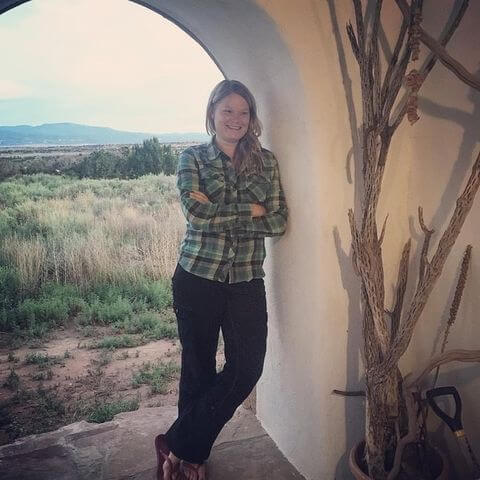
Yvette Walker,
Who wears many hats,
Many,
Many hats.
Besides for having her own podcast called Positively Joy,
She's an author,
A teacher,
A speaker,
And yes,
A journalist.
But she isn't only a journalist when it comes to words.
She's also published devotionals,
As well as her latest book,
Sixty,
Which is about a reporter returning to her small town and the mysteries and secrets she uncovers there.
Yvette is so multi-talented and prolific,
And she does it all with the most gorgeous smile on her face.
She is absolutely here to change the world for the better,
One creative project at a time.
On her website,
It says that Yvette uses storytelling to empower and authorize women to tap into joy in their life by choosing spiritual over physical happiness.
Now Mother Teresa said,
You want to know what she said about joy?
She said,
Joy is prayer,
Joy is strength,
Joy is love.
Joy is a net of love by which you can catch souls.
And honestly,
By the end of our conversation,
I was joyful and I was sad that I had to let Yvette go.
But now I know that she's in the world,
Making this place a lot more shiny.
I feel so much better.
You would not even believe it.
I just absolutely know you're going to fall in love with her as well.
So now here's my interview with the wonderful Yvette Walker.
So I get there and she was,
She was under,
But she woke up for me.
And my mother was a nurse and she,
She worked with the terminally ill and she was always,
She always believed that you do have control of your death in some way.
She was a strong believer of that.
To some degree,
People who would hang on for too long and she would tell them,
It's okay,
You can let go now.
Or for people who needed to fight,
Whatever.
So anyway,
She woke up for me,
We're all in there crying,
You know?
And then she says in a very clear voice,
Why are you crying?
You know,
I'm not afraid to die.
Well,
I would say that I am a,
You know,
Not talking about job titles or anything,
But I am a,
An honest,
Ethical,
Responsible human being.
I feel,
I feel,
And,
And a daughter of the King.
I believe in God,
I love Jesus.
And so I would have to describe myself that way.
And I usually ask this as a second question,
But did you,
You know,
Did you grow up in a religious household?
Does that,
Did that have any effect on who you become today?
Oh,
For sure.
Well,
I would say I would,
So the answer is yes,
But I would also say it's my mother who probably had the biggest effect on me,
But yes,
But she raised me in a Christian household.
So I was raised Catholic.
Some people don't know what that is.
Some people don't know what the Catholic faith is.
It is Christian.
It is.
And I went to,
You know,
Catholic elementary school.
I went to Catholic high school,
This was in Chicago.
So definitely believed in Christ from,
You know,
Baptized as a baby.
So was raised that way.
Believed in Christ from an early time,
Felt very,
Very close to God.
Because I was in Catholic elementary school and high school,
I was in church a lot,
Especially elementary school and spent a lot of time in church.
And in the first book that I wrote,
Whispering in His Ear,
I talk about that where I feel like I was very close to him.
I'd be in church sitting in the pews and,
You know,
I would hear the echoes of sounds against the marble floor.
And I just felt like,
You know,
We could have a conversation.
And my mother,
I definitely have to give her credit for all that because,
You know,
She allowed me to have that life.
But as I grew older and we get involved in schoolwork and then we're trying to find a job and all those things,
I felt like I was growing away from him.
I definitely still was a believer,
Went to church every Sunday,
But I felt like I wasn't as close in my relationship to him as I was when I was a little girl.
And that's something that happened,
That began,
That continued,
I should say,
For a long time,
Even until I became,
You know,
An adult not too long ago.
When I realized that my relationship wasn't what it used to be and I began,
I moved from being what I call a believer to a seeker,
I wanted to know why that relationship had changed and how I could get closer.
And so part of my testimony is,
Again,
Remember,
Still going to church,
Still believing.
So I was at a women's night event at my church and heard a speaker and her name is Rita Springer.
She is a wonderful musician and a singer songwriter.
And for some reason,
Her message just really clicked with me.
And I just wanted to know more about her.
I'm like,
Wow,
I just love what she was saying.
And,
You know,
I had a little bit of a girl crush.
And so I went home and I researched her and started finding out more about her.
And I found out that she had a book.
I bought the book.
But then I also found out that she had a retreat for Christian creatives.
So,
You know,
I'm all bold.
Right.
So I immediately apply for this thing.
Right.
And I get in.
But then I begin to doubt.
And I'm like,
Well,
I I'm not a worship leader.
I'm not musical at all.
I can't sing.
I mean,
Am I creative?
Yes,
I'm a writer.
I always have been.
But I'm not really doing this other stuff.
You know what?
I'm just going to say thank you,
But no,
Thank you.
So I actually write to her and I say,
You know what,
Thank you so much for accepting me.
But I just don't think,
You know,
That I should be there.
So she she writes me back.
Now,
This is a woman who,
You know,
I mean,
She's a she's busy.
So she writes me back and she says,
No,
No,
No,
No,
You should be here.
And then I doubt again.
The enemy was just sowing seeds of doubt.
And so I write her again.
I said,
Yeah,
I just don't think I'm worthy of this,
Basically.
And she said,
Look,
Yvette,
The God told me you should be here.
So come.
So I go.
And it was transformative.
While I was there,
I I feel like I had a real encounter with the Lord in a way I hadn't for decades,
Really,
Even though I was a believer.
So when I got home from this retreat,
I don't know.
There was a there was a light switch that just flicked on and I began writing.
Now,
Remember,
I've been writing all my life.
I've been a journalist,
A writer of some kind all my life.
But I'd never written.
And never use my creative talents in his honor and glory.
So I got home from this and I just started writing.
I started writing lots of little essays,
Which later turned into the devotional.
I started writing Christian music lyrics.
Remember,
I'm not musical,
But I started writing lyrics.
And some of those lyrics actually have been turned into songs with some of my co-writers.
And I just started,
You know,
Creating this material.
So that was twenty nineteen.
And then we all know what happened the next year.
So the next year comes and it's twenty twenty.
I know so much happened now.
A lot of people lost people during twenty twenty.
And I do not want to be a person to say how great twenty twenty is.
But I will say this,
The Lord worked in a miraculous ways in twenty twenty in lots of different ways.
He did.
You know,
There were some people we lost.
I fully believe he saved a lot of people.
But I also believe that he changed a lot of lives because a lot of people that I talk to,
Christian podcasters and authors,
New ones,
This all happened in twenty twenty.
And that happened for me,
Too.
So in twenty twenty,
I was blessed to be able to work from home.
I was working at a university in Oklahoma at the time,
And I was,
Again,
Blessed to be able to work from home.
And I and I say that because there were a lot of people who were not able to work from home.
They had to go in.
But I was at home and I said,
OK,
I want to start a podcast and I just always want to do that.
I thought it would be cool,
But there was always something keeping me from it.
And I don't know,
Like I can't be that stupid.
Why can't I figure this out?
So,
OK,
I've got a computer,
I've got some software,
I got to be able to figure this out.
We're going to start it and it's going to be on hair and beauty.
And I clearly heard the Lord say,
No,
You're going to start a podcast,
But it's going to be on joy.
And I said,
OK,
Lord,
Because I'm obedient,
But I had no idea.
I'm like,
I don't know what you're talking about,
But OK,
Let's just start something.
So if you go back to if you go to PositivelyJoy.
Com,
That is my it's my website.
And it's the name of my podcast.
If you go there,
Go back to the very first episode.
You will hear me say,
Welcome to the Finding Joy podcast.
And I did that because I did not do any research.
I just jumped in.
And so I think maybe after one or two episodes,
I finally started looking at other podcasts and saw,
OK,
There are other podcasts with this name or similar name.
Lord,
We got to find another name.
And then clearly again,
And I don't I don't always hear this clearly,
But clearly he said Positively Joy.
And the reason why I'm going to tell you that this is his name and not mine is the following.
I said,
Lord,
We can't choose that name.
That's not grammatically correct.
And that's true.
I'm a bit of a word nerd.
I've been a writer and journalist for my whole career.
It would be Positively Joyful or Positively Joyous.
Positively Joy is not grammatically correct.
And I literally I said that out loud.
Basically,
The Lord was like,
That's that's what I said,
You know,
I said,
I heard you.
OK.
And so that is that is his name.
And that's the name that I went with.
And still not really knowing what he wanted me to do with it.
But I started it's an interview show and I began to interview people.
The very first interview,
Because I think I had a couple of shows that just said,
Hey,
This is what this is going to be about,
That type of thing.
But my very first interview was a good friend of mine who was a Christian that had COVID.
Now,
You got to remember back in May of 2020 or April,
We didn't know we most of us didn't know anything about COVID.
We didn't know what was going to happen.
I mean,
It was really scary.
And she survived COVID.
And so I had this what I think was just a great conversation with her about as a Christian.
And you are ill with this disease that no one understands.
I mean,
How did your faith get you through?
It was just a great conversation.
And she she pulled through.
She's great today.
She was sick for a while because,
Again,
This was the beginning of everything.
There was no medicine,
Nothing,
You know,
But and she did talk about her faith and she talked about some things that she was working on.
So that was the first interview that we did.
And four years later,
We're still going strong.
And it's no joke to create a podcast.
I've talked about it before on the show that my first one,
I had no idea what I was doing and it took like 26 hours to produce.
So now I'm down to two or three and it's like such a major victory.
It feels so good.
But,
You know,
Honestly,
I'm not surprised where you were waffling and thinking,
Should I go to this retreat?
Because it's really scary to go somewhere and kind of potentially put yourself out there,
Because in groups like this,
You usually share your work,
You talk about each other's writing.
And I've always been super squeamish about that,
Really nervous and scared to share with other people.
I love being in my own little bubble.
But when you share,
It gets a little dicey and nerve wracking,
At least for me.
So I don't blame you.
And I love that every step of the way.
I love that you said you're obedient because I usually am obedient after I've complained for about two weeks or three or dragged my feet or grumbled or been kind of a little stinker.
I mean,
I'm like a stinker.
And so I love that you're just obedient.
You're like,
Yes.
And I was thinking,
Gosh,
What a great model for me having this conversation.
You're so good.
And I love the title of your podcast.
So beautiful,
Because we need more joy in the world.
We need more joy.
But I'm really curious about this other piece of you,
The journalistic piece.
I mean,
What drew you to that?
How did that happen?
Well,
That's really interesting because the faith really works there,
Too.
And I and I think one of the reasons why.
I wanted to just really get this deeper relationship was because the first part of my career,
I was a journalist,
I was journalist for,
Let's see,
Probably probably 20 years.
And I and I became a journalist because I love the truth and I like to and I do like to write and read.
And that just made sense to me when I was a little girl.
I thought,
Oh,
You could write and make money.
OK,
That's great.
But as a journalist,
We are supposed to be objective and you're not supposed to have an opinion,
Which is kind of funny because I'm today I'm an opinion journalist,
Which is so fun.
But but when you're in the newsroom and for me,
When I was in charge of what was going on the front page and in charge of the headlines that would show up,
I felt like I had to be completely objective and could not wear my faith openly or on my sleeve.
And over time,
That got real tiring.
I mean,
I felt like I wanted to do that,
But I could I felt like I could not do that.
So when I had the opportunity.
To leave the journalism job I was at and go to Oklahoma,
Still in journalism,
Things began to change a little bit because people in Oklahoma talk about God all the time,
It's very,
Very I mean,
It's Bible Belt,
Right?
So that was interesting.
Here I am still in journalism,
But I'm still feeling a little squeamish because I'm supposed to be objective.
And,
You know,
I'm just not I'm not talking about him and I'm certainly not using my creative abilities for him at that time.
But it was a little bit easier in Oklahoma.
And then in Oklahoma,
I moved from being a journalist to becoming a teacher,
A journalism teacher or assistant dean.
And this and this was during a time when COVID happened,
I felt like,
You know,
I was not responsible for what was going on the front page.
I could I could begin to talk about,
You know,
What I thought and how I felt and and that I you know,
That I love the Lord.
And I felt more comfortable talking about that.
So but but the whole front part of my life,
I was not comfortable doing that,
Again,
Because I thought I was somehow betraying my journalistic principles.
And,
You know,
I was I started off as a reporter,
As most people do.
Then I moved into copyediting.
And this is this is a different newspapers.
A friend of mine has kind of a saying that there's two kinds of journalists,
The locals and the nationals.
And the locals are people who stay at one one or two papers their whole career.
And the nationals are ones that move around a lot.
And I'm definitely of the latter.
I've moved around and worked for about six or seven different newspapers,
You know,
Trying to get more experience or doing a new type of thing.
And so reporter,
Copy editor and then moved into management where I am working with reporters and helping them develop their story ideas and chatting about that.
And then they'll write the story and they'll come back and edit it.
We go back and forth.
And so did that for many years and then left and went to teach,
Decided to become a dean of students at a journalism college at a university,
Which was great because even though our business is changing,
Our industry models are changing.
There are so many young people who are still passionate about journalism.
I love.
Yeah,
I love seeing that.
That was so great.
And so I got a chance to talk to them and what I call the baby journalist,
The right out of high school,
You know,
Talk about ethics.
I love talking about ethics,
Talking about ethics and the kind of foundation of journalism and all of that.
And that was really fun.
And then I thought I would do that till I retired.
But then I had an opportunity to get back into full time journalism.
And when I left academia to come back to industry,
People thought I was crazy because,
You know,
Again,
Our industry continues to evolve and it has gotten smaller people.
You know,
There's not as many people who work for a company anymore because of layoffs and things like that.
But there's still I believe there is still a voracious appetite for credible information.
And we can get information a lot of different places.
Most people get information from their friends on social media these days,
But that's not always accurate or credible.
And so,
I mean,
I I I feel as strongly about what I do today as I did when I was just starting out,
You know,
Years ago when I was a police reporter.
I think it's it's very,
Very important.
And especially.
Especially because our democracy is being threatened today and I'm not going to get political,
But I think just in general,
I think our democracy is being threatened.
And I think I think misinformation and disinformation,
I'm not saying fake news because I've never worked for a place that.
Intentionally produce information that was incorrect,
But we do know that there is such a thing as information as misinformation and disinformation.
And that's very dangerous.
And so I still feel very,
Very I feel like what we do is very important.
Yay,
I love all that.
I'm going to ask you something that is going to date me.
Well,
First of all,
I want you to know I went to University of Illinois,
Champaign-Urbana and got weeded out of the journalism program there.
Oh,
No.
Very quickly,
I used too many adjectives,
Which is why I'm a writer now.
But yes,
I did get weeded out.
It was not my finest moment.
I mean,
I loved it.
I,
You know,
Grew up outside Chicago,
You know,
Mike Royko,
Ebert,
You know,
All these great journalists.
And it's and then I got weeded out and I'm like,
It's OK.
And my teacher was so wonderful,
So wonderful.
Just this old time,
Like Chicago trib,
Old salt of a journalism teacher,
Just this elderly,
Cantankerous,
Grumpy,
But on point teacher who suffered no fools.
And so he just he was like,
Oh,
Dear,
I don't know who that was,
But I might have known I am from Chicago and I did go.
Yeah,
I'm from Chicago.
I went to I went to Northwestern and you are right about the weeding out.
That is a real thing,
Because I I remember I remember on graduation day and I remember looking around and there were so many people that I started with that were no longer there.
Oh,
Yeah,
No,
I remember that.
And it's it's it's it is tough.
That is so true.
You're right.
You're right.
I mean,
But see,
But see,
You you turn probably turned into a creative writer a lot earlier than I did.
And I think creative writing is beautiful and very,
Very important.
But there are a lot of,
As you say,
Kind of traditional journalists who don't appreciate that.
But there's even a kind of journalism today that that incorporates creative writing.
I mean,
There's lots of different kinds of journalism today.
So I'm sorry that happened to you.
Well,
It was it was good.
I needed the humility,
You know,
Because I'd read I'd won several writing contests.
And so I thought,
Oh,
This is going to be a shoe in.
I needed I needed that kind of little I needed that pushback.
But I was going to ask you something that's going to kind of betray my age,
Because I was going to ask.
I am so much older than you.
Go right ahead.
What?
OK,
What was your favorite beat to work as you were a journalist?
Did you know they always start you off on the police beat first?
I mean,
They all that's that the young reporters,
That's what they do.
And I always felt like that was so weird,
Because to me,
The police beat covering crime,
Especially in Chicago or or and I didn't start off in Chicago.
My first job was in Gary,
Indiana.
And I don't know if you remember Gary,
But it could be a rough place.
Right.
So it was kind of a rough place.
And at the time,
There was a lot of corruption.
So so I always said,
Well,
I'm like I'm in I'm working in a mini Chicago.
Right.
I always felt like the police beat was so important.
But they gave it to the people who didn't know what they were doing.
So I did that for for my first few years.
But I have been able to work in the features department.
I have I've been an entertainment editor.
That was a lot of fun.
So I've had an opportunity to do a few things.
Now,
Looking back,
I understand why.
Kind of just throwing you into the police beat can be can be a way to start,
Because you really do have to get your feet wet immediately and know,
You know,
Kind of what you're talking about and get everything right,
Because you can you can make a lot of mistakes and you can cause some harm if you do that,
If you're accusing people of things that they didn't do,
You know.
But I you know,
But it was it was kind of tough.
And and I would say that I I wouldn't have wanted to stay there my whole career,
But you know,
But it was it was good.
Yeah,
I was wondering if,
You know,
I'm it's not like I'm squeamish,
But I am a little tenderhearted.
And I would imagine that police beat could get pretty grim.
Well,
And Gary,
At the time,
I don't know what it is today,
But at the time,
Gary was murder capital per capita.
So of its towns and it was a smaller town.
So I'm not saying it had more murders in,
Say,
Chicago,
But of its size,
It was when I was there,
It was murder capital per capita.
And I have seen dead bodies in the street.
Yes,
I have.
I covered a serial killer.
Yes,
I did.
Yeah.
How and I will tell you this.
And,
You know,
I didn't think about whether or not because at this time,
I think I was.
I was so involved in work and.
You know,
I was getting away from God,
As I mentioned,
Right.
So I never really thought whether or not he did this,
But of course he did.
But I was I was in Gary for two years.
I had just covered a serial killer and I covered my very last story was this terrible story about.
Apparently,
I didn't know her,
But apparently a beloved Bible school teacher who lived in the neighborhood,
Someone broke in her house and stabbed her to death.
And everyone just talked about how she was so kind and loving.
And so they caught the people.
They were three teenage girls.
And this is I am not kidding.
I got an opportunity to see.
The police interview one of the students,
They were like 15,
16,
17,
Something like that.
So this one,
I want to say she was in the middle and.
She said something that actually made me leave.
And go to my next job,
Because I felt like I was becoming desensitized and I felt like I didn't I didn't want that.
So when she was when the police officer asked her to describe what was happening,
She just said things that no 16 year old should say about like what she did with the knife and all of that.
That stayed with me till today.
Right.
And so I remember I left shortly after that because that story and then the serial killer,
When they found one of the murder victims,
Something clicked in me.
And I realized that I had really not been feeling about this.
And so I left that job and I actually went to Dallas,
Texas.
That was my second job going to Dallas,
Where I was actually left reporting.
I went on the copy desk and I left hard news and went to features.
Yeah,
That was that was kind of a crazy time because I was only,
You know,
24,
25 and really felt like I had become desensitized.
And I felt like that was not a good thing.
I should I should be feeling about these people who were being harmed and losing their lives.
And I and I didn't connect that to my faith at the time.
I just I just knew somehow that that's not right.
You shouldn't be 25 and not feeling something about this.
And so but that's interesting.
I never really I never really connected that until now.
So that's interesting.
I was going to ask when you were in Dallas,
I would imagine this was during the heyday of Neiman Marcus,
When Neiman Marcus would have these amazing extravaganzas and the Queens of Thailand would come.
Because one of my dear friends who lives in Santa Fe,
He was creative director of Neiman Marcus for 30 years and in Dallas.
And so he has these stories that just seem not even real.
But Neiman Marcus used to be a really major player in Dallas and have these I mean,
I forget,
Like he was showing me a catalog where they had his and her biplanes for in their weird.
The Neiman Marcus catalog.
And I talk about dating yourself.
The Neiman Marcus catalog in the 80s was crazy.
Yes,
It was.
It was like everyone waited for the catalog to come out so you could see what was the craziest thing.
It's just like I was just watching coverage of like the Met Gala or there's some some gala that was recently and I forget what it was.
And just talking about how sometimes designers will make these crazy dresses very,
You know,
You know,
Out of the box.
And just because it's this thing.
And that's what the Neiman Marcus catalog was like.
It was just things that I mean,
People would buy them.
But like the average person,
Of course,
Couldn't afford that.
And it was crazy.
So,
Yes.
So you're asking me that here I am coming from Gary,
Indiana to Dallas,
Texas.
It was like I had gone to the land of Oz.
Because everybody seemed like they were rich.
Everyone ate out all the time.
Nobody cooked at home.
I mean,
It just seemed like it just seemed like it was it was very different.
It was a very different experience than I had.
I mean,
I'm from Chicago.
I mean,
I'm from a big city,
But it's just everything was glittery and shiny.
And I never really compared to the Neiman Marcus catalog.
But I can definitely compare that at the time.
Just me,
Me looking at what it was like.
And and it was also during the the time of the oil boom.
So a lot of young people were there.
They they'd gone to Dallas and Texas in general,
But gone to Dallas to get jobs in in in not in not not actually in the oil fields,
Because that was further south,
Like in Houston and places.
But but,
You know,
Dallas was the finance city,
The finance capital of all of that.
And so there are a lot of people who were living their best lives and making big salaries.
And again,
It was like shiny and glittery.
And again,
I always compared it to the land of Oz.
Truly,
He's told me some stories that I just thought that that's not real,
Like that could possibly happened and and.
But it did,
You know,
And I just I wish I could have been a fly on the wall observing it because it just everything sounded larger than life.
But I mean,
The 80s were known for their excess.
So,
Yes,
I'm not surprised,
Especially with hairspray,
Because we all know how that damaged very true.
Yes.
Well,
You know,
You alluded to this before,
So I just wasn't sure.
So you went to Catholic school and and then obviously you went to journalism school.
And then so are you still Catholic or or how do you self identify now?
So I mean,
I definitely identify as Christian when I was.
So when I was in journalism and moving to different cities,
Every time you move,
You have to find a new church.
And so,
Yeah,
I mean,
That's always a thing.
So there was a time.
So I I was I started off in Gary,
Indiana.
I went to Dallas.
Then I came back to the Midwest and worked at a newspaper in Detroit.
And I'm still pretty much going to Catholic church at that time.
And then I left Detroit and came to Austin.
And when I went to Austin,
I decided that I would do a little church shopping and just see,
Because I believe that God can be anywhere.
And so I did go to a few different churches and.
I left Austin to come to Kansas City the first time I'm in Kansas City now,
But this was Kansas City the first time.
And while I was here,
I met some people who went to the Episcopal Church.
So the Episcopal Church is a it's a Protestant church like Methodists or whatever Christian,
Again,
For people who don't know that.
But they are very they are more ritualistic and have similarities to the Catholic Church.
And in fact,
The Catholic Church and the Episcopal Church,
They receive the word is receive each other as members.
So I was received into the Episcopal Church and went to Episcopal Church for a while.
There are some differences.
Again,
They are more ritualistic,
Reminding me of Catholic.
But girls can serve as altar girls.
And the Catholic Church did change that at one time,
But before the Catholic Church changed that.
And also there can be women pastors.
And I know that that is controversial to some people.
But I just refer to all the women that followed Jesus and had and led church,
Led early churches after after Jesus resurrected.
So,
You know,
Again,
I'm not getting into politics,
But I'm just saying that that's a major difference,
Because right now in the Catholic Church,
Of course,
There's there's not Catholic.
There's not women priests.
Great.
I do have to say,
When I lived in Portland,
Oregon,
I'm a panentheist.
So but I grew up all over the world and have just seen so much of the world.
And I love going to different faith traditions and seeing how they worship,
Because I think it's so beautiful how the different rituals and liturgies that different faiths have come up with to commune and and have relationship with spirit,
With God.
And my favorite part of going there was this old it was an old,
Old in Portland Gothic church,
I mean,
Big,
Huge gray stones so old.
And they would have a tase service on some like every other Thursday night,
Maybe once a month and at five o'clock and in the winter in Portland,
It's already dark.
It's been raining for like all day.
And the entire inside of this Gothic church is only lit with candles.
And I'm telling you,
You know,
You can hear the rain.
There's the candles and you have all these people who don't know each other singing and chanting and and just having these repetitive.
And then people would go up to be healed.
It was the most powerful experience.
I would just start weeping because even though I didn't go up just to be to support those people and be of service with my presence in the singing in this beautiful yet dark evening was one of the more powerful moments in my life.
And so I always am on the hunt for a good tase service,
Which makes me a nerd.
But I'm owning it.
I love old churches.
And,
You know,
Remember I said when you move around and when you change jobs a lot and really no matter what you do,
You have to find two things,
New church and new hairstylist.
Right.
So so there were times when and this is different from today,
But this was again,
I'm dating myself.
This was when.
I mean,
I'm not saying it was safer,
But churches were open and you could just go into a church like I would just go,
I would just find a random church because I didn't because I would go to these these new cities and I don't know anybody.
I don't have any family there.
So I would just go and just sit in these churches and just kind of sit and commune with the Lord for a minute.
Then then get back up and go on my way.
Well,
Today,
Unfortunately,
Churches are locked.
You can't do that anymore.
But there was a time when churches were just open,
At least during the day.
They were open all day long.
I mean,
Not not just on Sunday weekdays.
And you could just go in and just commune.
And and I think we've lost that.
That's really sad.
But I will say this.
So I mostly go to a non-denominational church.
But on the high holy days,
Easter,
Palm Sunday,
You know,
Christmas,
Certainly.
I have got to go to either an Episcopalian or a Catholic church.
To me,
It is just not Christmas or Holy Week.
If I don't do that because I got to have the old rituals,
I got to have,
You know,
I got to have the feet washing service on on on Holy Thursday.
I got to.
Yeah,
Yeah.
It's it's just not the same for me.
So I remember when I said that I felt like I had this encounter on that retreat.
So you got to remember,
You know,
When I was a little girl,
I felt like I could feel the presence of God,
You know,
In like in these churches I was in as a little girl.
And over time,
I'd gotten farther and farther from that from that.
And so when I was on this retreat and there's just no way to describe it and people are not going to stand.
But there was an exercise that we were supposed to do where you were we all had these index cards and we were supposed to.
We were supposed to pray and just write down whatever comes to you.
And then later,
The index cards at random would go to people to people who were in were at the retreat.
There was one.
So I'm just sitting out.
I'm sitting outside,
Like on a bench,
And it was a lovely day.
And so I'm just every card I would write one.
And then there was a there was like a van or maybe like an SUV or something parked nearby me under a tree and an acorn or a nut or something of some kind fell from the tree and hit the van and made this sound.
That I can't explain,
Except I just knew it to be God communicating with me.
I cannot I just can't explain it any other way.
So I have the card here somewhere and I wrote down.
Lord,
Is that I mean,
I wrote I wrote that experience down and I said,
Lord,
I know you can talk.
I know you can talk to me.
I feel like that.
I mean,
I wrote this experience down and then I turned the cards in.
And we don't know who's going to get the card.
Guess who got that card?
Me.
That card was for me.
The card was confirmation that the Lord hadn't had not stopped talking to me.
I had just forgotten how to listen.
So that's that is one.
And I can't explain it because there's no way you can know what it felt like or know what it you know what what it sounded like.
But you know,
But but the Bible talks about the sound,
The sound of God's voice.
And it's a couple I mean,
It can be a lot of people say,
You know,
Quiet,
Still voice,
But also rushing when I mean,
There's lots of different ways that the Bible describes his voice.
On that day for me,
It was some kind of acorn or something hitting this car.
But it was just it was just really.
And the other thing I'll say is I have been so blessed to be at the deathbed of both my parents.
My mother,
Who was a nurse,
She didn't say anything profound,
But she was a nurse,
And she was always very honest about death with us.
And she was also a believer.
And so I mean,
I'm I have to travel to get to the hospital,
And I'm crying on the plane,
The whole thing,
Because I knew,
You know,
My sister's like,
You got to get here now.
So I get there,
And she was she was under,
But she woke up for me.
And my mother was a nurse,
And she she worked with the terminally ill.
And she was always she always believed that you do have control of your death in some way.
She was a strong believer of that.
To some degree,
People who would hang on for too long,
And she would tell them,
It's OK,
You can let go now.
Or for people who needed to fight,
Whatever.
So anyway,
She woke up for me.
We're all in there crying,
You know.
And then she says,
In a very clear voice,
Why are you crying?
You know,
I'm not afraid to die.
And then we talked just a little bit more before she went back under,
And then she passed that night.
So I mean,
I don't know that was a miracle or so.
But but again,
I know that you don't have to fear death.
You don't have to fear death.
My mother didn't fear death.
She always taught us that.
And because she witnessed she witnessed death all the time in her.
She wasn't a hospice nurse,
But she but she worked with the terminally ill,
And she saw many of them die.
And the transitions that she witnessed and then her own transition proves to me that I don't have to be afraid of death.
So that's something I carry with me.
Thanks so much for listening to this episode.
And thanks to Yvette for sharing all of her amazing stories and all about her journalistic life and everything that she experienced there.
Please do remember to rate and review the podcast as well.
Please subscribe and share the heck out of it.
Those ratings and reviews help other people discover this little labor of love of mine.
And of course,
As always,
I would be ever so grateful.
So thank you for listening.
And here's my one request.
Be like Yvette.
Spread joy.
Be shameless about it.
This world can always use a little more joy,
A little more happiness.
And as Mother Teresa said,
That joy,
It's infectious.
It can cure souls.
It can cure hearts.
It can lift others up in ways that we can only guess at.
So be like Yvette.
Be shameless and spread joy.
Just knowing that you're changing the world and the people in it every single day.