Hello everyone,
And welcome back to another week of the podcast.
Today,
I am interviewing Duncan Baskerin-Brown.
He has a few books published.
He's a speaker,
He's an author.
He's also a Morris dancer,
Which is so very fun.
And we have a great conversation this week.
He has a really sweet story about being lost or finding himself lost when he travels to another country and the really gorgeous,
Serendipitous thing that happens.
That was his miracle this week.
I really enjoyed every moment of talking to him and he has an incredible sense of humor,
And I do want to let my new listeners know that there are two versions of every episode,
There's the bite-sized version,
Which has just the little nugget of the miracle or the magical event that's happened in the person's life.
And then of course,
There's the long form interview.
So depending on what you're in the mood for each week,
You can listen to one or the other,
Or if I'm lucky,
Maybe both.
All right.
I want to thank all my loyal listeners.
You'll never know how much it means to me that every single week you take the time to download the podcast and dive into another magical story from another amazing human being on this planet.
All right.
It's time for the episode and my interview with Duncan Brown.
There was something just not quite right about the way he said it,
But I didn't think too much about it.
I just wrote it down and I got on the plane.
And when I got to the airport in Bern,
I phoned the number and a very nice Swiss lady in broken English explained to me that this was not his phone number and he did not live here and she had never heard of him.
And that was a bit of a problem.
And this was quite a long time ago.
You know,
This was before mobile phones and emails and all of that sort of stuff.
So my communication options were sort of fairly limited because I was expecting to give him a call when I got there.
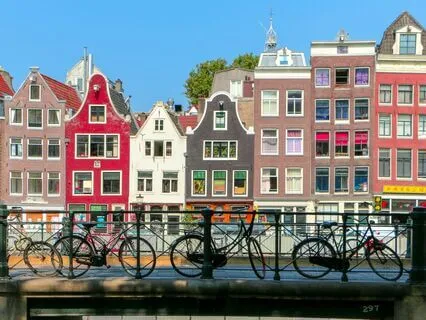
I wasn't entirely sure I'd been to Amsterdam before and then gone to Switzerland.
And if you've ever been to Amsterdam,
It's kind of place where time does not work in exactly the same way as everywhere else.
How do you self-describe?
See,
I think I'd probably come up with two different answers to that question.
I mean,
If I was at a conference,
I'd give you,
You know,
The elevator pitch,
Wouldn't I?
I'd say,
My name is Duncan Bass Graham Brown.
I am an alcohol awareness expert.
I help organisations and businesses to make their well-being programmes more effective by becoming alcohol aware and to kind of increase productivity and engagement,
To improve relationships,
To promote work-life balance and to reduce absenteeism and burnout.
You know,
That's what I'd say if I was at a conference.
Probably best not to say that sort of stuff at the party,
Though.
It's not really that rock and roll,
Is it?
So if I was if I was at a party,
I mean,
I usually tell people that I do help other people to stop drinking.
Although,
Again,
That doesn't necessarily always go down that well at a party.
So maybe I just tell people I'm a Morris dancer.
We'll go with that.
I say,
Hi,
My name's Duncan and I am a Morris dancer.
OK,
So that could be a rock and roll answer at the party,
If someone asks you,
They can and then you can maybe bust a move for everybody there at the party.
I bust the moves.
I try and Morris dance like Bruce Springsteen,
Not that I think Bruce Springsteen Morris dances.
But if he did,
That is how I try to do it.
That is something I would like to see.
Thank you for planting that image in my mind.
I I can now die happy.
So and I had no idea this was going to happen today.
And that just shows you how you should wake up every day,
Never knowing what kind of surprise is going to come your way.
As far as the the dancing,
Was that something that you got called to as a kid or or how did that happen for you?
So the sort of story version of the answer is I was walking out to get some lunch with a friend of mine one day and we walked past a bunch of Morris dancers.
And I said to her,
Oh,
Abingdon has got a really that's where I live,
By the way.
It's got a really long,
Detailed history of Morris dancing.
It's you know,
It's a great tradition.
Maybe one day I will start doing it.
We went off and had some lunch.
I didn't think very much more of it as we were walking back.
We walked past the Morris dancers,
But they had finished dancing.
And one of my friends said,
Oh,
Duncan,
Come over here,
Come over here.
And then he said,
Oh,
Well,
Duncan,
When are you going to start dancing?
And of course,
My friend went,
Oh,
Said he really wants to do it.
And that was basically that was wasn't it?
And I think one of the reasons why I really took to it was because it often happens in pubs.
So it there are a lot of people in the folk dance community that believe that it is a very good excuse to start drinking at midday.
And frankly,
That used to appeal to me.
You know,
Back when I was drinking heavily,
That seemed to me to be a grand idea.
And of course,
When I stopped drinking,
It was a little bit like,
Oh,
OK,
What am I going to do?
I wasn't entirely sure about whether I'd continue dancing.
But I thought I'd go along to a few of the things because,
You know,
I owe the guys that at least.
And I went along to a few dances and I decided that she enjoyed it more.
You know,
What I enjoyed about it were the people.
It was the community feel.
You know,
It was the tradition.
It was the places we visited.
And yeah,
It was actually the dancing.
I actually like the dancing.
And I realized that the beer never really had anything to do with it at all.
Yeah,
I was going to ask.
I do have some Scottish in my in my lineage from my mother's side and both sides of my mother's side,
Mother and father.
So one of my goals and my bucket list is to come and spend three months in Scotland,
Just walking about and discovering the country.
It seems utterly beautiful,
Totally wild and very green.
So I'm looking forward to the greenery.
And I'm going to guess you've lived there your whole life.
Is that true?
Yeah.
So I live just outside Oxford,
Which I,
Of course,
Would describe as being a long way from Scotland,
But not in comparison to the way it's a long way from where you live.
But I have been to Scotland a few times and it is an amazing place.
It is.
You're right.
So beautiful.
And there's a little bit right up at the top called Sutherland,
Which I just think it's it's amazing.
And it is empty.
There's like nobody lives there.
And it is amazing.
I spent a week in a cottage there with just this,
You know,
Window looking out over the lot.
It's just fantastic.
You know,
We didn't see another soul for a week.
It was it was brilliant.
You know what threw me?
Did you say you were in Aberdeen?
No,
No,
No.
Abingdon.
Oh,
I misheard.
Oh,
My gosh.
OK,
Because I thought,
OK,
I totally misheard,
Which is why I made the Scottish connection.
My name's Duncan.
You know,
That's that's enough,
Isn't it?
My God.
Well,
Thank you for being so kind and generous with my my slip there.
Of course,
I've always wanted to go to Oxford for an extended period of time because that whole the whole college area just it's so ancient.
I love architecture.
I love art.
And I just love how British TV has so many people being murdered in Oxford.
And people have to discover who the murderer is.
And it always happens in some weird classroom or what have you in Oxford.
I just want to check those places out.
Yeah,
Yeah.
Of course,
In between every murder venue,
There's somewhere from Hogwarts.
And I mean,
Again,
I hate to sound like the tourist board,
But Oxford is an amazing city.
It's so beautiful.
I would,
You know,
Just kind of getting into that that that lovely sort of spring,
Summer weather at the moment.
And the way the sun glistens off that kind of the stone that they use for all of the buildings,
It's just it's phenomenal.
It's you know,
There really is genuinely no surprise why it is full of tourists all of the time.
It's absolutely beautiful.
When you come,
Give me a shout.
I'm more than happy to show you around.
My second question always is,
Did you grow up in a religious household?
And what did that look like?
And how has that changed as you've gotten older?
So the short answer would be,
Yes,
I did grow up in a religious household.
My parents are both Methodist.
Well,
My mom's a Methodist,
And I think she made my dad a Methodist,
Which gives you a little bit of an idea of the dynamics in our family.
And,
You know,
I have a lot of amazing memories of the church that my parents took me to when I was a kid.
I made a lot of friends there.
Some of whom I still see now.
Not so many of them because,
You know,
They live all around the world these days.
But,
You know,
It was a great time.
It was a it was a fantastic community.
It was a really,
Really happy time in my life.
And in actual fact,
I do see a lot of people from my parents' church because they still live in the same town.
But I see the parents,
You know,
All the kids have moved away.
So I and that.
You know,
That is one of the things that I really enjoy about living in the town that I grew up in,
You know,
Really grounds you to a sense of place when you see people who have known me for my entire life.
They know where all of the bodies are hidden,
Like literally.
So,
You know,
That that's that's fantastic.
I don't attend that church these days.
I go along to events there sometimes.
They run a lot of charity events,
Always try and support those.
Unfortunately,
You know,
We have to go to funerals every now and again.
But in general,
My spirituality is a little bit broader than the Methodist church,
Shall we say?
Fair.
Good answer.
And I see you've got two books behind you.
Get Over Indulgence and Real Men Quit.
And I would love for you.
I don't really drink alcohol either,
And it's for health reasons.
My body,
I have an allergy to it,
Which is just really unexpected.
It's really strange.
And I had to learn that the hard way.
But it's it is pervasive,
Right?
It's in our culture.
And,
You know,
Whenever you're going to celebrate something,
It's you talk,
You know,
Clink a beer,
Clink champagne,
Or you have a cocktail and you celebrate with alcohol.
How did you I'm sure this is a longer story,
And that's great.
But how did you get to this place where you wrote your first book or it was something that you cared that passionately about?
If you want to share that story?
Yeah,
For sure.
So,
You know,
I drank heavily for about 20 years and it got to a point where I was just miserable.
You know,
I on the one hand,
I was very successful and I looked really good from the outside.
And honestly,
If you'd asked me,
I'd have told you it was really good because I do like to talk and I do talk a good game.
But,
You know,
Inside,
I was miserable and it was,
You know,
Not a very satisfying life.
I was succeeding,
But I wasn't really succeeding at the things that meant something to me.
And it came to a head when my wife and I,
We decided that we were going to start a family and,
You know,
We tried.
And that was quite good fun.
And we got,
You know,
My wife got pregnant and we turned into those,
You know,
Those like really naive and stupid parents and everything's just like,
Oh,
Kind of thing.
And it was it was great until my wife had a miscarriage and then it all just totally fell apart.
And obviously that was so hard on her,
You know,
Emotionally,
Physically,
Mentally,
It had a huge impact on her.
But I now know that what made it worse for her was I just wasn't there for her.
My response to difficult times,
Difficult emotions,
Stress,
You know,
Hardship,
It was always drinking.
So when when it happened,
I just started drinking and I just kind of left her on her own.
And I regret that a great deal.
But what it did was it kind of forced me to take a look at my life.
And,
You know,
It wasn't like 4 a.
M.
Staring in the mirror,
Moodily let have this realization.
It was over the course of a couple of months.
I just wrestled with this question.
You know,
What is it that I want from life?
And I don't think I ever could have exactly articulated it as clearly as this.
But I now know I was just asking myself,
You know,
What do you want,
Duncan?
Do you want another drink or do you want to start a family?
And luckily,
I made the right decision.
And almost nine months to the day after I stopped drinking,
Our daughter was born,
Which was great,
Although,
You know,
Technically that that gave me a whole other world of problems.
But one of the things that I really discovered when I stopped drinking was that I just had a load of extra time,
Which sort of surprised me because I didn't think I spent a lot of time drinking because,
Like I say,
You know,
I was working hard.
I was very involved in my community,
So I would get up in the morning.
I'd go to work and I was usually out most evenings,
Meetings,
Organizing stuff,
That kind of thing.
And then when I got home at about nine o'clock,
I drink.
And then I drink maybe till midnight,
Half twelve,
Something like that.
So it didn't seem like a long time because my life was full of a lot of other things.
But when I stopped drinking,
I suddenly realized that if you actually times three and a half by seven,
It's the thick end of 24 hours.
So you spend three and a half hours a day drinking.
You're basically spending an entire day drinking,
Including the bits when you were asleep.
So,
Yeah,
I discovered that I had a whole load more time and I've always been interested in writing.
And I just thought,
Right,
Well,
I'm going to plow that time into writing.
And I wrote a couple of books about local government.
They're not very interesting.
And then having done some training with the the world's most successful stop smoking service and,
You know,
Done a bit of studying getting the certificates and all of that,
Reading a lot of very dull sciency papers,
So you don't have to.
That was when I started writing about alcohol and junk food and cigarettes and overindulgence in general.
So the first book,
As you say,
Is called Get Over Indulgence.
And the second.
So that's kind of a little bit about my journey,
How I went from,
You know,
Junk food and alcohol to joy and happiness and concentration and focus.
And then it's sort of as a result of doing that,
I realized that there are a lot of men out there who are drinking,
But there's not a huge amount of books about drinking that are aimed specifically at men.
So I thought I would write something.
And that's where Real Men Quit came from.
And it has sports and Star Wars and the Terminator,
James Bond and a lot of really,
Really bad jokes.
So it is a proper man book.
In fact,
Somebody said to me the other day,
I didn't even know you could write for men.
And I was like,
Oh,
Yes,
We are enormously predictable and we like bad jokes and,
You know,
James Bond.
So that's what it's full of.
Did you include the famous martini from James Bond,
Shaken Not Stirred?
Well,
Exactly.
I mean,
That's that's why I like talking about James Bond,
Because you don't even need to mention what he drinks.
Everybody knows what he drinks.
And I know that,
You know,
When the character was originally conceived,
It was,
You know,
He wasn't meant to be an advert for the alcohol industry.
If anything,
It was an advert for a lifestyle,
If you like,
That the author aspired to in Fleming.
But,
You know,
It has totally and utterly become an advert for the alcohol industry.
And in fact,
Heineken paid 45 million US dollars to get their products featured in one of the films recently.
So it it is a shameless piece of product placement these days.
And I think the real irony in that is,
Of course,
That if you look at Daniel Craig as he's walking out of the water,
You know,
In Casino Royale,
That famous scene,
You're picturing that,
Aren't you?
You know,
In that scene,
He had to work incredibly hard to get his body to look like that.
And actually,
His personal trainer wrote a book called Intelligent Fitness,
Which is a great book.
If you're really into like horrible plyometric exercises.
But I read it.
And the thing that really struck me was,
You know,
Just how hard Daniel Craig worked to to get in shape for that film.
Now,
Daniel Craig does drink alcohol.
He's not totally sober,
But looking at the regime that he was going through to prepare for the Bond films,
He wasn't drinking,
You know,
A little bit here and there.
But in general,
He was drinking espressos because he was getting up at 430 in the morning and he was doing a lot of burpees and horrid exercises that we never want to go anywhere near.
And I think that's the real irony of it,
That to get to that point,
To be James Bond,
Daniel Craig consumed almost no alcohol.
And then they use that to sell alcohol.
And it's this clear mismatch between what is presented to us and the reality of how it gets presented to us.
So I have to tell you,
There is one movie and one product placement that I get to pass for me,
OK,
Where I will never get upset.
I will never resent it.
I will never be angry about it.
And it's from forever ago.
So long ago,
E.
T.
And Reese's Pieces.
I will never,
Never be mad about that.
No,
I think we can forgive E.
T.
OK.
All right.
Thank you.
He gets a pass.
He gets a pass.
Yes.
Well,
I I'm curious now because you've kind of whetted my appetite for this story,
But how do you use Terminator in the book?
So there's this psychological theory called which talks about the way we think.
And there's two modes of thinking.
If you like,
There's the kind of the automatic bit,
The stuff you do without really thinking about it.
So putting your watch on,
You know,
You you don't even think about it.
Do you just put it on?
You might be on the phone whilst you're doing it.
You might be looking for your keys.
You're not engaging any kind of real cognitive strain doing that.
And that's what they call system one thinking.
And then you've got stuff that you've actually got to think about.
So,
You know,
If you wanted to do the crossword or you wanted to do Sudoku or you wanted to put the watch on the wrong hand,
Then you'd actually have to think about it.
And it's not an automatic process.
It's it's a very deliberate thought process.
And they call that system two.
And I just think that's kind of confusing.
System one,
System two,
Which is which?
Who can tell?
So I was thinking about it and I was thinking,
Well,
It's kind of a bit like a computer.
So the computer is the automatic thinking.
And then it's a person that's like the deliberate thinking.
And then I thought,
That's not really very interesting or cool.
I know the Terminator,
Right?
Terminator is totally system one.
He's programmed.
He's on mission.
He doesn't think about it.
It's just automatic.
He's just out there trying to,
You know,
Kill John Connor.
And John Connor,
He is,
You know,
The system,
Too,
Isn't he?
He's the bit that actually does the thinking.
So that's the analogy that I like to use.
You know,
So much of what we do in life,
Not just drinking,
Not just smoking or eating junk food,
But actually so much of our behavior is it comes from the Terminator.
It comes from system one.
We don't think about it.
It's just automatic.
And what you've got to do is you've got to try and reprogram the Terminator.
You've got to kind of pass from the first Terminator film into the second one where,
You know,
The Arnie Terminator became John Connor's friend and helped him to achieve things.
And you can do that.
You can retrain your mind.
You can you can change the automatic programs that it that it runs on.
You can reprogram the Terminator.
I mean,
It does take a little bit of,
You know,
Time.
And you need a little bit of knowledge.
You know,
You can't just flip the back off,
You know,
A robot from the future and hope to rewire it.
But it's much easier than than you think.
And,
You know,
Once you do that,
You can start to use that automation to develop great habits,
To help you get closer to where you want to be in life,
To stop drinking.
Yeah,
I do think alcohol.
Cigarettes,
Anything that you can get addicted to,
Even food,
Of course.
All of these things are being used as kind of pseudo medications to help us get through our lives or our days,
Because I think a lot of people are going through life now.
You know,
I might be overstepping,
Maybe not a lot of people,
But let's say some people are going through life now.
And of course,
The world is a difficult place.
It's a hard place.
It is a place that will break your heart if you're paying attention to what's going on.
And I don't blame anyone for wanting to have a drink or two at the end of the day after going to work,
Maybe working with difficult people or in a challenging situation.
And then there's nothing,
It seems,
But bad news.
On the telly and it's it's like,
How do you manage that?
How do you navigate that?
And so maybe you smoke marijuana,
Maybe you.
Have a few drinks,
Maybe you eat an entire pie.
I mean,
Who knows?
But I don't blame anyone for looking towards these things to help maybe make the world seem a little bit easier.
But as it snowballs,
It no longer becomes good for us.
And it's no longer,
You know,
Just one or two drinks or.
One or two pies.
It becomes something more because the need becomes greater.
And I think it's it's really fascinating to.
Do a self-examination and see where am I self-medicating these days?
Where am I trying to maybe dull the hard edge of the world?
And that must have I want to give you credit and kudos for being able to even do that,
Because it's not something that's fun to look at or examine and takes a lot of guts,
By the way.
Well,
Thank you,
But,
You know,
I think you're absolutely right about,
You know,
It is a difficult world and people do reach for something because they believe it offers them them respite.
But in,
You know,
Fancy medical,
Biological lingo,
You'd call it a maladaptive coping mechanism,
Which just means it seems like it's a solution,
But it doesn't actually work.
And I think they're kind of the hard day working with difficult people.
That's such a great example.
And I'm sure many of your listeners can sympathize with the idea that,
You know,
You get into work,
Somebody's being an idiot.
You know,
Things break difficult.
It's stressful.
You get home and,
You know,
You just want to go collapse on the sofa and have a drink.
So you have a few drinks.
It doesn't even have to be that many.
I mean,
Two,
Three is usually enough.
And that means when you wake up in the morning,
The level of the neurotransmitters in your brain,
The bits that,
You know,
Make your brain work,
They're going to be a bit lower than they should be.
So you're going to wake up.
You feel a bit tired.
You feel a bit anxious.
You might feel a little bit angry.
You might just not feel quite like yourself.
You also won't have slept as well.
So you maybe you pressed snooze a couple of times more than you should have done.
And,
You know,
You're out of bed.
You're a little bit late.
You're running around trying to find your keys.
You make it to work.
Maybe you make it on time.
Maybe you make it not quite on time.
And then,
You know,
You start the day on the back foot.
And all those people are terrible and everything is stressful and everything breaks.
So you get home and you just think,
I need a drink.
And people do that for years.
I mean,
I did it for the better part of 20 years and it becomes this cycle.
But what I think you've got to realize is that it is actually a cycle.
There is sort of difficult stuff in your life.
There is pain and that causes you to behave in a certain way.
But when that behavior is alcohol,
What it does is it increases the amount of stress.
It makes you not as well able to cope with the day.
So it just creates more pain.
And of course,
Your response to pain is that behavior.
So it's,
You know,
Pain,
Behavior,
More of the pain,
More of the behavior.
And it just spirals and spirals and spirals.
And,
You know,
It's very rare for people to drink less over time.
In general,
They will drink more over time because they're trying to get the same effects.
And it requires more and more alcohol to get those same effects.
And I think if you can break that cycle and honestly,
Change is possible.
I've seen it in a lot of people and it is it is more possible than many people think.
And if you can break that cycle,
What you'll find is,
You know,
You wake up in the morning and you're feeling a little bit fresher and you're feeling a little bit more energized and you go into work.
And those people that you didn't think were,
You know,
Nice and helpful.
Actually,
You realize they're not so bad.
I mean,
They haven't changed,
But it's you that has changed.
You know,
Just that little bit more of those neurotransmitters that make you feel more secure,
Make you feel more empathetic,
Make you feel a bit more cheerful,
Just a few more of those in your brain.
And then all of a sudden they look like very different people.
And I think that's that's one of the key things to realize that,
You know,
Part of the reason why you're stressed at the end of the day.
It's probably to do with some of the behaviors that you think are helping you deal with stress.
And now the trap,
Of course,
Is that in that moment,
When you have that first glass of wine,
You feel better than you did before.
But what you've got to realize is that even whilst you're drinking,
You don't feel as good as you would be if you hadn't had drunk before that because you wouldn't have had all of the stress and you would feel in a much better place.
So it's about understanding that it's a cycle and then then breaking out of it.
I'm not going to lie.
I'm a little bit of a shallow human being.
And so when I was drinking alcohol and,
You know,
I might have a drink or two in the future,
But when I was drinking alcohol,
I love just the cocktail life these days and how people are creating these amazing,
Beautiful,
Delicious cocktails,
Sometimes with dry ice going everywhere or smoking the ice cubes.
I mean,
It's such a creative outlet for so many people from all over the world.
But I also love the history of alcohol,
Right?
And the history of place.
So alcohols that come from Italy,
For example,
There's a specific one from a specific town and it tells the history of place and and how that place evolved or how it developed or who came up with this idea.
And it's something unique and made from herbs and really beautiful.
So there's a really,
You know,
Gorgeous behind all this,
This talking about alcohol and becoming dependent or using it as a crutch to get through your life.
There's also alcohol is a really beautiful,
Creative side to it about identity,
Place,
History and and how creative we can be as human beings.
Yeah,
I completely agree with you.
And I think cocktails are a great example of that.
I mean,
You know,
The basically the point of a cocktail is to disguise the taste of the alcohol.
So you don't actually need the alcohol to make great cocktails.
And that's one of the wonderful things that we're seeing now.
There are more and more alcohol free bars opening up.
I was in one in Manchester earlier this year.
And I I'm so I stopped drinking nine years ago.
There wasn't as much choice in terms of alcohol free drinks.
And I watched way too many Perrier adverts when I was a kid.
So I actually think that sparkling water is really,
Really classy.
So I'm quite happy with my sparkling water.
It doesn't bother me.
But it started to become much more of a thing.
And I now know a lot of people who work in the alcohol free drinks industry.
They're doing some amazing work,
Particularly Paul,
Who runs the Love From Bar in Manchester.
If you're ever in Manchester,
This is such a tourist information bulletin,
Isn't it?
Manchester is also a beautiful city in the north of England.
Anyway,
He he makes some amazing cocktails and they're great.
They're really,
Really tasty and they're really creative,
Like you say.
So I think there's a lot of opportunity for us to mix these amazing drinks.
The alcohol was never a part of that.
And in terms of identity and place,
I think that's very interesting as well,
Because actually,
Yes,
There are a lot of,
You know,
Really interesting cultural expressions that,
You know,
Alcohol is a part of.
But the vast majority of alcohol that people drink these days comes from one of 10 companies,
A couple of which are based in Japan.
Some of them are based in America.
One's in France,
One's in Britain,
One's in Belgium,
One's in Germany.
It's really not that diverse,
You know,
Even most of the alcohol that's drunk in Africa.
You know,
It's basically it's made by Europeans and the money goes to Europe.
And would that be better spent on development infrastructure and sensible things like that?
Yes,
I think it probably would,
You know,
Even.
And so,
Yes,
It can be an expression of of culture and it can be an expression of identity.
But now it is almost always an expression of just huge multinational companies that don't really seem to care that much about the people who,
You know,
Buy their products.
Well,
The main question of this podcast that I ask everybody is I would love to hear a story or stories that can be more than one where you feel like you've witnessed something that you thought was magical or miraculous in your life.
Something maybe mysterious.
Whatever you'd like to share with my audience.
I'd love to hear whatever story you'd like to tell.
So one of my best friends lives in Switzerland because he's Swiss.
It's not like he moved there.
He genuinely is from Bern,
The capital of Switzerland.
He's a great guy.
We met at an international scout camp,
You know,
Ages too,
Too long ago to mention,
Really.
And I was one summer I was going to go out and visit him.
And I spoke to him on the phone before I went out.
And he you know,
He just got a new new number.
And I said,
All right,
What's what's your new number?
And he said it to me.
And there was the way he said it.
It just didn't sound quite right.
His English is amazing.
I mean,
The guy reads Shakespeare.
Like so he his English is fantastic,
Which is really annoying because it's not actually even his second language.
So he he lives in the German speaking part of Switzerland.
So that's his first language.
But his mom's from the French speaking part of the country.
So he grew up speaking French.
So English is like his third language.
Very annoying.
Anyway,
There was something just not quite right about the way he said it.
But I didn't think too much about it.
I just wrote it down and I got on the plane.
And when I got to the airport in Bern,
I found the number.
And a very nice Swiss lady in broken English explained to me that this was not his phone number and he did not live here.
And she had never heard of him.
And that was a bit of a problem.
And this was quite a long time ago.
You know,
This was before mobile phones and emails and all of that sort of stuff.
So my communication options were sort of fairly limited because I was expecting to give him a call when I got there.
I wasn't entirely sure.
I'd been to Amsterdam before and then gone to Switzerland.
And if you've ever been to Amsterdam,
It's kind of place where time does not work in exactly the same way as everywhere else.
So I wasn't sure when I was going to get there.
I just said I'd call him when I get there.
Obviously,
Like I've got.
Right.
I don't know how to get in touch with him.
I thought,
Right,
Well,
I'll just go into Bern.
I'll find myself a hotel.
It's not the end of the world.
I'm a big boy.
I can cope.
So I went and I found a hotel,
Dropped my bag off.
And I thought,
Well,
As I'm here,
I might as well have a bit of a look around.
I've got to go and find somewhere to have dinner.
So I walked into the center of Bern and I had been to his house before.
And he lives in one of the suburbs on the outskirts.
And as I was walking around,
I thought I started to recognize a few places.
And I thought,
Oh,
Yeah,
The the train to his the metro kind of train tram thing to his to the suburb he lives in is around here somewhere.
They called it the little blue train.
And I'm like,
I'll go and find the little blue train stop whilst I'm here.
Before I get any dinner,
I'll just go and find it.
And then maybe tomorrow when I've got a bit more time,
I can get on the thing.
And I think I know roughly which stop I've got to get off.
And I think if I just wander around his neighborhood,
I'll be able to find his house probably.
And actually,
If I just kind of like do my oh,
I'm terribly sorry.
I'm a lost Englishman.
Do you know where the Ruders live routine?
I'll be absolutely fine.
So I'm walking towards this tram stop and the tram comes up.
And I,
You know,
I just glance up at the tram.
The doors open and he's sat across from one of the doors.
So,
Yeah,
He was like,
My God,
What are you doing here?
And as I did,
I found your number.
And he said that because he hadn't been speaking in English very much,
He was a little bit rusty with it and he'd obviously got one of the numbers wrong.
But yeah,
No,
He even went and negotiated with the hotel manager.
They didn't charge me for the night.
They just went and picked up my stuff and we went back to his place and it all worked out nicely and had a lovely holiday.
I'm totally I mean,
That wow.
Talk about kismet.
And I love that at the beginning when you're on the phone with him and he's telling you the number,
You already were thinking to yourself,
This just doesn't something's off.
Something is a little off.
It's almost like you could anticipate.
What was going to happen,
Do you know what I'm saying?
It's almost like you kind of knew.
Yeah,
Yeah,
It was just odd because he was he's a very fluent English speaker,
But he just sort of fumbled over the numbers a little bit.
And it was just like this kind of weird thought in the back of my head.
But you don't think too much of it.
Well,
I didn't because I was either at 20.
So,
You know,
I just take on the world.
Don't think about these things too much.
Well,
And also so ready for the adventure.
I love that you called.
The woman was totally confused,
Said he doesn't live here.
And then you were totally chill about it.
You're like,
OK,
OK,
I'm just going to I'm going to have my own adventure.
And this will all work out.
This will all figure itself out.
And then I can't even imagine he's on the train.
It's almost like a scene from a movie.
Exactly.
He was a little bit surprised.
That is astounding.
I mean,
I know so many people would say,
You know,
I have a romantic heart.
OK,
So many people would say,
Oh,
Well,
You know,
These things happen.
This is just a coincidence.
This is just one of those things.
But I I look at this experience and I think to myself,
This is the kind of stuff that makes you want to get up in the morning,
You know,
Because you never know when something completely surprising and delightful is going to happen during your day.
And there it was.
Yeah.
So my my friend Tom is a doctor.
He's also the chair of the International Society of Forensic Radiology,
Which I believe makes him famous.
And there's another famous Swiss doctor by the name of Carl Young who talked about synchronicity.
And that,
You know,
Is a level above coincidence,
Isn't it?
You know,
You could on one level say it coincided that he was on the train and I was wandering,
Looking for the train stop.
Yes,
We both took decisions to do that.
But I think you're right.
It it it may well hint at a deeper level of interconnectedness.
So I love Carl Young.
I think he's super groovy.
And when I I know he's conflicted,
Like there are some things that are less than ideal about Carl Young.
Let's let's put that out there.
But as well,
One of the things that I think is very kind of powerful about him is that supposedly,
Quote unquote,
He lost his mind for 18 years and created this book called The Red Book,
Which I own a copy,
But it's in storage and it's kind of his,
Quote unquote,
Descent into madness.
And he always seemed like someone to me who was riding really close to the edge.
And he was but he was comfortable there.
And he kind of was one of those people who would probably get right up to the edge and dare to look over at what was out there,
At the mystery,
At the possibility.
But I think when you when you ride that close to the edge of anything or you spend enough time,
You kind of sometimes slip and fall in a little bit.
And people talk about,
You know,
This 18 years of his life where he didn't really practice.
He didn't you know,
He wasn't contributing to the world in the way that he was before.
And he did all this artwork and created all these images and kept this journal,
Which became The Red Book was kind of his excavation of the dark night of the soul,
Shall we say,
Or or this place,
The valley of the shadow of death,
As they say in the Bible,
That he was there in it and had to find his own way out.
So what I love that he came up with synchronicity and this idea of the collective unconscious and and just all these really beautiful concepts that are so powerful.
But I think sometimes when you're you're playing with those big energies,
It's really easy to slip and fall in.
Yeah,
It reminds me a little bit of Nietzsche,
Another great thinker who perhaps has the odd controversy about him as well.
But,
You know,
People say that his writing style.
So he tried to engage an internal dialogue.
He tried to argue with himself very much in his own head.
And some people say that that style of writing made him crazy.
And some people say that style of writing kept him sane.
That's so interesting.
You know,
I don't know very much about him,
But was it kind of just like this free flowing inner dialogue with himself?
Yeah,
He just he was very,
Very committed to the idea of reasoning your way to the truth.
So any premise that he would come up with,
He would always try to argue with himself based on his own premise.
And I honestly,
Most of the young that I've read,
I find relatively impenetrable and Nietzsche is is pretty much the same.
But both of them,
You know,
A lot of it just goes way over my head.
But the stuff I get blows my mind.
Yeah,
Absolutely.
You know,
And what I just want to bring it back to alcohol here really quickly and inspiration and creativity.
I mean,
I I don't love this,
But I sort of love this,
You know,
Reading about maybe a poet or a writer who died young because for various reasons,
You know,
Whether it was through being ill or an accident or suicide or,
You know,
Overindulgence or what have you.
But in the 17 and 1800s,
Right.
And they in this short period of time of their life,
They've created maybe some of the most beautiful poetry that someone will ever read,
Or maybe they create a body of of artwork that nobody can believe.
And it is actually fascinating.
You know,
Some of them drank absinthe,
Which I think is this fascinating compound because supposedly,
You know,
You hallucinate on it.
And there is something about watching the process with the sugar cube and the glorious color.
There's something very ritualistic about it.
Almost like you're imbibing this plant medicine that's become so popular these days and being willing to put yourself in this altered state that then allows you to create this great art or this beautiful poetry.
How do you what do you think of that?
So I think a great example of that would be Vincent van Gogh.
So a lot of people do quite like his work.
You've got to admit,
He's pretty popular now.
He had a pretty checkered relationship with his mental health,
And that was greatly exacerbated by the periods of his life when he was drinking heavily and absinthe was a part of his journey.
So he grew up in Holland,
Spent a lot of his life traveling around Holland,
Visited the UK,
Spent some time in London and down on the coast,
But also spent some time in Paris,
Which is where his brother lived.
And he spent six months in Paris,
Round about the time when the second wave of the Impressionists were really starting to make their mark.
So that's the people like Henri Toulouse-Lautrec,
For example,
Not the big boys like Monet and Manet.
They were like the first wave,
The second wave.
And he became friends with a number of those people.
And,
You know,
Seeing their style of painting,
You see this massive trajectory that he goes off on.
Before that,
He tried to paint like Rembrandt.
After that,
He painted like himself.
And it was,
You know,
That kind of the color that we associate with him is is something that he picked up in Paris.
Now.
I would argue that actually the drinking hampered his creativity.
I think he was capable of much more.
And if you look at Rembrandt,
Who was indeed Vincent's absolute hero,
He worshipped the man because,
You know,
Like,
Honestly,
If you don't like Rembrandt,
You don't like painting.
I mean,
The man is just like absolute genius.
Without a shadow of doubt,
My favorite painter.
All of Rembrandt's really,
Really,
Truly astounding work was done in his 50s and in his 60s.
Vincent van Gogh shot himself at 37.
And you've got to ask what he could have done,
You know,
If he had had the opportunity to live a different life where he was able to practice a little bit more self-care.
He was not,
You know,
Mixed up with some slightly disreputable people who definitely drank too much.
And,
You know,
He just had the opportunity to express himself and to live longer.
I think we would see some truly,
Truly amazing work.
And I think what you've got to.
Think about,
Vincent,
Is that,
You know,
It is a tragedy that his life was cut short.
And part of the reason for that was definitely alcohol.
I mean,
It's very,
Very hard to diagnose mental health when somebody mental health problems,
When somebody sat in front of you,
Never mind when they died in 1890.
You know,
He did write a lot of letters.
So you you do get a bit of an opportunity to peer into his his mind a little bit.
And you can tell there's there's a there's a lot going on there.
He had a lot of issues with his parents.
And he was he was not happy a lot of the time.
And I think that's something that people miss.
You know,
We we want the creative output and we almost don't seem to care that it makes people miserable.
You know,
And if you look at a lot of very creative people who drink heavily,
Like F.
Scott Fitzgerald,
For example,
F.
Scott Fitzgerald died in his mid 40s.
He was miserable for most of his life.
He had,
You know,
Very,
Very troubled relationships with pretty much everybody he knew.
He was a very,
Very unhappy man.
I mean,
He wrote a couple of decent novels for sure.
But you've got to ask whether that's worth it.
No,
Absolutely.
Yeah,
It's it is interesting.
It's it's very there's a very fine line between,
You know,
Having your your glass of wine or your glass of beer or your marijuana cigarette or your regular cigarette or whatever that looks like.
And being able to be functional or being healthy in the world,
You know,
Physically,
Mentally,
Emotionally.
And then it just becoming an utter an absolute disaster.
And and you said something before about you don't want to be controversial on the show or whatever.
But I was like,
Bring on the controversy.
Come on.
Come on in.
Here's a controversial one.
I don't think there's any way to smoke tobacco that is enjoyable.
I like I've worked with hundreds and hundreds of smokers.
I've worked with quite a lot of people with vape as well.
I don't think there's any way of putting nicotine in your body that's enjoyable.
I'm right there with you.
Two thumbs up on that.
I,
I,
I will admit that there are people that drink in what I would describe as a low risk drinking area.
And I actually I think if you really look at the science,
What you'll find is that all of the pleasure comes from that first drink.
Yeah.
Once you get past the first drink,
The pleasure quickly drops,
It drops off and you start to get the negative effects like your vision going,
Your balance going,
Start talking louder.
Your inhibitions go.
You start to lose the ability to really reason and function.
And then,
Of course,
You get all of the negative effects in the morning.
So I think there is a way to drink alcohol in this low risk,
High pleasure way.
But it is an awful lot less than most people think.
I would say that low risk,
High pleasure drinking is one drink to maybe three times a week,
Which is a is a good deal less than most people think about it.
You forgot one of the negative effects.
That people appear much more attractive than they actually are.
Oh,
Yeah,
Yeah.
I mean,
For a while I was convinced that was a positive effect because people would think I was more attractive than actually.
Everyone,
I hope you enjoyed this week's episode of the podcast.
I hope you enjoyed it as much as I enjoyed my conversation with Duncan.
I love meeting other human beings who are hilarious.
And Duncan absolutely fits the bill.
Thanks to Duncan for telling his stories.
And thanks to all of you for listening to this labor of love of mine.
Whether you listen to the long form interview or just the delicious bite sized offering I have every week,
You have to know that I'm so very grateful that you take the time at all.
And please do remember,
I love those ratings and reviews.
So please do consider giving me a rating or writing a little review wherever you find the podcast.
Thank you for listening.
And here's my one request.
Be like Duncan.
Learn to Morris dance.
No,
You don't necessarily have to learn how to Morris dance.
But what kind of dancing do you like to do?
Do you like to dance in the dark?
Do you like to dance in public?
Do you like to dance in the middle of the street?
This world needs more dancing.
So no matter what it looks like,
Be like Duncan.
Think about what kind of dancing you'd like to do.
And then by gum,
Go out and do it.
See you next week for the very next episode of the podcast.
And until then,
I hope your life is filled with beauty,
With friends that make you laugh and hours and hours of dancing.