Hello,
And welcome back to your Wednesday Miracle Moment,
Or should I say Miracle Episode.
I'm just interviewing so many truly groovy people these days.
I'm just going to have episodes for you that are curated,
That are beautiful,
And that will introduce you to people who are creating great beauty in the world.
And this guest this time is no exception.
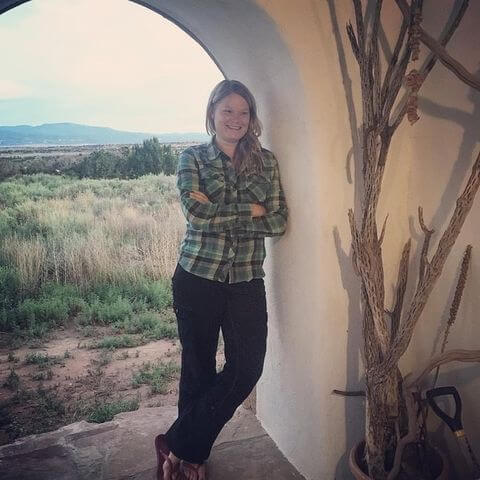
Her name is Rohini Walker,
And I just want to describe to you from her website how she got her name.
It's absolutely gorgeous.
So she was born in Kolkata,
India,
Under a summer waning gibbous moon,
And was named after Rohini,
The celestial goddess and beloved of Chandra,
The Indian moon god.
She was nicknamed Moon after her maternal grandmother,
Munna,
And that lunar connection has been a guiding thread throughout her life.
She honestly is just an incredible human being,
And really lives,
I think,
Truly in the liminal space with all that she does.
All of her work is offered from a trauma-informed lens,
And she weaves in modalities that she learns and has learned throughout her life,
Because she,
Like me,
Is a lifelong student and practitioner.
She does a lot of decolonial and liberation medicine,
And what that means is she gets people to understand the stories they've created,
The worlds they inhabit,
And how a lot of it has been formed by colonization and by the stories and themes that the colonial overseers,
Those who have created those colonial stories,
Have kind of been feeding us and telling us are the truth.
So her work is very deep.
It can go to some really dark places,
But Rohini has the strength and integrity and passion and commitment to continue on doing it.
I'm just giving you a little bit of an idea of who she is,
And now I'm going to let her take over,
Because she has a gorgeous voice,
And she's going to be able to tell you so much more clearly just who she is and all about the work that she's doing.
So without further ado,
Here's my next gorgeous guest,
Rohini Walker.
Everything would just be like this vast,
Really alive stillness and silence around me where I was happening,
The world was happening,
The door is here,
The window is here,
The couch is here,
Like the world,
It was all arising from this really like vibrating,
Teeming source of something,
And I was in it,
And it was in me and everything.
If you had to go to a party and you had to introduce yourself to people or you're on a stage and you're at a conference,
How would you introduce yourself?
The question that is always so,
So challenging and yeah,
Because you know,
How do you put a whole just multi-dimensional expression of the universe as we all are into like,
This is what I am.
So I'll say that I'm a multi-dimensional expression of all that is,
As are you.
How are you?
How are you presenting today?
No,
I guess I would say,
You know,
I would start off,
You know,
If we're just on the mundane level,
I'm a writer,
I'm a consultant mentor,
And I work primarily within what I call soul-body liberation.
And essentially,
It's to dissolve and dispel and compost and evolve that kind of heavy feeling and experience of self-alienation that we all kind of drag around with us as soon as we kind of start being socialized into the world.
The people that I work with and myself included,
It's,
You know,
It's this sense of there's something that is not correct in my understanding of the world as I'm supposed to understand it.
And that's usually a call from our soul,
From our inner self,
Capital S self.
And so I guide people on that journey of wholeness,
Integration,
Resolving feelings of self-alienation that present in so many ways in our bodies and in our creative capacities.
So that's kind of that's what I do,
I guess.
Which,
Like I said,
It's hard to and so a lot of my modalities include somatic experiencing,
Trauma work,
Decolonial practices,
Decolonial theories.
Yeah.
And then a lot of creative coaching,
Creative mentorship.
And don't forget aspiring ukulele player,
Because before we started,
Yes,
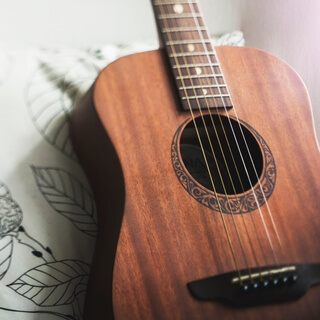
Talking with I have a guitar behind me and there's this gorgeous ukulele behind Rohini.
So and then also I think it's we have to remind ourselves that,
Hey,
Every day we're not the same person.
It's going to change.
You know,
Some days I feel like a spaz and I'm like,
That's the end of the definition of what I am today.
I'm tripping over everything.
I'm just a little all over the place.
And I think you would agree with that.
I am really,
Really curious.
What does it look like?
Or can you give me some examples so that maybe my listeners understand what self-alienation looks like when it presents in the body?
Yeah,
I love that question.
So when I talk about self-alienation,
So I really make the distinction between small self,
Big self,
Capital S self.
And when I speak about the capital S self,
I mean that that part of us,
You can call it the soul,
The true self,
The higher self.
The kind of I am presence,
That part of us that's always connected to the larger expression to divinity.
So when so the way that that presents that alienation from that big self presents in the body.
And I'll speak from my own experience here.
It's been huge amounts of so it presents through constriction,
Like really tight constriction in the body,
Which turns into can often turn into inflammatory responses because of the ways in which we're holding that expression and experience of the vastness of who we are in.
And then,
Of course,
That has impacts on our physiology.
So we have inflammation,
Autoimmune responses,
Because it's the body just always calling us back into like there's something here you're holding in that isn't natural to hold in tightness,
Pain,
And also psychological expressions through,
Through,
You know,
I've had things like OCD,
And which I've kind of self corrected.
And so really,
It's this,
It's this sense of like,
Just not really feeling at home in our physical vessels in these bodies.
And believing and experiencing and we've been conditioned by the world to kind of to sort of really see the body as a dangerous place to be.
So that that experience of not feeling at home in the body,
Overriding our,
Our body's intuition,
Our body's wisdom,
Our body's responses.
So that those are some of the ways that that they present.
Okay,
Thank you.
Yeah.
I sometimes ask this question,
Because it makes me happy to ask it.
But when you were a kid,
What did you want to be when you were you're like,
When you imagine being a grown up?
So I always wanted to be a writer.
So,
So that's kind of happened in its own in,
In like a way that I had not expected it to happen.
And,
Yeah,
So I've always wanted to write.
And so and I write a lot of my time is spent writing now.
So,
Yeah,
And I wanted to also work for or just be I don't know how I wanted to.
I mean,
When I thought about it as a child,
It was,
You know,
I would look at people like,
You know,
Famous figures who did,
Who kind of made an impact through speaking out for marginalized people,
Situations,
Experiences.
And that always inspired me.
And,
And I guess in my own way,
I'm doing that now.
So,
Again,
It's yeah.
I don't think a lot of people understand that there are certain,
And please disagree with me if you think I'm incorrect,
But there are certain,
I don't know if you'd call them levels of society or sectors of society,
Sectors of our culture,
Even the world,
I guess you could say globally as well,
That need that subset of humanity that's marginalized so they can make profits.
Oh,
Yeah,
Absolutely.
I absolutely agree with you.
I mean,
To keep a certain status quo in place is is so how the dominant culture operates because it is this top down model.
It is this scarcity based model,
Which kind of goes against the grain of what indigenous traditions teach.
And,
And,
And,
And when I speak of indigenous traditions,
I mean,
Indigenous traditions all over the world,
Not just in here in North America,
Because they all tapped into this fundamental truth that abundance is here.
And there is plenty for everyone,
But we have to work with our resources and what we have responsibly and allocate resources in a way that is that it makes it available for everyone.
So,
Yeah,
Absolutely.
It's just it's this this monopolization of power to keep certain,
You know,
And then,
You know,
And colonized peoples are those peoples who have been marginalized and their lands have been extracted from,
Exploited,
Etc.
So,
Yeah,
Absolutely.
Yeah.
And,
You know,
This is just doesn't even make sense to me.
But even the wealthiest people can have a scarcity mindset.
They have the most money in the entire world,
But still they don't have any sense of abundance.
And it makes no sense to me.
Yeah,
It's it's so true.
And it's because it's like,
Oh,
Well,
I've got what I've got through hoarding,
You know,
This kind of scrooge mentality.
And and then it's like at the end of the day,
You look at them and they're so unhappy.
They're so unfulfilled.
They have all the material luxuries and expressions of wealth.
But,
Yeah,
They're deeply existentially self-alienated.
Absolutely.
There's no meaning to the to the to the riches that they have hoarded and accumulated.
And that sense of hoarding is such a it's such a scarcity mindset based in it's based on like there isn't enough to go around.
So I will not share.
I will not distribute.
I will not circulate.
Yeah,
There's two things I want to say.
One is that everybody has a different idea of what abundance looks like.
So,
You know.
For me,
Having deep friendships and deep conversations is abundance.
You know,
Having a friend show up when I need help is abundance.
Being able to eat every day is an abundance.
I don't think I'd want to be a billionaire,
Except I have told people lately that if I make a ton of money,
So much money,
I want to take away.
You know,
I want to pay for school lunches in New Mexico for all the kids.
So that that's where my money would go is.
I mean,
You can't take it with you.
I guess you could give it to your heirs.
I don't have any.
So why not take care of children or in whatever way I can do that?
The other thing I want to say is I read this really gorgeous book called The Gift by Lewis Hyde.
Oh yes,
I have that right here.
I love that book.
Yeah,
And it's all about how when you have something,
When you have,
Let's say,
A blessing or you find treasure or you have some extra,
You give it away to the people around you because that's energy and it needs to flow.
And so,
You know,
You can bless another family,
Another town,
Whatever that looks like with the understanding that then that family or that town will then take the blessing,
Their blessing and give it to someone else.
So it creates this really beautiful flow of abundance and energy from person to person,
Family to family,
Community to community.
And I always think about these people who hoard,
You know,
Whatever it is that they hoard,
You know,
That are always just greedy and gluttonous.
And I just,
First of all,
Don't,
There must be a mindset that goes along with that.
But I also think about all that stuckness that they're carrying with them,
All that stuff that's like stuck and stagnant and attached to them,
Whether it's in their psyche or their bodies or what have you.
And,
You know,
The great releasing that could happen if they ended up,
You know,
Giving away their money,
Giving away,
Giving back to their communities.
I don't know.
I think about that sometimes.
Yeah,
I love everything you've just said.
And there's so much coming up for me to respond to with that,
Because number one,
Like you said,
You know,
Abundance for you,
These experiences,
And it's more of an experience that you're having in the body when you're having really beautiful,
Fulfilling conversations.
And having,
You know,
Love in your life through friends and family.
Me too.
It's like when you,
It's like,
It's a somatic experience,
Abundance.
Like you feel it in the body first and foremost,
That openness.
And then what you were speaking to about money and about having lots of money and what you would do with lots of money.
I totally resonate and relate to that because it is like,
If I had millions,
I would be circulating it in this way,
In this way,
In this way.
And this is kind of like a really big part of the work that I do with my clients.
And I have a membership group where it's looking at,
You know,
Every time we're doing any kind of work around related to money and scarcity,
Like really rooting in our values and eliciting those values,
First of all,
In a really intentional way and rooting in our values.
And then being in a kind of embodied relationship and expression with our values as we come to think about money,
Working with money,
Creating more wealth,
Financial wealth in our lives,
And then circulating money through the channels of our values.
Because that's,
And this may be kind of,
I don't know,
A lot of people might disagree with this,
But I do also think that women or female identifying people,
Or people in touch with their feminine,
When they have a lot of wealth,
They circulate it differently in the world.
Like I have,
You know,
I have a real agenda for helping women create wealth because I feel like we will distribute it differently.
And we've just seen like Jeff Bezos' ex-wife has just donated like,
I don't know how many trillion whatever of wealth,
Because it's like,
I don't need all that,
I have plenty for this lifetime and many more.
And so I'm going to,
You know,
And that to me is like,
Oh,
Wow,
Look at that.
You know,
And okay,
She's just one expression of a woman and a female person.
But I do feel that when we're in our kind of in that expression of our femininity,
And this goes for all genders,
When we're in touch with that part of ourselves,
We distribute wealth in a different way and work with wealth in a different way.
I love all that.
You know,
When you were a kid,
Could you even have imagined you'd be doing the work that you're doing now?
No,
I mean,
I don't even,
I don't even know what it is.
Really,
Like I said,
I'm like,
You know,
Like I have,
I have many,
Many people in my life now who are kind of we're on a similar,
You know,
Everyone's doing different things,
Like Mara,
You mentioned.
And,
But we all get what each other are doing.
Whereas I think about my previous life,
And I speak to,
You know,
People in when I am from,
I used to live in England,
I live in Southern California now.
And I don't know,
People just like,
Don't really.
What do you do?
What do you do?
And I'm like,
Well,
You just have to get the sense of it from,
You know,
But yeah,
Because it just it feels,
But I do feel like we're moving into a time where these kinds of like really concrete,
Concrete categories of I'm a,
This,
I'm a,
This,
I'm a,
You know,
I wouldn't class myself as a healer.
I don't know.
Yeah.
I guess a coach mentor type person,
But it spans so much more same with what you're doing.
It's like,
Oh yeah,
You make a podcast,
But there's so much more that's being offered within the framework of a podcast.
I'd like to imagine that that's true.
Oh,
It is.
It is what we're transmitting.
Right.
And,
And yeah.
Yeah.
And I love what you said also about the paying forward thing,
Because that is such a huge part of this,
This whole conversation and then the gift by Lewis Hyde.
And I remember when we first came to America,
My husband and I from England,
Um,
12 years ago now.
And we just arrived from England.
We live out here in the Mojave desert.
And,
Uh,
We,
You know,
We had,
We didn't know anyone,
But there was this kind of elderly couple that we knew that who we had kind of met when we were staying,
When we were coming to visit here.
And they really took us under their wing and they were just like,
You know,
They lent us their car.
They,
They took us to,
You know,
Showed us how to basically live in America.
Cause we didn't know.
And especially being in the desert and they were just giving,
You know,
We had nothing.
We came with two suitcases.
We had no furniture and no other belongings as they were giving us furniture and plates and cups and all,
You know,
Just to get our life started.
And we were like coming from England where the mindset is very like,
What do you want in return?
Like,
You know,
Oh,
I can't trust you.
It's a bit closed.
And I remember she said to me,
Jeannie,
Who is now since past and she would always say,
Just pay it forward,
Pay it forward.
And it's coming,
You know,
Coming from England where this was just like,
Wow,
Like mind was blown.
They just,
They're nothing in return,
Just generosity and pay it forward.
Yeah.
Beautiful.
Um,
It's always good to have those little guardian angels when you make a major life change like that.
No,
They really were.
So what made you like,
What enticed you to move to the Mojave desert?
Um,
That,
Yeah,
I mean,
That itself is kind of its own tale.
Um,
So my,
I,
So I grew up in England.
I was born in India and I grew up,
I moved to London with my family when I was 10.
My husband is English.
He was born in England and,
Um,
He's,
Uh,
Yeah.
So he's from there.
And so I've,
You know,
So I've grew up in,
In the UK,
Ollie,
My husband is from there and he,
He's wanted to leave England from,
I guess,
From the moment he was born.
So,
So,
So there you go.
He's always wanted to leave.
And for me,
I was kind of in the whole life there and very much in a trauma response for a long time for many,
Many reasons.
And,
Um,
And then something really terrible and awful and traumatic happened to a family member.
And just the,
It was like this huge,
Just a massive rupture in like the,
The veil was just removed in terms of like what this life was,
What I had invested my time,
My energy,
Um,
My,
Yeah,
My life force into,
And everything started to just dissolve.
And I started to,
Um,
What,
Yeah,
I began to learn different spiritual,
Esoteric,
Energetic modalities and all of this kind of stuff.
And,
Um,
And slowly it was just this,
Um,
It was this voice that was just like,
There is more to life than this.
And I just kept following the guidance of that voice.
And it was like,
I cannot live in this,
In this world anymore,
In this reality,
In the expectations that have been put on me by this culture,
By this society.
Um,
And I hadn't got together with my husband at that point.
And then,
And so I,
Yeah,
I just wanted to,
I turned my whole life upside down inside out.
I,
Uh,
Left my very stable,
Previous relationship and,
Um,
Um,
And just walked into the unknown.
And at the time I was like,
Kind of doing,
I did like two skydives at the time.
Cause I was just literally like,
My whole body was like,
I need to jump into the abyss,
Into the unknown.
So it was literally so ready and skydives.
And I,
And all the people in my life were just like,
What,
What are you,
You know,
What's going on?
What's going on?
And yeah,
So long,
Long story short,
Uh,
Eventually got together with my husband and,
Um,
And he was like,
Why don't we go for a three month trip around America?
So we did.
And I never thought about moving to America really.
And so we,
Uh,
But I knew I had to leave England and,
Uh,
And I'd left London by that point and moved to Bristol where my husband lived.
And,
Um,
So we came here,
We came here,
We did a three month trip and we started in Los Angeles and we came out here to the desert to Joshua tree,
Uh,
In 2012.
And this was back when it wasn't really like a scene like it is now.
And there wasn't very much going on.
It was in the summer.
It was really hot.
It was just empty,
Like a dust bowl.
And we just were like,
This is it.
This is where we want to be.
And then we did continue with our trip and went to,
Went all over the place and ended up on the,
Ended up in New York where we're supposed to fly back.
And,
Uh,
My husband was like,
Well,
If we are serious about moving to Joshua tree,
We should extend our stay and change our flights and go back there and spend a bit more time.
So we did that and we came here and we,
Yeah,
We found our realtor and we just like,
We're going to start looking for property.
And then we went back and yeah,
Within a year we were here.
It was like,
Okay,
This is where we want to be.
And the rest of it just started to fall into place.
So,
Yeah.
Wow.
What a major life change.
But also I think just your sense of adventurousness,
You know,
Your,
Your spirit,
You're like,
I'm going to go out and like have an adventure and I'm going to be unstoppable for both of you.
It's just kind of on full display there,
I have to say.
Um,
Well,
You kind of brought up your childhood a little bit.
So the second question I always ask is,
Did you grow up in a religious household and what did that look like as a child?
And how has that kind of changed maybe as you've gotten older?
Hmm.
Yeah.
So I guess the short answer to that is no,
I didn't grow up in an overtly religious household.
Um,
My family are Hindu as a religion.
Um,
And so there was no kind of religious,
Um,
You know,
We didn't,
You know,
There were no strict religious,
Uh,
Kind of rules and things that we observed in our household,
But I did get a really good sense of grounding and immersion in the cultural and mythological aspects of Hinduism outside of the kind of religious mandates of it.
Um,
So,
You know,
We'd,
There'd be different pujas that we would go to,
Like,
And,
You know,
The,
The understanding of the goddess and the importance of the goddess in the Hindu pantheon was always kind of just very early on,
Obviously instilled in me as an,
As an experience rather than,
Um,
Um,
Rather than religious doctrine.
Um,
And,
Um,
So there was,
And I know was all,
Um,
So mythology is a big part of my work and I was really into like stories and myth from a really early age.
So the stories and myths of the Hindu gods and there are so many.
So,
Uh,
So those kinds of things I was really immersed in,
But there were never any religious,
Like things to observe and constrictions around religion,
Which I was really glad about.
And then,
And then in fact,
The,
Uh,
And then when we,
Before we actually moved to,
Um,
London and to the UK,
I went to a,
So this is when I was nine,
I guess,
Yeah,
Nine,
Uh,
Went to a convent in,
Uh,
In India.
So it was like schooled by nuns.
And,
Um,
And then we,
Once we moved to the UK,
Um,
You know,
They have a very,
I don't know if they still do this in schools,
But,
You know,
You'd have to go to assembly every morning and sing hymns and stuff.
So I guess in that sense,
My mind at that point began to be a little bit indoctrinated into Christianity.
Um,
And,
And the kind of,
Yeah,
Just,
I guess any kind of religious indoctrination came from that,
That exposure.
Um,
But yeah,
No,
In terms of over religious household,
No.
Okay.
Thank you.
Thank you for that answer.
I wanted to just revisit something that you said earlier about how you do work with decolonization.
And I am curious if that is in response to what the global powers at the time,
You know,
That they occupied India,
That they occupied that part of the world.
Is that work that you're doing in response to what happened?
Yeah.
So it didn't,
It didn't start off that way,
Like intentionally.
It was more of a,
And,
But it,
It definitely,
So it,
And,
But now the way that my work looks definitely looks like a response to that,
To the British,
Um,
Uh,
Invasion,
Uh,
And colonization of India.
Um,
And the way that I came into this kind of work was through my own,
Through my own trauma and through,
Uh,
Understanding how intergenerational trauma and the lineage of the intergenerational trauma that I was carrying,
Um,
The,
The,
The work of resolving that involved decolonial work,
Decolonial being the internal decolonization within our psychology,
Within our neurology,
Within our nervous systems.
Um,
So that,
That trauma healing started me down the path of like,
Oh,
This is,
It's like,
It started to be like,
This feels like I'm decolonizing myself because of the,
The patterns of trauma that my ancestors held that were then being expressed through my body and my experience.
And then,
Uh,
And then it turned and then I sort of,
I had,
I didn't even realize until I was walking through my own dark night of the soul and trauma healing that there was a huge body of work around decoloniality and in a decolonization.
Um,
And so then I just immersed in that and worked with some great teachers and,
Um,
Yeah.
And so,
So,
And now it very much does look like that,
That it is a response to that,
That the,
The,
The,
Uh,
Emotions that come up for me and also the reasons that I wanted to leave England,
As I mentioned,
Saying we had a,
I had a very traumatic experience that,
Um,
That looked like,
Oh,
Wow,
This is,
Uh,
One of my family members was directly impacted,
But it was,
This is an expression of the colonial power structures.
Um,
And that started,
You know,
That again,
Started to kind of the edifice began to crack of,
Um,
You know,
Of,
Of the legal system,
Uh,
Institutionalized,
Uh,
Entrenched prejudices,
All of these things.
And it was like,
Whoa,
This,
This shit is real.
Um,
So,
Um,
So I get there,
It was an amalgam of personal experience and intergenerational trauma,
Um,
That brought me into,
And then now it very much does look like a response to,
Uh,
To yeah.
British colonial rule in India.
Yeah.
Yeah.
I was curious.
Um,
I mean,
I,
I just want to,
You already know this,
But the work you do is not for the faint of heart.
The understatement of the century,
I think perhaps,
Um,
Because you're going into some pretty dark places and not just dark places in human beings,
Dark places in the world,
Where you can still hear the echoes of the slavery,
The echoes of people being abused in whatever form that looks like the,
Uh,
The sorrow,
The grief,
The terror.
And I think a lot more of us,
A lot more human beings than really understand it are carrying those echoes in their body.
And,
You know,
They might not know why they get a certain disease.
They might not know why they're always angry.
They might not know why they carry so much sorrow and grief and it doesn't belong to them,
But it sure is bequeathed down through the DNA.
I'm sure.
Do you,
Are you into epigenetics because I'm.
Oh yeah,
Absolutely.
Yes.
Yes.
Yeah.
Yeah.
I think one of the most exciting things about epigenetics is that,
And I know there's still like epigenetics is still being researched.
They're trying to figure out,
You know,
How much it really impacts people impacts people's bodies.
But the most exciting thing is that,
You know,
We can work with the methylation inside epigenetics and change,
Change those ancestral stories that we're carrying,
Which is exciting.
It is so exciting.
And it may,
You know,
It puts this whole,
Like really deterministic fatalistic worldview to bed.
Um,
Because we can,
And especially when these things start to manifest in our,
In our bodies,
In our psyches.
And it's like,
Oh,
This is an opportunity.
And like you say,
It's not for the faint of heart.
And I really approach the decolonial aspect of my work from the lens of we have all,
Regardless of our ethnicity,
We have all been colonized including people of European origin because the colonizing colonization began there when the indigenous pagan people of Europe were annihilated.
There was genocide there.
They were burned.
They were inquisitions,
All of these things.
And that was,
That's a whole body of wisdom and knowledge and an experience of divinity as goddess,
Again,
As like earth-based nature-based had to go underground,
Had to be made unconscious was,
Was deemed sinful.
Um,
And so if you think about like Jungian work,
It's like all these things,
That get pushed into the unconscious,
Then eventually start to manifest in our bodies as in distorted ways and in our psyches in distorted ways.
And so that,
And there's a really great book.
Cause I've from listening to your podcast episodes,
I,
I,
I sensed that you're a voracious reader.
So maybe you've read this already.
Um,
Uh,
This book already,
Uh,
It's called my grandmother's hands by,
Uh,
Race,
My menachem.
I can email you the full thing after,
But he,
He is a trauma informed somatic,
Uh,
Somatic experiencing therapist.
Um,
And so the it's brilliant book,
Not an easy read.
Um,
But he speaks to the fact that the trauma of that your experience of European colonization or genocide that happened in Europe,
The trauma of that,
The unexpressed repressed trauma of that was in carried over to colonization lands,
To enslaved bodies and expressed on the indigenous people of those lands onto people brought over from Africa.
So that trauma,
That repressed trauma was,
Was yeah.
And it's really powerful the way he writes about it,
But we can feel that and sense that.
So it's all of us.
And then,
You know,
And then,
So then the European,
Uh,
Settlers and colonizers became the oppressor and the oppressed,
You know,
Indigenous people of different lands became the oppressed,
But it's just a lineage of trauma.
That's just carrying on,
Waiting for completion as they say,
Within the language of semantics.
Yeah.
I,
I always think of things in terms of conversations.
So,
You know,
Whether it's when I was speaking about,
You know,
Gifts being distributed between family members or community,
Then that family member has to give the gift to another family.
That's a conversation with the energy of whatever that gift is.
The gift is like,
You know,
Carrying on the conversation of what the boon is or the blessing is.
And I think of,
So I think of everything in terms of conversation.
So I'll be outside and there are my tomato plants that aren't doing very well.
And I think,
Oh,
You're not having a great conversation with the soil or the sun,
Or I don't know.
The conversation just isn't,
It's not flowing right now.
Um,
And,
And so listening to you and hearing what you're saying,
I think about the trauma and it's just waiting for us to begin a conversation with it so we can release it.
Absolutely.
And I love that you said that because a huge part of my work involves being in relationship with everything,
With the world that is an animate expression of source.
And animism is a huge part of decolonial work of indigenous traditions.
So,
Yeah,
So it's like,
I,
I just started a podcast,
As you know,
And the second episode is devoted to speaking about animism and it's such a huge,
Huge part of it because,
Because of this,
This,
Um,
This artificial separation that the material world is soulless is,
Is inanimate has no,
Because just because it doesn't verbally express and communicate.
And so,
And the same with our trauma we have,
They are from the lens of trauma work and animist from an animist perspective and somatic experiencing work.
It's like we are in conversation with these lineages of stories that live in our bodies.
And the more,
And the more that they're felt and seen,
They're just like,
Finally can just,
You just,
This space opens up and just something that has been there for your,
Maybe your whole life.
And it's been carried through and through your mother and your grandmother and your great grandmother.
And it's like,
Oh,
Wow.
I get this gets to transmute into something else now in my body,
Just with my attention to it and my conversation with it.
Yeah.
I really don't think people understand how powerful stories are.
Oh my goodness.
It's,
It's every,
Yeah,
It's everything.
That's how we make meaning as humans in this world and our meanings create realities.
And yeah.
Absolutely.
I mean,
If you think of stories as three-dimensional out there in the world,
Which they kind of are so many people hang so much of their meaning and the definitions of the world or their interaction with someone on these stories that are kind of existing out there that are,
That are just kind of,
I don't know,
Beyond,
Just beyond our awareness that we're maybe defining or working our lives to these stories.
And,
And it really makes me wonder that,
Or,
You know,
The fanciful part of me thinks to myself,
Because stories are so powerful and just,
I mean,
Powerful beyond what we can really understand.
Who's to say that what we're living through right now,
What we're living in this universe,
Isn't just some other being spoken story because it seems like such an incredible kind of,
I don't know,
Structure with which to hang everything else on or,
Or let everything else emanate from,
If that makes any sense.
I know.
It's just like the Bible,
Right.
And they're like,
Or it's scientists with the big bang.
The story is,
Oh,
It came from nothing.
You know,
Everything's a story,
But from the beginning,
It would be interesting if this is just all one giant story.
I love that.
And it may,
To me,
That makes perfect sense.
You're speaking my heart language because yeah,
Absolutely it is.
And we are in one giant unfolding of,
Of a story.
And so many ancient indigenous traditions see it as that,
This,
This continual like turn,
This great turning that happens in the cycles of time and the,
And the archetypes that emerge and dissolve and fade away and the new archetypes come through and,
And yeah,
Absolutely.
We are.
And,
And,
And we get,
And that's why I love myth so much because mythology really helps us to locate ourselves in the grand,
The bigger because they,
They really speak because you can read a story or a myth and you can sense something,
You know,
It's like you're having a personal experience within a transpersonal context.
And it's so,
You know,
It just awakens these different parts of our psyches that have been dormant.
Yeah.
I mean,
I just love,
I love myths.
I love the hair hero's journey,
The heroine's journey.
One of the best movies I've ever seen that kind of in a very,
Very lay person,
Simplistic.
Concept or way,
I guess.
But so that it can reach the most people or have the most people understand is called finding Joe.
Have you ever seen it?
No,
I haven't.
Oh my God.
It's amazing.
It's on YouTube for free.
It is this gorgeous documentary that is,
I mean,
It's about the hero's journey,
The heroine's journey,
And they just do such a great job of illuminating this really mysterious and foundational story that we all,
That we all undertake by virtue of our own lives.
Because I do believe that once we're born,
We step automatically into an overarching frame of our hero's journey,
But then within our own lives,
We have smaller heroes journeys that we go on that kind of happen over and over.
It's really a fabulous movie.
I'll send you a link.
Cause I think you would,
I think you'd appreciate it.
Yeah,
Absolutely.
Please do.
Cause yeah,
Anything that is those,
Those larger arcs of our,
Of our lives,
Those trajectories,
It's like,
Oh,
Wow,
I'm participating in something way bigger than my,
My little like about this time.
And I get to be in that experience and have that human experience,
But also there's something much bigger unfolding here.
Absolutely.
And the moments that you recognize that or,
Or understand that it lifts you outside of the world so that you can see things from a,
A greater height.
And that is such a gift.
I mean,
They're very fleeting,
Those moments.
They are,
But they,
They make an impact as long as we allow them to,
As long as we're like,
Okay,
I'm going to like let this really like settle into my system so that I can come back to it when I'm,
When I'm feeling like this lost person in the world,
Which is,
You know,
And which is fine.
It's like,
We,
It's such a big part of what I want to speak to in the world is like rooting and rising,
Rooting down and rooting into our human experience and being here in the body in this physical expression,
And also being able to not transcend that so much,
But see beyond that.
So being in both the both end of it and,
And to,
To really embody that,
To,
To know that,
Okay,
I'm,
I'm here and I'm having this really difficult time right now.
And it feels like the world is against me,
But you know,
It's that's,
That's me having just this very myopic experience of it and that's okay,
But there's something else,
Which I can't tap into right now because I'm right here having this experience,
But there's something else happening as well.
Yeah.
Beautiful.
I mean,
I,
You know,
I live my life thinking every life,
And I know lots of people like this,
They're like,
How can I be a blessing every day?
How can I bless other people?
But I think another thing that's important to remember is that there are billions of people all over the world.
And so many of them,
As you said,
Are marginalized.
They're forgotten.
They're in extreme poverty.
They don't have water,
Whatever it looks like,
Like they're really suffering and each and every one of us,
Our job should be to lift those other people up in whatever way we can,
But,
You know,
Bring them along on the journey of,
You know,
Helping them to achieve their spark,
Their brilliance,
You know,
Whatever that looks like,
Helping them to understand that people love them and care about them and,
And maybe even help them get a glimpse from up above of the beauty that's in their lives.
But,
You know,
I,
I keep thinking about building an army of,
You know,
Beauty makers,
And they can bring beauty to everyone,
You know,
Versus just in our very privileged Western lives,
Right?
We've got a lot of privilege over here.
And I've never forgotten that.
I don't know if you know that I grew up in Pakistan.
And so every once in a while we would go out into the,
Into the streets and walk around and I've never seen the level of poverty and suffering.
And I was a child,
But even I recognized then that there was something seriously wrong because,
You know,
I lived behind these gated walls with a funny dog named fluffy that seemed to get pregnant every chance you could get pregnant.
And,
But it was that sight,
The understanding that I was so lucky and privileged has never left me.
And it's,
I think it's galvanized me,
My entire life to try to figure out what,
What can I contribute?
How can I help others or,
Or lift them up or,
Or whatever?
It's really hard when you're going through menopause,
Cause you want to lay down all day,
But you know,
I hear on the other side,
You have lots of energy.
So that's exciting.
Well,
Use this laying down,
Needing to lay down time as like laying down just,
Just rest because you will be doing lots of things.
But yeah,
No,
I hear you because it was the same for me in India is really young,
You know,
In my younger years,
I was there till,
Yeah,
Like till till I was 10 and that sense of this is not right.
Cause I,
You know,
I grew up in,
In,
In,
You know,
My family,
You know,
We,
We were,
We were what you would have considered like wealthy.
We had like big house and,
You know,
In India,
You still have domestic help and all of these things,
Which was just very common.
And there's a car system there.
And so,
But for me,
It felt really wrong.
Like the person who was the cook or the,
The,
The,
The housekeeper women,
And they were not allowed to like sit on the furniture,
You know?
And that to me was just like,
Why that's so,
You know,
It's just like,
This is just the way things are.
And it was just as a,
You know,
As a child in that innocence,
You're like,
This is messed up.
This is weird.
Like come and sit here on the chair next to me.
It's just like,
Don't do that because you're just embarrassing them when you do that.
And,
So it was just so,
And,
You know,
And seeing beggars on the street or just like,
Why,
Why,
Why is that?
You know,
Or it's like,
No,
I can fetch my own water.
I don't need them to get me water.
And all of these things.
And both my sister and I had this,
You know,
We were both the same,
Which is like,
This is wrong.
Even though we were,
You know,
We were born into that.
It was never something that was taken for granted.
Like this is this,
You know,
Yes,
I I'm entitled to this.
It just was so just patently wrong.
Yeah.
Yeah.
I agree.
When we lived in Pakistan,
We had people working for us as well.
A chef,
Nanny,
Which we did need the nanny.
We were pretty young.
And then someone called the choker dar.
I'll never forget that.
He said,
And just,
I mean,
He was such a nice guy.
I mean,
His job was literally just to sit there.
Nobody tried to come in.
Nobody ever tried to scale the walls.
He just sat and it was a good thing.
But yeah,
I remember that.
I,
I,
I remember just thinking,
Well,
Again,
I was a kid.
I didn't know any different.
I mean this,
But once I got older,
I thought that was interesting and odd.
Part of me felt that it was,
You know,
The company,
My dad's company's way of hiring local people to ensure goodwill so that the people in the community weren't angry because we were paying and providing jobs as you know,
Westerners.
And,
But I was never sure about that.
I just knew that our dog had the most fleas and ticks I've ever seen in my entire life.
And that she also had came from a long line of,
Um,
Which was always the choker dar's jobs,
Trying to get the ticks and fleas off,
Which was not a pretty sight.
And it was not fun,
But the dog had evolved these really,
Really long to like,
Two feet long jumping legs,
Which meant that she was able to jump over our compound walls,
Get pregnant and then come back with the babies.
So then when she had her puppies,
They all had like two foot long legs.
So it was like all these little jumping beans all over the place.
I will never forget that.
I need to ask you the main question of the podcast.
I love this because you're so easy to talk to and so interesting.
And I feel like we could talk forever.
Uh,
But I would love for you to share,
You know,
I've had people share three stories,
At least one story,
Um,
Of something that you've considered to be maybe magical miraculous or mysterious that's happened in your life.
And I've,
I've heard everything under the sun.
So Joker's wild.
Well,
I mean,
There's,
There's so much I,
Yeah,
I'm going to.
Yeah.
Cause I mean,
I,
I was like,
What answer should I,
And I'm,
I'm just like,
Whatever wants to come through in the moment,
Because there's a lot to choose from.
Um,
So what I'm,
What's coming through for me right now is like this,
This experience.
And I,
And I haven't ever shared,
Shared this on a,
In a public forum format before.
So that speaks to your,
You just being really easy to talk to.
I'm like,
Okay,
Talk about this.
Um,
You know,
Just a very couple of people and close people in my life I've spoken to because it's hard to kind of give language to really.
Um,
But I'll do my best to be coherent in this.
Um,
It,
So when I was,
When I was young and I had a very traumatic childhood,
Um,
And so,
So I,
I,
Yeah,
My childhood wasn't particularly pleasant fun in whenever I would get into those really heavy spaces.
Um,
I would have not whenever,
But occasionally I would have this very interesting experience.
And like,
I've,
I've come to kind of understand it more now as of,
Uh,
You know,
As an adult,
Um,
And have meaning around it,
But I would just get there spontaneously an experience of just,
Um,
Um,
There would just be everything would just be like this vast,
Really alive stillness and silence around me where I was happening.
The world was happening.
The door is here.
The window is here.
The couch is here.
Like the world,
It was all arising from this really like vibrating teaming source of something.
And I was in it and it was in me and everything.
And,
And,
And like my senses just became so heightened.
And it,
I mean the only way like I've described it to my husband,
I'd call it like the rushing because it was just this silence,
But it was like this roaring silence,
Which is the name.
There's actually a book called The Roaring Silence.
It's like a Zen Buddhist book,
I think.
Um,
But it was,
And it was just like this,
It was everything and everything was emerging from it.
And everything was made of it.
And I had this really palpable experience of that.
But obviously at that age,
It was like,
You know,
Six,
Seven,
Eight.
I was my neurology and my nervous system had no place to locate it.
No way to,
And this is when I was,
You know,
Being socialized into the world.
And plus there's a lot of trauma in my life.
And I felt like I was,
If I just,
If I allowed myself to just be in,
I was just going to get swallowed up into it.
So I just would just go into like,
Just shake my body out of it and be back in this physical experience.
Um,
And so,
So I used to have that and that would be so,
I mean,
So as I've kind of walked down the,
The path of what my life is and come to understand that experience of that kind of non-dual experience of the field,
Whatever you want to call it,
Source,
All that is.
And just this,
There was just the sense of it.
The experience of it was just palpable stillness,
Presence,
Something else is here.
And that this experience,
These,
These difficult experiences that I'm having,
It's like,
It's okay.
And there's something else here.
There's something else holding me.
There's something else that I'm part of.
And I guess that has been like a really,
Uh,
It it's been a really defining experience for me.
Um,
And I've had like in my adult life,
I've had similar kinds of experiences when I've been in on like retreats and things,
Uh,
Silent retreats.
And it's that same sense of like,
Wow.
And my whole,
When I've had my whole,
My body vibrating,
Like,
I can feel every single atom and particle of me.
It's just this vibrating mass that there is no me.
Um,
So yeah,
That's,
That's one.
Wow.
Do you,
Do you think it was,
I mean,
I'm,
I'm always thinking,
You know,
Trying to figure things out.
So do you think,
I mean,
First of all,
I just want to say,
I'm so sorry that,
About the experiences that you had at such a young age that made you feel like life wasn't worth living anymore,
Because I can't even imagine what that looks like.
Um,
But when you have these,
These moments of being,
Feeling held,
Um,
Being seen,
Did you,
You know,
When you think back on it,
Or even at that moment,
Did you feel like it was spirit or source or the universe coming to you and enfolding you in its arms and saying,
Hey,
You know,
You're not alone.
In that moment.
I was so,
I didn't because my trauma response was so heightened.
My,
That everything fell,
Everything that wasn't just being a good girl and having just the experience that I'm told to have was just like a no this.
So it,
It was like the part of me that wanted to go there and that wanted to,
There was a part of my brain that was like,
This is telling me that I'm okay.
I had to shut that down because it wasn't safe for me to even allow that,
That element of I'm held because I would also have like experiences of being spoken to by what now I know as my,
The voice of my intuition,
My higher self,
You know,
Just like you're okay,
You're held,
You're,
You're safe,
You're loved.
It's like I had,
And that's when I,
That's when my OCD came online.
It was like,
I had to shut that out.
And that's when like the OCD behavior came online.
So,
So yeah,
It was,
It was like,
I was holding that sense of I'm held and I'm safe at bay.
But like now when I tap into the memory of that,
It's like,
Ooh,
Yeah,
This is this fundamental quality of safety that is,
That goes beyond anything that's happening in my external life.
But so I'm able to like really,
So now in my adulthood,
I'm able to tap into that.
Yeah.
And it sounds like that you have,
I mean,
You talked about engaging with your OCD and,
And overcoming it or working with it,
Beginning a conversation with it and doing that on your own.
But it sounds like,
I mean,
I'm just going to say that you're the miracle because you've now come out on the other side and you,
I presume now listen to your intuition,
Have conversations with your higher self,
And are welcoming,
You know,
Welcoming those conversations because,
You know,
A lot of people might not have gotten through everything that you went through and,
And might not have listened to the,
Those,
I don't know,
Particles,
That energy,
That the source,
Whatever you want to call it,
But here you are and you're on the other side and now you can teach others about it,
Which we so desperately need.
I'm just going to put that out there,
But yeah,
Part of me feels like you're the miracle,
To be honest.
Well,
Thank you.
I mean,
That's,
I'll receive that.
Even though there's all the parts that are like,
Oh my God.
Oh my God.
But yeah,
Thank you.
That is so that's,
Yeah,
That I,
That's,
That's a deep gift of you to witness that and,
And reflect that.
And I will receive that.
And,
And,
And,
And it is this,
I mean,
Yeah,
It is this kind of experience of like the word miracle itself,
You know,
The roots of it come,
The roots of it just speak to the word wonder and just,
I was being in this wonder of what we are now and all that we have been through and all that these bodies have been through and come out the other side,
Like you say,
And just like,
Oh,
Wow.
I've,
I,
I couldn't know what I know now without having experienced it.
Yes.
Now we just need to bring everyone else along.
Yeah.
If they're,
If they're ready and willing to jump out of the plane.
I don't know about the jumping out of plane thing,
But that actually sounds like a good,
I don't know if I'm going to say analogy,
Even though I think you meant it literally.
I did.
Yeah.
I did mean it.
I did actually literally jump out of planes.
Because it was like,
This is it,
It's happening.
It's happening on all levels,
Not just internally.
Like I'm going to do some skydives here.
Well,
I will watch from the ground.
As you bring the wonder to other people by jumping out of an airplane.
All right.
Now was I telling the truth about what an incredible human being Rohini is and how much she has to contribute to the world.
As she says in our website,
Her role is to walk alongside you with curiosity,
Compassion and courage towards the reclamation of your innate wholeness,
The treasure buried in your bones.
I just want to say thank you to everyone.
Um,
As you know,
I'm always asking for ratings and reviews,
No matter where you listen.
And that's really important these days.
I'm trying to get this podcast full of hope,
Full of happiness,
And reminders that the world is beautiful out to more people and ratings and reviews help with that.
Thank you for listening.
And here's my one request be like Rohini.
I mean,
She did,
She suffered extreme trauma at a young age.
She suffered trauma witnessing what happened to her family.
Yet still she perseveres yet still she moves forward yet still she tells us there is hope and she's willing to do the deep dive with each and every one of us to remind us that truly this world in the end is a gorgeous place.
So no matter what kind of trauma you have suffered,
What kind of experiences you've had,
Be like Rohini and know,
Just know that this world is a good place.
It's a beautiful place and it's a place where we can all rise or we can all become what we are meant to become and help others do the same.
I mean,
Here we go.
You know,
I'm always talking about my army and I'm going to bring everyone along.
Let's create an army of beauty,
Of belonging,
Of compassion,
And great,
Great conviction.