Hello everyone,
And welcome back to another episode of the podcast.
This week,
My guest's story reminded me that sometimes it's the choices we make in life or maybe the choices we don't even know that we're making that create the magic for us,
That create miracles for us.
And his story alternately had me laughing hysterically and then really deeply thinking and considering that each and every day every single one of us goes out there and we make choices whether to go to this store now or maybe in two hours whether to use the bus or drive to work whether to buy a coffee or a tea at our favorite coffee shop and really,
The magic is inside those choices because who knows,
That selection of tea could have your barista well,
Maybe they just learned a really interesting anecdote about that tea and where it came from and then you strike up a new friendship and before you know it,
You and the barista are going out for lunch or coffee or joining a game night.
We never know as we walk throughout our lives what kind of magic and what kind of adventures our choices are going to bring us.
And that's what my guest Byron Athene talks about this week or at least the miracle example he gives and really,
It did.
It arrested me and made me reconsider the movements I make every day.
Now Byron is a philosopher,
A counseling psychotherapist a certified mindset coach,
Hypnotherapist and author but also Byron tells this really powerful story about having a debilitating stutter his entire life and then hiding from interacting with other human beings in a series of office jobs.
But then he has this revelation and I'll let him tell you about it.
So now,
Here's my conversation with Byron Athene.
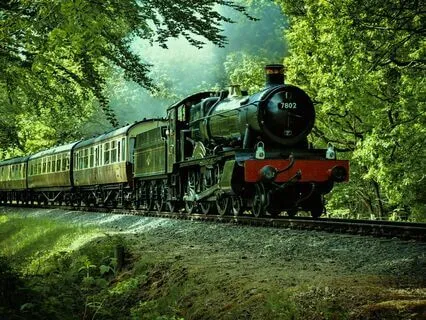
Because my grandmother's then-husband didn't want to ask for directions they got on the wrong train,
They ended up in Yorkshire which was a completely different place to where they wanted to go he must have acted like that was the plan the whole time because of his ego or whatever.
How do you self-describe if you were to go to work or a party and introduce yourself or you were at a conference and you had to get on stage and introduce yourself,
How would you do that?
Yeah,
That's a tough one.
It really is a tough one.
I guess I would describe myself depending on the context or on the environment I guess.
So I suppose I'll try and just describe myself in a kind of professional manner.
So I'm a counselling psychotherapist,
A life coach,
A clinical supervisor,
A trainer and soon-to-be author.
I'm about to have my first book published.
But more importantly,
I would describe myself as a philosopher because when I was 22,
23,
I discovered this life-changing philosophical idea and that's what made me explore philosophy because before then I didn't even know what philosophy and psychology were,
The subject.
So when I found this life-changing idea,
I just threw myself headlong into it and so that's how I would describe myself,
I guess.
Amazing.
I have very few people who admit to loving philosophy come on the show.
So when I saw your profile,
I was very intrigued.
Some philosophies are not for the faint of heart.
They take a long time to kind of understand and do you actually feel like this might be something you can believe in?
So I'm actually very curious which philosophical way of thought or consideration about the world most speaks to your heart?
So that's a hard question to answer because I stumbled into philosophy because I found my own ideas and so I studied philosophy to wonder if or to find out or has anyone else thought this?
Has anyone else found this?
So I would say the ideas I'm talking about are still quite unique but amongst the philosophy that I did uncover and research,
I guess the type of philosophy I would most align myself with is Stoicism,
I guess.
Stoicism,
But yeah.
But I'm saying that,
Yeah,
The caveat is,
Let's say they say the Stoicists,
If you can sort of summarize their underlying principles,
Let's say they say 10 important things,
I'd probably agree with like maybe six of them,
Which is more than the other philosophies.
But I mean,
I can remember when I first started my philosophical journey,
So when I started to kind of devour as much philosophy as I could,
Psychology,
I can remember writing a journal,
A very kind of unofficial journal,
Where I try to record or take note of the types of philosophies that I most align with and I realized I'm pretty much a mixture of all of them almost.
There's a bit of rationalism,
There's a bit of empiricism,
There's a bit of existentialism and nihilism and stuff.
So I'm kind of an amalgam plus some of my own ideas,
If that makes sense.
Absolutely.
Is there any hedonism in there?
Exactly,
Yes.
Yeah,
Exactly.
Hedonism,
Epicureanism,
Yeah,
Like I say,
Most of them.
I don't remember hearing any philosophies that I didn't kind of,
That I completely disagreed with.
They seem to be certain truths or certain aspects of truth in all of them to a certain extent.
So I can't remember reading one thinking,
Oh,
That's just absolutely false.
Or as they say in England,
Rubbish.
I watch a lot of detective shows from the UK and they're always saying rubbish.
Just to put you out there.
Yeah,
That is a word I say fairly often.
Well,
Now I've already kind of let the cat out of the bag.
You grew up in England.
Which part of England did you grow up in?
How well do you know England?
Well,
You know,
I walked the Camino in 2013 and at the end I spent three weeks in Cornwall,
Kind of going around,
You know,
In all these different places.
So kind of just that part.
Okay,
So yeah,
That's a very nice area called Cornwall.
So that's the southwestern tip.
So the UK,
It's got like a foot.
That's like the toe kind of thing.
So yeah,
I'm in South London.
So that's like the south part of the UK.
And I was born in a place called Peckham,
Which is quite famous now because of a show called Only Fools and Horses.
And do you know the actor John Boyega?
Yes.
Yeah,
He's from Peckham as well.
So I think a few famous people are from Peckham.
Do you like hip hop at all?
A little bit,
Yes.
I'm not like great at it.
You know,
Names,
Faces,
That kind of thing.
Okay,
Have you heard of a rapper called MF Dune?
Yes,
Of course.
Yeah,
He's also from Peckham.
Amazing.
There's like this incredible brain trust in Peckham,
I guess,
Down there.
Yeah,
I haven't had,
You know,
I really just concentrated on spending three weeks in Cornwall.
I had the option to go to London,
But I just thought,
You know what?
I just walked 500 miles.
I kind of just want to relax.
And it was,
And of course,
I'm sure,
As you know,
Already,
The Cornwall coast is so wild and woolly and beautiful.
And there are all these different towns.
It's such a huge adventure just to go.
So three weeks was not enough time,
But I really,
Someday,
I have a cousin who lives in London.
I should go to London.
Especially,
You know,
I'm a fan of history and art.
And I know you just have some incredible museums there.
And so I would just basically be going to the museums.
That would be the end of that story.
Oh,
And bookstores.
I would be going for the bookstores.
There are quite a few.
I can imagine.
Yes,
Yes.
Also on the shows there,
Everyone's always eating a curry.
And since I grew up in,
You know,
Pakistan,
We ate,
I ate a lot of that when I was a kid.
And so I always fantasize about going to England sometime and having a really good curry.
I just want to put that out there.
Where in the U S are you?
I'm in New Mexico,
Santa Fe,
New Mexico.
Yeah.
So down South Southwest.
Basically the high desert.
So we don't really have a lot of delicious.
Santa Fe is really lacking in having delicious.
Food from all over the world,
You know?
So if you want Thai,
We have one Thai restaurant and it's not great.
So,
I mean,
Yeah,
But that's a whole other story.
Well,
I'm curious.
I'm really actually very intrigued because on your profile,
You talk about the stutter that you had when you were a kid.
Yes.
And the,
And so how you kind of,
You know,
You,
It sounds like you hid for a while,
You know,
You kind of made yourself hide for a while.
And so did this childhood experience.
And kind of the surmounting of it or attempting to surmount it.
Did that have any effect on how you,
You know,
The way you've created your philosophical thoughts or your considerations of the world?
For sure.
I think,
Well,
Chances are,
I possibly wouldn't be as philosophical if I was more of an extrovert.
I think if I was more,
If I was more extrovert,
I wouldn't have been so introspective maybe.
And I'm not saying extroverts aren't introspective,
But because I was such an introvert,
I had a lot of time thinking about my mind,
Thinking about me.
And I think that led to the discovery.
And then that sort of like came around and helped me see,
Well,
I should accept me no matter what,
Almost.
So that definitely paved the way for a more kind of wholesome and accepting view.
If I didn't have the stutter,
I may not have.
Not in the same way,
Not at the same time in a way.
Okay.
Yeah.
I have to tell you that when I was a kid and still somewhat,
You know,
I like,
I like to hide as well.
So when I read that on your profile,
I was like,
Ooh,
Someone who can relate because I grew up overseas,
Came back to the States.
The culture here was just so confusing to me and I didn't understand it at all.
And that combined with my parents' divorce kind of made me just scared of the world.
So I,
I was just utterly overwhelmed and I hid for many years in either my room or a book or the library.
Yeah.
And ultimately in eighth grade,
You know,
Someone the guidance counselor saw me in the junior high school library,
Which I loved.
I loved to read in general and they kind of banned me from the library because they said,
You know,
You're basically,
You're hiding and you're not developing socially.
So guess what?
No more library,
You are banned.
And so I was forced to go out and talk to people at recess,
Which was like the worst thing ever.
It was horrific.
So I'm,
You know,
I'm intrigued by your story because it sounds like you actually hid until you were kind of an adult.
Yeah.
And then,
So what was the,
You know,
What was the motivating force to make you stop hiding or help you stop hiding?
Well,
Actually this is a fairly interesting story.
Maybe.
Okay.
So,
So I,
I,
I developed a growth mindset before knowing what a growth mindset was because I,
I learned how to draw when,
So,
Okay.
So that was like around 20,
2012.
So I must've been around 41 or so.
And I,
Up until that point or when I was much younger,
I tried to draw,
But I wasn't able to,
I remember art class.
I remember being envious of people who seem to have this natural talent that I tried and I just couldn't do it.
I had three really close friends who were all good artists in,
In their own separate ways.
So they had their own style.
So that's what prompted me to kind of keep trying every now and again,
But maybe I tried like,
I don't know,
Maybe for the 500th time.
And I produced the same rubbish.
So I thought,
No,
Just stick to writing.
I'm much more comfortable with writing.
That was my sanctuary,
I guess.
Like writing was my sanctuary,
Especially since I had a stutter and I definitely didn't have confidence in my verbal proficiency,
Say for one,
For one of a better phrase.
Whereas when I wrote,
I could write however I wanted to,
As flowery as I wanted to,
Or as,
As,
As kind of succinct as I wanted to.
So yeah,
I kind of resigned myself to the fact that I was never going to be able to draw because it was a talent I didn't have.
But then there's a handheld called a Nintendo DS.
I had one around about then and I saw an advert for this application called Art Academy.
And it like,
It pretty much said,
Learn how to draw in like five easy steps.
I thought,
Well,
I think that's a pack of lies,
But I'll give it a go.
I'll give it a go.
And within a couple of days I was,
I was already producing works of art that I didn't think I would ever do.
And so,
And so I kept on going.
I like,
I taught myself how to,
How to draw.
I can,
I can share a picture of you if you want.
So,
So now I thought,
Hold on,
If I can,
If I can learn how to draw,
I can pretty much learn anything.
I think since I thought drawing is one of the things I assumed,
I just,
I was never going to be able to do.
So I'd unknowingly developed a growth mindset.
Then I went on a coaching course put on by my then employer.
It was a local,
Local authority.
So one day coaching course,
And it,
It,
It described the,
The growth mindset to me,
The growth and fixed mindset.
And so I was like,
Oh yeah,
That growth mindset.
That's,
That's me.
So then I was able to sort of own it in a more kind of official way.
Then soon after that,
One of my colleagues left to become,
I was an admin worker.
One of my other admin colleagues were left to become a solicitor or a lawyer of some kind.
And I didn't even know he was studying,
But that made me realize that,
Well,
Well,
Yeah,
Hold on.
That made me realize that I had a general growth mindset,
But I had a fixed mindset over a few things or two things in particular,
My career and my,
And my speech,
Because I assumed I'd be working in offices for the rest of my life pretty much.
So I thought,
Well,
What,
What career could I,
Could I do instead?
I remembered like 30 years ago,
I wanted to become a therapist,
But I didn't feel confident being a therapist because I didn't,
I didn't,
I felt too hypocritical with the idea that I could help people with their issues yet.
I couldn't help myself with my issues.
So that's,
That's why I kind of,
You're hidden office sort of office work.
So then I realized that my stutter,
It wasn't the obstacle I perceived it to be.
So then I,
I trained,
I started a three-year course.
The first year I was in the therapy.
That's the last two years were,
Well,
First year I was in the therapy,
Basic counseling skills.
The last two years was just therapy.
Then the last year of that,
I also started a coaching course.
So I qualified that at the same time.
So when I qualified,
I qualified as a coach and a therapist.
And by then I realized that,
Yeah,
My,
My speech,
My speech is fine.
I mean,
On my,
My stutter was never really that bad.
It wasn't as bad as some starters I've heard where people sometimes can't even talk for ages.
Like they're just,
They're stuck on that one word and they're just stuck.
And it's like,
My,
My start was slightly different.
My stutter was an ability,
An inability to,
To get started.
So rather than mine was more.
So I didn't realize that it's not that bad.
I,
Most people don't care.
I can be relaxed.
I can,
It's,
It's fine.
It's fine.
So that's what made me realize that.
Yeah,
I can,
I can be a therapist.
I can,
I can do a job that involves speaking not 100% of the time,
But it's a fairly,
It's a fairly integral part of the job.
So yeah,
That's,
That's what allowed to,
That's,
That's when I gave myself permission to sort of,
To,
To be me,
To,
To be the me I wanted to be for all those years.
Well,
You know,
When you're a kid and you have something like that,
It can,
I mean,
Kids are not really nice to each other.
They can be very brutal.
Yeah,
I'm sure.
I'm sure you know that.
And it's,
You know,
It just makes,
At least it made me just retreat further into my shell.
You know,
I just,
It was easier for me to retreat versus trying to show up every day,
Pretending like I was okay.
I mean,
I did have to do some of that in my life,
But I just,
Kids are not nice.
And I can't even imagine,
You know,
Having a stutter and just being a child and trying to be in the world.
And I think as kids,
We learn ways to cope.
And obviously my way to cope was to hide in books in the library.
You had various ways of coping,
But one was to work at the local authority,
Which I would love for you to explain what does that mean?
Okay.
So look,
I'm trying to work out what,
What the equivalent would be there.
It's almost like local government.
So,
So like social services type thing,
Like,
Like welfare,
Welfare,
I guess,
But not just welfare.
Cause I was admin assistant for children's services.
So that's the,
That's the,
That's the main job I've had.
Cause I was there for like 20,
23 years and yeah,
It was,
It was,
It was an okay job in terms of like,
I wasn't entirely stretched.
It wasn't that stressful.
It was quite well paid for the kind of level of work.
So I thought it was,
It was comfortable.
So I kind of hid behind the comfort until I realized that I didn't,
I didn't need to anymore.
I can relate to that.
I can relate.
I can relate.
Well,
Thank you.
This is,
It's really beautiful.
I think we have a really great idea of who you are.
I'm intrigued.
Have you ever read Sophie's world?
Yes.
Yeah.
I've not read it,
But I know of it.
I read bits of it.
Every few years I reread it and it's just really good for my heart.
So think about it.
Think about it.
Well,
The second question I always ask is did you grow up in a religious household?
And if so,
How did that change over the years?
How did you evolve maybe into your own way of relationship with the world or a deity or,
Or whatever you like to call it?
Yeah.
I,
I grew up in a,
In a partially religious household.
Yeah.
So yeah,
We didn't,
We didn't go to church every single week.
We went in phases.
I had certain family members who were quite religious.
So Seventh-day Adventist,
That was the,
That's,
Yeah,
That's the,
That's my kind,
That's my family's religion.
So,
Yeah.
So it,
It wasn't,
It wasn't that sort of big,
A,
A bigger part of our lives,
But there were phases where we did seem to observe some things,
Some things more than others and sometimes more than other times.
So it's almost like we were part-time Seventh-day Adventists,
Seventh-day Adventists almost.
Were you all vegetarian?
Because I,
There,
I know a lot of.
.
.
Oh God,
No.
No.
I'm not saying that to be sort of like,
To be disrespectful to vegetarians,
But no,
Meat was a very,
Very common part of our diet.
I mean,
Yeah,
Not,
I'm going to say breakfast as well.
Well,
Some breakfast there was meat,
But a meal,
I grew up,
I grew up thinking a meal wasn't a meal unless there was meat in it.
Obviously I know.
Yeah.
I think,
I think vegetarian,
Even vegan food has come a long way since then.
So there are some really,
Really enjoyable dishes,
But back then the idea of being a vegetarian,
Just it wouldn't have,
I think to me,
It would have felt like something was missing.
Yeah.
I have to say one of the things that I haven't had,
But which is in every show ever that I watch about England is,
Is fish and chips and,
You know,
Invariably someone's carrying this really greasy,
Either newspaper or like sort of weird parchment paper.
And you can see the grease seeping through.
And it's just like a giant thing of hot fish,
Fried,
Fried,
Hot fish and then fried chips.
And everybody's eating it all the time everywhere.
And I'm like,
Are people just having heart attacks left,
Right and center in the UK?
Well,
Not,
Not all the time,
But possibly,
Possibly more than other countries in the world.
Yeah.
Oh,
Yes.
And the other thing when I was in Cornwall that I had never heard of before,
But I thought,
Oh,
I mean,
That actually sounds really good.
Is a pasty.
Did I say that?
Pasty.
Okay.
Yeah.
Yeah.
Pasty.
Cornish pasty.
Yeah.
And it's just like,
Well,
It's a,
Is it like a donut with meat inside or it's like a.
Oh yeah.
How would you describe it?
It's like,
It's like a,
I guess it's like a pie.
That's shaped in a.
It's like,
You could hold it in your hand.
Right.
It's like the perfect thing that you could hold in your hand.
And maybe not all of them are stuffed with meat.
Maybe some are sweet.
I'm not sure,
But they looked delicious.
You do get some,
Some vegetarian pasties as well.
It's like,
Yeah.
It's almost like a tortilla,
But with the,
It's like a closed tortilla made out of pastry with yeah,
Stuffings and most of them do have meat.
It would be common to have meat,
But there are some,
I don't know,
Like cheese and onion ones,
For example,
But leaking potato and stuff.
So.
Wow.
I mean,
I'm telling you when I was in Cornwall,
They were like everywhere,
Everywhere.
I think,
I don't know if it's a,
It's just like a tourist food or a coastal.
No,
No,
No,
No.
It's a,
It's a staple.
It's a staple.
Well,
I'm interested,
You know,
With your journey that you've taken,
Your philosophical journey,
Do you consider like,
Do you think in your worldview or universe view at this point that there is an energy or a God or goddess or whatever you want to call it outside of yourself?
Definitely.
Definitely.
I,
I,
In fact,
I,
If I'm,
If I'm allowed to say I,
I am a regular guest on someone else's podcast.
We're going through the alphabet of like psychology and philosophy.
So A to Z we,
We meet the last Thursday of every month.
So we're,
We're at H we've had yesterday.
We,
We,
We had to,
We had H yesterday where we spoke about heaven and the G we spoke about was God.
And so,
So yeah,
So that was quite strange talking about God in an kind of outward way.
Cause I usually,
Usually don't.
In fact,
The session yesterday,
When I spoke about heaven,
That was brand new for me since I haven't described my view of heaven in that way before ever to anyone.
So except my wife,
She knows,
But yeah.
Okay.
I just want to tell you that that is an insanely brilliant idea for a podcast.
I just want to put that out there.
It's just really intriguing and I think would be interesting to so many people.
It's interesting to use the word goddess because my,
Like I said,
My,
My,
My view about God is possibly fairly different to most people's views.
So I call,
I call the creator,
The source,
Cause I think everything is part of the creator,
But I guess to separate the creator from the creation,
I call the creator,
The source and the source.
I,
I,
I consider female because I,
I think the fact,
The fact that,
The fact that we,
We,
We refer to God as a male sounds a bit weird to me since males.
Yeah.
Yeah.
Well females give birth and we're talking about the thing that,
That the agency,
The,
The energy that gave birth to the universe.
So it,
It,
I suppose it doesn't really make sense to give,
To gender God at all.
But if you do assign a gender,
Surely female would be the more appropriate gender to assign,
If that makes sense.
Absolutely.
The generative force,
I'm always thinking,
You know,
There are so many different places in our lives where we ourselves can be generative,
You know,
Whether it's with our voices,
Helping other people or like you coming up with ideas or new ways to think about the world,
That'll be generative,
Not only for yourself,
But for people who read your book or,
Or find out something about you.
So,
You know,
In every moment of every day that we live,
We have the,
The opportunity to be generative in some way,
Which is giving life,
Giving life to other people and giving life to the world,
Giving life to ideas,
Whatever that looks like.
I am not a fan of people who are,
Who like to destroy and take things apart.
And,
And I understand that sometimes when you're,
You know,
I'm reading this really fierce and funny book right now.
It's funny because it's about 30 years old,
But it's really harsh.
It's by Vine Deloria Jr.
And it's called Red Earth,
White Lies.
And it's his direct rebuttal to he's indigenous.
He's,
He was,
He has passed now.
He's brilliant.
Like had was just an insanely brilliant man,
But it's his rebuttal to the scientific establishment at the time.
Especially the white scientists who,
You know,
Have all these ideas about indigenous peoples coming over the Bering land bridge,
Even though they don't have any,
Literally any evidence,
They haven't dug up any evidence,
But it's this story that they've created.
And it was orthodoxy at the time.
Now that's,
That idea has changed because now they have found,
They're saying that the people who peopled North America,
You know,
Might've done the land bridge,
But probably came by ocean,
You know,
A coastal waterway path,
Which makes way more sense because it seems less exhausting to me.
And there's a ton of food.
I mean,
There's food everywhere.
Seaweed,
Otters,
Fish.
But anyways,
This book is,
Is a direct,
I mean,
It's really hilarious because he is very harsh,
Rightfully so to these people who basically look at the indigenous peoples of the Americas.
And they're like,
Oh,
That old paradigm of you are a savage.
You do not have any legitimacy.
Your stories,
Even though they're thousands of years old,
Don't matter because it's all myth.
It's all fantasy.
It's not based in reality.
The book is harsh.
I mean,
When it came out,
He was disinvited to things.
People were very angry,
But it's,
You know,
Reading it now,
But also understanding how far we've come scientifically and people inviting new ideas in,
But still it's very topical.
We discard the indigenous worldview,
The stories that they tell,
Because we,
We still say,
Oh,
There's no legitimacy,
But,
But it was,
You know,
It's good for me to read those things because I need to understand my place in time.
I need to also,
I'm an inveterate reader of philosophy,
But also other cultures storytelling.
There's their mythos,
Their way of interpreting the world.
And I guess,
You know,
I really appreciate what you're saying.
This generative force,
The fact that you're able to see beyond what the dominant paradigm and culture is telling you was,
Was it a,
An easy journey to get to this place?
No,
Not really.
No,
No,
It wasn't an easy journey.
One of the,
One of the things,
One of the reasons that it was hot,
It was hard or challenging as challenging as it was,
Was I felt alone for a lot of the time,
Since I'm having ideas,
It seemed,
It seemed like I was alone in those ideas.
So I felt quite kind of,
Yeah,
Just,
Yeah,
Just alone.
So it was,
It was,
It was challenging,
Challenging.
And the few,
The few times I did try to speak to someone about it because my idea was fairly different to theirs.
I felt almost not,
Not rejected,
But definitely not validated.
So I thought,
Well,
Okay,
I'm not gonna,
I'm not gonna sort of open myself up to that criticism again.
So I thought,
Well,
Just keep it to yourself.
Just don't say anything.
That's fine.
That's fine too.
What was the name of the book that you were talking about?
It's called Red Earth,
White Lies.
And I saw the title,
I found it in this used strange treasure shop bookstore in Salida,
Colorado.
And I,
You know,
I like going into those strange places where there's like weird severed doll heads.
There's maybe a vase that's like 70 years old.
There's weird jewelry that someone's made over there.
And then invariably there's this dusty corner where there are all these books and I always find treasure always,
Always,
Always.
So I found this and I've read some of his books already.
And I thought,
I've not even heard of this book.
So I just bought it and I am delighted by it.
It's so delighted.
It's very exciting for me.
It sounds very interesting.
I'm sorry.
Yeah,
No,
No,
No.
It's just,
It's,
It is painful and hard to read because the atrocities that white people have visited upon indigenous peoples.
I mean,
Lots of other peoples too,
But this is the book we're talking about is I need to learn about that.
So I know the realities of what's been done.
So I'm sort of like educating myself.
Yeah,
No,
No.
Good for you.
Good for you.
I should check it out.
It does sound very interesting.
Good.
Well,
I want to ask the main question of the podcast,
Which is I would love to hear a story.
You know,
It could be one story.
It could be two stories.
Everybody has a different idea of what that looks like of something magical,
Miraculous or mysterious that's happened in your life.
I have had everything from ghost stories,
To mothers that were miraculous to someone who died three times and came back and what's on the other side.
I mean,
And all to say that,
You know,
Whatever story you tell is totally legitimate because we all create meaning in different ways.
Yeah.
Yeah.
Okay.
So I think the first,
The first thing that comes to mind was the moment I realized just how lucky we are to exist as individuals that,
Yeah,
That was,
That was just mind blowing.
In fact,
I still can't wrap my head around the,
Around the fact that,
Yeah,
It's,
It's like nothing,
Nothing had to be here,
But then something was created.
Certain things happened and the things that happened led to certain people being here.
Those people did specific things,
Which led to certain people being born.
Those people did certain things that led to other people being born.
Fast forward 300,
300,
000 years into the future and we are born.
And it's amazing because I think if there was anything different at any,
Any part of that chain,
We wouldn't have been,
We wouldn't have been here.
Not as individuals.
It would have been,
It would have been someone else.
It would have been another sperm and egg combination.
So when I realized that,
Yeah,
That,
That blew my mind.
It continues to blow my mind.
How did you even have this thought?
How did I have the thought?
Well,
I think the first time I had the thought was,
Was,
Was thinking about something that my grandmother did before my,
Before my mom was born.
And I,
I just kind of,
Yeah,
This,
This,
Okay,
This,
This crazy story,
Crazy story,
But okay.
Right.
So my,
I'm of Jamaican descent.
So my,
My grandmother and her then husband first came over.
This was in the,
I think the fifties,
I think fifties or sixties,
Maybe sixties actually.
So then,
Okay.
So they were,
They came from Jamaica.
They planned to settle in one of the bigger cities in the North.
I'm not sure why they chose North over South,
But North.
So I don't know,
Maybe Manchester or Liverpool or one of the bigger cities because my,
Because,
Because my grandmother's then husband didn't want to ask for directions.
They got on the wrong train.
They ended up in Yorkshire,
Which was a completely different place to where they,
To where they wanted to go.
He must have acted like that was the plan the whole time because of his ego or whatever.
And so,
Because he,
He because they chose Yorkshire,
My mom then joined them and that's how my mom met my dad.
So I was like,
Okay,
Well,
If he wasn't so,
I don't know,
Silly for want of a better word,
I wouldn't have been born.
I wouldn't have been born.
So then that,
That made me realize that it doesn't even just apply to those bigger life moments.
I think that applies to small things as well,
Like eating a certain food or making a certain move or having a certain thought.
If anything was different before the moment of conception,
I think it would have been another sperm and egg that,
That,
That,
That met.
Okay.
That story is hilarious.
It is,
You know,
Now that I was listening to you talk about your miracle moment or your miracle thoughts.
And,
And this story really illuminates how you got to that point because they were not supposed to be in New York.
Sure.
Nope.
They certainly weren't.
And so because of that,
Everything shifted and changed in here you are.
And it's like that stroke of luck or stroke of fate that nobody knows how a certain choice is going to change entire worlds.
And that is exactly what happened.
Yeah.
Yeah.
Yeah.
Yeah.
So,
So thank,
Thank God people do have egos.
Having an ego isn't that bad a thing all the time.
It can lead.
And I suppose if anything,
That,
That,
That led me to a realisation that something bad isn't necessarily bad if something really good comes from it.
So I did sort of see the world in a sort of like black and white way previously.
Like,
Yeah,
If you,
You,
You,
You either did good or either did bad,
I then came to realise that you can appreciate everything because even those bad things could lead to good outcomes.
So yeah,
That was,
That was kind of relaxing.
I felt like less,
Less on edge to,
I think before then I always felt the need to want to do the right thing or to want to do the good thing.
But now,
Now I'm more relaxed.
I'm probably,
I'm probably doing more good things anyway,
But now,
Now that I've taken the pressure off weirdly enough,
Ironically enough.
Oh,
I love irony.
I want to tell you that someone told me something in the last couple of years and I really tried to orient myself to this,
That what we think is bad or negative.
And certainly I've had my share,
You know,
That things happen for us,
Not to us.
So I think about that all the time,
You know,
Even when I have catastrophic things happen that are just completely inexplicable and frustrating.
I try to,
You know,
I sit in gloom for a while and then I think,
Okay,
Something is going to emerge out of this or some part of my life is going to change.
And it's going to,
I'm going to understand later that this happened for me.
And it's,
It's almost like the ego,
The,
You know,
I don't have to ask for directions was exactly what was needed so that we have you.
Do you know what I'm saying?
Yeah.
Yeah.
I guess that's,
That's a,
That's a,
That's a good way to look at it.
Yeah.
And I'm,
I'm,
I'm,
Like I said,
I'm very appreciative of that.
It's interesting,
But do you mind if I ask you for your,
Your miracle moment?
Have you got one?
Gosh,
You know what?
I have so many,
So many,
It's kind of overwhelming,
But I'll tell you a story that happened to me that was really quite strange.
So I was sitting on the couch one day I would say five or six years ago now at this point,
And it was morning and I always go on a walk in the afternoon.
And I was sitting there having my coffee,
Feeling pretty lazy and I was around 10 and all of a sudden I felt this urge,
You know,
Go on a walk.
And,
You know,
I talked to myself because sometimes I'm the only one there and I'm like,
I'm not going on a walk right now.
And a few minutes later it was like,
No,
You really need to go on a walk right now.
Is this an inner presence?
It was like,
Go on the walk.
And I was like,
And what happens usually is I bicker back and forth with this voice and I swear at them.
And I'm like,
Don't tell me what to do.
But by the third time it said go on the effing walk.
And I was like,
And so,
You know,
I'm grumpy.
I put my shoes on,
I go out the door and I'm really have a bad attitude.
And I'm like,
Okay,
Jerk,
What way do you want me to walk then?
If you're going to make me do this,
Whatever.
So it had me walk around the block and then go through this wooded area.
And then we came to this crossroads and it basically said,
Go back to the street.
And I was like,
Are you joking?
I've been walking for 10 minutes.
This is the stupidest thing I've ever heard.
You're making me go back home.
And so I go back to the sidewalk and I'm still bad attitude,
Bad attitude.
I'm kind of a jerk just to let you know.
And so I'm walking.
And this car pulls up and pulls this,
You know,
Parks a little bit up the block and this woman gets out and she's walking all around and she's like clearly confused and clearly lost.
She has no idea what she's doing.
And I thought,
Oh,
That's odd.
And then she gets in the car and she drives a few more,
You know,
A hundred feet and I'm walking towards her and she gets out again.
And I thought,
Wow,
That person's really lost.
And then I looked at her car and I thought,
Oh my gosh,
Is that a Nissan Sentra?
And it suddenly hit me that a woman was coming to pick up a free table that I was giving away.
And she said,
I'll be driving a Nissan Sentra.
And I ran up to her and I said,
Are you,
Are you here to pick up a free table?
And she said,
Yes,
I'm so lost.
I did not write down the address.
I took a screenshot of your house from space,
But all the houses on the front look the same.
I mean,
They all look the same and I'm like,
Okay,
I've never heard anything so silly.
She's like I drove an hour and a half and I was just so desperate that,
That I would be able to get this table.
And I thought,
I said,
Okay,
I'm the person with the table and you are really,
It's way down at the end of the block on the corner.
I will jog and meet you there.
And I realized that something,
I don't know if it was the woman's guardian angel,
Whatever.
I don't even know what happened,
But it knew that this woman needed help and that I needed to go out there and meet her,
Have this encounter.
But also I know that it happened because I needed,
Cause I love science and I'm,
You know,
Even I have this mystical bent,
I'm like,
And I just love science.
It knew whatever that energy was that I needed more proof that there are things happening that are beyond our comprehension,
That are beyond our understanding.
And it was like,
Okay,
Two birds with one stone help this woman get her free table.
You,
You get to glimpse a little bit more of the magic or the mystery of the universe and good luck with that.
So yeah,
That's my story.
That's amazing.
That's amazing.
And I'm sure she was very grateful.
She was,
We were,
You know,
We were,
You know,
Afterwards she sent me an email and it was,
It was so funny and banal cause I said,
I am somehow out here with you and I don't even know how we're doing this.
She's like,
Well,
I just have things like this happen.
You know,
The universe must've wanted me to have this table.
And I was like,
I guess so.
I mean,
They were really the spirits or whoever it was,
The guard was very serious about you having this table,
Which I think is the ugliest thing I've ever seen.
I would actually pay you to take it out of my hands,
But I'm glad you're taking it for free.
So that's my story.
That's amazing.
Hey everyone.
Thanks for listening to this episode.
And I hope you found it as delightful and hilarious as I did.
I mean,
Honestly,
If they wouldn't have gotten on the wrong train,
Byron would not be in the world.
And so you've got to look at incidents like that,
At encounters like that,
At mistakes like that,
And kind of wonder,
Are they really mistakes?
Because it seems like Byron wouldn't be able to be on this show unless someone had taken the wrong train.
Oh,
So long ago.
I want to thank each and every one of you for listening.
And you know what would make my heart sing is if you like what you hear,
Leave a rating or write a little review.
You have no idea how much those ratings and reviews help other people find this podcast.
Thank you for listening.
And here's my one request.
Be like Byron.
I mean,
I would say have a sense of humor because it's very clear that Byron has a sense of humor.
I would say it's be a philosopher,
But I think each and every one of us has our own view of life or is trying to suss out how we think this world works,
Where human beings places are in this world,
All that kind of juicy stuff.
But no,
I'm going to say,
Be like Byron and listen to your family stories,
Dive deeply into your family histories and find out the juicy bits,
The good bits,
The parts that are funny,
The parts where if someone had made a different decision,
Well,
Everything else would have changed.
And life as it is right now would not exist.
I think it's beneficial to look back on these twists of fate,
These twists of mistakes and understand that maybe there is so much magic inside those moments.
So many miracles that have the opportunity to birth themselves from those mistakes.
And then I think you'll go through your life and wonder maybe after you've made a particularly big mistake,
You might be a little more gentle with yourself and wait a while,
Allow some time to pass so that even you too can witness what kind of magic and what kind of adventure those mistakes and your choices are opening up for you.