Welcome back and welcome to episode 93 of Bite-Sized Blessings.
In this episode,
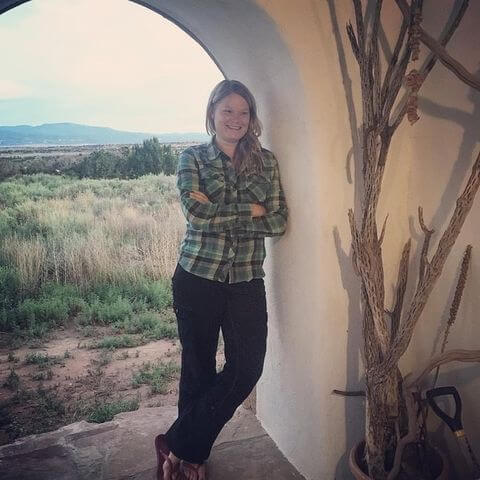
I talk to Mara Salaitis,
And it's a fascinating episode,
One that's perfect for this time of year as the days grow colder,
The leaves start crisping underfoot,
And it's ever so sweet to stay inside,
Get cozy,
And sip a hot chocolate.
Mara's miracle is her sister Eva,
And specifically,
The miraculous and mysterious things that happened just before Eva's death in 2016.
A little bit about Eva,
Who was quite a remarkable human being,
And as I like to say,
Lived very close to the soul of the world.
Eva was both a poet and marine biologist,
And she and her partner Craig studied orcas in Prince William Sound for over 30 years,
An experience that informed her memoir,
Into Great Silence,
Discovery and Loss Among Vanishing Orcas.
Eva accomplished many things in her life,
Including founding the North Gulf Oceanic Society,
And writing volumes of essays,
Including Leaving Resurrection and Becoming Earth,
And poetry collections,
Among which are many ways to say it,
And Prayer in Wind.
On the website,
Under the episode show notes,
I'll have links to her books,
To her reading some of her poetry,
And other goodies I think will inform you on just what a spectacular human being Eva was.
In this interview,
We get to hear her sister,
Mara,
Talk about what a miracle Eva was.
It is a sweet,
Heartbreaking,
And poignant interview.
So now,
Episode 93 of Bite-Sized Blessings.
We were sitting after she'd gone to sleep,
And we were just hanging out together,
And in their entry,
There was like a slate floor,
And then there was wood floor.
And all of these details are important,
Because we were sitting together,
And we were kind of like,
I think we were just reading,
We were quiet.
And suddenly,
We heard the sound of like,
The sound of a dog's claws on the slate floor.
Like,
You know how the dog,
The clicking,
The clicking of the toenails.
And so we kind of both looked,
And then we realized,
Oh,
Greenery's sleeping at our feet.
We kind of looked at the entry,
And we're like,
Oh,
Both of us were just sort of like,
And you know,
He did not know the rest of the story.
Like,
He didn't know about the door,
And he did not know about the conversation about the dog,
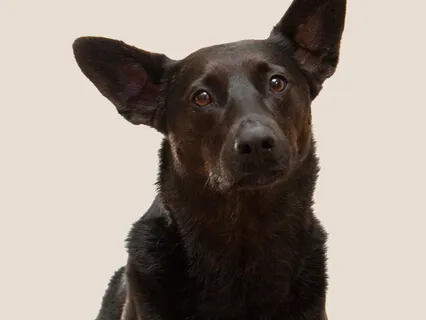
The black dog.
So we both kind of glanced over,
And I remember it just felt like it was like slow motion.
Like,
We both kind of looked over,
And then we sort of looked at each other,
And then we heard those same claws going up the stairs behind us.
We definitely had always a very close relationship,
Not that we didn't like fight like cats and dogs.
And,
You know,
I still remember standing in my bedroom,
Holding up a cane chair that I was going to hit her over the head with.
When I was a teenager,
And her looking at me and saying,
Go ahead,
Kill me.
Go ahead,
Kill me,
Do it.
And I was like,
Put the chair down,
Because I actually couldn't kill her,
But I wanted to.
So we had those moments too,
But there was,
It literally was like we were twins,
But separated by two years.
So I was two years her,
You know,
Younger than her.
So she's my older sister.
And I think that going through the loss of my sister,
I really have done a lot of thinking about the loss of sibling,
Of sibling,
Because there's all this stuff that people talk about,
About losing a child,
Or losing your spouse or partner,
Or losing your parents.
You know,
Suddenly the whole concept of being orphaned,
Which I'm orphaned from my parents are deceased as well.
But,
But there's not a lot about what it's like to lose a sibling.
I feel like,
You know,
When you lose your sibling,
You lose your connection to your history in a way,
Because that's like your siblings are the ones who knew you the longest,
Like the new,
Knew you the most and the longest,
Because like your parents knew you,
But your parents didn't know you like your siblings,
Because your siblings,
They were doing the same shit you were doing.
When I knew that I was going to lose her,
Which was long before I lost her,
It was like,
Like loss of some part of my future.
I have to admit to you that I didn't,
I didn't really look at the questions because I felt like it would make me too,
It would put me too much,
You know,
Create anxiety.
So I decided to just,
I was just gonna wing it.
So I guess that's part of,
So I guess if I were to describe myself as a human being,
I would say I'm pretty complicated,
A complicated person.
And I'm a child of immigrants,
Of Eastern European immigrants.
And that's really,
That really shaped sort of my childhood and my,
It's just shaped me as a person coming from some pretty intense trauma that came through my family line,
And really affected my growing up and probably affected my,
The development of the relationship I had with my sister,
Because we were,
We were,
Are each other's protectors in our family system.
So I would say that I'm a person who,
Who tries to live a life in which I give of myself as much as I can,
In whatever way I can all the time.
I was gonna ask,
How did you,
I guess,
When did you realize you wanted to be a doctor?
How did that come about?
Well,
It wasn't and it wasn't what I,
It wasn't what I thought it was going to be.
I kind of feel like my whole life is sort of like,
Oh,
Well,
That wasn't how I thought it was going to be.
And that isn't how I thought it would be.
And this isn't either.
And so,
Okay.
I mean,
It's just,
It's so far the same,
The same weird thing about my life.
I mean,
If I told you what I thought my life would have been like,
Boy,
It's not like that at all.
I mean,
It's like it in sort of underlying ways,
But not at all like the trajectories and really completely different.
I thought I wanted to be a special ed teacher,
Because when I was little,
We had these friends who's,
We always had to hang out with like older Latvian people.
So we're,
My parents are from Latvia and the community was really close.
So my sister and I were dragged around to all these older Latvian people's houses.
But these Latvian friends and my parents had a son who was married and they had a child with Down syndrome.
And I just loved playing with that little boy.
And so I wanted to be a,
I want,
I want to be a special ed teacher.
And then,
You know,
I went,
I ended up,
You know,
Going through high school or whatever.
And I went to Cornell.
The reason I chose Cornell was because when I was visiting,
I,
You know,
At that point,
You didn't apply to like 70,
000 schools.
You know,
I applied to think four schools,
You know,
I came from a tiny little town.
Yeah,
I did took no AP classes.
You know,
It was like a whole different world of getting into school.
But when I visited Cornell campus and they handed you the coursebook,
It was like this thick.
And I was like,
I want to go here because you can learn anything.
You can,
You can literally learn any language.
You can learn anything.
And I was,
I always had this,
This intense curiosity to learn.
And so I also came from these,
This really intense parents.
My parents are so intense about education.
And so I literally had this,
This idea that when they said,
What do you want to do for your major?
I was like,
Well,
I don't really know what I want to do,
But it has to be something really hard.
And I think,
Oh my God,
Like what,
What 18 year old says something like that?
That is just bizarre.
And so I picked chemistry,
Which is super hard.
It was really hard.
I don't know what I was doing.
And I,
And I,
You know,
I,
I,
It was really difficult and I would do really badly on all these tests,
But I worked really hard.
I was a super hard worker.
And I thought as I did it,
I met some people,
You know,
I had all these nerdy friends and,
And I wanted to,
I,
I had this teacher,
This teacher,
Barry Austin,
He was my,
One of my chemistry professors.
And,
And I asked if I could work in his lab.
You know,
I had to like this,
You know,
Get a,
Get a lab job.
So I asked if I could work in his lab.
And he was working on sequencing the Huntington's disease gene because his wife had Huntington's disease.
And we used to get together,
Like his lab crew would get together for like,
You know,
Picnics down by Cuga Lake.
And so I met his wife and,
And so I decided I wanted to be a medical researcher.
So from,
You know,
I don't even know.
I mean,
I,
The whole thing of being a teacher,
That just went away.
And I decided I want to be a medical researcher.
And so I was really into like learning.
I was doing a part of this work,
Of his work.
And,
But then,
You know,
I was always sitting in the lab at night,
Like by myself,
Like watching my experiment.
And I,
It turns out I'm extremely chatty and I love people and I love talking.
And I was like,
What am I doing in this lab?
Like I'm alone all the time.
Like there's nobody to talk to.
And I'm like,
I can't do this.
There's just no way I could not,
This is not where I belong.
And so I thought,
Well,
Maybe I'll go to med school.
Maybe I'll be a doctor.
Get to talk to people.
Maybe I can figure something out.
And literally that's how I decided.
And there was a pre-med advisor who I'd never met.
And I went to see this woman and,
And I said,
So I want to be,
I wanted to go to medical school.
And she's like,
But you haven't taken any of the,
All the classes.
I'm like,
Well,
I took some of the classes because I was a chem major.
And she's like,
Yeah,
But you didn't do biochem.
I'm like,
Well,
But that's not exactly a requirement.
And,
You know,
I took the little list that I had seen of medical schools and for the,
What you had to take.
And,
And she was really not very supportive,
But I'm like,
She goes,
Why are you taking a gamelan class?
Cause I played the,
In the Indonesian gamelan class.
And I took a jazz class and I took women's studies.
And she's like,
Why are you taking these?
I'm like,
Well,
Cause I want to learn things.
So she of course was not very supportive,
But I said,
Well,
Because she said that I couldn't do it,
I decided that I could.
So I took all the things I needed.
And then I took the MCAT and I was a really bad test taker,
The big,
The big test.
And I didn't,
I didn't have any money.
So I didn't take one of those prep classes.
I didn't know,
Like I came from a town where you didn't take an SAT prep class.
You didn't take a,
You just didn't have this stuff.
So I didn't know.
So I sweated through that MCAT.
Like I didn't,
I did not know what I was doing.
And I was like,
It was super anxiety producing and I did like,
Okay.
I did okay.
But I clearly didn't do that well.
I mean,
I bet it was okay.
It wasn't terrible.
So when I went to see her,
She would,
Cause you had to meet with her again.
She was like,
You need to take a year off and study for the MCAT.
I said,
If,
If they don't want me,
If medical school doesn't want me because my MCAT scores,
I don't want to go to medical school,
Then I'm applying anyway.
And so that was just,
It's part of my personality.
You know,
That I'm just kind of like,
You know,
Tell me that I can't do it.
Tell me it's not possible.
And boy,
I'm going to go for it.
I'm going to make it possible.
So I grew up in a religious household and my,
My father was a devout Catholic and my mother.
So the country of Latvia had a,
Had a strong Catholic heart,
You know,
You know,
Portion of the population.
And it had a very strong Russian Orthodox population.
And it had a significant Jewish population that was decimated during World War II,
During the Nazi times.
And it had a Lutheran population and it had a lot of pagans.
So it had all kinds of religions,
But my dad was from,
He was a peasant.
And so he came from a very strongly Catholic family,
Very,
Very,
Extremely in a very strict Catholic upbringing.
And my mother was a Lutheran.
And in order for my mother to marry my father,
She had to convert,
But her family was a little more,
They were kind of like loose,
Loose on the religion.
So,
So she converted to Catholicism,
But she never really,
She never really bought into it.
So she did it because she had to,
But she,
She told us that,
You know,
I asked her,
I said,
Well,
Do you believe in this stuff?
She's like,
I don't believe in any of this stuff.
So she did it for,
For marriage.
The organized religious piece of our upbringing was not necessarily positive because there was a very strict hierarchy of who was in charge.
My dad was,
He was physical and emotional punishment and used things like making us kneel and pray when he thought we had done things wrong.
And even including my mom having to do that with us.
So,
So there was a lot of like,
There were,
There were a lot of the negative pieces of,
Of that Roman Catholicism in our family,
But there was also,
You know,
I was fully out,
Fully in,
You know,
I,
You know,
We were raised to,
To,
To go to church every Sunday and we'd Catechism.
And when,
As even as a teenager,
I walked to,
Went on in the evenings to my,
My church school.
It was kind of during the times of Vatican II or something,
It's where,
Where you had like a folk singing in church.
That happened when I was like 11,
Which I loved.
I love the folk singers,
The guitar was great.
We did go to Catholic school.
My brothers went to Catholic school all until we moved away from New York City.
But my sister and I went to Catholic school only for a few years because the second grade teacher wouldn't let my sister go to the bathroom and my parents didn't want me to go into that class.
So when she was,
When I was entering second grade,
We switched just to public school.
I believed in,
I had a very strong spiritual belief and believed in God and heaven and sin and hell and,
And all that stuff went to confession.
I have lots of memories of the fear of being in,
You know,
Being in confession,
Having to make up things because I felt like I had had to have done something wrong.
During World War II,
Latvia had a very tortuous history.
So Latvia was independent in 1918 and then the Russians came in and took over Latvia.
And then during World War II,
The Germans came in and occupied,
And then the Russians returned.
And during that last transition,
My,
My mother was about 17 maybe.
And,
And her family escaped.
Her dad was a judge.
Her family actually was pretty well off.
Her dad was a judge.
The mother was the legal secretary and the dad paid somebody with vodka to get the family out of the country.
And,
And they escaped in the train.
And then they went to Germany to the,
To the ally side of Germany.
So they went into the,
They were put in displaced persons camps for Baltic people who were trying to escape this,
This trading of occupations.
My dad was five years older and he was a peasant.
And he,
He had actually,
He's a really complicated person.
He had a severe alcohol problem that started very young.
And,
And he,
He just was not,
He had a lot of demons and he actually joined up with the Latvian army and,
And fought against the,
Against the Russians.
And he did leave the country during that whole time and ended up in,
In,
In that same displaced persons camp.
So they met there,
But then they came separately because she was still young.
She did high school at the DP camp.
She was there for about five years before she was then on the,
Through the Marshall plan was sponsored with her sister to come to Ohio.
And she was at Mount St.
Mary's on the Ohio as a technical school,
Where she learned English and learned a trade.
He had come separately on his own and he worked in the train yards in Chicago.
And he kept trying to find her cause he had,
He knew her.
The story that she,
They tell is that he asked her seven times to marry.
And she kept saying,
No,
That she needed to get her education.
So she was,
She,
She and I had a lot of similarities.
So I'm just going to give you a little,
I'll give you a slight,
Some just slight,
Some background things,
Just because I think those are important because the story I really want to tell is a story about what that happened at the very end of her physical life.
But I consider,
I consider my sister to be a miracle,
Like the entire whole of her is a miracle.
And so I wanted to acknowledge that,
That it's not the end of her life as,
As she had it here.
That was the miracle.
It was,
It was just that she was a miracle and that I was the luckiest person in the world that I got to be in around this miracle for 50 years.
I had a miracle,
No matter what else happened in my life.
I was so blessed to have her,
My sister.
And I have to say that she was just,
She was the most gracious and grateful human being that I have ever known.
And I'm sure there are many people like her,
But for me,
She was somebody who through,
Had a lot of trauma in her life.
And through that trauma,
She's someone who transformed that trauma into,
Into healing,
But not only for herself,
But healing for her friends and her family and her,
The whales that she studied and for Prince William Sound,
The place that she loved.
Through everything that she did,
You know,
Throughout her life.
But then as she went through this,
This terrible illness and had to face her own extinction,
The way that she lived her life.
It really,
It was really a miracle for everybody.
A little short miracle story was just at the,
At the end of her life,
She wrote five books and her final book was,
Was this book,
The Coming Earth.
It's a series of essays that were,
That she wrote over the course of the time that she was diagnosed with breast cancer.
And then through that whole journey,
Or she hated that word.
She hated all the,
The kind of breast cancer jargon,
But through her,
Through her transformation and her traveling along this,
The path that she was given,
She wrote these essays and the book came out in galley form.
She received a box of 70 copies,
Paperback copies around the very beginning of January of 2016.
I would say it was probably around January 7th or so that she got the box of books.
And I was actually traveling down in,
In San Antonio with this high school model UN group that I was,
Was the coach for.
And I knew my sister whose life was,
Was nearing its end.
And I was really anxious about traveling.
And then every time I traveled anywhere for like the last four years of her life,
I would be completely panicked that something would happen and that I would have to leave what I was doing,
Or I wouldn't be able to go,
Or I have to go up to Alaska.
And I really wanted to be with her when she passed.
And that was my other big fear was that I was not that someday someone is just going to call me and tell me that she died.
And,
And I was just terrified of that possibility.
Like I knew I had to accept it,
Like I had to accept everything else,
But having to accept the idea that I wouldn't be there when she left the,
This planet was like really,
Really terrifying.
And I was down in San Antonio and she called me and she said,
I need you to come.
And she said,
I,
There's something I need you to help me with.
And so I had arranged that I had these extra people traveling with me who would take over for me so that I could leave if I had to.
And I left my group of kids down in,
In San Antonio.
And I flew to,
I flew to Homer and I had done this trip many,
Many times on that short notice from many different places,
Particularly from Seattle.
I had done it many times,
But I came from San Antonio.
And when I arrived she said,
I have this box of books and I need,
I need to send them out.
And so we sat together in her bed and this was on January,
I guess I arrived on like January 8th.
And we sat together over that weekend and she personally inscribed 70 copies.
And it wasn't like she inscribed it,
Like she didn't write like her name.
She wrote a personal letter to each person,
The 70 people that she,
And there were more too that she could have,
But she had 70 copies.
So she wrote a personal letter to 70 people who meant something to her.
And she wrote about them in a way that was incredibly moving.
And,
And I sat and I would,
I did the packaging.
So I put it at the envelopes and then the addresses and we made the pile.
And on Tuesday I went to the post office with the boxes of all the packages and I mailed them all.
And,
And on Saturday morning she died.
And,
And that'll be the bigger story that I tell.
But,
But basically there were people who,
Who got this book like while she was dying,
After she died.
But,
You know,
It was like,
Like she was just the most grateful and gracious person.
And she gave this gift to so many people.
There were some things that happened at the end of her life that were that in that last week that were truly unexplainable and miraculous.
So,
So I'm going to go back in time to when my dad was,
Was sick and dying and he,
He had dementia and,
And,
You know,
He was not a,
I'm just going to say it.
My dad was not a good person in,
In many ways.
He was,
He had a lot of his own demons and he,
There were reasons why he was the way he was.
He was shaped by,
By a terrible,
Terrible things that happened throughout his life and probably through generations.
But he,
He definitely was a person who had,
Had harmed other people.
But when it came to his dementia,
I,
It was really difficult to watch.
I cared for him.
I took care of him.
He lived where I lived and,
And was really involved in his care.
And even though that was hard,
Because he had been a very difficult father,
But it was really hard to watch him because he suffered a lot of,
Of like paranoia kind of things that he was reliving things in the past.
And it was really hard to listen to the things that he would say were happening to him.
But there was this one thing that he would talk about.
He would talk about,
This was really near the end of his life.
He started talking about this black dog and he was telling us about the black dog that would come to visit him.
And he just,
He was always,
You know,
I'd be like,
He'd be like,
The black dog was here again.
And this is,
He was in like assisted living in the special wing.
And my mom was,
They were in the same room and he would just be like,
That dog,
Mada,
And he had an accent,
Mada,
The black dog was here again last night.
The black dog,
He always,
And I was like,
What is this black dog?
And so I started looking up the black dog and it turns out the black dog is like a,
It's a,
There's a story about the black dog.
There's a belief that the black dog comes to guide you to,
To the other world through,
To transition you to wherever you're going.
And so,
You know,
My sister and I would talk about that,
Like,
Oh my God,
That,
That,
That said,
So I wonder if he's going to die soon.
Like he keeps talking about this black dog.
And we,
And we believe in a lot of that kind of stuff.
So,
So that was like years ago,
He died in 2007.
So he died a long time ago.
So now we fast forward to the last week of my sister's life.
And,
And people are coming to visit in that week while I'm there with her and her partner.
And you know,
A lot of people are,
We're spending a lot of time with her and trying to,
You know,
Saying goodbye and all that.
And then towards the end of the week,
We started limiting visitors because she,
She really,
Her energy was low and we wanted to kind of let her be,
You know,
Kind of quietly present with us.
But her friend was visiting from Anchorage,
Margaret,
And Margaret and I were,
Were kneeling at her bedside.
So she had moved her bedroom downstairs to her daughter's room.
And,
And she was kind of,
She would go in and out of sleeping.
And so we had been hanging out with her and we were just together kneeling by the bed.
And she had those kind of wood core doors.
They had built this house in Homer,
Alaska,
She and her partner.
And they had those,
The doors,
Like I remember from childhood,
Like when you,
Like,
You know,
If the door would,
When it would open,
I don't know if you knew these kinds of doors,
But they wouldn't always close all the way.
Like they would kind of catch,
They wouldn't completely latch.
And then if somebody opened it,
It kind of makes like this sound.
So the door was like that behind us.
And we were,
The door is pretty close to us.
It was small.
So we were kneeling and the doors closed behind us and she's sleeping.
And suddenly that,
That happens,
The door goes and it opens.
And we,
We both turn around and we're looking and like,
There's nobody there.
And I thinking,
It must be Grigri,
Her dog must be trying to get in the room.
So I walk out into the main room and I'm,
I said,
Grigri,
And I'm looking around and Grigri's not there.
And then I look out and Grigri's out on the porch.
So the doors are closed.
It's winter in Alaska.
So Grigri sleeping on the porch.
And I'm like,
That was really weird.
So I kind of like thought about it,
But you know,
Whatever.
It's like,
Maybe it was a wind.
I mean,
I don't know where the wind would be coming from,
But we were like,
Whatever.
So,
So then later on that,
It may have even been later on that day,
But it was sometime soon after that,
Margaret had left and I was sitting with,
With my sister.
And,
And she says to me,
You know,
Mara,
Do you remember when dad used to talk about that,
That black dog,
Remember the black dog?
And I'm like,
Yeah,
Sure.
I remember the black dog.
And she said,
That black dog is coming in here.
It comes in here and it lays on the bed.
And I,
I mean,
It was really like,
I was like,
Do I tell her?
Like I didn't,
I didn't tell her about that thing that had happened,
Like the weird,
How the door had opened,
But it was really like,
I was like,
Really?
And she,
And I said,
Is it,
Is it friendly?
She doesn't,
Oh yeah.
It just,
It just curls up on the bed.
Just,
It just lays with me.
And she was really peaceful about it.
She was really like,
It was,
You know,
It was,
It was like a nice thing,
Right?
Like it was,
She welcomed it.
And so then,
You know,
We would,
We had kind of a pattern.
It was,
We called it our cocoon.
It was our,
The little,
It was the three of us.
It was my sister and Craig and myself.
And,
And we just had this,
This little,
It seems like it was years,
But it was like this week that we were together and,
And we would have our routines that we would do during the day.
And then every evening we would,
We would have dinner.
Craig would make dinner.
I would make dinner and my sister really,
She couldn't really eat,
But she would,
We would put her in,
In mini Winnie,
Which was the wheel.
She named,
She named everything.
So she named the wheelchair,
Mini Winnie.
And we'd get her into mini Winnie and we'd wheel her out to the table,
To the table where they had all,
Had always had all of these meals and she had written at that table.
And it was like this place and,
And we would sit together and she might taste the food and,
And,
And then,
You know,
We would watch an episode of,
Of the two,
The psychiatrist and his brother.
I always forget the name,
But anyway,
It was like,
I'll think of it.
Frazier?
Yeah.
Frazier.
We would watch an episode of Frazier.
She loved Frazier.
So we would sit and watch an episode of Frazier.
And then we would wheel her back to her bed and she would go to sleep.
And then Craig and I would sit together in the living room and,
And just read or just,
You know,
Chat or just kind of decompress while she was sleeping.
And,
And they,
They built,
Like I said,
They built this house and,
And the house is just the most beautiful place ever.
Most is cozy and just full of her and him and their life.
And,
And they have these,
All these kind of old like vintage couches and,
And they had their friend,
Sean McGuire had built this beautiful spiral staircase that was in the house to the upstairs.
And it was a small house of two rooms upstairs in the bathroom,
But,
And then mainly a kind of an open area in the two bedrooms downstairs.
So we were sitting on the couch together.
It was either that same night or the next couple of nights later,
We were sitting in after she'd gone to sleep and we were just hanging out together.
And in their entry,
There was like a slate floor and then there was wood floor.
And all of these details are important because we were sitting together and we were kind of like,
I think we were just reading,
We were quiet.
And suddenly we heard the sound of like the sound of a dog's claws on the,
On the slate floor.
Like,
You know how the dog,
The clicking,
The clicking of the toenails.
And so we kind of both looked and then we realized,
Oh,
Greenery's sleeping at our feet.
We kind of looked at the entry and we're like,
Both of us were just sort of like,
And you know,
He did not know the rest of this story.
Like he didn't know about the door and he did not know about the conversation about the dog,
The black dog.
So we both kind of glanced over and I remember it just felt like it was like slow motion.
Like we both kind of looked over and then we sort of looked at each other.
And then we heard those same claws going up the stairs behind us,
Like right at our heads.
And Craig says,
There's a dog in the house.
And he just literally got up and he went running up the stairs.
He's like,
What is this?
Why?
How?
There's a dog in that.
And he's,
And I just sat there like,
What?
And they came down and I told him,
I said,
Craig,
There's a dog that's visiting.
It's coming free.
It's coming to help Eva.
So her daughter was there with us when,
When Eva died,
Her daughter,
Ellie.
And Ellie had been doing,
Had been in Boulder doing a rolfing course.
So Ellie went back to Boulder and Ellie was,
Ellie's a swimmer.
So she swam all through high school and college and she's a swimmer.
And so after she returned to Boulder after the death and she and Eva were super,
Super close.
Eva was actually her stepmother,
But everybody felt like it was almost like Ellie came out of Eva,
Even though she,
Cause she was so much like Eva.
She was like her mom too,
But she was very much like,
It was just an interesting thing about them.
So Ellie returns to Boulder and she goes to swim at the UC Boulder.
She would swim in their pool in the mornings.
And I guess I've never been there,
But she said that it has,
It's like a beautiful pool.
It has this big glass windows.
So the sunlight will come in,
In the mornings.
And she was alone.
She was swimming at laps.
And it was a few days after she had returned to Boulder and she,
And she was grieving,
Really heavily grieving.
And,
And she,
As she was swimming and she turned,
Did her flip and she was swimming back,
She raised her head out of the water and sitting at the side of the pool was a black dog and there's nobody else in the place.
And she just,
The dog was there and,
And she,
She like started swimming towards it and it turned and it went,
Walked away into the changing rooms.
And so,
So what about the black dog?
There's our little miracle.
I believe in the black dog.
I believe,
I mean,
It was all of us.
You can't explain it except to say that it was,
There was a spirit guide for my sister.
The spirit guide came and we all got to,
The spirit guide came to all of us,
Not just to her.
So,
And then the final miracle that I'll share is that in the last 24 hours of my sister's life,
My sister really wanted to have what she called,
She called it a conscious death.
She talked a lot about wanting a conscious death.
She wanted to,
To be present all the way through as much as she could.
She didn't know.
I mean,
Like none of us,
We don't know what is,
You know,
We're going to have to face death and,
And none of us know what it's going to be like.
And we hope that when we face it,
We're,
We face it openly and consciously and welcome,
You know,
Welcome some kind of welcoming way.
But that doesn't happen for everybody.
Clearly.
I mean,
People just die suddenly and have no,
No chance.
You know,
She was grateful that she had a chance to say goodbye and do all this.
She was,
She was grateful for her cancer because it gave her,
Gave her this,
These opportunities.
She had this thing about conscious death and I never quite knew it was kind of like,
Well,
What is it going to mean?
What is it?
And she,
But she planned everything.
She,
She was a planner and she was a list maker.
And she,
I have her last,
The journal,
Her journal,
Her date book from the last year of her life.
And so I have all the lists with the things crossed off and the phone,
You know,
Everything she wanted to do.
And then the few things that aren't crossed off and stuff.
And in the last,
You know,
Hours of her life,
She was,
She was awake.
And she was kind,
She was like really quite clear.
There were times when she wasn't totally clear,
But she called,
We called people.
She wanted,
She was a writer.
So she was writing on her computer all the time.
She'd write answering emails.
And then that morning,
That Friday morning,
She died on Saturday,
Friday morning,
She could not,
It would hurt to type.
So she couldn't,
She couldn't write the email.
So I wrote the email.
So she would dictate to me and I would answer.
I was answering people's emails for her.
And,
And then she was,
She wanted to call people to say goodbye.
So she,
So she was,
You know,
You're calling whoever she wanted to call,
Talk to everybody.
And then my brother,
I got my brother there.
He flew in from,
From New York.
He wanted to be there and he flew in.
He got in there really late,
But,
But he was there and we were all together and it was me and my brother and,
And Craig and Ellie.
And we,
We had a window open because she,
She wanted a place for her spirit to be able to leave.
And we had this Buddha candle burning and we had this,
All this music playing and we had all these albums of photographs that we were all looking at.
When she would sleep,
We would look at albums of photographs.
And then when she would wake up,
We would share memories and talk about,
Just talk and talk to talk to talk.
And then around four in the morning,
She got really like physically agitated,
Like,
And that happens a lot for people when they're in the final stages of passing.
And she had this just restlessness,
It's called terminal restlessness.
And so she couldn't stop moving.
She kept stretching her legs and moving her arms.
And I could just tell she was really suffering.
And I said,
Do you,
Do you want me to give you something to try to take the edge off?
And she said,
Please,
I just,
I just need to relax.
And I knew that when I gave her the medicine,
That she was probably not going to talk anymore.
But I knew that I had to do it.
Like I had to give her that because she was really,
She just couldn't relax.
And so I gave her the Ativan.
She went into really,
Really deep sleep.
Like almost,
You'd have to say like,
So not like,
Like almost coma,
Coma,
Like,
But she was really peaceful.
So she was just sleeping.
And,
And we just the morning came and,
And we baked latvian bread.
She loved to make Latvian bread,
It's a tradition from our mom.
And so her daughter started latvian bread,
We sat in the room on the floor,
And we were kneading this crazy bread taking turns kneading this just thick Latvian rye dough that like you feel like you're gonna die trying to knead it.
But we passed the bowl around,
Kneaded it.
And we just looked at those pictures.
And she just slept.
And,
And her friend from her neighbor came over and sat with us.
And we ate our breakfast in the room where she was,
We just stayed,
You know,
We just kept staying with her.
And then right around noon,
Her breathing started to change.
And I realized that because it happened with my mom and mom and dad a year and a day earlier.
And the same thing had happened,
Like,
All of a sudden,
My mother's breathing was going super fast.
And I was like,
You guys,
You got all everyone needs to come in here because something is different.
So things happen.
And she had been literally like in the state for about six and a half hours.
She not moved,
She had not literally her body and not moved.
And we all gathered.
And Craig was on one on her right side,
And I was on her left side on the bed.
We were kind of like looking at her and then her daughter and my brother and her friend Asia were on the on the bed.
And suddenly,
She opened her eyes.
And she sat up,
She sat in the bed and she put out her hands to Craig and I,
And we each took her hands.
And she turned to Craig.
And she just smiled at full smiles,
Locked eyes,
Just smiling.
And then she turned to me,
She didn't say she turned to me.
She gave me what we called the mom smile,
Which was a half smile.
I've always gave the hat.
But you know,
It was that complete,
Utter love.
Like,
Like,
I'll never forget.
And then she just lay back.
And she never read it.
And I call it the final thank you.
The ultimate gratitude.
She came back to tell Craig not to tell me.
Thank you.
We did it.
We did this.
All of us.
We did it.
That was it.
That was her miracle.
My miracle.
What I'm very grateful for is a few things.
The Black Dog is such an archetype and such a powerful it is a worldwide story,
Slash myth,
Slash happening.
It is so powerful.
I'm just just listening to your story.
I just thought,
Oh my goodness,
You know,
Not once.
Not twice.
And I'm,
I'm hearing your story.
And I'm thinking of her sister and how she was in the world,
Which she was so invested in it.
She was so invested in the world and the people around her and her work,
Her work as a writer,
Her work with the whales.
I mean,
She was just deeply saturated in the world.
And so it's not surprising to me that when she was approaching death,
These deep stories,
These deep understandings of the world,
These deep myths came to her.
Yeah.
And she had more.
It was there were so many more things.
Those were just a few.
I mean,
She would have she would have visions where,
Where all of the animals that the whales that had been lost from the pod animals that she that we had in childhood,
Keep everyone who had died.
They were all she would be with them all day.
They'd be saying,
We're waiting for you.
We're here.
We're all here for you.
She during the past,
There were times when we were in the room with her where she would say to she'd be like,
Oh my God,
Time to find out.
She's like,
And then she would look at me.
She go,
Oh,
Yeah,
You can't see her.
I mean,
It was incredible.
Like she I mean,
It was it wasn't just these it was,
It was like a,
It was happening for months.
These these occurrences,
These visitations,
These,
These miracles of,
You know,
That,
That eased her passing.
And,
And after she died,
There was a time when I was the there were all these things that were happening with the way that she was handling everything.
And I told my then my now ex husband,
We were laying on the,
On the,
On the,
On the sand.
And I was really depressed,
Like having,
I was down,
I was very down.
And I said,
The one thing I can say that is part of the gifts I get from this is that it actually makes it easier to die.
I'm not afraid because I know that,
That my sister went before will have gone before me and she'll be there and she's going to help me.
With everything I saw,
I would be like,
And I'm going to circle this back to Quinn,
Because this is this is Quinn is in this.
Quinn was,
How old was he when she died?
So it was in 2016.
So that was seven years ago.
So he was like,
Anyway,
He was like a young teen.
And I spent like I would everything I would see,
Then I would be I was kind of like,
Oh my god,
Maybe that's Eva.
Maybe this is maybe this is even an owl.
Oh,
I saw an owl.
I think that was Eva.
I think I saw this.
I saw that I just was seeking,
Seeking and seeking and seeking her and not finding,
You know,
Like just it was and it was very it was it was traumatic.
Like it was really painful.
And one day Quinn and I were out on in a rich passage on paddle boards,
The two of us and we were paddle.
I was a little ahead of him.
We were paddle boarding and he was like,
You know,
13 or something.
And we're going along and I saw this little otter.
This otter came up really close.
And it was like,
And it was like,
It was like playing right by the paddle board.
And I said,
Quinn,
I think it's Eva.
I think I think it's Eva.
And Quinn came up his paddle board next to me.
He said,
Mom,
Mom,
You have to stop.
That's not it's not Eva.
That otter has its own spirit.
Eva is everywhere.
Thank you so much for listening to this episode of Bite Size Blessings.
If you want more information about the symbolism and the myth of the black dog,
All you gotta do is go to your computer or your phone,
Type in black dog myth.
And there's more than enough information on this powerful canine.
I need to thank my guests today who shared the beautiful story of her sister,
Their friendship and her legacy.
I need to thank the creators of the music used for this episode.
Sasha and Alexander Nakarada,
Klaus Appel and Music Elle Files.
For complete attribution,
Please see the Bite Size Blessings website at bitesizeblessings.
Com.
On the website,
You'll find links to books,
Music,
Artists,
And of course,
Eva's books and poetry,
All of which I hope lighten your day.
Thank you for listening.
And here's my one request.
Be like Mara.
Believe in the mystery.
Believe in miracles.
And most of all,
Believe in that little black dog.