Welcome to Episode 102 of Bite-Sized Blessings.
In this episode,
I interview the intelligent and dynamic Four Arrows.
I first discovered this intelligent and fascinating author on a trip.
I stopped in a random bookstore and saw this beautiful cover,
Looked at the book,
Read the title and thought,
Yes,
I'm going to buy this book.
His book is Restoring the Kinship Worldview,
Indigenous Voices Introduce 28 Precepts for Rebalancing Life on Planet Earth.
It is a gorgeous book,
Both inside and out,
Full of wisdom,
Compassion and really great ideas for how we can all incorporate little actions,
Words,
Thoughts,
Deeds in our lives to rebalance ourselves,
To find our way in the society with more integrity and authenticity,
And to be a more conscious individual in the world.
Now,
The author,
My guest,
How does one describe a person who is the author of 23 books,
Numerous articles,
Peer-reviewed papers,
And is the subject of a book by R.
M.
Fisher entitled Fearless Engagement of Four Arrows,
A True Story of an Indigenous-Based Social Transformer.
Four Arrows is internationally known for his work in cognitive anthropology,
Education,
Critical theory,
And wellness.
I did a little dive on the interweb and found a movie that he'd put together that detailed this trip he took when he was quite a bit younger.
It's in three pieces,
It's made of photographs that he took on the trip,
But honestly,
The synchronicities,
He survived a near-death experience and that led to him creating this methodology or this way of looking at the world called Cat-Thon,
And we get into that later in this episode.
This trip and the movies were so fascinating,
I mustered up the courage and I contacted him.
And right away,
He got back to me and after a little back and forth,
We found a time to talk wonderfully.
It's the only interview I've done where the guest has been in their swimsuit and it's totally apropos because Four Arrows had just come in from the beach where they were taking people,
Kids out on kayaks to explore the water and apparently the little bay that the area sits on.
After the episode show notes,
I'm going to have a link to his book,
The book in which I discovered him,
And then I'm also on the treasures page going to have a link to those movies in case anyone wants to see kind of the adventure that Four Arrows went on that I feel like kind of started it all,
I think.
At any rate,
It's so difficult to summarize a human being in just a few words and that's why I'm hoping this interview helps you get to know Four Arrows a little better and the amazing work that he's doing in this world.
So now,
Episode 102 of Bite-Sized Blessings.
The Sun Dance is a four-day ceremony,
One of the sacred ceremonies,
Where you dance from sun up until sun down under the sun with no water.
So I told Bea,
I said,
Wow,
I'm not acclimated to that kind of heat now and I'm a little worried I'm not going to be able to get through it.
And she said,
Well,
You know what you got to do?
And I said,
Yeah.
And then I did what's called the om bleche,
Crying for a vision.
And I put the ribbons around in a circle and I was still thinking about,
You know,
Business and as usual.
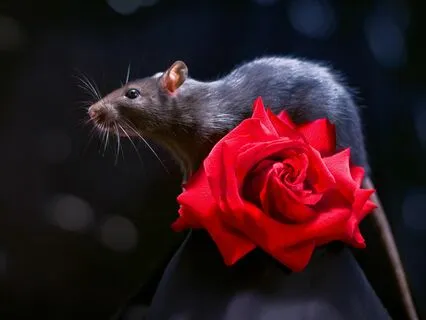
I wasn't quite into that state when a rat-like creature,
A rodent of some sort,
Kind of came out of the woods right next to my little cleared patch and started eating on the farthest away tobacco tie.
And what did I do?
I just kicked my foot out and scared him away.
Get out of here.
I'm going to do a vision quest.
My name is Four Arrows.
I'm offering your audience a warm handshake.
My lineage,
If you will,
Which seems to be important to people is Irish mostly.
We have stories about our ancestry,
The Cherokee going back to a Greek grandfather,
But unconfirmed,
But good stories.
And the Six Sisters have all passed it on down.
So probably it's true,
But I had a near-death experience on the Rio Hauri River in Mexico after the Marine Corps during the Vietnam era and had a chance to live with indigenous people that were still living in the traditional way,
The Rarámuri,
Cimarrón people.
And I was so blown away by,
In spite of living in caves and being in the wilderness,
Et cetera,
What we call wilderness,
What people call wilderness,
I was just blown away by their joy,
Their community,
Their conflict resolution processes,
Everything.
And so I came back and I had a vision and the vision prompted me.
We'll talk about that vision.
It's called Cat and the Fawn.
That had to do with some things that happened in the canyon,
Staying in a cave and with a mountain lion walking over our sleeping bags and a fawn that was run down.
And it took a while for me to grasp the meaning of it.
But long story short,
I quit what I was doing as a sports psychologist,
Went back and got another doctorate in indigenous worldview.
And that's been my journey ever since.
I was,
My first job when I got out of Boise State University was director of education at Ogallala Lakota College.
So my spiritual path is as a pipe carrier for the Ogallala.
I was one of the seven sacred,
The Lakota have seven sacred ceremonies,
The sun dance,
The vision quest,
The Anipi or the purification lodge,
Puberty rites.
And one of them is a relative making ceremony.
That's how serious indigenous people take the role of making of a relative.
So I'm a member of the medicine horse,
Teospae,
I'm a pipe carrier.
And that's my spiritual journey.
So they tell me even though I don't have Lakota blood,
I've finished my four sun dances and they say that's where my spirit will go,
Where the Lakota go.
So that's a brief introduction.
I'm currently a professor at Fielding Graduate University.
There was no religion in my family.
My grandfather had been excommunicated from the Catholic church because he was a labor leader in an international brotherhood of electrical workers,
Local number one.
And he joined the Masonic order and his church told him you cannot join the Masonic order and that's against the religious scriptures.
So he just went ahead and was allowed himself to be excommunicated.
Other than that,
And I just found out about that later in life,
I didn't know about that.
So my family never went to church.
I had a neighbor who was Jewish and I went to synagogue with him a few times.
I had one that was Episcopalian and one of his Catholic and I went to Camp Don Bosco,
Which was a Catholic camp and learned all my Hail Marys.
So I had a little bit of exposure to a number of them,
But was not really engaged in a religious upbringing.
I would love to touch on this beautiful book through which I discovered you.
What was the impetus for it?
What was the driving force for you thinking,
I would really like to put this book out into the world?
From the moment that I had my near death experience on the Rio River and my efforts to kayak it and started to figure out what it meant.
What it really means is that the FON stands for fear,
Authority,
Words and nature.
CAT stands for concentration activated transformation.
And what I learned from observing the indigenous people that I lived with then and then much later,
The many that I have studied,
Is that there is a kinship nature based worldview that guided humanity for 99% of human history.
For based on which of the theories you believe,
It could be up to two million years.
About 8,
000,
9,
000 years ago,
Something caused some groups of individuals that were living according to the laws of nature to start becoming greedy,
Perhaps start becoming materialistic,
Start becoming hierarchical,
Start beginning to move away from nature into human superiority.
And we don't know how that happens.
We know where it happened,
Approximately.
But then full tilt agriculture and agricultural surplus and kings and queens emerged.
And then the deforestation began.
In a short time,
1% of human history,
We now find ourselves at the edge of a mass extinction.
And there's,
Of course,
In the education movement,
There's what's called the decolonization movement,
Big in Canada.
What does decolonization mean?
It means pre colonization.
And what was pre colonization?
Well,
Pre colonization was the nature based worldview,
Not the materialistic hierarchical let's get slaves and make money worldview.
So although we've done a lot of amazing technologies,
What my vision tells me is that.
Like the left and right brain need to be in balance for a healthy human,
The left brain,
Which is the dominant worldview and the right brain,
Which is the indigenous worldview,
Are out of alignment in our Western cultures and have been.
And now in our Eastern cultures as well.
And so everyone's trying to figure out solutions to our pandemics,
Solutions to our wars,
Solutions to well,
If you go to our website,
Proven sustainable dot org,
Which we now have a trademark on,
You'll see evidence that existing indigenous cultures who have not lost their ways,
Which are fewer and fewer and fewer now because they're on the front lines,
That they are.
They are proving that that this sustainability phenomenon is a worldview,
The largest study ever done,
19,
2019,
May,
The United Nations,
50 countries,
450 scientists,
15000 peer reviewed papers said that where indigenous worldview was operating and had control of the land,
That our extinction rate,
Which is off the chart,
Is nonexistent or severely reduced.
I wrote an article about that and the nation people can go to the nation,
Put in the nation four arrows and they can read what the media,
The message,
The important message that the media missed.
This is why 80 percent of all biodiversity on planet Earth today is on only 20 percent of the landmass,
Which is a 20 percent that indigenous people occupy.
Well,
With that kind of knowledge,
It's really hard to say,
Wait a minute,
Based on my experience and then subsequently my research,
80 percent or 76 percent,
Depending on what scholarship of pre-contact cultures were relatively peaceful.
And yet they had the same potential for greed and materialism and war as we did.
But they had this nature based worldview,
Learning from the animals,
Learning from the trees.
And and so with that,
With that knowledge in mind that this is a worldview problem,
All the technology in the world is not going to save us as long as we believe we're separate from nature.
I've been trying to get this idea out that there's a fundamental worldview that is guiding our religions,
All the Abrahamic religions,
Islam,
Christianity and Judaism.
They are solar religions.
They are left brain religions.
Solar,
Lunar is a dynamic or a duality and left brain,
Right.
Positive,
Negative,
Not in the good,
Bad,
But like in electricity,
You know,
You need them both to be in balance.
All of them,
Although there's passages that you can find in each of them that like Francis of Assisi's will talk about about loving animals.
But if you read his research,
I mean,
His writings and know his story,
He still felt that animals were below humans.
It's just that he wanted to take care of them in a beautiful way.
And even that is an exception based on the rest of the of the biblical scriptures and the other ones.
So essentially,
It is under the dominant worldview manifestation.
Our economic systems,
In addition to religion,
Are under that our education systems are big time under this dominant hierarchical system,
Letter grading and what have you.
Right.
You know,
And the great diversity of indigenous cultures.
And I make a distinction between place based indigenous wisdom and worldview.
And this is real important for your listeners.
Place based indigenous wisdom requires knowing the language fluently,
Knowing the ceremonies fluently and living in one place for enough generations that,
You know,
The flora and fauna.
I don't have that.
And a fewer and fewer numbers do.
And we've got to fight to support the people fighting for their sovereignty because they're the ones that still really know indigenous worldview.
Right.
But indigenous worldview belongs to everyone and every creature that belongs to Mother Earth or is indigenous to this planet.
Right.
And so when people say,
Oh,
I don't want to teach this or learn this because this is,
You know,
Playing Indian or stealing indigeneity.
No,
No,
No,
No.
This is what we need to help the indigenous people.
If we respected their worldview,
We'd stop continuing what we're doing to them.
You know,
This winter on Pine Ridge just a week ago,
A number of elders died because they froze to death in their trailers because no one,
You know,
No one could get propane and wood into their trailers.
And they have trailers because they're not allowed to to borrow money for houses.
And,
You know,
This is in the United States,
Right,
Where the average lifespan is forty seven for a male.
So this war against this worldview is continuing.
And to have people like you do shows where you say,
You know,
I want to look at this worldview.
This is resonating with me.
It's because it is in all of us.
It's a DNA.
We were all we are part of nature.
Right.
And so I all these books,
You know,
They were all given critical acclaim,
But they didn't get out to many people.
They were mostly academic books.
And I thought,
You know,
If I could get this to a larger number of people,
I got to go to a publisher that has,
You know,
Like the distributor for this book is is Penguin Random House.
So it's a big publisher.
I thought this will get it into the into the airports.
Right.
Because this has got to get to more people.
And it happened.
And fates and the spirits were with it.
And and then just recently,
University of California,
Berkeley selected the book for its prestigious science center.
The Greater Good Science Center is one of the top 15 books of the year for three things.
Thought provoking inspiration and practicality.
And that went out to three million people.
And so I'm doing interviews pretty regularly now,
As is Darsha.
And so is it going to be enough?
Well,
We'll talk about that after I stop talking.
You can ask me if you think it's going to turn things around and we can talk about that and how it relates to religious faith.
I have to tell you that,
You know,
I think reading your book,
But also lots of other life experience and going to getting my master's of divinity,
I'm already a panentheist and an animist.
But,
You know,
My relationship with animals and insects,
Anything that's living is shifted dramatically in,
I would say,
The last 10 years.
You know,
Now I save spiders.
Now I look at snakes and I think,
What is the lesson there?
Or,
You know,
When I save the spider,
I think,
What is the lesson here?
Or I reflect on that spider is the weaver of stories in some traditions.
I think about those things and I think,
You know,
The brief moment that I'm rescuing the spider from the bathtub.
The spider,
You know,
What is the story the spider is trying to remind me of or tell me?
And it makes me so sad that for years I was terrified of them and so scared.
And I would just kill things because I didn't understand.
But I've really arrived at this point where animals and insects,
Anything that's alive,
Non-human rocks.
Sometimes I have conversations with rocks.
I love that.
I mean,
I love what you were saying so much in the rock thing is there's a fun little story.
I'll interject.
The American Psychological Association,
Which is an organization I'm not I don't like very much because of its history,
Not because of the good people that are that are in it.
But they have in their diagnostic and statistical manual a disorder.
And in this disorder,
The example they give for somebody who has it is someone who talks to rocks.
And and I this is it.
And so when I came upon that,
You know,
I wrote it.
I wrote a piece about it.
I don't remember years ago.
And I said,
So,
You know,
All rocks.
Well,
Not all of them.
I said not all of them.
Listen,
But most of them listen.
And of course,
When we do our ceremony,
We take in rocks,
Which we call elders or enya,
Which are spirits.
And we that they used to be people and they were so generous.
They kept giving everything away.
And then all that was left was the mineral.
And and that energy is there.
And you can pick up a rock and some some have an energy that you just wow.
And others have a different kind of energy.
And and so what all what you just said is if if everybody could just get that far,
You know,
That doesn't mean life doesn't eat life.
You know,
Life does eat like we're getting eaten by little animals,
Probably microscopic animals on us right now.
And we carrots and carrots are sentient and corn and corn is one of the great spirits of Mexico.
And and yet,
You know,
If it's done with this this phenomenon of gratitude,
This phenomenon of understanding what is the teaching,
What can the spider teach me,
Which is so you so beautifully said,
What is the you know,
What is the way that I go about respecting every aspect of everything from the harvest or the hunt to the serving it to my comrades?
Right.
You know,
Once we we can get to that place,
You know,
I mean,
My you know,
My daughter has been a vegan for most of her life.
I'm pretty much a vegetarian,
But I would go out and get a fish once in a while,
Every once in a while when if somebody brings in a moose liver,
I'll eat it.
Right.
But,
You know,
It's like it's like about respect.
It's about wow.
And of course,
Nowadays,
You know,
Because of the way meat is processed and and the horrors of the industry,
Maybe maybe,
You know,
Vegetarian and vegan perspectives are there to go.
But but right now,
You're you're right.
When we can start calling our our natural resources,
Which include minerals like rocks,
Include trees,
Includes water and rivers.
When we start calling them our relatives and really mean it and go further and call them our teachers,
Then I think that that's that's crucial.
That's just crucial.
I do have to tell you that I'm an ex-partner called me a crow because whenever we go on a hike,
I'd want to stop and look at everything.
But I always have been fascinated by rocks.
And,
You know,
If I see one that really grabs me,
I'll pick it up and I'll always ask it.
Can I can I take you?
And 95 percent of the time the answer is no.
They say no.
So I put them back down.
But sometimes they're willing to travel a little bit with me.
But I find rock so fascinating because,
Of course,
Their age,
They've kind of maybe seen it all.
Like who knows?
And I there's just a sense that they have great wisdom and secrets.
So I'll put them and I'll stare at them every once in a while.
Haven't told me anything yet,
But I do.
They're like friends.
I like.
Well,
Yeah,
Maybe you'll at the right time when you're listening,
They'll teach you.
I just got back from Colombia with the Kogi Mamos.
If you get a chance to watch the movie Heart,
The Heart of Everything,
It's quite amazing with their knowledge base.
But they're up on a 19000 foot thing,
Never been conquered.
And we're walking along a trail and one of the little children wanted to pick up a rock and very gently,
They said in their language,
I'm going to pick up a rock.
And I said,
Go out and touch one of those little trees.
And they said,
No,
No,
No,
No,
No,
No,
No,
No,
No,
No,
No,
No,
No,
No,
No,
No,
No,
No,
No,
No,
No,
No,
No,
No,
No,
No,
No,
No,
No,
No,
No,
No,
No,
No,
No,
No,
No,
No,
No,
No,
No,
No,
No,
No,
No,
No,
No,
No,
No,
No,
No,
No,
No,
No,
No,
No,
No,
No,
No,
No,
No,
No,
No,
No,
No,
No,
No,
No,
No,
No,
No,
No,
That I told you about earlier before we started.
And I said,
Go out and touch one of those palm trees and come back.
And they did.
And I said,
OK,
This time you're going to laugh at me,
Probably,
Or you're going to fall.
But I want you to go back.
But before you touch it this time,
I want you to ask permission.
I want you to wait for an answer.
And they kind of went,
Oh,
This is what is this stuff,
You know.
But the feedback that you get when they come back and I've done this all over the world for all kinds of different audiences,
It's it's remarkable.
And I tell them,
How would you like to live that way 24-7?
You know,
That's what we used to do.
And that's what that some of the cultures are trying to hold on to.
I'd love to ask,
You know,
Before we get into the center of the conversation,
But I would love to ask as a white person,
What do you suggest if I want to be introduced more?
Obviously your book.
But if I wanted to take a class or attend a school or,
You know,
Read more books,
Where can we go that's respectful and and honors the process and honors the indigenous worldview to get more knowledge?
Well,
There's a there's an indigenous woman on the Internet who does classes regularly.
I can't remember the name of it,
But if you just kind of Google around some keywords,
You'll find her.
She does a regular class teaching indigenous ways to both indigenous people and non-indigenous people.
Try to look for indigenous authors if you can.
It's available.
But I think because of this distinction between place based indigenous knowledge,
You're going to be reading a lot of things that will be about place based knowledge.
The worldview is what you're going to be more likely to do.
You're not going to become a crow or a blackfoot or a Lakota.
You're going to you're going to become an ally of them by practicing their worldview.
And so I really believe that learning about different culture,
Indigenous cultures is more about,
Wow,
That's a way they practice the worldview.
How wonderful that is going to inspire me to practice the worldview in my way,
You know,
In terms of what you just said you're doing.
I mean,
You're certainly doing it.
I'd be curious to ask you if I were to if we if you were to get out the worldview precept chart now,
You have the chart handy,
I'm sure.
If and I do.
But if we took the chart out and like I got it right here.
And so and remember that when we look at this chart,
We're not saying that dominant worldview is bad and the indigenous world is good.
This is a continuum.
It's a right and left brain thing.
What it's saying is that we are way too far involved with the left.
And and and so if I were to ask you a few a few things,
If somebody who says a beautiful thing about animism,
Are there any things on the left side of the chart that you would say,
Oh,
You know,
I'm pretty much,
You know,
Maybe intellectually,
I don't agree with it,
But I'm pretty wrapped up in that with my my my business,
My organization,
My religion,
My what my music,
My whatever.
Are there any things on that left side?
I mean,
You know,
We've got fear based living without strong social purpose.
I know those that those that that one doesn't apply to you.
Higher rigid hierarchy,
Materialistic earth is an unliving,
Unliving it.
No,
Not you.
More head than heart.
I don't think so.
Competition.
What's your feeling about do you like to compete?
That's something I've struggled with.
I hate it.
I hate it with a passion because I think it it brings up a lot of toxic.
It's more toxic than positive.
OK,
So then this would be an example of where you are in the dominant worldview,
Not the indigenous worldview.
And and so just for your reader or for your listeners audience,
That's number nine.
The dominant worldview manifestation that's common is seeing competition as feeling superior,
As as as winning.
Whereas in the indigenous way and indigenous people love competition,
They don't hate it.
They love competition.
Oh,
My gosh.
And you've never seen such competitive people.
But their traditional understanding of competition and it's deep in their heart is competition to develop positive potential.
No one has ever been able to develop their full potential by not being pushed by someone else like a four minute mile.
No one can break a four minute mile unless they're racing against someone.
Right.
But I've witnessed I mean,
I was kind of dumb about this many years ago.
I was with the Robin Murray and Rory.
And I wish I witnessed the hour of HIPAA run.
It's like a hundred miles of running up and down eight thousand feet,
Kicking a ball.
It's such an amazing event.
And people were gambling on who was going to come in first all over the place.
They had walked from hundreds of miles in the middle of nowhere.
And when the team came across the finish line from kicking this wooden ball up and down these eight thousand foot canyons,
They were they were ignored.
I mean,
The wives came over and gave them food and water.
A couple of shaman helper came,
Went over and massaged a leg or two.
But people collected their their wagers and they just didn't drink their corn beer and and sang songs.
And the runners themselves are pretty much just ignored.
So I stupidly,
You know,
I know now ask the shaman I was with,
A hundred and two year old shaman.
And your readers can just put in the shaman's message in YouTube and see my story.
I said,
How come they're not in the United States?
They'd be put up on their shoulders and be getting awards and and contracts.
And,
You know,
And he talked for about 10 minutes,
I think,
Maybe five minutes.
But when the translator said it to me,
All he said was he said,
Well,
Somebody had to come across first.
You know,
And I've seen races where they go out,
Other people,
Other cultures,
They'll have a log race and the two teams will get together and they'll make sure there's 11 on each team.
So it's equal.
And then they'll go out,
You know,
In a place where there's a bunch of down logs and they'll pick up logs that are about the same size.
But one's always heavier than the other.
And the one with the lighter log starts getting in front.
And so long,
Like 40 kilometers or more.
Well,
When that one team gets in front and they look behind and they see,
Ah,
They got the lighter log.
A couple of people drop off and go back and help the others.
But never are they not going full,
Full tilt.
Right.
Get into the competition without any ego concerns,
Without any sense of making somebody feel bad.
All of this comes from the dominant worldview.
So so we only got the nine.
You go through this and you do that and you start to see I I'm playing into this somehow.
I'm playing into this somehow.
And that's what this worldview is about.
Cat Fawn is just taking four of them and saying,
OK,
How do I use an indigenous approach to fear?
How do I use an indigenous approach to authority?
How do I use an indigenous approach to words?
And how do I do to nature?
We just take four of the 40.
And then you say,
OK,
I've got this problem,
This challenge.
What am I afraid of?
In the dominant worldview,
We don't like fear.
We avoid fear.
And the indigenous worldview wants to fight or flight mechanism over.
Fear becomes an opportunity to practice a virtue.
Courage,
Generosity,
Patience,
Fortitude,
Humility,
Honesty.
Very briefly,
Good authority.
And in the dominant worldview,
Authority is just about everything.
The pope,
The preacher,
The papa,
The book,
The teacher.
Whereas in the indigenous worldview,
Which was non-hierarchical.
Especially in the matriarchies,
The highest source of authority was your personal,
Honest reflection on your own lived experience under the umbrella of recognizing everything is interconnectedness.
And that's it.
Now,
You listen to elders,
You listen to wisdom.
But ultimately,
That's it.
That's authority.
And so you got this problem.
I'm afraid of this.
Why am I afraid?
Because my dad did this or I got I had this trouble or whatever.
You know,
First five years you're in hypnosis.
Most of our problems come from the first five years.
Third,
One is is words.
We're in a post-truth world.
Little kids are lying from right because I don't want to get in trouble.
Indigeneity didn't have a word for lie.
Read Tom Cooper's book,
A Time Before Deception.
Words are sacred.
Indigenous languages are verb based.
So it's hard to lie anyway,
You know,
Because they're always in motion.
But in a noun based language like our European ones in English,
Real easy to label,
Characterize,
Categorize and lie.
So honesty as best you can.
Right.
So I have a woman that used to come to me when I was doing hypnotherapy and because hypnosis is a natural thing.
And that's what ceremony is.
Indigenous people didn't know the word hypnosis,
Perhaps,
But they knew ceremony put you in a lower brainwave frequency,
Allowed you to imagine.
That's all hypnosis is.
And she came to me and she was clinically obese.
I said,
What do you say if you're naked looking in the mirror?
What do you see?
What do you say who you are?
And if they say,
Oh,
I see a fat person.
I would say,
Well,
Let's go to cat fawn now.
We got to have our words be accurate and honest.
Is that accurate and honest that you are fat?
I mean,
I thought fat was something that you would put in a jar after it's boiled,
You know,
And pretty soon you work with them and then they come back,
You know,
And they go now.
Now,
What do you see when you look in the mirror?
I see a beautiful person who happens to have more adipose tissue on their body than they feel is healthy now.
Now you got it right.
And then the last one is nature.
And this is the one that you you shared with the audience that you got is nature is our is our teacher.
We are part of it.
Right.
And this is how people are working with this worldview chart and in a very,
If you will,
Religious way.
And this would be a good segue to to my third question,
Which is always,
You know,
Have you experienced anything miraculous or magical in your life?
And I certainly when I watched those movies,
Thought to myself,
Oh,
Oh,
That wow,
That was miraculous.
Oh,
My gosh,
That was there were multiple experiences,
Especially,
You know,
Y'all were lost and walking around.
And then this man appears,
It seems,
Out of nowhere and is like,
You're talking about you're talking about the book Primal Awareness and the little photograph,
The film and narration I do of it.
Oh,
I'm not a lot of people know know about that.
Thank you.
Yeah.
I know you got it is so cool.
Yeah.
I mean,
I have National Geographic wanted the story,
But because my photographs were so so amazing,
I was like,
Oh,
I'm going to go back and watch it.
And I was like,
Oh,
My gosh,
I'm going to go back and watch it.
And I was like,
Oh,
My gosh,
I'm going to go back and watch it.
And I was like,
Oh,
My gosh,
I'm going to go back and watch it.
And I was like,
Oh,
My gosh,
I'm going to go back and watch it.
And I was like,
Oh,
My gosh,
I'm going to go back and watch it.
And I was like,
Oh,
My gosh,
I'm going to go back and watch it.
And I was like,
Oh,
My gosh,
I'm going to go back and watch it.
And I was like,
Oh,
My gosh,
I'm going to go back and watch it.
And I was like,
Oh,
My gosh,
I'm going to go back and watch it.
And I was like,
Oh,
My gosh,
I'm going to go back and watch it.
Once you start getting into the space,
You go,
Okay,
That's my normal being.
Having been raised in the Western culture,
I kind of go,
Can you believe that?
I still do that.
But more and more,
I just accept it.
And it happens.
I can tell you two things that happened yesterday.
So,
Yeah,
So thank you.
That was quite a story for sure.
Well,
There's so many magical stories.
I can't share the ones that happened during Sundances because that's just not good protocol.
And then an EP ceremony,
I can't share those.
I have shared one or two of my own bleaches.
And I think that the spirits are saying it's okay for me to do that because I know what you're reaching for.
You really want people to recognize that what you said about the spiders' wisdom and the rocks.
So I'll tell you one.
I was in Idaho and had left Pine Ridge and didn't know really about the local flora and fauna of the animals.
We were in Soldier Mountain,
The Sawtooth Mountains.
And it was about 6,
000 feet and we were cool all year.
Whereas on Pine Ridge,
It was hot in the summer,
Really hot.
And so the Sundance I was getting ready to do,
I looked in the news and in two weeks,
The projection for the temperature was 114 degrees.
Now,
The Sundance is a four-day ceremony,
One of the sacred ceremonies,
Where you dance from sunup until sundown under the sun with no water.
And then you pierce by taking piercing sticks and praying as you bleed.
The women don't need to do it because you guys already bleed.
You already have the experience of labor.
You already know how to nurture.
Us men,
We keep forgetting.
So the women are out there with us fasting and dancing in the heat,
But they're not hanging from the trees.
And so I told Bea,
I said,
Wow,
I'm not acclimated to that kind of heat now.
And I'm a little worried I'm not going to be able to get through it.
And she said,
Well,
You know what you got to do.
And I said,
Yeah.
So I started counting my tobacco ties,
Saying a prayer for the world for each one.
And every 10th one or so,
I'd say,
Give me the strength to do this.
And then I took them up on the hill and did what's called the omblete,
Crying for a vision.
And I put them in a circle.
Now,
On my way up,
I was in my Western mentality,
You know,
Kind of,
OK,
I got to find this place that I had picked out.
I got to get up the hill.
I wonder what I'm going to do when I get back with my students,
You know,
Just thinking regular.
And I put the ribbons around in a circle and and then I got my chin up,
My pipe.
And I looked at the direction of the West and stepped in it and sat down and took a breath.
And I was still thinking about,
You know,
Business as usual.
I wasn't quite into that state when a rat like creature that rodent of some sort kind of came out of the woods right next to my little cleared patch.
And started eating on the farthest away tobacco tie.
And a little bit was sticking out.
It come unwrapped a little bit and was just kind of eating the tobacco.
And what did I do?
I just kicked my foot out,
Scared him away.
Get get out of here.
I'm going to do a vision quest.
And of course,
As you know,
The stupidity of it,
The you know,
The I went,
Oh,
My God,
That was whatever.
I was up here to learn that creature was supposed to teach me.
And look what I did,
You know,
And then I'm thinking I'm going to be up here now,
Not knowing.
Right.
And it came back.
It just came back,
Which is unbelievable and magical in itself that I just kicked it away and it came back.
It went to the same tobacco tie.
And this time,
I love you.
I love you.
I love you.
Thank you.
Thank you.
Thank you.
Thank you.
Thank you.
Thank you.
Spirits.
You know,
I'm tuning in now and the animal kind of moves away from that one to one that's closer to me.
But then decides not to eat it,
I guess,
Or whatever.
But it turns facing the one that he had been eating about not 10 inches from my leg.
And sits there facing the West with me like a pet dog.
And now I'm getting tears in my eyes and and then it walks away.
And now I'm sitting there.
Wow.
This is it.
But then pretty soon my critical mind comes into it and my critical mind goes,
You don't know what that means because you don't live here.
You don't know that animal and there's nobody here that you can ask.
So guess what?
I start thinking now.
Google,
I'm thinking Google is a sacred ceremony.
But then I kind of put Google out of my mind and say,
Well,
That'll keep there may be more.
And I'm here.
And then I stayed with it.
Well,
When I went came down and burned my clothes,
Made the fire.
First thing I did is I walked naked up into my bedroom and got on the computer and I put in images of mammals in North America.
And boy,
There was big,
Long tail,
Big back legs that looked like great,
Really big,
Long,
Long back legs like a jump 10 feet.
And it said the Latin name,
Which I don't remember now.
And then it said the kangaroo rat of Idaho.
The only mammal that can go a lifetime without a drop of water.
You know,
It was like,
Wow.
I mean,
That was why I went up to cry for a vision,
You know.
Well,
This little guy can go a lifetime.
I'm not going to have any trouble.
I just was so grateful to be reading your book when I was up in Jackson Hole where a friend had asked me to come house it for them.
I'd never been there.
And I'm a big user of tarot cards.
And I was using my tarot cards there.
And the last card that I pulled said,
Keep your eye out for dream or spirit animals.
They're going to come to you and let you know what is happening.
And so that night,
The dog that I was watching was a very rambunctious two year old.
And often he would see something outside and go barking after it.
So 430 in the morning,
This happens and there are deer everywhere in Jackson Hole.
And I thought,
Oh,
It's another deer outside.
So,
You know,
I got up,
Trudged downstairs to see what the kerfuffle was about.
And I thought,
That's not a deer.
What is that?
And this red fox came out from the snow,
Walked up almost to the window,
Circled around a few times and then just walked away.
And I thought,
What?
I know that's a fox,
But that was really weird.
And so I looked it up.
Google.
Thank you,
Google.
And it said red foxes in up there in Wyoming are super rare.
People never see them.
And one just came right up to the house.
And I thought,
Yep,
That's I have no idea what this means.
Google again,
Hopefully.
Did you find out?
You know what the challenge with Google is that so many different people say different things.
So you got to kind of intuit it,
But it doesn't hurt to look and see the different kinds of things that people have said about it.
Like,
For example,
The Lakota,
We call the fox the Shugia.
And it's thought of as as a medicine animal.
That's what that's what it is.
It's considered to be some some some animal that has the power to locate herbs that are needed by medicine people.
So if you're if you're if you want to find the right kinds of herbs in the world for some reason to heal somebody,
Then the fox is a good thing to show up.
Right.
The fox is also known for its ability to escape to escape its enemies pretty craftily.
So,
You know,
Another piece of it is that it's a teaching for how to how to get out of a situation that's that that's not a not a good one,
You know,
In dangerous,
Dangerous territory.
But but we've lost you and I have both lost and most people that are listening have lost that animal knowledge.
Right.
Of the local animals.
And that's why indigenous languages,
They change whenever there's a different animal species of,
You know,
In Florida,
That that changes because the language was was there and the knowledge was there.
And so that's why they could all be teachers.
So we don't have much of a choice,
But to kind of study the science and people and people that know the animals.
And then your intuition,
You can study on Google everything about the animal,
Not somebody predicting what it means symbolically,
But just the actual life it leads and what it's known for.
And that alone will go,
Oh,
My gosh.
I wow.
That makes sense.
Right.
And because that's the same process that that our original ancestors had to go through.
So so we can we're going to have to do this.
We're going to be wrapping it up here in a few minutes.
And I'll say one thing that that probably will turn people off a little bit.
And I don't mean to do that,
But I was I was at the University of British Columbia a couple of years ago just before the pandemic.
And speaking at the Department of Education and someone asked me at the end,
So do you think we can turn things around?
If we begin to reembrace our original kinship based worldview.
And it just came out of me.
I said,
No,
I don't think so.
And they all went from you can just feel the tension.
They went from loving me to hating me just like that.
And then hands went up and first person said,
Why are you here?
Why are you doing the work?
Why are you writing the books?
I said,
Because I want to be a human being.
You know,
Human being is kind of the word that most indigenous languages about themselves mean.
Cheyenne means human being,
For example,
And sitting.
But I wrote a little booklet by Sitting Bull called Sitting Bull's Words for a World in Crisis,
Because he smallpox was was wiping everybody out.
The buffalo were all killed.
But when he was being interviewed later on and people asked him,
He said,
Well,
You kept doing poetry,
You writing songs and you joined Buffalo Bill later.
And you know,
He said,
I want to be a human being,
You know,
And I'm a spirit in a body.
That's why I do my continue my sun dances and my spiritual thing.
And somehow my journey continues.
So we've got to we've got to look at this from a spiritual perspective.
So I said,
For me,
Hope is a delusion now.
And I'm seeing more and more activists burning out because of hope.
They hope that that that they've reduced the carbon footprint from all the hard work they've done for all the year.
And then they read the statistics and realize it's gotten worse.
I prefer defining hope.
And my colleague,
Margaret Wheatley,
Defines it this way.
And and there's been other famous people,
I'm sure,
That have said this.
But besides Sitting Bull,
Hope is is is not the certainty of an outcome for me.
Hope is the certainty that whatever you're doing is truly the right thing to do,
Regardless of the outcome.
And that has allowed a lot of activists to not not burn out and to enjoy and not get depressed and frustrated.
Right now,
That doesn't mean I don't think it's possible.
Anything's possible for turning around.
I just think that things are going to get continually more difficult.
And that's all the more reason for shows like yours.
That's all the more reason for people like you to say,
I want to help people learn how to get through this.
If someone's going to have to rebuild and those of us who don't get through it,
We want to be able to die knowing that we're spirits that will come back and help those who have rebuilt do it the right way.
I think that this this idea is not a frightening one,
As it seems to be at first.
I think it's a realistic one.
And it's like,
Wow,
Whatever I do is going to help in some way with either reducing the intensity of what's going of the calamity or preparing people better for their endings or helping the people who will survive,
Rebuild or on and on and on.
It's still it still has as great value.
But the idea of fearless engagement is a step above courage.
And the highest expression of courage is generosity.
And once we get into courage and that,
Then when we make a commitment to do what it's we're going to do,
That's when you got to let go of the motion of courage and step into a fearless trust of the universe.
Right.
And that's that to me is sort of the ultimate way of of of living and dying.
I was diagnosed with terminal cancer in 2008,
Non-Hodgkin's lymphoma.
I didn't do the surgery nor the chemo and practicing the indigenous worldview precepts.
Here I am,
You know,
A number of years later.
I like I told you earlier,
I'm a 76 year old surf bum.
So I'm going to go ahead and and say a brief Lakota prayer to end.
I usually I usually get up and grab my flute up there and play the Cherokee song.
I'll just tell the readers what it is.
I'm not going to do it because I still got my swimsuit on.
So the song that was is was played on the Trail of Tears are saying on the Trail of Tears by women to the children.
And it reminds them of the beautiful animals in the clouds they saw and how the clouds are keeping their responsibility to bring coolness and rain.
They it talks about the dancing prairie grasses and how they're so beautiful,
But they're keeping their responsibility to spread the seeds and feed the animals.
The beautiful colors of the fish in the brook they had to cross,
How they're keeping the waters clean for us.
The beautiful sounds of the birds,
How they're teaching us to sing and planting the seed.
And it's a beautiful song.
If you can imagine,
Though,
The mother singing that song in the most horrible situation,
It's a reminder for us all to keep seeing the beauty,
Keep focusing on the beauty all around.
And I'll say a prayer that wishes for that well-being,
Everybody,
And then we'll close.
Otonkashila Lohontaka,
Namaahkomponatutewa,
Toopunshimaka,
Akituanamkeel,
Oyate Oyasin,
Chankulutokhnamani Oychakepo,
Oyate Oyasin,
Unchiiwichalapona Oychakepo,
Hachawichazaniwaste,
Unyawaipekdilo.
Ehanilakowichihankitunkashilakikshinitakoyayoyasin.
We're all related.
For everyone listening out there,
The red fox also symbolizes being more creative,
Being bolder in your life,
And being a little bit of a trickster.
So I'm going to try to incorporate all those things in the coming month and try to take that message and that lesson of the red fox and bring it out into the world.
I need to thank my guest today,
Four Arrows,
For spending some time with me,
Telling some stories,
And reminding me that there's magic all around us,
But especially,
Especially in nature.
I also need to thank the creators of the music used in this episode.
Music Elle Files,
Otis Galloway,
Kevin MacLeod,
Alexander Nagarada,
Chilled Music,
Raphael Crux,
And Sasha End.
For complete attribution,
Please see the Bite-Sized Blessings website at bitesizedblessings.
Com.
On the website,
You'll find links to all sorts of groovy stuff,
Books,
Music,
Artists,
And a Four Arrows book under the episode show notes.
All that groovy stuff I hope lightens and brightens your day.
Thank you for listening,
And here's my one request.
Be like Four Arrows.
Examine in your life where you live in fear,
What scares you,
And why.
How is it controlling your life?
And then,
Then think of those precepts that we talked of earlier in the show.
Courage,
Compassion,
Generosity.
Think of how you can bring those in your life to engage with that fear,
To make friends with it.
And then,
Then you know what I'm going to say.
Use that change within yourself to go out and make this world a better place.