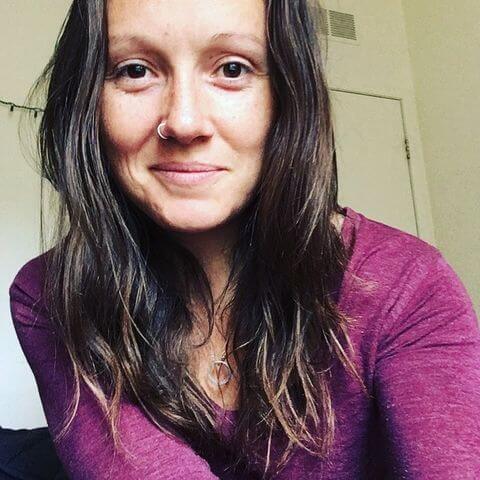
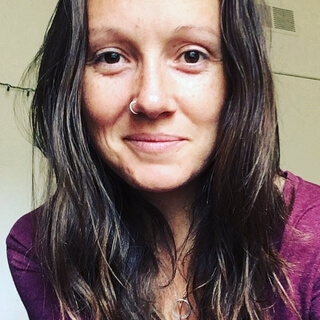
My name is Kimberly Johnson and I am your host.
If you are new to this podcast,
Thank you so much for giving it a listen,
Giving it a try.
This podcast is really what its title is.
It is how to navigate the modern world through a Buddhist awareness lens.
Today's podcast is about confidence,
It's about insecurity,
It's about what to do and how to begin to look at and think about our insecurities.
The first thing I want to say is how natural and normal it is to feel insecure.
I think a lot of times,
Especially in Western culture,
We try to pretend that we don't feel insecure.
When we pretend to not feel insecure,
What our tendency is,
Is to overcompensate,
To act big,
Putting your shoulders broad,
Acting out,
Trying to impress somebody.
I think often people make fun of other people as a way to counteract their own feelings of unworthiness or insecurity.
In light of it being so normal,
I really do feel like if you just look around,
You can begin to see other people's insecurities by how they fidget in their clothing,
People staring at themselves in the gym,
You can tell nitpicking themselves,
Or trying to boost themselves up by looking at their muscles.
You can tell by how people talk to other people or how people talk about other people.
This isn't like look around and judge everybody else because that also is a trying to boost our own self-esteem and insecurity.
It is just a practice of looking around and noticing that you are not alone in feeling insecure,
A lack of confidence.
For me,
I don't know about for you,
But for me,
My insecurity really comes from fear.
It comes from pain that I have felt in the past of feeling not good enough,
Of feeling like I'm going to be abandoned,
Feeling like somebody's going to leave me because I don't live up to their idea of what I should be or what a person should be.
It's quite painful.
The whole experience is really,
Really painful.
If you are experiencing insecurity in some area of your life,
First,
I just want to say I'm deeply sorry.
I also truly understand how you're feeling.
Maybe not in the exact context that you're feeling it,
But I very much so have my own insecurities that I am always working with.
This morning,
I woke up and I was feeling a little bit insecure.
If you're a woman,
If you're a man,
Please keep listening,
But if you're a woman,
I will say for me,
When I am in my cycle,
When I am in the part where I actually am releasing blood as part of my cycle,
I often,
A week beforehand,
Endearing will feel my most insecure.
I don't know if that's because my body is vulnerable or my body is letting go.
My body is processing not having a child,
Not having a birth,
Not having an egg attached.
There's a feeling of depletion already in my body.
I think that I personally,
Because I'm more tired,
More worn down,
I am more susceptible to feeling insecure.
If you're a woman,
I would really recommend paying attention to when insecurity is heightened throughout the month.
Because like I said,
It's completely normal.
If you watch it,
It's cyclical.
For me,
It's very cyclical,
Or it's triggered by very specific things.
Also noticing that it may not be your cycle,
But it might be something in the external world that triggers it like a cycle,
Like,
Oh,
When this thing happens,
This other thing happens.
When this thing happens,
I begin to feel insecurities.
I've been really trying to practice this morning.
I was laying in bed,
And I was noticing that I was having some insecurity arise.
I was really just trying to observe it,
Not attaching to it,
Not really trying to separate who I am from it and watch the insecurity kind of come and go.
It is.
It's like a wave.
It's like,
Can I ride the wave of this insecurity without grabbing it and trying to hold on to it,
And believing it,
And falling victim to it?
Because when we fall victim to it and we grab onto it,
We begin to react to it.
We change how we are with people.
We're more moody.
Everything is so sensitive or personal.
It's like somebody says something,
And we want to react at them.
All of that is normal.
All of that is normal behavior when we are unconscious of what's going on,
When we're not paying attention,
When we're just caught in the wave,
When we're caught in the storm of it.
Also,
Nothing wrong with that,
But just really,
As I was beginning to watch it,
I was just like,
First off,
This is painful.
There's a lot of body sensations,
And there's a lot of thoughts attached to it.
I left my house.
I went to the gym and whatever,
Had a great workout.
Then I went and sat by myself in a cafe and just did some writing this morning.
I'm still in a foreign country.
I'm in Costa Rica.
I just had this moment.
I was sitting there,
And I just had this moment of like,
Oh my gosh,
I really hope that I can find peace in this.
I just like,
Oh,
I really want to find peace in this.
Can I find peace in this?
I was just holding my heart and just wanting good for myself,
Wanting to not suffer so much,
Wanting to find that peace that I know is within me,
That is not needing comfort from the outer world,
But feels this deep connection that everything is okay that is within me.
I was really just hoping for that,
Really just sitting with that,
Being kind to myself.
Then what began to happen is I began to begin wishing peace for all these people in this cafe that I don't know any of them.
This is my first time seeing any of them.
It reminded me of a practice that Pema talks about where she says when you're feeling closed off,
Like when you're feeling depressed,
When you're feeling like your heart is closing,
Go to a public space and begin to wish well for everyone that you see.
That should include yourself eventually.
If it's hard at first,
That's fine,
But eventually that should include yourself.
She says that this might stop you from getting so caught and it might help your heart open again.
I believe that when our heart begins to close,
And it does,
It's a living thing.
It closes and reopens and closes and reopens.
I really do feel like the more that we can pay attention when it's closing and then we can practice whatever we need to practice.
It could be yoga.
It could be meditation.
It could be sitting in a public space wishing well for everyone.
It could be holding your own heart in a fetal position.
It could be praying.
It could be going out into nature.
Whatever it is,
Do the thing that allows your heart to reopen.
I don't know about you,
But the world is closing in on itself.
It feels like in some ways.
The way that we can counteract that is to keep our own heart open.
That way we aren't feeling judgmental towards everyone and everything.
We're not feeling negative towards everything and everyone,
Including ourselves,
That we can remain open.
We can remain so open that we can experience compassion and love and contentment and peacefulness and a sense of surrender and a sense of flow.
And as I sat wishing myself peace and then wishing all of these beautiful people peace,
I just became very overwhelmed with a sense of just like love,
Gratitude.
Gratitude for being alive.
When our heart is closed,
We forget how beautiful this life is.
It feels like everything is wrong and everything is going downhill.
And why can't I get out of this?
And it all feels overwhelming.
But when we can open our heart back up,
We can allow things like gratitude to appear and love to appear and peace to appear.
Because they're all right here too.
The light and the dark.
You look around,
You can see light,
But you can also see shadows of things.
It's all here and it's what are we open to?
I think when we close our hearts,
We close our hearts to all of the beauty that is also here.
And I had this thought.
And the thought was,
Is when we,
Let's say,
Let's start with another person.
When we judge another person or feel fear about another person or that I actually want to say that in that moment that we experienced that,
That we,
It is so painful to us and it is so uncomfortable for us whether it brings up fear,
Anger,
Frustration,
Whatever it is.
Because it is so uncomfortable for us because we are actually in that moment fighting the truth,
Fighting reality.
And what I mean by that is what if,
I don't know this to be certain because I am human like you,
But what if we are actually all connected?
That we are meant to care about and love everybody.
That we are meant to smile at people and connect with them and engage with them and see their goodness just like we are meant to see our own goodness.
And what if every time that we begin to have a fight with somebody or a frustration with somebody or a judgment towards somebody or a jealousy towards somebody and the pain and the discomfort we experience,
What if that is because we begin to swim upstream?
We are no longer in the flow of this life which is our connectedness,
Our togetherness,
Our oneness,
Our sisterhood,
Our brotherhood,
Our humanness,
Our collective consciousness,
Whatever you want to call it.
And what if it is the same when we begin to fight ourselves?
When we begin to think negative about ourselves like we are not good enough,
When we begin to feel insecure like my body isn't good enough,
I'm not smart enough,
I don't have enough money,
Everything is you know everything about me is not good.
When we begin to feel those ways too you'll notice that it's extremely painful and uncomfortable and maybe it's because in those moments we are also swimming upstream.
We are doing something that is against what is true.
Because maybe what's true is that we are good enough.
Maybe what's true is that we're perfect just the way we are and yes we have blemishes and yes our bodies aren't perfect and yes we sometimes do things that we wish we wouldn't do like lie or cheat or steal or make fun of or say something negative about somebody or you know whatever it might be.
React you know when we maybe we yell at our spouse or maybe we spend more money than we should have maybe we whatever it is when we do these things.
But we forget that we're still worthy.
We forget that we're still beautiful and human and connected to everything and and we we stop being kind to ourselves.
We start beating ourselves up and it just makes it worse because we are fighting against what is true.
And I believe what is true is that we're all in flow and we're all going to make mistakes and we're all going to do beautiful things and it is the flow and when we make mistakes you know I think the more that we fight against it the more that we actually you know blame ourselves or are harsh on ourselves is actually us just avoiding the learning lesson avoiding the discomfort of like oh I did that thing and I didn't want to do that thing and we all do the things.
None of us are immune to it.
We will all make mistakes and the second that we start berating ourselves and beating ourselves up is actually just us avoiding the initial pain of we made a mistake.
And when we can just be with that initial pain and really feel it in our bodies and think about the consequences and you know say okay I'm I'm paying attention and I want to learn and I want to not make that mistake again and I want to be humble enough that I can see my faults but still love myself still care about myself still know that I am a worthy human being then in those moments we can actually walk with the thing walk with the hardship walk with the mistake and let the learning guide us into the future instead of pretending we didn't make mistakes lying about our mistakes trying to avoid that we've made mistakes trying to pretend that we're perfect trying to get everybody else to try to be perfect so that we don't have to look at our own imperfections I mean all of these things are just ways that we avoid the inevitable pain of this life but when we avoid it we then leave the stream and or we turn around and try to swim upstream and then it becomes even more uncomfortable and I want to suggest that the discomfort lasts for longer in Buddhism there's the two arrows if you've listened to my podcast before you've heard about the two arrows the first arrow is just the mistake I lied the second arrow is when you beat yourself up you punish yourself or you punish somebody else and then you suffer more the second arrow is always more painful and I want to suggest it's more painful because it doesn't have to be there it's a choice it's a choice to see things in a specific way hear things in a specific way and respond to things in a specific way that's where we have choices humans you know I do believe that life things present themselves in life certain things happen in life and I would say if you lie or something and you didn't want to maybe that's just because you're not being conscious or you're living in the fear you're not living in the truth or you're you know uh running around in life with your head you know like a chicken with its head cut off or whatever that phrase is and you're just you know things are just happening you're not actively choosing what you're saying what you're doing but we have choice we have choice in what we do we have choice in what we say we have choice in what we hear we have choice in what we see and I don't mean like let's see let's say you see somebody being mean to somebody else you have choice in how you see that how you perceive it obviously you don't have choice in what those people are doing but you have choice in how you perceive it and maybe instead of judging them or whatever maybe you wish them well maybe you wish them peace maybe you wish them freedom from suffering the thing that's hard about making that choice over the automatic judgment is just that we are addicted to our habits and our habits are to judge our habits are to judge ourselves our habits are to you know get angry our habits are to reach for the candy when somebody does something that makes you uncomfortable we are addicted to our habits and we it's that's also normal nothing to judge ourselves so the hard work is saying no I'm not going to attach to my habit I'm going to do something else and see what happens and every moment we do have that choice whether we are aware of it or not and it does take some cultivating that awareness of oh wait in this choice I also or in this moment I also have choice and in this moment I also have choice and you're gonna fail and that's honestly failure is good in the buddhist practice because every time you fail if you've ever meditated you will know that it doesn't matter how hard you meditate or how hard you try to do meditation perfect you're going to lose your point of concentration you're going to lose your breath you're going to lose the mantra you're going to lose the body sensations it's just normal and when you fail that's like losing the breath and every moment when you notice okay I've lost the breath and you choose to return to the breath you would choose to return to the present moment to this inhale to this exhale to this inhale to this exhale you can do the same with anything in your life that's why you know meditation is really the practice of living it's I know I'm going to react how I don't want to but how quickly can I catch it and how quickly can I turn and choose to respond how I really want to that's the returning to the breath that's the beautiful choice of peace you can choose freedom you can choose compassion you can choose something else and it does take work it takes effort but oh man it's so worth it I was suffering a lot this morning and when I chose to be kind when I chose to pause when I chose to send well wishes to everyone I saw when I chose that my heart really opened again and I was able to experience so much gratitude for being alive so much gratitude for the you know the opportunity to practice and again I just want to say if you're suffering from anything but if you're suffering from insecurity or low self-confidence that I just I am so sorry and it's so normal and I just want to say like can you be kind to yourself and if you don't know how think about how you would be kind to your mother or your best friend or somebody you admire how would you be kind to them what would you say to them and then just practice saying it to yourself it's like one of the most basic practices but it works and that's why it's a basic practice treating yourself how you would want others to treat you and vice versa treating others the way that you yourself would want to be treated you are included in all of this and if you can't be kind to yourself if you can't have compassion and love for yourself you are not going to be able to do it authentically with others maybe in moments maybe in moments okay have fun practicing until next time