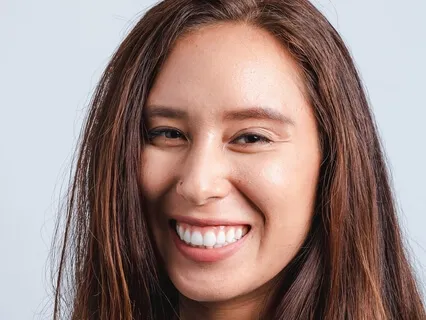
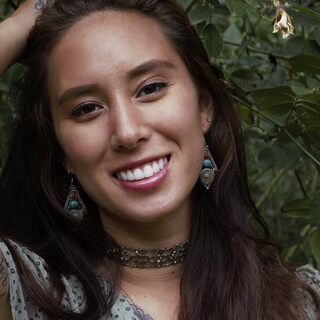
This week on Dear Lovely Universe is a very informative interview with Emily Marquis regarding resilience and creating healthy habits.
Before we get into the episode though,
I'm so excited to share with you that moving forward,
The Dear Lovely Universe podcast is going to relaunch with a new focus on helping teenage girls and young women strengthen their self-love so that they feel empowered to be their most authentic selves.
I feel so passionate about this because I want to help the young women in the world who may be feeling lost or have low self-esteem.
I would like to be the person for them that I needed when I was also a young teenage girl and was going through very challenging times.
To prepare for this change,
I'm going to relaunch Dear Lovely Universe and for the next three weeks,
There will be no episodes uploaded.
When we resume,
You can bet that it will be incredible.
Now,
About our featured guest,
Emily Marquis.
Emily is a clinical health and wellness coach,
Board certified NBC HWC.
She is an RYT 200 yoga instructor and mindfulness consultant.
Emily works with individuals and groups in support of creating healthy habits for sustainable lifestyle change.
Drawing from her professional training and personal health challenges,
She has experience in preventing,
Reducing,
And managing chronic illness from stress to sleep to weight loss to work-life balance.
With her combined coaching and corporate HR background,
Emily works with organizations in creating cultures of wellness and is NAHU certified.
Emily also works with clinics and fellow practitioners to create a village for clients to best support their well-being.
She's also an instructor at Emory University in their graduate coaching certificate program.
Emily lives in Colorado,
USA with her family and loves the balance between a good TV show and an outdoor adventure.
Hi,
Emily.
Thank you so much for being here with me today.
Hi,
Caitlin.
Thanks for having me.
I'm so excited and happy that we're collaborating today.
All of my audience knows that resiliency is such an important topic here on my show.
So let's just dive right into it.
Tell me what trauma and resiliency and what does that whole shebang mean and look like to you?
Oh,
That's a big question with a long list of answers.
Trauma is something that I can personally relate to.
And that's a big word.
Sometimes we don't even want to identify with that word trauma,
But it is what it is.
And they can be many things like witnessing a car crash.
That's not small or you're having a pet die to,
You know,
Really intense,
Intense trauma that is long lasting.
So I grew up in a tumultuous environment with a very difficult childhood.
And I now have chosen to be no contact with my family.
So that is something that has been unfolding in so many different ways throughout my entire life.
I went through I was I'm a sexual assault survivor.
I have overcome health challenges and mental health challenges and went through a really tumultuous divorce.
Now I'm happy and healthy and all of those things.
But it took a lot of tools and and and things to get there.
So my so I have experienced trauma.
I also am a huge empath.
So whenever I see things,
I can take in things as if it was traumatic.
And so I have this really intense ability to feel,
Which is both a curse and a strength of mine,
A superpower.
And then resilience is like,
OK,
No matter who we are,
Life has curveballs,
Changes and uncertainty and ups and downs.
And so we can't get rid of those.
Resilience is what's what's our toolbox to get through those and feel well,
Either through it or at the end of it.
Thank you so much for sharing that with me.
Thanks for.
Yes.
So when it comes to overcoming trauma and things in our lives,
What do you feel like is one of the most important things to consider?
Well,
I think that overcoming trauma is maybe knowing that it's never going to go away,
Like it's something that happened to us.
You know,
The body keeps the score.
That's the book that our body can hold on to it.
I was listening to a holograph survivor,
Which is an intense,
Intense,
Extreme situation of trauma.
And it doesn't just go away.
You don't just do a few things and then never go away.
So I think that overcoming it is knowing how to live with it or distance ourselves through it or build something new with the trauma way in the back seat.
So knowing that the goal is not to totally never have it come up or bother us or be a part of who we are,
But but accepting and loving that it is part of who we are and carrying through that.
Yeah,
I love that.
I love how you explain that.
When it comes to accepting and embracing,
Were there any like perspectives that helped you?
Yes,
I would say that my life's work has come out of what I experienced.
And so I was born with this big heart and also some some huge drive.
And not everyone has those tools for whatever reason.
And I was I've got a strong education.
And so I took my trauma and said,
OK,
Well,
How can I combine the lessons that I've had to really learn,
Combined with my strengths and skills and use that to serve other people?
Because we don't always have to go in it alone.
So so my part of my acceptance is we're all in this together.
And how can I use that to serve other people?
And how can I show up in different ways?
And also my perspective of if I can get through this kind of stuff,
You know,
Going to a party or a social event or a new job where I don't know anybody is like small potatoes.
I can deal that deal with that.
So really building the strengths and and the gratitude and and what those have given me once you are able to get to that point.
Yeah,
Definitely.
Definitely.
Once we come to a point,
It's almost like when we have overcome something so terrible in our lives,
It's like,
Wow,
I can overcome anything.
Right.
So like being perspective,
It gives I think one of the gifts of reaching a point of being able to accept it and look at it is perspective of having being able to be present for a lot of bigger joys and smaller joys in the moment,
Because those are what's what's worth it.
Mm hmm.
So when it comes to mindful awareness and resiliency.
How do you feel those two are connected?
In every aspect.
So for me,
I had this negative,
Negative critic and role going on in my head all the time,
Putting myself down.
Like,
I was not even aware of how negatively I spoke to myself all the time.
And also that impacted my actions and my relationships and obviously my self esteem,
My mental health and all those things.
So for me,
I had to start recognizing what was going on in my my head to be.
And it wasn't nice.
And I knew that those weren't necessarily my voices.
They were years and years and years of someone else's voice or some experience you had in middle school or something there.
But I had a continuous tape of someone else's or my voice in there that was super negative.
And to be present with that took some practice of mindfulness to just notice whenever something pops up.
What am I what am I observing what's going on in my head?
What emotion am I feeling?
What sensations am I feeling my body?
Having that is a superpower for me to be able to say,
Oh,
This is making me uncomfortable.
Or I'm worrying about whether people are thinking or right now I'm telling myself how horrible I am when I'm just walking down the street.
So having that ability to just notice your body and your thoughts and your emotions was something that I was very disassociated with for a long time.
And so whatever path you can get to mindfulness to just be able to sit with it and notice it gives you time to pause and offer that acceptance or self compassion or say,
Well,
That's not true or oh,
We're feeling a little weird.
This is uncomfortable,
Some acknowledgement and then just using the next choice after that.
So the,
I think that mindfulness and awareness is gives us data on how to proceed and how to process or,
Or take the next step.
Yeah.
Yeah.
That's such good advice.
One of the biggest things that I read and I hear when it comes to trauma is focusing on your breath and getting present.
Yes.
So our parasympathetic nervous system is what rest and digest and I am a yoga instructor yoga is something that has a movement in general dance,
You know,
Exercise just walking along a nice bike path.
And that brings me back into my body.
And when I started practicing yoga,
They would say do some belly breaths.
And I noticed that I didn't know how to do a belly breath and I started noticing after,
You know,
Years and years and years of living that I,
I did a lot of breathing out of my chest.
And that's when someone is anxious or stressed.
And so,
And that's igniting the sympathetic nervous system,
Which is fight or flight.
So I actually when I started focusing on my breath.
I could then now just happen to where is my breath and start just breathing into my belly which ignites the parasympathetic nervous system to relax or calm down or like,
Stop listening to the chatter in your head or from someone else or whatever and just really bring it back and you can do that anywhere.
While you're in the grocery store while you're in a stressful situation that is going to really be a direct tool to the awareness.
That's such a good point to make.
I feel like sometimes people can not only just like,
You know,
You mentioned there's so many different ways that we can have trauma,
And people can be really hard on themselves.
And I feel like one of the best things that people do is being present with themselves,
And like,
Trying to come back to that place as often as they can remember.
Yes,
And creating that a visual,
Even if necessary of a nice meadow or a warm visioning visualizing a warm blanket around ourselves of love.
And then taking even sometimes skin on skin so taking your hand just putting it on your chest or,
Or your heart can really help us come back to just,
Okay,
What you know what's what's in this moment right now.
Yeah,
That's really important.
So,
One big part of this is healthy habits,
For sure.
How can people create healthy habits in their lives?
Well,
Easier said than done.
One of the most important things we can do when we're experiencing trauma or trying to create a path forward post trauma,
After we're out of the acute phase of it is,
Is how do we take care of ourselves.
And I know women or mothers,
In general can just have the nature to.
Let's take care of everyone else around me first and put themselves in the back burner.
So for example,
You know I was when I was going through my divorce or all this stuff,
Whatever I would,
You know,
Have a hard time eating,
Because I couldn't digest or like sleeping,
Or how can I,
I'm just kind of trying to get food on the table for my kids,
How can I even think about exercising I feel so guilty about you know what I'm going through,
Which is really the opposite but it's natural to feel so how do we take care of ourselves to withstand the intense trauma that we might be going through or the small trauma,
So that we can give our body nourishment and sleep and joy from having fun or some movement or social interaction.
So,
What is you know how what kind of healthy habits,
Can we do to take care of ourselves in that moment,
And that's going to speed up the processing of it,
It's going to enable us to reach out for resources and really be able to get unstuck by taking care of ourselves with eating well or exercise or movement or sleeping or getting mental health or reaching out to a resource friends going out for a dance or something.
So those are just the tip of the iceberg of some options to take care of ourselves.
First and foremost,
How can we tackle the processing of,
Of,
Of trauma,
If we can barely manage taking care of ourselves first.
Yeah,
That's such a good point.
We can't give to people what we don't give to ourselves.
Yeah,
We just can.
So I love that that's such a good point.
When it comes to taking care of ourselves mentally.
How can we do that.
Well there's there's so many options.
There's professionals out there and mental health therapists and counselors and psychiatrists are so accessible now either online or through insurance or workplaces now and so I think asking for help.
I think asking for help is one of the most courageous things we can do it can be embarrassing or swallowing our pride but asking for help from a professional and the mental health world is one really great option,
And something that even when I'm feeling like,
Oh,
I'm on the other side of things but I know life has curveballs I still meet regularly,
Like once a month or once every two months with my therapist,
Just to keep that toolbox of resilience going.
I don't want to need her in super extreme moments,
It's just a tool of mine that I use consistently.
So,
For me personally,
And I know positive psychology.
Science says this is,
Is having some positive thoughts,
Using a mantra or positive affirmation or a prayer or setting an intention of of saying that every day,
I'm enough.
I'm okay.
I am strong I will get through this.
I'm beautiful I'm deserving I'm willing so using those I am statements and choosing one repeating it journaling with gratitude I mean there's so many scientific options out there to start by choosing one to work with the mental health.
Yeah.
Yeah.
There's so many different ways that people could go about getting professional help is literally so many ways.
Yes.
For someone who maybe just went through something traumatic though.
Because I know from experience that sometimes I didn't want to rock the boat,
Necessarily,
Or tell anybody I just kind of wanted to forget it but in the past like what would you say to those people.
I've been there.
Take a pause,
If you will,
Everything is going to come out when you're ready,
But it will come back you can't test things under the fresh things on the rug.
It's extremely embarrassing.
Um,
I also found a support group in a different town for me that was really important.
And while that was very vulnerable showing up in person with other people.
They were very great I didn't I didn't have to say anything.
And that was said when you first show up you don't even have to participate.
And for me just showing up and being validated that,
Oh my gosh I'm not the only one who went through something like this and other people are having the same feelings and fears and emotions and thoughts that that I am.
And so sometimes just going and listening was like,
I'm not alone in this,
And also seeing that other people have come out on the other side or,
You know,
Sadly unfortunately maybe someone's in a more difficult position than you so those are ways journaling is a great way to just do a dump out of your head onto paper to if you're not ready to publicly have a conversation with with anybody.
Yeah.
Like you mentioned,
Our trauma lives in our body.
It lives in our body.
What I actually was just listening to a talk recently.
And this lady said,
Where do you feel your pain.
Like where do you feel your pain in your body,
You know,
And some people they carry it in their stomachs and get digestion issues.
Some people carried in their heart on their chest.
You know,
Trouble breathing and those kinds of things.
I think that's such an important question.
Where do you feel it in your body.
Yes.
Yeah,
I,
I definitely have personally experienced that,
And I'm trained in yoga nidra,
Which is a form of,
Like a sort of like a gated meditation we just lay down and yoga,
It's like a sleep yoga,
Sleep.
And one of the main questions is feeling into and tapping into sensation.
And we can do in health coaching,
We can do some embodied coaching.
But that's one of the questions we asked even for decision making,
Like what know if you were to let's say you're taking a job or thinking about a relationship or what to buy for the grocery.
The questions that I can ask are,
What does a yes feel like in your body?
Where do you feel a no.
And so,
You know,
Your body knows and you have a strong inner knowing so just sometimes starting to connect with that is,
Is a breakthrough.
And so,
Yes,
Our bodies manifest messages and trauma physiologically and biologically.
It's just what happens.
And I honestly personally felt some shame around that when I got sick.
I felt,
Oh,
I did this to myself,
You know,
Or,
You know,
The stress did this to me and I,
An anger would come up.
And then you deal with it and you get some healthcare or you change some habits and,
And,
Yeah,
And so no one's immune to that,
It does,
It does show up so listening to your body and the messages it provides is very important.
Yeah,
Yeah,
It really is.
Would you be able to share more about your story and your experience and how you overcame things personally?
Well,
I can tell you a little bit more about how I overcame things,
You know,
With my family that has been going on for a very long time and took a lot of,
You know,
Therapy,
Mental health therapy has been,
I celebrated 11 years with my therapist.
So that has been a huge tool of mine.
Listening to podcasts,
Finding like-minded people.
And just showing up and really being open to looking at myself has been really important.
And it's,
It's a daily practice.
I do yoga a lot.
I exercise.
I set boundaries,
Which is something that I have to really remember to do every day.
I am enough prioritizing myself in feeling well.
So I would say having and then journaling and having those,
Those positive affirmations and support.
I think having the courage to ask for help has always been a strength of mine to get through on the other side.
That's really awesome.
So awesome.
You mentioned prioritizing yourself and self love.
Tell me more about your self love journey,
Because this is a really challenging aspect for trauma survivors.
Yeah,
I didn't,
You know,
You hear about it,
Have self love,
You read about it,
Have self love,
Everyone's like self love.
And so you can,
So you get to the point where you hear it,
And then you get to a point where you understand like,
Okay,
This is something I would like to have or it sounds like it's good.
But for me personally,
It took,
I'm not gonna lie,
Years to understand in my body,
What self love meant.
And so self love to me and prioritizing myself means not putting others first.
From small decisions to big massive decisions.
Like,
Obviously I have,
I have children and a partner and a life so you can't do everything for yourself you know if you're the only one who wants something for dinner and three other people want something you know you can be flexible with that.
But sometimes like you know what I'm feeling tired and that's okay.
And I don't need to,
You know,
Go out tonight,
I'm going to say no because I know if I show up,
It could be fun,
But the way I'm feeling,
And I felt this way in the past,
It doesn't lead to a good experience for me.
I know that if I work these certain hours and say no to a client who wants to meet,
You know,
At 7pm on a Friday night or something and they said that's the only time I can do it.
Or,
You know,
Having a being able to serve somebody or getting the,
You know,
Financial piece of that would be great but that is not saying yes to prioritizing me and my needs of sleep,
Rest,
Family time.
So being able to really say that and then you know if I was in the past,
If I was to say I'm really tired.
I don't want to go out,
I don't want to hang out with friends or I don't want to watch this TV show or I don't,
You know,
Anytime I would say no,
Because I wasn't feeling that great.
That's when I would notice the loop in my head of,
You're not good enough,
Come on,
What's wrong with you,
You know,
Blah blah blah,
You know,
All these put downs would come up that's not self love that's self criticism.
And so then I would push myself out of self hate or,
You know,
Self criticism to go do something I wouldn't want to do because whatever I was feeling was wrong.
You know,
I shouldn't be feeling that way shouldn't have shame,
You know,
Shamed of just who I was and what I felt when really,
It was pretty normal.
And so really recognizing that loop and changing the story of,
You know what,
I am tired today and that's normal.
Or you know what I'm PMSing and,
And that's normal.
So I'm gonna just chill out,
Or I don't want to take that job.
I don't want to take this client and that's okay,
I'm going to be better for everything else that to show for because of that.
So that's what love self love has been for me.
I'm really taking those moments and,
And it's a daily practice I get up every single morning early before my family gets up and I journal.
And I do a little bit of positive reading and reflection and listen to and do like a 10 minute meditation and set my attention for that day,
Based on how I'm feeling like I'm feeling really ambitious okay I'm going to go out and I'm going to tackle some things or I'm feeling tired today I'm gonna,
You know,
Take a break at lunch and maybe rest a little bit or I'm feeling a little lonely today,
I'm gonna today I intend to make a social connection so really tapping into whatever is going on,
Owning it,
And then being like,
All right,
This is what do I need today,
And and doing that.
That's really really,
Really nice to hear.
It sounds like you.
You know from hearing a bunch of people's experiences of self love it seems like you've come to a place now where you actually in a really good place.
And so I want to acknowledge that probably took a lot of practice.
Yes,
Yes,
Like I said daily and I'm 37,
Which I think is relatively young still but yeah,
For most of my life,
Up until probably,
You know,
Four years ago.
It's been a work in progress and the past four years have been such a turning point for me,
Because I have prioritized myself,
And also set intense boundaries with the negativity that was coming into my life and relationships or work or my,
My conversation myself so so that so boundaries has been transformative for me of what I allow in as well.
Yeah,
So important,
So important.
When it comes to setting boundaries.
Is there like a strategy or something that you might be able to share with us.
Yeah,
And it's not easy.
I'm setting boundaries for me is something that is,
Is,
You know,
If you were to consider so my word to describe the I'm sure strong is one of them I definitely can be direct and what I say sometimes.
So,
Which is,
Which is fine.
It still comes out kind,
But,
But it's funny the inner dialogue or conversation or feeling I have my half self feel still like a little bit of a struggle so that doesn't go away,
But I just observe it and it does become a little bit easier and then I say,
Set the boundary and then go on with it.
Some bigger boundaries,
You know with with my family or an ex husband or friend or work,
Or,
You know that did that was really really toxic for me.
That took a long time and support.
And so I had to have,
I had to learn,
I read books and then I would give it a try.
And then I would just notice again that mindfulness of like,
Oh,
What am I feeling.
And oftentimes it would be like they're not going to like me,
I'm not good enough I should just do whatever they want,
I'm not worth it.
So just really recognizing that the struggle was coming from the old loops,
Which,
And then noticing having the awareness of after I set the boundary of like,
Oh,
This feels better.
And so really soaking up and the awareness of what feels good after the boundary is a motivation to do it again in the future.
That makes sense.
Yeah.
You mentioned patterns,
I think that's such a good thing to bring up in relation to trauma.
What do you think is something you would want to touch on for someone who might be going through patterns and they don't even know.
Mm hmm.
Patterns are and this is a large part of what I have studied and done is,
Is the term hardwired wired,
We used to be hardwired with a personality and way of doing things and behaviors and so those are that's a pattern is we're hardwired in these patterns.
And sure we have some tendencies and personalities,
But generally our patterns of our brain and our behaviors are now science is showing is is totally adjustable and flexible.
However,
We all have our patterns,
And those can be patterns that are generationally passed down to us that we don't even acknowledge,
Which,
Or any trauma can be passed down fears can be passed down emotions can be passed down.
So all of those things can be patterns that we didn't even necessarily ignite or create on our own.
And yes patterns.
So,
In my relationships I noticed patterns in the way I talk or I eat or,
You know,
I parents,
Everything is as a behavior and a pattern.
And I think,
Again,
Coming up with that awareness of being able to have the courage to look at our patterns.
Like I think the definition of insanity is doing the same thing over and over again and expecting a different result.
So,
If when things just are not working or you're feeling badly.
It's like okay what has that is that's an opportunity to look back and gather some data,
What have I been doing that keeps leading to the same thing and then you'll recognize your pattern and whatever that is thinking,
Eating,
Moving relationships,
So just yeah so we all have patterns and everything we do that's part of being human.
I just want to share,
You know,
I usually don't I try not to really talk about my experiences and stuff like that in interviews,
But you really reminded me about like how when I was younger.
I would like,
I'm trying to figure out what's the best way to say this,
I kind of,
It's hard to talk about you know,
I would like,
Hook up with like,
People,
Because I wanted them to like me.
You know,
In a way,
And that was like a pattern.
You know,
It wasn't like a safe relationship.
Right.
And as I got older I realized that this pattern wasn't serving me well that I was not getting into like good healthy relationships by doing this and so like that.
And so I completely stopped doing that.
I completely stopped sleeping with people for a long time.
And I,
I guess my point here is just that.
Sometimes we create these patterns out of things that we want so badly,
But it's really not helping us.
Yes,
Well I'm right there with ya.
I mean,
I had,
I really really had a low self esteem,
And I thought that conforming and meeting two men's needs,
Whatever they might be,
Was the right thing to do,
And that's how I got them to like me,
Even though I consider myself as smart,
Intelligent person just like you.
And so I don't think that's individual to you or whatever you went through,
I think it's also part of some societal norms for women so there's lots of things there and yeah I mean I think that is a can be a pattern in both men and women or any gender,
Whatever in using that as a pattern for sure.
And I recognize that in myself as well.
Another pattern I recognize that is totally different but hard to talk about that like oh my gosh,
So I had such fear growing up,
I never felt that safe in different degrees.
And so I noticed,
And I just reflected on this is I was,
You know,
Going to bed one night and my partner,
He were,
He was like,
You know,
You have so many sheets so much blankets,
You know,
And I know,
I know a lot of people like blankets.
And I remember,
Oh my gosh this goes all the way back to when I was a child.
I felt safest in bed,
You know with when I was totally felt like I was wrapped in that blankets.
And so I noticed I lived my life around going to bed,
This and sleeping in a certain position to the door all these different things.
And so that was a pattern of mine,
And I didn't need that anymore.
And so that was a pattern you can look at of,
Of a defense mechanism that worked for a while for a need for survival and then,
Okay,
This is not working anymore so it's either based on like our,
Our desire deep diet desires or defense mechanism to.
Yeah,
Totally,
Totally.
Thank you.
When it comes to your life journey as a whole.
What do you feel like is one of your biggest takeaways,
I know this is a really big question.
Oh gosh,
Yeah,
Is,
Let me think for a moment on that one of my biggest takeaways.
I think that that for me about sounding too cliche or the risk of sounding cliche is,
Is,
It's worth looking at things and making changes.
So having that awareness can be scary,
You know,
Looking at the patterns,
Looking at the trauma,
Looking at,
You know where we,
There's a gap between who we are and where we're at and where we want to,
Who we want to be,
Who we really are,
And things like that.
And then filling it with action and support,
Behavior change,
Conversations boundaries,
All those things that life gets better when you're able to look at things and deal with it as hard as it is.
That's my biggest takeaway.
Yeah,
It's so true.
My,
I believe as well that when our personal development is directly correlated to the quality of our lives.
Yeah.
And I can tell you,
I am so,
So grateful to be 37,
And to have to be at where I'm at,
Instead of on my deathbed looking back and,
And,
You know,
Wishes,
Or,
You know,
Man if I had only done something differently.
I'm not perfect,
But I can say that things have teed me up in the,
To live the rest of my life,
Much,
Much better.
Yeah.
Yeah.
What was one of your biggest failures and what did you learn from it?
Oh gosh.
I think that I don't think that divorce is a failure,
Because I think me getting divorced was a success in my life,
And my kids lives,
And probably for my ex husband,
You know,
Our relationship was not on track to be successful or healthy for anybody.
But it's still,
I still went through a death of everything in my life,
I went through financial ruin.
I went,
I mean,
Literally had the world's lost everything.
You know now my kids are having to navigate growing up in a life where they have to the families and going back and forth.
That's hard.
And I was embarrassed I lost friends and you know how could I go through that so I don't know if I had.
Yeah,
So I would say that was the biggest shake up in my life that really forced me to as I was saying,
Look at things and makes it's either you make changes at that point or you just keep going on and creating the same patterns and so that was something that made me a little bit more Chinese for sure,
That made some force me to reroute.
If that makes sense.
If you had like some words of wisdom for someone who could be going through like a death of something really big to them,
What would you say that it's gonna it's gonna get better.
And it may happen in years,
It's not,
It may not be fast but keep moving forward that happened for a reason,
And take care of yourself,
And it will get better.
Yeah.
Yeah.
Thank you.
I think a lot of people need to hear that.
And even if things are getting going amazing it's always so going to get better.
Yes,
I think that being open to possibilities beyond what we can even think of is something we have to remind ourselves that things are going to get better.
Even in good and hard times.
Yes.
Yeah.
That's a good point to bring up because a lot of people,
Especially people who have gone through trauma,
Like to have a lot of control over their lives and events and stuff like that.
But I have come to a place where I realized it's actually somewhat.
It's having a lot of control can have a lot of can help us have a lot of anxiety.
And so it's sometimes good idea to actually just not have full control over the outcome like know what you want,
But not necessarily having to make sure that you have full control because it can actually become better than you expected.
Yeah,
I wholeheartedly agree with that and control is definitely a behavior of mine that is resulted of,
You know,
My life experiences that I had to look at as a pattern of like oh this control thing is not serving me anymore.
When I,
And I feel like I really have to have to deal with uncertainty and look at it every day for sure.
It was funny when I,
When my husband,
My now husband was proposing to me.
So the second time around.
Oh my gosh,
Getting married again after all of that and I have kids and are they going to be okay and is he going to end up being a psychopath,
You know,
All these things but he was so sweet.
He asked my children before,
You know,
If he could have my hand I guess I wasn't aware of this.
And then when he proposed he went down.
On his knee in front of the kids and I saw I got really scared because I was like,
Is this going to be okay.
No one's touched the kids.
You know,
How do they feel about it,
Should I be excited you know all of this.
And it was funny because they were,
Of course,
Very excited and I was and I chose to be excited and enjoy that and then he said,
And I said,
Afterwards I was able to tell him that was a little bit stressful made for me at first and he said,
It's because you didn't have control over the situation.
And so,
But he said,
These are all the things I did and I was like,
Wow,
You did all that.
So you know you talk to the kids and I trust him and they were great with it so control is over that over,
Even like things that are joyful can sneak in and not serve us.
Yeah.
Yeah,
Totally,
Totally.
Congratulations on your second marriage and.
Oh,
Thank you.
From the smile on your face it's going pretty well.
Yes,
Yes,
I'm very fortunate I found a partner who,
Well I feel like I'm able to show up helping a relationship for the first time in a long time and,
And he's,
He's also someone who has.
Overcome many things and done a lot of work on that so yeah we just work really well together.
Thank you.
If there's one relationship tip that you want to get to listeners,
But would that be one relationship.
Is that what you want a relationship tip for like advice.
Oh gosh.
Hmm.
Yeah,
I'm still learning how to be good in relationships,
I would say.
First of all,
Keep your side of the street,
Clean.
So,
I know if I'm feeling badly in the relationship.
I have a right to,
And I can voice my opinion,
But also I also look at what's going on with me,
Kind of like you said,
Where's this coming from,
Am I taking care of myself,
Do I need to call my therapist I need to exercise during my sleep is something going at work.
So first,
Really being strong and healthy and Hugh and who you are and if you're not finding,
You know,
The support that you need to do that so you can show up for the relationship because they're going to need you.
And then also having a partner who can support you in when you're having not the best time to.
Yeah,
Thank you.
Thank you.
Yes.
So,
Do you have any final messages that you want to share for listeners.
I don't think so.
I mean,
So,
So much to say but hope is there.
I'm on the other side of things and do what you can to take care of yourself,
Even if it's one small thing a day doesn't have to be going out and running a marathon or,
You know,
Having your happy ever ending ever after today it's going on that walk or eating a healthy meal or getting some extra rest or calling a friend just doing one thing to feel good a day will build.
Yeah.
Yeah.
I love that.
I love that a lot.
Sometimes we put really high expectations on ourselves.
And so doing at least one thing relieves the expectation.
Yes.
Yeah.
Where can listeners find you and connect with you.
Just on my website is where you can find all things is Emily marquee ma rq us.
Com and you can go and check.
Learn more about me and the services and I have a free help quiz and love to love to hear from you there.
Awesome.
Well thank you so much,
Emily really appreciate you coming on today.
Yes,
Thanks so much for having me,
Caitlin,
It's an honor I appreciate it.
Thank you so much for tuning in today.
You can find Emily Emily Mike weeks calm,
And I'll also have more of a contact information in the description.
If this was helpful for you,
Please share this episode of the friend,
Family member on social media,
Or someone who you feel could benefit from this information.
If you'd like help with your self love journey.
I can help you learn more and book an appointment at Caitlin boo.
Com.
If you missed my announcement in the beginning of the episode,
I'm going to relaunch the dear love universe podcast with a new focus on helping teenage girls and young women strengthen their self love so that they feel empowered to be their most authentic selves until the relaunch,
I will not be posting episodes for the next three weeks,
And order to best prepare for what's coming.
Thank you so much for understanding and being in the most incredible dearest lovely community.
I really,
Really appreciate your support and all of your help.
I'm so excited for what's to come,
And have a lovely rest of your day.