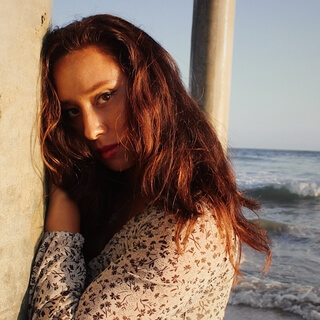
Hi Gabe,
Thank you so much for being here with me today.
Kaylin,
It's a pleasure.
I'm really glad we got a chance to set this up.
Me too,
Me too.
Yeah,
We have some really exciting things to talk about.
So tell me more about yourself and your background.
I like to say I'm a recovering software sales rep.
So I had a bit of a portfolio career up to this point and I managed a tour bus company in San Francisco for a few years.
I was in tech selling software for about six years and made the transition in 2018 to do a little bit of solo world travel,
Some soul searching.
And now I've been coaching full time and running my own business for the last two years.
So that's kind of the brief LinkedIn summary of my professional life the last 10 or so years.
That's so incredible that you had that experience in sales and those things and then you dove into creating your own business,
Which is something a lot of people want to do.
Well,
Yeah,
And I didn't when I started,
I didn't realize I had a lot of the skill set that I needed to do it already from my previous experience.
It's like I feel like I've already had like a bunch of careers,
Right,
Which I think is more typical for our generation than our parents,
You know,
To do a bunch of different things.
I don't think anyone really imagines themselves being at the same company for 30 years like our,
You know,
The previous generations would have really wanted to do.
And when I was starting my business,
I realized that relationships have kind of always been at the center of my professional world.
And that didn't need to change in order to be successful in building the business the way I wanted to.
The big shift was just in the priority and what we were talking about.
So like in sales,
I loved getting to know people and their problem.
Software was like,
Let me figure out and get in here.
How can we serve?
How can we solve?
You know,
And the difference is like at the end of the day for me to have that work in my old job,
The solution needed to align with what I wanted them to buy,
You know,
But in coaching and in working with people in the capacity I'm in now,
Like I'm not attached to the to the things that they need as much,
Right?
Like if they want to go off and have their own kind of process with the work that we do,
Like I love when that happens,
Because that means people have the tools to be their own healer and empower themselves a little bit more to do their own work.
So it's more fulfilling and gratifying to me to not have like my hidden agenda sometimes in,
You know,
The type of solutions I'm offering people.
But I realized that the skill set wasn't different,
You know,
That being a people person and loving building valuable relationships was always kind of at the center of what I was doing.
And when I started the coaching business,
I was just like,
I kind of needed to talk myself into remembering that.
That was the hard part was like,
Wait a minute,
I already know how to do a lot of this stuff.
And a lot of my clients now tend to be,
You know,
Entrepreneurs or people who want to start their own business or work for really small teams,
Because that's where I've spent most of my professional life and I can bring that sort of business acumen and kind of perspective of sales to some of the work that I do with folks.
It's not the primary thing I do,
But it's definitely something that a lot of folks find valuable in the work we do together.
That's so awesome.
So it sounds like a lot of just your experiences throughout your life has really prepared you to excel at being a coach.
I think a lot of folks who are called to coaching would say the same thing.
You know,
I know you're working with this and when you're doing it,
It feels like something that's naturally been in you for a long time,
And I don't know a single person who isn't like in some way gifted empath,
You know what I mean,
Or has a deep sense of other people's worlds or brings like an intense curiosity to the human experience.
You know,
I don't think that that's like my life experience as much as it is part of who I am as a person and I think that that's true for many,
Many,
Many people in this line of work.
You're called to it.
There's something in you that helps you see other people more fully.
Along the lines of,
You know,
Becoming a coach and starting on your own venture that must have had a process of overcoming some maybe self doubt or barriers.
What would you say to people who might be wanting to take that leap?
I mean imposter syndrome never goes away.
And I'd like to kind of talk to whoever designed the human experience and sort of like have them explain why they built that in there.
Because we all struggle with so much of that self doubt.
And I mean I talked to people who are like multi millionaire business entrepreneurs super successful scaled and sold several companies,
And they still get kind of like bashful when they're asked to speak about their work because they're like,
Oh well somebody else is the expert I'm not really the authority.
And it's like,
What has you say that of course you know what you're doing right but we all have this persistent doubt in our own abilities and strengths.
And so,
What I would say to somebody is that that's perfectly normal.
And you're stretching yourself into an edge that is always present when you're growing,
You know you a little bit outside of your comfort zone and then that means you're you're headed in the right direction.
I don't know boss of mine used to say like do something every day that scares you right,
And that recognizing that that fear and that uncertainty is part of the feeling of acceleration and growth,
Sort of gives people permission to welcome it instead of dreaded.
But we're always able to serve somebody out there.
And I like to use the metaphor of like,
When you're walking through a snowy forest and you're following somebody else's footsteps.
It wouldn't be useful to follow somebody's footsteps who were like miles and miles ahead of you already because there's you covered over with the snow but if somebody was a few steps down the path from you,
Those steps next steps would be more relevant to you in terms of your journey.
And so I always that was really helpful to me as a new coach starting out was like,
Oh wow I'm not like,
I don't have years of experience I don't know,
Blah blah blah about this or that,
But like there's somebody who maybe is just before the transition that I just made or like is really interested in the same thing as me and like my knowledge is fresh so like I can teach that I share that and a mentor of mine said that to me too he's like you know if there's anybody that you can help you have a moral obligation to help them.
You don't need to wait until you're ready to help everybody and you never can.
You know,
And the point isn't to be infinitely wise,
Or all of the experience,
It's just to teach and share as much as you can with what you already know.
Yeah,
I really,
Really stand by that too.
And I'm so glad that you brought that up.
Yeah.
Yeah.
It's important to just realize that we don't need to know everything we just have to be a little further along the path to be able to shine a light and guidance for people who are where we used to be.
Yeah,
And it's not even.
It's almost like you just need to share what you know and somebody who needs to hear it like you said at the beginning will find their way to it.
And,
Yeah,
Have it like losing the kind of ego attachment of needing to be right or have this kind of perfectionism like that's a part of our culture and socialization is like you should only speak up if you're the expert but like everybody is subject to the same self doubt the same self criticism and like if you just had a breakthrough for yourself in your life in your world,
Just telling somebody else about that experience for you gives them a sense of what's possible gives them permission to take their feelings seriously gives them a little bit more information for the risk that they're looking to take,
Like all of those are transformational experiences because those things happen to me.
I read about somebody else's thing and that gave me the permission to make the shift right so like there was somebody who took that risk already of looking foolish or putting themselves out there,
And it changed me,
You know,
So there's,
I'd want to be able to offer that to somebody else and anybody who's bittering that just needs to believe the same thing.
And I think there's a lot of comfort in knowing that even the most vaunted expert or vaulted experts out there you know the people who know so much.
All of us,
Top to bottom struggle with some level of imposter syndrome.
Seems to be universal.
Yeah,
That's a really really good point.
You mentioned permission.
When,
How do you think permission comes into play when it's about personal development or anything like that.
Could you say more.
So,
You mentioned permission.
When do you think we have to give ourselves permission and personal growth.
I think a lot.
But I think one of the most important in my work and my life has been kind of like the permission to feel discomfort without judgment.
Because I think there's a lot of tendency to view,
And I'm air quoting here like,
You know,
Bad experiences and good experiences,
But there's like reframing that to challenging experiences,
You know,
Not labeling them as bad,
I think,
Can be a big leg up for people because often we're repressing or avoiding the difficult thing and that's usually an indication of like 100% the difficult thing is the direction in which we need to move.
Get past whatever it is that we're stuck on.
And so I always ask myself that and my clients that like,
What are you not giving yourself permission to think,
Do,
Or feel,
You know,
Are you not giving yourself permission to feel your loneliness because you're embarrassed are you not giving yourself permission to feel your need to slow down because you just feel like you got to speed up in order to stay ahead,
You know,
Whatever the thing is that you feel like you have a judgment around that you struggle to give yourself permission to feel without a sense of,
Yeah,
Again self judgment or resistance.
That's often the thing that's pointing the way for forward for you,
Because that thing in some way is holding you back because it's not being acknowledged or integrated into your life.
And I think permissions really important because that's a foundational piece of genuine self compassion.
I have permission to be sad today.
I have permission to be angry.
You know I have permission to feel less than my best.
I also have permission to acknowledge my gifts and talents right I have permission to speak up about what's good in me.
I have permission to hold my dignity when somebody else is pushing down on me and not externalize my validation.
Right,
So like all of these things involve a choice of giving ourselves permission to feel or believe something about ourselves.
That's so powerful.
That's so powerful I really love that.
A lot of people tend to like shove things down and not acknowledge them,
But then it only gets louder.
Of course,
And nobody's making that choice for you but you and it's essentially I'm really glad you pulled that word permission out because I do think it's,
That's essentially the process.
What are you giving yourself permission or not giving yourself permission to feel.
And what does that tell you about where you're stuck.
One thing that when we were,
As we're talking about this is just like coming up for me is when we are feeling fear or anxiety,
It comes to you know in many different forms,
That's often just means that there's so much more out there for us as a constant reminder that there's more learning and growing to do.
And it's actually there to love us.
It's not there to,
You know,
For us to push it away it has a message.
Yeah,
I would agree.
I mean there's always so much happening.
I mean,
I think that's the thing that I think is really important is that we're not just like just outside of our periphery right or like the at the edge of our comfort zone.
I always think that's,
That's where growth begins right did.
Can you think of an experience of growth that didn't involve discomfort to some degree.
And I think that's a challenge in our life that way,
And it's super hard to do I'm not saying I'm able to walk around kind of dancing on rainbows all day,
You know,
Things that are hard and they feel difficult.
But if you frame it as okay what is this challenge calling me forward to be or to do.
How is this experience stretching me or growing me or serving me in my path,
Like,
You're able to kind of like take those blows and turn the other cheek in a way you know that with more like acceptance,
And there's a famous like Zen Buddha saying they say well,
Something,
I'm going to butcher it but it's like that being the case.
What is my next right choice,
Or what is my next right move,
You know that there's like okay cool it's the roof fell it's raining what's my next right move,
You know,
Okay cool we're out of rice.
What's my next right,
You know like there's just like this case is an acknowledgement of the circumstances of our lives without resistance and simply asking next.
Totally,
Totally.
It sounds like when we are able to accept situations and figure out how to progressively move forward rather than stress out and react from it.
Then that's much more constructive.
Absolutely.
And that capacity building is what I would consider to be the essence of resilience.
And that's a lot of what I tried to share with folks and cultivate through my work is the expanded capacity for choice.
And a really simple way to think about it is like,
Could you be with your experience,
Instead of in your experience.
And what I mean by that,
Like are you able to remain like kind of in the seat of the observer like you're witnessing and experiencing your emotions your sensations and all of it,
Or are you so drawn into it and pulled like sucked by the gravity of intensity of that moment into it,
So that like your choices narrow and your perspective just shifts and you kind of shut down into your fight or flight mode.
You know the difference between.
I feel angry with you,
And I'm angry right you notice that the second one.
It's like you are the anger,
Whereas the first when you are feeling the anger,
There's still an experience or have the experience in that first sentence,
And the difference is subtle in the language but in terms of where that leaves you in the moment,
The difference is profound,
Because you have some agency and choice from that they call it the seat of the witness in meditation.
You can really have a lot more from there,
And you can cultivate your capacity to remain there,
Even when you're triggered,
Even when you're in challenging moments where you're not.
You're still feeling everything you're still having that experience it's still intense,
And maybe really difficult.
But there's a part of your attention and energy that's able to remain just outside of it so that you have a little bit more choice,
A little bit more perspective a little bit more flexibility.
We can.
Yeah,
I'm so glad that you brought up the witness perspective.
It is phenomenal and life changing.
Once we actually are able to incorporate it into our lives.
Yeah.
Do you have like a resource that you want to share for people to check out what that is exactly.
I learned about the practice through the Pasa meditation,
Which is like,
You know those famous like 10 day silent retreats.
Oh,
Okay.
I did I did one of those they're free they're all over the world,
Or their donation based rather.
But I would just check out like any meditation resource will probably give you some of it because every meditation tradition on it to some degree.
So even an app like headspace or Tara Brock has tons of like meditation she's a meditation teacher.
Jack Kornfield another one.
Any meditation practice that you do on a regular basis will increase your capacity to remain in the witness.
And I personally try to meditate for at least 45 minutes to an hour every day in the morning,
Just sitting with my experience with my breath with my thoughts and repeatedly making the choice to not follow them,
Not following thoughts going to come up and use.
Okay,
Cool.
There it goes,
Right,
It's like watching clouds.
Yeah.
Not only is it kind of peaceful and a nice way to start your day,
You know and turn the lights on,
But it does give you just a sense of what it feels like to sit in that witness position and have your experience,
So that you're kind of it's like building like reps at the gym right it's a it's a mental rep that you do to increase the neural pathway to that experience,
Increase your connectivity to it and strengthen your ability to choose it.
But I take any,
Any regular meditation practice will give you that and mindfulness is a hot topic now there's no shortage of resources but every single one of them is largely going to train you to step into the watcher or the witness role.
And Alan Watts,
One of my favorite philosophers he has tons of recordings talking about the watcher talking about the witness he calls it the horse and rider,
Right so like the horse is your emotions and your,
Your experience,
And you are the rider you're the one who's kind of,
You're being pulled along by it,
But you're also guiding it to some extent you do have reins in your hands.
And so that's a useful metaphor as well.
And yeah,
Alan Watts if you Google like Alan Watts horse Alan Watts is incredible.
There's a ton of all of his archives are being published and released now by his son.
So they're all on like Spotify and Apple podcasts.
Yeah,
Yeah,
They're all being like,
You know,
Kind of edited and rereleased.
That's awesome.
That's really awesome.
So,
I want to talk about self love.
What is self love to you.
And how do you think it affects people in their lives.
Such a big question.
What is self love to me.
I think one of the ways it's shown up recently is coming back to permission right it's like the permission to to choose myself without judgment to choose myself with compassion.
And I don't necessarily mean that like in a selfish way.
Although I did I guess I do somewhat right like it's really important to look out for yourself first in this kind of the famous oxygen mask better for right like put on your oxygen mask before assisting others like you do need to be able to be whole and healed within yourself to some degree.
In order to be able to offer any of that to others and our most important relationship with anyone is with ourselves.
Right,
I think that is the basis for all other relationships is the relationship we have with ourselves.
And so if there's a lot of resentment towards self or judgment of self or,
You know,
Dislike of self,
That's going to spill out into relationships with others those things are going to all become projections at one point or another,
That you're going to try to smear on somebody around you because it's really hard to be with on your own.
So,
People who really go through the world hurting each other's a lot of hurting others,
A lot are typically hurt like they're hurting themselves,
First and foremost they're looking for outlets for that pain.
And so for me self love.
When I say choosing myself,
It's like thinking about the things for me that really bring me closer to that sort of inner core of dignity,
Right that core of value and dignity that we all carry and spending time with that part of me that's worthy of dignity and love,
No matter what.
And a really powerful practice I found to help with this is to like to picture anybody you're having a difficult time with as like picture them as a small child,
Because they're still,
They still are that being right they're still carrying that child around with them and so am I,
And actually,
You can't see this but the desktop of my,
Like my background.
It's a collage of pictures of me as a baby.
And like,
You know,
I'm like,
Reading a book upside down or like riding a little trike and looking dumb and cute right and I have that there just to remind me that like whatever I'm beating myself up for like would I,
Would I beat up that little kid for,
You know,
The typo or for the misspeaking they're forgetting to send that like I never would I would never be angry with that sweet child and like that being is still part of who I am.
And so it's given me a lot of.
It's just a really great thing like if you have a baby picture of yourself you keep it around to remind yourself like you still have that purity in you and you're still worthy of unconditional love and grace and all of that.
Wow,
That is so cute.
I definitely agree to picture ourselves or others as younger children,
And it definitely helps us have more compassion.
Yeah.
First,
For those who maybe have gone through abuse,
Or have traumatic experiences or maybe are in one of those situations right now,
And having a challenging time with self love or maybe they just want to start in that path.
What is something that you would want them to know that they're already worthy of whatever it is they don't believe that they're worthy of whatever it is that they feel they lack,
They already have.
And it just needs to be rediscovered within them right coming back to permission in some way,
Like,
And getting curious about what's holding that back for them.
You know,
What's perpetuating that cycle of abuse,
What needs to be forgiven right what needs to be let go of what needs to be healed.
There's so many directions that that can take but I feel like the core belief that like you are larger than any experience that you've had,
You know,
I personally believe we're all a tiny fragment of a timeless eternity seeking to know itself.
If that has sounds maybe crazy or woo to you that's fine.
But that's still,
I think,
The belief that we are bigger than any experience that we've ever had.
We are bigger than anybody who's ever heard us or judged us or made us feel a certain way about ourselves.
And we need to be able to in order to heal to shift that perspective of holding that we are greater than the sum of our experiences,
And that anything that happened to us can have an impact and leave a mark,
But it doesn't need to determine who we are.
And anything that happens to us doesn't need to determine who we are.
And I think people who struggle with a lot of self judgment,
Have a hard time separating like action from actor,
Right,
It's the difference between saying like,
Oh,
That was kind of a racist joke versus like you are a racist,
Because you said that,
Right so you're saying like this person is a thing,
Or a way of being instead of saying hey that action you took was harmful.
So when we're able to say any action or circumstances just a part of who we are instead of saying,
We are that way.
Right in Spanish,
They have said and it's not an asset is like the infant like the,
The permanent,
You know the always state of being and then is that is like the impermanent state of being.
So you could say like,
Said is like,
He's a drunk versus is thought is like he is drunk right now.
Right,
So you can you can use that same thing when you think about how we judge ourselves or how we view ourselves maybe as victims of abuse,
Or how we find it hard to forgive ourselves and one another for things that have really been harmful in the past,
Is we sort of take them on as part of our identity.
And we carry them forward and that stretches the experience of that moment far far into,
You know,
Beyond that moment where it occurred.
Absolutely.
Yeah.
And it's not our burden to carry it.
It doesn't have to be no.
Yeah,
We tend to make like because of experiences,
Especially of shame that typically arise in trauma and abuse like the experiences of shame and emotional pain are so difficult to integrate that they like kind of sort of have this like shell that forms around them and then in order to be like carried safely forward it needs to be like hidden within us and then it's sort of like still energetically it's informing our identity it's still showing up in our patterns but maybe it's not labeled fully made aware of,
You know,
And and that can be part of shadow work and exploring these patterns of shame or things that we're holding on to that are really shaping who we are who we believe we are what we believe we're worthy of what we believe we're capable of.
They're coming from some of these things that we're holding as true about ourselves,
But might have only been rooted in a particular moment in our lives,
And we needed to,
We can made it out of that moment by doing what we needed to do and adapting our behavior or keeping ourselves small or whatever.
But that survival strategy doesn't serve us anymore.
You know if you made it out of that moment then you've made it to this moment,
And you might not need that same survival strategy in order to thrive and grow.
And thanking that experience you know I'm really glad that we call them protectors right and coaching it's like these some of these shadow patterns there.
They think they're keeping us safe but really what they're doing is limiting us in some way,
Because it was a survival strategy at one point to give us dignity belonging whatever we were looking for these fundamental human needs emotional needs for safety dignity and belonging.
And these protector patterns were helping us have that.
But now they've sort of like we've outgrown their usefulness in the way they used to show up for us.
Totally,
Totally.
I love that we all have something that we're dealing with every single person.
And sometimes people go through experiences that are really difficult and makes it very difficult to love ourselves and forgive and move on to our lives but I believe it's possible.
In your opinion,
Do you do you think that people deserve to be happy.
Of course.
I mean if I also believe that we're all,
You know,
Part of this infinite expansive consciousness seeking to love and know itself and like why would that thing,
Not deserve to,
To feel joy to feel beauty to feel love to feel happiness.
And I don't think that that's the only reason we're here right.
I also believe that like our ability to experience anything is is proportional right so like the ability to which we limit our,
Our like capacity for for pain and sorrow and being with the depths of something really awful also limits our upper limit of happiness and joy and love right so like those things I think are proportional,
They're,
They're sort of like on their polar ends of a scale of experience or a spectrum of experience that we all have,
But I don't think any human being deserves to suffer to feel like pain and anguish all their life I think we're here in order to like Ram Dass is beautiful quote he says we're all just walking each other home.
And I think that that's a big part of the human story.
And so yeah,
Just by the dignity alone of you having the lights on,
You know,
If you having the subjectivity.
I think you're worthy of love and deserving of happiness.
And that doesn't mean that's all you're ever going to get.
But it definitely means,
Like,
Everybody needs to believe that that's part of what they deserve and will take a stand for.
Yeah,
Yeah.
Yeah,
That's really beautiful,
How you put that together.
I completely agree that people deserve to be happy,
No matter what has happened in the past.
Yeah,
You know.
And just because someone did something to you,
Or maybe even you did something,
You know,
We still deserve to move forward with our lives,
And to feel joy I think feeling joy and happiness is birthright.
And,
And it caught it,
It makes itself a lot richer to experience when it's in contrast to something that might have been difficult right.
So again,
I'm not talking about just feeling bliss all the time you know I think that's number one unrealistic and number two would get fairly boring right like,
Yeah,
They have these experiences have value because of their contrast to some degree.
Absolutely,
Yeah.
That gives us a lot of capacity to welcome our difficult experiences within a more willing embrace because it's it's sort of,
It's an important part of our story of our ability to cultivate this capacity to be with right all experiences that we have those difficult ones are stretching and testing and growing us too,
And will make the beautiful ones all the sweeter when that moment arrives.
Because it's all definitely.
When I go through like challenging times,
I always remember that life is a yin yang.
And that with this difficult time there's going to be an amazing time with this,
And that when I'm in an amazing season in my life it's not going to last forever and there's going to be some,
You know,
Maybe challenging times up ahead.
That's just how life goes,
But I always know for a fact that it's going to get better if it's worse.
And then the other way around.
Yeah,
Coming back to that Vipassana meditation.
They have a little phrase in that that says,
And Nietzsche,
Which is Sanskrit for change.
And it just means like,
You know,
And I sometimes catch myself saying that to myself and Nietzsche when like something is really difficult.
I'm like,
Yep,
This is just like this right now.
I probably don't take myself as much when things are awesome.
I'm like,
No,
Let me stay here right here.
But yeah,
It's helpful to be able to hold that perspective.
Yeah,
Yeah,
It is.
It is.
So,
You went on a cycling trip around the world.
What,
Oh,
I'm just curious for the listeners.
What really prompted you to do that?
And what was your biggest takeaway?
It was part of sort of my like total quarter life crisis that I had when I left my job.
I was experiencing what I now call spiritual inflammation,
Which was like the sense of having an allergic reaction to my life.
And knowing I needed to change it and sort of having this dramatic flair about it and ultimately,
You know,
A lifelong dream to travel.
I had wanted to travel the world for a year or more since I was in my early 20s.
And this was just sort of my excuse to do it where it's like,
Well,
If I'm going to quit my job and I'm going to break up with my girlfriend and I'm going to sell all my stuff and move out.
I might as well go all the way out,
You know,
Like full reset,
Not move to another apartment or move to Oakland.
Like,
No,
Get out of Dodge fully.
And I had always been a cyclist.
I love cycling and had done some shorter tours before.
So I was just like,
Well,
We just like my one on my bicycle and see where the road takes me and ended up traveling around the US,
Europe and Japan on bike and then shipped the bike back and continued,
You know,
Doing the hitchhiking and trekking thing through India,
Nepal,
Southeast Asia and South America,
Latin America.
And the whole thing ended up being like an 18 month trip.
I mean,
It was full on transformational.
There's no substitute for that experience in terms of giving you perspective,
You know,
On privilege,
On how good you have it if you're from the Western world,
Particularly the United States.
A lot of humility,
A lot of ability to be with change.
Right.
Because like I was out of control of a lot of the situations I was in living on a bike.
I was also able to be more responsive.
Right.
Because it's just me and the bike.
So I can kind of like,
All right,
It's storming.
I'm just going to stop here and I guess I'll sleep in this bus station now,
You know,
Like those kind of choices were just like you needed to be in a greater state of acceptance.
And I describe riding a bicycle long distances as being like in a perpetual state of intimacy with the reality around you,
Like the weather conditions,
The social conditions,
The whatever it is,
You're fully with it and you don't have as much of an ability to like defend yourself or turn it off,
Which leads to a lot of openness.
Like I felt like I was kind of just like broken down and broken open by that.
And my capacity to really like absorb the details of what was going on around me was like,
I mean,
It felt like I gained another sense in a way,
You know what I mean,
My ability to be with everything.
But the biggest takeaway,
I think was kind of this idea that,
That there's so many like universal things to the human experience that it's easy to overlook,
You know what I mean,
But like,
Like being in all these places and all these different cultures of the world and just seeing people like gathering with their families or like everybody on the street smiling at a toddler,
You know what I mean,
Or like people sharing food.
I showed up in so many towns like at dusk,
Looking for a place to stay and was offered like a home and,
You know,
Beer and like a local meal,
Let me show you the cuisine from our village,
Right,
Like we slaughtered a goat,
You know,
Like,
There's just like the hospitality that people showed to strangers was like mind blowing.
And I think a big part of that does come from riding up on a bicycle like people think you're kind of crazy.
So they're like,
All right,
This dude needs help.
Right,
But,
But there was something about like just seeing the universality of humanity across all these borders and ways of belief and living.
And it gave me so much more compassion for the world,
And gave me such a bigger perspective of like belief about other humans instead of like subscribing to some of these narratives of you know nationalism or whatever ism you know we're thinking about like how cultures engage like when you get down to the human level like the one on one level,
We all like show up for each other and want to treat each other well.
And that was such a healing message for me and I think it's a really healing message for everybody right now because the world is so divided and divisive and we're on the edge of like constantly feels like there's so much conflict around us.
But I have this experience of just being with other humans,
Like,
As human beings,
All over the world.
And it really,
Yeah,
It's often my heart so much to like other people's perspective,
You know,
And I'm willing to listen now to people I don't agree with,
I'm willing to give space for somebody who I feel triggered by,
Because I know,
I know deep down their fundamental humanity is there if I give myself permission to see it.
And that experience really I think gave me a lot of practice with that.
Wow,
That's so beautiful.
Yeah,
It was amazing.
And,
Of course,
You know,
The scenery by bike is also rad,
You know,
And you're not burning any fossil fuels to do it so anybody's thinking about well I'd really like to get out there and see the world,
Cheaply,
Efficiently and really intimately.
A bicycle is,
Can't recommend it enough.
Number one way to do it.
You need a lot of time though.
You got like,
You know,
60 miles a day,
Max.
Wow.
It's an incredible,
Incredible story and experience that sounds like just such a profound takeaway to have is,
I think,
If a lot more people saw the world like that,
We wouldn't have so many differences,
I guess,
I don't know how to explain that but if people just saw each other as people,
And not with these barriers.
We could have a lot more love.
I think that's what we'd have more of I think we'd still have differences.
It doesn't make conflict go away.
Yeah,
This is our compassion for one another.
And we don't have these binaries or extremes anymore.
We're like,
Oh,
That person like they believe that they're fucked up like you know there's a sense of like this wrong right like but not everything about them is maybe there's something that has a lot of value,
You know,
Your heart was open to that.
And yeah,
I just,
And I again I received so much generosity from others.
And I learned so much from others like the willingness of people to teach and share,
You know,
And like really like seeing who they are and experiencing their pride,
You know,
And I remember I rode into this one village in Italy and I happened to be like their town feast day,
And they sat me down and they gave me like a huge plate yeah like again roasted goat polenta like fresh vegetables like this big stein of beer and like all the kids in the village came up to me and like we're practicing their English,
You know what I mean,
And like,
Oh,
And like they were translating for the older folks what I was saying you know because like the younger generation they all use the internet so they all speak English.
And it was just the sense of like being like the door was flung open for me.
And that wasn't unique that happened in so many different places.
Yeah,
Because it was this one on one human to human thing.
That was what was important.
It wasn't important that I was American or that I was a man or that I had a certain political view or that I went to their church.
You know what I mean like,
Yeah,
Certain job or status.
No,
It was just like human.
Yeah,
That's so incredible.
So incredible.
Yeah.
So,
As we're closing up,
I just want to touch on one thing before I say like finishing questions.
So,
The healing use of psychedelics.
Tell me about it.
Yeah,
That's a kind of tough one to say oh yeah right that's kind of its own Pandora's box.
Yeah,
But kind of staying on the theme of perspectives right that we were talking about from the bike trip.
I think the use of psychedelics can offer people some of the same shifts in perspective that I had from that journey.
Sort of just recognizing at least for me I think the biggest piece of it tends to be the recognition of how interconnected everything is,
And how fully we are held by and loved by the universe for lack of a better word,
God,
You know the creative essence or whatever you want to call it,
When we're open,
You know when we're in connection.
When we stop believing the lie of the ego that were our own little islands of experience kind of battling the headwinds of reality all the time.
You can kind of shed that whole illusion in a psychedelic journey.
And that's not to say that you know the experience of ego death is always like super pleasant,
Because the ego is sort of generates a lot of fear.
And so it's going to use that.
It's going to go kicking and screaming you know,
Kind of clawing at the carpet as it's sucked out of the room by that by greater reality but,
But when you've had that experience of like sort of dissolving this thing that constantly needs defending and care and affirmation and validation when you when you don't have anything to defend anymore,
Like the weapons melt away.
And the sense of like being,
Yeah like vulnerable and yeah needing to defend oneself and having all of these like,
You know,
Things you're clinging to,
Like it just kind of becomes,
You can see it for what it is.
That's like this emotional baggage,
And even just having this one experience of having that melt away and drop and being able to stand in like this loving compassion and forgiveness of interconnectedness and oneness is profoundly healing.
And that was my experience with it.
It gave me a chance to tap into and feel that in a really visceral way.
And I've had that experience with a lot of others where there's a similar sense of like experiencing universality and interconnectedness and having a sense of like the base essence of all of this is in some way connected to love.
Love being,
You know,
Compassion being unconditional acceptance being like,
Yeah,
This warm universal feeling of joy and bliss in,
And that being accessible to us in such a deep way in a way that kind of transcends our experience I think is,
Is not common for most people in their lives,
You know,
They don't go through the world like that.
And it's accessible in these altered states through psychedelics,
Particularly in my experience with,
With mushrooms.
And I think that just having one chance to feel that way in your life it's like it can leave that imprint for a long time.
Like the seal on this,
What feels like an absolutely rock solid belief about reality that like you know it's you versus the world or you're not worthy of blah blah blah and like you get to feel something totally different for a little while and you can't go on saying that you're like oh well I have to admit that there's something different about that.
Yeah,
And I think,
You know,
Paired with integration,
Right and proper support,
And like you know like set and paying attention to set and setting,
You know your mindset your environment,
Not doing it if you're on any type of neurotransmitter drugs particularly MAOI inhibitors or SSRI inhibitors can be a dangerous combination,
Not doing it if you have a history of schizophrenia in your family or major depressive disorder.
You know just taking some basic precautions for your mental health.
If there's,
You know,
Boxes are checked,
And you have the good support.
You have a clear intention,
You know,
Going into the experience,
And you have a safe environment with supportive people.
It can be really really healing and offer a lot that,
Like some people have described it as like you know five years of therapy in an afternoon.
Absolutely.
Yeah.
Thank you so much for sharing that.
Yeah,
I've been definitely wanting to share this information,
I just,
I don't know,
It never happened so I'm so glad that we're actually talking about it right now.
Yeah,
I think we're acceptance of it.
But there needs to also precautions to write like I've seen people get really hurt from it,
Particularly people who were already taking medication to manage like a mood disorder or something like that or people who had a pre disposition to schizophrenia,
In particular,
Can be a really dangerous combination so I just want to put that out there as like a PSA that anybody who's considering a psychedelic experience and has those kind of background conditions in place like it's really not worth the risk.
Yeah,
Totally,
Totally.
So,
This planet has a lot of problems and issues.
What do you think is one or two things that we can do to help humanity and the planet.
I think this question we kind of answered it a little bit earlier on in our discussion when we are talking about the relationship with ourselves.
I think if,
If everybody like went through the world feeling the type of self acceptance and self compassion and self love,
And the held that perspective of their interconnectedness with the world,
And their interdependence with the world.
We would have such a different relationship to it.
And we would be more willing to be generous to be healing towards one another to be accepting of one another to be accommodating of one another to not feel like it's a zero sum game and we need to take at the expense of everything around us.
And again,
I really think that that the cultural shift that's needed in our world right now is,
It has to come from the individuals that make up that culture because that's all that culture.
And that's the type of expression of our choices and perspectives.
And if we have a shift to people to in people's lives were they able to feel more acceptance more self love more compassion for their experience and thereby the experience of others that transforms their relationship with the world around them to somebody who's,
Again doing battle with reality,
You know,
The world against them to somebody who's a co creative participant in something that can be really beautiful,
That can be abundant right and and healing.
And I think my work is serving that goal like I have a deep belief in the need to be a good steward of this planet,
Climate change has been a core issue of my world since I was like,
You know,
A young teenager.
And I think that giving people the resources to heal themselves and show up as better humans better resource humans more compassionate loving humans for themselves for each other for the non human persons of this planet that we share all of our resources with,
We can start to change the world with giving people that.
And it just all comes back to our relationship with ourselves because if we are not at home in ourselves.
We're going to be looking for that in the world and we're going to be taking from the world to fill this bottomless pit inside of us.
And until we kind of plug the leaks in the bucket,
You know,
Which happens within.
I don't really see a broader political or cultural shift happening around the way we interact with and consume resources.
And yeah,
So that's kind of where I'm committed to that path of healing for the planet is serving individuals,
And we're small organizations because I really want to try to be an upstream influence for good in the world,
Like anybody whose life I touch and change for the better,
Like my energetic fingerprint is on that and it goes out there into the world,
As beyond the scope of my human life,
Because I don't have enough hours,
You know,
In my biological clock to try to make the changes that I want to see in the world so yeah,
Able to help others,
So that they are also exponentially increasing the impact of good that I'm totally.
That is so awesome Gabe.
I'm so happy for you.
And yeah,
That is an incredible mission to have to positively impact the world and bring joy.
I can't think of anything worth doing that's,
You know,
More important than that and like I said I tried in my old career I was like well,
Maybe if I just make a bunch of money and like chill I'll feel good and like it didn't really feel as good as I thought it did.
I wasn't really doing as much with it as I am now,
You know,
It's like money is just energy and it's like it's what you do with it.
Exactly.
Yeah,
The difference makes all the difference.
I love that you just brought that up.
I feel like we could talk about this forever.
So you have a course that's coming out.
Tell us about it.
Yeah,
So it's,
It's launching in a week,
Which feels crazy it's like a week from tomorrow.
It's called the inner edge and it actually kind of funny we landed there with this discussion of like self first right in terms of like everything radiates out from that point.
Yeah,
The inner edge is a five week personal growth journey that's participant driven exercises and kind of facilitated like dialogues question prompts and breakout rooms or group discussions on topics that I've curated from two years of this work to help people just get kind of like a quick five week journey into themselves to start to build the foundation for a lot of we've been talking about,
Like living from purpose and living like you know with more self acceptance with more choice that resilience work is baked into it,
A lot of work around values understanding those patterns and protectors cultivating noticing our awareness or capacity,
All of these building blocks of practices that allow you to shift into a more intentional,
More compassionate relationship with yourself in the world around you is really what I'm trying to offer people in as short and impactful a process as I can.
So it's a five week series running in June of 2020 I'll probably run it again.
Later in the fall of next year.
And it's again it's five week series we do two hour kind of game nights,
Each time,
And then folks get a one,
One on one session with me in the course and also the support of a buddy,
And some homework so like take home journaling prompts and exercises,
Follow up podcasts to listen to the go deeper into the subject.
Like I'm really trying to pack it with as much of the key,
Lean from this work as I can,
To make it as accessible as I can do as many people as I can,
Because it's a fraction of my one on one coaching right it's like,
They just meant to be like,
Get in there,
Try it out like see what's up.
Because I think it can people a springboard into their own,
Again just being their own healer and their own guide for their experience.
So that's so incredible Gabe I'm so,
So happy for you.
So where can people find you and your chorus.
They can check out effective connection.
Com that's my website.
And there's a link in there to the inner edge.
So effective connection.
Com slash inner edge,
And that's where they can learn about the course and join the course.
They can also find me on Instagram at fun Gabe with two ends,
If you nn g a b e is mostly pictures of mushrooms and bikes but I do share some of the work on there as well.
And if anybody's interested in a free session with me,
The door is always open for no strings attached 45 minute conversation about what you're moving towards in the world or where you think you're stuck.
And folks can book that with me directly at my website at effective connection.
Com.
No s not effective connections just effective connection.
Com,
Or they can email me at Gabe g a b e at effective connection.
Com,
And the door is always open for a conversation because this really does feel like my life's work,
It's my passion,
And I would do it for free.
Right,
Because I do I love this stuff so like if somebody really wants to chat.
Don't feel like there's any obligation like you're making my day by having that conversation with me.
So it's so amazing emphatically open.
Well,
I wish you.
I wish you only the best in the rest of your journey and I know that you are going to incredible.
Thank you so much.
Thanks,
Kelly,
I really appreciate you having me on.