Hey,
Everyone,
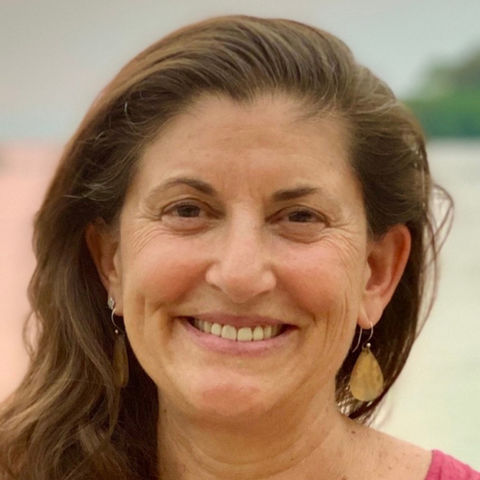
It's Judy Cohen,
And this is Wake Up Call number 305,
And I'm up in Ashland,
Oregon.
Last week,
I'd started working with a beloved text,
Which is called the Dhammapada,
Looking at the first chapter of that text,
Which is called the dichotomies,
And the name dichotomies is a reflection of the fact that basically if we point one way,
One thing happens,
And if we point another thing happens.
And certainly in a life in the law,
If we're thoughtful and intentional,
If we study and we learn and we practice well,
If we cultivate wholesome relationships and take good care of ourselves and take care of the people we love,
Then that gives us the best chance of living into a professional life that's joyful and brings wisdom and compassion into the law and into the world.
If we cut corners,
If we fail to do what's needed,
If we alienate people,
If we don't take care of ourselves,
If we don't take care of the people we love,
Then we'll create suffering for ourselves,
For others.
And this dichotomy is at the heart of mindfulness.
It's at the heart of the greatest purpose of mindfulness,
Which is,
Yes,
To calm the mind and the nervous system,
To cultivate our own wellbeing,
To wake ourselves up,
But for the purpose of bringing a little more wisdom into each moment,
A little more love into the world.
The dichotomies are a reminder that there is that possibility in each moment to wake up to what's right in front of us and to remember that our words and actions have so many consequences,
Knowable and unknowable,
And their ripple effect spread out across the oceans of our own lives and the lives of everybody we come in contact with,
Everyone they come in contact with,
All of the beings,
All of the beings on this beautiful blue planet,
Even our planet herself.
So as I mentioned last week,
We can look at this choice as illuminating the fact that in each moment we are,
As Kigaku put it,
Ultimately,
Perhaps frighteningly free to choose love and wisdom or not.
And last week was about the opening Dhammapada versus the opening Dhammapada.
And last week was about the opening Dhammapada versus,
Which talked about how suffering follows the wagon wheel,
Like the hoof of an ox,
The hoof of an ox,
Wait,
I'm sorry,
How suffering follows as the wagon wheel follows the hoof of an ox,
When we speak with a corrupted mind and how happiness follows like a never departing shadow when we speak with peaceful minds.
And another line in that sequence goes like this,
Many do not realize that we here must die for those who realize this quarrels.
And I was kind of afraid to put that line into the email today because talking about death isn't something we do very well as a society and it's been such a really long,
Sad year and a half with so many deaths from COVID and in other ways,
Of course.
But actually,
I don't see this line as being about death so much as being about life.
And let me say what I mean by that.
I remember practicing law and having a kind of a like,
Do whatever is needed sense of practice.
Like before I started studying mindfulness,
The work was interesting.
It was plentiful.
The money was good.
There wasn't a conversation that I remember about the consequences of our words or actions and to the extent that I got any training,
Which was back in the 80s when I was coming up,
Which was minimal,
Which is a whole conversation.
No one spoke about the adversary system with any acknowledgement of the harm that it caused.
And in fact,
My mentors and a lot of the lawyers I knew practiced with a kind of a wild abandon.
They really did pound the facts when they had them and pound the law when they had to and pound the table really loudly,
Like they were the warriors they imagined themselves to be when all else failed.
And the casualties from all of that fell into the whatever,
Do whatever is needed category.
They were the collateral damage nobody talked about.
You kind of kept your fingers crossed that they were the other side,
Which is of course a problematic characterization in and of itself or that they were some associate and I was that associate more than a few times.
But I mean,
I was given to understand that falling on my sword came with the territory.
And plenty of times the casualties were the staff,
Which was really cringy,
But what could you do?
And it was just the way things were and I think it's still the way things are a lot.
And of course,
We ourselves are the ultimate casualties,
The ones who do battle as much with anxiety and depression and sleeplessness and substance use and all of that as with our ostensible opponents,
Right?
And I'm not saying all of the law is practiced like this,
But so much of it is.
Even academia can be like this in my experience and defenders and prosecutors talk a lot about working in a kind of take no prisoners environment and even public interest can be like this.
Do you remember the Abraham Lincoln quote?
He said that discourage litigation,
Persuade your neighbors to compromise whenever you can.
As a peacemaker,
The lawyer has the superior opportunity of being a good human.
He said man,
I will say human.
There will still be business enough.
And I hear Lincoln talking about the moment to moment perspective and the bigger picture.
As a peacemaker,
The lawyer has the superior opportunity of being a good human.
This is Sati,
Remembering that in each moment we can do good with our knowledge,
With our wisdom,
With our good hearts.
And yet we don't have all day.
Each time we take a breath and choose which way to orient wisdom or whatever is needed,
Being a peacemaker or taking no prisoners.
What if we also remember that we here must die and that for those who realize this quarrels end?
Because when we remember that we here must die,
Viewing our lives from the widest possible vantage point,
So many of our quarrels look really different and to me even unwarranted.
And that doesn't mean don't go fight until your last breath for what you believe.
In fact,
It kind of reinforces that commitment,
But it does mean doing that with Ma Jushri's great sword of wisdom,
Cutting through delusions,
Especially the delusion that our words and our actions don't matter.
Because they do.
And since we here must die,
Don't we want every single word and everything we do to matter in a positive way?
And also our quarrels with the way things are.
When we remember how fleeting life is,
Can we drop those too?
That's the invitation.
Can we stop quarreling with the present moment?
Can we ground and relax and open,
Unclench,
Notice our choices from a wider,
Less personal perspective,
And then decide what to say or do?
Can we stop wasting time arguing with the way things are and put that energy into creating meaningful change in a world that needs our superior opportunity of being a good human?
There's a classical admonition that we should practice mindfulness as if our hair were on fire.
And what would it be like to stop quarreling with each moment?
And what would it be like to stop quarreling with each moment,
No matter how difficult?
To bring wisdom and compassion and patience and kindness to every adversarial situation,
Every situation,
Every adversarial situation,
With a commitment that our hair really is on fire and that it is really true that someday we here must die.
So let's sit and today,
Why don't we do a meditation that's called the five remembrances and that can help us to remember the frailty of human life and how much of an opportunity we have as humans to stop quarreling with the present moment and with each other and do all the good in the world that we really do want to do.
So take a comfortable posture that is also a bright,
Dignified.
Honoring yourself for taking this time,
Just a little bit of time out of your day to orient yourself in the direction of wisdom and compassion,
As Jon Kabat-Zinn says,
To tune the instrument before you go on the stage of your day.
Really honoring yourself for doing that.
And taking a few breaths,
Intentional conscious breaths,
Attending to the present moment in each breath.
And I'll offer each of the five remembrances and you can just,
If they feel resonant for you,
Just let them rumble around in your body,
Mind.
I am,
I am beautiful today.
I have as much beauty as I can possibly have right in this moment and I will not always be as beautiful as I am right now.
I am of the nature to grow old.
I am of the nature to grow old.
I am of the nature to grow old.
I have as much well-being as I possibly can right in this moment,
As much wellness.
And I am of the nature to get sick.
I'm a human being.
I am of the nature to get safe.
That's what happens.
Breathing in and breathing out,
I can feel the life coursing through my body.
I can wiggle my fingers and toes and feel aliveness and yet.
Because I'm a human being,
I'm of the nature to die.
We here must die.
I have possessions.
I have people in my life.
Whom I love,
Who are very important to me,
And yet everything I own and everyone I love is of the nature to change.
I can't hold on to anything.
I arrived in my life empty-handed.
And I leave empty-handed.
Or to paraphrase James Joyce,
We live and laugh and love and leave.
And finally,
My actions are my only belongings.
Or I am ultimately frighteningly free.
And then wiggling the fingers,
Wiggling the toes,
Taking a few conscious breaths,
Fluttering the eyes open.
Thank you everyone for being on the Wake Up Call.
It's really lovely to see you.
Have a good Thursday.
Take good care this weekend.
Have fun.
Happy Juneteenth.
Happy first official Juneteenth,
I hope,
If Biden signed the bill,
And I assume he will,
And I'll see you next Thursday.