Hey everybody,
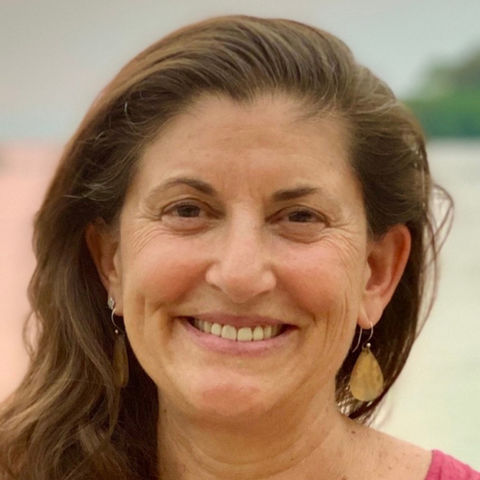
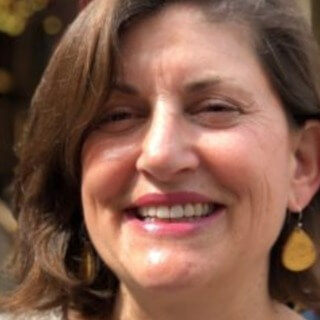
It's Judy Cohen and this is Wake Up Call 517.
And we're walking the Noble Eightfold Path together.
We've looked at wise effort and wise mindfulness and wise concentration.
And we're exploring what I like to think of as the middle part of the path,
Sila,
The ethical steps.
And we looked at wise communication,
Which is the first.
And then last time we looked at the do no harm element of wise action.
And that's just one of five elements of wise action,
Which are also the five precepts.
Do no harm,
Take nothing not freely offered,
Don't misuse sexuality,
Don't engage with substances that impair the mind,
And don't communicate unskillfully,
Which is a reprise of wise communication.
So today I thought it interesting to look at take nothing not freely offered.
And I think that another way that I like to think about this is what's enough.
So take nothing not freely offered was initially about monastics.
And at many Asian monasteries today,
Maybe also Western monasteries,
All of everything and all of the meals are freely offered by the community,
Which considers it an honor to offer that support.
Way long time ago,
I'm going to guess this is in the 70s,
Jack Kornfield,
Who practiced in Asia as a monastic,
He tells the story of returning to the US and trying to practice that same thing here wearing a saffron robe,
Going out on alms rounds for food.
And he reports that the reception wasn't great.
And maybe it's because we live in a culture in the West,
Especially in the US,
And also in the law that has the pie characterized as finite,
Looks at the world and says,
There's only so much,
So I need to get the biggest slice possible for myself,
Or there might not be enough for me and mine.
So,
You know,
I have this question in my mind of,
You know,
What if we had a different mindset?
What if we looked at the world and said,
There is enough.
So all five elements of wise action are aspirational,
Including taking nothing not freely offered or not taking anything that's not freely offered.
There's a lot of double negatives,
Either way you do it.
And I think about us,
I think especially about prosecutors,
But also defense attorneys in plea bargain situations.
And I mean,
The first thing that I wonder is,
Is liberty ever truly freely offered?
You know,
To be bartered away?
Is life?
We have the death penalty.
And I love the great Vietnamese teacher Thich Nhat Hanh's formulation of taking nothing not freely offered.
Thai teaches that this includes not stealing,
Not taking more than we need,
And preventing others from becoming enriched through the suffering of humans or other species or the earth.
And I feel like,
You know,
These are a challenge,
And especially a challenge for us in the law.
But I do hear implicit in Thai's teaching,
This view that there is enough.
But still,
How can we be passionate advocates or,
You know,
Forget about passionate,
I mean,
How can we just be plain old good lawyers and follow those three suggestions?
So mostly,
I have questions,
Which I'll pose,
I have almost no answers,
But first,
Don't steal,
Right?
That sounds so easy.
I looked up the definition in California for theft,
For stealing,
You know,
And it's taking someone's property without their permission with the intent to deprive them of it permanently.
And so,
You know,
At first blush,
It's like,
Who does that?
No one does that here.
But what happens in a mediation,
You know,
And the case won't settle?
Do we pressure our client to give up more than they freely want to give up because we know how terrible it is to go to trial,
Or because it's enough already,
It's gone on long enough,
And we just have done this enough that we know that it's not going to settle if we don't put some pressure on the situation?
Or when we're negotiating,
You know,
Do we threaten the other side with what further litigation or a higher demand if their client won't give our client what they're demanding,
You know?
And are those forms of taking someone's property without their permission?
I mean,
Maybe not,
But we may have coerced their permission.
So maybe we are taking what's not freely offered,
You know,
But what's our choice?
And then what about not taking more than we need?
You know,
I have this in my notes,
Can I see a show of hands?
I'm not really going to ask,
But,
You know,
Who has never taken more than they need?
I mean,
I'm sitting on my hands,
You know,
What American isn't or shouldn't be sitting on their hands?
Who has the privilege to,
You know,
To be hearing this and,
You know,
To have a job and a home,
You know?
I mean,
Whether it's a large popcorn instead of a small at the movies,
Or a little or a lot bigger draw when it's available at the firm,
You know,
I feel like we live and we work in the law and systems that encourage us to take not only what we need,
But as much as we can get.
You know,
I'm sure we have these rare examples of the new San Francisco mayor taking a dollar a year salary,
But he's the scion of the Levi Strauss family.
He's worth a bunch of million dollars,
A bunch of hundred million dollars,
Sorry.
So,
In my experience,
And I include myself,
Sadly,
You know,
Most of us take more than we need unless we already have more than we need.
Yeah,
Thank you,
Yandy,
Bigger is better,
Right?
Yeah.
So,
Can we shift into not taking more than we need and how would we do that?
And also,
By the way,
How much do we need,
Right?
And what will we do with the rest?
I mean,
These are the questions that come up for me.
And then the third aspiration that Thich Nhat Hanh invites is prevent others from enrichment through the suffering of humans and other species and the earth.
I mean,
That's a big one.
How do we tell our clients not to do that?
Or do we turn down clients who are enriching themselves from the suffering of others,
Suffering of the earth,
You know,
Turn down anybody in the timber industry,
Anybody who owns factories because they may be exploiting workers,
Anybody who owns garment manufactories that spew dyes into the water or works with AI since it uses so much energy and water and precious metal or in the auto industry,
You know,
And that's the tiniest possible list of who will have to turn down,
Right?
Or is it enough to advise clients with this aspiration in mind?
And if we do that and we're not explicit,
Will they notice?
Will they care?
Or will they just find another lawyer if they do,
You know?
And then also,
What about our own investments?
You know,
Are we invested all in,
You know,
Conscious companies or are we,
Or is our organization's 401k invested in companies that are enriched through the suffering of others,
The suffering of the earth?
And if so,
You know,
If any of these questions are yeses,
What do we do,
You know?
Or what about the ways we may be enriching ourselves at the suffering or to the detriment of others directly?
You know,
And we just know this.
What do we do?
And realistically,
How do we change this?
So I feel like when we turn away from Tai's three ways,
Tai,
By the way,
Is the nickname for Thich Nhat Hanh,
When we turn away from Tai's three ways of not taking what's not freely offered,
We're working with a sense of not enoughness,
You know,
A sense of there being a finite pie.
And I look at what's going on in the US and we're turning away from all three ways,
You know,
Turning away from not stealing,
Not taking more than we need,
Preventing others from enrichment because of this mindset that,
You know,
We need more.
We need more for ourselves because more will protect us.
So when I feel that way personally,
Which is more often than I wish I did,
I have this meditation that I like called Enough Meditation.
So I thought I'd share it with us.
So let's sit and I'll share that with you.
And if this was resonant,
Then that's wonderful.
And if it's not,
Then you can just sit quietly or tune out.
But I hope it is.
So first,
Just finding the body,
Paying attention to how the body is doing right in this moment,
Closing the eyes or lowering the gaze and just checking in.
And seeing if you want,
If there's any tightness in the body,
Doing a little scan and seeing where it's possible to relax a little bit more or a little bit or a little bit more.
And then just beginning a kind of internal investigation.
Where do I feel I have enough in my life?
And maybe starting with a place where many of us have enough.
Do I have enough food?
And if that's true,
That's true for you,
Then maybe just saying that to yourself,
I have enough.
Do I have enough clothes?
I'm just saying I have enough,
If that's true.
And do I have enough warmth?
If you're in the northern hemisphere or coolness,
If you're in the southern right now.
In other words,
Do I have enough energy to be comfortable right now?
And if so,
Just saying to yourself,
I have enough.
And then what about friends and family?
Some of us may not feel like we have enough.
But if we do,
Maybe we can say,
I have enough.
And if we don't,
Maybe we can hold that gently with self-compassion.
And what about wisdom?
Can we say that I have enough?
We have as much as we can possibly have in this moment.
And how about compassion and love?
Do we have enough?
Can we say to ourselves,
I have enough?
And then can we widen the aperture,
Widen the lens and ask,
Where do I feel like there is enough in the world?
Or in my community,
Is there enough food to go around?
It may not be going around.
But is there enough?
And is there something that I can do to make that a reality for more people?
Maybe I can remind myself,
There is enough.
And is there enough energy for whatever we need?
If we were more generous with one another and didn't take more than we needed,
Can we say there is enough for everyone?
And is there enough compassion?
Is there enough love to go around,
Even if we're not spreading it around?
And can we look at that and say,
Actually,
I have enough.
Actually,
There is enough.
How can we spread it around a little bit more evenly?
So I have enough.
There is enough.
And then in what ways can we say to ourselves,
I am enough?
I'm fine just as I am.
And all the striving and working so hard and doing.
Even our practice,
Can we also remember that we are enough?
And can we say that to ourselves?
I am enough.
Thanks,
Everybody.
Nice to see you all.
Good to sit with you.