The title of the talk is Light on Moksha,
Which we'll get to.
So,
And the path of knowledge,
Or the path of knowing.
So,
As I said,
Stumbling into India,
We don't know the enormity of what we're getting involved in.
Never mind India,
Any tradition of this,
As vast as this,
You know,
Subject.
The subject that we're dealing with is extremely huge.
It's the nature of the human being,
But at the same time,
It's like very simple.
It's so simple,
Because there's nothing like human being.
Is there anything else like human being?
It's like there's nothing else like ocean,
You know.
Try and find something like ocean,
Space,
Something like space.
You can't say like space is like,
You know.
We can't say human being is like a baboon,
Monkey.
We have all got all limbs and arms and things in terms of physicality,
But there is actually nothing like human being.
So,
This is the beauty of these teachings.
So,
When you start inquiring into the nature of existence,
Yeah,
Because that's all,
Our existence is obvious.
But what is existing is absolutely a mystery.
We have a truth,
You know.
And so,
We're in a tendency,
We're in a stage now where we're saying,
And I've been walking around,
You know,
Sort of going around looking at how we're,
And we've been just come back from the US and going around looking at everything out there and in Europe and wherever.
As we are at a stage of human being where we're questioning,
We're saying,
You know,
We're part of the totality,
We're part of the absolute totality,
A community of beingness,
You know.
We're part of energy,
We're part of beauty,
We're part of all these beautiful things,
Yeah.
We know that we're part of something.
And this is the beauty of what's happening in the spirituality and yoga,
Etc.
But we don't yet know what that is,
That we're part of.
So,
Saying I am part of,
You know,
Everything,
Great.
But that doesn't take rocket science,
You know,
To figure that we come from the creation,
We come from something as vast and as beautiful and as meaningful and timeless as creation.
What we don't understand is who is part of this,
You know.
Because all that we're doing is making another form of identification,
Saying I am that,
You know.
Who is that?
You know,
God,
Ishwara,
Brahman.
What is Brahman,
What is God,
What is Ishwara?
This is,
We don't know.
What is Brahman?
What is Ishwara?
We use all these names and terms and so on.
You know,
We don't even have to call it that.
Creator,
Creatrix.
What is it?
And this is where this knowledge becomes hugely profound because it's not about it.
It doesn't,
That creator,
Creation,
Creation as a whole doesn't really mind whether we acknowledge it or not.
It doesn't matter.
In fact,
It doesn't matter if creation is there or not.
We've now gone into science or NASA as they've come along and said,
Oh,
Creation,
The universe,
Or whatever it calls it,
Is ten times bigger than what we first thought.
Ten times only?
Right?
It's infinite,
You know.
Ten is nothing.
Even as much as we can see,
We haven't seen the end of it.
And it will never end.
It doesn't end.
It's endless.
Beginningless.
So this is what we start to see,
The vastness of knowledge.
Science is going into,
Trying to understand,
We're going,
As human beings,
We're going and trying to understand what we're experiencing through science.
But science doesn't even know what this body is,
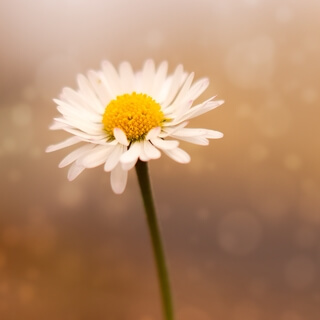
What a flower is.
You can say,
Oh,
It's made up of atoms and nuclei and all these things and all sorts of different particles and that.
What is it?
What is a flower?
Suntur,
Break it down.
And a flower is just,
When you look at the flower,
You take the flower,
And I don't have one,
But.
.
.
It's a way to have one.
Beautiful.
So like,
Take the flower,
And what is it?
I mean,
It's amazing.
We don't know what it is.
So expand that out.
Take the flower of creation.
What is it?
We have a clue.
We have a clue.
What is the flower of this,
Or this plant?
Let's look at the plant.
This flower comes out of the plant.
So what is the plant of the human being?
Yeah,
This is another plant.
Unfortunately for us,
We can walk around and check out the whole creation in this plant.
But what is it?
And never mind what is the plant.
What is existing in and as this plant?
Experiencing and seeing everything.
Does our experience,
You know,
This is a beautiful question.
Experiencing and existing in this body,
Does our experience tell us the nature of what we are experiencing?
No.
Experience is blind.
The tradition will put it a little bit more harshly.
They say experience is dumb.
But I'd like to use the word blind instead,
You know,
Just to be a little bit nicer.
So the experience itself that we are having is completely like we're blind,
Blinded by the science of the universe.
We completely hear this universal experience.
We have no idea who is experiencing this universe.
And we have no idea to compound it more what we are experiencing as creation.
And so nothing in our experience,
Nothing in what we experience.
Experience,
Creation is telling us anything about the nature of what we are experiencing.
And nothing at all.
So we can continue to go on experiencing what experience is blind.
We don't even know.
As I say,
Experiencing a flower,
We don't know what it is.
What happens when you come out of the womb and you have no idea what,
Complete blank space,
Crystal clear,
No idea what this is,
And you see this,
Or a butterfly?
Right?
What we don't get is more important than the experience is always going to be what?
The experiencer.
Because no matter what we're experiencing,
If we aren't present,
It's meaningless.
Yeah?
So the most meaningful thing here,
Right now,
Is not creation,
Not the universe,
But through you.
There's nothing more meaningful.
So,
I mean,
This is so beautiful.
But we don't know anything about the experiencer.
And this is where we are so lucky that these teachings that I'm sharing and I've been sharing for since I met my teachers,
My master in India,
Who has a PhD in English.
So,
I mean,
I just was,
I lucked out.
So I sat with him for like seven years with a bunch of other people,
Many Indians,
We went through and many foreigners there,
And we went through these teachings in English,
Referring of course to classical sastra texts continuously,
Because they are equations of one thing,
What I.
Illuminating one thing in all the texts,
In all the scriptures,
Is illuminating one thing,
I.
Self.
So these teachings that are called self-knowledge,
It's an obscure name,
It's an obscure term,
Because we all think we know ourselves.
Or we think we're going to find out for ourselves,
By ourselves,
Who we know.
But as I said already,
Experience is blind.
And how long have we been experiencing I?
How long have we been experiencing the thought of ourselves?
24-7,
365 days a year,
We experience nothing but ourself.
And yet nothing in our experience informs us or tells us what we are or who we are or what we are experiencing.
We create our own ideas of who we are.
And that's what we're busy doing with all the teachings of this yoga,
Spirituality,
Creating our own ideas of yoga.
Our own ideas,
Become a brand.
Yeah?
Yoga brand,
So we can put yoga,
The word on anything,
And it becomes yoga,
But we actually don't know anything about what yoga is.
And what yoga is,
It's all about moksha,
Freedom,
Liberation,
Nothing else.
Nothing else.
Spirituality,
Meditation,
All these practices are there to liberate,
Free us from what?
Ignorance.
Because the mind is beautifully doing its job.
The mind is the most beautiful instrument,
This body is the most beautiful instrument we have.
And because our experience is blind,
And that's how it's meant to be,
We're not supposed to come into this creation knowing everything,
Otherwise it wouldn't work.
Right?
So the process is one of learning,
Assimilation.
Not in terms of this I that we create,
Because that doesn't qualify anything and doesn't qualify.
Creating,
Assimilating,
And qualifying everything is self-consciousness,
Is the qualifier.
Because this I and all our minds and all our ideas and all our thoughts and all our everything,
All our identification,
Have been in the presence of something.
So before I can create an idea of myself,
Already I am present.
Already this I is present.
And not only is this I present,
Already it is nothing but the completeness,
It is nothing but the absolute completeness itself,
There is nothing incomplete.
So we have an idea that we are frantically trying to complete of ourselves in the presence of completeness.
And then.
.
.
It's like a cosmic joke where searching for form is informal.
Absolutely,
We're going crazy.
That's the nature of it,
That's the game.
It is a joke.
When you get the joke,
What happens?
You can't stop laughing.
It just doesn't stop.
And then you see how seriously we all take ourselves,
And that's even more of a joke.
The person taking themselves is not a joke.
The fact that we can't see,
Once you see,
It's endless laughter.
Because,
And that's why you think the Swamis are called Ananda.
Yes,
Swami,
Sarva and Ananda.
Because Ananda is bliss,
The knowledge gives knowledge of absolute bliss.
Because ultimately,
When you understand the nature,
When we get to understand the nature of this existence,
We realize it is nothing but bliss.
There's nothing else.
It's like an ocean of bliss.
It's an ocean of happiness.
And this is why these teachings are incredibly crucial.
Especially,
When I say these teachings,
I'm talking about self-knowledge.
I'm not talking about how much practice is in you have to do.
Because in reality,
How many practices do you have to do to be yourself?
Zero.
Being self,
Being self is effortless.
Right now,
Is it taking any effort to be here?
Nobody's effort to get here.
Absolutely,
But whose effort was it?
Was it your effort or body's effort coming?
Well,
My husband was sitting after my kids,
You know.
Yeah,
Yeah,
Yeah,
Yeah,
Yeah,
Okay.
But you effortlessly doing it,
Will you contribute also the effort to it?
It's a lot of negotiation.
That's the view.
Well,
I've got news for you.
It doesn't take any negotiation to be free.
You don't have to negotiate anything.
The only thing you have to do,
Actually,
As a yogi,
If you think of yogis,
What is a yogi?
Yogi is a person who comes in born,
If you're born into this question,
You've really been yogi before,
You know some things going on,
Right?
To get born in here and come out the other side without getting caught up.
That's the trick.
Isn't that what's going to happen?
We don't have a choice,
We're not getting out of this online.
No,
No,
Getting out without getting caught up in it.
Right.
Yeah,
Right.
Well,
You're constantly negotiating,
Negotiating,
Negotiating.
Okay.
So,
I'm going to ask you a question.
What is the most important thing you can do to get out of this?
Yeah,
Right.
Well,
You're constantly negotiating,
Negotiating,
Negotiating.
Because ultimately,
Once you understand the nature of existence,
As beyond everything that's happening here,
Because this is just an appearance,
Right?
Then death becomes a joke,
Not only does the,
You know,
Not only do you see this whole existence,
Death obviously becomes the biggest joke,
You know.
That you think,
Oh,
I'm finished,
I'm ending,
I'm over,
I'm over,
Where did you begin to be over?
Look,
We're going,
We're going to go deep into this.
So,
It's the deepest understanding you can have.
There's nothing deeper than understanding yourself.
So,
These practices that we're doing,
And that have come into vogue,
You know,
Being done by everybody,
It doesn't matter what the practices are.
You can put your body into a pretzel,
Brilliant.
You know,
Brilliant.
If you can,
If your practice is dancing around and hugging and loving,
You know,
Brilliant.
Why not?
All the practices are doing with it,
It's riding a horse,
Surfing a wave,
Right?
Doing a meditation practice,
All the practices are doing is reminding you of your true nature.
That's all.
So,
How long can you stay there?
Until the next thing comes,
You know.
So,
Dancing,
Standing,
Looking at a beautiful sunset,
Looking at the sunrise,
The whole creation,
Never mind what you're doing,
The whole creation is there,
Is here to remind us of who is existing.
That's what its job is.
Flower,
Oh my God,
Look at the flower,
What happens Jerry?
Can you,
When you look at a beautiful object like a flower or,
Do you have to be anybody?
So,
What happens in that moment?
All sense of ourselves as individuals suspended.
Yeah,
Split second.
So,
In that moment we are experiencing absolute moksha,
Freedom,
Liberation.
We don't know it though,
Because we don't know what moksha is,
We don't know what freedom is.
We attribute our freedom,
We attribute our moksha to an object,
To an experience,
Dancing,
Watching sunset,
Surfing,
Doing a practice,
Meditation too becomes another practice.
Meditation really is not a practice.
You are the meditation.
There is no other meditation.
Once you totally understand the nature of self atmam,
This is what we are talking about,
Once you understand this I as the meditation itself,
Then everything is just absolutely happy.
Absolute moksha,
Absolute freedom,
Constant,
It's permanent.
It doesn't come in little split second blip.
Oh,
I'm feeling peaceful,
You know,
Oh I feel so blissful.
No,
Your nature is bliss,
Why have a little blip?
It doesn't make sense.
This is what I've been,
This is,
As I say,
I went to India,
Going there,
Meeting my teachers,
Doing all this,
Looking yogified,
Junkied out on yoga,
Looking for the truth,
Looking for the truth,
And they kept telling me,
There is nothing but the truth.
You can't see it,
That's all.
We can't see it because we,
Tunnel vision,
Thinking only one thing,
I,
Individual.
Yeah,
This is what we're doing,
And this is what we're doing in our spiritual lives as well,
Tunnel,
I.
I am spiritual,
I am meditating,
I mean,
So when you're sitting down for a practice,
You're sitting meditating,
Next thing comes along,
Who comes along,
What's the first thing that comes along in meditation?
I am feeling peaceful.
Not knowing who is this I that is feeling peaceful,
Not knowing that this I,
Feeling peaceful,
Is like in reality is the peace itself.
So it's constant,
To see what's happening,
It's constant need of identification.
Why?
Because of I,
Not knowing myself,
Not knowing myself.
Because we're the teachings of self-knowledge coming,
And resolve this I for the human being.
Throughout history,
The question is,
We're not the first people to ask who am I,
Or who is this I?
Throughout history,
Person getting into conflict,
Getting into,
And anytime,
When are you going to question?
When are you having a good time?
No.
When everything is like a party and you're great,
And no,
You're never going to question.
Only when you get into a crisis,
Then you think,
Wow,
Okay,
And the crisis,
You know,
It has to be like,
All the time we're getting into minute crisis,
Micro crisis here and there,
And there's only one thing that's getting in a crisis,
I.
Have you thought about it?
There's nothing else getting in crisis in this whole creation,
This whole universe.
Only thing getting in creation is human being,
In crisis is human being.
I.
And the only thing in human being is I.
So now,
By resolving the problem of this I,
Can there be any more problems?
And so what you look at is the I comes from where?
Where does this I,
Dear I,
Come from?
It comes from creation.
And where does it go back to?
Once you can no longer identify with this body existence,
Body system,
The I has to also disappear,
No?
Because it can't hang on anymore.
Once the body ends,
The I has to end as well,
Because there's nothing more to tie itself to.
But behind that identification is always the pattama consciousness keeps on going.
And this is the,
This is the teaching that Arjuna shared,
I mean Krishna shared with Arjuna in the Bhagavad Gita.
Arjuna gets in his fat crisis where he's inheriting his kingdom and all who want to kill him and murder him for his kingdom,
And he sees all his relations and teachers and everybody there in the army ready to take his kingdom from him.
And he says to Krishna,
His best friend,
He says to Krishna,
My God,
He says,
Look,
I don't want to fight these people,
You know.
He takes Krishna and he goes into the middle of the battle,
He says to Krishna,
Please,
Let's take this chariot into the middle of the two armies and see what's going on here.
And he goes and he has this huge meltdown in the middle of this gigantic battle that's about to take place.
And there Krishna gives him what?
Self-knowledge.
He tells him,
What are you doing?
You've survived all of this already.
He tells him,
Here's the teaching.
But see how all the,
In the crisis,
The thing about the Gita is so beautiful because in crisis all these role models are there.
What happens to all of us in crisis?
All our role models are there.
All our teachers,
You know,
And now to survive you've got to kill all the teachers.
And then you kill the Buddha coming all around,
You know.
And then Krishna says,
No,
No,
No,
No,
I don't want to do that.
If I do that I'm going to go down in history and be known as someone who didn't stand up and he says,
No,
No,
If I go down in history,
If I do that I'm going to go down in history as someone who destroyed all family values and all righteousness and dharma and everything.
And Krishna looks at him and says,
Hey,
If you don't fight this war you'll go down in history as a wuss.
You'd better get up and fight it.
So he gives the teaching of self-knowledge.
Your tears are for those beyond tears.
Why are you crying?
What is this?
For that which cannot die,
Why are you worrying?
The person who knows the truth knows that the human being can never die.
It just goes from one way to another.
We're like wearing old clothes,
Putting on a new dress.
So he gives that teaching to him.
He says,
What is this?
You don't know that already?
What is it?
This is the truth.
Then what happens,
Arjuna says,
Oh,
Genghis says,
Oh,
But I don't really,
I don't know.
He has a little bit of doubt,
You know.
Krishna tells him,
Okay,
Try,
If you can't stomach this understanding,
Try karma yoga,
Try Samkhya,
Bhakti,
You know,
Try the different types of yogas,
Raja yoga,
And then to help you understand the truth.
So the yoga has always been not the means of knowledge.
The yoga has always been a way of reminding you,
You know,
Whether it's bhakti,
Going into the temple,
Being reminded of your true breath,
Your nature,
Or doing a meditation practice.
So now the time comes now to know the true nature of who we are as human beings,
Which has always been presented by this teaching called Atma Gyanam.
Para Vidya,
We call it whatever,
Sri Vidya.
Vidya means knowledge,
Yeah.
Para Vidya means the supreme knowledge,
The knowledge of what is the supreme knowledge for the human being.
Knowing themselves,
There's nothing better than knowing the knower,
Because then knowing the knower,
Everything is resolved.
Because in,
Through all of us,
There's only one person questioning.
So resolving the question of the questioner is the nature of this knowledge.
And it's a teaching.
It's a methodology that takes the I step by step,
And it's been going on for thousands and thousands of years.
It's not some psychiatrist,
Some coyote or something like that.
This fixes you up finished.
It's not like messing around.
This is ruthless knowledge.
When I say ruthless,
It's ruthless in its completeness.
It's not messing about.
The whole Sanskrit language is based around this knowledge.
The Vedas,
The Upanishads,
All are based around the knowledge of self,
Atma,
Nothing else.
The Vedas in the tradition,
If you look at the Vedas,
The Vedas are said to be the oldest texts of mankind,
The oldest books.
Part of the Vedas thought to be,
We say thought to be,
Because they're being nice,
Thought to be older than the Vedas are the Upanishads.
The Upanishads obviously are older than the Vedas because they deal with self,
Which is timeless.
And so in history,
Historically,
If you wanted to know the nature of your questioning this I,
Questioning yourself,
Going to the Vedas because they are relative systems,
The Vedas are a relative system of knowledge that deals with everything relative in the world.
How to placate the devotees and devotees and do ritual worship and fire and so on and honor the gods so that why to get good harvests,
To get offspring,
To have someone to help you harvest the land you need,
You know,
Offspring and all that,
Good harvests and so on.
So the Vedas were dealing with all the relative world in the same way as science today deals with that relative world.
So the Vedas in the past deal with that relative world.
So as a body of relative knowledge,
The Vedas can't help you when you want to know yourself.
Neither can science.
Because science,
Physics,
Chemistry,
Etc.
,
Etc.
,
Mathematics,
They're all dealing with the world relative to ourselves.
Relative knowledge cannot help you when it comes to the non-relative self.
So in the past,
Always people had to go to the Upanishads because the Upanishads are a non-relative system of knowledge.
And I've always answered the question of this I,
The human being.
And part of that is a methodology that is used to answer this question.
Questioning the I,
What happens?
All that we've taken to be ourselves gets challenged.
Right?
Because the teacher comes in and negates all of that.
Because look what's happening to us.
We have no option than coming into the creation,
We get born in creation,
And the body we know nothing about.
The first thing that happens is the body gets named by our parents.
And then what happens?
We take the name to be the truth of who we are.
Did the body have a name before it got named?
No.
Does the flower actually have a name?
No.
We name everything.
And then what happens?
We take the name to be the truth.
Naming a flower,
A wave in the ocean,
Naming everything.
We take the names to be the truth.
And firstly,
Starting with ourselves,
We take the name to be the truth of who we are.
But a name is something that we have.
It cannot be the truth of who we are.
So the teacher comes in and starts questioning,
Throwing,
You know,
The alternative,
Which doesn't look very nice when you start questioning yourself.
So as I said,
The only time we question is in crisis.
And traditionally in India,
How's this?
If you've been to India and you've experienced the whole thing in India,
You know the Ganga is the most holy river in India.
It comes down from the high Himalayas,
Coming down into the plains of India,
And at some certain point it turns,
This huge massive body of water turns,
As if trying to go back to the source.
And that's where the holiest cities are.
Varanasi,
Allahabad,
Vishkesh,
All the holy cities of India are built on that point where the river turns as if trying to go back.
Do you know why?
Because that symbolises the point in every human being's life where you are in crisis and you question yourself and the origins of your existence.
That is the holiest point in every human being's life.
And when you get to that stage of crisis and so on,
Then the teachings have to be there.
And this has been going on for thousands and thousands and thousands of years.
So these teachings,
Self-knowledge,
Atma Gyanam,
Atma Vidya,
Para Vidya,
Dhamma Vidya,
Sree Vidya,
Answers the question of the questioner through a specific methodology.
So like I said,
You look at,
The teacher comes in and says,
Okay,
Can you be this?
So when someone asks you,
Who are you?
And you say,
I am John.
How is it possible?
If you understand the truth,
You understand the person who is telling stories.
Then you say,
Can you be a name?
I am a PhD,
Really.
Who is qualifying you?
The PhD is qualifying you or are you qualifying the PhD?
Think.
Without PhD,
What are you?
Without name,
What are you?
You see?
So this is the teaching of going back,
Back,
Back,
Back into saying,
Who are you without anything?
Because with or without you exist,
Man.
What is the nature of existence?
And don't think this doesn't answer.
This answers it 100 million percent,
Boom,
Because there can only be one answer.
And then the tendency,
The thing of the job of the teacher is to prepare our minds,
Because the only place this knowledge takes place is in our minds.
And the only time we can assimilate this knowledge is if our minds have been prepared to accept the truth.
It takes a particular type of intellect and wit to be able to accept the truth.
And this preparation is called mummukshatva,
Preparation for mummuksha,
Preparation for mummuksha,
Preparation adhikari,
It's called adhikari,
Preparing the mind of the student.
Already the student is ready because they're in a crisis,
Already questioning,
Already wanting some answers,
So the person is ready.
So see,
Then the teacher's job is to prepare them,
To help them come to the understanding of themselves,
Not to put them in another orbit around what is mummuksha,
Because the only place mummuksha resides and the only place mummuksha exists is in the human being.
It doesn't exist anywhere else.
The nature of existence is mummuksha,
Liberation.
So the person coming in the crisis or not in the crisis,
If they're questioning,
There must have been some form of crisis at some point.
So questioning the teacher's job has always been to say,
Don't worry,
It's all very simple.
You already are the truth.
This is why it's called upanirshatva.
Upa,
Sitting near to shat,
The truth,
Already is the truth.
The person questioning.
Beautiful.
So traditionally these teachings would always take place underneath people,
Banyanji.
We did one text where they talk about the drum of truth being beaten through the village.
As they go through the villages,
They're beating the drum of Vedanta,
Beating the drum of truth,
Going through the village.
For those who are interested and ready here,
They go to outside the village and they go sit under the tree,
Under the banyan,
Pipa tree,
And there the teacher starts to talk and the student,
Interested in the knowledge,
Sitting near the knowledge,
Recognizes and resonates with the truth of themselves being spoken about by the teacher.
And so only the teacher prepares the person for their mokshatva,
Liberation.
The teacher,
Of course,
Knowing the truth of themselves already,
Having learned it from where?
From the teacher.
Nowhere else.
You can't get non-relative knowledge from a relative book or a relative system.
It doesn't work.
No matter how long we sit reading and studying and doing all these things,
You never understand.
Because what happens?
Would you make practices like kundalini tantra?
Yeah,
Yeah.
Is that still relative knowledge?
I mean,
It's all based on.
.
.
It's all relative to us,
No matter how much practice we're doing.
So it's relative to us.
What it's doing,
What the practice.
.
.
Because I'm almost.
.
.
I mean,
I'm going to eat still.
I haven't stopped.
So relative practice,
Yoga,
Exercise,
Is just purely for the body.
Yeah?
Consciousness is unaffected.
But I mean,
Asana is to deliver the form.
Already the formless is there before you do the asanas.
That's the question,
Why do we do anything?
Because having lost ourselves in identification,
Lost ourselves in all these things,
The teaching comes in in all sorts of ways to help us to rescue us from our obscure notions.
Yeah,
I mean,
Why are those obscure notions going to be more intense?
I mean,
We're very sick.
Yes,
Yeah.
The identification process.
Sick body.
Sick body.
Consciousness is never sick.
Atman is never sick.
Only body gets sick.
Yeah?
Body has the disease.
You don't.
Depression.
Depression,
Yeah.
Depression comes from.
.
.
Depression comes from the I,
Individual,
Not knowing an outcome.
It can be an outcome relative to itself.
It can be the outcome of itself.
The longer this doubt continues,
The longer there is doubt,
The more depressed we get.
Yeah?
Because it's only this I and the ego doing its job of trying to resolve this crisis for us,
Going between yes,
No,
Yes,
No,
Yes,
No.
The longer this yes,
No,
Yes,
No,
Yes,
No goes on,
Then you get depression and stuff like that.
So what happens with the practices,
To go back to.
.
.
Because that's a beautiful question.
Thank you for bringing us back to yoga.
But the practices,
What they're doing is dealing purely with the body,
Purely relative to Atman,
I.
Okay?
This whole thing that you need to understand is we're coming from the absolute subtlety of consciousness,
Already we are conscious.
Having lost ourselves in the gross physical matter,
World,
Etc.
,
Etc.
,
Yoga is the process of bringing us back to what?
The subtlest.
All right?
The subtlest is always there,
Always present.
I'm always present.
But having lost myself in all these identifications,
Now the process is bringing this I back from its identification in the world.
So yoga,
Any type of yoga practice,
Abhyasa,
Or yoga abhyasa,
Let's just call it all yoga,
Is the same thing.
But abhyasa,
The different types of practices of yoga,
Are there to bring us back step by step.
Having married ourselves to the world and being seduced by the world,
Totally engulfed in the world and embracing the world,
The yoga is the divorce.
I see this process also of spiritual expansion,
A sense of limitation,
A strong identification.
So we see in meditation angels may come to us.
Beautiful,
May I?
The angels,
That's so beautiful.
See how it works.
Limited to identification,
No angels.
They're there,
They're hanging around,
Everything's hanging around.
Consciousness,
You are there,
Atmai is there,
Everything's here.
But we're locked off in an idea of ourselves.
Nowadays what idea are we locked off in?
Cell phone.
Social media,
Blah blah blah.
It's so much beautiful to bother,
I'm going to use it now.
So just hang with us.
Locked off in our identification,
Not seeing anything else,
Yoga breathes us from that identification.
Then what happens?
To extend this Kundalini thing,
Hitting the jackpot,
You know what I mean?
Then you get all the snakes or whatever you get.
All the cherries come.
Yeah,
Boom,
Away.
Cosmic orgasm.
A cosmic orgasm,
Beautiful.
The major,
Major orgasm of all.
Let's put you in the picture.
The major,
Major orgasm of all has already happened when you were born.
From then on,
It's downhill now.
So we get it stuck into ourself,
We get stuck in all this identification.
And then what happens?
Crisis comes,
Oof,
Hey,
I better wake up.
Vishnu,
He's got this three,
Four things.
First of all,
He blows the quan,
Wake up,
Be careful.
And then you wake up and you come right again and you go back to sleep in identification.
Then there's the next one,
The mace,
Big crisis.
You wake up again,
Oof,
Wow,
What happened?
Wake up,
Wake up,
Okay,
I'm awake,
I'm awake.
And then the next thing goes back,
Boom,
Back to sleep.
The next one is good,
He's got three.
The next one is chakra.
Cut life,
Finish,
Try again.
So this is what's going on.
But what happens is we're lost in identification.
Please see this.
What happens in identification?
All our energy goes inside our identification.
Everything we've got gets put into identity.
Then what gets chakra first when you get that crisis?
Your energy.
You panic,
Everything goes crazy.
But then slowly,
Oh,
I start meditating between yoga and doing all the practicing,
Breathing,
Pushing,
Pumping,
Squeezing,
Milking the body.
And then slowly,
It's like,
Ah,
I'm feeling good,
I'm feeling good.
You know what's happening?
All that's happening is you're breaking a lot of those identifications and all your energy is suddenly available to you again.
So you suddenly,
There's no such thing as kunalini.
What kunalini,
If you have to analyze,
Is knowledge.
The ability to identify comes through this serpent,
This habit of identification,
Identifying all my energy.
There's a beautiful story where the sisya is told to go around the palace.
Go around,
Like symbolize it,
Like going around this creation,
Going around your life.
Go around the palace,
Like I said,
Come into life and come out the other side,
Yogi.
So the sisya is told to go around the palace and light all the lamps of the whole palace without spilling one drop of oil.
So he goes.
And what happens when you spill a drop of oil?
You're identified.
Shakti.
Because all this is consciousness identifying.
So it's all consciousness and shakti.
Shakti is consciousness frozen in form,
Like ice block.
Water is consciousness,
You know,
Symbol,
And then frozen in form,
Frozen in identification,
Frozen in this body identification.
Suddenly he's got to free that up and goes back to it.
Mouse,
No identification,
Water,
Divorce,
Which we mentioned earlier.
Back to what?
Consciousness,
Atma,
Self,
Shiva.
The difference between.
You can name it,
Anything you want.
It's all one and same.
There's no differentiation.
It appears different.
So this is where you come into the teachings.
It all appears to be separate.
It's all an appearance.
To confuse this I,
To confuse the individual,
In believing in themselves,
Into believing so the divine is the only one getting lost here.
There's nothing else getting lost in the creation,
Except the creator himself,
Herself,
Whatever,
One accord.
So getting lost,
We start doing these practices.
Just to give you a little story.
The other day we were up the road.
We arrive in this place.
We arrive in this place called Burley Heads.
We've never been there.
And someone's gracious and given us a place to stay in this apartment.
How does that sound?
Just to explain a little bit how lost we can get.
We were getting back,
Before we talked about yoga and all the practice theory,
We were talking about getting lost in the name that we're given.
Not only to think about it,
Where does it start?
And we're given the name,
Right?
Surname,
Along with the surname comes all the software,
Like religion and everything comes.
I mean if I'm born in Christian country,
Christian name,
Christian origin,
Christian software.
If I'm born in a Muslim country,
Muslim name,
Muslim software.
If I'm born in Hindu,
Indian country,
Ram,
Indian name comes,
And Indian software.
So what we do is we take the software to be who we are.
And we're going to get,
Later on,
We get to a beautiful idea about these cell phones that we're using today.
But going back to a little story,
So we take the,
Just think about it.
Using that software,
Using the name that we've been given and all the software,
You can change the software.
Change it from Christian,
Now I'm a Buddhist.
Okay,
Cool.
Still Buddhist software.
Yeah?
Now I'm a yogi,
Spiritual,
Pure person,
Spiritucuted.
Still software.
Do you know what I mean?
So it doesn't matter if you change the software.
It's understanding who the software belongs to,
Who's using the software.
Has it got you?
I?
Yeah?
Consciousness?
So going back to the little story,
Just to complete that thought,
The software that we've given is what we use to gauge our whole existence.
Right?
Now imagine if you're driving in your car and the gauges that you're watching are all wrong.
You put it on your right indicator,
Actually it's going left,
But you don't know.
Well your petrol gauge is showing full up and it's running on empty.
You know,
Like those old cars in India,
They're ambassadors.
One minute it's full,
Then it's empty.
What?
Yeah?
So imagine if our gauges that we've been given aren't correct and this is how we're gauging the world.
So what's important is not the gauge,
But who is seeing through those gauges.
Because the gauges are irrelevant,
They can be right or wrong.
I just want to get to this next to me.
So just see how we use,
We've got short time,
We've got hardly any time to get into this,
But we use all our upbringing,
Conditioning,
Patterning,
Let's call it.
I don't like the word conditioning because it means that,
You know,
Self is conditioned,
Which is impossible.
You can never condition yourself.
Only we take our conditioning,
Our patterning to be who we are,
We take it seriously.
And of course we have to,
Because otherwise how are you going to survive?
It's not about discounting and getting rid of the conditioning and the patterning and everything,
It's about understanding who it belongs to.
Then you can use any patterning you want,
Who cares?
Three,
Moksha,
This is moksha,
Not giving up that thing and sort of renouncing my patterning now and taking new patterning.
It doesn't work.
It's about understanding who the patterning belongs to.
So to give you this little story,
We go to Burleigh Head,
Up the coast here,
It's about an hour away,
Beautiful.
And someone who is very gracious has given us an apartment.
We get to the estate agent,
The property agent's place,
To get the keys for the apartment.
And we wait there,
We get the keys,
And then we go into the apartment building.
But first of all the keys they've given us couldn't open the gate.
So we get into the garage,
The bus,
They help us get in the gate,
We go into the building,
And they're the wrong keys.
So we go,
Ah,
Okay,
We go back to the agent,
And then they give us some other keys.
They say,
No,
No,
Those keys are for the other apartment,
That's not you,
We're in the wrong apartment building.
Ah,
Okay,
So we go,
And they tell us where the right apartment building is,
And we go into the right apartment building,
And the keys work,
Right?
And we get in the apartment.
And looking around,
I said to Rachel,
This doesn't seem like the right apartment,
I don't know why,
It just seems wrong.
It doesn't look like the one in the photos.
The one in the photos,
It looks very different,
This one is not the right one.
So we find out the agent,
We find out the owner of the place,
And they say,
No,
You're in the wrong apartment.
Amazing.
So then we go back to the home,
The property people,
They give us other keys,
And they say,
Ah,
Sorry,
We put you in the wrong apartment.
So then we go to the other apartment,
Which we were in the first place,
And it was the right apartment,
The wrong keys.
Okay?
So then we go,
We can get in the lift now,
Because it's got like that thing you push,
And it's a lift,
And everything,
Boom,
And we're getting up on it,
Ah,
Thank God,
Okay,
Fine.
Think about it.
I said to Rachel,
Imagine if we'd been in that other apartment,
And we thought it was the right apartment.
And we stayed there for like two weeks.
We wouldn't have done the difference.
You know what I mean?
We wouldn't have done the difference.
Meanwhile,
When we were here,
It was like on the ocean,
And beautiful views,
The other one was like in the back somewhere,
Looking into the garden,
And all this kind of stuff.
It really was a horrible thing.
Anyway,
Please,
Just using this example,
Imagine going back to taking the information to be the truth,
Right?
Man,
We took that apartment to be the truth.
So coming into our lives,
Living our lives,
Being given what we've told is the truth,
Right?
And you live your whole life like that.
Yeah.
So this is the thing.
So getting out,
I'm not talking about,
Just think about it.
When the person gets into crisis,
Having grown up wherever,
In whatever culture,
Whatever they've grown up in,
The ultimate thing is going to be eventually that because there is no such thing as individuality,
The ultimate thing is going to be the individual getting in crisis.
No matter where we grow up,
No matter what we do,
Taking all our relative information to be the truth of who we are,
We're going to,
Without doubt,
End up in crisis.
And this is why we go through crisis after crisis after crisis after crisis in our lives.
We non-stop crisis.
Because we keep trying to resolve ourselves,
Yeah?
So now,
Think,
When the person gets into crisis and then goes to try and seek the understanding of the truth of who they are,
And they're given another bit of information,
Yeah?
This is who you are,
Quickly,
You know,
Do these practices,
Do all these things and do that and that's it.
If it's not the real apartment,
And you're in the wrong apartment building,
Are you ever going to find the real place?
You see what I'm saying?
We can be put on the wrong issue.
At that point in crisis,
We can get put on the wrong thing,
Go in the wrong direction,
Time traveling on the wrong path.
Hmm?
We can be put down on what I might teach you to say,
You've always been put on another orbit.
Obiting one thing,
What I.
That's all.
When you talk about philosophy,
Well,
Philosophers,
What are they?
People that still haven't figured it out.
They're still philosophizing.
Yeah?
All about one thing,
What?
I.
Nothing else.
So just going in an orbit,
Constantly around this I.
What is this?
It's time to stop that and resolve this I now,
And understand who is this I seeing and experiencing in and through everything.
The seer of time.
Wow,
Get the concept,
Get that concept.
How big is time,
How old is time,
How many ideas and concepts have come in the presence of time?
How many thoughts,
Theories,
Practices,
Forms,
Universes,
Whatever,
Have come and gone in the presence of time,
Space?
Yeah.
So what is more important,
Time,
Space,
Creation,
Or the one experiencing?
There's nothing more important.
So get to know this I.
And the only,
It sounds crazy,
The teachings are called abadita,
Anadigata,
Knowledge that is not available from another source.
Abadita,
Anadigata,
Knowledge which is never subject to cancellation.
Why never subject to cancellation?
Because it is the truth.
The truth,
This is now the next big stumbling block.
When you're looking for the truth,
Okay,
Who is looking and what is being looked for,
Can they be different?
No.
So truth is already existing.
Like if I'm looking for the apartment in 30 days,
Was the apartment there all the time or not?
The apartment was already there?
The truth was already existing?
All of us,
Like idiots,
Didn't know what it was,
You know what I mean?
We were running around from one apartment to the next,
Grabbing keys,
Trying to find those,
Trying to find that,
Right?
On the phone,
Doesn't seem right,
No,
No,
No,
No,
No.
The apartment was sitting there innocently happy.
Think about it.
Take it one step further,
The incompleteness that one feels in that kind of situation is already there.
The incompleteness that one feels in this situation of living is already here.
The completeness is already existing as you.
We just don't know that.
So we keep attributing our completeness to everything.
Finding the apartment,
Finding the truth.
Already we are the completeness,
Already we are the truth.
Where do we experience completeness,
Moksha,
Liberation,
Freedom every single day?
To be able to look for it,
We need to have experiences in a way?
How do I know what your completeness looks like or moksha looks like if I haven't experienced it?
And why would we even look for it?
What are we all looking for?
We're looking for happiness,
Which if you equate it is like completeness.
We're looking for completeness,
Happiness.
We're looking for moksha,
Freedom,
Liberation.
How do we know what it looks like to be able to recognize it when we see it?
We've already seen it,
We've already experienced it every single moment in deep sleep.
Do you know that?
In deep sleep we are all absolutely happy,
Everybody,
Even Donald Trump.
Absolutely content,
Absolutely peaceful,
Absolutely free every night in deep sleep.
Depending on how long that deep sleep goes on,
We are all the absolute freedom,
The absolute peace,
The absolute joy,
The anandam,
The bliss itself.
You know what?
We just don't know it.
It's a state of blankness.
It's pure ignorance.
We are absolutely ignorant in deep sleep.
Then what happens?
So in deep sleep,
Absolute moksha,
Absolute freedom.
The whole world,
The whole creation goes back to its source in deep sleep.
Nothing else is there.
Then what happens?
Waking up in the morning,
Who wakes up?
Individuality,
I.
And then we spend the whole day trying to placate this I,
Trying to placate this idea that we have of ourselves,
Trying to complete it,
Which it never can get complete.
Because the idea of completeness comes from where?
Who's creating the I-idea?
Who's choosing the idea of completeness?
You.
So already you are the decider,
You are the chooser of your own completeness.
Already,
All of you.
You attribute your completeness to this,
This,
This,
This,
This,
This.
So who's choosing the completeness?
Who's responsible for their own completeness?
We all are.
But we keep seeing our completeness in everything else,
Not realizing without you,
Qualifying that idea of completeness,
There is nothing.
So you need to,
Just to break it down,
You need to get to know the true nature of the one whose ideas,
All these ideas belong to,
And no practice,
No matter how long you hold your breath,
No matter how long that breath may extend into you,
It doesn't matter,
Because no practice is needed to show you where the apartment is.
You can sit there repeating the number of the apartment the whole day.
Yeah,
It won't do anything.
Knowledge creates the solution.
Knowledge is the solution.
There's no other solution.
I could have sat there and double-o just meditating for hours on the part of the apartment.
Right?
It makes no difference how your body is or anything.
If the truth is already existing,
The only thing that's standing in the way is ignorance.
That's all.
You can pray to Ganesh as well.
There's a room of obstacles.
But if the apartment is right next to you,
What's Ganesh going to do?
So getting to Ganesh,
This is the symbol of Ganesha.
Please see,
He's got a huge stomach,
Ganesha,
Right?
And he's got an elephant head.
Symbolizing,
Please see,
The whole thing is about symbolism.
Symbolizing what?
Knowledge,
Huge memory.
Elephants have vast memory.
They remember everything.
And he's got this incredible intellect.
He wrote the Mahabharata.
So he's got this amazing intellect,
Amazing knowledge.
And that's what you need to be able to stomach what?
The stomach is huge.
Why?
Because he has to stomach the whole universe.
Our ignorance is how big the size of the universe is.
Right?
So what do we have to swallow?
You have to have a big enough stomach to stomach the whole thing.
And then what happens when you are able to stomach the whole thing?
It gets rid of all the obstacles.
Because the only obstacle is our ignorance of ourselves and the universe.
So where must I look in the stars?
Or does the creation give me the ability to know myself and my existence?
Of course I just look at myself.
The solution is already here.
But we don't want that.
We want to dance around and follow somebody.
We want someone else to be the solution.
We never wanted ourselves to be the solution.
But the solution has always been ourselves.
It's never been anywhere else.
And this is where this knowledge comes in.
Now to solve the problem for us,
Because this problem is getting big now.
We're getting carried away.
We've got atomic bombs that are going to fly out any second.
We've got all this kind of stuff going on.
Solve the problem with the individual and the whole thing goes away.
Then once the world knows itself,
In other words,
Every human being understands their true nature,
There can be nothing but total compassion,
Total empathy with everything in the world.
When you're happy,
What do you want?
You want to share that with everybody.
You can't stop sharing,
Hey man,
Have you drunk this mango?
You can't believe it.
Wow.
You want to share.
You have total compassion.
When you're happy,
Do you have a problem with anything,
Anybody?
Nothing.
Everything,
Nothing is a problem.
When you understand yourself as the happiness itself,
What problem are you going to have?
Where?
Is creation,
Can you look outside in the world and see,
Is creation having a problem with the rain today?
Not only we coming around and walking around having a problem,
It's always this I that's the problem.
There's no other problems.
So what happens to us in all these practices of meditation,
Yoga,
I mean I'm not saying that,
Anything wrong,
Because we do it all the time.
All that's happening is the I that is getting totally suspended in deep sleep is getting suspended in the practices as well.
But the moment we wake up from deep sleep or we get off the mat,
What happens,
Everything starts backing up on me,
Backing up on me again,
Right?
All my emotions,
All my opinions,
All my everything,
Come on,
We've all been through it.
We know.
So the solution is not in the practices.
The solution lies in knowing who is sitting on the mat,
Who is doing those practices.
And this only comes through these teachings,
Which is a methodology.
We're going on for thousands of years.
This is why Shankar says,
Please don't read any books.
Because they only confuse you.
Confusing the I that's already confused.
Just come sit down with the teacher in the house and finish.
Get the truth.
The problem that we find,
And I mean I'm not suddenly going out there and thinking,
Oh I know the truth,
Blah,
Blah,
Blah,
Like this.
I didn't even want to know about this sitting and teaching.
My teacher said to me when I went back one year,
He said to me,
What type of fire do you need under your arse to get you to start teaching?
And I ignored him.
I said,
Underserved,
Come on.
I said,
You guys have been doing this for thousands of years.
I'm just coming,
I'm a new kid,
I'm not doing this.
You crazy?
And the next year I went back again.
He said the same thing,
Come on.
I took him to South Africa and he was giving a class.
He says,
Stop the classes,
You teach.
I mean I've been pushed into doing this.
Who knows why.
So I just share and I've been sharing ever since.
And it's the most wonderful thing.
Once you understand the profoundness of these teachings,
You can't help but share everything with everybody.
And the sadness is to see,
Once you've gone through this understanding,
Is that this has been there all the time.
So going back to the very beginning of the class,
These teachings called Satma Gyanam,
Self-knowledge,
Through being translated very recently in the terms of India into English,
Have suddenly been rescued from obscurity,
Let's say,
Of language.
Because to understand Sanskrit,
I said right at the beginning of the class,
Today,
Even today,
You cannot get taught self-knowledge.
Even as an Indian,
Unless you know Sanskrit,
Unless you know Sanskrit,
And if you're married,
You can't,
As a man,
Get taught.
If you're divorced,
You can't get taught.
And if you're a woman,
You can't get taught.
So this modern liberation movement in India,
Which included mighty Chinese teachers,
I said nonsense.
They translated this into English.
And this is why you've got this person sitting here teaching,
And this is what we do now.
We just teach these teachings because they are so profound,
So ancient,
And so true to the human beings' quest.
Throughout the ages,
These teachings break through the barrier of time,
Answering all the questions for each generation.
Because the only question being asked is,
Who am I?
Who is.
.
.
Even who am I is too personal.
Who is this I asking all the questions and referring to all types of things,
You know?
And what we do is we go and try and seek the answers in all sorts of things.
We try and seek the answers in books and reading things on the Internet,
Da-da-da-da.
It's never going to show us anything because the person questioning is the subject.
Yeah?
And looking at a relative source of information,
The subject itself in its art,
What it doesn't want to see.
Yeah?
We clear out what we don't want to hear.
We just go,
No,
I'm not interested in that.
So we're never scared to see it.
Yeah?
And constantly going through crisis after crisis after crisis.
So that the teaching comes in and says,
Look,
You know what?
Doing all the practice is beautiful.
We're all interested in this knowledge.
Let's get to the bottom of it.
And so you go through a classical text,
Atma Shatakam,
Is a classical text written by Shankara about.
.
.
It's not written about.
It's actually the I itself,
Atma,
Giving the teaching.
Atma Shatakam,
It's the most beautiful text you can imagine.
Atma Shatakam,
It's the most beautiful text you can imagine.
Shatakam,
Shatakam,
Shatakam,
Shatakam,
Shatakam,
Shatakam.
So that Atma,
Manobudya Ahankar,
Mano,
Budya Ahankar.
Mano is the Man,
Budya,
Intellect,
Ahankar,
The I maker,
The ego.
I am.
None of these I am.
This teaching,
This is self-teaching.
I teach.
I am none of these.
Manobudya Ahankar,
Atchitaani,
Thoughts,
I am none.
None of these am I.
Nacchasrotrajive,
Nacchagranane,
Not the sense organs,
Not the organs of action.
Naccha vyomabhumi,
Natejo nalayam,
Not the vyomabhumi,
Not the land of energy and pranams and all these things.
I am not.
Chidaranandarupa,
Shivonam,
Shivonam,
Chidaranandarupa,
Pure auspiciousness I am.
Shivonam,
Shivonam,
Shivonam,
Shivonam.
So you are running this again.
Okay,
So that just went up.
Shiva is booming.
This is a brief question.
I like your analogy of Ganesha and knowledge,
Stomaching or understanding,
All creation.
In my understanding of my process as embracing more of a Zen Tantra,
Less willpower,
Less control,
Less.
.
.
I mean you are saying process of liberation takes place through knowledge,
Expansive knowledge,
But can't there also be a deeper identification with knowledge?
Can we take more ignorance?
And also with expanded states,
You know,
Ayahuasca,
You know,
Shifting from this perspective to this perspective.
But if the eye is too.
.
.
The eye just becomes this much bigger.
So that is exactly what you have mentioned now is the danger that Shankara talks about as well.
I have been reading a book,
Sophisticated this eye and knowledge.
The more sophisticated this eye gets,
The more it doesn't want to hear.
Yeah?
The more we intellectualize this whole experience that we are having,
The more we don't want to listen to anybody.
So what you have got is in India,
Not only,
You know,
In our little sphere of like activities,
You have got pundits with huge reams of scripture,
Not understanding the nature of the scripture.
Right?
It is like they are enjoying.
.
.
They are carrying this weight like the donkey,
They call it,
You know,
The donkey carrying the weight of the sandalwood on his back,
Not knowing where the smell is coming from.
And not enjoying the sweet fragrance of the smell.
The donkey is just carrying it all,
You know,
So we go around carrying all our experiences,
Carrying on to our knowledge,
Whatever it is,
You know what I mean?
And carrying it,
Carrying it,
Carrying it,
Never knowing that the scent is already with ourselves.
Because the high in anything is the way.
Can it be anybody but you?
Without you there is no high.
So the high in anything,
Drug,
Anything,
Anything,
Tantra,
Anything,
The highest form of knowledge is tantra.
People don't understand it.
You know why?
Because tantra gets rid of all the ritual,
I mean,
Knowledge,
Gets rid of all need of all ritual.
The ritual is ongoing.
The creation is the ritual of Shiva.
Yeah?
There is no more ritual needed other than knowledge and that's no ritual.
So like coming to an understanding of oneself as the consciousness itself.
Isn't that experiential or not intellectual?
Yes,
It is experiential because we experience it consciously non-stop.
No,
I think if you want to call it Shiva,
You want to call it consciousness,
Awareness,
We experience it non-stop 24,
7,
365.
We just don't recognize it.
Okay?
So it's already going.
So the knowledge takes care of the ignorance because to be conscious now,
To see the flower,
Do you need to do anything?
No.
It's effortless,
Right?
To be conscious is effortless.
Where?
So where is the effort coming in?
Trying to be the consciousness itself?
Trying to be the awareness?
People are talking a lot today about being the presence now,
You know,
Being present now.
How can I even think of being present if I'm not already here?
Okay?
I'm getting it.
Already present,
Already the truth,
Already it's all obvious.
It's like already,
So truth,
Truth is that which is never subject to cancellation upon verification.
That's why it says,
Anadigata,
Never subject to cancellation.
This knowledge is never subject to cancellation because the truth is that which is never subject to cancellation.
Once verified as the truth,
It remains truth all the time.
So whether it's people arguing about whether the world was flat or round a few years ago,
You know,
Maybe there's still a belief that some people are getting those flat,
You know,
The truth came when we saw it and we said,
Ah,
It's round.
Then Kourambas sailed around and went and someone,
While everybody was busy arguing,
Someone sailed around and proved,
No,
No,
No,
It's round.
So that on verification was proved to be truth.
Okay?
Same with the apartment in Burley Heads,
You know.
Once proved,
Never subject to cancellation.
There was always the truth,
We just didn't know it was the truth.
Same with ourselves.
Always the truth,
We just don't know it.
The teachings are here to reveal them.
That's what the yoga is all about because you are nothing but the yoga itself,
The oneness itself,
The truth itself,
Self,
Achma itself.
There's nothing else.
But now to run around saying I'm the yoga,
I'm achma,
I'm the truth,
We don't even know what truth is.
And that's going back to the very beginning of the class.
We don't know what truth is.
We don't know what achma is.
We don't know what I is.
We don't know anything.
So we've been busy pouring all our identity into a cell phone.
I'm going to use that example quickly.
And then what happens?
Have you seen someone who in the cell phone gets missing?
They become professional acrobatics,
Contortionists looking for the cell phone.
Now think about yourself when your eye that you pour all your identity into goes missing.
This is the type of crisis you experience there.
This is,
You know,
That's the crisis we're talking about.
And to resolve that crisis you need knowledge and you don't want some kind of maybe or could be.
You know,
This is where the knowledge comes in and answers it completely.
Self-knowledge answers the question completely.
Let's close our eyes.
And if you're interested in anything we do,
We all have a place.
Let's all chant along three times.
We'll just inhale.
Om Thank you so much.