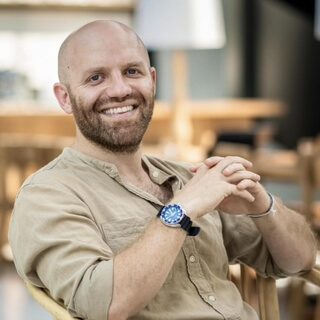
This episode of the podcast is a fun grab bag one.
We have Tim Jack on asking me a bunch of questions.
And actually I thought a bunch of these questions,
A few of these questions could have been their own entire podcast stream,
But I let Tim be the topics master for this episode.
So we jump around from question to question,
We cover some stuff around self-esteem,
Around spirituality,
The human's hero's journey,
Security in relationships of course.
I think we even reference attachment theory.
This is like five episodes in a row that we've referenced attachment theory,
But it was very fun.
I remember laughing a lot.
So hope you enjoy.
This is a question and answer episode,
Episode is 031 featuring Tim Jack.
You're listening to the Ruwando podcast,
Perpetual Orgasm Infinite Play.
Please subscribe on iTunes and enjoy the show.
The second podcast.
Is it only second?
Are we next thing to the last one?
Is this the second?
This is our second podcast centric talk.
Okay,
Fine.
Yeah,
Yeah,
We've talked in other capacities,
But this is our second podcast.
This is the first time that I have no idea what we're talking about.
So,
In your hands.
That's right.
You're the topic master.
So we have a,
Yeah,
I'm the topic master.
So we have a buffet of questions for you to feast upon today.
Awesome.
So we're just gonna kinda go through them.
I have some points of view that I'll be chirping in on.
But these are some questions that have come from,
I guess you could say crowd sourced concerns that people have around relationships,
Around just like life problems,
Choices,
Things like that.
Okay,
Cool.
I'm not trying to look at myself.
I'm really tempted to just look at my own square,
But I'm not gonna do that.
I hate it when I look at myself on a podcast.
All right,
So this is something that I've actually been thinking about a bit lately.
I've been thinking about how many people are sharing now and how much information we have,
Like what an abundance of information we have.
And it gets to a point where you start to think,
What is the point of sharing?
Like,
Why would somebody want to share their story?
Now,
I have a point of view of why it's important,
But I also feel like with so much sharing happening,
That it's easy to get discouraged and be like,
Well,
What the hell is the point of my story?
What the hell is the point of me just sharing another thing that someone's shared a million times?
You mean if you don't get likes?
So what do you think about that?
Why should people share?
You mean if you don't,
You mean if you're counting likes on social media,
That kind of thing?
Well,
It's almost like,
So you and I have talked about me wanting to start like a few different channels and,
You know,
It's not necessarily around likes.
It's more like what makes me feel that I have something unique to contribute or say with so many voices out there?
Yeah,
You might not.
You might not.
So why would somebody want to risk that failure?
Okay,
So I think there's different stages because if you feel this burning in your soul to share,
That's like a real genuine important thing to listen to.
And I think a lot of people who live really mediocre lives do so because they just didn't listen to that.
That being said,
You're right.
Like 98% of what's on social media is absolute garbage.
Not even social media,
Like all media.
Like it's just nonsense.
And I do feel like there's stages.
So like there's a point where I'm just,
Let's say with writing,
That's just the thing I'm most familiar with.
Like your early writing always sucks.
It just always sucks.
But I've talked about this before,
But like your level of your standard for quality,
It needs to be really low.
So you give yourself an opportunity to write and eventually get better.
To grow into it.
Yeah,
So yeah,
I mean,
I don't know if we've spoken about that,
But I do think it's important to not- No,
You mentioned it in passing with you.
Okay.
But at a certain point,
Like I wouldn't just blurt out things right now.
At this point,
I feel like I'm a decent writer.
It would be really bad of me.
A waste of my time,
A waste of my audience's time.
Kind of bad for my self-esteem or like my groundedness to just like blurt nonsense without editing it.
Or like to not have a high standard.
So I do think there's stages,
Because I see a lot of coaches do this.
And I see a lot of coaches recommend this to their clients where they do like this 30 days of vulnerability challenge,
Where they say,
They just speak into the camera on a Facebook live every day.
And in the beginning,
If you have an edge,
That's great.
I mean,
It is.
I mean,
It's great to push yourself and expose yourself.
But when I see people who don't have that edge is doing it,
You're wasting all of our time and you should stop.
That's how I feel about it.
That's interesting.
That's interesting.
What I would add onto that,
Because I've thought about this a lot,
And that is an interesting thing.
And I feel like what you're talking about kind of gets into intrinsic and extrinsic motivation.
Like,
Why are you doing it?
Are you doing it because,
There's some kind of like neurotic need to share and be paid attention to,
Or else your life has no value or meaning.
Yeah,
That's not a really good motivation.
But if it's an intrinsic thing and you feel genuinely called to it for some ineffable reason,
Then sure.
It could be both.
It could be both.
It absolutely and probably most likely is both.
You can't really escape,
But there's one that's like heavier than the other one.
And,
But one of the things that I've been thinking about is when you think about like the life that you're living,
And you think about how meaningless it is gonna be when you die and how meaningless it really is now,
Because there's not really an objective thing that you can put on it,
Right?
So,
But you do have meaning.
What?
No,
No.
Wait,
Is this your perspective?
This is a little bit of my perspective on the value of sharing.
So the way that I've come to it is I have this story and I'm living this imperfect life and I'm saying a lot of dumb shit along the way,
But occasionally I'm saying good shit too.
And if you think about all of human history,
All we have been is getting slightly less dumb and wrong,
But we're still pretty wrong most of the time about most things.
Like we blood-letted people's heads 100 years ago,
But now we take aspirin and 100 years from now,
They'll be like,
Those motherfuckers took aspirin.
That was so dumb.
Why were they destroying the liver?
Or whatever,
Right?
So on a microscopic level,
It's like,
Well,
You have the story and you're going through these things and your story is bigger than you are because people are going to view your story and it's gonna have impacts and there's never gonna be a one symmetrical impact that it has,
But nonetheless,
It's going to have value in the larger node that you're in.
As a node in a network,
Your story is going to proliferate in whatever way it does.
It's a good story.
It might.
If your story sucks,
You're not,
No.
But even shitty stories,
Even shitty stories,
We learn not to do that story.
Yeah,
Kind of.
I mean,
It's your earlier part of your question about like why share something that's already been shared?
If it's already been shared,
You shouldn't share it.
Unless you're really just trying to push through an edge of like learning to be seen,
I think.
Because then you're not really being an artist,
Just kind of like being like,
Hey,
Look at me.
I hear you,
I hear you.
And I feel like a way to sum it up too would be intention,
Right?
Like what is the intention behind what you're sharing?
Because you just had a really interesting podcast that I enjoyed watching about attachment styles with that dude.
Yeah.
That was super fun to watch,
But it's like we've been mulching over attachment styles for a long time now,
But there's still something to be gained from mulching over it over and over and over again,
Right?
And having new little sparks of insight come out of it and it coming at different moments when some people might interact,
Like me,
Like I interacted with your podcast now.
If you would have just said,
At least said it all and I have nothing interesting to add to avoidant,
You know what I mean?
Like,
What could I do?
What do I possibly have to share?
Then,
You know,
You don't go anywhere that way.
It doesn't,
It's like.
But if I felt like we talked about the same things over and over again,
I wouldn't have let it be posted.
And actually I feel funny about putting things on my,
This is maybe a little off topic,
But I feel funny about putting things on my page,
My Facebook wall now,
Because there's a point in my life where I was just pushing the edge to share things.
And it wasn't like I was getting,
I was just doing it for the purpose of sharing just because I wanted to express myself,
Whether it was a podcast.
I remember,
I've seen those,
Yeah.
Yeah,
And sometimes that's just what I'm doing.
I'm just like expressing myself.
But sometimes that's also tied to my business and I don't want to do promotey things on my personal page because it feels funny,
Even though almost all of my clients are Facebook friends.
Like it's all mixed up for me,
But like I feel funny about putting things where,
Like I just decided my Instagram is not for,
It's not a friend thing anymore.
I just,
I'm trying to like create the separation or like when I have a thing on dating,
I don't post it on my main wall.
I post it in my men's group.
It's just like,
It's like just a place where I know they want to listen to it.
So I think that is the next thing for me personally,
Where I'm,
When I do share,
I'm trying to share it just with the people who actually give a shit and not trying to show everybody,
Hey,
Look at me and all the things that I do with my time.
Yeah,
Yeah,
Yeah.
That makes sense.
And there's an intention behind that too.
And I will say that it's,
You can kind of tell when you're ingesting content that is like candy for your spirit.
You know what I mean?
Or where the person is like,
Yeah,
This is a tight,
This is a really catchy title.
And I'm just gonna say a bunch of dumb shit that everybody has said.
Like go on LinkedIn wall for like 10 minutes and that's all you'll see is just the same dumb shit recycled over and over again.
It's yeah.
I think one of the worst things when you feel pressure to make content,
I try to not,
I don't stick to any schedule now.
Like I don't want to feel that.
Which is actually why these conversations are fun.
Cause I know we're gonna have a good time talking about something fun.
It doesn't feel like pressure to keep up with the podcast schedule.
Yeah,
For sure.
Cool.
So,
All right,
Next question.
I feel like we explored that a little bit,
But there's a lot of questions.
So I wanna get to them.
Okay,
Cool.
We can always come back.
I like when there's a call back.
We can.
Yeah,
Yeah,
We can definitely call back.
It's gonna happen.
Let's not talk about it though.
Let's just let it happen.
Averageness.
All right,
So we're all average in some way,
Right?
Right?
Like you're sitting there and you're of average height and I'm of average attractiveness and someone else is of average whatever.
Most people,
Because of the definition of average are going to be average.
Yet we live in this culture that inundates us with the idea that you need to live an above average life.
It's almost like average is the new you're fucking this thing up.
You know what I mean?
So how can people think more healthily about their averageness?
How can they relate to it in a way that isn't so denigrating to just like,
You know,
The type of person that maybe either A,
Doesn't have the courage to,
Or the means or whatever to pursue their life because of different things that have happened.
And you know,
Like,
But how do people cope with the parts of themselves that the majority of their life that isn't going to be special?
I don't like that.
I know that's worded wrong for you.
No,
I know,
I know.
But you know what I'm saying.
So a lot of my friends who I catch up with periodically will say stuff to me like,
Oh yeah,
You took the gamble and it's like paid off or something like that.
And I sometimes,
I really hate the idea that people don't have the courage to do something they really want.
However,
Yeah,
I mean,
Some people don't really want anything more than average.
Well,
Let's take courage out and say opportunity.
Okay.
So say you're somebody,
You have four kids.
Your real question is how can I accept the things I don't like about my life?
Yeah,
Yeah,
How can I cope with the fact that I am less than I should be in most aspects that are out of my control?
Well,
Who says should?
Like what's the should?
Well,
The culture,
Like if you're a hot girl,
You get 100 likes.
If you're not a hot girl,
You get two likes.
Like that's out of your control,
But that's what's going to happen.
So there's dogs barking.
And maybe that affects your business.
Yeah,
Well,
I would hope that if someone has like a calling or a,
Hold on.
Okay,
German Shepherd.
They're actually grayhounds and they're like really tiny.
Oh.
Yeah.
I have no idea what dogs bark sound like.
So let's just take a look at it.
Just give them a minute.
It would be amazing if I did though.
Oh,
That's a German Shepherd dog.
Who are you as old?
Female.
What was I saying?
What were we talking about?
We're talking about average-ness.
Oh,
Average-ness.
Oh,
Okay.
Well,
I would hope if someone has a calling or something,
They wouldn't,
I mean,
They wouldn't have her calling in something that they're not,
They're not,
They don't have upward mobility in.
I would,
That would be terrible if your business is,
I don't know,
Writing related and you're very average at writing.
That's really too bad.
But,
Or something.
So can I throw something in there?
Mm-hmm.
That your goal is to become a professional basketball player and you feel really called to do that,
But only the top 1% of 99% ever become a professional basketball player.
And you are horribly depressed that you'll never achieve your dream because literally you just are too,
There's too many,
Too many blessings that you didn't get naturally in life to give you that opportunity.
How does a person deal with that and taking that on a normal level of just like,
I approached this woman and she was way out of my league and maybe I could do a lot of work on myself and fix that eventually,
But for the most part,
I'm always gonna have to go uphill a little bit.
Yeah,
Well,
I still don't like the idea of it,
But I mean,
So there's always things that are out of your control,
But there's always something that's within your control.
Like we're talking like on the dating side,
Like especially for men,
Like there's always something well within your control that you can improve.
And yeah,
There's limitations.
Like some people,
Some women are like really tall guys and some business opportunities require,
Maybe you need to be six foot plus to play in an NBA,
But if you have this basketball dream,
For instance,
There's something,
There's some opportunity,
Right?
You have to be realistic,
Right?
If you didn't,
If you're five foot six,
You're probably not gonna play in the NBA unless you have ridiculous,
Ridiculous ups,
But there's something you can do in basketball.
I mean- Lexi Boggs.
Yeah,
Yeah.
Yeah,
It's all,
I mean,
I don't like accepting the idea that you kind of just have to settle for,
You might not get exactly what you're shooting for,
But you know,
It's the whole shoot for the moon type of thing.
Like there's gotta be something,
If you dedicate yourself to a craft,
It's impossible that there's not something there that's fulfilling.
Yeah,
I mean,
It sounds like what you're saying too,
Is that you have to make it subjective in a certain degree.
Like your metric needs to be something that you're choosing and that you're making your own.
Like if somebody says like,
You can't get here and that's what you're operating on,
And if you're operating on other people's metrics or whatever,
Then you're often,
Like there's nothing you can do about that.
You've lost all sense of power or control over it.
But if you're saying,
Well,
You know,
Maybe my metric as being a basketball star doesn't have to be just this star.
Maybe success is like a different,
You know what I'm saying?
Maybe it's something that I can choose more.
You choose your own parameters for winning.
So I think,
You know,
Just make the parameters smaller.
Like if you know you have a handicap.
Yeah,
Cause the whole idea of should,
Like there is,
Like should is completely subjective all the time.
There's nothing you should do.
If life is meaningless,
Who cares?
Sure.
It's interesting,
Man.
That's a whole nother conversation.
I want to keep going in so many different threads.
But,
Um.
We can hit all the threads.
But,
Um,
Well,
I mean the whole meaningless thing,
It's like something that I've been experimenting with is,
Not experimenting with,
But finding a lot of value in,
Is the idea that,
Sure,
Life is meaningless to,
Insofar as we can't ascertain its objective meaning.
And because our lives are seen through our own kind of subjective lenses,
That is,
Like,
There's nothing we can all agree upon.
You know,
And whenever we try that,
We end up like killing each other.
So,
So it's,
It's,
But the subjective aspect of it,
Or at least the scientific literature basically supports that as you develop meaning in your life,
Kind of like you say,
As you kind of choose the movie that you want to write and start participating in it,
Like that,
There's so many psychological benefits that happen from saying,
Well,
This is where I'd like,
This is what I'd like my life to look like.
This would,
This would be worth,
Like,
The suffering to get there.
This would be worth whatever challenge I'd have,
And it's meaningful enough to me intrinsically to get there.
So it's meaningless,
But at the same token,
It's the very meaning of life that we create that kind of takes us to the end successfully and helps us avoid the medial group.
I would even challenge this idea,
The idea of like the end successfully,
Like even that is successfully for what?
Because if you really like,
If you really go Taoist,
You are just being,
You're drinking your wine,
You're talking to me,
And that is life.
But that's maybe not entertaining enough for you,
Or maybe that just doesn't jive with you.
You want to accomplish more,
So fine,
You accomplished more,
But it's still up to you,
Right?
Successfully what,
I mean?
Sure.
But yeah,
I mean,
I do like the movie thing,
Because if life is meaningless,
Just pick a meeting,
Pick a game you can win and that would challenge you,
And then go play.
Yeah,
Totally.
And,
But I do think that there's like specific things about the game that need to be in place.
Like there are some,
There are some games that are more worthwhile playing than other games.
Like there are some types of like,
Like the game of eating Cheetos and watching Netflix all day,
Is not a great game to play.
Like you can play that game,
But you're gonna get.
Super boring episode.
Yeah,
It's a boring game,
Right?
Movie,
Yeah.
That's right.
But the game of like a triathlon,
Or the game of doing something positive for your community,
Like there's all these,
There's all these things that,
If you just take away all of the morality behind them,
And just kind of like get behind,
And just look at them like almost like data,
It's almost like programs.
Like I feel like there's programs in the simulation of life or whatever,
That are good programs and that will reward you,
And that will add to the whole functioning of the entire system.
And then there's other programs that make everything buggy,
Like our freaking zoom info thing.
Like,
Like that,
Like love and generosity and openness and creativity.
These things seem to make the whole system better because when you do it and participate in the system,
It makes everything run smoother,
And it makes you run smoother.
And then there's other things where it's like,
If you're,
You know,
Insecurity,
Or what was the thing that you talk about?
What was it?
Apathy,
The levels of emotions and the qualities of them.
So,
Sorry,
That's kind of a heady metaphor,
But it does seem like there's certain programs that are better,
That make the,
What?
Make the movie a better movie for you.
For you,
But again,
It's for you,
Right?
So like,
So I was bringing up my friends who live very like vanilla lives.
That's exactly what,
That's exactly the movie they wanted.
And like good for them,
Right?
They wouldn't want the,
You know,
Their level of risk aversion is very high.
So they're living the right movie.
Like I could,
I could put my programs.
I think so,
I could input my programs into their head and they could live a more high risk life that would be more exciting,
But I don't think that would be better for them.
Unless they took all my programs and they became me,
In which case they're not them.
So.
So you think that some people are,
The vanilla life for some people is actually the most fundamentally entertaining thing that they are,
What?
I guess like,
Like,
Predisposed to enjoying.
That's kind of a complicated way of saying it.
Yeah,
I don't know.
I mean,
I just know.
Sorry.
Airplane mode,
Baby.
My bad.
Yeah.
Yeah,
You know,
Actually,
I mean,
There was a point in my life where I really had a high level of disdain for anyone who took like a safe route,
Partly because I was afraid of like,
I was giving up the safe option.
But nowadays I'm realizing like,
Especially after having a few rough years as an entrepreneur and going off on my own and like,
I do appreciate the path that other people have taken,
Which is low risk.
And even though it sounds terrible to be in an office 50 hours a week,
I can't even imagine it right now.
I'm so glad I bet on my pony.
I know,
Right?
I did it,
I did it for the longest time too.
And I'm out of it a little bit and it's like,
Fuck.
Yeah,
It's hard to go back,
Like prison.
Yeah,
So you're not doing that?
You're not working in an office?
Well,
I mean,
I'm a lucky guy right now.
I get to work from home like anytime I want.
I go into the office whenever I wanna go into the office.
Cool.
I don't know why I'm so lucky for this year.
I'm just having a year of luck in terms of my career.
Like I don't have to do a lot.
Don't post this anywhere near my LinkedIn profile,
But I haven't been real busy with work and they've still been paying me well.
And like today I just made YouTube videos like all day.
Cool,
Yeah.
Anyways.
Not quite vanilla.
No,
But what you just said,
Like,
God dude.
I forgot who the psychologist was,
But he talks about the four stages of life,
Right?
And the first stage is mimicry.
So we're all mimicking each other because we're trying to figure out like what behaviors,
Like how to exist with everyone.
And then we go into adolescence and exploration.
So we're like trying LSD and then we're also trying to be a cheerleader and we're also trying to be a goth or whatever,
Right?
We explore,
We explore,
We explore.
Is that your high school career?
And then,
What?
Was that what your high school?
No,
I didn't actually.
No,
No,
I was a emo kid all the way.
Didn't really change much honestly,
But there's this funny quote.
Everyone is either trying to prove or disprove they were in high school,
Who they were in high school.
Interesting.
Yeah.
Anyways,
So there's the exploration phase and then there's,
After the exploration phase,
There's the commitment phase.
And that's where you explore,
You explore,
You explore,
But hopefully you do something that can give you enough meaning or enough skill where you're adding value to others and that can sustain you,
Right?
And then you commit to that thing and then the final leg of life is legacy,
Where it's like,
I look back on my life and was it worth,
Do I feel like I did it okay?
Am I satisfied with how I lived?
So I feel like what you're talking about is people that almost prematurely jump into commitment without risking,
Without really seeing through the exploratory phase of their life.
Maybe,
Yeah.
You know what I was thinking about?
I've been thinking about this the last couple of days because I'm thinking about having kids and then visiting my friends with kids and things like that.
I was thinking about how more in every generation stays a kid longer,
Right?
Like our grandparents' generation were adults at 18.
Like they were actually adults at 18.
Whether they went to college or not,
They were grownups,
They acted like grownups,
They had grown up babies.
But nowadays it's not uncommon to see a 28 year old who still is a kid depending on their parents,
Mentally,
Financially,
Whatever.
And I was thinking before,
There was a point in human history when once you hit puberty,
You were actually an adult because you could have a family,
You're also expected to work.
And I was thinking about how,
I was bringing this up because I was thinking about how for women it's very challenging because a lot of women establish their career,
Then wanna have kids and they're physically,
It's just challenges,
35 plus.
And I was like,
That's really messed up that society is built that way.
Or that these are the norms for women,
But also for people.
Like what if you started your career at 12,
You had your kids at 20 and everyone was happy?
Couldn't we restructure society with technology now?
And I was thinking,
And this is way off topic,
But like that's kind of- No,
I'm enjoying it.
That's how,
I mean,
I'm thinking,
I keep thinking I don't wanna put my kids into conventional school.
And I thought it was a ridiculous thought a year ago,
But now I'm like really into it.
Like I'm gonna figure out how to set up their lives so they actually feel like adults at 12 and they can live their lives and go to college if they want.
But,
And I think that is the future because it's not really hard.
Because like,
How many YouTube celebrities are only 14 years old and they're making a shit ton of money?
I guess not hard,
Right?
If someone's creative,
Especially nowadays,
They can- Yeah,
But how much is that contextual too?
I mean,
The YouTube celebrities that are like 14,
They're in a specific moment.
It's like being a blogger 10 years ago.
Right,
But there's something.
When it just came out- There's things.
And like there's things,
Whereas like in the 1800s,
I don't think there's any way for a 12 year old to make money.
Where you sell papers,
Like,
So I think- I mean,
I would,
Yeah,
Yeah,
Definitely.
I mean,
I would say yes and no about the really far back because I'm pretty sure that like every old movie I've seen was like some 12 year old like shoveling coal into like something with his dad trying to help the family not starve.
Yeah,
And I think that sucked for them.
But I mean,
You know,
Going back to our,
Cause like the whole,
It really started when I was thinking about women and like how it really stinks.
I mean,
This is like,
I'm reading a lot of feminism books now and how it like,
It really just messed up that society has women and even a feminist society has women go against their own bodies.
And they have to fight from puberty until menopause,
They have to battle unless they're dependent on some guy.
Airplane mode.
No,
It's not an airplane mode,
But I can't put my computer on airplane mode or we're gonna lose it.
Okay,
Anyway,
It's fine.
Sorry.
That's cool.
Sorry,
Ruan.
I'm a little crabby,
I think I'm just tired.
I think I went off the plane and got the plane today.
Anyway,
Yeah,
Yeah,
So I was thinking about that and like how,
Yeah,
I think all the norms are messed up.
It was going back to the whole thing with people committing too soon.
Maybe they didn't commit too soon,
But they didn't actually have an adventure phase because their schooling has them trained to be automatons and they never really got to live and then they're gonna hopefully squeeze in some life when they retire and that blows.
That was the part of the four hour work week that really made me be like,
I'm never getting a job.
Yeah,
Gosh,
Man.
Oh God,
I wish we had like four hours to talk because I have these other questions I wanna get to.
We could save them for next time.
I just wanna keep drilling into this.
Yeah,
Save it for next time.
No,
I really wanna ask these questions.
I was super excited.
I'll tell you what,
I'll tell you what.
The next podcast we do will be specifically about responsibility and meaning and specifically about the implications of like,
Almost exactly what you're talking about right now.
Because essentially it sounds like what you're saying is like,
I wanna raise my kids to be able to be autonomous thinkers and be autonomous of their own,
What I guess you could say,
Not life trajectory,
But just autonomous of their own individuality as young as possible.
I would say life trajectory though.
I would say life trajectory for the most part.
Because another thing with education,
It's like the only things kids really need to learn is reading,
Writing,
Arithmetic,
Right?
That's what everyone needs to get along in society.
That's it.
Everything else is just to culture yourself and like hopefully support whatever calling you have in life like science is awesome,
But most of us don't need to learn science.
They just,
They spray us all with science or chemistry classes for the 0.
2% that become chemists.
I mean,
They spray all of us with history and like I've learned so much more history as an adult just cause I love military history and there's a ton of great YouTube channels and I've absorbed like so much more history than I learned in school in the last like two years.
Cause I just love it.
I'm like,
That's the way you're supposed to learn.
That's why we're supposed to,
I mean,
No one's telling,
There's no homework.
I'm just learning it cause I love learning about history and I didn't love it in school.
So it just seems so ridiculous to force somebody to learn something they might want to learn on their own or they might not need because everyone learns what they need as they do their job.
Yeah,
Totally.
I can totally resonate with that too.
I wish I could do fifth through eighth grade over again,
Like my way instead of the way that it was like,
You know.
Tell everyone to fuck off.
Yeah,
Crash Course,
Man.
Crash Course is a great YouTube channel.
I've been learning a lot.
Like I love their animated history.
Oh,
That's,
I've actually,
I haven't watched any of that.
I thought you were just saying the word Crash Course.
No,
No,
It's an actual YouTube channel that I'll be sending to you shortly after this podcast.
Kings and Generals and a bunch of other ones.
I've,
Yeah,
Ancient Battles are my shit.
Nice.
Yeah,
Dude,
Let's send each other's stuff to watch since,
You know,
There's not enough content to watch these days.
Right.
Okay,
A couple more.
How are we,
Let me check in with you,
Ruan.
How you doing,
Man?
I'm doing fine.
Are you,
You doing all right?
I know that you're feeling a bit crabby and I'm not sure how long we've been talking,
But anytime you're ready to stop,
Obviously I know that you'll say something,
So.
Oh yeah,
Totally.
I'm just gonna keep blazing through.
That worked well,
She's done.
Yeah,
So let's hit all the questions.
Okay,
Cool.
Okay,
All right,
Cool.
So this one's about relationships and the question is,
Should you choose a partner based on logic and reason?
I think I know what you're gonna say here,
But I wanna hear it.
I was first gonna say like should,
Like what's the should,
Right?
You know,
It's completely,
Is it beneficial?
Is it the best strategy to choose a partner based on logic and reason?
So I'll say from personal experience,
I've gotten a lot out of throwing logic to the wind and I've had a lot of great experiences.
None of them have been sustainable and yeah,
Because my brain would have been like,
Whoa buddy,
If I actually listened to it.
And even my last relationship where I was,
Is the first time in my life I was,
I think I told you this already,
I was fighting against my avoidant tendencies.
I really wanted to commit and I just went with the first person who I felt feelings for and logically,
I just was,
It was like,
When I,
Afterwards I'm like still,
I mean,
Six,
Almost a year later,
I'm like,
What was I thinking?
Like that was,
If I applied any logic to that,
That would have,
I would have left in a day.
But so I think both is important,
Depends what you want.
Actually,
My friend Dan Doty who runs Everyman,
Everyman.
Co is his website,
He's got a great post on picking the right life partner and he has this analogy,
Like picking a pair of boots and it's like,
It depends on what you wanna do with the boots.
Are you gonna go hiking?
Do you need it for the long haul?
Are you trying to move really fast?
I mean,
He goes into a poetic thing about that,
But it's like,
What do you really care about?
And for me,
Now that I'm more interested in like partnership,
Of course I need to use more logic.
That said,
Having a checklist,
I don't think is useful because I've also been finding that every time I meet a woman,
I'm like checking all the attributes and like,
Yep,
No,
Okay.
And I don't think that's a good way to relate to people because I've been kind of people collecting,
If you will.
Although the Machiavellian side of it is.
It's really in your head too,
Isn't it?
Yeah,
The Machiavellian side of it,
Which I do think people pick up on it and then they try to fit into your list.
No one wants to be discounted,
Right?
That's just another thing I noticed.
Which is also not a good thing.
I could totally see you bringing that out on people too.
Making people anxious.
I bet you attract a lot of anxious women who are just like,
I want to please you,
Ruan.
So I'm just,
Sorry,
That was a little bit me.
Just kidding.
No,
No,
No,
Actually.
Probably try.
So yeah,
I definitely think that,
I think it's a marriage of the two.
I think that on one level,
I think that people are attracted to toxic relationships because they're challenging.
They're not challenging in a good way though.
They're challenging you in a shitty way that is making your life worse.
But there's passion and emotion.
And what is it?
Pathos,
Ethos,
And logos are the three things that make a convincing argument.
So I would say that it's probably similar with the relationship.
You want to have similar values.
If you're a born again Christian and you're dating a rock star with a cocaine habit,
There's a fundamental imbalance in values there.
And it's just probably not a good long-term pair.
But at the same token,
Yeah,
Or someone's values have to change.
Or someone's,
Yeah,
Which they would have to choose to do and most people don't choose to change their values just for somebody else,
I would say.
I would say that's a pretty hard thing.
I think when people really fall in love,
They do.
But yeah,
I would say for the devout Christian who's falling in love with a cocaine addict,
Why is she even or he,
Why is that attraction even occurring?
If there is,
There's gotta be something there.
Yeah,
Well,
I think if the limbic attraction is so strong that it directly overcomes your logical values,
Then there's something there.
Maybe you're repressing something.
Maybe you actually want to be the rock star and you're not letting yourself admit it.
I would look into that too.
Because I do think looking at things just logically,
Of course,
Is probably what you expect me to say is not beneficial.
Like you have to bring your heart into the hole.
No,
I expected you to say that one.
And I'm glad that you said that.
I expected you to say like,
There might be something to it.
The default answer that I thought you'd say was basically be open to it.
Like your neocortical brain might jump in and try to like fix everything.
And that's not,
That discounts a very large part of what might be drawing you into somebody in the first place.
Yeah,
The neocortex doesn't bring the passion though.
You can't think your way to passion.
It doesn't,
It doesn't.
And it's really interesting.
I really think that it's just like trying to find a mixture of someone.
Someone that wants you to be your best and that kind of holds you to that standard in a loving way.
So challenges you in that way.
But that is also like a good match for you in terms of,
I don't know,
I've met people that just temperamentally as I'm getting older and becoming more balanced that I'm sure I could have handled them better now.
But I've met people that just temperamentally,
It's like,
I just can't deal with you.
Like for instance,
Really,
Really cold detached women.
Like I just can't do it.
I can't fucking do it,
Man.
It's like,
If there's not warmth coming from a person,
It's just like,
What?
Like I need that,
Fine.
Like I'm different and you should find someone who's a reptile as well.
But like,
I need to feel warmth from someone.
I need to feel kindness.
I really value that.
I bet you if you said it to one of those women like that with like your balls intact and everything,
The way you just said it,
I should probably soften up.
I think very few people are really reptiles.
Yeah.
They just,
You know,
Somebody needs to call them out.
No,
No,
I understand.
But also,
Yeah,
I get what you're saying.
Oh,
And actually,
This is something I was thinking about recently too.
Like I'm trying to stop viewing people with their attributes,
Being women with their attributes,
Instead of noticing how their presence affects me.
Like if I feel anxious around them or I feel stressed around them or I feel productive,
Or I feel like I can keep giving without feeling like I'm being jipped,
That's a huge thing for me actually.
Like feeling a woman's gratitude is like one of the top things.
Like if I feel like I'm doing things for her and then she's not appreciating it,
I feel,
It feels terrible.
But if I feel appreciation,
I can give forever.
I can literally give everything forever.
I don't even need to sleep.
If I can feel it,
It's just like she's appreciating it.
I love that fucking feeling.
I love that feeling.
Remember I told you that?
I think it was on our second chat session together.
I told you this girl like didn't thank me after me paying for dinner and drinks and all this other stuff.
And like,
I was just like straight up like,
Dude,
You didn't thank me for three things and I don't need you to like,
I don't need that.
But at the same token,
It's super polite and you should not be in polite on your next date cause this one's not going well anymore.
Yeah,
Well,
I would even say like advice to women and I know we're too man here,
But I would say to a dating advice to women.
Vance played it,
Bro.
Well,
Yeah,
I mean,
I was like,
This is gonna come off funny,
But if you want a man to be a man,
Appreciate every time he tries to be a man and giving is one of those things.
And like you will reinforce that behavior so well because it feels so manly to have shit handled.
I think that's kind of like masculine polarity,
Testosterone behavior,
Whatever you wanna call it.
Like handling shit is like as manly as things get other than like,
You know,
Impregnating a woman.
Like that's maybe the,
So like that's the top thing.
The next thing.
That's pretty manly.
Yeah,
Oh,
Then maybe killing a tiger and then after that paying for dinner,
But they're all pretty close.
They all have the same feeling of like,
Oh,
I have this handled.
So,
I mean,
Yeah,
A genuine thank you.
Like,
I mean,
Even in the bedroom,
Like I could be so,
So generous if I feel her physical appreciation or anything.
Yeah.
Yeah,
That's actually my number one quality I look for.
I think that that might be one of my number one qualities too.
In fact,
When I did the little love language test,
It was years ago,
So I don't know how accurate it is now,
But it was physical touch and words of affirmation.
And like,
And then quality time,
But like giving gifts,
Like there was some other like giving gifts and like other shit.
I was like,
Who the fuck cares?
Like don't give me a gift.
I don't care about a gift.
Yeah,
See I don't care about.
And you know what's funny?
That was,
All right,
Go ahead,
Go ahead.
No,
No,
You go,
Finish it off.
I was gonna say that relationship,
Her main love language was gift giving.
So that didn't work out at all.
Yeah,
A lot of the women I've dated really care about words of affirmation.
For me,
It's like,
It makes no sense.
I don't wanna hear compliments.
It's like,
I've been getting better with it,
But it's like,
I don't wanna say,
To me,
It's almost cheap to say the compliment.
I'd rather do something and show my appreciation because like words,
Anyone can say words to me.
But yeah,
Quality time is the most important thing for me.
And then touching and everything else is like,
Whatever,
I'm gonna need two.
I don't need all five.
That's good to know,
Man.
That's good to know.
I'll keep that in mind as your evolving friend.
Let's see here.
But this is quality time,
You know?
I actually really appreciate this.
This is fun.
Yeah,
Me too.
Okay,
Cool.
So that was cool.
All right,
So next question.
How do you balance self-improvement with self-acceptance?
I think they have to go together.
Oh,
Let me take that back.
I don't think they have to be balanced is what I really need to say.
Like,
I don't think that they have to go against each other because you can accept your suckiness.
You could accept the fact that you're not as good as you can be yet.
And that will actually help you be more.
And I think there's this confusion with self-acceptance,
Meaning complacency.
And that is not the case for me.
Like self-love,
I think is the best foundation to eventually get to your best self.
Whether you want to develop a skill or a craft.
Is that creepy?
Creepy?
It's so,
Sorry to interrupt.
I keep interrupting you,
Man.
I'm sorry.
No,
No,
Do it.
I love interruptions.
It makes it feel real.
It's like an interview.
Yeah,
Yeah,
It's really trippy.
It's like,
You know,
Because when you want to fix something about yourself,
You immediately start to try and solve a problem.
Yeah,
But why frame it as fixing?
You don't have to fix anything.
You're perfect,
Tim Jack.
Well,
Yeah.
You're perfect human being.
Yeah,
Yeah,
Yeah,
Exactly.
And that's kind of where I was going.
You stole the punchline,
But whatever.
But yeah,
I think that if I was to put those into two columns,
I would say that self-acceptance is an internal process.
So if you're developing yourself,
Then you can develop things around your life.
Like physical things in your life.
Like,
Oh,
I want to,
I want to,
My self-development right now might be losing five pounds and,
You know,
Being able to run the mile under eight minutes or whatever it is.
So if you want to do that,
Then there's external things that you can change to do that eating healthier,
Running the mile,
Whatever it is,
Right?
But the internal process is just accepting wherever you are at that moment and not feeling like where you are now isn't good enough to get there.
And it's this really weird thing because I think that people try to change their internal feelings.
And I think that that's almost like beating a dead horse or like,
It's,
I think it's backwards.
I think that like,
If you're going to put judgment on something or trying to try to fix something or improve something is a better way of putting it,
Then you can look externally at your life and pick things to try and improve.
But the internal process has to be one of,
I am where I am,
I have these faults,
Warts and all,
This is who I am.
And I'm working from a place of who I am now is okay.
And I'm choosing to develop in this direction.
And yeah.
Yeah.
Yeah,
And like we could even,
I mean,
You were saying this already,
Flipping the causality in that some people would say this might be a spiritual concept,
But the reason why someone doesn't go to the gym is because they don't love themselves,
Right?
It's like,
You find an excuse to not do the simple action to lose the five pounds or whatever,
Because you don't accept yourself.
You don't love yourself.
You're gonna find every way to punish yourself because going to the gym is an act of self-love.
Like making your body better is an act of self-love.
Eating the right foods,
Going to bed on time,
Doing the things that would actually give you the things you want in your life is an act of self-love.
So if you're not doing that,
You're kind of being shitty to yourself,
Which is definitely not self-acceptance or self-love.
I might not be complaining ideas,
But yeah.
No,
No,
No,
That was great.
I felt that when you said it too,
Because that's another thing that people,
At least I shouldn't say people,
I can't speak for people.
I can speak for me.
That's another thing that I don't think of very often.
Like when I look at my room and I wake up and my bed isn't made and the dishes are dirty and I'm feeling depressed and unproductive,
I very seldom think,
Well,
How am I not loving myself right now?
Usually it's like,
Okay,
Well,
I'm gonna force myself to go to the fucking gym.
I'm gonna force myself to make this bed.
I'm gonna force myself to do these dishes,
But I'm not really working with the root cause.
I'm just kind of trying to fix the symptoms as quickly as I can to hope that the feeling of love will come back.
But I don't know how to get to the conclusion that I'm going after,
But you kind of tapped into it right there when you said that,
Or at least that's how I felt when you said it.
You can frame all those things.
So when I was in cult life,
Some of the things that I really retained was that doing house chores is a meditation.
It's a better meditation than sitting with your eyes closed in my opinion,
Cause you're actually changing the environment that you live in.
I actually love washing dishes.
It's not like something I get eager to do,
But I feel like,
Oh,
I'm like cleansing my soul in a way.
It's called Seva in some monastery sex type things.
Even in Eat,
Pray,
Love,
She talked about how she was scrubbing the tile floor as part of her spiritual practice.
They're doing that because you get to see that shiny floor you just did.
And it's like,
Fuck yeah,
I just made this environment that I live in a better place.
Of course,
It's gonna make you feel better if you frame it the right way.
If you view it as like,
Oh,
I'm a slave,
Well then probably not.
But if you take ownership of your bed and your dishes and your waistline,
Then everything you do for those things is an act of honoring yourself.
And I think a lot of people with a self-love thing,
I do think this is part of the softening of culture in a bad way of people like,
Oh yeah,
Self-love.
Oh yeah,
I work too hard,
So let me spend too much money out at dinner and let me get massages and let me do all these passive receptive things.
And maybe the actual thing that will make you love yourself the most is making a sandwich for a homeless person or painting your wall or sweeping.
That is so fucking cool.
Yeah,
I think,
Yeah,
Cause it touches this,
And I think for men specifically,
Like taking on challenges is how you love yourself.
Cause we know that hormonally it's good for your testosterone levels.
And I just,
Again,
Going back to feeling like a man,
It's not something we should throw out.
Do you think that exists for all men?
Because I feel like men,
I always hear this and I never say anything and now I finally get the chance to like,
I feel like men and women are on a spectrum to a certain degree.
And you can't really deny that physiologically into how,
So it's like,
Is there certain types of men where challenges work way better for them than other types of men?
Or is it men challenge women relationship?
No,
No,
No.
And I think,
I mean,
We can frame it as like people who are masculine,
Which I would,
From what I understand,
It just means they have more sensitive testosterone receptors,
More sensitive androgen receptors in their brain.
That's what makes them more aggressive and makes them enjoy winning in competition more and gain more from that.
But I do think,
I'm saying this for men,
Because for a straight guy who feels emasculated or not enough or not man enough,
These are things that are true across the board.
Like not everybody is the type of guy that wants to play football and beat his chest and lift weights.
But every guy,
I can't even say every guy,
Every guy who cares about masculinity,
Who was even thinking about this topic would benefit from getting a shit together.
Yeah,
I completely agree.
I would say it's probably true for all people.
But yeah,
Just last thought,
I mean,
For someone who's super feminine or like,
Not testosterone driven at all,
Maybe it doesn't really matter so much,
But I haven't met a straight guy who's really liked that ever.
Even the most effeminate guys could benefit from this.
I don't know if I'm a very feminine guy.
I think that I have feminine qualities to me for sure,
But I haven't been,
You know,
That's actually,
This is kind of a personal thing,
But I'm comfortable talking about it.
I feel like I am a feminine guy,
But I also feel like I have a lot of masculine characteristics too.
But I don't know how to balance the two because I don't need a whole lot of guys that are as emotionally expressive as I am.
And I don't know if that makes me less of a man because I have these feminine qualities,
Or if that means that my polarity is a little bit more wonky or whatever it is.
I've never asked a woman,
I mean,
I have asked women what presence they feel for me,
And they,
Across the board,
They end up saying a masculine presence.
So I feel like I have a default masculine presence,
But I also feel like my polarity with women isn't as strong as very masculine guys that I see,
If that makes sense.
Maybe,
And that could be a choice in behavior.
You know,
It could be stuff that we've talked about before.
And because like the balance thing,
I don't think necessarily,
I think if people see your feminine traits first,
They might assume that you don't have the masculine traits because most people don't have both.
But I think part of like the kind of spiritual development or tantric path of learning to develop your masculine feminine sides,
Your testosterone and your oxytocin receptors is part of like being a complete human.
You know,
The guy who can cry during the movie,
But also punch the guy in the face.
You know,
Like that's kind of like the ultimate human.
Yeah,
I should send you the conversation I had with Charles Ryan,
Who wrote the virility paradox.
I asked him the same thing.
Like,
Does it,
If you're oxytocin sensitive,
Does it mean you don't have high testosterone?
Like,
Can't you have both?
He's like,
I don't know why you couldn't.
You don't see that a lot in people though.
It's either one or the other.
You don't see a lot of- Yeah,
You know.
Yeah,
Yeah.
He cited a bunch of studies with fathers.
Astrologics.
What was that?
He cited a lot of studies with fathers and how like high testosterone fathers were always low oxytocin fathers.
And those are the deadbeat dads.
So they ended up impregnating a lot of women because they're attractive,
But they don't switch.
Like the healthy thing for a father is to switch from high testosterone to high oxytocin after a child is born.
So you can actually pay attention to the child and stop fighting.
But not every man has that switch.
So I guess it's not just useful to be both at the same time.
Like when do you have to cry and fight?
Maybe never.
Yeah.
So one of the stand out moments,
So far from this little talk with you,
Was the dishes as a spiritual practice for meditation.
I feel like that's something,
That lit me up when you said it.
So I just want to throw that in there.
Like I really,
I'm going to do my dishes differently tomorrow.
You know what else is- I feel like that's when something good happens.
It's when it affects your behavior in some way.
Then it's like,
All right,
Well at least something happened.
You know,
You just miss words around the news.
I love podcasts like these.
I love listening to shows like this because I actually feel like I learn more than in the bullet points.
Like I think I learned more from Joe Rogan and Tim Ferriss.
Even though Tim Ferriss does an incredible job like extracting the bites size information.
But like when two comedians are just talking about life and one says like,
Oh yeah,
This thing.
And you're like,
Oh yeah,
I could change how we look at dishes.
Like that's how we actually learn.
That's like how normal,
Like pre electronic people learn things from each other.
Like they just heard conversations.
You ready for the callback?
Yeah.
You ready for the callback?
Yeah,
Bring it.
This is why I think that everybody has a story to share.
And it's not so much you needing to figure out what your authentic story is and market it in the right way.
It's more like the way that you talk to your best friend is a story worth sharing.
Because you're not trying to share anything in particular.
You're just talking about your human experience and understanding the variances of human experience I think has the effect for the most part of expanding individual consciousness.
Like as we engage in it with any kind of focus.
So it's like when you can't hate someone that you really know or love.
Like have you ever heard that?
Like once you really know someone you can't hate them?
Yeah.
I do think some people,
I don't know.
I've seen some pretty terrible podcasts hosts who like don't,
I mean it could just be a skills thing where they don't know how to ask the things they're really curious about or say the things that are really on their mind.
So it becomes very dry.
I was about to say maybe it's not.
Yeah,
Yeah,
Totally.
But it's just like being a good writer.
Like knowing to use paragraphs.
Like knowing when to pause and is it to notice when something's actually interesting rather than just going to the next factual question.
Like that is a skill too,
Which is cultivated over time.
Yeah,
All right,
Next question.
Yeah.
Yeah.
Oh,
This one's kind of a selfish question.
How to convert fear into excitement.
What does that process look like?
A little bit of pre-story here is I felt like I was on one like three weeks ago because all of a sudden the way that I was relating to some of the things that in my life that were causing me I guess displeasure or whatever is I was starting to get excited about them.
I was thinking,
Well,
What would it feel like to enjoy in my body this thing that I am terrified of right now?
And what I would say is one of the big epiphanies I had about fitness too,
Is that if you find something that you like to do like you enjoy the process of what you're doing,
Then you're much more likely to get fit than just if you find a program and you kind of,
You know,
Try and latch yourself onto this three month program as intensely as possible.
It's the enjoyment of the process that leads to the good body,
Right?
So,
Or the enjoyment of women that leads to the relationships or wherever you want to put it.
So we're going to box them in,
Right?
Say so,
What?
We're going to box in Miami,
Right?
Yeah,
We're going to box in Miami,
Exactly.
So,
So say someone is watching this and they're like,
Well,
Well,
Shit,
There's a lot of things that I don't enjoy but I really want to get close to.
And I would argue that this is a whole other thread but the things that we really want are inherently scary.
And inherently we want to kind of,
We want them but we also want to run from them as fast as possible.
So,
So how does somebody start to deal with that?
How does somebody start to approach the things that they really want but have a consistent reference experiences of running from constantly?
How do they shift it into excitement?
Yeah,
I think creating the winnable game.
So if you can shrink the parameters,
Like I'm thinking this might not be the best example but I'm thinking like Jujitsu is something that I've wanted to do for a long time.
I've always prioritized it a bunch of times.
Like,
And so I think about the winner effect too.
Like when I go to Jujitsu and I roll with people who are a little,
Who I can actually hang with and I kick some ass just a little bit.
I'm so excited to go back to the next day.
But if I get my ass kicked totally which is actually the better way to learn,
Right?
You should be training with people who are way better than you,
You learn better but it gets you like,
It gets me so down.
Like I,
And ever since I learned the winner effect like how like winning and losing and maybe I'm a little too competitive in practice.
I don't know.
Like noticing how it affects your testosterone and stuff.
Like if I could just hack it so that I always feel like I have a dopamine boost to the next one,
I'll never run out of motivation which is something I've been trying to be aware of as I've been training.
But I think that's true with everything.
Like if you can have the,
It's kind of like the quality and sophistication thing,
Which I keep mentioning.
Like if you think that if your standard for good writing is not that high then you can meet it every time and it'll be exciting to write again.
But if you know how much you suck,
You're not gonna do it.
And it's gonna take a lot of willpower to get yourself to do the thing that you know you wanna do because it's not pleasurable in the short term.
So making the parameters of winning smaller is what I suggest to people.
Gosh,
That's a fucking great,
That was a great answer,
Man.
And it's really timely too because I made a YouTube video today for,
Like I have this side project for recruitment just because I feel like if I make a recruitment channel then I'll be more marketable in my profession.
So I've been making these videos and I've decided,
You know what?
And I wasn't making any videos because I was just like,
Every time I get in front of the camera I would just like look awkward and like not be able to like be myself at all.
And it was horrific.
And anyways,
So I got in front of the camera today and I was like,
You know what?
I'm just gonna start thinking about these little tiny like hooky things that I see in YouTube videos that I like and then just integrate them into each video and who gives a shit about what the video is about or how good I perform.
I'll just try and like make sure that like,
It's like let's go to the next video and like I'll stop right there and then it'll go into like the next,
You know what I mean?
Just something like that,
Right?
So anyways,
So I fucking killed it today.
I made a video where I was like everything inside me lit up and I was like,
Oh shit,
I think I could actually do this well.
Like this was a fun fucking video.
I wanna watch it again.
Anybody else wanna watch this video?
Like I was excited about it.
So,
And it was a small win and I,
Yeah,
That is just such a good explanation of what happened to me today.
Like literally today.
Yeah,
Stacking wins and I think one thing I could do even deeper in the how to that you did is you had a structure.
You had a clear structure laid out for you.
Yeah.
So you didn't,
I think a lot of the anxiety comes from like,
Oh,
What do I do next?
Or how do I do the big thing?
But like,
I think one thing with like fitness programs that are effective,
Like they give you exactly what to do every day.
You just have to do it,
Right?
My last like sex skills program was very,
Not that crazy mind blowing.
It was just like,
I gave people what to do every day and making it very easy to practice.
And I think that's way more important than all the information.
Cause it,
You know,
It positively uses or generates motivation for you.
Yeah,
Yeah.
There's something to,
You know,
And so just getting into that,
Here's the trouble with a schedule.
I think that a lot of people are gonna say,
Well,
Fuck,
I hate schedules.
I don't wanna do a schedule.
I think the secret to a schedule or a structure is finding a structure that you actually like,
That isn't a tyrant,
That you have to do this or else.
Cause I think what happens is when you make a schedule and it's like shit that you wanna do,
But then you're like,
Oh,
Fuck,
Well I have to do this today.
Like you're already gonna fuck up.
You're like,
That's already wrong.
So it's gotta be a schedule that is,
What was it?
I started running the mile like six months ago and my reward for the mile was a nice warm cup of coffee,
But I couldn't get the coffee until I ran the mile.
But I set up,
Like I treated myself like a dog,
Like literally like Pavlovian shit,
Like,
You know.
And it really helped.
I started looking forward to like,
I was running the mile for my cup of coffee and it was just,
I don't know.
Same exact thing with me and work.
Like I only work a few hours a day now.
I mean,
As of the last year,
I always do it right in the beginning of the day.
And it's just my one thing for the day that I can complete and then not feel guilty about fucking around the rest of the day,
If that's what I do.
And I tied it to coffee as well.
That's why I drink too much coffee now.
I never drank coffee,
But now I have like,
Oh yeah,
Because I have that positive stimulant and then I do my one or two hours of work and then I'm upset.
And it's great.
Sometimes I work way more because it's fun at that point.
That's cool,
Man.
That's really,
Really cool.
Coffee is excellent.
A dope life you're living there.
At least ostensibly from the eyes I'm looking at.
Who knows what your soul is like,
Right?
I'm just kidding.
Okay.
Cool.
What are some self-limiting beliefs that you found most difficult to overcome?
First thing that comes to mind is I'm not good enough,
Which brings us back to the theme of today,
Right?
Am I good enough to share the thing or whatever?
Call back.
Yeah,
Love the call back.
What was the exact question again?
Actually,
Let me just say what's on my mind.
I'm thinking like,
Courage is something I really wish I paid more attention to when I was younger,
Like taking these little boosts.
I mean,
I'm doing it a lot more now in the last couple of years,
But like having the courage to share things,
It really is a muscle.
I actually,
I don't even like that analogy.
It's not a muscle.
It's like you're enhancing your reality.
It's like you are acting in accord with the reality that you want every time you do something courageous.
And like,
And it could be,
And I know this seems really benign and petty to like look at social media,
But like posting vulnerable shit on social media is very easy for me now.
A lot of people are like,
Wow,
I can't believe you shared that.
I was like,
I don't know,
I've been doing it for years.
Like it's just normal.
And the other day,
This is a very,
Very benign example,
But I matched with someone on Tinder,
Gave me her number,
And the first thing I did was call.
And after I called her,
I was like a few years ago,
I would have been like,
Ah,
I should call,
But I'm scared.
Let me text her.
Like it was just,
But I did it without thinking.
I was like,
Oh,
Look at that.
I changed like something in my behavior changed over time.
It's a very small thing,
But doing it enough times has made it not even be a thought anymore.
And there's a lot of things like that.
And I think that's such a huge,
And I do think this is a manly thing,
Although it's good for everyone.
Everyone needs courage,
Right?
It's not,
It doesn't have to be,
But yeah,
I don't know if that answers your question at all.
Something about limiting beliefs.
That was perfect.
Yeah.
So courage was something that you kind of didn't focus a whole lot on when you were younger.
And now as you're maturing,
You're making it more of a priority and you're seeing its physical manifestations in your behavior and it feels good.
Yeah,
Like practice.
And then actually bringing it back to the,
Making it smaller.
Like I used to try to make these huge things,
Like when I was too shy to make eye contact,
I put all this pressure on myself for not running across the mall to ask out a pretty girl,
Which had been just,
It was just a too high bar for me.
I should have just said hello to someone and then patted myself on the back for having the balls to do that.
And just every little thing counts.
Yeah.
And you do that enough times,
It becomes easy.
It's part of your reality.
And then chasing her across the mall doesn't seem that crazy anymore.
That's cool.
You're here.
Yeah,
Brian has a thing about how important it is.
Like if you order a cup of coffee and they'll get it right,
How important it is that you make sure they got their order right.
I mean,
A lot of people have been like,
Oh,
I didn't order a latte,
But whatever,
I'll drink it.
But those things actually matter to your subconscious because like you're not really asking for what you want in a pretty safe environment.
You can just get what you want.
So why are you doing that to yourself?
It's not self-acceptance,
It's not self-love.
It just takes a little bit of courage to ask,
Send your latte back.
That's interesting.
I never really thought of that,
But intuitively that makes me that,
And I'll notice that my quality of being able to do things like that,
Like send a meal back,
That's not what I ordered or whatever,
Approach a woman or that I find attractive,
It varies with like,
I would assume it's my biochemistry.
Like some days I'm just more comfortable and open and I wake up and like,
I don't know,
Like something is just pushing me out of bed and I have just momentum.
It's like,
The universe was like,
Here's some momentum today.
Just like,
All you have to do is open your eyes.
You got some momentum.
But yeah,
I think that there is something to purposefully choosing it.
And I can't help it thinking like everything that you're talking about boils down to just like refining your values and refining the baseline philosophy or the baseline choices that kind of like permeate,
Like permeate everything that you do.
Like the more sophisticated you get,
The more you mature,
The more you take on values that you choose and refine them and understand more why you have them.
And the more experiences you have to back them up,
The more it just starts to proliferate,
Like in really insignificant,
Not insignificant,
Like you can't tell that it's happening ostensibly,
But you can just kind of see the quality emerging in all these little interactions.
Because it's selection bias in a way.
It's just like,
You think about the red car,
You see the red car,
But I think yeah,
Refining values is so huge because a lot of people,
Maybe because of fear that they can't get it,
Don't even decide what it is that they want.
And call back,
Call back to the whole thing of like accepting like the mediocrity you're in or the averageness you're in,
Whatever your circumstances are,
You could become very,
Very specific about what you're okay with.
Like you could say,
You call it refining your values,
Like being very,
Very specific with your standard for your own behavior,
Your standard for with how people treat you,
Your standard for the cup of coffee you get,
You know,
How you expect a girl to respond to you buying her dinner on a date,
Like all these things like that becomes,
And if you assert it just a couple of times,
That becomes your reality.
It doesn't have to be a lifelong study.
It's just like,
No,
I drink this kind of coffee and people say thank you to me when I do stuff for them or they're out,
Like,
I mean,
And then that just becomes your life.
That's interesting.
Man,
There's a lot of stuff to peel there,
But yeah,
That's super cool.
All right,
We're almost to the end.
Thanks for sticking it out,
Man.
We're almost to the end.
No,
No,
This is fun.
Yeah,
This is like a potpourri of questions.
Let's call this episode Q&A about stuff with Tim Jack.
Yeah,
Yeah,
Yeah.
We'll call it callbacks.
That's a good name.
Let's see here.
What would you put on a giant billboard for thousands of people to see?
Huh,
Love yourself.
That's a good one.
But that's not,
You can't just tell people to love themselves because if they're not in that head space already,
They're gonna be like,
You know.
Yeah,
Exactly.
Like how do you,
What's the best way to copyright that?
So how do you write copy that makes people get to the conclusion of loving themselves?
I just figured out what mine would be,
But I want you to do yours first.
Mine would be,
What do you want to suffer for today?
No,
What is worth suffering for today?
Oof,
That's kind of a bummer.
I know,
But the way that I see it is that you're gonna suffer no matter what you do.
Suffering is a part of life.
Well,
Because,
Well,
I mean,
We could talk about it in terms of the neurochemistry,
In terms of hedonic adaptation.
We could talk about baseline happiness,
How,
All right,
Really,
Really quick,
This is just an aside,
But in the 1970s,
Or no,
The 1980s,
They started studying positive psychology for the first time,
And they gave all these people these pagers,
Like thousands of people,
And the study was every time the pager goes off,
Someone just needs to report how they feel out of 10,
How happy they're feeling,
And everybody kept pushing seven,
Seven,
Seven,
Seven,
Seven,
Seven,
Seven,
Seven,
Seven,
Seven,
Seven,
Seven,
Just all the time,
Seven.
And then someone might get,
Someone might push 10,
Someone might push three,
They'd call in and say,
Why did you push,
Why did you push that?
Oh,
I just got married,
So now I'm pushing nine,
Nine,
Nine,
Nine,
Nine,
But eventually went back down to seven,
Seven,
Seven,
Seven,
Seven,
And if somebody died,
They'd go to four,
Four,
Four,
Four,
Four,
Or a breakup,
Four,
Four,
Four,
Four,
Four,
Or whatever,
But then eventually it would go back up to seven,
Seven,
Seven,
Seven,
Seven,
And what they ended up finding out was that we have this thing in our brain that is constantly trying to bring us back to our baseline,
That when life gets too good,
It'll kind of,
It's like our fixed level of happiness,
And when life gets too bad,
It acts as an immune system to our despair.
So the reason that I,
This is,
What was that?
Homeostasis.
Homeostasis,
Yeah,
Exactly.
So the reason that I say what is worth suffering for,
It's that,
You know,
If as a coach,
Even if you find your dream job,
There's gonna be aspects of it that you just don't like,
And there's gonna be aspects of it that you have to suffer doing,
But if you know that you're going to be doing shit that you don't wanna have to do,
Or even that you're gonna have days where even if you're doing what you love,
You still aren't feeling great about it that day,
You may as well find something that is worth those moments.
Like,
If you're suffering for a boss that you don't even like,
That's shitty.
But if you're suffering to build a business that you love,
And you're staying up late and it's hard,
But you're still suffering for it because it means something to you,
That's good suffering to have.
I guess I just wouldn't call that suffering.
And that suffering that you're choosing.
Huh?
I just wouldn't call it suffering.
Like I would- Well,
But it's painful.
Like,
Think about Arnold Schwarzenegger.
Yeah,
But- It is like- If he talks about the pump and how it feels like coming in the gym,
Like that's- It does,
It does,
But it doesn't,
It doesn't.
It feels like coming because there's so much meaning behind it.
But anytime you're putting in a huge weight against your arm,
It's painful.
No,
I think it feels like coming for him.
I think he needs to hit the gym a little more.
And then he'll notice how much pain he has.
Dude,
Whatever.
No,
I'm serious though.
Like I was just in a yoga,
Hot yoga class.
It was uncomfortable.
I would have,
If you asked me to describe my experience,
Suffering would not have been on that list at all.
Cause I knew how it was gonna feel at the end.
And even lifting weights,
I look forward to it.
I kind of miss it.
It's not suffering.
Yeah,
But eventually like,
All right,
Let me just ask,
Let's just use lifting weights for you.
Yeah.
Okay.
You're getting to the 12th rep and that's where all the good shit is,
Right?
Oh,
Well- It's like in your 12th rep,
Whatever,
It's the hardest rep.
I don't train until failure either.
So maybe I just take the easy route with everything.
That just might be my style.
Jesus,
I don't know.
It's like I couldn't have six hours a day.
I've noticed that in order,
Like there's a law that if I want to get my muscles big,
I have to break them down more than I would.
Like the amount of effort that I exert,
The amount of pain that I'm willing to sustain,
I'll get that same amount of reward.
And that's the same in like building your business.
If you were just somebody who did it lackadaisically and didn't really give a shit and didn't write all the articles you write and stay up late and kind of chew through the ideas,
Then I would assume that you wouldn't be as good of a writer or you wouldn't have the amount of things you have out there.
I wouldn't have all that suffering though.
I just wouldn't use that word.
Well,
Not all the time.
I'm not saying,
I'm saying that you should call something- I wouldn't call any of it suffering.
Well,
I mean,
Okay,
I don't know.
Yeah.
I,
There are moments of suffering when it's not coming out.
Like writer's block is kind of suffering.
But yeah,
That's a problem.
But that's a problem that is,
That's in the context of writing,
Right?
Like,
Or,
Okay,
One more,
One more,
Then I'll shut up,
Then I'll shut up.
There's,
Say you're in a relationship with somebody,
Right?
And you guys get in fights.
There's always going to be fights in any relationship.
But the way that you fight is good.
Like you are okay with the way that you fight with this person.
So,
And the joy is great.
But the fact that when you guys do argue that it's a healthy way of fighting,
You don't enjoy the fight.
But the type of fights that you have makes the,
The type of joy that you have and the type of fights that you have make the difficult moments worth it.
I would say that that's the philosophy that I think that leads people to the life,
A life of meaning.
It's that I find something that even the moments where I don't enjoy it that much are still in service of this greater thing that I like.
So even the moments of suffering are serving something that I care about.
If the suffering isn't serving something that you care about,
Then you're just suffering.
But if the suffering is serving something that you care about,
Like,
You know,
The soreness at the end of the gym,
Then now that suffering is imbued with meaning.
So now that suffering is a valuable thing.
I'm with you.
Does that make sense?
I still wouldn't use that word.
And maybe you could work out.
Don't read my billboard.
Yeah,
Yeah.
Workshop,
That's a little board title.
But yeah,
Well,
My last thing on this is that I do think people assume growth has to suck.
And it goes back to the parameters thing,
Like chasing down the heart,
The scariest woman to go talk to her,
Maybe is not the place to start.
Maybe you can start with something more,
A more pleasurable way,
Like saying hi to people.
And actually that is kind of my philosophy with everything,
Even weightlifting,
Like I don't train until failure.
If I kind of follow Pavel Sowland's thing of like,
You're training,
It's just a different philosophy when it comes to things.
However,
It's not,
I mean,
There's a reason why I don't have big muscles.
I'm not getting swole.
I don't know what the analogy is with courage.
Is my courage not swole?
It's just,
I don't know,
Anyway.
Now I'm just breaking down.
Well,
I would say,
But even you said this,
Like the masculine grows through challenge,
Right?
Oh yeah.
Challenges are inherently uncomfortable.
There.
And oftentimes you will suffer because you'll fail one of those challenges.
But if you get back on it,
Eventually you'll succeed.
Or if the failing is in service of something that's really valuable to you,
Then the failing isn't so bad.
Then it's worth it to fail.
Okay,
Okay.
To get to this.
I could take your suffering idea.
I do actually think,
I just,
Another thing I was thinking about today,
With men specifically,
Learning how to deal with pain is very important.
Like the pain of rejection,
The pain of heartbreak,
The pain of like business rejection.
Like if people,
If men weren't so coddled the way we are,
I think we'd all would be able to deal with things a lot better and a lot of the self-help industry would be obsolete.
I mean,
That's what I'm thinking about for my future kids.
Like how can I expose my kids to enough failure in a healthy way that they're not afraid of it and they don't need to go to therapy about it later?
That's what I think about now.
We're kind of talking about anti-fragility.
Have you heard of the concept of anti-fragility?
No.
So basically you should look up a book called Anti-Fragile.
It's frigging awesome.
But the whole concept is this,
Like there's certain physical things in the world that if you throw a glass down,
It breaks.
But if you throw plastic down,
It'll absorb it and it won't break,
Right?
So they've actually found parts in the brain,
Regions in the brain where it has to take some sort of abuse to get neurons to start like firing on.
So there's anti-fragile parts of the brain,
Like specifically designed where you have to puncture it and like kind of fuck it up a little bit with experiences.
Learning and pain register the same in the brain,
I've heard.
Oh,
I didn't know that.
Like something has to break,
Like a new pathway is being created.
And that's what happens when we're heartbroken.
Oh yeah.
Or feeling pain.
I guess that's how learning happens.
Yeah.
That's interesting.
Cool,
Man.
This is fun.
I'm glad that we have this one.
I knew this was gonna be a good one.
Hey,
Thanks for listening to the podcast.
If you wanna catch the rest of my work,
Go to www.
Luwondo.
Com.
Catch me on social media,
At Luwondo,
And please do not forget to subscribe.
And I'll see you next time.
Bye.