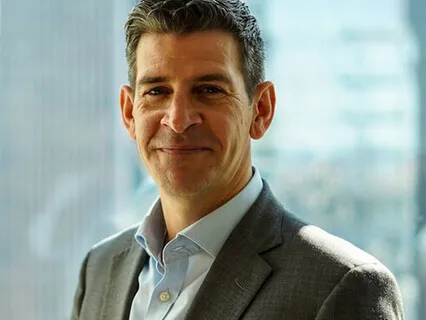
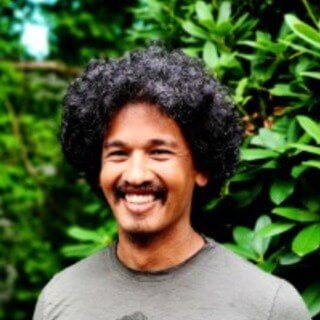
Stanley mindfulness as well as other mindfulness activities around Wall Street.
He's got a lot of great information to share with us.
Great to see you again,
Douglas.
It's nice to be here,
Andy.
Thanks for having me.
My pleasure.
And just to give you a very brief thumbnail sketch on Douglas,
He's been at Morgan Stanley for 10 years now and been in the project management world and currently vice president program and function head for corporate treasury.
So,
You know,
Deep in the midst of what makes Wall Street run.
And I know you've got a lot of great stuff to share Douglas,
But before we get started,
I thought it'd be great if perhaps you get us started with a little mindfulness practice to help us settle in.
Yeah,
Let's do that.
Let's do that.
So just a few minutes.
And for everybody there,
Out there.
Hello.
Welcome.
So.
Well,
We just kind of essentially stop what we're doing.
This is what we're looking to do is to really kind of bring in synchronize our mind and our body space together.
So one thing is that,
You know,
Many of us are on these zoom calls for a long time every day,
Or in our kind of almost feels like we're in our computer or in the middle of our outlook.
So let's just come synchronize up,
Hold this to start out with,
By just bringing yourself in the sense of the you're here,
Meaning,
Meaning that they hear that you're in the physical space and just actually just take a look around the room,
Like the actual physical room that you're in.
Like you are a body in space.
Notice maybe the shadows of the sunlight filter going into your room.
Like just take a fresh look.
We've probably been in this room a lot over the last year,
But it's always kind of nice to say like,
I'm here and arrive into that spot.
And then further coming in closer.
This is the sense of you sitting on the chair and meditation can be done in lots of different postures,
But mostly in a work context,
We are sitting in chairs,
Right?
So just notice that you're sitting like the contact points of yourself in the chair,
Feet on the floor,
Flat on the floor,
Cross legged.
The traditional instruction,
I've spent time as a monk in the forest of Thailand,
And one of the basic instructions was to sit and know that you're sitting.
And then you can just sit and know that you're sitting.
It sounds so simple,
But this is kind of active taking your seat.
Noticing your posture sitting in that chair,
General upright,
Get relaxed posture.
If you like,
You can gently close your eyes.
Just touch in with how does your body feel right now?
How does your mind feel?
Does it feel busy,
Settled?
Whatever it is,
However you feel right now physically and mentally and emotionally,
Just kind of welcome that.
Feeling the rhythm of your breath as it enters and leaves your body,
Allowing you to be right here right now,
Meaning that we're letting go of the past,
What happened this morning,
Or the prior call or meeting,
And we don't need to worry or plan or anticipate or strategize right now about what happens next.
And he will surely keep a watch on the clock.
And so you can just be here present.
Bringing your attentions to feelings in the body,
Again,
And accepting it the way,
Just the way that it is with a sense of kindness,
Acceptance.
Connecting in with your own breath,
Often the anchor for us bringing in the present moment,
This breath right here,
Right now,
Breathing in a sense of trust and well-being,
And breathing out,
Letting go of any tension and tightness.
Feeling kind of within you,
Sense of spaciousness and goodness,
Sense of the body breathing in and out,
A sense of spaciousness and well-being.
And with kind of gentle mental whisper,
Just thinking you say,
May I be well,
Sense of wellness for yourself,
May I be well,
Sense of wellness for yourself,
Sense of wellness for yourself,
May I be well,
Balanced,
Equanimous,
So that,
So that we can show up for others,
Be present to our lives,
Present in these moments.
Many Christmas cards and holiday cards are being sent around with that phrase,
Peace on earth.
May there be peace on earth.
Well,
How does that happen?
It happens with this right here,
Just being comfortable in our own skin,
Responding mindfully instead of reacting,
Synchronizing our mind,
Body,
And space,
Wishing ourselves be well,
Having a good time,
Wishing ourselves be well,
Having a sense of wellness and spaciousness in ourselves,
So that we can show up and be present for those in our lives,
Our colleagues,
Coworkers,
Friends,
And family.
Deep in breath through the nose,
Exhale through the mouth,
Gently raise your gaze or open your eyes.
Thank you for that.
Sure.
Very timely.
And it seems like whenever you do these practices,
It seems to be just the right time.
Yeah,
I think that's part of it,
Is that it's just we don't have to wait for some moment.
I think that that's part of us talking about early today is this idea that like,
Well,
We're all,
Many of us are looking forward to downtime at the end of the year,
But often in that downtime,
We just kind of get busy with our task lists or so forth.
And we actually have to learn,
As you well know,
We're not going to be able to just be and not just transition from one thing to the next.
Yeah.
Thanks for that.
And during the beginning of that practice Douglas,
You mentioned a little bit about your background in mindfulness.
Do you want to tell us a little bit about that?
Because it's kind of interesting,
The tradition that you mentioned in the meditation practice that you've been doing.
Yeah,
I'll just give you kind of a rough sketch.
I started meditation in college.
It's kind of a classic story that I was told and kind of program my society and so forth that college would be the time of my life and that that was the best time of my life.
And I got into college and was doing all those college things.
And I was like,
Really,
This is the best it gets,
You know,
Kind of thing.
Not that I wasn't having fun,
But it felt there was a sign of kind of emptiness or there was something that was not fully fulfilling.
And it took me a little while of looking outward to realize that I actually,
The fulfillment that I was looking for was of course within me and I needed to turn inward and found a poster at college that said,
Learn to meditate.
Started my journey.
I studied first with an American mystic teacher,
Kind of his own brand of American Buddhism.
And then I studied with the Shambhala tradition,
Which is a big network of meditation centers and they have great training programs.
Don't work with them anymore,
But,
You know,
Fantastic training going through it.
And then about 15 years ago,
I took time away from my,
I was just kind of at an inflection point in my career and life and had the opportunity to go travel internationally,
Spend some time in Japan and then in Australia and then landed in Thailand and staying with the Thai family.
And they were like most,
90% of the Thai are devout Buddhists.
And they taught me,
You know,
I had already been practicing meditation and Buddhism for 10 plus years,
But I had never really experienced Thai Buddhism.
So I learned a lot about that and was so intrigued and was teaching English to some Thai monks and ended up staying past my teaching assignment and staying at a monastery for a while and then going forth,
They call it going forth to become a monk for a short time.
And so different Buddhist traditions have different kind of rules about such thing,
But in Southeast Asian Buddhism,
One can take kind of temporary vows for a month or three months or six months and then return to lay status.
And that's what I did.
So I learned a lot in that.
And one of the,
I think,
Pieces that was really helpful is this kind of little story about meditation versus mindfulness,
Because we often kind of use them interchangeably and it gets further confused when we talk about mindfulness meditation.
But the story goes something like this.
Let me just kind of set it up that the scene of this particular monastery in Thailand was that there was kind of a main downtown area where the big temple was and a big classic Buddhist statue and then the kitchen and some of the things around it.
And this was way out in the jungle.
This was probably four hours from Bangkok.
So after that,
And then it kind of goes up into these hills and people would stay in these little huts they called gutes and they were kind of just scattered along the hillsides.
But it was like,
It's proper jungle out there.
So it was my first evening there and I had gotten there in the afternoon and gone kind of right into the temple where they were doing chants and meditation practice.
And I was doing my best to kind of do my understanding of meditation at that point.
And then they said,
All right,
Well,
You're going to stay up in this little cabin up on the hill.
And as I was leaving kind of where my practice was,
I was kind of not so mindfully starting to walk up and I noticed all these people.
I was kind of walking around them and that were sweeping.
They were kind of sweeping the paths that kind of led to all these different little huts.
And I was like,
Oh,
I know what they're doing.
They're kind of doing this like mindful breaking thing.
And I was like,
I get that.
I've seen that kind of like Zen practice.
And luckily one of the folks that spoke English was there and said,
No,
No,
No,
No.
Well,
Yes,
In some ways that's what they're doing.
But really what they're doing is they're sweeping the leaves out of the way out of this path because there are cobra snakes here,
Like real cobra snakes,
Like proper poisonous.
You get bit by them,
You may die.
And they'll leave you alone.
If you don't bother them,
They won't bother you.
But if you step on a leaf and there's a cobra steak underneath,
They will bite you.
And so it was this really like click practice.
There is a purpose for formal meditation practice in some area.
But that is the basic training.
But really it's what we talk about now so much in corporate life is mindfulness.
It is being mindful in action.
And as we all know,
If we are being mindless,
We can make mistakes and end up hurting ourselves by stepping on that leaf metaphorically and getting bit.
So my guess is you were fully present for the rest of that walk.
I was very mindful walking wherever I went for sure.
Beautiful,
Beautiful.
And extra practice,
You get to practice all the time.
Exactly,
Which is what we aim to do.
Exactly.
So how do we get from there or why don't you take us from there and transplant us now into a completely different environment,
Morgan Stanley,
The heart of wall street.
And you have this background with you.
You have continued to practice during all these years off and on or steadily or?
Yeah,
I mean,
I practiced throughout.
I mean,
I think that any long journey takes twists and turns and some side roads.
So I think that is actually part of the journey.
And I think anyone who thinks that they find meditation and like,
I mean,
I applaud anyone who's like that,
But I find that many people,
Including myself,
Have those twists and turns along the journey.
And that's really part of the path that is.
It is.
So I think it is embedded in that story and it is embedded in kind of the disillusionment of me being a monk.
I thought,
Well,
We're just going to meditate for 12 hours a day.
And while there was chanting and meditation practice,
A lot of time we were busy,
You know,
Like preparing food,
Cleaning clothes,
Doing ceremonies for the local community.
I realized very quickly how much,
You know,
The practice was the everyday doing.
Yep.
So it wasn't such a stretch actually to come back into a busy Western environment,
Because in a way you were already doing that.
You were learning how to bring this quality of awareness into everyday work.
And that's what you did at Morgan Stanley when you started there and when you do your work there.
Right.
When you do your work where you are.
Yeah.
Yeah.
So in some ways I think I realized,
You know,
While I was there that I needed to kind of,
I couldn't run away from my life and that like being an authentic person,
I had to kind of deal with being an American and money and budgets and paying taxes and that kind of thing.
And I say,
If I stayed there,
That would be kind of avoiding something that I kind of needed to deal with.
And then,
So I came back to and found work in a couple of different companies and eventually found my way to Morgan Stanley.
And,
But there was this sense of like,
Well,
If I'm going to be true to who I am,
You know,
Part of who I am,
Was having this experience and that we all kind of,
We,
I think all have that yearning to kind of be authentic at work and be who we truly are.
And that was part of it for me.
And I,
And I knew that creating a community would be good for me.
But it,
But it would be helpful for others to have a way of practicing,
You know,
As we just did,
Like in the middle of the day,
Like it doesn't have to,
It's wonderful to do practice early in the morning or in the evening,
But it's also good to,
You know,
Intersplice it within our living,
Which we spent a lot of our time of our,
Of our lives at work.
Yeah.
So you felt that this was part of you that you wanted to,
To,
You wanted to have this show up at work too.
And you also wanted to share it with people.
But what did that first,
You know,
So you have the impulse,
Then what's the first thing you do?
What does this,
What does it look like the first iteration of you bringing mindfulness,
Bringing a version of these practices into your workplace?
Yeah.
I think that that was the,
So my own kind of motivation was part of it around the same time.
We had,
And it was kind of like auspicious,
Auspicious coincidence.
I learned about a talk that was going to be held at Morgan Stanley around meditation and work by an esteemed executive.
And I said,
Well,
Sign me up for this.
This is really interesting.
Somebody who's a senior executive within financial services talking about meditation.
So I signed up to that.
It was,
It was incredibly well attended.
It was a lot of people in the room.
It was like,
Not a chair vacant.
And the speaker was Jeff Jeffrey Walker.
He's pretty well renowned in the kind of business sphere,
Former vice chairman,
J.
J.
Morgan set up some other first private equity funds.
But also regarded now in kind of the mindfulness space does a lot of great work,
Philanthropy work and leadership work.
And he gave an amazing talk about how these things work so well together.
And that was kind of a confirmation for me and a lot of people that were interested said,
Well,
I guess there,
There really are people,
You know,
At Morgan Stanley in financial services that are interested in this.
And I went up to him afterwards and said,
That's so amazing.
I hope that you can come back and give us another talk and keep us inspired.
And he asked me about my background and he just looked at me and he's kind of a tall ish guy and with an imposing voice.
And he just looked at me and said,
You should start him through here at Morgan Stanley.
And I was like,
Okay,
I'm getting the insight.
So that was,
That was part of it too.
And we've since reconnected through,
Through the through,
Through the mindful on wall street.
So how did it,
How did it start?
It started,
I mean,
I guess the first things is that we we've got a big initiative going now with thousands of people and lots of events happening across the world.
But I started it,
You know,
Just thinking it was going to be 10 people sitting around a conference room at lunch.
And that was fine.
Like that's all I was looking to do was to share this with,
With a few people that were interested.
And early on,
I kind of went to HR and said like,
Hey,
I want to start a club.
Like I wasn't looking to kind of create a department or an initiative or something like that.
Let me just start a club in the same way that people start,
You know,
Interest clubs,
Golf balls,
Cycling,
And exactly.
So let's just,
You know,
I'm going to go upfront about it.
I'm going to let people know.
And I was like,
What's the protocol for that?
And they're like,
It's pretty loose on the club side.
It's great.
That's I'm not looking to create a bunch of overhead.
Let me just get started in that way.
Right.
So that was kind of the entry point.
First did a,
I think the first time I did a session was actually to the health center.
Morgan Stanley has a small doctor nurse practitioner nurses center at the headquarters in Midtown Manhattan.
And first did a session for them because they are on the front lines of keeping the rest of the company healthy started there.
They put me in touch with HR.
I did one or two sessions for HR.
They weren't quite sure what to do next.
They put me in touch with a couple of groups invest in an investment banking and in in finance that were interested in doing some mindfulness.
And they,
But they didn't HR didn't,
Couldn't connect them with a vendor.
So they said,
Well,
There's this guy,
He's an employee and he won't,
He doesn't charge.
So the price is right.
And so I did that for a number of,
For a few years actually of kind of freelancing in a way of just kind of on demand events,
You mean for town halls or,
Or off sites,
Those kinds of things.
Exactly.
Got it.
Analyst programs,
Those types of things.
And it just gave,
You know,
So it was,
That was like,
Again,
A couple of years in,
It gave some kind of like confidence with me,
But also a sense of normalcy that this is something that happens in developing connections within the firm.
And then at some point I said,
Look,
I think we should just make this a regular thing.
Like we should do this because,
You know,
The one-off events here and there,
It wasn't giving consistency.
And we all know this when we talk about whether it's your physical training or it's brushing your teeth or meditation,
The consistency is more important than duration.
So some kind of frequency,
Something that people can come back to and say,
Let's,
Let's create this as an ongoing initiative.
First,
You know,
I think we're going to talk about this is,
You know,
The partnership with HR,
We are separate from HR,
But we partner a lot with them.
And that in,
In one of the first events I did,
They were,
They were doing kind of a multi,
A multi-part day,
Like it was a special wellness day.
And I said,
Well,
Let me,
Let me do a lunchtime session on meditation,
You know,
Again,
The price is right.
And I'd already kind of proven that I've that I know what I'm talking about.
I've got a background and I've been a corporate trainer and so forth.
So they,
They had some sense that I,
I wasn't going to embarrass them.
And and so that I,
I was kind of a module within their day.
Got it.
And that kind of kicked things off.
And then,
Then from there,
I started to say,
Let's,
Let's do this on a,
On a monthly basis at that point.
And we did it monthly for a while.
At some point we moved it to twice a month.
And that was the frequency for,
For quite a,
Quite a long time.
We would do special events with HR from time to time to match up with a wellness theme that they were doing.
But at the same time,
Kind of keeping our autonomy along the way.
And then this year,
Yeah,
Go ahead.
Let me ask you a couple of questions about some of the things that you've mentioned before.
So people were seeking you out to have you join their events to talk about mindfulness.
And it seems,
You know,
It worked,
Whatever you were doing was working.
Did you find that there was a particular way that you talked about mindfulness or didn't,
Or whether you led a practice or you didn't,
That perhaps you learned along the way,
Kind of dialed into what works in,
In your workplace or how,
You know,
How did you hit the formula or was it a natural?
Tell us a little bit about that.
Yeah.
I mean,
I think,
You know,
There's always kind of tweaking and adjustments along the way.
Let me,
Let me start with a couple of things that I think are important is that you know,
I don't want to be too company rah rah here,
But Morgan Stanley in particular has a very good culture as a kind of as a firm.
And,
You know,
It's got good values and,
And by and large,
The people that work at Morgan Stanley have lived those values and including a sense of inclusion and diversity and doing the right thing.
So I think that,
You know,
Sometimes people talk about this in the Darmic sense of like the ground was set.
Like there was already a culture where this was kind of,
While we're still a traditional investment bank,
There was also a sense of like allowance for this in spray.
I think having a good culture,
Good company culture makes this easier.
And if there are some issues to address within a company those will be highlighted as one starts to initiate that mindfulness program,
You know,
If there's a sense of entitlement or,
Or so forth.
So,
You know,
There might be some work to be done on culture as,
As what starts up an organization.
So I'm guessing that you didn't regale them with with some of the practices that you learned in Northern Thailand,
Right?
It was more,
Was it more on the,
Tell me a little bit about how you communicated about mindfulness that seemed to resonate.
Yeah.
I mean,
I think it's,
It's,
It's obvious now as we,
But,
You know,
Looking back,
You know,
It was just,
You know,
Keep it straight down the middle,
Right?
This is,
This is mind training,
Not even always using the word meditation.
And we deliberately called it mindfulness,
A mindfulness initiative,
Instead of calling it a meditation initiative,
Just for that purpose.
You know,
This is mind training in the same way that one trains the body,
You know,
We all,
We realize,
And this is the great thing that's happened over the last 10 to 20 years is that we've got a lot of science that backs that up.
And we were,
You know,
We certainly would leverage those,
Those studies to evidence that,
Right.
You know,
The presentation of it,
You know,
Is in that way often with kind of what we were doing at the beginning of this,
Which is a kind of a very basic mindfulness meditation.
And we would do different themes and we do different things over time.
We kind of vary with kindness and compassion practices.
And,
And often we'll kind of couple things with like,
They go into the sense of applied mindfulness,
Like a mindful meeting,
Like,
What does that look like?
Right.
Or how does mindful work with agile?
We've done some great collaborations with other groups like the sustainability forums or,
Um,
Diversity forums,
How does mindfulness,
You know,
Support some of those other initiatives.
Okay.
So you're able to translate,
I'm sorry,
You're able to translate these principles into whatever context you're,
You're faced with.
Cause it's really relevant to whatever you do.
It sounds like,
You know,
Being able to present it to agile teams and to,
Uh,
Other people to show how this is a really universal practice.
Right.
Yeah.
I mean,
That's the great thing about mindfulness,
Uh,
Is that it was the same brain,
Right?
It's the same mind or the same person who kind of carries around to these distant fears.
And we get some familiarity with the practice and principles of mindfulness and the experience of it.
And we take it into these different spheres.
Um,
But the,
But the packaging also,
I wanted to highlight,
Um,
Two things,
Number one,
You know,
Again,
It was this culture,
The other part was that,
You know,
We had a great,
We had,
And it continued to have a great volunteer network.
So it was not,
You know,
Not just me,
But,
Uh,
I connected in with a number of other people that had the passion to kind of help organize this,
Right.
This is all of us is a side of the desk activity.
None of us are full time people on this.
So it was important to foster a team of people,
You know,
We got a,
You know,
A sizable team and seems like a dozen people were involved so that everyone gets a little slice of work and they can do that and do that with it since passion and not be overwhelmed by it.
So cultivating this kind of little operations team as a volunteer team and keeping them inspired,
Engaged and appreciated is,
You know,
And again,
We've just been lucky to connect with a lot of people that are talented and bring their talents to,
To helping run this.
So from where you began,
Um,
By doing these one-off events,
You,
You came,
You started to offer a regular,
A regular opportunity for people to get together,
To practice.
And then you,
Now you're referencing to how,
Where you've gone from there,
How your,
How your,
Uh,
Practice or your,
Um,
Your program has grown.
Um,
One of the things you just mentioned is people helping you out.
Can you tell us a little bit more about the journey from a small,
You know,
Single space kind of place to,
Uh,
To a network,
As you said,
That includes thousands of people now,
Um,
What's enabled that journey journey?
I mean,
If,
If somebody in somebody has perhaps a sitting group that's getting together regularly,
How,
You know,
How were you able to expand this and what could you share on that topic?
Yeah.
Yeah.
That's great.
Um,
So,
I mean,
It's,
It's almost odd to reflect on it now because it's like pre COVID and pre quarantine.
And now,
Um,
Remembering when most people were in a physical office,
Um,
It was a debate early on was,
Do we have,
Do we all only allow people kind of to participate who are in the room or do we have people on the phone or on a WebEx or zoom or something like that?
Um,
Because,
You know,
People are going to be distracted if they're not in the room.
And does that kind of pull away from the kind of the power of group practice?
Um,
But we said,
You know,
We're a large organization and geographically distributed.
So let's,
We'll,
We'll include a dial in for people who want to dial in from,
From another office,
If that's a few blocks away or,
Um,
In a,
In a different country.
Um,
And I was surprised how much that picked up.
Um,
I,
Again,
I thought there was going to be mostly people kind of sitting around in a conference room in midtown Manhattan.
And now that there's,
There was a lot of,
Uh,
Of interest from across,
Across the company and across the country.
Um,
A lot of it,
Again,
Just talk a little bit about,
You know,
Just an investment bank company,
Right?
We,
We are a diversified company.
We have a corporate side,
We've got institutional investment management and wealth management.
Well,
The local management is,
As you well know,
Are smaller offices spread out all over the country.
Sometimes it's a hundred people in the office could be five people in the office.
Um,
They're part of a big company,
But they don't necessarily get a lot of training necessarily,
Or abilities to connect in with the,
With kind of the greater company.
So it took me a little while to understand this,
But part of what we were doing was making a big company feel small.
It's hard to put into words,
But I think anyone who's,
You know,
Who's experienced this,
Everyone on this call probably knows,
You know,
Would not is like,
There is something kind of about just sitting in silence with other people,
Even if they're in a different physical location that brings a sense of connection and intimacy.
It's so true.
And it's,
It's in a way it's a little odd because apps are so popular,
Right?
And I can listen to the same thing on an app by myself,
Or I can be on a conference call and the experience is quite different.
And it's so funny because people will dial into a conference call to an activity where half of it is actually sitting in silence,
You know?
So imagine that you dial this number and finally there's silence and you're like,
Oh good,
I'm here.
They've already started.
But it does,
I think it's so true that,
That you feel a sense of connection for people who do these,
Do these practices together.
Yeah.
And so how did you,
What other types of things have you begun to offer besides these,
These,
These mindfulness practices?
Yeah.
I just want to say a little bit more about this kind of connection into partnering that we do.
Cause I think it's,
It's some of the things that again,
It wasn't necessarily a project plan,
But it's things that I would,
I would definitely suggest for others.
So as I mentioned,
Strong part,
Number one,
Strong partnership with HR.
We're autonomous,
But we coordinate well with them.
So in many regards,
You know,
We're helping them,
Right?
We're a grassroots organization.
One of your first questions was,
How do we market ourselves?
Well,
You know,
We've got a small group of people who facilitate these,
These these mindfulness sessions.
And,
But we are all employees of the firm,
Right?
We're not yoga teachers.
We're not outside vendors.
So it is this kind of for the people,
By the people.
And I think that immediately brings a sense of rapport.
Not to,
Not to say anything negative about vendors or apps or outside trainers.
There are great.
And we've had many come in as guest speakers and they,
And they bring a different type of resonance and inspiration and perspective.
So,
You know,
That has absolutely been part of our,
Our offering,
But the regular piece in cultivating the community was a sense of it's,
It's us,
You know,
We're all in this kind of together.
And obviously that's been reinforced exponentially over the last year.
But that was part of it.
Is this a sense of it's,
It's run by us.
So having a connection of volunteers who were running it,
The partnership to HR was part of it.
And then,
You know,
From there,
Then we started to look at,
Well,
How do we just get the word out?
Right.
So the connections to other groups,
As I've already mentioned,
We made connections to other employee networks.
Right.
And I've seen this from,
From our peers on Mindful on Wall Street that they do the same.
It's a very successful model,
Right?
People are looking,
People that are in those groups are interested in,
In different topics,
But they're all interested in kind of not just clocking into work and leaving.
They're interested in giving and connecting in some way.
And many of them are intrigued by the practices of mindfulness.
And what,
What kind of networks are you talking about Douglas?
Some of them are the diversity networks.
Like I said,
Also we have a really strong group around sustainability,
Sustainability forum,
Just connecting in with those,
Those different groups across,
Across different divisions and business groups within Morgan Stanley.
Right.
I just want to highlight a couple of things that you mentioned already,
Because I think they're really worth mentioning.
One is the connection with HR,
Because a lot of times grassroots organizations that teach these practices that teach mindfulness,
Sometimes HR doesn't know what to do with these groups,
Because it's kind of HR ish programming and it's not run by someone who's got an official license,
And it's not someone who's being paid.
So is this part of our values initiative or,
You know,
It's a,
And yet it's,
It's something that's obviously doing good and,
And is helping HR to accomplish its goals.
So can you tell a little bit more about how you made that work and how you might help others to,
To manage that relationship?
I think it was,
You know,
Like any good relationship is it kind of takes patience and communication and working and not being too close and not being too far away,
Right.
Like,
Like any relationship.
So,
You know,
That was part of it is to let them know what we're up to and hear from them and listen to like what,
What HR was thinking about and saying,
Oh,
Well,
We,
Maybe we can help in this way.
But also not being kind of directed by it.
Like we,
We know what we're doing.
We know what we want to do,
And we're going to kind of offer it our own way too.
So there was this,
You know,
This kind of like partnership and yet we're autonomous.
And then there will be these collaboration events where we would look around the calendar and see what they were up to and say,
Ah,
You know,
We,
I can see that you want to do this theme there.
So we would collaborate on special events.
So tapping my network and the network of some of the volunteers of people that were we asked speakers to come in and do,
Do talks or do webinars.
So they weren't being paid,
But there were opportunities for them to then market their services internally.
But it was a co-sponsored event with HR.
So on a regular event,
We might have 50 to a hundred people,
These HR events co-sponsored then then we get hundreds of people.
Right.
Right.
To show up because they're big names.
And and it's,
It's a good event and they,
They win.
They look,
They look good.
And we're getting,
We're getting the word out that we there,
There is this group.
So it was,
You know,
Seeking that win-win.
Beautiful.
Beautiful.
Okay.
And then you also mentioned that at some point you decided to get other people involved,
Right.
To help facilitate these events,
To help manage,
You know,
Some of the other things you offer,
Like speaker events.
How do you,
How do you recruit people or how do you vet people?
Vetting is really not the right word because you're all colleagues and you're all doing this together,
But you still have to make sure that people have the background and are able to,
You know,
To do a good job presenting these practices.
Right.
Yeah.
Yeah.
We've kept it to be a pretty small group of people who facilitate.
And it was just something that,
You know,
On our regular events and on our special events,
We'd always kind of drop in that line if you're interested in,
In,
You know,
In being part of this,
You know,
We're a grassroots initiative.
We're always,
We can always use the help.
And so,
You know,
People kind of found their way to us over time and there's just a small,
You know,
Five or six of us who,
Who facilitate and that's enough,
You know,
It's enough.
And if there is a sense of needing to keep that,
A sense of quality control and all,
All of them,
All of us have been trained and gone through training on this and,
And have past experience in physical facilitation.
So for some people,
I would kind of listen to a,
A recording of them or something like that to get a sense of who they were.
So that was important for the facilitation part,
But some of,
So much of it goes into the,
The,
The other aspects of what these,
Of what our kind of our Austin volunteer team do,
Does,
You know,
We have,
You know,
We have to employ all the,
All the means of,
Of what a kind of a,
A formal program would be like in a big organization.
We have,
We have our own internal website.
We've got a distribution list that we use.
We,
You know,
We,
Which we,
You know,
Collate,
We really kind of care for that distribution list.
We've got thousands of people on that list now and make it very easy for people to join and leave that distribution list.
We,
You know,
Put to put out broadcast emails that have a lot of nice detailed content where they can find out about events,
Look at research,
You know,
Read some articles,
Learn about the apps,
You know,
Some of the app companies that we partner with all in those emails.
So we're kind of putting that detail and curating about that in a purposeful way.
And our volunteers really make that happen by creating the internal website,
You know,
Drafting these emails,
Communicating them out,
Maintaining our lists,
You know,
Doing all those things is,
Is,
Is important,
You know,
Getting the word out.
We utilize the internal reservation systems,
Our event system,
So that when we have,
You know,
Our regular events,
They're,
They're on the company on the reservation calendar.
So,
You know,
Employing those things.
So these are all great elements of a,
You know,
A broad,
Fully functioning program,
Right?
You've got a web presence,
You've got regular communication channels,
And then you've also got those kind of high profile events,
Which I think are really important because in my experience,
Douglas,
People will attend a one-time thing much more than they,
They'll sign up for a series of meditations or jump into the middle of something that's ongoing.
And if you can get your name out and connect it to a speaker event,
That's a really like a one-time thing that can be a great gateway for people to,
To learn about you and to get involved.
Absolutely.
Yeah.
It's been very,
Very helpful.
And with those events as well,
It's a way of us connecting in to some of the internal communications.
We've got internal corporate communications.
They've got their own in large organization.
We have,
You know,
Our homepage talks about news and updates and stuff like that.
Our own,
There's a social media presence.
So we've been able with those large events,
Be able to connect in with those,
With those organizations as well.
And that,
Again,
All we're looking to do is get the word out.
Right.
And we got to employ the mechanisms that are there.
Right.
Well,
That's really important because you don't have to do it on your own.
You know,
As you said,
There are there's so many functions inside a large corporation that you can leverage.
For instance,
Internal communications,
They're always looking for positive stories.
And and by the way,
External communications as well.
So there are natural partners,
Just like HR that can be found to create win-wins and to help grow your,
Grow your your program.
Yeah.
You said it.
Yeah.
That's and it's,
You know,
It's paid dividends,
You know,
With just a small amount of effort.
Again,
Credit to a lot of the volunteers that have made these things happen.
Joanna Jackson and Jackie Torres and Mark Sandals,
Like so many people that have helped us do these things and make these connections.
But that's,
That's part of it.
Right.
And you got to kind of think and leverage,
Leverage the,
The infrastructure of an organization for it.
The other connections we've made is anytime we've heard a whisper of another or another group within the company who was interested in meditation,
Mindfulness,
Yoga,
We reached out and say,
Hey,
That's awesome.
What you guys are doing.
Is there anything we can do to help you?
Is there,
Or is there some,
You know,
Synchronizing,
Is there sharing best practices?
Can we market your stuff?
You know,
So we,
You know,
There's this sitting group in,
In,
In Montreal,
There's one in Budapest,
There's one in Japan,
There's one in China.
We've listed them on our site,
You know,
Like let's,
Let's make sure that we're leveraging again.
And we're all kind of in this together.
I've,
Uh,
We've had a great partnership with,
With HR wellness in India,
You know,
Which made me uncomfortable to do it.
Where it all began.
Um,
But we,
We do that on a quarterly basis.
Um,
So those connections,
You know,
To kind of those other groups has been important and kind of sharing the credit and,
And facilitating or having them guests facilitate for us.
And then the last kind of thing,
As far as the connections were,
Was we have this concept of,
Uh,
What we call location hosts,
Which again,
Made,
Made more sense pre quarantine,
But it's still valuable now is that,
Um,
Think big organization geographically dispersed.
We want people to connect with those in their own offices.
And so while we've got a small set of people that facilitate,
We've got a larger kind of circle that are called these location hosts.
And they are people who were found out about us and they help kind of spread the word in their individual office.
So in California,
Chicago,
Great Lakes,
Michigan,
Wherever.
Um,
And,
And one sharing of work,
Ensuring that we exist in number two,
Especially when people were in the office would book the conference room or a conference room.
And allow people to go in there at lunchtime and attend our sessions remotely.
So it created this kind of broader network of people to connect in with who are enthusiastic about it.
And,
Um,
I think it helps share the word.
And one of the things there is,
You know,
The kind of the lesson there for,
For,
For me and others is that we,
Um,
You know,
To be a mindfulness champion within your organization doesn't mean that you have to be actually facilitating your sessions,
Right.
Right.
As you said,
There's so much content out there,
Um,
That you can be simply hosting the event,
You know,
Hitting play on,
On,
On a,
On a recording,
But it's around bookending that,
Shaping that out and allow people to kind of collect together,
Creating the community,
Creating that community,
Creating that container as people say,
Absolutely.
That's a big part of it.
So,
You know,
The encouragement is that if one is kind of early in their meditation journey,
That doesn't mean that they can't be right.
Helping facilitate sessions in their organization in that way.
So a couple of themes that I've heard,
And I see Cole has kindly reappeared.
Um,
A couple of themes that I've heard you,
You emphasize one is partnering with different parts of the organization to look for synergies.
Another is creating communities,
You know,
The community you started with,
And even in this broad network,
You're creating local communities through these site hosts and connecting with local communities all over your organization.
And I think those are really,
Those are the things that will make a program really stick.
Um,
So I wanted to,
Um,
To just pull those out because I think they're really important.
Um,
And,
Um,
Cole,
How are we,
How are you doing?
Um,
I'm great.
I just want to come in and reflect back to all the praise that's been coming in through the chat for,
For what you've been doing,
Douglas.
So,
Uh,
I did have some questions that I've reviewed and I've tried to succinctly,
Uh,
Summarize some of the common themes sort of come out of them.
Um,
I have four or five,
But we'll just go through each one and see where we're at at the hour.
Um,
But I'm sure people would really be,
Uh,
Interested to hear your response.
Um,
So if you probably spoke to this,
But I did have a lot of questions pertaining to resistance,
Um,
From leaders and specifically traders,
You know,
That kind of financial services culture.
Um,
How have you dealt with that?
Are there any specific situations that can kind of give some emotion to how you,
Uh,
Got through that resistance?
Yeah.
Yeah.
That's great.
Well,
I think one thing is,
You know,
Um,
Meditation,
Mindfulness,
You know,
We talk about it as kind of survival and,
You know,
Surviving and we talk about it as thriving.
Right.
And I think it's important to,
To,
Um,
Realize that as we talked about at the beginning of my meditation,
People come with different motivations for,
For,
For wanting to be interested.
And in a big organization,
Any organization,
You're going to find different levels of motivation,
Different levels of skill and background.
Right.
So part of it is just addressing that,
Trying to address both.
And it's not easy to do,
But you want to address the surviving meaning,
Not really surviving,
But the sense of stress management,
Wellness,
Just kind of,
You know,
We all have it just getting through the day sometimes,
Especially in this year,
Right.
In 2020.
And this being a supportive mechanism for that.
That's important,
But that's not it,
Right.
That's not where the story ends.
That's where the story begins.
A lot of this,
You know,
Why does LeBron James,
Why does Steph Curry,
Why does,
You know,
All of these incredibly successful,
Uh,
Uh,
Tech entrepreneurs and so forth there,
It could be some days that it's about surviving,
But it's really about thriving.
Right.
And so that's where we need to go in any,
You know,
We've got a lot of type a people at Morgan Stanley,
A lot of very successful driven people.
And we say,
You know,
This,
These practices will help you with focus and allow you to be a better trader or a dealmaker closer,
You know,
Financial advisor.
Right.
Um,
So we've got to speak that language.
We've got to speak the language,
You got to speak the language of your organization and make it practical and applicable.
And that's a great call out.
The theme I think is really important just to realize that everybody's coming at this from,
From different ways.
And you kind of got to meet them.
You got to demonstrate the value wherever they're at.
And I like that call out as a way to,
I mean,
Everybody at some level probably will find value on both of those sides,
But I think it's important when you're thinking about different audiences,
You know,
So that's great.
Thank you.
Um,
Another pretty common theme that came up was specific,
Uh,
Case studies,
You know,
It might have been with the team or in leadership or a group of traders.
I don't know if you've linked in any way the outcomes of the practice and what you've been teaching to,
Uh,
The business results at Morgan Stanley,
But some people were asking that question pretty commonly as well.
I'd say that was ROI.
Yeah.
The ROI.
Show me where it shows up on the bottom line.
Infamous,
Infamous question.
Yes.
Um,
I mean,
You know,
It's,
It's like a,
You know,
There's no really financial,
I haven't found the model,
Right?
I haven't,
I haven't,
I haven't worked with our model risk management to,
You know,
Kind of say,
This is the model.
And if you do this thing and then you can plug in these kinds of returns,
Uh,
I haven't seen it there.
I think we might,
Maybe we'll get there.
Maybe,
Maybe that'll evolve over time.
Um,
So it's more,
You know,
How do we measure success?
We measure it by kind of people coming back,
Repeating it,
Um,
The engagement that we've gotten from different parts of the organization,
Um,
And the like,
Uh,
We've done work with,
You know,
Investment banking.
We've done work across,
You know,
Uh,
Wealth management,
Different groups.
Um,
And so a lot of it is through that engagement.
Um,
So I,
You know,
You can't say that I can,
I can point to it and say,
Well,
It,
It helped close a particular deal or helped us with the IPO of a particular stock.
Um,
But it is,
You know,
It is certainly helping and,
And it is interesting to see who joins our,
Joins our events and that it is a wide spectrum of seniority,
Uh,
And,
Um,
And across the,
Across the,
Across the bank.
Yeah.
And I,
And I,
I feel like it's always a good question,
But considering where you're at and the success you've had just scaling the program,
You know,
I feel like your main goal,
Right,
Is to almost introduce the culture and kind of socialize and normalize the idea right now.
And as you approach,
You know,
A mid to later level of maturity for it,
I think those kind of specific bridges to ROI start to make more sense,
But you can,
I think we can all see how,
You know,
That,
That would make sense where you're at,
You know,
Because you don't want to like,
You don't want to come in heavy handed and start measuring stuff before the fire's really going,
If you want to put it that way.
Yeah,
Or over promise,
Right?
Like meditation is not the,
The silver bullet solution,
Right?
And I don't,
I don't want to ever present it that way.
It's not,
It's one part of wellness.
It's not the only part.
And it's not the only part of kind of creating a culture of,
Of compassion or cohesion.
It's,
It's one element of it.
Uh,
But absolutely these things that you're talking about is where we're excited to go next is to be able to measure more around a success,
To get further embedded in the organization,
To make it more integrated into teams and more integrated into some of the initiatives that we spoke about around diversity of inclusion and sustainability,
Right?
How does mindfulness actually help those pieces?
They're not going to solve them for them.
We're not going to,
We're going to stay in our lane and be in mindfulness,
But we can be supportive of those different aspects.
And again,
You know,
Um,
It's where I'm excited about within Morgan Stanley and also what we're doing at Mindful on Wall Street,
This,
This collection of,
Of,
Uh,
A dozen or so banks across financial services that are,
That we gather together on a weekly basis,
Very similarly have basic practices.
And then we have these special guest events where we have high profile executives talk about how mindfulness is helping them in their aspects.
So,
So both of these things are,
Are exciting or exciting into the kind of applied mindfulness,
If you will.
Yep.
Excellent.
Andy,
Did you have a comment there?
I did.
I had a couple of things I wanted to add very quickly at Aetna.
We actually found that,
Um,
The people who participated in our mindfulness programs were generally somewhat higher performers than average.
And that's a good,
That's a pretty good argument to anyone to say,
Well,
Look,
If your best people are enjoying this,
Then that has value in and of itself.
Um,
And the other thing I was thinking of is if there are people in our audience who are on wall street and want to learn more about Mindful,
Mindful on wall street,
Then call,
You'll be able to give them that connection later.
Right?
Yes,
Absolutely.
Yeah.
There's some people were asking about that.
I did send a link out,
Um,
Q and a,
So people can check out the website.
And I think there are links to all the social media channels,
Uh,
For that,
That community.
So I encourage you to check that out.
Um,
The speaker coming up in a few weeks,
I think from,
Oh,
Great.
Yeah.
Yeah.
We'll cross post that.
So let us know.
Um,
The last question,
I think you spoke to the program structure,
Right?
It's basically,
You have these high profile events and these kind of regular meditation sessions.
So if there's anything missing there,
Obviously there's a lot of background stuff too,
But is there any format cadence wise?
Is that basically capture how it works right now?
Yeah.
It's,
It's,
It's weekly,
You know,
Meditation meditations within a sense of applied mindfulness,
Which we like to have some group discussion in,
And then these kind of guest speaker events are the primary things.
And then again,
We're,
We were fostering our community by sharing resources,
Articles,
And then allowing enabling people to,
To practice on their own through the use of meditation apps.
Great.
Great.
Yeah.
The apps too.
That's good.
Yeah.
I think it's all part of it.
And I think that's one thing that,
Uh,
All companies are starting to like figure out what the right balance there is of kind of utilizing these recordings as Andy said,
But also,
You know,
You need a live community.
Like we're all live people in space.
Did you make a specific call out about your utilization of insight timer yet?
Or did I,
Did I miss that?
Cause I was reviewing the questions.
I might've missed it,
But I thought that was,
Uh,
The new,
Uh,
Insight timer circles feature.
Do you,
You're using that?
We're a trial of that.
Yeah.
We're,
We're kind of beta beta testers for a number of different apps right now.
So we're,
We're testing them out.
Uh,
We're,
We're partner with,
With insight timer wellness coach with,
With head space is a big user,
Um,
A couple of other data programs.
So we're got a variety of programs.
It's a big organization.
So yeah.
Yeah.
Excellent.
Um,
The last question I had surfaced here was how COVID has changed your program.
Um,
You know,
Has it sort of changed your messaging around survival and thriving?
Um,
Has it brought a lot more people to your events again,
If you spoke to this,
Uh,
Excuse me,
But,
Uh,
Some folks were asking about that as well.
Yeah.
That's changed the formula.
We increased the frequency,
We decreased the duration.
So shorter sessions more often and stayed,
You know,
Again,
Being an employee grassroots,
We try to stay in touch with what people are,
What's happening with surveys and,
And just connecting with others.
I think,
You know,
I think we all went through this anxiety and depression in the spring will led to kind of a malaise in the summer,
Which has kind of translated in a burnout now.
And so tailoring our meditations,
Uh,
For where people are at.
And we're going to,
You know,
We,
We all know we're,
We're 2021 will be better in many ways,
But there'll be more change.
It is the only thing that we can be assured of,
Even if that's just returning back to the office that will bring its own set of challenges.
Thank you,
Douglas.
Thank you.
Thanks for being so succinct and clear about those answers.
Um,
There were some other questions,
But we are at the hour and,
Uh,
If you need any help with any of this,
Obviously Douglas is on the speaking circuit with Mindful on wall street.
So we'd encourage you to check that out and,
Uh,
And our community membership at IOM is free.
So we'll have lots more events like this to answer more questions that you have.
So don't hesitate to reach out to me personally either,
But I guess I'll go ahead and,
Um,
Close out this,
Uh,
Unfortunately close out this exciting conversation.
I feel like we could talk so much longer.
Um,
Thank you,
Douglas,
For your time and sharing your wisdom today with the audience.
Andy,
As always,
Thank you for facilitating a great discussion.
Um,
So,
Uh,
Heads up next,
Uh,
We will be sharing a recording of the session.
We'll post it,
Um,
From your Eventbrite registration on the LinkedIn event.
So if you want to share that around,
That'd be fine.
Um,
Watch it,
Uh,
Share it with your,
Your friends on LinkedIn.
And,
Um,
Our next session is going to be with L'Oreal.
Um,
Should be,
I don't know much about the program there,
But that'll be in January,
Third week of January.
So heads up for communications about that.
And,
Um,
Yeah,
If you have any trouble with any of that or additional questions,
You're always welcome to reach out to us.
Uh,
Guys,
Any other closing comments?
Thank you so much,
Cole,
For,
For hosting and Andy,
It's just a great conversation.
So I really appreciate being here today and,
And yeah,
We can keep talking.
Um,
But I hope this is kind of in some ways,
The beginning of the conversation,
I'd love to connect with people over,
Over LinkedIn and in future forums.
So yeah,
There's,
I can see through some of the comments,
So many awesome people out there creating initiatives within their,
Their organization.
So I'd love to hear some of that as well and learn,
Learn from,
Learn from them as well.
So thank you.
Douglas,
You can,
If you can bring mindfulness to wall street,
Then I think we all have hope.
And I think you've inspired a lot of people here,
Um,
In,
In your work.
Uh,
So thanks.
Thanks for today.
Really appreciate it.
That's great.
All right,
Guys.
Well,
Have a great rest of your week and to everybody's attending,
Same to you and we'll see you next time.
Take care,
Everyone.
Thank you for joining.
Be well,
Happy holidays.
Thank you.