Let us know where you're chiming in from,
What company you're at,
If you've been in the series with us before.
As you know,
We've done two conversations now with Andy Lee himself about the program at Aetna.
And last time we were with Charles Morris at Microsoft.
Any of you joining for a second time,
Let us know.
Got some first timers too.
Seattle Washington,
All right.
I did see a huge influx of Amazon employees yesterday.
Someone must have posted.
I wonder who that was.
It wasn't me.
Yeah,
That's great.
I think we probably had about 80 or so people register yesterday from Amazon.
That's very good.
Are those your students,
Bridget?
I don't have any idea.
They're probably colleagues and friends.
That's excellent,
Excellent.
Okay,
Well,
We got,
I'm sure many more people spilling in,
But in the interest of time and the value we're here to provide you with today,
We'll go ahead and dive right in.
And for those of you who can catch up on the recording if you miss any of the intro.
So nice to meet you.
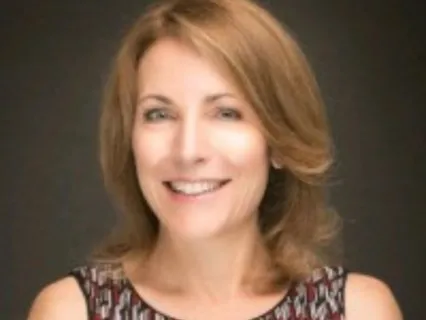
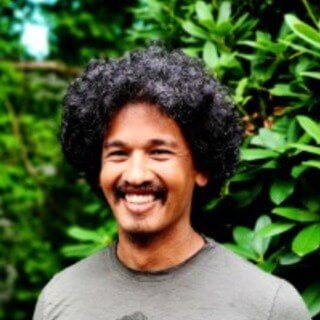
My name is Cole Harbor.
I'm the associate director at the Institute for Organizational Mindfulness.
And as you know,
You're joining us today for our IOM case study series.
And today we'll be talking about the mindfulness program started at Amazon with Bridget here.
In case you're not familiar with us,
This might be your first time.
This is a now eight month scheduled series.
We're on week three,
And we're basically profiling the efforts that companies have already made to build strong mindfulness programs internally.
As an institute,
We are basically building the expert community that is defining this new frontier that is called,
And as you'll learn,
Organizational mindfulness,
Which is pretty different from even traditional mindfulness,
Right?
And really defining the standards and best practices.
And I think most importantly,
The community that can help achieve that.
So we're very blessed to have both of these wonderful people here today to talk a little bit more about how Amazon has started on that front.
And even more about Bridget's background in other areas.
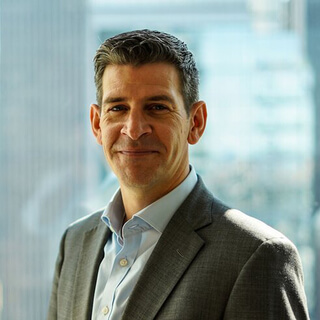
And just a little intro for Andy here,
Who's been our MC and is going to be our MC of this whole series.
Andy is the former chief mindfulness officer at Aetna,
Where he implemented a full range of mindfulness programs for the employees there.
And he's also the founder of a firm called Mindful Ethos.
And they focus on the intersection of mindfulness and talent development.
So I'd encourage you to check out his website.
We'll send you the link to that after today's session.
He's also a senior consultant for an organization called the Potential Project,
Which is interested in bringing mindfulness into organizations as well.
So without further ado,
Just one more housekeeping item.
As we go,
You might have some questions that come up.
Just use the Q&A feature for that.
You should see that popped up on the screen on the bottom.
I'm sure you're all very familiar with Zoom.
Please send your questions there.
And if you have any reactions or comments or tech stuff,
Just chat it.
And I'll be supporting you throughout the webinar.
So I'll go ahead and hand it off to Andy.
But welcome to today's session.
Have fun,
You two.
Thank you,
Cole.
Thank you.
Hi,
Bridget.
How are you?
Hey,
Andy.
I'm awesome.
How are you?
So good to see you today.
I know it is.
It's great to be spending this time with you and also with all the people that have joined us online.
I think we're going to have a great conversation today about how to bring mindfulness to leaders in different types of organizations and in different ways.
And just a little bit about Bridget.
Bridget actually started in the sales world,
High pressure corporate sales,
And at one point decided that that wasn't the way that she wanted to take her career and now is teaching people about mindfulness and resilience in the corporate world.
And we're going to dig into her background and her journey during our time together.
But I know that people are also really interested in hearing about Amazon.
We'll talk about that as well.
But in order to get us started,
I thought maybe Bridget would be great if you'd start us with a little mindfulness practice to get us settled in.
I would love that.
Thank you for the invitation.
I would love that.
So part of my teaching and part of what I'll talk about today is to really simplify things,
Make everything very approachable and easy for people and meet them where they are.
And you're going to hear me talk a lot about that.
And when we talk about the practice of mindfulness,
I talk about it in the context of a dedicated practice,
Which is what you and I do every day.
And we talk about what I call an on the go or on demand practice.
So it's finding mindfulness wherever you are,
Again,
Meeting yourself where you are.
And so the practice I want to share with us today is one that I came up with as I was teaching executives at Boeing who were looking for ways to instill it into their teams,
Having the courage to bring it into their teams.
And it's super simple.
And I'll explain the steps to it.
And it's,
Again,
Something that anybody on this call can take away with them tomorrow,
This afternoon,
Wherever.
And it's called 531.
531.
Five long,
Slow,
Deep breaths,
Three things that you're grateful for,
And then one intention.
And so what I'll do is I'll guide us through the 531.
And what you'll notice is I'm guiding us through the key for me is the long,
Slow,
Deep breath in.
And so noticing that it may feel a little bit exaggerated when I walk us through the timing of it.
And so I'm going to encourage everybody that's watching and everybody on this call to be as deliberate and as intentional as possible with the breath and really allow it to come in slowly and allow it to release slowly.
And that's a way in which you can pretty quickly reset your parasympathetic nervous system,
Get yourself out of the fight or flight and the craziness into just being right here in the present moment.
And then when I offer three things you're grateful for,
Come up with three things that you're grateful for,
And it could be grand and it could be quite simple.
As simple as sitting in a chair.
Like how grateful are we that we have chairs to sit in versus our ancestors may not have had chairs,
Right?
So it could be simple.
And then think about the one intention or one motivation that you have for,
And I will say for your day,
For the rest of the day.
So what intention do you have for the rest of your day?
So what I like to do is you don't have to do this with your eyes closed.
I'm a fan of closing my eyes whenever I can.
It just allows me to kind of collect myself,
But I'll just invite everybody to start with five long,
Slow,
Deep breaths in.
So breathing in through the nose and then filling the lungs as much as you possibly can,
Really feeling the exaggeration of the inhale and then feeling the long exaggeration of the exhale.
So I'll let you count four more long,
Slow,
Deep breaths into yourself.
And now bring to mind three things.
Three things for which you are grateful.
As I mentioned,
They can be grand.
They could be simple.
And I'm going to throw in a little extra in here and ask you to maybe bring a slight smile to your face as you're thinking of the three things you're grateful for and just notice what that does for you.
And bring to your mind an intention.
Perhaps it's an intention of curiosity or openness or calm or intentionality.
Just bring to mind an intention and we'll seal it with another long,
Slow,
Deep breath in.
If your eyes are closed,
Open them and come back to the room to join us.
See,
It just puts a smile on your face.
You can't help it and go,
Oh,
Yeah.
You know what's interesting?
You know what I noticed about that,
Bridget,
Is the first part is obviously the physiological downregulation,
From sympathetic to parasympathetic.
And that kind of sets the stage for the emotional re-regulation,
If you will,
In terms of gratitude.
And that really sets the stage for looking into the future.
I mean,
They all kind of build on each other.
And if you tried to do one without the other one before it,
It wouldn't have worked.
Or if you had done it in a different order,
It wouldn't have worked as well.
God,
You just made me feel so smart.
Wow.
I just kind of made that up.
Tell us when you planned that out.
Beautiful job.
Thank you.
But I really do mean that.
I mean,
I look at things that way,
And that's really what I noticed as I was doing it.
So thank you so much again for joining us today.
I'm very excited to be with you.
We've known each other for several years.
We've had some good conversations along the way.
And I still remember when you told me that you joined Amazon.
And first of all,
I was a little bit scared,
Honestly,
Because it's such a huge company,
Right?
I know you had a really nice thing,
You had some very positive things going where you were.
And I really didn't know what it might be like to work at Amazon,
Let alone try to bring mindfulness to that organization,
If that's actually what you decided to do.
So why don't you tell us a little bit about what it's been like for you recently as you've gone through this?
Well,
Yeah,
I was scared too.
I had a nice cozy gig happening at Boeing,
And I'd invested a lot of time and energy into creating like the perfect position for myself.
And so yeah,
It was really scary leaving that cozy little world and going into the big world of Amazon.
You know,
And there's been a lot of things in the press about Amazon,
And we all hear a lot of stories about Amazon.
And the fact of the matter is,
It is a huge organization,
We're coming up to,
If we haven't already crossed the threshold into a million employees,
Which I thought when I started at Boeing 170,
000 employees when I started at Boeing,
And I thought that was huge.
And now it's like,
Wow,
A million employees,
That's a lot of people of all different spectrums,
You know,
In terms of the type of people that we employ in their occupations and such.
So you know,
It really,
You'll notice because we'd had ongoing conversations,
I had to go kind of quiet for a while.
And just like everything there is,
Everything we try new has this state of disorientation.
Right?
So you're oriented,
You had the state of I had the state of orientation,
I knew who was who in the zoo at Boeing,
I knew where I needed to go,
I knew how I could add value.
And then I go into the Amazon world,
And I am totally disoriented.
It's a bigger company than anything I'd ever experienced before.
My role as an executive coach,
There is wonderful,
And that it allows me to span all of the businesses.
So I'm not just associated with one of the businesses,
I cross all the lines.
And so that even is more disorienting,
Because it's a lot to try to absorb into manage.
And it's a very,
Very fast,
Innovative company,
I feel like if I had missed a conversation,
I could be four conversations behind.
So you really have to pay attention,
Or I had to really pay attention.
The good news was,
You know,
And you know,
You know,
Me,
And we talked about this all the time,
I will bring everything back to mindfulness,
Because I honestly believe that that is such a ballast for so many things.
And it allowed me to really focus in on what was important.
And to enter and realize that it's all everything's always moving all the time,
Right?
You don't get attached to anything,
It's always moving in whatever comes up today,
Or most and certainly,
Especially with the pace that Amazon operates,
That will be different tomorrow,
Right?
All with the center point of innovation and being customer obsessed.
And so it took me about a year of just coming inwards and finding my reorientation,
Right?
Because I was oriented,
I was disoriented,
And how was I going to reorient myself?
And then,
You know,
The pandemic happens,
And then everything gets reoriented again,
And we're,
You know,
Thrown into this environment working from home,
You know,
Having to change our lives quite a bit.
I am really,
What do we say,
You know,
There's nothing like a good crisis that gets people to pay attention to something like mindfulness and meditation.
And,
You know,
Andy and I,
You know,
Share some,
Some other people,
Some friendships with some other people that we get together pretty regularly and talk about this.
And it was almost like the pandemic and,
You know,
The social unrest and the events of all the murder of George Floyd,
Were really a gift for us,
Who are trying to offer some more peace and calm in the world and more kindness in the world and help people pull themselves together at a point that they can function more holistically.
So all of that has come together to this point right here,
Where I am now teaching again.
So what I realized is that just like at Boeing,
I had to start somewhere,
And I had to start somewhere with Amazon.
And wouldn't you know,
Just the right people came into my life at the right time who really had seen my work,
Had followed some of the things I had done and asked me to please,
Please teach.
We need it more than ever.
So really had the great opportunity to do that.
And we're continuing to do more of that.
And what I'm noticing,
As you talk about it,
Or as I talk about it,
And my colleagues talk about it,
There's a lot of closet meditators out there.
There's a lot of highly functioning people who have learned about meditation,
And mindfulness or their kids are doing it right,
Their kids are learning about it.
And it's always in this happened at Boeing as well.
It's always fascinating to me to like how people say,
Oh,
I remember Shambhala or,
You know,
I have a practice or,
You know,
I learned,
You know,
This kind of meditation,
To give people that space to say,
Oh,
It's okay to like,
Put these two things together.
And that's really been my mission.
It's been like,
How do I take those two things and put them together in a way that is seamless and integrated?
And it's interesting,
Because you did not join Amazon as a mindfulness teacher.
That's right.
Yeah,
You're primarily an executive coach.
And you work with leaders specifically.
But it's like the closet teacher meets the closet students almost.
It's kind of weird.
Well,
I when I first interviewed for the position that I'm in now,
I thought,
I'm gonna go in and I'm gonna talk about mindfulness.
And when I started to get signals from the people around me were like,
Oh,
That's interesting.
Or Well,
You know,
That's not really going to work here.
Or,
You know,
We are super driven,
Or we're peculiar,
We like to call ourselves peculiar us Amazonian,
Peculiar,
And we have our peculiar ways.
And that's probably really not going to work or,
You know,
You really can't call this you can't call that and I kind of got a little disheartened by that.
Right.
Let me let me let me ask you a question about that.
What kinds of people generally were saying those things to you?
Were they people in a particular function or a particular role or particular,
I don't know level of tenure or anything that you noticed?
Oh,
Was it just like people who believed in the culture and they didn't want to?
I mean,
What do you think?
I think it was it was a little bit of everybody.
So keeping in mind,
Most of the people I was talking to were at a senior manager level or director that works fairly flat as an organization,
We don't have a huge hierarchy,
We're pretty flat.
And so as people that were operating at my level,
As well as the level above,
I did know from my previous experiences with Amazon before I had joined the company,
How many people were in the system.
So it's like it's the same story I encountered at Boeing,
Which is the system says,
This isn't for us.
But then you have the system below the system,
The culture,
The culture,
Right.
And it's like,
Those are the people that are saying yes.
But when I was told no,
It was more of like,
That's interesting.
You know,
We value innovation.
That's interesting,
And that's going to be really hard.
That's gonna be really hard to do.
Because that's just not how we do things around here.
Surprise,
Surprise,
Surprise,
Surprise.
And the interesting thing is,
As you said,
We see this all the time.
As consultants,
As also as internal champions.
I was on another call today where the same question was,
You know,
My organization is not ready for mindfulness,
What do I do?
And I always say,
Just do lunch and learn,
Do something really simple,
And let the organization speak to you.
Don't let the,
You know,
Don't always listen to,
Don't listen to the gatekeepers.
Because I don't know if you know this,
Bridget,
But since in the last five years,
The number of people who practice mindfulness has tripled.
Ah,
I did not know that.
Yes,
It's up with,
It's on par with yoga now,
And it's moving faster.
And I can give you that reference if you want.
Yeah,
Off to the side.
But the point is that if we believed something to be true four,
Three,
Fourth,
Or three,
Or even two years ago,
It's probably changed.
And as you said,
COVID was a big part of this.
So how did COVID and how did the rest of this year,
You know,
The things that have happened affect this path that you were on?
You said it kind of intervened in a positive way.
Yeah.
Yeah.
So there's been a bit of,
Like I said,
This,
This reorientation phase.
So January,
February,
I was in this like,
Okay,
So now that I know what I know about Amazon,
Is this really mine to do?
Is this work mine to do?
I mean,
A million people,
Like,
How could I possibly touch a million people,
Right?
And it just felt like it was just such a huge mountain.
I'm like,
Standing at the bottom of the mountain looking like there's just no way I'm little me is ever going to have an impact in a way that is going to matter to anybody.
You know,
In the scheme of things and the hilla beans,
It's not really going to matter.
And then people were working from home and people were starting to feel isolated and people were starting wanting to feel connected.
I had also told myself a story that I'm better in person,
You know,
I do,
I can teach 400 people very comfortably.
I love engaging with an audience in that,
In that platform.
I really enjoy it.
And if I were going to make a difference at Amazon,
How could I possibly do that?
Because we're a global organization in Seattle,
While we have many,
Many employees in Seattle,
It's still just a small group of people.
And we all got a bunch of different buildings and a bunch of different businesses.
I'd be running around like crazy trying to do all this,
Like,
How could I possibly do that?
So the story that I was telling myself was actually preserving me from having to do the work is what was happening,
Right?
As I was like,
Oh,
I can only do it under these circumstances.
And the circumstances were the circumstances that I had in my previous life.
Well,
Then with the pandemic,
All of a sudden,
We transitioned as a business really quickly into virtual,
Like it was almost like a snap of a finger.
And we accommodated that really well.
We've got a really wonderful technology and platform that allowed us to,
For the most part,
We were all doing this outside of Seattle anyway.
So it worked out really well.
But then what had happened is I realized that now all of a sudden my reach is broader.
So I could host a class at four o'clock here in Seattle,
And there could be a whole lot of people from,
Or three o'clock in Seattle,
And there could be a lot of people from Seattle on East.
And then I could also be talking to Australia and Japan and New Zealand and China,
Right?
So there's my span just all of a sudden got much broader.
And I think that's what really became that,
Okay,
So you can actually touch a lot of people.
For me,
It's all about helping people see a part of themselves that they didn't previously know,
Right?
And didn't have access to the mental hygiene,
The practice of being with what is just the present moment awareness that can be life changing,
Right?
And so now all of a sudden I had access to so many more people.
So what I'm hearing is that you had to change,
Or you decided to,
Or you saw the opportunity to really change the way you teach in terms of the technology.
I'm guessing,
I mean,
How did this affect what you were teaching as well?
I mean,
Were you still,
Obviously you can't,
Well,
Can you still have breakout groups?
Can you still dive deep on things?
Is it a different audience?
Is it a whole different deal?
Yeah,
It's the same.
I've been shocked with how it just everything translated.
Now our technology at Amazon doesn't allow us to do breakout rooms.
And a key part of the program that I teach is relational mindfulness,
Right?
And so how do you do that?
You do that with breakout groups,
Right?
And we teach mindful listening.
So we teach mindful listening as an on the go or on the demand practice.
You can bring mindfulness to your conversation.
Are you paying attention to what you're thinking or you're paying attention to what the other person is saying?
So and someone said,
You know what,
We,
Because of blah,
Blah,
Blah,
We're not going to allow anybody to use Zoom.
And I'm like,
Well,
That's a problem because Zoom's the only technology that actually allows us to do breakout rooms.
And I kind of worked around that.
I mean,
I didn't break any rules or anything,
But I said,
How about if we just start using a different platform,
Like let's get a license to Zoom so we can be teaching it.
Like let's max it out.
And I started working with some affinity groups who have the ability to do that and just started using Zoom through them.
And we came up with a set of rules.
I come off the VPN,
You know,
We came up with a lot of rules that kept us.
And of course,
This was early days when people resume bombing,
You know,
And that's a problem.
We didn't want that.
But Zoom has stepped up as well.
But it's so easy now,
You can put people in groups,
They get to actually talk with people that they otherwise wouldn't talk to.
You know,
You got someone who is in Costa Rica talking to someone who's in Australia.
They otherwise never would have had a chance to meet.
So really,
As it turns out,
The technology supported you,
So you didn't really have to change that much is what you're saying.
The only thing that you didn't change is my mindset.
The hardest thing sometimes,
By the way.
Everybody else was on board.
I was the reluctant teacher saying,
I can't do this.
I don't like technology.
Guess what?
We don't have a choice.
Well,
You know,
You've mentioned one other thing that I'd love to hear about a little bit is affinity groups or employee resource groups,
ERGs.
I think that these can be a great resource because mindfulness can be an affinity group and mindfulness speaks to so many affinity groups around issues of justice and inclusion and disability and trauma.
What's been your experience so far,
Either here or previously working with affinity groups?
Yeah,
We didn't have Boeing as a culture that was had such a strong presence of affinity groups.
Amazon is has some very powerful affinity groups as a way to help people connect with each other.
And so what I found was,
And actually I got lucky because a while before I joined Amazon,
I was hired by one of the affinity groups,
The women at Amazon group on International Women's Day to teach mindfulness.
And so I already knew people in the affinity group.
So I just reached out once I decided I needed to be doing more of this.
And they said,
Oh my God,
We love content.
So never,
I love that you said that don't ever underestimate the fact that these affinity groups are looking for ways to add value and to bring value to their subscribers,
If you will.
And they have a lot of freedom to talk about some of the harder issues.
Yes.
So like the women at Amazon has been really the launchpad for a lot of other things that are happening for me now at Amazon,
Just as that key center point,
And I continue to nurture them and continue to support them and become a voice for them and in helping them.
But yeah,
I would make that give that advice that suggestion to anybody who has a company and they're trying to launch a mindfulness practice is look for the support of the affinity groups.
Yeah,
That's great.
And I'm sorry.
Yeah,
Go ahead.
So now you're doing larger courses or larger events with,
But using the same kind of approaches,
Are you still building this into smaller groups?
I mean,
Obviously live probably isn't working right now,
But for instance,
Into your one-on-one coaching and can you talk a little bit about more generally you've been doing coaching as long or longer than you've been practicing mindfulness or what's the relationship there?
No,
I've been working,
Making my living as a coach for about 12 years.
I started practicing mindfulness about eight years ago,
Maybe nine years ago.
I lose track of time.
And the way I came to the practice is,
As you mentioned,
I was a chief sales officer and had very high pressure job is if anybody knows anything about sales,
You're only as good as your last quarter.
And that's really hard,
Right?
You're actually never present.
You're either beating yourself up over what didn't go well,
Or you're projecting into the future.
And so those two states of future tripping and then beating yourself up,
Really don't lend themselves to being particularly happy.
And in my case,
I wasn't happy at all.
And I had this very well,
And I'll say,
And I'll say this with love in my heart,
For my mind and undisciplined mind that didn't know that the present moment is where really the better experience was.
And so even though I was unhappy and left my career,
And wanting to create something better for myself,
I still hadn't changed my mental habits.
I hadn't changed my relationship with my mind and myself.
And I started working as an executive coach in private practice and was very successful,
But working less,
Making more money.
And the joy factor had diminished dramatically.
So it was like more money,
Less hours,
Less joy,
Like it's a,
It was a lopsided equation for me.
And it was out of desperation that I found mindfulness.
And that was after the recommendation of several friends who had said,
You might want to think about meditating,
Like you're a little wound up,
You might want to think about something different.
And I'm like,
It's too granola.
I can't do that.
That's for weird people,
Right?
Now it's all the same stories.
You tell,
There's a theme,
I tell myself a lot of stories.
The story is about how it's just not for me.
Because if it was that good,
I would have learned about it earlier.
We would have learned about it in third grade.
We would have learned about it.
You know,
At a different point in time.
So if it was really that good,
But I did hit a wall,
I was quite desperate.
I had gotten to the point where I was depressed and had so much anxiety,
I couldn't even really leave my house for a period of time.
And I was on medication and medication wasn't working.
As a matter of fact,
It was making things even worse.
And so it was out of desperation that I read Dan Siegel's book Mindsight and got myself on a plane down to the mindful awareness research center and participated in a day long retreat with Diana Winston,
Who later then became my teacher.
And who is a huge influence in the way that I teach and the idea of having accessibility and meeting people where they are with mindfulness.
So that's what then turned me into a diehard,
Okay,
This is a path that can help a lot of people which then translated into my coaching because I started to now listen to my clients with a different lens.
They're full of anxiety.
Like they're worried about the future all the time.
We're feeding them.
And so we have a lot of common traits as typing personalities,
Right.
And I just offered it for one client.
I'm like,
You know,
I've been trying the same called,
You know,
Meditating,
You know,
You should maybe try it too.
And we did some meditating together.
And then next thing I know,
I was having the conversation again.
And then I was having it a third time and a fourth time at the time.
And all of a sudden,
Like I'm being surrounded by all these people that were in the same mental state that I was in,
Inside,
But you wouldn't know it on the outside,
Right.
And that's when I started realizing,
Oh,
There's something to mindfulness and leadership because as they were practicing,
They were telling me their stories about how they weren't reacting.
Right.
They may have been like care triggered personalities that they were actually letting other people do the talking.
Right.
They were managing their own energy.
They weren't listening.
They were hearing things that they hadn't heard before.
And their load lifted dramatically as a result of not having to be everything to everybody,
But rather letting other people be part of that.
And it's the reaction part.
You know,
I say that there's that space between stimulus and response,
Right.
And we turn,
You know,
As a type A personality myself,
As well as a lot of executives I work with operate from that.
I'm going to answer the question before I even know what the question is because it's more efficient,
Right.
And I have a letter.
Right.
And the interesting thing is that that's the way we're taught.
That's the way you're taught as a leader.
That's the way people are taught as a leader.
You have to be proactive.
You have to have the answers.
You have to be in control and you have to never be satisfied and you have to never stop.
And it's kind of strange,
Isn't it?
That in many ways,
These skills that we teach are,
You could call them the opposite or you could call them just kind of a rebalancing,
Putting a weight on the other end of the scale as well.
But for many people,
If they hear this out of context,
I think,
And maybe you can comment on this,
You know,
First reactions are often like,
You're going to ask me to do what?
Yeah,
Exactly.
That's not for me.
Yeah.
I could never do that.
Yeah.
Patience and kindness.
Well,
I do that with my kids at home,
But that's not how I run my business.
Yeah,
Exactly.
But I'm glad that you found some some buy in.
Did you get some resistance as well or maybe?
Yeah,
A little bit.
Yeah,
For sure.
You know,
I've had I've had a lot of people say,
Oh,
That's not for me.
Right.
Or so and so talks about it,
But that's not for me.
And you know what,
Andy,
I figure my job is not try to convince everybody.
Again,
Going back to Diana Winston's based teaching,
My job is to make it accessible.
And that's why I really believe that if anybody has the passion to bring mindfulness into the workplace,
You have to meet your work.
You have to meet your constituents where they are.
And if it means not calling it mindfulness,
If it means calling I mean,
I have a lot of people who I still to this day on LinkedIn will get a note from someone from my previous life four or five years ago say,
I'm still practicing my mindful breathing.
Right.
So I just gave them language.
It's like,
Here's appropriate language you can choose from.
You pick what works for you.
Yeah.
And another thing that I found because I've done some coaching myself is that mindfulness is an incredible tool for an executive coach.
And if you're an executive coach already,
Then these things are going to land and they're going to feel very natural because we have to be you know,
You have to be paying attention.
Is that has that been your experience?
It has made me such a better you know,
I'm just not even going to put the executive coach thing on.
It's made me such a better human being.
Like it's just made me so much more present.
And I think as a coach,
You have to be present,
You have to be aware of when your story is happening.
And when that story is interjecting with the client story,
You know,
I think one of the things I learned as I was training as a coach years ago was this idea of self monitoring.
And I was really struggled with self management.
I got a lot of bad habits,
But mindfulness helped me really look at things from a perspective of what's mine,
What's yours,
Right.
And if my job is to hold you as the client is creative,
Resourceful and whole,
My job isn't to fix you.
But if I am inherently a fixer,
That's a problem,
Right?
So I have to be aware of my story around that and where I'm going to jump in.
And would definitely say,
You know,
Mindfulness has helped me just like I said,
Just become more present everything.
Not perfectly,
You know,
I'm far,
Far from practicing it perfectly,
But it has made me much more calm and relaxed and aware of what's happening.
I call myself the queen of situational awareness.
I'm always driving my partner because he's pretty focused on like,
They'll say,
How did you know that my situational awareness before?
I'm glad you're not rubbing it in because not at all.
That would be really unmindful thing to do.
I'm doing a great mindful.
So so at Boeing,
You started to do coaching,
You started bringing mindfulness to coaching at some point,
You decided to put together a program.
And can you talk a little bit about that?
And what it was like launching that?
And how do you decide what to include?
And I mean,
What did you want people to get out of this?
And again,
We're talking about leaders in particular,
Right?
So what was that like?
Yeah.
Um,
So,
So I mentioned that a lot of I was,
I was finding these executives that I was working with one on one,
And was teaching him these practices.
And I realized,
At some point,
It got to this critical mass where I knew about 60 executives with whom I was speaking regularly about mindfulness.
And I would like try to give them bits and pieces about well,
Do this and do that.
And then I have this idea that I have 60 people that I'm talking to,
And they're all relatively in the same area.
I'm like,
Why don't I just teach them a class.
And I had been I had been working,
Doing some work with search inside yourself Leadership Institute and really like what they offer in terms of the framework on and,
You know,
Mangs work on emotional intelligence and,
And how can I find a language again,
How can I meet them in a place that is going to make sense to them,
I don't want to just teach them mindfulness,
Because without context,
It's not sticking,
Right.
So I wanted to give people a framework.
So I created the framework around mindfulness based emotional intelligence using some of the things that I had learned and created an eight week class.
And and I had other people helping me with this.
So I another game as the world as the universe provided someone else to come into my world and said,
I want to be teaching this to people as well.
And I said,
Hey,
Let's partner together and do this.
And so I had this curriculum that was created.
And I sent out an email to I don't know,
Probably about 100 people and like 60 of them replied saying yes,
I'll be there.
Okay.
I guess we're doing this.
I wasn't really ready for that answer.
Okay,
I guess I actually have to do something about this now.
And then that became,
You know,
Then,
Then one of our key person in all this for me too is our vice president of environmental health and safety at the time.
And safety is a big issue at Boeing,
Who said,
You know what,
This could be huge for us in creating a mindfulness culture around safety.
And so then she really kind of gave me the support and the wind beneath my wings,
If you will,
To support me in having courage,
Right?
Courage is probably the single,
There's probably a couple things that are really important in starting a practice like this anywhere in your workplace,
In particular,
Courage,
Be willing to go past the nose,
Because people will tell you why it can't be done.
Courage to try new things out,
Courage to be wrong,
Have courage to live through people telling you it's stupid,
Because they will.
And then competence,
Right?
So I came from a competence based place,
I was a practitioner,
I was studying how to teach it.
I was teaching myself how to be comfortable leading practices.
I was teaching myself and learning,
You know,
With other courses and things like how to be competent,
But then also exemplify it,
Right?
Like,
I have to show up as a grounded mindfulness person,
Mindful person,
As best as I can,
Again,
Not perfect.
I can't be like this crazy person showing up,
I'll scatter brain,
Here,
Breathe,
Right?
And so I think competence is a really another important part of that is you're setting up a practice.
You know,
What's funny about that,
Though,
Is that when I started teaching,
I also had the opposite sense that I wanted to make sure that I showed up really present and just no notice everybody and just always smile and just be so wise.
And that doesn't work either.
And I noticed that when,
You know,
The way you really show up,
The way I found that people learn is when I really screw things up,
And I'm able to recover.
And I'm able to say,
You know what,
It's just one of those things,
One of those days,
That's,
You know,
That's what it is.
And now let's keep going.
And I'm sure you will have you have you had moments like that,
Too?
Oh,
My God,
Yes.
I was I remember one day I was teaching the Renton factory where they build the 737.
And it was in the middle of the factory area.
And so I had I was literally had to park like a mile away.
And I was running late.
And I walk into the room and the room was a mess.
Like it had coffee cups that are like the facilities hadn't set the room up.
So the room was literally not configured properly.
There was rubbish and things all over the place.
And I'm running late.
And I just walk in and I'm like,
It's the whole time I'm walking through the parking lot.
I'm like,
Okay,
Be present,
Like nothing you can do.
And I'm like,
Literally talking through.
You can't do anything about this situation.
So just focusing on my breath,
I'm doing my mindful practice all the way over there.
I walk in,
I see that the place is an absolute mess.
Okay,
So what do we do?
I get that all cleared up.
Afterwards,
An executive who was in the class comes up to me,
He says,
How did you do that?
And I said,
Do what?
He's like,
This place was a disaster.
You were working like,
How are you so calm?
And I said,
My friend,
That is the practice,
Right?
That is the benefit of the practice,
Because there was nothing I could do about any of it.
Yeah,
In my head,
I was struggling,
Right.
And so it's telling the story to let people know,
I screw up,
I mess up,
I'm not perfect.
You know,
I tell people,
I've been on medication,
I put so many people come up to me and say,
Oh,
My gosh,
Thank you for sharing that.
That feels very personal.
But how are other people going to know unless I'm willing to be vulnerable and share?
Yeah,
My disastrousness,
You know,
It's like my people go through it,
And it's everywhere.
It really is.
It's present.
And it's helpful to make it safe.
And that's what I found so many times is that,
You know,
Another thing that I find is you go into these mindfulness sessions,
And perhaps initially,
You want to be really corporate,
You want to you want to stay business and practical.
And that's not what people show up to do.
They show up to talk about the things that they can talk about that they don't talk about in their offices and with their teams about kindness and patience and the things that go wrong.
Yeah,
I always had,
You know,
I think that there's a line to manage with that.
No.
So for someone like you have the benefit of being the chief mindfulness officer.
It's a different kind of mandate,
Right?
You had the support of leadership,
Which was amazing.
And you have to like I said,
If I go back to the meeting people where they are,
You have to be careful with your language when you are coming in,
Right.
And I know you had to as well,
Because you had people regardless of your mandate,
There are skeptics and I remember once making a reference to the Dalai Lama,
Right,
And I had someone come up to me after class saying,
Please don't talk about the Dalai Lama.
This is a very Christian community here.
And it was out of context,
And it was in the work context,
But that turns people off.
Like,
Oh,
Okay,
I got that.
So like,
On the one level,
If you want to meet people where they are,
You want to use the language of your organization,
But you also want to hold space,
Kind of,
You know,
Below the line for the people to have those conversations.
So there's sort of like,
Why is it the system and then the system and being able to go between the two and hold both of them with reverence and holding it lightly in a way that allows people to have those conversations,
Like you said,
But then also not only meeting people either,
Right?
It's kind of like with coaching to like a lot of new coaches will come in and they'll they'll use very coachy words.
That turns people off,
You know,
You want to meet them where they are.
They can spot it.
They can spot it.
Yeah.
So believe it or not,
We've only got about five minutes left.
I don't know how this happened,
But I want to be respectful for also to some of the people who ask questions.
And there's a couple of questions that came up that I get a lot.
And I'd be curious about your perspective on it around,
Around ROI and evaluations,
Evaluating programs.
What's been your experience with that?
I mean,
You're working with a different audience than perhaps other folks,
But what,
What,
What can you share about your experience with that?
Yeah.
Very important.
And so one of the things,
Again,
This comes back to the meeting,
The organization where they are measure what's important to the organization.
So pay attention to what the organization is paying attention to.
So as I mentioned,
With Boeing safety was something we paid attention to.
In Amazon,
What is important to us because we're not in a manufacturing environment from a leadership perspective,
Self-awareness,
Right?
That's something we want our leaders to have a sense of,
Because that's what great leadership comes from knowing yourself.
Resiliency is a really important factor for us.
Inclusion or social connectedness is really important to us and mental focus that are really important to us.
So those are the things we will measure when we do our programs.
And we'll ask people before and after what's your experience with this now.
And then after,
How are you,
What's your experience like?
And by honing in on what the organization cares about,
It helps you get the buy-in versus just saying,
Oh no,
I swear it's great.
The other thing that's really helpful is the American mindfulness research association has got all kinds of studies,
Contemporary current studies and data and find studies that are relevant to what's important to your organization to tie that thread through because you will find some sort of correlation at the very least to how mindfulness can do that.
And then use those to help you with the ROI.
Although I'm sure you have a lot more to offer on ROI than I do.
Well,
I mean,
Did you ever get challenged to show quote ROI to show that you're creating more value than the time or resources that you're putting in?
Although obviously you're doing this off the side of your desk.
I didn't at Boeing,
But I will at Amazon.
We will definitely be pushed for ROI and for sure.
So that's something that I'm still trying to delve into.
Okay.
And we had a question about those studies.
The organization that Bridget references,
The American mindfulness research association or go amra.
Org,
You can go there.
They compile all the research done on mindfulness by month,
And you can get a monthly newsletter from them that gives you the academic take on what's going on.
So that's a great resource.
Thanks for sharing that bridge.
And then as we near the end is there,
You you'd mentioned along the way,
Some of the things that people should know or be aware of any advice from your experience in terms of what to do or what not to do.
You've shared some of this already as you bring mindfulness into organizations,
Anything you want to add to that?
Yeah.
I think it really does come back to the meet,
Meet your organization,
Where they are,
Meet people where they are,
Don't expect them to adopt your way of doing it.
But give them the give them the space to create their own sense making it make sense of themselves and translating it themselves.
And I used to try to make people not on purpose,
But I would have to be right.
Like it's really I'm the teacher I know.
But what I've learned over time is that they are just as right.
And I remember one guy was telling me that his mindfulness practice is spent in the car driving.
And I just went,
I don't even know how that is possible.
But he gave me a whole litany as to how that was possible.
And his colleagues confirmed he was a much more calm,
Different person as a result of his mindfulness practice.
So continue to meet people where they are,
Have courage,
As I said,
You know,
You have to have a lot of courage,
Get people around you who can continue to support you,
And who can continue to bolster you.
And you've been a huge supporter for me over the years.
And I've got a lot of people in my in my camp that are rooting me on.
So find people who can root you on and support you and doing this.
And and let it be you like make it you like,
You show up as you don't try to make it something else.
Right.
Thank you so much for that,
Bridget.
It seems too short.
But I think that this was a great conversation.
It's always great to see you.
Oh,
Likewise,
It's my honor and my joy to be here with you.
Thank you.
Thank you.
Oh,
I think when he shows up,
That's a bit of a kid.
Yeah.
Now,
This has been really wonderful.
And there are a number of other great questions left over.
I guess I just wanted to ask you,
Bridget,
On behalf of a question I think you probably alluded to in several ways during the conversation.
But just to specifically end,
When we're talking about the sustainability of mindfulness,
Right,
When it really starts to stick,
What I mean,
How long do you think that really takes?
And how do you convince?
Maybe that's a bigger answer we don't want to do right now.
But how do you really get to the point where you can help people make it stick,
You know,
And what does that look like in terms of the delivery and the presence of what you're doing at Amazon right now?
Well,
So for me right now,
The way I'm trying to make it stick is we found a sponsor.
So we found a vice president who has some needs within his organization.
I talked about self awareness,
Resilience,
Connectedness and mental focus.
Those are really important to him in his organization.
It's a huge one.
And so I'm going to meet him where he is,
Which is I'm going to help people learn about mindfulness in that context,
Keeping those metrics is being the center point to it,
Right?
Those stories spread,
Right?
So one friend tells one friend tells one friend tells one friend.
And then creating for the other part of the strategy that we're trying to create is creating a master umbrella like a broader umbrella,
Because we're so fragmented,
And there's this mindfulness group and that mindfulness group and that mindfulness group is trying to give an umbrella to the overall organization so people can now have a place to go to find many of the different sources.
That's what helps make it stick too,
Is you don't fragment it,
Make it easy.
Again,
Make it accessible,
Make it easy for people to get to it.
And to be to be revealed.
You know,
I may be talking to you in here from now with some surprises,
Some surprises about what that's been like,
You know,
It's still early days for me.
It is and I know we're all really anticipating,
You know,
How it matures and grows.
So kind of on a final send off on that front.
Bridget says,
You know,
If you want to stay in touch with your work,
You can follow her on LinkedIn,
Certainly reach out to her there.
Andy is the same way and I've linked to his website and profile on the chat and same with us at IOM,
Which is sort of always the umbrella to the conversation here.
So if you need any more help about questions that weren't answered,
Or you just want to stay in touch with us in this community,
We'd love to have you.
But I just want to say thank you so much to both your time and the wisdom you shared today.
And I'm sure we'll be talking again down the road.
So yeah,
Thanks,
Colin.
I just want to express gratitude to you and your organization and you,
Andy,
You know,
You didn't don't know this,
But you've been my beacon for a long time.
And from the first time I met you,
You were the guy that I was kind of watching to know what's possible to do.
And also just want to acknowledge all the people around me in my life that have helped me do what I'm doing.
I haven't done any of what we're talking about today.
It's not been Bridget at all.
It's been me and a whole bunch of other people.
So I have a lot of gratitude for those people as well.
Well that is something always encouraging to hear from someone like you and a leader.
So thank you.
Very humble.
But we're we're excited to see where everything goes.
And we're glad to be friends.
Yeah,
Yeah.
Okay,
Everybody.
So we're going to wrap up today,
But we will be in touch with you shortly after the session with some follow up next steps the recording,
But we'll hope to see you next time for our conversation is in December.
So have a great rest of your Yeah,
Yeah,
Have a great rest of your week.
Take care,
Everyone.
Bye.
Thanks for joining us.
Talk to you soon.
Bye bye.