Hello and welcome my friends to Intuition Awakening.
My name is Janine.
I hope that this podcast finds you well today.
Whether it's morning,
Evening,
Afternoon,
Wherever in the world you are,
I hope that you're having an awesome day.
If you're not,
That's okay as well.
We welcome all energies,
All emotions,
All feelings here in this space.
And today that's kind of what I want to talk about.
I want to talk a little bit about the healing journey.
How it feels to finally realize that you've been kind of stuck in the dirt,
So to speak,
For a while.
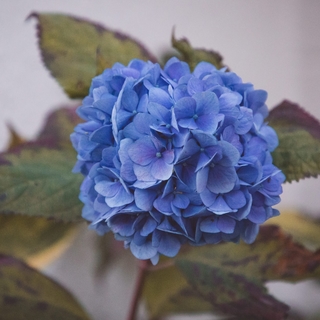
How it feels to start being that little budding flower trying to poke its way out of that darkness and come into the light.
And I don't mean that in a spiritual kind of religious aspect,
But just in a metaphorical sense of learning,
Of learning to grow,
Of learning to blossom again.
For many of us who have suffered trauma or have mental illnesses or have had adverse childhood experiences,
Things like that,
We often have this sense as we get older that,
You know,
We missed our prime or that we haven't done something in life right.
We haven't gotten married soon enough.
We didn't buy a house soon enough.
Like for example,
I had a little path in my mind that going to be graduated university and have a job by the time I was 21.
I was going to have a house by the time I was 23.
Might have a new car by the time I was 25.
And so far one of those things has come true.
I have a house and I finally was able to get a house with help from my family at the age of 27.
And I'm still not married as I record this podcast.
I don't have kids.
I have three fur babies.
I have a university degree,
But I'm not in a career anymore.
I started my own business.
There's a big sense for a lot of us that we just missed the boat or we missed out that we can never have those years back where we get to grow.
And part of this podcast today is really to show you a bit of my healing journey.
And yet it's always possible to grow.
It's always,
Always possible.
We can start somewhere.
It doesn't matter how old you are listening to this podcast.
I know a lot of clients that I work with are in kind of two distinct age categories.
It's been a really interesting find.
Some are around the age of 35 where they've been working for a number of years and some of that trauma is really starting to resurface where they're still finding their reactive.
They're not quite the adult they want to be.
Then there's the 65 year old category or older in that almost retirement age where people are starting to discover spirituality or they're starting to understand that maybe they've been empathic.
They're starting to hear the words empath or energy vampires or trauma or crystals and Oracle cards and Reiki and they're starting to find a deep connection with themselves again.
And that's brand new as well.
So we can all go through healing at very different stages and ages.
So to start with a little bit of my own experience with healing,
I say that I've been on a healing journey since I have since I was about 13.
I was kind of forced into it,
Which looking back,
I'm glad life has turned out the way that it has.
I know I wouldn't change.
It wouldn't change many things in my life because I enjoy myself today.
You know,
I love who I am today because of the things that I've been through,
The depth my brain works at,
Even when it won't shut off at night,
Or the way that I can empathize with other people,
Even though I needed those experiences of trauma to be able to relate.
I wouldn't change it.
But at 13,
I developed severe ulcerative colitis,
Which is a disease of the large intestine,
And I needed my colon removed.
When I was 14,
15,
I suddenly was different than my classmates.
I had a colostomy bag for several months in between this three-step surgery,
And I felt so alone because I was suddenly learning to walk again.
I was suddenly learning to sit up in bed again.
I was learning what foods fit with my belly okay,
Like what I could eat,
What I could drink,
What I couldn't,
How much activity I could do in a day.
I felt like a child all over again that was just learning,
Learning life.
I felt like a little baby.
A lot of people around me treated me like one as well,
That I was fragile,
And you know,
I had to heal,
And I had to,
You know,
Get better first.
But what they really missed out on was the fact that there was a very resilient 13,
14,
And 15 year old in in my body.
But yes,
She needed a helping hand,
But she didn't need to be coddled.
That was,
That ended up bringing a lot more fear into my life than then was necessary.
But also my family had gone through watching me just about die because of colitis.
So yes,
They wanted to treat me with those kid gloves and make sure that I was safe because I'd been through a lot.
So at 13,
I had started to really be enmeshed in this world where people were suffering.
I was on the children's ward when I was in hospital.
The first time I was there,
I was there for 41 days.
The second time was 10 days to have my surgery and to heal,
And the last time was 7 days.
So the first time when I was there for 41 days,
I got moved around to a lot of different rooms.
Here in Canada,
We didn't necessarily at the time,
Like the Jim Pattison Hospital in Saskatoon was not around yet.
We were still,
I was still at the Royal University Hospital in the children's ward,
Which was basically just another floor.
But with all kids,
It really wasn't too different now.
The children's hospital that is there in Saskatoon,
Saskatchewan today is an incredible testament.
I got to see some of the drawings and plans as they were building it.
I got to see the floor models.
For my 10 year anniversary of my surgeries,
I actually made a donation of toys and books to the new children's hospital and they gave me a bit of a tour of what things were going to look like.
It was,
It was pretty special.
I really wanted to cry many times and I got to explain to the lady giving me the bit of a,
The small tour that I received that this is going to be so impactful for these kids compared to what I had as a child.
And just to know that other kids might not have to have such a hard hospital experience was,
Was going to be pretty amazing.
But when I was in hospital,
I was the oldest one on the ward most of the time being around 13.
At 16,
They would send you over to the adults ward,
But I wasn't quite there yet.
And they thought I would fit better in the pediatrics ward.
So I was with kids from two years old to 10 years old,
Often around that age of five to eight.
And they'd be up crying in the night,
Wishing for their parents or their toy fell on the floor.
And I was the adult in the room when the nurses couldn't come.
It was,
You know,
Janine that got up in the middle of the night to try to help them back to sleep.
And I don't think many parents realized,
You know,
That,
That their child was missing them so much throughout the night that I was really involved in these other kids journeys,
Because they were so close.
And I was picking up on all their energy.
I didn't know I was an empath at the time.
I didn't understand that word or really understand energy.
So I took it all on.
I remember kids looking at me like,
Oh,
She's in a wheelchair now.
How did that happen?
I thought she could walk.
But they didn't understand that sometimes I needed a wheelchair because I was so weak.
So I remember being in the playroom once and a little boy,
We were coloring together.
And I said,
Oh,
I'll go grab some more crayons.
And I rolled my wheelchair over to the cupboard.
But I stood up at the cupboard to reach them off the top shelf.
And when I turned around and wheeled my chair back around,
His mouth was on the floor.
And he said,
You can walk.
And I thought,
Yep,
Okay,
Buddy,
We're gonna have to have a conversation.
Yes,
I can walk,
I only use this because my legs are really weak,
Because I'm not feeling well,
Because I'm sick.
So from a very young age,
I was involved in not only my own healing journey,
But getting to see other people's healing journeys,
Too.
So when I left hospital and was back,
You know,
In with my peers at grade nine,
Grade 10,
Here in Canada,
That pivotal age of 15 to 17,
I was so different from everybody.
I was so different,
People wanted to go party.
And I was thinking of the medications I was on and the side effects I was going to experience.
So suddenly,
I was really thrust into this world of needing to be aware of my body needing to be aware of my health.
And for a lot of adults,
We typically don't start that until we get older into our adulthood,
Where we start to have medical things like,
You know,
Maybe high cholesterol,
We need to watch our diet,
Or we break a leg for the first time in our life.
And we know we have to be on crutches at work,
Or we have to have our spouse drive us to work or,
You know,
Take a taxi or something.
But a lot of us don't start that journey at a very young age,
Because we don't have to,
Because we're we don't experience,
You know,
Major illnesses,
Or,
You know,
Mental health problems or traumas at a young age,
But there are a number of us that do.
So if you're thinking of your own story right now,
What age did you start your healing journey at?
You're welcome to leave some comments or private message me or email me on my website as well.
I'd love to know a little bit more about you and your story.
So when it comes to healing that first stage where we start to notice that we're different,
I call that being like that little seed in the dirt.
That's our season of spring,
We're coming out of winter,
We're coming out of that darkness and,
And rest period.
Winter is often kind of that unconscious realm where we're sleeping,
You know,
That's what they say when when someone's awakening,
It's like they're coming out of sleep,
You know,
We're seeing things in a whole new way.
And that's kind of what it felt like seeing things in a whole new way is a really good way to describe the awakening process,
The healing process.
And it's not a once a once in a lifetime thing.
We definitely do this every day.
But there's usually this first moment where you really notice how asleep or how normal life had been compared to the way that we are awake and aware in our present moment.
For me,
It was in hospital recognizing that I hadn't had to think about anybody else's traumas,
Or their stressors,
Or what they were eating,
Or why someone was only eating certain foods,
And how much I used to,
You know,
Bug kids about the way they ate.
And now I was the one that was eating funny and different and trying to hide it from my friends,
Or the way that we used to make fun of a teacher who had to go to the bathroom constantly.
And what we started to learn was that he had an ileostomy bag.
So kind of a colostomy bag,
But forward the bladder,
If I remember those terms correctly.
So I had a colostomy,
Which was for my colon,
He had a bag for his bladder because he had had bladder cancer.
And after hospital,
I started to realize how much when he was a substitute teacher for us that all the kids started to bug him,
Or would snicker behind his back if he had to run to the washroom.
And I thought you have no idea how hard it is to try to hold that bag with so much weight against your skin,
You can feel how warm it is,
You know that you need to go change it,
Or empty it.
But that's embarrassing in itself.
It's so hard.
And I started to realize how different my life had been beforehand,
I hadn't have,
I didn't need to think about things like that before I'd gone through hospital surgeries.
So a lot of us have that defining moment where we start to look back and go,
Oh,
I didn't understand.
And now I do.
Sometimes we feel shame,
Sometimes we feel embarrassment,
Sometimes we feel grief,
That now we're aware and we have to be aware of these things.
And it's hard.
But it's that little moment that we know we can't go backwards,
We've opened the box,
I always say we open Pandora's box,
You know,
We can't put it back.
That once we have that awareness,
We can't unsee the things that we've seen,
We can't unhear the things that someone has said to us,
We can't unlearn these new empathies or compassions.
Now our only choice is to move forward.
So when we start moving forward,
It's usually one little baby step at a time where we start to say no,
Or we start to say,
I'd like to do it this way,
Or not today,
We start with setting those little boundaries or speaking and behaving differently.
For some of us,
It might even look like just being quieter and listening more,
Gathering more information,
We used to be so talkative,
You used to be the life of the party.
Well,
I still am.
But I'm starting to notice what's actually happening at the party,
I'm starting to understand that there's other people in this room.
And that I'm feeling what they're feeling,
Or I can empathize with their experiences,
We,
We often open ourselves up to a higher level of compassion,
A higher level of knowing when we're starting a healing journey.
But it can come with a lot of frustration.
Like I said,
Sometimes when we open that Pandora's box,
We so desperately just want to put that awareness and knowledge back.
You know,
When we get that diagnosis of depression,
Or when we start to understand we've had adverse childhood experiences,
If you've ever done any of those online tests to determine your ACE score,
When we see that we are high,
Or we are most likely to be diagnosed with this kind of an illness,
Or that,
You know,
Yes,
Trauma has impacted your life.
And all those BuzzFeed quizzes that we take to try to understand our mind.
We often want to put that information back.
We don't want to look at it yet.
There's maybe some grief that comes up about all the years that we had to suffer through things.
Maybe there's some anger about all the ways that people didn't see us.
I know for me,
Being in hospital,
One thing that often comes up is,
How did no one notice my mental health?
How did no one care that I was getting severely depressed and sick of just my mental health,
That I was screaming and crying on a daily basis,
That my behavior had entirely changed?
How did no one notice that?
How did no one say,
Are you okay?
Now,
They might have asked the doctors,
Or they might have said things behind closed doors,
But no one ever asked me,
Over a three-year period,
How I was doing mentally.
It was always about my physicality,
How my body was doing.
Is your food digesting?
Are you eating the proper foods?
Did you exercise enough today?
Did you exercise too much?
Are you sore?
Do you need to go to bed?
There was always a focus on the body,
But never the mind.
For me,
A lot of grief usually comes up,
And a lot of anger comes,
Resentment,
That frustration,
That how did no one know?
How was everyone so blind to this?
No wonder I was diagnosed with depression at 17,
And then anxiety at 19,
And then PTSD,
Finally,
When I started to learn those words,
Because I had PTSD,
And PTSD from my hospital experiences.
How did no one notice that?
That's usually where that frustration comes in.
Then,
There can be a period of time where we hold on to that anger,
That frustration,
That resentment,
Where we just think,
Oh,
Screw everybody then.
I'll do this on my own.
I've maybe been doing this on my own for a number of years already.
I'll just continue to do it on my own.
Sometimes,
We get into a very internalized state.
We might start seeking help less from our friends,
But more from therapists or doctors,
Going to find alternative practices,
And maybe not telling our friends and family that we've tried Reiki,
Or that we're in counseling.
Sometimes,
There's a sense of we don't know who's safe anymore in our life,
Or what is safe to share.
That can be a really isolating or lonely period as we determine,
Where are my boundaries now?
Now that I'm aware,
Where do I get to set my boundaries?
That's usually that point where we're starting to grow.
We're starting to be that seed that's popping out of the ground,
Finding its way towards the sunlight.
We know where we want to go.
There's always been this itch or this desire to grow.
There's usually that underlying,
I want to be somewhere else in life.
I want to be in a better space in life.
I want to have more financial stability.
I want to have better relationships.
I want to get married and have kids,
Or I really don't want to get married and have kids.
I want to meet a partner who's okay with that.
I have these desires to travel the world,
Or to learn to cook a certain food.
We have all of these things we want to do,
But there's often things that are holding us back.
We feel like we can't do it,
But we can't do it yet.
If I could just get there,
I'd be happy.
We start to go on this journey of finding that self again.
Who do I want to be?
What do I want to do?
That can in itself bring a lot of joy.
It can bring a lot of joy to us when we start to go on that journey.
Again,
We might still feel isolated because we might not have too many people in our life to tell about our journeys or this process that we're going on yet,
But this is when we start to notice as we're growing taller and taller in that sun and facing towards our light,
Whatever that is,
Whatever those outcomes and goals and desires are,
We start to notice that there are other little seedlings around us too,
That there are other people who are doing the same thing or something similar.
We might have a sunflower seed popping up beside us.
We might have a pea plant growing across the street from us.
At work,
We notice that someone else has the same dietary restrictions,
Or they really want to travel lots too,
Or their spouse and them,
You know,
They want to adopt some kids and you're like,
Oh,
I'm kind of on the same journey.
I'd like to be in that space too one day.
There's so many things.
I'm using these kind of basic examples,
But feel free to fill in whatever your desires are.
For me,
It also looked like starting a business,
Being my own boss,
Having my own schedule.
That was really important to me,
Being in control of my day and my hours.
So for example,
As I record this,
It's,
You know,
10 a.
M on a Sunday morning.
It's fantastic.
This is within my energy peak.
This is within the time frame,
You know,
That I desire to work.
And then the rest of the day I get to go spend with my family.
Like that's going to be fun.
I get to visit.
I get to take time off.
I get to go eat some good food and not worry about the rest of my day.
So we usually have these desires and we start to notice there are other people with desires.
So that's when we grow even more,
Knowing that we're starting to be supported by a community,
By other people who get it.
We have that moment of,
Ah,
I'm not alone in this journey.
That's typically when our healing starts to accelerate.
And if we think of that little plant,
You know,
Once it gets that first couple inches out of the ground,
Then it sprouts,
Then the sun is warm and we're watering it and we're watching it and we're helping it succeed because we know it's going to make it.
There's kind of that sense of,
Ah,
Look,
It's done the hard work.
Like it's going to be a viable plant.
So we help it.
There's often more support that comes into our life.
We start to gather more resources.
We have more tools in our toolkit.
We've kind of gone through that hard hump of the first leg of the healing journey.
Now it's not to say that there won't be cloudy days or rainy days or sad days and angry days and those moments when those memories come back or we're with our family,
You know,
Who was involved in some of the original traumas and they've hurt our feelings.
You know,
We don't appreciate the things they've said.
There will always be those little moments of setback,
But we've had the roots and the foundations.
We've started this journey.
So we have a couple of choices now.
Do we react in the same old way that we would have five or 10 years ago,
Maybe even two months ago or two weeks ago?
Or do we start to react in a new way?
What do we want our reactions to look like?
I'll give you an example of this.
Within my own family,
I'm usually quite reactive.
It was always like,
Well,
Janine,
Like,
You know,
Was that really necessary?
Like that was a really big over-response.
I was just trying to tell you this.
And I would say,
Well,
That hurts my feelings.
You're being a dick and I'm going to fly off the handle now because that hurt my feelings so bad.
And you need to know I've held my voice in long enough.
I've kept my peace long enough well into my young adulthood.
Now you're going to get a piece of what's on my mind because that wasn't fair.
And it was always like,
Gosh,
Okay,
We just can't tell her anything.
Or like,
You know,
I guess we better just not express too much or gotta be careful how we tell her things.
And I don't like that.
I want to be able,
I want my family and friends to be able to tell me the hard stuff.
But I also appreciate that it's hard to manage my response on top of their response.
And that's not their responsibility.
That's mine.
So when I started to see how reactive I was,
This really came when I was meditating in India.
And you don't have to travel abroad to figure this stuff out.
But for me,
I was in this really conducive container with,
You know,
20 or 30 other people my age meditating on our parents,
Meditating on the relationship we had with the world around us,
Meditating on the ways that we wanted to be in our future life,
You know,
In the present moment,
How do we want to behave.
And I started to get to see how my parents were products of their trauma responses,
And products of their environment growing up.
And I was able to develop this deep compassion for them for the first time,
Instead of just resentment or frustration,
I started to,
To notice that what if I took a breath and checked in with their emotions first before we continued the conversation because I bet you were both reacting from very reactive spaces.
And that's not going to do anybody any good.
So when I came home from India,
Within the first car ride,
My mom had kind of wanted we had this usual argument and this kind of banter between us kind of wanted to pick it up.
And I refused to rise to that,
To that old energy,
I started to notice,
Well,
You know,
The thank you that thanks for telling me that that would have been hard.
You know,
I appreciate that that would have been tough.
I think it might have been something as simple as babysitting my dog while I was away.
That that would have been tough.
Like I appreciate that you put in that work and effort with her to make sure my dog got outside every day.
I have a 90 pound Alaskan Malamute.
My mom was not going to walk her because she was afraid,
You know,
What if I get pulled over or she knocks me off my feet.
And she's a very big dog and she jumps.
I mean,
She's,
She is the way she is,
But she was still able to take her outside and,
You know,
Throw the ball around or play inside.
I always say,
You know,
Throw some treats down the stairs,
Or,
You know,
Throw a ball down the stairs and make her run back up and down the stairs.
You know,
That's exercise too.
And she,
She really seemed to appreciate for that moment that I had kind of tuned in and said,
Oh,
Thank you.
Instead of,
Well,
Don't argue with me about it.
You agreed to it.
That would have been my old response.
Well,
You agreed to babysit my dog.
Why are you so upset?
It's not that my mom was mad that she had to babysit the dog.
She just wanted me to know that it was really hard for her.
That was a 90 pound dog.
Then my mom hasn't owned a dog for many,
Many years.
You know,
Maybe that would have been difficult for her too.
It was difficult for me being away,
But it was also difficult for the people here because they felt maybe like they weren't gonna,
You know,
Be up to my expectations with having to take care of my dog or what if I was angry with them and I could see that they had these emotions too.
And for a moment,
I was able to slow my nervous system down enough to not react and just be able to appreciate and acknowledge that this might be difficult for someone else too.
What if I just said thank you and notice how that conversation shifted?
Now,
When we come,
When we talk about these changes in our relationships and things,
I definitely also want to clarify that when it comes to abuse or toxicity,
There often is no changing of those conversations.
When even if we do not rise to that conversation and someone's still mad with us,
Then there are appropriate times to leave or walk away from the situation.
I mean,
With my father,
I don't think,
I don't think even the way I speak now and the way that I have healed would help our relationship.
I don't,
Which is why we're still not in contact with each other.
But with the rest of my family,
It seems to have worked really well and I've gotten to know them so much better.
I've gotten to know what they like and dislike and,
You know,
What about,
How,
What's on,
What's on your plate for today?
It's one of my favorite questions to ask.
What's,
What's on the go for your week?
What are you up to?
It's a lot of fun to get to ask those questions but with toxic people or narcissistic or abusive situations,
Those people will never meet you halfway or if they do for a day,
They'll backtrack the next day because they're not there in the healing journey yet themselves.
They might get there one day but it doesn't have to be with you and it doesn't have to be that you have,
As part of your healing journey,
You don't have to stay in toxic relationships to heal.
Absolutely not.
Often when we're in traumatic situations,
We can't heal because our body is too reactive.
If we are constantly in stress,
How are we supposed to heal stress?
So,
This has worked for me but as part of your healing journey,
Don't be afraid to leave toxic situations.
This was part of my journey too early on when I found out that my dad,
You know,
When I was 17,
I thought he's not going to change.
He's not showing any behavioral changes.
The more that I speak with him and try to tell him how I'm feeling,
The more he laughs at me or the more he tells me that it's not important or to stop talking and that's not okay with me.
That's not what I want in a relationship with a parent.
So,
When I set the boundary that I wasn't going to speak with him anymore,
That was hard.
That was hard.
I got a lot of backlash from people saying,
Well,
That's your dad.
He's your elder.
He's your father.
You have to and I said,
No,
I don't.
No,
I do not.
Respect needs to be earned,
Not demanded and it needs to be both ways.
So,
I had to set some hard boundaries with that relationship and the people that were viewing that relationship as inappropriate or you need to speak with him more because he's your dad.
I said,
That might be how it works in your life or your generation but that's not how it's going to work in mine.
I don't need to stay around when someone's abusing me.
I don't need to do that.
So,
With the rest of my family,
As I've been on this healing journey,
I've noticed really big differences in our relationships because I've been able to react calmly in situations.
I get less triggered and that's,
I think,
Where we start to notice how far we've come.
Those first few stages,
They're tough.
We don't know what the heck we're doing.
We don't know if this is working.
We're still reactive or triggered or sad or feeling that grief come up.
We don't really know what the heck's happening because we're still that little seed in the dirt.
We're still trying to push our way through hoping that there's some light on the other side of this darkness.
When we actually start to sprout and that little plant gets that first inch or two tall,
Then we go,
Hey,
The garden's growing.
Awesome,
Look at this.
The plants,
They're growing.
They're amazing and we start to put more care and attention into them because we feel like,
Hey,
This is going to work.
So,
Typically,
Once we start to know what works for us,
Those little things that start to help us heal,
We start to notice the differences.
So,
For me,
Like I've mentioned,
It was reactivity.
That was a big one.
It was also that I was getting better sleep,
That I was catching myself when I was in depression or anxiety much,
Much sooner.
It used to take me six months or so before I would finally go to a doctor and say,
You know,
I'm not feeling good and they're like,
Oh,
It sounds like you're in a depressed episode again.
I thought,
I've been here for like six months and I didn't even know it.
Like,
That's scary to realize that,
You know,
You've been depressed for that long and you didn't even know it because it feels so much like it's yours.
It feels like those thoughts are real and that your body is upset and you are sad or you are desperate or alone and devastated and that it's real.
All of those feelings feel completely true.
Same with anxiety.
Anxiety is a little more loud and in your face,
I find.
I always call it,
You know,
The loud one.
Depression is a little more insidious.
It kind of creeps up with those intrusive thoughts once or twice a day and then three or four times a day and then five or six times a day.
They kind of just like sneak under the radar until you start to know,
I can't get out of bed today.
So what happened in my journey was that I was able to recognize when I was in these states of anxiety or depression or triggered so much faster.
It went from months to maybe four weeks,
Maybe just one month.
And then maybe it was,
I noticed it in two weeks thinking,
You know what,
This has become a pattern.
I have had a really tough time eating and sleeping and just showering and doing normal human things for a couple of weeks now.
Okay.
Is this the same,
You know,
Is it going to get any better over the next week or is it going to continue?
Do I see any,
Is there any big stress that like my body's waiting to get over?
Maybe like exam time when I was in university or,
You know,
That job interview,
You know,
Or making sure my pets were okay after their surgery or something,
You know,
Was there something in my life that was stressful that I needed these emotions or was this going to last indefinitely?
So I started to be able to tease that apart.
And now most mornings,
If I wake up and I'm depressed,
I know it within minutes because I know those insidious thoughts.
I know that that thought of,
Oh,
I feel gross.
I know that moment is not normal.
That's not what I want my normal to be.
And normal is a relative term.
I don't beat myself up.
If I notice I'm depressed,
I noticed that I'm going to need more support today.
If I'm depressed,
What could I do to make Janine feel supported today?
Maybe today's the day I booked that counselor call.
Maybe today's the day that I follow up with some friends and let them know like,
Yeah,
You know what?
I woke up in a really bad mood.
I'm going to try.
I'm going to try to get outside today.
Maybe go for a walk,
Even just to list a few things to my best friends to let them know what I'm going to try today.
That can make a world of difference to let someone else know that's a safe person that will understand and say,
Hey,
Good for you.
That's awesome.
Let me know how you're feeling later today.
If you need to check in again,
I'm really proud of you.
Sometimes it's just as simple as,
Yeah,
I'm not really feeling that great today either.
So yeah,
We'll,
We'll try to keep tabs on each other today.
We'll try to keep an eye out for one another.
It's those small moments of recognition that,
Ah,
This isn't where I want to be.
And I have a choice.
I get to decide if I'm going to support myself today,
Or there's some days I'll be honest,
Where it just is comfortable to be in that depression or anxiety or trigger.
It is comfortable to sit with that frustration and grief and anger.
And sometimes we need to,
Because that's how we work through it.
There are those days where I need to Blair my nineties emo music,
Because that was like early two thousands emo music,
Because that was who I was as a kid was that little emotional girl who just didn't have a clue how to deal with her anger,
Her emotions.
So she listened to music.
And now I sing that music.
And I might sing for hours in my house at the top of my lungs.
I apologize to my neighbors.
If they can hear me,
I live in a house.
I think they're far enough away.
I don't care if they do,
Because it's a good emotional release.
I try to keep my singing,
You know,
Like before midnight.
So I'm not keeping anybody up.
But that is how I get to release.
But it's okay for me to sink into those moments of grief or anger,
If it's going to help me on the other side,
If it's going to help move that energy.
So now in my healing journey,
I feel like I've reached a point where I can notice things so much quicker,
When I'm depressed,
When I'm triggered,
What I'm feeling,
Why I'm feeling it,
Where it might be coming from what stories I have around it,
How that feels in my body,
What my body feels like,
Tuning into the physical and saying,
How can I support myself today,
Instead of the,
The onus or the responsibility or the assistance being outside of me,
Someone else to heal me,
The doctor to fix me,
The nurses to fix me,
The therapist to help me figure out my mental health,
And I have to keep going back to see them,
You know,
Every few days,
And I can't book appointments soon enough or fast enough with them.
And I used to have that real external locus of control,
As it's called,
You know,
Where we think everything to help us feel better is outside of us.
Now my locus is very internal,
Which means that I've,
I'm able to look within to say,
What do I need today.
And if it is someone like a therapist,
There are days where I still get to you know,
A nine out of 10 and eight out of 10 in my kind of mental health kind of chart or scale,
Where I'm beyond my own window of tolerance,
I'm beyond my own stress threshold.
I always say if there's five or six stressful things on my plate,
I can handle it.
If there's seven or eight or nine things on my plate,
I am beyond I cannot function.
I am I'm too stressed to even figure out where to start with what project to work on or what to fix first.
Does anything need to be fixed?
Like I lose that ability to use my prefrontal cortex,
Which is a nervous system response at its very most basic.
It's a stress response.
That's the day that I know I need that external help.
So that is the day that I can still make a decision within myself to say,
I need some support.
Instead of waiting for someone else to notice that I need support and giving it to me.
I get to say I need help.
And where do I get to go get that help.
Now I have a list and network people I can turn to friends and family that know what I'm going through or I've expressed.
Some days I just need help.
Some days I just need someone to say I'm thinking of you.
Or I'll message you later in the day.
I want you to let me know how you feel.
Simple as that doesn't have to be anything huge.
They don't have to come over to my house and cook me a meal with flowers.
Some days I would absolutely love that I would love if someone just like made me a meal.
But I also know that I'm capable enough of making myself food.
Even if it's just a basic meal on those days,
I'm really,
Really stressed and triggered with my PTSD.
But then there are days that come very,
Very soon again.
It's such a short window of time that I stay in those stressful modes anymore.
And then the next day I'm okay again.
I've been able to move through that grief or that anger,
The resentments or the jealousies or the envy that I was feeling or,
Or just the tiredness and fatigue in my body I was feeling.
And the next day is okay again.
So it went from six months of depressive episodes,
Not brushing my teeth,
Not wanting to shower very often.
I love baths,
Not wanting to eat much food,
Not wanting to go outside.
It used to be months of that before I would notice that this is getting old,
That this is getting hard because I've just been stuck in this for so long.
Now it can take me a day,
One day,
Even,
You know,
Five or six hours to reset and to kind of get,
Get that day started again,
Find those supports that I need and what to do next.
So that is a little bit about what the healing journey feels like.
How we start off as that little seed in the soil,
Really cramped and squished and trying to find nutrients and trying to find that water,
Just trying to get that breath of fresh air.
We don't know what we're doing.
We know that we're awakened,
Aware,
But we still feel like we're maybe surrounded by traumas,
That we're surrounded by people who are stressful to us,
That we're surrounded by situations that trigger us.
But the more that we start to grow and start to let ourselves explore that big,
Brave outside world of maybe like alternative medicine or therapy or our emotions,
The better we get at it.
Not only that,
The better we get at it,
The more we want to try it,
The more we want to find new things.
There starts to be a curiosity and a deep compassion coming from our body.
We want to try.
We want to give it a go.
We want to see what else is available.
It's a really big,
Deep process to go on,
That initial moment of healing.
But then we get to the space where this is becoming easier.
This is getting a little lighter.
This is getting a little less difficult,
A little less triggering,
A little less stressful.
I'm able to sink into those emotions and those feelings of positivity or even just neutrality and calmness much sooner than I used to.
That is how we know that we've made a lot of progress in our healing.
For some people,
We think,
Well,
Is that far enough?
Do we need to get to that 10 out of 10 happiness and joy and everything is amazing?
I mean,
That's kind of what Nirvana or enlightenment is about,
Right?
Where we're able to stay in these high periods of energy for a long time.
But I mean,
Even enlightenment,
It's not about being free or never suffering again,
Because we have a human body.
We have a human existence.
If we stub our toe in the morning,
We have pain receptors.
We're always going to feel that pain.
Meditation or alternative therapies,
They're not ever meant to numb the responses within us.
They're here to help bring awareness and light to the responses within us.
Yes,
There will be days that we feel deep,
Intense sadness or grief over a loss of a loved one,
But we will also feel the opposites of the love and the joy for that loved one that we had.
That in itself is healing,
Where we get to feel both emotions without being lost in either of them,
Without being swept away or carried away and stuck in the sadness or stuck in the happiness,
Where we only see the bliss and the light and we ignore the suffering of the world.
What balance truly means or the healing journey is truly about in a lot of ways is just being able to handle things,
Being able to find that resilience within us.
When we are more resilient to stressors around us,
That's how we know that we've healed and we're making a difference in our life.
Thanks for joining me today,
Everybody.
Again,
My name is Janine Boser.
I'm a Reiki master and intuitive healer on a healing journey,
Still myself.
I hope to see you in the next podcast episode.
I'm wishing you an amazing day.