Wholeness.
Welcome.
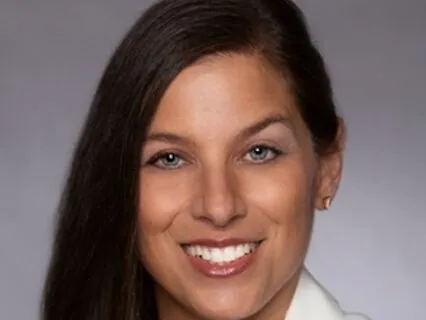
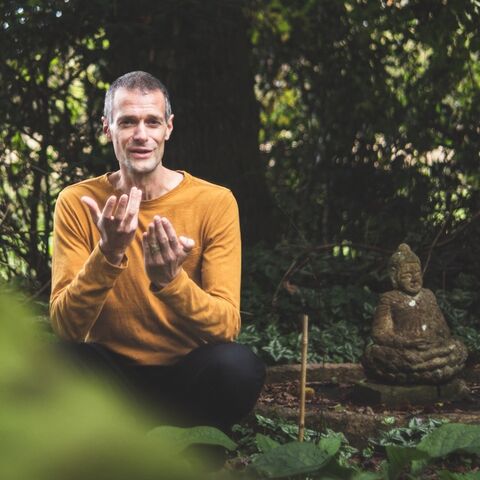
This is Josh of InnerSkilled and today I have Erika Segal with me.
Erika,
How's it going today?
Good.
Great day.
Thank you.
How are you?
Oh,
It's pretty cool.
We finally got rain for so long here in rural Illinois where I'm at.
So yeah,
Everything's coming back to life.
So that's a plus.
Yeah.
All right.
So standard question,
Who's Erika Segal and what kind of work does she do?
So I am an acupuncture physician here in Florida and I've been doing this for 20 years,
Utilizing all the ancient knowledge that was passed down and watching people heal themselves just by utilizing their own body's frequencies.
I grew up in New York and thought I was going to be an architect.
That was my direction as a kid and then gradually decided to do something different in college,
Really got into studying philosophy and religion and ancient civilizations and that really took my attention more so and then started looking into therapies,
Different psychotherapies as well.
And then my first trade right out of undergrad was feng shui.
I found a program in feng shui.
I was living in New York at the time and it was like starting the next week and I was like,
This is perfect.
It combines the basis of architecture and design with basic common sense on how energy moves and also combining with Daoist,
Buddhist type principles.
And so dove headfirst into that and by the end of that training,
I was living in San Diego and there's a really good acupuncture school there,
Pacific College.
And so it was a natural progression because the system of feng shui is really the same base system,
The same principles as the acupuncture systems.
And so it was a really natural progression and I've been doing it ever since,
Loving it.
Well,
Cool.
Maybe you can speak a little bit more about how you linked ancient architecture to this too.
I'm fascinated by that as well.
But I don't know much at all about acupuncture and I'm fascinated now.
So you can just kind of start from the basic level here and then how feng shui ties into that.
I haven't even heard that and I don't know much about feng shui either.
I'm just very general things.
I know acupuncture involves needles on certain places on the body for therapeutic effect.
I mean,
That's a horrible,
Gross oversimplification.
I mean,
Yeah,
Where do you know where to stick these things,
Right?
And what do they do?
So I think that's enough.
I don't know.
I mean,
It's such a huge field,
I'm sure,
But I don't know.
Whatever you feel kind of call to say about these things.
Yeah.
Sure.
So it really goes back to Taoist principles,
Basically the Tai Chi where you have from one comes two and then the dance of the two together.
So from oneness into duality and from the two comes everything,
Right?
So that interplay.
And so from that interplay springs all the things of life and nature.
And that includes what we call the five elements or five phases.
Sometimes elements can sound too static.
And so really they're phases because everything's always in motion,
Right?
And those include the wood element,
The fire element,
Earth,
Metal,
And water.
And so those particular phases or elements are then used and represent all things.
And so that could be everything from your different organ systems and from the organ systems.
Each one is related to a different channel that goes throughout the body.
You can think of it like the rivers that go throughout the body of energy.
And that also relates to nature.
So when you look outside yourself into nature,
It reflects back internal,
What's going on inside.
And so sometimes I tell people the different patterns that we look at in traditional East Asian medicine,
The patterns,
They're almost like weather patterns.
So if you have dampness outside,
We're in Florida,
There's a lot of moisture.
And so that moisture can reflect back into the body.
You might see sinus issues or swelling in the joints or things like that will reflect the dampness in the body.
Same thing with dryness.
If you have dry weather outside,
You can have dry weather inside.
We see that a lot,
Especially with women around menopausal age,
Liquids or fluids start to dry up a little bit.
And so we tend to see these different patterns at different parts of people's lives.
Men and women have more tendencies.
And so,
And even children have their different tendencies.
Children are very young,
Which when you have the one becoming two,
The yin and the yang,
Children are very young.
They're like the fire of life,
Like the lightness and the moving quickly.
And then as we get older,
We move more into the yin aspect of life where things are heavier.
The energy tends to sink down and we just tend to have less energy and a little more stillness versus movement,
Early in life versus late in life.
And this can go really even into different emotions.
So each element and phase relates to different emotions as well.
So when people have,
Let's say,
A trauma in their life and they wind up having a lot of grief,
Well,
Grief can be ruled or grief is the function of the lungs and large intestine.
So sometimes you'll see if someone's had trauma,
They might move into asthma or colon issues when they're stressed or when their grief is activated.
So there's so many different correlations.
And as an acupuncturist,
My job is to figure out or kind of tease out which patterns are at the top of the chain for somebody,
Because each pattern has a laundry list of different symptoms that can go along with it.
And so as you treat the pattern,
So when I treat a pattern,
Someone's laundry list can start to fall away.
So instead of taking a med for this and chasing the symptoms,
If we get at the base root pattern,
Then all these different symptoms that seemed unrelated,
But to me,
I'm like,
This fits very nicely into these one or two patterns,
Treat the pattern with specific acupuncture points that have functions to actually balance out that pattern.
And there's herbs that do that as well.
It always fascinates me to just contemplate,
First off,
How these ancient masters came up with these points,
How they detected,
And my guess is meditation,
Deep,
Deep contemplative meditation and testing too,
But just to know that all these different points connect in a channel and then the actual specific location.
And so could you help me understand why a needle in one specific point has the effect that it does?
What does it do when you stick a needle in that point?
So each point has a different frequency to it.
This is not something we learned in acupuncture school,
But this is something beyond in my more studies of consciousness and frequency and learning that there's the different frequencies of the points.
And we are frequency,
Right?
We are electric beings.
And so by using metal in an area that is electrical in and of itself,
But also you have water,
You know,
You're mostly water,
Right?
And so we're actually conducting electricity,
Even though it doesn't necessarily feel like electricity when you get acupuncture.
That's,
There's actual electricity being,
These messages through the electrical system being sent up to the brain and then the brain self-regulates.
So,
You know,
For example,
If there's several functions of a point,
I could be using a point for one or two of those functions,
But the brain will know,
The brain is aware of what to do with that point.
Like it knows which function to take and say,
Hey,
We require sending healing chemicals out to,
You know,
This particular area.
And so,
So really it's a self-regulating system.
We are getting the body to heal itself.
It's just,
I was just saying,
It's just fascinating how certain things,
Certain issues will,
Well,
Like the body keeps the score of this book and this thing,
Kind of everything is in the body and then specific places in the body and then organs.
It's just so,
It's so bizarre to me in a way,
You know,
I mean,
You would look at these organs and they're just like,
What is that?
And then to know that like one point can have all these specific effects and that the brain knows how to do it.
It's really kind of mysterious in a way,
You know?
It is.
And now you can even,
What are some of these other techniques like cupping and then dry needling,
Talk about all the difference,
Well,
All the different,
What other kind of variations you have?
Yeah,
Yeah,
Yeah.
Yeah.
And how they make a difference.
Yeah.
So one more thing besides conducting electricity with the points is there's actual,
You know,
Anatomical things going on,
Physiological changes with acupuncture that are measurable.
And you can see,
You know,
If you look at studies,
You can see what's actually going on.
There's one thing called the P38 pathway and that activates the body's cellular repair,
Cellular regeneration,
Ability to neuro protect,
Ability for the body to use antioxidants more efficiently.
So this,
This pathway is activated with acupuncture.
So that's,
That's one of the more Western ways to look at how it's working or why it's working.
So other,
Other adjunct therapies besides acupuncture,
Herbs are a big one.
I mean,
I call acupuncture and herbs,
The one-two punch,
You know,
They work great on their own,
But together it's much quicker typically to treat any issue.
And that's even in,
In grad school for acupuncture,
That's half of it's acupuncture,
Half is herbalism outside of all the other,
You know,
Learning anatomy and physiology and all that stuff.
But,
But so the herbs are very important and we do polypharmacy.
So it's very rare that we use one herb alone.
We say that like,
If,
If you use one substance,
It's more easily pushes the body too far in the direction of that herb,
You know,
Like,
So for example,
If there's a cold bitter herb,
That's gonna,
You know,
Make the digestion upset.
And so in a formula that's more cold and bitter,
There's going to be a few herbs in there with just a little bit of sweet and neutral to make sure that it doesn't harm the digestion.
And that's why it's pretty rare to actually see side effects when using herbs or the Chinese herbs,
Anyway,
The formulas themselves.
So herbs are a big deal.
Cupping is just as old as acupuncture.
And it's the use of suction cups over areas of tension or injury,
Old injury,
Where there might be stuck blood and energy,
Like,
Let's say,
You know,
Let's say you had an old shoulder injury.
And,
You know,
It's still bothering you years later,
Well,
Chances are,
Through that healing,
Some of the blood didn't get moved out.
Right?
Or if you have tension in the traps,
Which is very common,
You know,
When there's tension,
Everything slows down a little bit.
It's like a traffic jam for the blood and fluids.
And so the cups suck up that stuck blood,
And it just brings it up towards the surface and your lymph system flushes it out.
So it's a self-cleaning.
It's a way to self-clean.
Some people will lancet the area to get out if there's really old stuck blood,
Just to pull some of that out.
I only do that in,
You know,
Extreme cases,
But it's pretty common.
And scraping or gua sha is also a very,
Very old technique that we use in traditional East Asian medicine.
We just,
Traditionally,
We use a bone,
A piece of bone,
And you just scrape the area and you put some oil on so it doesn't hurt as much.
And then what happens is any of that stuck blood I was talking about comes up towards the surface,
And then lymph system flushes it out.
So again,
A self-cleaning mechanism.
I also do laser acupuncture with cold lasers,
Red light and blue light.
And that is great for people that are needle sensitive,
Because there's really no sensation with the lasers.
So great for kids or,
You know,
People that are maybe on blood thinners and have trouble,
You know,
Like with bruising.
And then what else?
There's also,
Oh yeah,
The dry needling.
So dry needling is just orthopedic acupuncture being done usually by physical therapists that get very minimal training in acupuncture.
And it's just into the trigger points,
Which is great.
We learned that in orthopedic acupuncture.
But the story is actually,
There was a physical therapist that went to acupuncture school for a time,
Dropped out,
Started a corporation called Kineticor,
And proceeded to use the term dry needling instead of acupuncture to skirt the licensure and do weekend courses.
Yeah,
It was a weekend course.
I didn't know there was about weekend warriors here.
Now I think maybe the training is a little longer,
Maybe a month of,
You know,
Weekend courses.
It's pretty easy to learn needling.
It's not that difficult.
But the way that dry needling is done is very intense compared to almost all acupuncture styles.
Like there's no need to badger the body.
It's like your body is smart.
It knows what to do with the needle.
There's no need to really like,
You know,
Badger it.
It's kind of like the style I like into shaking a crying baby versus,
You know,
Calming down the family in the room so that the frequency can all match up at a nice calm level.
So it's great for some people,
But it generally gives acupuncture a bad name because it tends to hurt more in terms of the intensity of needling.
Whereas regular acupuncture,
There's barely any feeling to it,
Depending on someone,
The acupuncturist's style and,
You know,
How heavy handed they are.
So I tend to be a gentle needler because that's how I like it myself.
I like it gentle.
It works.
So it even works with,
You know,
If you have an amputee,
You know,
Like let's say someone's missing their leg,
But they still have leg pain.
Right.
You can actually tape needles to the area and it'll still work.
Well,
I didn't know that it could treat phantom leg or phantom limb pain.
But the point is there's no need to badger,
You know,
The energy can do it.
Your body can do it.
Have I seen things where they attach something to the needle?
Is it like electric?
Yeah.
Electric stim.
What is that called?
Electric stim.
We just call it e-stim or electric stimulation.
And that's often used more so for orthopedic issues.
So it just,
It gives a little bit of a pulse and just,
It pushes the energy a little bit more.
But I tend to let the body do what it needs to do without the electric stim first.
And usually that works.
If it doesn't,
Then I'll consider electric stimulation.
Really,
It depends on the practitioner and what techniques they prefer.
There's so many different techniques,
You know,
Over the years,
You know,
Someone comes up with a new technique,
It just builds on the others.
There's just more techniques.
It's not like out with the old and with the new,
It's like,
Oh,
And here's another option and another option.
And so every acupuncturist is so different.
We all have different techniques and mentors and different tools in our tool bags.
You know,
In Florida here,
We can actually do,
Yeah,
Different schools as well,
Which teachers are at which schools and who you gravitate towards at the school.
So I also do what's called acupuncture point injection therapy using homeopathics.
And that's been really an efficient way to deal with a lot of- I was just going to ask you about homeopathy there.
So tell me about that technique.
How does that work?
So there's different homeopathics and they're super safe.
It's about the safest thing because it's the substances are diluted down to the point where there's really no active ingredient,
You know,
But the frequency and the essence of the substances is there and still doing the job.
And so by injecting into acupuncture points,
It can just make things very,
Very quick.
You know,
For example,
There's one called Tramiel,
Which is mostly arnica,
Which is a very popular homeopathic for sprains,
Strains,
Bruises,
You know,
Just all sorts of itises,
You know,
Pain in general.
And so,
You know,
Let's say somebody has elbow pain,
You know,
They've got tennis elbow,
Right?
Well,
The acupuncture is going to do a great job all on its own.
But if I'm able to inject a little bit of Tramiel into there,
It just makes it so quick,
So much quicker.
And it's just a little bitty amount?
I mean,
I imagine it's just a little bit.
Yeah.
Like at each point,
I might do like 0.
3 cc in a point.
So if you're up for it,
Hopefully you won't charge me here.
I guess you could.
I mean,
Just as an example here,
I'm not going to hold you to this as medical advice over the,
You know,
Over the internet here without coming into your clinic or whatever.
Well,
I'm grateful that I only have a few minor,
You know,
Ailments or whatever.
But what I want to ask before is my dear mother,
She fell on a garden hose and broke her back.
And she's up walking around.
She went to one doctor and said they wanted to inject some kind of like cement next to her spine because it's broken like two places.
And this is crazy that she's,
I mean,
They can't really put a cast or anything and she can't just lay around in bed all day waiting for it to heal.
But acupuncture could help her too,
Right?
Have you ever seen cases like this?
And what would you do?
What would you recommend if she went to go see an acupuncture or what could she expect,
I guess?
What are some options?
So yes,
Acupuncture is great to speed up the healing,
The body's natural ability to heal the area.
And what's fun is one of the techniques that I love most is called the balance method.
And we don't even have to touch her back.
Like there's points that influence the back,
All the channels that run through the area,
Influencing the bones,
Influencing,
You know,
Whatever else is affected from her injury.
Just by using points from the elbows,
Elbows down,
Knees down,
Have some of the biggest influential points on the body.
And so,
You know,
Depending on,
You know,
Someone like her,
Depending on what position she's comfortable in,
Right?
If she's in pain,
You know,
Sometimes,
You know,
Laying on a massage table can be a little tough.
So,
You know,
Some of my older patients really prefer being in,
We have recliners as well.
So being in a recliner can be very helpful to make the treatment more comfortable.
But also then,
You know,
Because she has a break,
I would consider doing that tromeal I was just talking about into the back area.
So we just do it right next to the area,
You know,
And then it seeps in.
So it's not like we're going like right into the spine,
But right next to it,
And then it reaches the area,
Speeds up the blood flow there so that she can get all those healing chemicals faster.
And then other things,
You know,
There's herbs as well to help speed that up.
There's topicals.
Topicals are great,
The topical herbs.
Yeah.
Maybe some light therapy as well.
Red light therapy.
Now,
Does,
Before I talk about my things,
Insurance,
Does,
I forget how this works,
Do most people's insurance,
Does it cover it?
Does it depend on state or how do the payment and things work?
It really depends on the policies themselves.
So it's usually dependent on not just the state,
But the particular companies in that particular state,
And then the particular policy that somebody has.
So it's all over the place right now.
Some people have some coverage,
Some people have no coverage.
It's a real like spotty kind of situation.
Kind of a dice roll.
I just do super bills for people,
Which means they pay at time of service or at packages.
And then if they do have coverage,
I can give them a super bill,
Which has all the codes on it that are necessary for them to get reimbursed for whatever rate that their company will pay back.
You know,
If you pay,
For example,
My treatments are $135.
Maybe the policy pays $100.
So then you might get a check back for $100 from your company.
But it just depends.
You know,
I tell people to call their insurance company and find out if they're covered for acupuncture and if they are,
For what?
Because sometimes they'll be like,
Oh,
We'll only treat,
You know,
We'll only pay for,
You know,
Nausea during pregnancy.
Like,
How's that going to help my back pain?
You know,
So it just depends on the policy.
Due due diligence.
Yes.
Okay.
So I've been,
I had one of these checked out by,
I think a skin doctor years and years ago when I was still going to,
When I still went to doctors.
And I'm not anti-doctor,
Like if I break a bone or I need a surgery,
Of course.
Yeah,
Emergency is great.
Absolutely.
Yes.
These were,
I think they called benign fatty tumors and there's just lumps around.
And I talked to another acupuncturist and he said there's a technique called surrounding the dragon.
Yeah.
So I think that's one of the things he recommended if you had any other advice.
The other thing is I've got kind of this energetic blockage in my right nostril and it kind of blocks in my ear too.
I can feel it,
Especially when I meditate sometimes.
I mean,
Some people have told me that,
You know,
With yogic breathing,
If your body's too hot,
Then it might breathe through one nostril more.
If it's too cold,
It might breathe through another.
I do notice when the air temperature is cooler,
It's not likely there.
You know,
Of course,
Waking up in the morning,
Sometimes it's more prevalent.
And I haven't really pinned down exactly all the kind of conditions for when it's like that.
But I've also heard some people say naturally,
Our breathing is supposed to alternate naturally between one nostril for a while,
Then that one's supposed to close up,
Give it a break,
Then the other one kicks in,
Right?
So yeah,
I don't know.
I have had my nose broken twice,
I think,
When I was a kid playing baseball,
Which was,
I think that might have a lot to do with it too,
And some trauma with that.
Yeah,
So there might be some scar tissue blocking the passages there.
So there is something called serrapeptase.
Have you heard of that enzyme?
It eats up scar tissue.
So if there is scar tissue there from past injuries,
You might want to consider some serrapeptase.
You know,
Natokinase,
Lumbrokinase,
These are things that help eat up,
You know,
Scavenge for any of that.
So those are great.
But remember,
I was talking about the weather patterns.
So when you have,
You know,
Fatty cysts,
When you have congestion,
This all points to that damp pattern,
Which is funny that that's the one I was talking about.
So yeah,
It would be a damp pattern.
And so dampness can mix with cold or can mix with heat.
So it just depends.
Sometimes,
You know,
The heat you could think of more like a smoldering,
Like the end of a fire,
You know,
Like the smoldering end of a fire with a,
You know,
That's had water poured on it.
All right.
So that's,
I mean,
If it's better in the cold weather versus hot weather,
That gives us a clue that it might be more of a damp heat situation versus damp cold.
So there's specific points and specific herbs that deal with that pattern of damp heat and help your body to digest the fluids,
Cool it off a little bit,
And then tonify the organ systems,
Which is the spleen for the most part in charge of creating that damp in the first place.
So it's like kind of clear,
Like take off the wet blanket by clearing the damp and then tonify the spleen energy,
Which is in charge of creating that damp in the first place.
Cool insights.
I appreciate that.
And it's pretty cool how alternative medicine puts a lot of emphasis on the spleen where it just seems like Western medicine thinks it's just like the appendix or something,
Like it's like completely pointless and they don't do anything with it,
But it's so important,
Right,
In alternative medicine.
Yeah.
It's so,
So important.
Yeah.
Yeah.
It's huge on transforming and transporting your food and your drink into your chi and your blood.
And so very important,
Yeah,
Recycling that blood.
So do you have any like overall health advice?
And then also what kind of issues do you see like in mass at your clinic?
Is there anything that sticks out?
I mean,
I've got a few that I've heard about,
But I want to hear what you're dealing with the most these days and how do you,
I guess,
Kind of a brief overview of what you're doing to treat it and if you're having success.
Yeah.
I would say anxiety is kind of like an overarching thing for a lot of people,
Even though they might be coming in for something else.
But if there's anxiety running underneath,
Right,
Then addressing that is super important because if people are in a state of,
You know,
Fight or flight,
If they're in that,
Then they're just going to be creating more disease for themselves.
Right.
And so getting people into that parasympathetic state is what acupuncture helps do.
And it's amazing,
Like people at the end of a treatment,
They're like,
Oh my God,
This is the most relaxed I've ever been.
You know,
It's just,
It's so great because you have all those feel good chemicals running throughout your body.
So I'd say,
Yeah,
Anxiety is the biggest thing.
And yeah,
There's specific acupuncture points to help with that.
A lot of them,
Actually,
A lot of points are great for that.
When you look at the names of the acupuncture points,
A lot of them actually have spirit type names to them.
So the recognition that there's no separation of the body and the mind is just an illusion.
And so trusting,
I would say some of the biggest advice would be trusting,
Trusting one's body,
Trusting my body is doing what it needs to do right now.
And when it seems out of balance,
It's telling me something,
It's giving me information.
And it's that way,
You know,
We could use that as a way to remember to trust our bodies and trust life and trust our ability to heal ourselves.
Well,
I mean,
Do people say what they're anxious about?
I mean,
It's a kind of almost a spiritual cliche to say,
You know,
Depression is living in the past and anxiety is living in the future.
I mean,
Do people just have these feelings that things are going to get bad?
Or is there,
You know,
Do they say anything in general?
Are you getting anything?
And then,
Yeah,
I would echo that trust.
And I would say if people,
You know,
Yeah,
You almost have to trust yourself to live like a healthy lifestyle,
Like healthy diet,
Healthy exercise,
All the basics,
Right?
But if people aren't doing that,
You know,
I think it kind of runs hand in hand,
Like they're not trusting themselves,
But then they're not,
Maybe not,
You know,
Caring.
So that's where I think the heart comes in too.
Right,
The apathy,
Yeah.
Yeah,
Apathy.
And people,
I mean,
I was shocked when I started waking up and doing a little bit of spiritual practice,
How much I actually hated myself and hated other people and didn't even realize the degree.
It was kind of shocking,
You know?
And how that was affecting everything in my life,
You know,
Pretty much how people were treating me,
How I was treating other people,
Not so good,
You know?
And how amazing turnaround that was when I would just kind of level off the ill will,
You know?
So,
Yeah.
I would say with acupuncture,
Generally,
When you're getting acupuncture,
You know,
After you're laying there for,
You know,
Usually a treatment is,
You know,
30 to 45 minutes around there.
After about 10 minutes,
Like holding on to any thoughts,
You know,
Past,
Future,
Anything,
It just falls away.
And it leaves one in a state of peace and being present and just being,
Just being.
And the more people do acupuncture,
The more they are,
It's like training wheels to have that peace throughout their lives and not just while they're getting acupuncture.
It starts to,
You know,
Some people say after they've got acupuncture for,
You know,
The first time and they're like,
I had like,
You know,
I was in like a euphoric kind of state for a couple of days.
And,
You know,
People that are living in the present,
It'll just be a natural thing,
You know,
There's less of a contrast.
But for people that are living in that anxious state or,
You know,
Living in the past or future,
Having that state of being,
That's new for them.
And so,
It's,
It really,
It is like the training wheels and people do wind up changing their lives when they're getting acupuncture on a regular basis.
I mean,
People,
People will change jobs,
They'll change partners.
I mean,
Like things start to really shift because of that presence.
It's beautiful.
Well,
Very cool.
Yes,
Indeed.
And that's,
That's the ideal.
And hopefully we see more and more of that.
I've also heard,
Though,
Of kind of the,
Not the opposite,
But another effect where people,
They kind of use it as a bandaid almost.
And so,
They're not addressing the kind of core issues and core patterns that keep perpetuating the same issues.
Have you seen this?
And if you,
If you have,
What do you recommend for things like that?
Now,
I would say maybe eventually,
Actually,
You know,
Maybe they start getting into more habits like this,
That when they start feeling that way,
And then,
You know,
Start making other choices in their lives and start doing other things so that hopefully that's where it starts getting rid of old habit patterns and starting new ones.
But I'd imagine that some people use it as,
You know,
The way I mentioned before.
Have you seen this?
Or what do you do with it?
I mean,
I could see with people that are just chasing symptoms.
Yeah.
Because for someone that has like a chronic issue that keeps coming back,
You know,
If their lifestyle,
If they have just something that they,
You know,
They're working against,
You know,
Like the inertia of their lifestyle,
But that's fine.
You know what,
If someone is in that state,
You know,
No judgment here.
It's,
It's just where they're at.
You know,
If,
You know,
If they have no shame about it,
I'm not gonna put shame on them for it.
No,
No.
Yeah.
Sorry,
That's,
That's not what I was getting at,
I guess.
But it did come off that way.
I'm sorry.
It's just like,
Yeah,
This,
This tough thing that if you,
You kind of see some other things in someone,
But you can't really tell them,
You know,
What they're,
What they should do differently,
You know,
Or what they could.
No,
I,
You know,
My New Yorker comes out in me and I'll be honest with people.
Sure,
Sure.
You know,
What I'll do is I find that I'll find,
You know,
Whatever it is I'm seeing in them,
Right?
At some point in my life,
I'm sure that's something that I face,
Right?
Because it's just a reflection of me at the same time.
And so,
You know,
Maybe there's something about my experience.
I,
Maybe I have a story about whatever the scenario is,
Like,
Here's,
Here's a time in my life where I had shame for,
You know,
Eating a bunch of junk food or whatever it is.
So I can go into my story and then,
You know,
That could be another way for them to reflect on themselves.
You know,
Maybe it'll influence them.
Maybe not,
But that's okay.
Well,
That's,
That's beautiful too.
I love this saying what we,
And it's,
It's kind of a twist on the mirror teaching that what we see in others is something we've already addressed in ourselves,
You know,
Instead of it like,
Okay,
Oh,
This is what I still need to work on,
Blame myself.
Oh,
If I'm seeing that horrible thing,
It must mean there's something wrong with inside of me.
Well,
Maybe,
Maybe not,
But I like this because we can't really notice,
We can't really notice something unless we've had some kind of experience with it before,
I think,
You know?
So I like that.
And I'll just say like,
I have a family member who goes chiropractor,
Right?
It is a really good point because it's just kind of like a serial thing.
But to me,
You know,
At first I thought,
Well,
You're just,
You know,
You're just treating a symptom and you're just kind of dependent on that now.
But actually that's a lot healthier than a lot of other alternatives that they could be doing.
So it is a really good point if they're just not ready to make any kind of changes or do anything different,
You know,
And older too,
Right?
It could be little,
It could be little,
Little changes,
Little tiny things.
Oh no,
That's huge too.
And most people won't,
I think,
At least in my own experience,
I won't take something different because we think it's too little,
It won't make a difference.
But there's an old saying,
Drop by drop,
The water bucket's filled,
So cumulative.
So don't think that,
You know,
It won't have any difference.
These little things do matter.
And of course there's the butterfly effect too,
But yeah,
I just wanted to kind of see what your opinion and attitude were on that.
And I really like a leading from experience,
Like you said,
And kind of discerning when to say what and how to do it,
Right?
Yeah.
And I could usually tell like who's ready to dip their toe in or who's just like got a wall up and it's like until they see some change,
Like forget talking about lifestyle until like they notice anything different in the symptom they came for,
You know.
So sometimes it takes a little while and sometimes,
You know,
Someone is just,
You know,
Some people just will jive with somebody else or something,
Some different modality.
But I could usually tell when,
Well,
Sometimes I'm wrong,
But I could usually tell when like someone's like not into anything.
Exactly,
The time has to be right,
Right?
The time has to be right.
It was a pleasure having you here and thanks for educating and bringing all these things to light and I had a good time and learned a lot.
You're welcome.
So may all beings everywhere out there come to know their most optimal health and well-being for themselves and for their loved ones and maybe all beings everywhere.
Yes.
And come to know that their deepest,
Most optimal trust too because,
Boy,
Is this society lacking that right now too.
Well,
We're raising it up.
All right.
Bye now.