Hey,
Holmes,
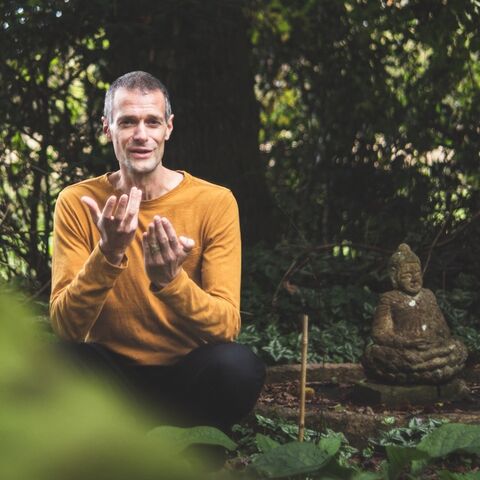
This is Josh of Interskill and today I have Duncan Basker Brown.
Am I saying the other name right there?
Yeah,
That's perfect.
That's pretty good.
You should maybe consider podcasting.
You're good at this stuff.
I should consider getting my pronunciation right for podcasting at least.
So what's going on today?
How are you?
Yeah,
I'm all good.
The sun has been shining all day and I'm like oh this is great because it'll be nice and dry this afternoon when I want to go skating.
So yeah,
It's all looking up.
All right on.
Yeah,
Here in Denmark it's cleared up already.
It was really,
Really windy last night and now it's starting to clear up a little bit.
So who is Duncan Brown and what does he,
What kind of work does he do?
Oh,
Who is Duncan Brown?
Son,
Husband,
Father,
Skater,
Morris dancer,
Owner of two average-looking bonsai trees,
Avid reader.
I don't know what else.
Oh,
I do like,
Do like a silver coin as well.
That's that,
That's kind of all of the extraneous detail.
What do I do for a living?
Well,
I think there's this misconception.
People think that what I do is I help people to stop drinking but that is not it.
What I do is I help people to start living.
I love this perception shift.
It's just a background here.
When I started meditating in 2012,
You know,
I went from being in a corporate culture where we went out and just drank a lot.
It was kind of socially acceptable and I was one of the guys who had to tell some of the other people what they did after they blacked out because I never did,
Right?
I could drink most of the night and get up without much of a hangover.
And so that's where I was,
That's where I was at.
And then after I started meditating,
I got to the point where one drink I would get hung over for like 24 hours,
Going from hardly ever getting hung over,
24 hours,
One beer.
And I was like,
This is ridiculous and I just quit.
So I know my story is probably not the most common because a lot of people don't get into really serious meditation like that and have things like that happen,
But that's kind of where I am.
And that was in 2013.
And yeah,
So,
So,
And I will also say that I have lived in the UK just,
You know,
Just visiting just kind of like for three months,
Four months,
Maybe five,
Something around there.
And there's a big pub culture there,
Right?
It's a huge thing here in Denmark.
I'm not really immersed in the culture so much now,
But it's big here where I came from the United States,
A place of southeast Missouri,
Where there's a bunch of German immigrants.
Most of my heritage is Germanic and that's a huge,
Just standard everyday life.
That's what you do.
You,
You get together and you drink beer.
So this perception shifts from not looking at it as bad or wrong or anything like that,
Doing a completely different way to look at this.
So tell me more about how you view all this and what,
What you mean exactly by that.
Well,
Funny enough,
I actually had quite a long conversation the other day about pubs and they were like,
Oh,
You're all anti-pubs.
It's like,
No,
Absolutely.
I am not anti-pubs.
I'm not anti-bars.
I'm not anti the places where people drink.
In fact,
I quite like going to pubs and restaurants and places like that because that's people getting together.
And,
But,
But I think we misunderstand what's really important about it.
You know,
We think it's about the alcohol,
But it's not.
It's about the people.
It's about getting together,
Sharing a space,
Sharing some community,
Maybe sharing some food.
And yes,
Sharing something to drink,
But it doesn't have to be alcoholic.
In fact,
You know,
I quite like standing around in pubs,
Drinking my,
My sparkling water,
Chatting to people.
You know,
It's,
It's fun.
For years and years,
I didn't get that.
I really thought it was all about the alcohol.
It wouldn't be any fun if I didn't have the beer.
And,
You know,
Getting to the other side of that kind of thought process,
It's a revelation.
It really,
It really does change things.
And yeah,
It's kind of handy because you don't have to wake up feeling bad in the morning,
Do you?
That's right.
So how did you make this transition?
Because I know for me,
It was quite significant.
I mean,
I quit hanging out with a lot of the same people.
So,
And then I,
But eventually I made new friends.
And I did go to a few events when,
During this transition,
And I got a few comments from not,
Why aren't you drinking?
You know,
Why aren't you drinking?
And then I learned later I can get,
You know,
Like a cranberry,
Just cranberry juice,
Or like you're saying sparkling water.
So you just don't look too oddball,
Right?
Or whatever,
You have some kind of drink.
And then,
But what I did find though,
Is that the people who are really your friends,
They don't really care about that.
They don't care.
You know,
You don't have to,
You know,
I had one family member just kind of make a joke,
Said,
Oh,
Hey,
Why aren't you drinking?
You're making us all look bad.
I think he kind of did it as a joke.
But,
You know,
Now everybody knows that's just how I am,
That there's no,
You can't really sway me or do anything like that.
So they don't even bring it up anymore after all these years,
Right?
But yeah,
Tell me a little bit about your transitional process and kind of what advice you have for people who are considering this.
And if you,
What about just drinking less for some people?
Or,
You know,
What do you recommend?
Or how do you,
How do you approach people and work with them around this?
Yeah,
I mean,
That's a massive,
Massive topic and a really good one to bring up because it's certainly something that we keep coming across.
People,
They do kind of struggle with that transition.
They find it difficult to talk about not drinking,
To justify not drinking,
To fit in,
All of those kind of stuff.
The good news is it's actually relatively easy.
I'll go through a few little tips and tricks in a second.
The bad news is that your friends will still take the mick out of you.
You know,
Like I've been sober nine and a half years and I was at a wedding with some very old friends and one or two of them were still being rude to me about it.
But,
You know,
It's light-hearted and good-natured and,
You know,
It's the same sort of,
Similar sort of way they'd take the mick out me for not drinking it,
In the same way they'd casually inform me that they're sleeping with my wife,
Something like that.
You know,
It all just,
It's good fun,
Isn't it?
Anyway,
Ways to make it easier on yourself.
Well,
First off,
You know,
I think there's a big psychological hurdle to jump over.
I think there's a big mindset shift and that's just effectively realising that most people don't care.
Most people could not give a monkey's what you are drinking.
They are not worried about it.
They are worried about their mortgage.
They are worried about their idiot boss's plans to take over the world.
They are worried about that odd rash on their bum but they are not worried about what you are drinking.
Now,
That's most people and you kind of won't notice that because most people just won't say anything,
They just won't give it a second mention.
The problem is there are a few people who tend to be a little bit vocal about it.
One of the best ways to kind of like skirt around them is to drink something that looks like it's alcohol and then you pass underneath the radar.
One of the biggest revelations of my life was realising I was at a wedding last summer and I ordered my wife a gin and tonic and I ordered myself my obligatory glass of fizzy water and I looked down at them and I realised that the only difference apart from the price was that the bartender had put the gin and tonic in a fancy glass and he stuck a strawberry in it and a little straw possibly to justify the £10 price tag or whatever I was paying but effectively it looked like exactly the same stuff.
So the next time when I went back and I just asked him to put my drink in the same drink as my wife's and he just went oh yeah alright and he thought it was quite good fun and he kind of went a bit over the top and stuck two strawberries in.
So yeah if you can get something that looks like you're drinking then that kind of disarms it in the first place.
You have to be a bit careful with that because if you drink alcohol-free beer there's loads of great alcohol-free beers and you don't tell anybody then when they go to the bar there will probably fire you a beer with alcohol in.
So you do have to be a bit careful.
In terms of not getting too much grief off people the thing that I've figured out works the best is to not be too aggressive about it.
So most people that drink actually want to drink less.
About 72% of drinkers are worried about their drinking and wished they could drink less.
So if you are standing in front of somebody not drinking then you are there is a good chance like a you know a three out of four chance that they they're going to be wanting to drink less and that might make them feel a little bit bad and that's where a lot of the bad feeling comes from.
So if instead of saying oh I don't drink and I'm never going to drink again you say something like well I'm not drinking at the moment and it seems to be working out for me it's a bit less pressure it's a bit less in-your-face and you tend to get a much better reaction from that.
And then if all else fails just ask them about sport and they'll forget all about alcohol and they'll just start telling you about how Cristiano Ronaldo is a massively overrated player or who should be playing quarterbacks for the Dallas Cowboys or you know whichever sport of your choice.
Yeah that's a really good point.
So I apologize if this if there's a lawnmower showing up in the background I'm just gonna mute myself when I'm not talking so it doesn't show up and there's a sound cancellation that come in possibly later.
But you talked at the beginning you know this this this I think a more important perception shift of start living life.
So like can you tell what you you mean by that?
Do you want to break that down a little bit deeper or you just want to kind of leave it at where you put where you said it?
No I think it's it's great you mentioned that because it's one of the things that we probably don't talk about enough in the sober community.
We you know if you go on to Instagram and spend five minutes googling sober you you you could be forgiven for thinking that it was some sort of universal gesture that will solve every problem in your life.
You know like it will obviously you will develop a six-figure business and very sexy friends really really quickly as soon as you stop drinking.
And of course that's not really it.
I mean for sure your life is gonna get better if you stop drinking.
If you stop pouring poison down your throat it can't help but get better.
You'll feel better you know you'll have more energy and more focus.
It's a matter of what you then choose to apply that energy and focus to.
And you know I think that's the thing you know it's like stopping drinking is important but actually you need a bit of a plan beyond that.
And you need to start moving away from where you were because where you were was probably kind of connected to what was making you drink.
It was making you want to drink.
It was making you think that drinking was providing you with something.
So you've got to move away from that.
I mean not like physically you don't have to move house or anything but mentally you have to shift.
You have to start thinking about how to manage your triggers.
You have to start thinking about developing emotional intelligence.
And you have to start thinking about the way you connect with other people and maybe you know finding some new connections and deepening some existing connections.
So yeah absolutely I mean getting sober changed my life but it was only the start.
It's everything else that I've done in the last nine years that you know have made me happy and successful-ish.
So folks would like to connect with kind of personal stories so maybe you can just kind of sum up how you what your life was like you know leading up to this choice and then kind of during the transition process what what what happened and how you figured all this out if any any places any advice or mentors you look towards or you know and then if I also what before I forget here ask you about these 12-step programs.
I mean in this this notion of okay is it a problem or not is it just okay I'm just a regular drinker and then I just want to do something different or do I need to recognize if there's really a problem and if that factors into this whole thing too.
Yeah I mean there are various different tools you can use that will give you an indication of where your drinking sits on a spectrum and I think realizing that it is a spectrum is quite important I think there's this kind of idea that there's two types of drinkers in the world there's people who have lost their job and drink vodka in the morning you know and then there's everybody else and so long as you're not drinking in the morning you're alright and of course that's not true yeah and it goes from you know low-risk drinkers there are some people that drink infrequently who I think we can safely call low-risk drinkers and then you go into people who are drinking in a medium risk and then you start to look at severe and very severe drinkers and then right at the end of the very severe drinkers are what we think of as you know problem drinkers people who've lost their job their family their dog and their car kind of thing but there's actually quite a big spectrum so you can you can define where you sit on that spectrum you can give yourself a nice neat label and you know I don't want to do that down because to some people that does really genuinely help but for me I don't think it's anywhere near as important what you call it as what you do about it so I think getting a bit of help is is what you need to do and yeah I mean if you at the end of the day there's only one really real question that that matters is your drinking causing you a problem if yes then by definition you're a problem drinker and you should do something about it if no then you know well maybe get yourself educated talk to a few people think about it but but don't dwell on it too much but if it is causing problem get some help and there is so much help out there I mean you mentioned the 12 steps I'm sure all of your listeners have heard of Alcoholics Anonymous that they are fairly famous there are also other group programs out there smart recovery recovery Dharma life ring things like that so there are certain elements about that put people off if that's you don't worry about it there are other group programs out there that that you know might gel much better with your philosophy or your approach if group programs put you off then there's plenty of things you can do individually you know there are many therapists out there that will work with you from a kind of like top-down or bottom-up approach they'll help you to deal with the issues that are making you want to drink and once those issues are dealt with often people find that the need to drink sort of falls away or you could take it from the other perspective you could get a sober coach somebody working in something like cognitive realignment which is sort of a bit like cognitive behavioral therapy which I'm sure all of your listeners have heard of and they will help you deal with the problem and then once you've dealt with the problems around drinking and you've got yourself sober then what a lot of people find it's much easier than to deal with the kind of the underlying issues as to why you were drinking and to build that self-awareness emotional intelligence all of that kind of all of that kind of good stuff so there's lots of different ways of doing it so you know don't be don't don't feel like you're gonna have to be pigeonholed for me you know what kicked it off was one big event you know my wife and I we were doing fairly well in life you know I was I was quite a competent adult you know I was pretty high-functioning I had quite a lot of success in my life we had a nice place to live you know it was all of that so we thought we'd do the most adulty thing ever you know obviously have children which was great fun well I mean the trying bit was fun wasn't it and then we were instantly as soon as my wife got pregnant you know we'd straight away we were that stupid naive couple you know the one that's like all smiles and just no idea what they've let themselves in for and it was utterly amazing until my wife had a miscarriage and it just wasn't amazing anymore it was completely awful and you know I mean that was obviously very very hard on her she had it it was a big strain emotionally physically and mentally but what made it even worse was I just wasn't there for her you know my default reaction to any kind of problem hard times difficult emotions anything like that it was always to just pour myself into a bottle of wine so I kind of just you know got drunk and ignored her for a little bit which is obviously I know now not really good behavior is it but it did as I say it kind of brought stuff to a head and I didn't have one of those moodily lit 4 a.
M.
Moments you know where you're staring into the mirror and it all crystallizes into this one question but I spent a lot of time you know looking inside myself and yeah trying to figure out what the heck Duncan was actually for you know what was it that I wanted in life and it I can see now it came down to one basic question you know what do I want do I want another drink or do I want a family good news is of course I made the right decision and almost nine months a day after I stopped drinking our daughter was born and that was amazing for about ten minutes and then it filled my life with a whole other world of problems but they're good problems aren't they they're the kind of problems you want well cool that's that's it's wonderful great story there and journey and so yes congratulations on fatherhood I yeah not there that not that I know of anyway so now whatever reason this is coming up to about interventions like how do you feel about these I have no clue of course on on the one hand I can say well you know it might be I know it would suck but if this was intervened it might help not only them but it could help everybody around them society at large but on the other hand it's just like okay how much am I stepping on someone's journey you know won't they just just leave them by themselves and eventually they'll that it will kind of sort itself out so these are I guess these are kind of the two extremes how do you and I have no preferences I just if you want to comment on this or have any advice or views on this yeah I think that there's there's this idea that people have got to want to change and you know there was obviously some merit in that I mean that's that's why it's almost a cliche isn't it because there is a lot of truth in it you know without the willingness of the individual nothing is going to happen however the statistics in America certainly where you know people are mandated into therapy a lot more than in the UK for example it shows that people who volunteer to go into rehab are about as successful as people who are forced to go into rehab and this does kind of tally with my own experience that I think you've got to be enormously careful about it but what I have noticed I get a type of client and I will be honest they are usually men and they have been forced to come along usually by their wives and they're sitting there thinking to themselves well this guy is an idiot and I know he's an idiot before he's even opened his mouth and all I'm gonna do is I'm gonna listen to him for a little bit and I'm gonna realize that he's an idiot and then I'm gonna go home and I'm gonna tell the wife that it didn't work and that's that I can go and get drunk and I mean I am an idiot I don't want to like I don't want to miss sell myself but I'm not that kind of an idiot what what they sort of realize is that actually I am like them you know I have been there I have done that I have got the t-shirt I just don't wear it because it's got cigarette burns and kebab stains on it so they kind of start to realize that you know I'm not pushing them to do anything I'm just saying look I've been there I know how bad it was you know what have you done I've heard worse I've probably done worse you know and I know how much it hurts and if you want some help getting out then that's what I'm here for and if you can do that it unlocks something inside people you know no I've never met a heavy drinker who really enjoys drinking heavily it's just you know they'll tell you that they do if you ask they will definitely tell you you know if you push them they'll often get a bit defensive about and tell you how wonderful it is sometimes they even try and convince other people to drink heavily don't they so come on you will have a drink won't you Duncan but they're not really trying to convince other people they're trying to convince themselves so you've just got to put them in the right situation and in the right situation where they feel safe where they feel comfortable then they're able to express the fact that they don't enjoy it and you know that that's actually not the first step that's the second step the first step is of course to realize that you know maybe you should do something about it maybe there is a bit of a problem once you've done that being in that safe space which helps you to kind of acknowledge that you're not alone that you're not the only person in the entire world with this problem you know that that is massive so I think if we can engineer situations which get people into that space then I am all for that and you know obviously I don't think people should be black bagged and gaffer taped up in the back of a van but I think it's important for people who might be listening to this who love somebody who's currently struggling to know that actually you can do a little bit of pushing if you do it right you know if you do it in a way that expresses the love that you have for that individual and that that is where it is coming from and you do it in a way that isn't kind of pressuring them then yeah absolutely it can have some great results well I might as well just ask a little bit further and do you is do you feel comfortable sharing some have you got involved in intervening in some things and could you say anything without in like in general terms without outing anyone in particular you know some certain certain things you've done or some scenarios that have happened and maybe some challenges or some easy success not easy successes but some things that happen that are significant note that happened that will expand on what you just said and so all of the people that I work with have to an extent made a choice to come and work with me so I haven't done any kind of like interventions in the sense of sitting around and kind of persuading people that they need to seek some help they're all of the people that I deal with have already to a lesser or greater extent sought some help even even though many of them is a bit grudging what I have done on a few occasions is intervened with existing clients you could say my approach is fundamentally that you have the answers to all of your problems inside you you already know the answer you don't actually need me to tell you you need you sometimes need me to help you get it out and to put it into words and more than anything else you probably need a space where you can think through the problem to come up with your own solution so I am NOT that keen on telling people what to do but of course there are times in life when you do not need a friend when you do not need a coach you do not need a mentor you do not need a therapist you just need a drill instructor and you need somebody to come and kick you in the posterior and occasionally I have done that for clients who I know don't want what is going on and are letting themselves down for want of a better word but just need me to come and remind them of a few things so in general I don't tell people what to do but I do occasionally go slightly sergeant major on them.
I guess there's kind of the good cop bad cop approach and also like the went to mother and went to father sometimes right yes okay so what what haven't we covered here like what other kind of things people are missing in this whole arena you know like what are can maybe some common misconceptions that you haven't mentioned yet and just yeah what are people missing on this whole topic too?
Well you mentioned the sort of connection between alcohol and business right at the top of the hour and I think that's that's one of the things that I think we need to do some thinking about we don't we don't really talk about alcohol as a society I mean we talk about it yeah we're all too desperate to go on about wine o'clock and how you deserve a G&T and how nobody will think less of you because you're drinking at 4.
30 on a Tuesday afternoon you know we're quite happy to do things like that we stick it on birthday cards don't we you know I hope you get drunk and fall over happy birthday but we don't really talk about it and talk about it and talk about the impact that it has and I think that's something that we need to do and ultimately you know thank you for the opportunity to allow me to do that on your wonderful podcast but I think as a society we just need to be a lot more aware so there are some things that I did not know when I started drinking so I did not know that alcohol caused cancer I did not know that about 30 well over 30% of white British men like me end up having a problem with drinking so if I as a white British man decided to start drinking there was a one in three chance I was going to develop a problem with it which is you know that's not great odds that's pretty sketchy um I didn't know that you know I didn't know exactly how much control and influence the alcohol industry exerts over politics you know I didn't know all of those things I'm not saying that they it would have made me would have made me do something differently but it might well have made me think twice you know I would have considered alcohol to be something different and we don't at the moment we don't we just think of alcohol like you pop down the shops you buy some bread you buy some apples you buy some chips you know you buy some biscuits and you buy some alcohol and we don't think of it as a different product yet it is very very different from all of those things you know it is addictive and the rates of addiction are actually pretty grim alcohol is up there in terms of the amount of people that try it and subsequently develop a problem with it is up there with crack cocaine methamphetamine and heroin you know the only thing that outperforms its nicotine but that's another podcast anyway so I think we need to start to think of it as a different commodity not something that you just pop down the shops to to buy when you're buying some tacos you know it's different to that and there's lots of things we could do you know we could start labeling it differently and pointing out to people and I know some of that is coming but I think we've we've got a long way to go in terms of policy and if we wait for the government to do anything about it then it's going to be a long long way isn't it so I think you know as individuals we've just got to start that conversation we've got to have that conversation much more with our young people we've got to help them to understand you know look if you want to drink alcohol drink alcohol but realize what low-risk drinking looks like and realize that you know there is no such thing as risk-free drinking it you can drink in a low-risk way but you cannot drink in a risk-free way because it's carcinogenic it is a known human carcinogen it is classified in the same group as plutonium and asbestos well yeah the alcohol isn't it's a waste product of the yeast right I think that's what they secrete or something I can't even remember but there's a lot of money involved right there's a lot of money it's a huge industry celebrities and then the marketing what about its portrayal in media besides just everyday life too how does this factor in yeah well I mean I think the big giveaway is the fact that the advertising the alcohol industry spends three times more on advertising than than the average industry would you know why do they have to spend so much money on advertising well it's because they're selling poison so that is a bit of a giveaway I think we've done quite a lot of studies on the portrayal of alcohol in the media and you know one of the things that we found was that 86 and a half percent of originals branded 15 and 18 have alcohol portrayed in them at some point what we found was the average time for alcohol to be shown in any of these shows was around 10 minutes and I can't imagine many of your listeners are going aha 10 minutes now now it's clear Duncan but actually if you look at product placement and you look at the idea of when it is best to do product placement the golden the golden time is bang on 10 minutes because you've settled into the drama enough that your defenses are down but you're not so into the drama that you kind of like you don't notice these kind of things so yeah there's some very deliberate tactics going on and there I think is one of the real ironies of it isn't it you know it's being used to sell alcohol but the people who are producing it are drinking a lot less than they normally would and that is why the alcohol industry needs to spend a lot of money on advertising because it is selling a lie well yeah and I'm sure a lot of these movies too they don't even really drink real alcohol right it's just it's just faking it just like a lot of other Hollywood stuff but it's such an inverted twisted upside down backwards world that you know some people think well I to be a great artist I need to really go through some hardship in my life right I really need to hit the skit or skid row or whatever to because otherwise I can't have inspiration but then you get other people if you say no you can't be productive like that you know you can if you have if you do that you can't produce a lot of art because you're you have too many too much downtime going through so much stuff and then these people who in the advertising industry who would come up with all kinds of ways and the fact that doctors used to sell cigarettes and on and on and on right yeah yeah but I think creativity is such an interesting point and it is this kind of like illusion that we've been sold you know alcohol and drugs in general are a very necessary part of creativity and I agree with you that you do need to go through hardship to make good art you know you need to live but actually I don't think I was living all of the time that I was drinking I think it got in the way of me really experiencing life itself so in that sense it's counterproductive and as you say you know I mean it does it does kind of take up a lot of time drinking and it does ruin two things one is your energy and the other is your focus and I don't really care what your artistic medium is there are two things that you need to excel at it one is energy and the other is focus and yeah I mean I have this conversation so often with people who have written a novel and abandoned it or half written a novel and they're like I'm very creative it's like yeah but you're not because you haven't actually created something in terms of actually creating stuff not just having ideas and sort of following through on them a bit actually creating stuff light and shade let's talk about personality changes too because I know some people just say oh I just want to just need a few drinks to take the edge off so I can you know be more social a little bit anxious in social situations so that's I'm a social drinker this this type of approach to people and so and then maybe some people it's such a habitual thing in their life they don't know how they would be without it or maybe they might fear I might be something else I think this might factor into these things yeah and I think that is you've hit the nail on the head there you know they've never tried it they've never tried socializing without alcohol so how do you know that you need alcohol to socialize now many people are probably kind of happy to turn around and say well yeah actually I was the designated driver once and I was miserable and I said well okay the reason why you were miserable was not because you were not drinking it was because you wanted to drink and you weren't able to drink that would make you miserable it doesn't have to have anything to do with alcohol it could be bananas if you wanted a banana and you couldn't have a banana you would be miserable that doesn't mean the situation that you're in is making you miserable so the thing about social anxiety that most people don't realize is that it is a fairly temporary state you go to an event you are nervous the nerves go once you relax and settle into it now what most people do is they credit the alcohol with the nerves disappearing but it's got nothing to do with the alcohol that's just what happens and if you don't believe me go to that reliable source of alcohol free fun the kids parties because they don't get drunk do they and what happens they turn up they all stand around the edges holding mummy skirt they're all petrified they're all absolutely nervous they're all a little bit unsure five minutes later they're playing who can tear the radiator off the wall quickest because they just relax into it because that is what human beings do when we go somewhere even if we know the people there we still get a little bit nervous we still get a little bit sure unsure and we relax into it if you see me and I'm a bit nervous at the start of the event and I relax into it are you gonna turn around to me and go blimey that mineral water must have magical powers Duncan it's helping you relax and enjoy the event no of course you wouldn't say that but yet we have this huge desire to you know confer all of these amazing benefits on alcohol yeah it helps us to socialize it makes us creative it helps us deal with stress it makes us better looking it's but it's all an illusion of truth really good points and it reminds me to have like performance anxiety how you know it's just it seems like it's it's so nervous before you have to perform something and then that the time comes and all that just drops away and just kind of right in the moment so maybe a little bit similar to that or yeah like you saying and you just get there and that's just naturally what happens over time yeah and if not well maybe you you leave the event and that's that's the best thing too so oh yeah I mean if you're still nervous after 30 minutes with a group of people that probably means they're psychopaths those are scary people who are making you nervous all right Duncan I think this is a good place to start wrapping up I appreciate taking the time today to just go over a lot of these things that I think a lot of us take for granted and in situations like around alcohol and whatnot and I appreciate the things the perspective you gave on interventions to for those of us who have folks in our lives who may be considered doing that or not or how to go about that with the best way and I love how you know it coming from the heart and not just okay it's just me they're annoying me or you know I find them unpalpable but no it actually to affect change it really helps to actually care about them instead of not just my personal preferences that was a big help for me to to get some perspective on that and well take the audience out the listeners out on a the last message here what do you want to leave people with well I think if any of your listeners are sort of struggling with somebody who they love who who has got a problem then one of the things I would always recommend to them is is to get educated learn a little bit about it in terms of final thoughts the one thing I would like everybody to have tattooed across their heart are the words you are enough because you are you are enough you have absolutely everything that you need inside you to live a fruitful happy fulfilling meaningful purposeful life you don't need alcohol you don't need cigarettes you don't need junk food there's a heck of a lot of stuff you don't need because you are enough well beautiful Duncan thanks so much again for joining and may all beings everywhere come to know true meaningful contentment and the proper relationship with or without alcohol and around alcohol