Holdness,
Welcome,
This is Josh Dippold from Integrating Presence.
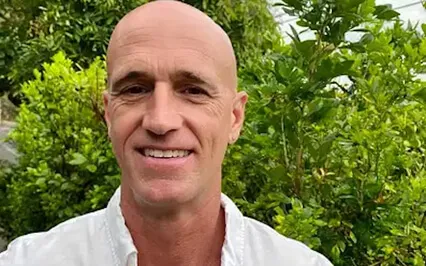
Today I've got Bo Bissette with me.
Bo,
What's up?
What's up,
Josh?
Good to have you.
Good to be on the show,
Man.
I really appreciate you taking the time.
Well,
It's an honor to have you here.
Bo reached out and I checked out his work and yeah,
It seems like we align on a lot of stuff.
So what I've been doing recently here,
Instead of me reading an introduction or me coming up with my own introduction,
I just will toss it back to the guest here and say,
You know,
Who are you and what do you do?
So tell us a little bit about yourself and kind of your work.
Yeah,
Man.
My name is Bo Bissette,
Like you said,
And I label myself as a healing guide.
So I've been down the path,
I've been broken,
And I've healed myself from my own addictions,
My own limiting beliefs,
My own self-sabotage,
And I'm a little bit further down the path.
So I'm reaching back with my arm and open and extended to help other people go down the same road,
Pretty much what I'm doing.
I came up with the system that I came up with,
It's called Amo Ni,
Amo in Spanish means I love,
Ni in Chinese means you,
So together it literally translates into I love you.
And that is the goal of the system that I take people through,
Is to when they,
At some point in their journey with me,
They can look in the mirror and actually say those words to themselves and heart-feltly mean them.
It's really key,
And I heard about this teaching,
These I love you's from Matt Kahn,
I don't know if you've heard of him.
People probably get sick of me talking about him,
But.
.
.
The more love,
The better,
Man,
Let me hear it.
Yeah,
He just recently changed his love revolution to love in action,
But one of his core practices is just putting a hand on the heart and saying I love you to your own heart.
When I first,
I've told this before,
When I first tried this,
It just didn't seem authentic,
It seemed too sappy,
It just didn't feel right.
And just that recognition of being self,
Being honest about how it felt when I first started doing that.
Did he write a book?
Oh yeah,
He's written several books.
First one was.
.
.
Oh,
Now I'm blanking.
The second one is Everything is Here to Help You,
The third one is The Universe Always Has a Plan.
Oh,
Wow,
His core teaching is the first book,
But I'm blanking on it now.
Love Yourself First,
Is that it?
Whatever Arises,
Love That,
So find that.
And now I think that the new one coming out is supposed to be All for Love.
So yeah,
He's big time into it.
When I first started hearing those teachings,
Not to get too sidetracked on somebody else here,
But it's just like.
.
.
It was kind of like a new paradigm,
Like a lot of the different perceptions did not,
They didn't register so much,
But I felt that this was really kind of game changing,
New paradigm,
But I didn't really cognitively understand it.
And so that really got my attention.
So I had to go back and listen to some of his teachings and stuff.
So it helped me a lot on my healing journey.
And speaking of healing journeys,
I would say the majority of us here on this planet are in a healing journey.
It just happens to be that some of us realize that we're on a healing journey.
And the question I had with the last guest,
Which is coming out tomorrow,
I think,
At the time of this recording,
Is I asked her,
You know,
Why is it that so many people are reluctant to heal?
Why aren't more people interested in healing?
And I think that might be a good entry point in here.
Yeah.
To think that.
.
.
By the way,
I don't really have a good answer for that question at all,
You know,
Because it seems it's clear as day to me now.
But I.
.
.
I got one.
Yeah?
Yeah.
The thing is,
Our subconscious is in control of pretty much everything that we do.
From the.
.
.
Not long after we're conceived,
We start embodying emotions,
Even in our mother's womb.
Come through as energy,
And then we start embodying that.
And through traumatic experiences,
Once we're born,
Even in the womb,
When we're.
.
.
And then when we're born,
Traumatic experiences,
Which.
.
.
Traumatic experience is nothing more than an emotional experience,
You know?
For someone,
It might be a car wreck.
For another person,
It might be a butterfly landing on their shoulder.
The person who experiences the emotional event,
They are the one that registers the trauma,
And they are the one who defines it as trauma.
So this idea that,
You know,
You have to go through war to experience trauma is complete BS.
Now,
The thing is,
With the subconscious,
The subconscious wants us sleepy.
It wants us dazed.
So.
.
.
Because the subconscious is in control of everything,
All of our internal systems,
The heart rate,
The lungs pumping,
The hormones,
The cellular regeneration,
Everything.
Subconscious handles all that.
So anything in the external environment that pops up,
You know,
It's like,
Dude,
I don't want to handle that.
Like,
What was the first response that we did to that?
Okay,
Cue that,
And let me get back to business,
Right?
So the subconscious does its best job of trying to keep us a better.
.
.
What's a better.
.
.
Almost like drugged.
So we are like zombified,
Right?
That's why so many people are just sitting in front of TVs and eating Cheetos,
Or stuck on their phone,
Because it's just a state of distraction to where there's nothing else going on,
Right?
They're just stuck in that phase.
So in that phase,
They don't see what needs to be worked on,
Right?
If there are all these other distractions,
Then they don't need to heal,
Right?
Because in that moment,
They're soaking up the latest Marvel movie,
Or whatever's going on Facebook,
Or whatever.
So there's no need to heal.
So it's only when,
Later on in life,
We have.
.
.
It's either another traumatic event,
Like a big traumatic event that shakes us,
And makes us realize that,
Whoa,
Whoa,
You come out of this dazed and confused state,
Or your body starts breaking down from disease,
Or you're not taking care of it,
Or.
.
.
A lot of the disease that we experience is from the emotional seeds that we planted earlier on.
Because the emotions that we experience,
They resonate at different levels,
Like love and happiness resonated at a much different level than anger,
And shame,
Or guilt,
And things like that,
Right?
And our body,
Our body's like our high school hallway.
So you remember,
I mean,
Even in movies,
You see the high school hallway just littered with lockers,
Right?
So our body's that same way,
But instead of booked,
Our body holds on to emotional,
And the responses that we had to our external environment.
And those lockers are all over our body,
They're in our hips,
They're in our back,
They're in our heart,
They're in our lower intestine,
They're all over.
And wherever is your most common locker,
Your most common little cubbyhole,
That area just vibrates with the emotions and the energy that you put in there.
And if it's bad energy,
Then sooner or later,
That energy is going to turn into disease or some kind of,
Like some other problem.
For me,
I used to manifest problems with my lower body.
I broke my ankles,
I got in a car,
I got two car wrecks where I almost killed myself and broke countless bones.
And so,
I mean,
That was my space.
So people don't want to heal,
It's not that they don't want to,
It's just they're just,
They're asleep.
Totally,
That's a great answer.
And unfortunately,
In the same way for me,
It pretty much took hitting rock bottom for me to realize that,
Oh shit,
Something is really wrong here,
Or not really wrong,
Not really wrong at all,
But in the manner of speaking back then,
That yes,
There's so much healing to be done.
And mostly,
I had no idea of all the things I had been compartmentalizing or putting off,
All the things I had forgotten and just put away on a shelf because there's too much going on at the time and didn't even know.
And then all these memories start surfacing again,
They start healing,
And then they come up to be seen and released,
And it was actually kind of amazing and exciting when that started happening to just realize,
Wow,
I mean,
This state of existence is so amazing that the body,
You know,
It does that as for our own protection because the level of consciousness isn't there to deal with it at the time.
Unfortunately,
For some people anyway,
It seems like,
At least for me,
It did.
But yeah,
When that started to come up and actually started to give that attention,
Seeing it to be healed and released,
It was quite amazing that that capacity we have or how this being is designed and how things work like that.
And this is another thing Bo and I obviously connect on really clearly,
Is this self-awareness.
So maybe I'll just jump in here and ask,
Just preach to the choir here,
At least for me anyway,
But anybody that's lucky enough to hear Bo talk about the self-awareness thing because I know he's big into this.
So if you really haven't delved into studying and practicing and doing things for self-awareness,
Here we go.
Yeah,
I think self-awareness is the key,
It's the key to healing because,
You know,
Like we talked about earlier with the subconscious being in control,
Like,
You know,
You're not aware.
Most of us are in the autopilot state,
You know,
We have our routines and we get up,
We make coffee,
We brush our teeth,
We go to work,
We go to work,
We do our things at work,
We go to lunch,
We have our meetings and we go back to work and we come home,
We do laundry and we're just like,
We're not present,
Right?
And most of the time,
Like,
Not even our,
Not only are we going through these routines,
But we're at the same time,
We're looking at our phone or we're thinking about this and we're just like,
We're everywhere but nowhere,
Right?
So we know,
Like so many people just don't,
They're not aware of what they're doing.
And so when you're running on autopilot,
That is the domain of the subconscious.
And so the things that you say,
The things that you do,
The things that you feel and even the energy that you give off,
You're not even in control of.
So,
You know,
Have you,
You know,
There's,
I mean,
I know I've done it thousands of times,
You know,
Just say something and you're like,
Dude,
Why the hell would I just say that,
Right?
Or you do something and you're like,
You know,
You'll have a conversation with your significant other and the next thing you know,
It just turns the wrong way and you're like,
Dude,
Why did that just go that way,
Right?
And it's just,
We subconsciously,
You know,
We don't even have to say anything.
It means something like an energy that we're putting out and the other person picks up on it,
Boom,
Off to the races,
Right?
So self-awareness is peeling away the emotions that the subconscious uses for the programs.
And once you peel away those emotions,
Then like little,
It's kind of like little bubbles,
You know,
You have your kids,
You stick the little,
You know,
Plastic thing in the bubble bottle and you pull it out and you blow it out in the air and the bubble just spread.
Well,
The self-awareness is just seeing those bubbles and then actually like popping them,
Just walking up and popping each one of them.
And when that happens,
When those bubbles pop,
You know,
As you're a kid,
You just get a little soap on your hand.
But,
You know,
When you're doing this,
When you're finding these emotions,
You're actually,
You're releasing and you're becoming aware of the things that you do,
The things you say,
Think,
Feel,
And energize.
And it is just,
It is a humbling experience.
It brought me down to my knees and had me crying for days.
And actually,
When I first went through the muscle testing and the emotional healing that I did,
I cried for almost like three hours straight.
And then as I was going through the process that is now on my knee,
I cried for months.
And I'm not somebody that can,
I mean,
I'm about 5'10",
About 175 pounds.
And I went down after my,
After I cleared all this stuff,
I went down to about 155.
And I'm like at 175,
Like I'm trim,
I'm fit.
Like I'm not somebody that can lose 20 pounds,
But I did.
And like my body is just like,
Just flushed.
All that stuff,
All that energy,
All that physical matter,
That those emotions and those that,
I don't mean to say negative,
That heavy energy that it was holding on to release.
And I was born again.
And it was just a,
It's a beautiful,
Beautiful experience,
Man.
It really is.
In a very similar experience here too.
You know,
I wept pretty much every day in,
You know,
I do a daily meditation practice.
And before I really even knew how to do stuff like that,
It was just basically me sitting in the wrong way and having my own self-therapy.
But it was like weeping every day.
You know,
It was socially acceptable because I was by myself,
Right?
Probably,
You know,
A good half of a year to a year,
But it was every time those tears watered the heart and it was just like this release and this healing that happened,
You know,
And it didn't have to be embarrassing or anything because nobody saw it or anything.
So yeah,
Or who cares it anyway,
Right?
But yeah,
We're all men here.
And like,
I mean,
That's what I mean,
Crying is therapeutic,
Man.
And like,
I never,
You know,
Never wanted to actually show emotions.
But like after,
You know,
When I went through that,
It was like it became,
You know,
And that was part of,
You know,
That's part of our programming too,
Right?
That,
Oh man,
You got to man up.
You got to be tough.
Like,
You can't let people see you cry and like,
You know,
That's BS,
Man.
So,
You know,
Crying and letting it go is like,
It's just part of the process.
Yeah,
So there's nothing to be ashamed of that or fear that at all,
You know.
So this,
Yeah,
Self-awareness and I guess another word I know,
Even though it's kind of overused and it's been,
I don't know,
Maybe bastardized a little bit is mindfulness.
And there's mindfulness too,
But it is,
It's just awareness.
Self-awareness,
Especially,
Yeah,
That portion of it as well.
And there can never really be enough self-awareness and awareness.
There's really no limit or,
You know,
No need to get down on ourselves for not having enough,
You know,
But it's like,
It's something you can't overdo with,
Like we can with addictions,
Right?
And I know you mentioned addictions and I wonder if we should take it in the direction of that because even if someone out there doesn't have an addiction,
They obviously have known others that have and can recognize tendencies at least in themselves too.
Yeah,
So I guess I'm trying to think of a specific question.
If you just want to relate any kind of helpful experiences with this or maybe how you work with folks too on any of this and things we've talked about as well,
You're welcome to see where it goes.
Yeah,
I can tell you my path or like my own path with addiction,
Which is,
Um,
Yeah,
Pretty brutal,
But,
Um,
Yeah,
So I started,
Uh,
Started drinking in my early teens and,
Um,
Let's see my first accident.
I,
When I was 15,
I blew out my knee playing soccer and like completely ACL,
MCL cartilage,
Everything.
And then after that,
Like I kind of lost my identity.
And so I started drinking and doing drugs and,
And I,
I just punished myself,
Punished myself.
And then when I was 19,
I got in a car accident,
A single car,
Single person car accident.
I was,
Uh,
I was drunk driving,
Ran off the road,
Uh,
Late at night,
Um,
Ran through a telephone pole and yeah,
The first cop on the scene called the hospital or the emergency services and was like,
Take your time.
This guy's,
This guy's not,
Not,
He didn't make it.
Well,
They showed up and I did make it.
And they airlifted me out and on my way somewhere during that time,
My,
My dead grandfather showed up and told me like to go back.
That was not my time.
I woke up the next day in the hospital.
I broke both my femurs,
Uh,
Let's see ankles,
Elbows,
Uh,
Ribs,
Uh,
Cracked,
Uh,
Cracked the back of my head open.
Uh,
Just,
I had tubes coming in,
In and out of me from every direction.
And then two years later,
Um,
After I healed,
Uh,
I got drunk one night and then skateboarded down a hill through an intersection and ran into a car and pretty much went through the same thing again.
This time I got a staph infection.
I almost lost my right leg.
And then in my twenties,
After graduating from university,
Um,
I got a good job.
I was making good money.
I started doing cocaine,
Mega heavy,
And I could not go to my parents after both of those accidents.
And then knowing like what they'd had been through with the alcohol to tell them that I was now a cocaine junkie.
So,
Uh,
Packed up,
But no,
I gave away all my stuff,
Left the country and yeah,
That was it.
So,
And I started moving from one country to the next,
Running away from my problems.
And it wasn't until my late thirties that,
Uh,
I called my brother.
I was in Vietnam at the time.
I called my brother and I was like,
You know,
Dude,
I like,
I just,
I don't know what's going on.
I need help.
Like I had lost my job.
I had lost a girlfriend.
It was amazing.
Um,
I had a business that had failed,
Like just completely bottom of the barrel of failure.
I was waking up in the middle of the,
Like in the gutters and Vietnam completely drunk.
And so anyways,
Like,
All right,
You know,
Get home.
We'll,
You know,
We'll get you sorted out.
And I ended up with my aunt and uncle and my aunt got breast cancer and my body was starting to break down.
And I was like,
Dude,
Come on,
Man.
Like,
This is it.
Like,
Where,
Where are you?
What are you doing?
And so that was the,
You know,
My body breaking down and then my aunt get cancer.
That was the two things that really like,
You know,
We talked about early,
Like another trauma to really like shake,
You know,
Shake you.
And that was the trauma that I needed to,
Because apparently like all the car wrecks and everything else wasn't enough.
Um,
But that shook me and that set me on my path.
And yeah,
My first book,
My first self-help book was,
I think loves yourself first.
I'm not sure who wrote it.
But it was like some Silicon Valley guy that was going through some depression.
And he was looking in the mirror and now I like you was looking in the mirror saying I love you.
And I actually had a sticky note.
I remember sitting,
I remember on the mirror clear as day that said,
I love you.
And I would just read those words.
Right.
And I remember looking at myself and just like,
Like,
Dude,
You're such a loser,
Man.
I don't love you.
Like you're a piece of,
You know,
You're a piece of junk.
It felt so like,
Uh,
It did not feel right coming out of my,
Out of my,
Uh,
Out of my own mouth.
And so that's,
That's my addiction,
The addictive story.
Right.
And then it wasn't until it wasn't until years later,
Took me about six years,
Six years later,
Seven years later that I found the work that I'm doing now.
And I started peeling back the emotions.
And I realized that the reason that I had,
I had been drawn to that addictive and destructive behavior was because I didn't feel like I was worthy.
Like I didn't feel like I was a good person.
And by my addiction was me in a way,
Like me destroying myself and me punishing myself for,
For how I felt I,
I was to the,
To the rest of the world.
And,
Um,
Once,
Yeah,
I started going through this journey and about halfway through,
I was like,
Man,
I think like,
I think I could drink again.
Like one day I might be able to,
Like,
Cause if I've theoretically,
Like if I've gotten,
If I've gotten in touch with these emotions and I've gotten,
Gotten rid of these emotions then,
And it's been long enough.
So like the physical,
Like the physical side of the addiction is,
You know,
Long past.
So I should be able to,
And so I went a few months and,
You know,
I was like,
I was comfortable being sober.
I went a few months and I was like,
You know what?
I,
You know,
Based on my past,
I've kind of always pushed the envelope a little bit.
So I was like,
You know what,
I'm gonna try it.
And I did,
And I drank and I was like,
Oh man,
I can do it.
Like I had a glass of wine one night and then a weekend later,
Like I had another glass of wine and then like two,
And then I was like,
Oh man,
I can do it.
And then like two,
And then I started inching back into the territory and I was like,
Hold on now.
So I know that I did some work,
But I know I need to do a lot more.
And so I did,
And I cleared for months and months and months.
And I finally got to the place like where I can,
Yeah,
If I want it,
I'm in a state now where I'm so healthy and I'm so focused on living a good life that,
I mean,
Alcohol technically is poison,
Right?
So,
I mean,
Why would I want to put that in my body?
But at the same point,
Every once in a while,
I think it's good to throw a little dirt in a tank.
So,
But I am,
I'm finally at the point now where I can,
I have that choice.
And sometimes I'll,
You know,
If I'm working,
I've been working in the yard or something like that after a long day,
You know,
I want a beer and I'll go run down the store and get one beer,
Like a 22 ounce beer,
Like a tiger beer.
I'm in Taiwan,
So like a tiger beer and come back,
Sit on the porch and just enjoy the surroundings.
Or I'll have that thought and be like,
Yeah,
You know what?
I don't want it.
And that is the beautiful part of when you find these emotions,
You find the programs that were running,
That were running your life.
And once you remove them,
You finally have choice.
And that choice is such a beautiful thing because you,
Yeah,
You're no longer driven.
You're no longer forced to do something just because you think,
Right.
You can think it,
But then you can say,
Eh,
This or that.
And that is a beautiful thing.
Out of all the things that I've done,
I've accomplished,
I think that beating that addiction is pretty high on the list.
Yeah,
That choice is a beautiful thing.
And that's what self-awareness can do.
It opens up that space so where we can see other options.
And wow,
What a story.
I mean,
What an undertaking.
I mean,
Geez,
Right?
Talk about wake-up calls.
Wow.
Serious.
Yeah,
And I got like numerous ones,
Right?
And I missed like,
I skipped a lot of stuff,
Right?
I skipped,
You know,
Accidents and overseas.
Yeah,
You know,
There's stuff that,
You know,
Like I don't want my mom here.
But,
You know,
That's the thing.
So when we go through something and when we come out the other side and heal from it,
Then we're,
You know,
This,
For lack of a better word,
We're a hero for those still going through it,
You know,
In the best sense of the word,
Not the kind of cliche,
You know,
Caricature version of that word.
But it is.
And then what Bo said about the worthiness thing,
And especially with the feminine too,
You know,
Not feeling worthy as well.
But that is really core.
And it's just,
I was really surprised when I started doing this type of journey too in self-healing work is how much I just loathed myself,
Just hated myself and really didn't even realize it until those layers start getting peeled back,
Right?
And we're not talking about the kind of egocentric.
And that's another thing I had was I was confusing self-confidence for people who were egotistical because like the only examples I had really for people that were had a lot of self-confidence,
They were also a-holes and they were totally self-centered,
Didn't care about anything,
Would go walk over everybody just to get,
You know,
What they want.
And then,
You know,
Trying to pretend like they didn't.
So obviously two totally different things.
And I was mistaking the two for the same thing.
Obviously not the same thing.
So why don't we talk a little bit about your healing modality and how you help people with it and then also how you came up with it as well?
Yeah,
Definitely.
I want to touch on one point that you just brought up real quick about,
You know,
People with confidence being a-holes,
You know,
This so it's and we all do it like,
You know,
This and it's one thing to be careful of,
You know,
Because,
You know,
You know,
A lot of people do it with,
I mean,
One of the biggest examples is like someone you see somebody rich,
Right?
And you're like,
You know,
See somebody in like a BMW or Mercedes,
Cut somebody off in traffic or do something weird and you're like,
Oh,
That rich,
You know,
Whatever,
You know,
Be careful how you do that because once you attach,
You know,
Attach that negative behavior to being rich,
Then you're actually penalizing yourself.
So and same thing with self-confidence and any,
You know,
Any other way that,
You know,
Any other thing.
So be careful,
Like be really careful with labels.
Totally self-sabotaging.
Yes.
I mean,
That's what I was doing to myself with that and making those association.
I'm glad you pointed that out.
Yes.
And the labels too,
We can maybe even talk more about that.
But yeah,
What I usually tell people is,
You know,
Some labels can be helpful to pick up,
But then you have to put down,
Right?
If you start taking on labels as an identity,
You're totally limiting yourself big time.
You know,
I totally agree,
Man.
Really like labels are so,
So dangerous.
Like at first,
Like,
You know,
I think when you start undertaking this journey,
Like,
You know,
It's just best not to take on any labels at all.
Just,
You know,
And the ones that you do eventually take on,
You know,
Be careful,
You know,
You are,
You are,
You are you.
You are not,
You know,
You're not a,
You're not this or that.
You're,
You're,
You're,
We are constantly changing.
There's no,
There's no,
There's no static state of I am this because I am,
I'm different than I was 30 seconds ago,
Like physically different than I was 30 seconds ago.
So my body's,
I mean,
We all are.
So just be really careful.
Yes.
And because,
Well,
I mean,
Sometimes they're necessary to pick up for some stability because some people are just so in a chaotic state that they have to have some kind of reference point temporarily.
But yes,
Be very,
Very careful about,
You know,
Grabbing onto a label and then start taking that as that's who I am as a permanent self.
It doesn't look like that,
Right?
It's a setup for disaster.
It can be especially long-term.
So the healing modality here,
We've got maybe,
I guess,
Five or so minutes left.
And then I guess maybe we can wrap up with that.
And then,
And after that,
We can get into anything else you want to leave the audience with.
And of course,
Any events you have coming up,
Your,
Your websites,
Your social and stuff.
And those will be included in the show notes as well.
So.
Yeah,
Of course.
Yeah.
For any questions,
If what I say resonates with it,
Yeah,
Check out the website.
I'm on the clear.
Com,
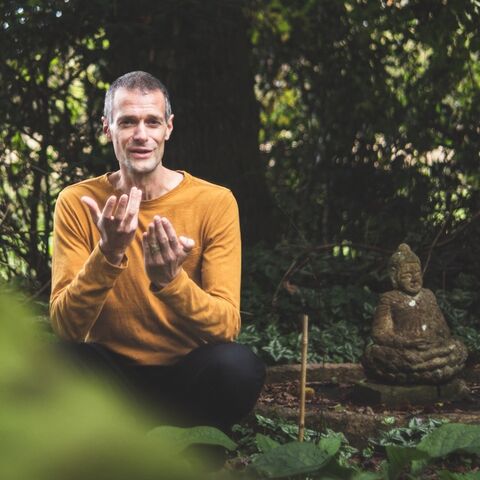
But what I use is muscle testing.
I use self muscle testing,
Which I believe is one of the most,
The key was one of the biggest keys to me healing because it put me in touch with my body.
Something that despite all the accidents that I'd had and like all the,
I felt like I was really connected with my body,
But once that I started learning,
When I,
When I learned muscle testing,
I realized that nothing could be further from the truth.
I thought I was not connected with my body at all.
Muscle testing,
We use muscle testing to find the emotion,
Use a Meridian Meridian chart that was popularized with kinesiology and to peg the emotions that we find with muscle testing on the body.
And once we peg those emotions,
Then there are corresponding release points all across the body that we can use to release the emotions.
Once we find them,
We also connect with the emotions on a physical level.
I help the individual find the emotions and where they are and peg them.
Then they connect with the emotion,
Like where they actually feel them in their body.
Then we use a pranayamic breath that I came up with called the Amo breath.
It's a visual,
It's a visualization tool,
And then also a breathing tool to help move the emotions that we've connected with.
And there's a video,
I've got a video on the Amo breath on,
On YouTube.
If you want to,
If anybody wants to check it out.
Then finally,
At the very end,
We use a neuro-linguistic programming to kind of grease the wheels of intention and move the individual,
You know,
Further down their path of their hopes and desires.
So it's a,
It's a comprehensive approach.
And like I said earlier,
Like combines,
You know,
Practices from all over and it's really,
They help heal me.
And like I said,
If this resonates with you,
Then yeah,
Feel free to reach out.
The best way to contact me is through the website.
I've got social stuff on Facebook and LinkedIn and everything,
But I've got a contact form and also my email listed on the website.
Yeah,
There's no,
You know,
You don't have to feel like,
You know,
You're obligated to do anything,
But if you have questions,
Just,
Yeah.
Contact me and let's start some dialogue.
Right on.
And that's spelled A-M-O-N-I clear.
Com,
Right?
Yep.
Well,
Cool.
Bo,
Thanks for doing this.
Thanks for sharing your wisdom,
Your knowledge,
Your stories.
That's just one thing I'm still learning is to,
Uh,
Is how to relate stories better.
But I mean,
Coming from such a place in the heart and such a visceral thing that,
I mean,
I mean,
Like the golden question,
What if the worst things that ever happened to me were the greatest opportunity I've ever been given?
Right.
And it's just like,
Yeah,
It's just,
It was just,
Um,
I was just like,
Like I was there with you a little bit too.
And I know tuning in,
Being somewhat empathic and you talked about being connected to your body.
I could,
It definitely seems that way.
I mean,
Uh,
To me,
Because I,
I,
I'm,
I know I'm not most of the time I'm in my head a lot,
You know,
Um,
Which is weird for being energetically sensitive,
Empathic a little bit too,
But,
You know,
Both,
Uh,
Again,
Thanks again,
Uh,
Everybody,
Uh,
Encourage,
Uh,
Check out Bo's work,
Connect with him.
If you feel,
If you feel called so-called to do so.
And yeah.
Um,
Wish you all well,
May you all have a optimal ideal,
Um,
State of consciousness and energy for the rest of your morning,
Day,
Afternoon,
Whenever you're listening or watching this later on Bo.
All right.
Thanks so much,
Josh.