Hey wholeness,
Welcome.
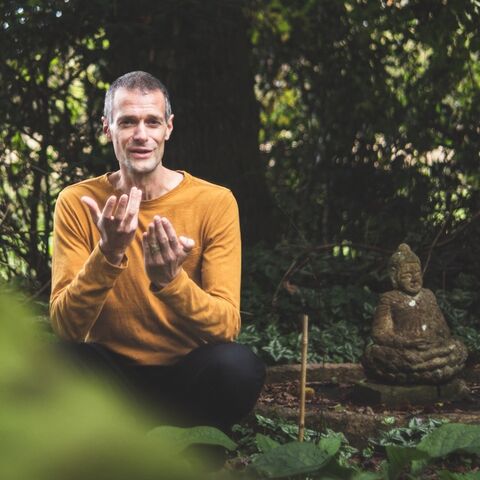
This is Josh and today's event is I messed up.
Now what?
In the description I have for this event is not exactly a confessional.
This live session plans to explore some recent life lessons,
Expanding them into how to make the most of our mistakes,
Including discerning if,
When,
And how to quickly correct without making things worse,
Perception and perspective,
Scrutinization and adjustments,
And generally learning about how to abandon,
Generally learning about abandoning,
Avoiding,
Avoiding,
Avoiding,
Well easy for me to say today,
Preventing,
Counteracting,
Transforming,
Transmuting,
And transcending certain flubs.
So before we jump in here today,
Let's just do what I usually call the three breath highway,
Or what I've been taught as from someone else,
The three breath highway.
So take a comfortable position.
Don't spend too much time though.
Close your eyes if that's comfortable and let's just be present for three full inhalations,
Exhalations,
And the pauses.
So every moment of the inhalation,
The pause,
The exhalation,
Pause,
And just take a few more breaths like that.
If you notice any obvious areas of tension,
You can relax it and welcome everyone.
If you can see behind me,
I plan to be on this head row sooner rather than later when I can get to it.
So it's a warm day here in Denmark.
So now I'm going to talk about me messing up or the perception of doing that.
I want to jump into use this time for some specific concrete examples.
I know I can talk in abstract terms quite a bit.
So I was going to mention some of these specific things,
But I think the key here is maybe not to get too bogged down in the extremes of the super details.
I mean,
People might think this is going to be too detailed.
Oh,
You're,
You're over scrutinizing this.
You're,
You're looking at it too.
Who cares?
What's the big deal.
You're looking at it in too much depth.
It's not that big a deal.
You know,
Quit putting it under a microscope and I can see that.
And the other way is just too general,
Too vague advice where it's not really grounded in reality.
So I will put it under a microscope here a little bit and look at it,
But just know,
These are things that you don't have to go into this depth and detail.
You can just take what's helpful for you and just leave the rest.
Okay.
Um,
And I would love to hear how you would have done things in these situations to how you might have done things differently.
And,
Uh,
Please share at any time things that you have gone through,
Uh,
Where you've messed up and then how,
What came of it and how you responded either in not a skillful way and then realized later learned later,
Or you corrected it right away and,
And something better came of it.
I think the other danger here or potential thing is to start reinforcing that.
Okay.
Well,
I need to make mistakes.
That's the only way I can learn.
So the more I can fail and then go back and do it,
The better than I get into a habit of constantly,
I don't know,
Getting in trouble,
Making mistakes and then correcting them.
And that's not what we're here to do either.
These aren't necessary as well to,
To do things like this over and over and to reinforce such behavior.
Uh,
So that's kind of another danger that we're reinforcing this idea.
I don't want to do that either.
So we're just walking around here and learning.
So chime in,
Whatever.
So the first one,
I just got back from England and,
Um,
There was the,
Um,
The place I was at a retreat center and try to keep things as anonymous as possible.
And there was,
She,
She warned me,
I was in the laundry.
This is a work retreat and exchanged service for,
You know,
Being there and being able to do extended practice in the tea towels.
So these are basically dish rags or what's called in America,
Things you dry dishes with.
And we both joked about it,
But I didn't realize how serious it really was.
Um,
So this particular dish rag,
You have to fold it in a certain way and put them in a bucket and,
Um,
They have to be put in stock at certain times,
Very systematic in order to have things function,
To have dishes dried and whatnot.
Okay.
So I got a little bit behind.
I didn't do a load of laundry when I was supposed to.
So I was a little bit behind,
A little press for time.
And so I didn't fold them the right way.
I just folded them,
I think twice.
And I didn't know what the big deal was,
You know,
I did more practical person.
And then somebody came up and said,
Hey,
You know,
You need to fold these.
And I'm just like,
Well,
What's the big deal.
You can still get out in the same way.
But there was this hemming and hauling.
And then finally I found out there was a practical reason to do that,
That I didn't know.
So I already then shot off my mouth.
I was saying,
Oh,
This is the British flag.
You know,
Let's run up a flagpole.
See who salutes it.
Maybe we need some kind of Royal decree to get these tea towels,
Right.
And I just didn't realize all the kind of ideas and emotions around this,
But there was a practical thing that I was overlooking.
And it was,
Um,
That some of them were thicker and it was needed for a steaming device.
And so they couldn't access,
They had to go through a huge pile to get a thicker one that they needed.
And I,
And I later,
I said,
Just use two of them instead,
If you needed thicker details.
And I'm just like,
Wow,
Um,
Such in,
In my mind,
This is such a minuscule thing,
But for some,
For other people,
This is really important.
And I,
You know,
I felt there was an use of them anyway.
It's just,
So the point being here is my righteousness and my thinking that,
Oh,
The way I wanted to do it was okay.
Well,
I was wrong.
You know,
I was wrong that I didn't,
I didn't see what was needed in that moment.
And this is where following directions is actually helpful and lack of innovation is helpful.
So this is a real easy one.
What I did is,
Um,
After talking to the person in charge,
Then I just followed the follow the straightforward rules.
It really wasn't worth,
Um,
Doing anything different or saying,
Standing up for the way I wanted something like this is ridiculous.
So,
Um,
My oversight,
Uh,
Was,
Was wrong,
Not wrong,
Wrong,
But it's just in this situation,
It was just easy to just follow how they've done it.
And then things go along.
The way,
The way,
Okay.
They're okay.
So this is not a battle to take.
So what I learned from that is yeah,
A lot of times maybe there's wiggle room,
But it just doesn't need,
Sometimes it's just simple,
Straightforward,
Follow it as it's been prescribed.
And that's a fairly easy one.
And that was easy to take care of.
So that's a common one.
And I think we can all relate easily to,
Okay,
Do it this way and then that's it.
And there's no,
And then there's other times when people need to speak up and they won't do it.
They won't,
They won't even question anything whatsoever.
Okay.
Now the other one came,
Um,
To,
Uh,
Another place I was staying at and it was over a bathroom door.
Now this one was a little bit more significant.
I mean,
It seemed like the simplest ridiculous things,
Right?
And this is how kind of a lot of issues get started over simple,
Ridiculous things are very minor things,
But they,
They escalate.
And so there was a bathroom door.
Um,
Someone was staying right next to it in,
And this door,
When you opened it,
It would stick on the floor,
Which was nice because you could easily walk through there and not have to pull this heavy fire door open every time.
But the thing is then,
Uh,
Didn't know how long it would stick and then it would close and that's okay.
It was fairly quiet,
But at the end,
The door handle,
It made a significantly loud sound.
So there was a rule of no talking in there because it's an old building and the walls were thin.
So the gentleman that was there,
Um,
He,
He,
He told me to,
You know,
You're not being mindful.
You need to grab the handle and make it quieter when you do that.
And I,
So finally I sat with this a little bit and I was like,
Basically,
First off,
I'm being,
You know,
I'm not being seen as mindful.
This is the only thing that's judging my mindfulness,
Right?
Just because I'm not catering to his preference.
Now I'm not a mindful human being.
Like everything else I do is being,
Maybe I'm going too extreme,
But I never got any acknowledgement of how mindful I was for any other situation in life.
Right.
But,
Um,
As soon as I didn't do this door handle his way,
Well,
Then I wasn't being mindful.
I wasn't being considerate,
Which there is something to that.
Right.
Um,
But to me there,
There really wasn't a choice there.
Um,
So what I finally did,
Cause I felt like I was,
Um,
Being dictated to and not given a choice.
So what I finally did after going back and forth on this and seeing it like that,
I actually did have a choice.
I could,
And I did this,
I spent the extra time,
At least part of the time,
Not in the middle of the night,
Is to go out the other way and go a long way around.
So I wouldn't even have to do that.
That was my choice.
It was,
It was an inconvenience,
But at least I did have that choice that I didn't see before.
And then that way it avoided it.
So what it,
It,
It turned out,
Um,
That he was moved into a different room and then it become a non-issue cause nobody else really mentioned this.
So these things on the surface that people,
They,
They often point and underlie to different things.
I mean,
To this,
It seemed like he wasn't being respected.
Right.
Um,
I was,
Didn't,
I felt like I was in a position where I was being dictated to.
So with around this door handle,
You know,
There wasn't really middle ground for either of us.
And either of us weren't really willing to budge on the way we thought things to do,
Uh,
To do,
You know,
Why?
And I said,
Why should I spend my time,
Extra time waiting for that door to close?
Cause it was,
You know,
You couldn't push it any faster.
So my time was being,
I didn't have any option other than to wait for that door to close and then close the handle.
Okay.
If it would have been that that's the other option or not use that door.
So that's what I,
I,
I chose just to leave it instead of doing that.
So I probably in my hubris and not very nicely,
I said,
Okay,
Well,
I want you every time you go by my door to stop and wait a few seconds and then go by very slowly,
Because that's what I feel like when I have to waste my time,
Um,
Waiting for that door.
Now I don't want to blame anybody because you know,
There's,
There's no one really to blame.
There's,
Um,
It's an old building.
It's going to be torn down and not too long a time,
You know,
To dedicate the resources to,
To change something so minor is not really worth the time and effort.
So the way it worked out was just deescalating and just removing myself from the situation,
Giving space,
Giving boundary and especially to myself too,
And not,
Not removing blame and just doing the other option.
Cause usually there is another option.
Um,
It took me a while to see what it was and just not even use that door and keep distance until,
Um,
Things cooled down and he moved.
So that's kind of what I,
I found out that there was some,
Maybe some other things involved,
Um,
After that doesn't really make sense for me to go into,
Uh,
Publicly here.
I feel.
And,
Um,
I think in the long run,
This,
If there's any aftermath related or involved with that,
I feel that it's going to work out.
Okay.
All right.
So the next example I have here is,
Um,
Yeah,
This is not a proud moment here.
Um,
This was during the,
The lockdowns and I did retreat at a local,
Um,
Somewhat local place in the United States.
And from what I remember now,
My memory could be faulty on this.
You know,
I,
I,
I told them I wasn't going to wear,
You know,
Um,
Mask when I didn't need to,
When I,
When I wasn't around people know,
What did I say?
Boy,
I can't,
I can't even remember now.
Um,
So,
So let's put it this way at the end of the retreat.
Um,
I,
I told them,
I,
You know,
I didn't want to know.
I can't remember,
But basically I felt I was,
Um,
Put in a position,
Whether it's true or not,
I can't remember,
Put in a position where,
Uh,
They were taking a group photo and,
And in order to do that,
Since we were sitting close to each other,
Everyone had to wear a mask.
And I,
I kind of,
I thought I made it clear from the very beginning that I didn't want to be put in this position where I would have to do that.
And I think this is one of the only times.
So I felt like I was put in a position where I had a choice to wear this mask to get a group photo.
And since we had all done this meditation,
Um,
You know,
And this retreat for me to be the only one that didn't do the group photo,
Then it would have,
Um,
Caused less harmony,
But I was seething.
This is probably one of the last times I could remember.
I've been so,
Um,
Angry that I felt like I was kind of ambushed to be put in this position of either you,
You wear this or,
You know,
You're going to be ostracized or whatever.
And so I may,
Um,
Unfortunately I made a conscious choice to,
I sat there and I,
Uh,
But I,
I looked with the intent of,
I am so angry right now.
I've been put in this position.
I do not want to be put in this position.
I feel that this is the bad choice that I have to,
That I'm,
That I'm going to be taking this picture.
Um,
But I'm,
Hopefully you can see the intent in my eyes that I'm angry.
I don't like this.
Um,
I,
Uh,
I'm trying to protect myself.
I'm not being respected for my choice.
And so,
Yeah,
That,
That emotion was not helpful either.
You know,
Having that amount of anger at something like that,
It was definitely not helpful.
I know this was challenging time,
No matter what side of the issue you fell on during this time.
Um,
And the amount of fear involved I,
I find was,
Was,
Uh,
The most damaging thing,
No matter how you,
Um,
Ended up choosing,
Uh,
Your healthcare on this.
And,
And,
And I say,
As long as we have a choice in our healthcare,
Then there really isn't a huge issue.
Um,
Because then it just gets into opinions.
But if we have a choice in this,
Then I think that's a,
It's not a huge,
Huge issue.
Okay.
So how could I have done things differently there?
You know,
I don't,
I really don't know.
Um,
It's easier in retrospect,
It's easier to say,
Oh,
I should have done it this way.
I should have done it that way.
But this is one where it was just completely,
I don't know if it's an old country saying hog tide.
I don't know if that's the right term terminology or not.
Um,
But either way,
Um,
Yeah,
So this is one where I didn't adjust quickly,
Uh,
And I made things worse.
So yeah,
That's a tough one.
I'm still wondering about how to do it differently.
I mean,
I didn't want to just sit there and take it.
And I also didn't want to cause some kind of division.
And so,
Yeah,
There was a lot of these situations I feel during the lockdown.
Um,
So looking back though,
We can always have a kindness and compassion for,
For that situation for sure.
Um,
So that was a tough one.
I'm,
I'm open to y'all's,
Um,
Advice on that as well.
And,
Um,
I have a comment here says I actually appreciate the microscopic lens on these simple things.
They're never really simple after all.
Thank you,
Josh.
Yeah,
I totally agree on that for sure.
Thanks for that comment.
You know,
Not everything is really high and lofty spirituality and,
You know,
Grandiose teachings and things like this,
You know,
It's,
Um,
It's,
It's down to the nitty gritty everyday life a lot of times.
Okay.
So the next one here,
This would happen recently.
I went to a,
I was in London before I came and came back to the,
Came back to the EU here.
And I went to a Tibetan place.
I've never been to a Tibetan place.
And so I walked,
Walked up there and the door's locked.
I was like,
Oh,
Well,
And then I look on in there.
Well,
Actually I didn't,
I didn't look before him,
But there's somebody out on the street.
It was a lay lady.
And she said,
Oh yeah,
We're closed on such and such.
They're not open until then.
So then I proceeded to talk about the tradition lineage.
I just come,
Came out and practice and she seemed interested and knew the,
One of the main senior teachers in that lineage.
And,
Um,
We talked a little bit and then a nun came out and for whatever reason,
We just talked really briefly.
And she said,
Oh,
We,
Um,
You know,
We're having this,
We're having this big,
Or the abbot's coming in and we're having this big extended ceremony and just out of the blue,
Spontaneously without me even realizing it came out of my mouth.
Um,
You know,
I,
Oh,
I leave the day before that.
It looks like I just missed it.
Thank goodness.
And then I started laughing.
Ha ha ha.
So,
And then she kind of,
She just,
Just turned around.
It's kind of an inconvenience for her to come up and speak anyway,
But she,
From what I remember,
She turned around and walked away right after that.
I really know.
I don't think there wasn't much animosity,
Hard feelings or anything like that.
But I was just,
You know,
I talked a little bit to the lay woman or maybe I didn't,
But then I just walked on and I was reflecting on it later.
I was like,
Well,
Why did I say that?
And what's going on?
And I don't want to get into speculation.
It's something,
But what this led to is intuition,
Right?
And this will tie into another thing.
And there's a difference between intuition and just complete delusion of heart and mind,
Right?
So one of the ways to discern this is if you get these kinds of intuitive messages and you,
You act on them and,
And it seems that a benefit comes from them and that's good.
Or if you get intuitive messages,
This is more my case,
And then ignore them.
And then something,
It kind of does happen.
And the,
There seems to be consequences for,
For not paying attention to them or regarding them then,
Then,
Um,
Yeah,
I think that's,
That's,
That's kind of a goalpost.
Um,
But if you kind of get something and you act on it and then,
You know,
The opposite,
Then it's,
Maybe it's not too intuition.
That's kind of distorted stuff.
So,
But this one seemed,
It was,
It wasn't really clear what this was.
It's kind of a spontaneous just saying,
And yeah,
I don't know what to make of this other than,
And maybe I intuited something.
Well,
I don't know a lot about the Tibetan tradition,
But there is some secrecy going on.
So what if,
Let's just frame it that way.
What if I intuited something that was energetically powerful and a challenge and that needed to be counteracted with ritual.
And then,
Um,
I was picking up on that.
I had no idea.
I guess if I really wanted to research this,
I could look up if there's a set schedule for annualized rituals or something like that,
Or if it was a special occasion,
But I don't even know what it entailed or anything like that.
No details were said.
Um,
It could have been my weird sense of humor doing this,
You know?
Um,
So it's a tough one here.
Sometimes these,
Uh,
Spontaneous,
Things to say,
Um,
Compulsions almost can be helpful,
But a lot of times they're,
They're really not.
And so this is where restraint comes in too.
I think this one,
Yeah,
This,
That it was just too weird for me to weigh in.
I think probably this one,
It would have been just as good,
If not better,
Had I restrained that.
Um,
Sometimes some things are operating that are beyond our,
Our knowledge and control too.
But at the end of the day,
Um,
I have to take full responsibility for what I said and,
And,
Um,
How I,
How I responded there because nobody else is responsible for that.
Um,
So that remains to be seen and that's kind of,
Um,
Maybe a mysterious thing.
Um,
Anybody has any clues on anything like that happening or what to do about it,
Please share.
Um,
Okay.
So this is a really,
This next one is one that pretty much everyone can relate to.
I would imagine,
Um,
If you're involved in commerce,
I went to the store here,
Local store,
And I,
Um,
First I said,
Oh,
Hey,
This doesn't have a tag on it.
Do you want me to go get a tag?
Oh,
No,
No.
I'll look it up.
So it was put in wrong.
I got the organic version of this and it was the not one of the non-organic versions of putting in.
Luckily I asked for the receipt,
But I left the store.
Oh,
They undercharged me.
So I go back,
Figure out the math,
But then I miscommunicate,
Um,
How much just to spare all the details,
Um,
Miscommunicate.
Well,
I thought I was getting one,
But then I didn't say it exactly.
The wrong change was given again.
And then I go out and do the math again.
And then I go back in,
But the,
The gal who's there,
It's now gone.
There's a huge line there.
And I feel like I'm imposing in a way.
I didn't want to do the whole stand in the whole line just to give a few little change back.
So I,
I just handed it to him and I said,
Hey,
I will use this.
Then it turns out later I did the math wrong and just,
Just a really small fraction of a money off.
So in talking about this,
My fun fiance later,
And these things tend to balance out,
But for this one,
It was just when I was walking away,
Oh,
Should I do this or should I not?
And I just got a clear,
Go do this right now.
And,
Uh,
That way it would have maybe been lingering and that's okay too,
I guess.
Um,
But for whatever reason,
But then,
But,
But then what do you do when other complications come in and you get,
Do you,
Do you follow it through or do you stop at some point or you just allow it to,
To go off?
And I think this is about the severity of what it is.
So now this has very little,
I think small consequences.
It's not that big a deal.
I don't think it needs to be made that much of,
Um,
But this is what I chose to do in this instance.
Um,
It just go back there.
Um,
But maybe a third time back,
Probably,
I don't know.
Okay.
So another example of the ignoring intuition thing is,
Um,
The other day it was digging in the ground in the garden and,
Uh,
There's all kinds of critters in there,
Right?
So,
So I had this thing started hammering my thumb is it was,
Um,
Hammering.
So this,
This insect landed like two or three times on my thumb and I got right away.
Okay.
You're,
You're intruding on where it lives.
It's saying,
You know,
Stop,
Stop and go away because this is,
You know,
This thing is obviously giving you a signal.
It's hitting you several times around the same spot.
Um,
But I ignored it and it bit me.
And then when I was trying to brush it off,
Um,
It died cause it was really attached and I didn't mean to kill it.
It just,
Uh,
I was,
It was kind of freaking out a little bit and yeah,
Unfortunately I killed it.
And so,
Yeah,
That's the time when ignoring the intuition was not helpful.
I could have easily sat down the shovel,
Backed away for a little bit and,
And,
Um,
Looked in the ground what was happening.
Um,
So yeah.
All right.
Um,
I think another reason to,
To,
Um,
Do these is that in Buddhism is the five precepts.
So these,
For those of you not familiar,
Give you to abbreviate,
This is not what it is,
But just to remember,
Um,
No harming,
No lying,
Um,
No,
No thieving,
Stealing,
No,
Um,
Let's see,
Sexual misconduct.
That's usually what it's called.
And then no intoxication.
So it's not an all black or white thing,
Especially when you're starting out.
And actually even before these,
The Buddha taught generosity.
So generosity was key when these things,
Um,
For these things,
For sure.
So this primes the heart and mind in a different way than usually mainstream society of,
I got to get mine,
You know,
I got to get mine.
And that's what's going to make me happy.
No.
Well,
I mean,
Yes,
That can,
Of course there's a,
You can't deny that there is a happiness,
Uh,
And getting what you want,
But usually you're onto the next thing.
The sense of satisfaction it gives is very small and momentary,
And then it's onto the next thing.
But,
Um,
A sense of generosity of giving,
You can pay attention before,
During and after,
And there's a great amount of happiness in that.
And it helps foster letting go and release and wellbeing,
But at the same time,
Supportive to who you're giving to supportive to your own heart and mind.
So this is the absolute kind of prerequisite,
Even before getting into the,
Um,
The training of these precepts.
So it's all based basically on non-harming and like,
It's not an all or nothing thing,
Right?
You look at,
Uh,
Let's just take drinking,
Which is in the West is really,
Um,
A big thing.
And it's not an all or nothing thing,
Especially when you're there to say,
Okay,
I have to stop everything all at once,
Or I'm breaking this or failing at it.
Well,
That's beside the point.
What's practical here.
Um,
Look at my life and what,
Uh,
Challenges there can be around this,
And then can just ponder of what,
What could be better.
And for my own wellbeing and happiness and those around me,
If I were to take this on train in this precept,
Same thing with,
Um,
The other big one is,
Um,
Honesty.
So there's so many white lies and inaccuracies.
We don't have to tell the whole truth,
But how might my life in those around me be improved by me gradually training to say less and less inaccurate,
Deliberately inaccurate statements that I know are false,
You know?
And how might I go about that?
I don't have to say the whole truth,
But,
But honesty,
Especially to oneself.
And how might I train in that gradually?
And then how might I experience wellbeing and happiness for this and then stealing?
And that one's,
Um,
Pretty obvious for the most of us.
And there's different degrees of harming,
Of course.
I mean,
Probably everybody takes for granted that they haven't killed a human being today.
I would hope that everybody else called that.
So all these things in our behavior and,
And messing up,
They,
They tend to go with these.
And the reason is not for me to be a morally superior human,
Or to be righteous or have righteous ignination.
But at the end of the day,
Actually spending some time training in these is a foundation for all the practices,
Meditation practices that we are into and different other practices,
Because without a firm kind of ethical foundation,
The other practices are great.
I mean,
It's better than so much,
But they're almost like a house of cards for the most part.
If we don't have the conduct behavior and the intention behind it,
Firm and stable,
That's kind of the most important thing us as lay people can do.
All right.
So I've got just a couple other quick little stories here.
Situations like this.
When I was at this other monastery and I thought,
You know,
I know plants,
I know gardening,
You know,
I grew up in an organic garden.
I know what most of these plants are and basil,
But I,
I picked the wrong thing.
And they came and said,
You know,
That's not basil.
This is basil.
And of course I knew that it was just kind of,
Kind of momentary lapse in judgment.
And I,
I guess I felt a little bit silly that I kind of built myself up and then I made this,
This obvious mistake or whatever.
And it didn't seem like that big a deal,
But then the connections behind these things,
And maybe I'm stretching here and maybe I'm just free associating too much and making connections that aren't there.
But what I thought about this is then my brother's dog is now named basil,
Right?
There was a hilarious TV show back in the day where one of the character's names was Basil.
Cause it,
But,
But what this goes into the naming thing.
And then that made me think about the other end where someone else that we know has messed up.
So this is the other end of the coin here that I want to address really quick.
And this has to do with a family member and one of their,
Their children,
And they kept the name secret on this child until it was born.
And then they revealed it.
And so then the question came out right away,
You know,
Oh,
Why did you,
Why did you name,
Name them this?
And one of the main reasons was both the first and middle name wasn't a name in the immediate family.
They wanted to do something totally original.
And then when it came to one of the names,
I said,
Oh,
Wait a second.
Did you know this person or a family's middle name was that?
And they both looked at each other like,
Oh my gosh,
We just lost on this.
We just failed because we didn't know that.
And our whole intention for naming it,
That is now out the window.
And yeah,
So I think,
I don't know.
I now,
Now how I deal with this is I,
If I made any errors here,
It was maybe to,
To,
To laugh and poke fun at this a little bit too much.
And it's probably not the most appropriate thing to do around this.
It was a really easy mistake.
It doesn't really make that much difference one way or the other.
So for me to continue and not continually,
But maybe I did that for a little bit to rub that in or point that out.
I mean,
What purpose does that make?
You know?
So then once that's cleared out,
Then how does this sit in the heart?
You know?
Yeah,
It's again,
To me,
It's not that obviously big a deal maybe for them.
I don't know what it's like for them,
But for me to,
To go on and poke and prod at something like that,
I don't think I did it too much,
But still any of that I don't find is really helpful or conducive.
All right.
And then this,
This last one is the intoxication on this.
It used to be,
I don't know if you know this story.
I used to go out and drink in college and stuff like that as many people did and could get intoxicated and binge drink and then wake up the next day,
Like really not much happened.
And then gradually when I got into meditation,
Even before I knew much about the precept,
It just got less and less and less to where the,
It got to be like one beer and I was hung over for a couple of days.
I was like,
I didn't even know that was possible.
So I said at that point,
What's the deal?
I mean,
What,
What's the point of even doing this?
So then in 2013 gave up all of that.
And then,
Um,
Even to the point where kombucha,
I don't know if you know this fermented tea,
It's legally a non-alcoholic,
Right.
But it still has trace amounts of alcohol.
I would get buzzes from that.
So,
Um,
Kind of quit drinking that too.
Maybe had like one or two a year or something.
Um,
But you know,
What's the point?
So I was in England and was sitting down at a garden shop with a friend and I wanted to get a drink out of a cooler along with something,
But it was,
Uh,
Had to pay for it at another cooler.
So I decided not to do that.
And there was another tiny cooler and I got a bottle.
It looked like a soda,
Right?
It looked like a soda,
Had a flavor in it,
Had like,
Um,
A fruit flavor.
So I was like,
You know,
Who puts,
I guess they do put fruit and beer and stuff like that,
But it's a,
There's all these different flavors that are similar to sodas pop or whatever we want to call it.
And,
Um,
It turns out it's a shandy and I didn't know what a shandy was.
Uh,
So I'm drinking this and ironically I'm talking about,
You know,
Keeping the,
The precept.
And,
Um,
Then I look at this that I forget how I guess I look at the bottle.
I was like,
Holy cow,
This has alcohol in it.
It's like a half,
Half a low thing beer.
And then of course,
Immediately once I realized that I quit drinking and then I probably shouldn't have gave it to my friend and immediately proceeded to put it in his cappuccino.
And I've never seen anything like that was,
That was so bizarre.
I thought it was kind of funny,
But it turned out the next,
It could have been unrelated,
But for the next two days,
I had like diarrhea just from like a small amount of this,
Um,
Really low end,
Uh,
Beer that I had no idea.
So technically I didn't break the precept.
Uh,
Once I knew that it was in there,
Then I stopped.
If you don't know what it is,
Then,
You know,
You're not breaking the precept.
There's,
There's different ways to do it.
Um,
Different guidelines are on this.
Um,
But I probably shouldn't have gave it to him either.
Um,
But I maybe throw it away.
So,
You know,
Some of these things pop up.
We'd have no idea.
That's an example of where I corrected it really quickly,
But then it was unclear that I should have gave it back to him.
But if somebody's already drinking anyway,
I don't know.
Um,
Yeah.
All right.
Well,
This has been over 30 minutes here.
So if you guys,
Um,
Would like to share,
Have any questions,
Anything like that,
Let me just,
Um,
Look at the description again and yeah.
So I think I went over about maybe how to abandon,
Avoid,
Prevent,
Counteract,
Transform,
Transmute,
And transcend some of these things.
Of course,
You know,
The abandoning comes in,
Um,
The obvious things we know beforehand in,
In abandoning those situations and people,
Um,
To the extent that we can and avoid to and prevent,
Uh,
Where we can and then counteract is,
You know,
We're,
If we know we're going to be in a situation ahead of time,
If you can be prepared,
Have different options on what to do,
How to respond,
Maybe without going too much into planning and fretting and anxiety mode,
You know,
Maybe talk to others,
See what they do,
How they,
How they respond or what they do in certain situations that they may have to go into transforming.
I think a lot of times that might come after the fact of what do we do with our hearts and minds?
Um,
Once something has already happened and that comes along with transmuting and then transcending is,
Um,
Yeah,
I think,
I don't know,
I don't know how to put that.
I think I'll just leave that one open.
And of course,
How we view all these things is about more important.
How we view them,
Is it leading to more suffering or less suffering?
That's the key.
And for me being willing and open to receive feedback and to know the most skillful,
Wholesome,
And wise things to do and view,
I am open to that for sure.
And yeah,
Adjusting,
Learning from mistakes.
So with that,
Rambled on long enough.
I really appreciate you all listening and being here.
And yes,
Until next time,
Be well and correct well and make the most of our perceived messes and real messes.