Bowlness,
Welcome.
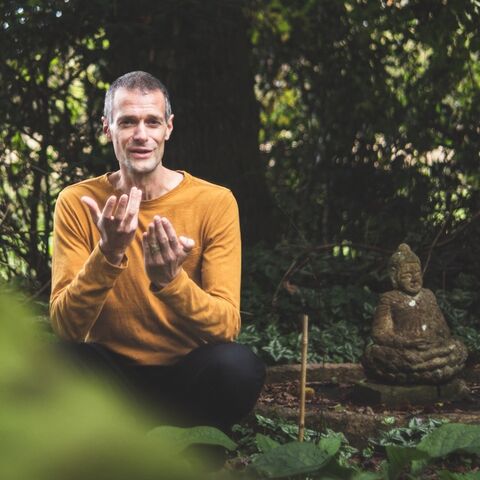
This is Josh again,
And I'm here with another live event.
And today's description is,
Come join and share and or witness ups and downs,
Challenges
And joys,
And questions and wisdom as I share mine around creational projects and taking
On projects in general.
So we're not talking about baby making here,
And the important thing I want to emphasize
Up front is that not everyone needs to be a constant creator,
Especially to the demands
That social media wants us to be these days.
I know people are rewarded quite a bit for pumping out content continuously on platforms
Such as,
You know what,
Right,
Name,
Pick your platform.
So it's totally okay to dial it back,
Right,
And not do a bunch of creational things.
So I'll go over some basics here,
And maybe some things you haven't heard or considered.
And I invite you all to chime in with kind of add more emotional dimension to this and
Dimensions beyond a lot of the practical things that I'll probably be going into,
But hopefully
Quite helpful things.
Now one thing I want to jump in right into the deep end here,
When we're considering
Creational projects,
One of the things I view as my time is invaluable,
Right?
No amount of money can match my time in a way.
It's very valuable because it can never get it back,
Right?
So our time is very precious resource and respecting and valuing the time we have and
The ally that it is too.
So where this goes into the deep end is this notion of eternalism versus nihilism.
You're probably like,
Wait,
Wow.
So there's this notion that things,
These are called the extremes,
Right?
And I'm not here to change anybody's religious beliefs or views on this things,
But on one
End you have eternalism,
Which goes on and on and on and on forever.
And if we,
I wonder if we buy into this view,
If there's just,
Oh,
You know,
I've got so
Much time,
You know,
In life after life,
If it never ends,
Then what's the big deal about
Doing something now?
I'll do it later,
You know,
Or I can always just do it and then erase it.
But that goes into nihilism perhaps too,
Where the opposite,
Where it would just,
Everything
Would be better if the whole thing was destroyed.
So why bother creating a project or I'm going to go sabotage other people's projects because
I don't want to spend the creational energy doing this.
I know hardly anybody on this timeline or here would do something like that,
Right?
But if there's this notion that there's nothing else after this body sheds off,
Then,
You
Know,
There's not much incentive either to do it or perhaps it's the opposite.
Perhaps,
Oh,
There's,
I have to do this now because there's no other chance.
But I think these are kind of bleak and extreme.
So on a very subtle layer,
We don't have to go into contemplating these now,
I think those
Might maybe flavor some of this.
So the big,
And I have quite a few points here,
And they're kind of laying out the map,
But they're not linear here.
So bear with me if you're more of a linear thinker and like kind of start here,
Continue
Here,
End here.
These are just talking points to consider and can listen to this again.
So the big one here to start off with is yes and no.
So what do you tend to do?
Do you tend to say yes more?
Somebody comes by something and they want you to do something or want you to get involved
In the things.
Do you kind of default to yes or do you default to no?
So I think this is really helpful to put into account too,
Especially if you're getting
Involved with projects with other people.
Are you likely to take on too much and then it's hard to get anything done or get weighed
Down?
Are you likely to say no and then some of the opportunities go by and kind of a perfectionist
And stubborn as well.
These are important things to consider,
Our kind of personality,
Our nature,
When we talk
About going into projects,
Creational projects too.
All right,
The big one is purpose,
Function,
And importance.
So when we're considering a project,
And I'll just say I don't take projects lightly too.
I am an idea generator,
I have tons and tons of ideas,
But a lot of times I'm not really
Serious about going through and actually putting work into those.
So I give a lot of these ideas away for somebody else to take and run with because I'm not,
You know,
It's the work that really matters,
The time and effort put in.
But we're in the planning stages of considering whether to take on a project or not.
And a quick side note,
I'm talking more in the digital domain here,
But I'm imagining
This will work in the physical domain and spiritual domain,
Other types of things too
For creation.
So what is the purpose,
Function,
Importance of a project considering?
Does it need to have a purpose?
I would say yes.
Does it need to have a function?
Well,
That would probably be helpful too.
And the importance,
Why is this important?
You know,
It's something definitely to consider.
And I don't think I'm going to go too much into those.
I think they're pretty self-explanatory.
But if we really want to get a really good purpose,
Function,
And importance,
I think
We need to talk about our core values too.
And this is just easier in life in general for me.
If we sit and identify what's really important to us in life,
Boil it down to like three
Or four things.
For instance,
I won't go into it,
But mine's wisdom and truth on one side,
And then the
Heart qualities on the other.
And this effortless courage along with being free like a bird,
Left and right wings.
I don't know if you can hear the birds in the background here today.
And so when we identify what's really important to us in life,
Then we can see if they align
With the project we're going to take on.
And so if it does,
Then it's going to be,
I think,
More enjoyable.
And that's the next thing I want to talk about.
Does it bring enjoyment?
Do you really want to do it or is it like a chore because you think you should,
Oh,
This would be great.
I don't really want to do it though.
But it's going to make things a lot smoother and people can sense the energy if you find
Enjoyment and want to do something.
So tapping into those emotions and seeing,
Is this really honestly,
Authentically something
I want to do or am I just paying the bills?
And of course we have to pay the bills and we have to do things in life we don't want
To do.
But if we have the choice,
What's the energy going to be like shining through the project?
So back to these core values,
They set a compass for choosing projects,
Brainstorming and developing
And then work all the way through and then the relations to the folks that are involved
In it and people,
Bosses or coworkers,
Even the audience,
You know,
So it makes it a lot
Easier to start narrowing things down like this if it's in alignment with our core values.
So other people might be like,
Well,
I don't even know where to start,
You know,
I don't
Know what I'm good at,
I don't know what I want to do,
What skills do I really have?
And so this is where experimentation I found is really helpful.
You just go and do stuff,
Try a bunch of different things.
You know,
My fiance is just totally amazing at creating things and at a really good clip
Too.
Like just the other day,
She was creating stuff on GarageBand.
She had never used the Mac version of GarageBand,
So she's got my old computer and she was just
Coming up with the most amazing things almost automatically,
You know,
And just disregarding
Her fact that she could play like piano and it's like,
I can't even play chopsticks on
A piano.
And it kind of solved her issue of having to choose things in a certain platform where
You can only use a certain amount of music and then you can't really fade it off.
And it's made her own,
You know,
Quite amazing and just playing around with different tools,
Different digital things,
You know,
You could take classes,
Just look up videos online and
Jump in and try.
So who really minds if you quote unquote fail or mess up?
It's an experimentation stage.
So with the experimentation stage,
There's going to be a lot of weirdness,
High weirdness,
And just learnings and not even failures because you're not even at that state.
So make sure you do it safely though,
Where we're experimenting and finding out how things
Work and if you're interested and want to learn more or you want to try something else.
Now the other one that I'm really strong on is commitment.
And I know not everybody operates like this,
Right?
They're just kind of like a bee and there's nothing wrong with that.
If nobody hits,
Then there'll be other opportunities and go there and,
You know,
And that's,
That's
Okay.
That's how some people are wired.
For me,
I don't like to take on a lot of things,
But when I do,
I like to follow through and
Really commit and it's,
That's,
And it makes it easier to,
If other people are involved,
If it's not just a solo thing where I don't have to do,
You know,
If,
If other people
Are involved,
Then I like to keep my word and follow through,
But don't take it likely
To take it on,
Uh,
To begin with,
Excuse me one second.
So I know a lot of us have time,
Um,
There seems to be a couple of camps too,
When it
Comes to creational projects.
One is where people never start,
They have to have all this stuff just right in order
To start,
Right?
Um,
So their thing is just starting and that's the toughest thing for me.
And then there's a commitment,
You can follow through and get it done,
But then there's
Other people who start all kinds of things and never finish.
And I can't speak too much to that.
You guys can chime in here to see what helps with that.
Um,
So if you're in the camp of,
I can never get started on something or the other camp
Kind of where I,
Um,
I can never get anything done.
I start a bunch of stuff and,
Uh,
I never can follow through on a project.
So this is our tendency to identify that and then look into more specifics on how to deal
With each one of those.
I'm not going to go into,
Especially that not getting things done.
Um,
Mine is the more impetus of getting started on something or,
Well,
I don't know if that's
True because I've,
I've got a bunch of potential things in the works too.
Now the next one is inspiration.
And before we do that,
I wanted to say hello to Gloria,
Kim and Tea Lady Nat.
Good to see you again,
Or,
Um,
See your avatar here again,
Tea Lady Nat.
And by the way,
Tea,
Green tea there.
So inspiration,
This is great because I mean,
We can all use an excuse just to go get inspired.
Right.
And we can seek this out,
Uh,
On its own.
It's real easy for me to get inspired kind of by nature,
Especially creation in nature.
It just happens effortlessly.
You can see the beautiful background here in Denmark if you're watching the video live
And you know,
But just YouTube or,
Or,
You know,
Here on Insight Timer,
You can listen
To people that are really inspiring.
Watch things that,
Um,
Are inspirational.
There's inspirational speakers,
Right?
Maybe I borderline on that sometimes on a good day.
And uh,
So where do you find inspiration and how can you provide inspiration too on projects?
Kathy says,
Is it cold there?
Well,
I do have a sweater.
Let me see.
Um,
It's Fahrenheit from America here at the only,
You know,
It's 44 here right now.
So it's a little chilly.
I hear in Missouri today where I'm from,
It's supposed to be like in the seventies or something
Ridiculous.
75 the high,
But,
Uh,
Yeah,
It's not too bad here now and there's no wind.
Okay.
So inspiration,
Who's involved and who is this being done for?
So these are the people,
You know,
Who all is in the project.
If it's just a solo project,
That's easy.
It's just me and the audience,
Right?
But if there's people involved,
Like,
Uh,
Who I'm going to work with,
Teammates,
Or
Am I seeking out the right type of people?
Of course,
This all is kind of standard stuff we have to consider.
And then,
Yeah,
Who is it,
Who's the final product for,
And then considering that as
Well and whether or not to choose to do the project or how you're going to do it,
How
Much time and commitment you're going to spend on it.
Now this other one,
Shame,
Blame,
And or guilt.
That's a real interesting one because it seems like shame can block our,
Some of our creational
Things,
Right?
Oh,
If someone's going to see this and then they're just going to make fun of it,
Or they're
Not going to think I'm good enough,
Or maybe they'll peer deeply into my psychological
Nature and then they'll start psychoanalyzing me and,
You know,
Finding out all kinds of
Things or,
You know,
Judging me,
Shaming me,
Blaming me,
Guilting me,
Or use it against
Me,
You know,
Just all this type of things.
And so where this comes into is self-confidence,
Right?
So what degree of self-confidence is needed?
I mean,
There's a,
Oh,
Got some ghee coming in,
The,
Um,
I guess they were.
We need some degree of self-confidence even to think that we can start a project,
That
I'm even good enough to do something.
I mean,
That's,
I've been in low life,
Uh,
Low points in my life where,
You know,
I didn't
Want to do anything because I didn't think it was good enough.
If we have perfectionist tendencies too,
Uh,
That can be very straining as well,
You know,
Or something goes wrong on the team and we're,
We're blaming and guilting others or people
Are blaming.
So these are kind of really low level things that unfortunately still crop up around this.
And so these things need to be known how to deal,
Be dealt with in general.
And I think once we learn how to deal with a lot of these things,
Then,
Then they can
Be applied across different areas in life.
I know some of these actually can act as a protection mechanism,
Right?
If we make bad choices in our lives sometimes,
Then these things are actually there to protect
Us in the future.
But it's when they get,
You know,
This default running on loop when they're not really rational
Or protect,
Protectional that they can sabotage our lives and things.
Okay.
The appropriate drive and enthusiasm.
This is a kind of an obvious one,
Right?
You don't want to go in like a used car salesman,
Uh,
Selling meditation,
Right?
Um,
But then we also have to,
Uh,
Think about authenticity as well.
So even though something might call for a particular drive or enthusiasm,
Honestly,
I might not be cut out for it.
Or I might have to take a different approach because,
Uh,
My,
I don't have the level and
The drive that I want to bring to it,
Enthusiasm that I want to bring to it,
Uh,
Without feeling
Like a complete fraud and phony and fake.
And that's not who I am.
So this,
Again,
This alignment,
Uh,
Uh,
And sometimes that drive needs to be higher and
Sometimes that enthusiasm needs to be higher.
And sometimes it can just be totally chill and laid back.
And I think this goes,
These types of energy throughout the creational process as well.
Now priority is a huge one and this goes with work-life balance.
I was just mentioning this the other day or maybe this morning,
Uh,
Ducks now where,
Um,
Here in Denmark where I'm at,
It seems to be a really good work-life balance.
Everything seems to get done fairly efficiently.
Um,
Everything's clean,
Neat,
And orderly.
People kind of know their place and they work really well.
It seems,
You know,
Judging by the,
The,
The way I see things for the most part,
And there
Doesn't seem to be a lot of stress and anxiety,
Um,
A lot of competition and backbiting that
I know of,
You know,
Yeah,
You know,
And this happens in the States too,
But it seems to
Be a lot of stress involved with,
With high level of functionality and performance a lot
Of times and a lot of competition.
Um,
Or the other end where people are kind of relaxed and,
Uh,
They can go into the other
Extreme where that's just,
They're not doing anything,
Just completely lazy or are just
Really down in the dumps or,
You know,
Nefarious activity anyway.
So the,
Where's the work-life balance here and where's the priority?
So obviously,
Uh,
Certain projects are going to have higher priority over others.
And I know if we really get into a high level project,
Sometimes it can interfere with our
Work-life balance.
Our life can,
Um,
Life balance can be thrown off by extra work or vice versa,
Where we're
Just neglecting our work duties,
Then,
Then our work-life can suffer and,
Uh,
We can feel
Unfulfilled that way as well.
So where,
What's needs kind of reprioritizing and where the big priorities lie,
These kind
Of common things.
Now what are some supportive habits that come into play around creational projects?
Um,
I think identifying how you work,
Like work rhythms and schedules when you've had
Enough.
I just talked to a lady the other day who does,
And I didn't know this was a huge thing
In the corporate world because I've been out of it for so long,
Works on posture around
Computers,
You know?
So a supportive habit I think in the work world would to be to feel good if you to be
At a workstation for a longer period of time,
Taking breaks,
And you'll,
You'll hear this
If you listen to it later when it's released.
All these different tips and techniques about how to go about working properly for wellbeing
And health.
Other habits,
Of course,
Sleep,
Diet,
How we talk to people,
I guess,
Friends we have,
What we consume,
Our media diets,
You know,
How helpful or what we're consuming will lend
To our creational projects and productivity.
What's the right balance around that?
Okay.
So I guess the other thing is,
And I talked a little,
Is energy and expression.
I talked a little bit about this,
Talked about a drive and enthusiasm.
So what's being expressed and how,
And then what kind of energy is behind our creational
Projects?
Because that's what,
I mean,
People kind of unconsciously know if it's kind of like the
Right kind of energy match that they're looking for,
The finished results.
And I talked about this earlier on the talk too,
What kind of energy do you want to bring
To this?
And it will be kind of noticeable all throughout and also into energy leakages too.
So a lot of times projects get sabotaged and never finished or never get off the ground
Is because other areas of our life and work are calling to us where the energy that's
Needed for a particular project is leaked out through other things that are happening.
And this is kind of an inevitability that other things,
Of course,
Will call our attention
And want to drag us away.
And sometimes they need to.
So I talked about what kind of energy,
Especially the,
Is being leaked out of what,
Where it
Needs to be in the project.
And sometimes we don't see it.
Sometimes it's subtle and it kind of slips away into other things.
And before we know it,
We're either behind a deadline or just abandoning the project.
And this goes into windows too,
Windows of opportunity.
I mean,
There's some projects that are long-term,
Like my breath course,
It was years.
So I would just get little snippets and downloads and I piece those together.
And at a certain time,
I just had to say,
Hey,
Now is the time to stop and start recording
This,
Planning it,
Writing the outline,
Doing it,
Getting the recording equipment together,
All this type of things,
And then setting aside the editing.
And this pacing too.
I mean,
There can be big bursts,
Do you work in bursts of energy and long time periods
Where you're straining yourself or you're super energetic,
Or is it just a little bit
Each day?
And I think it depends on like who you are and how you work.
And then also the project.
Sometimes a project might call for a little bit here and there.
And sometimes it might need a lot of commitment,
Dedication,
Long stretches of time for whatever
It is.
Now we're talking about tools and we got everything.
There's everything from the most affordable,
Basic tools free on,
Which is what we call
Like bootstrap,
Right?
Free software,
Free things like this that you can just pick up or borrow,
Then all the
Way to the extravagant where we've got like multi-million dollar recording studios where
There is no really,
I mean,
For most people,
There's basically no limit on the budget.
You can just have total creativity,
Total rain on the creativity to experiment and bring
On tons of people and expertise,
Throw a lot of money and time and talent at it.
But most of us are doing something in between there.
So one of the best advice I got around this is you get the most,
You get the highest end
Or the best quality things you can afford at the time.
So instead of skimping on things a lot,
And I skimp on things sometimes too,
You get whatever
You can afford,
You get the best thing,
But don't go over your budget and go pour over
Some kind of speculative project,
Right?
And then it's helpful to know if I'm going to be using these tools in the future,
Things
Like this.
And I think the last thing I'll talk about,
Or maybe towards the end here,
Is this lifespan
And responsible continuation or removal.
So basically,
What's this,
The end of life?
I don't know what the technical term is,
The lingo,
But legacy things.
So basically,
When are you going to take it out of commission?
Or is it just going to go on in perpetuity?
Are you going to hand off the project to someone else?
You know,
Does it even matter if you just kind of abandon it?
This goes into,
Do we even need to remove accounts?
I mean,
Think of all the accounts I've made online that you just kind of require and that
I have no idea.
I've made all these accounts throughout the years.
Is it responsible to know what the end of life is?
I know with Apple stuff these days,
They're supposedly,
You know,
Good on recycling and
Things like this,
But we all know about planned obsolescence too,
Where they try to shorten
The lifespan of particular products to keep you buying new stuff all the time.
So what is the responsible manner for whatever project we're doing?
Can we leave it run?
Can we abandon it?
Should we abandon it?
Should we go and clean up and delete it after a certain amount of time?
Why would we need to?
Why wouldn't we need to?
Who are we going to,
If we're going to sell it or hand it off to?
How do we start vetting that process?
After we hand it over,
Probably we don't have too much control over it.
So it's something else to consider maybe before we even start taking on a project.
I've had a lot of times,
You know,
Myself included,
This gets neglected,
This part
Of it.
We don't think as long term as we should,
Especially in today's like disposable society
Within digital products too.
Well,
I know that was a lot of stuff thrown out there.
I want to thank you all for joining and wish you all the best in your creational endeavors
And may they be for the benefit of all beings everywhere.
Bye now.