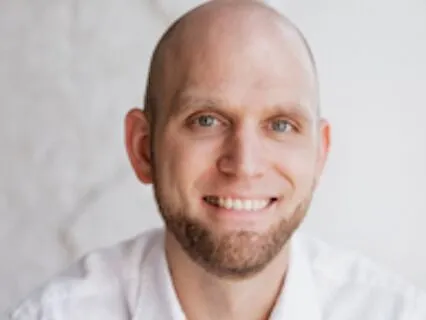
For anyone confused on whether these guests are more than just independent researchers or consultants,
The information shared here is for educational and informational purposes only.
It's not intended as a substitute for professional medical advice,
Diagnosis,
Or treatment.
Always seek the advice of a qualified healthcare provider with any questions you may have regarding a medical condition or treatment.
And that's the end of this required disclaimer.
Oles,
Welcome.
Today I'm joined by Jason Ott.
Jason,
What's going on today?
It's not a lot.
I mean,
Just wrapping up the week,
So hopefully not too much.
Cool.
So who's Jason Ott?
What kind of work does he do?
I would say the easiest way to start explaining that,
Because it's definitely evolved over time,
Is health consulting.
And there's various aspects of that.
And depending on the client's exact needs,
It revolves around mind,
Body,
And spirit,
Very heavy into the body.
Then I try to direct people away from constantly focusing on the body with physical illness to explore these other parts of their being.
And there's many branches that we go in from there,
Because we're all different.
Totally.
So how'd you get into all this?
Do you have like a personal,
I'm sure a lot of this starts out with like a personal journey and yeah.
Yeah,
It was a two-part.
The general part of it started when I was younger.
My mom had brain cancer.
She's an identical twin,
So genetically the same.
She beat that conventionally in the 90s and then never had cancer again,
But slowly went on disability.
Body began breaking down.
So that is what started me and focused on like,
What is this about?
How do we help our health?
How do we make sure this doesn't happen to us?
And we kept hearing,
There's no disease.
There's no disease.
She's medically clear.
Then just tell us what is going on here.
And so no one wanted to bring up that side of mental health and emotional health and the body outside of medicine,
Emergency medicine.
So that got me going.
I thought I went to school for the right things,
Which I guess I did.
It was just a different why at that time.
I thought that if you had the biggest,
Strongest body and you took care of yourself and you built it up,
Of course,
You're going to be able to be resistant to many diseases.
And though there might be some truth,
It's a half-truth.
And so then I found myself dealing with high blood pressure and eventually an autoimmune condition by my mid-20s.
And that was the second part of the story,
That that's where the journey really started.
And I had to start to unlearn what didn't serve me and what got me there,
And then also learn what am I missing?
And that is what blew open the mind-body-spirit approach and knowing we're more than just the physical body.
Yeah.
Well,
Brain cancer,
And then who knows the kind of fallouts and all the complexities of the brain and then the mind,
Not even to mention the mind.
And then I hear autoimmune diseases really shouldn't be so popular,
But there's a lot of there's a lot of different people saying a lot of different things about autoimmune,
But I think it's one thing is clear that they have come kind of out of the blue within the last,
I don't know how many years you should just say this.
And I saw you talk about epigenetics too,
Which I find utterly fascinating as well.
I mean,
I think this is the way science can frame so many different things in a kind of a scientific container,
But there's so much involved with that.
So,
I mean,
These are huge things to get us going.
I want to ask you about what your take is on all these autoimmune disease and then how do you,
Yeah,
And then I guess we can maybe get into epigenetics and how that ties in like a science perspective and then how it goes into like a holistic approach to wellbeing.
It definitely has increased.
People will say,
Well,
We didn't know,
You know,
Years ago,
We didn't end the testing to know about this autoimmune or that cancer.
And I'm sure there is some truth there,
But I don't think that answers the full context of how fast and how many people this has happened to.
So,
I think there's some data that you can't just write off as that.
Definitely,
It seems like the stressors,
Environmental,
When you bring up epigenetics,
Whether it's a global thing going on or it's individual isolated to the city you live in and there's toxicity in your water,
Those are the things that make this very unique bio-individual illness.
So,
I think the hardest part is in Western medicine,
There's very set criteria on you have an autoimmune,
You do not.
And then there's all these people in the but have crazy amounts of symptoms.
And what do you do for them?
You get into epigenetics,
You get into their past,
You get into what might be in their body that hasn't been full-blown into a diagnosable disease.
But what shouldn't be there?
Mercury shouldn't be there.
Arsenic shouldn't be there.
We shouldn't be loaded with different forms of radiation and mold.
So,
You start to pick these things out and then see what's connected to that person's symptoms,
So to speak,
And see where they go from there.
Yeah.
And it's stuff I don't want to kind of get you into the fringes here and get you into trouble.
It's just like when people look,
I mean,
But I'm fascinated by those areas too,
Just because I don't shy away from them.
There was something,
I don't hear about it as much anymore,
But something that some people were calling more gallons and just all the crazy amount of stuff that people were claiming that goes into that and the things they filmed and the images they had around that.
It's just utterly mind-blowing to me if the credibility to that is.
I mean,
If we're looking at scales like,
And then some people talk about very small scale,
Like nano whatever,
That people don't know about.
I mean,
There's so many causes and conditions.
There's bio,
I mean,
I don't want to freak people out here,
But there's bio warfare programs all over the world.
Like you mentioned,
Why are we finding all the huge amounts of these things?
And then there's the whole fluoride issue,
Even GMOs and the proprietary stuff in some of these sprays.
And it's just,
We're just bombarded on so many levels potentially.
And this important point you mentioned,
I feel is the,
But I think the reason one of the,
Before I do that,
Well,
Let me finish my thought there.
There's so many causes and conditions and a lot of them we just don't know about.
And they're so complex.
When we think of all the different causes and conditions,
It can be maddening.
And we're really don't need to contemplate that,
But our intentionality and our choices make a huge difference.
And we can't control our choices in the past,
But right now our intentions,
And when we act with skillful intentions,
They're going to have skillful outcomes.
And that's what we can do now.
That's the empowering point,
Empowering part of it.
Yeah.
Now I forgot where my other point was,
But maybe it'll come back to me.
Yeah.
What do you say?
Oh,
The reason I think these,
Some of these fringe things are important because we don't know what we don't know.
You know,
It's not like we want to waste all our time going into weird science.
However,
If there's something out there we don't know that's having a dramatic impact,
Then maybe it's worth for some people to look into,
Because like a lot of you,
We don't,
There's so many,
Actually,
I don't know the percentage of things people come up with that don't have a standard diagnosis.
And then how many times have we heard some people have been misdiagnosed or their diagnosis evolves over time.
And then even within the scientific community,
Which was once kind of established science,
It's just given,
Has completely either been changed altogether or it evolves over time too,
With our understanding.
So I think that's enough to throw out here for now.
Yeah,
It does.
And I think that the biggest issue we did was make it seem like we have absolute truths when it comes to health.
And I think that's a problem.
You shouldn't ever speak that way and there's not solutions that go across the board that way.
So I think there's the general things that we know all human beings need from proper sleep quality,
Proper nourishment,
Hopefully absorption of nourishment.
You shouldn't have these toxins in your body,
Hydration.
There's all these things that we can agree on,
Even belief systems that don't on some specifics.
And so you address all those and every human needs that.
Then it's just an individual biology thing.
And you got to get into your own stuff.
So even if you're genetic twin,
Like my mom,
That's how powerful epigenetics are because they were born at the same time.
And once they got out of the house,
They lived two different lives,
Exposed to two different things,
Managed stress two different ways.
So all of those things add up.
And so you can be born with a certain genetic,
But your gene expression,
That is like you said,
An intentional choice.
There are intentional choices that will influence that.
And that's really,
It's not a debatable thing either.
It might be something to be tough to accept that we have that type of direct influence as well.
But there's always that side of the unknown to your point.
But I think all those,
You have to cast a broad net.
I mean,
If you're not well,
I mean,
What are you going to do?
Just go home and just accept your fate.
So I think a lot of these fringe things get figured out where I work.
We're very conventional state.
So I'm in Omaha,
Nebraska,
But functional medicine,
Integrative medicine is bubbling up.
And so a lot of people,
They know what they feel.
They're not wasting time making up these things,
Going to doctors.
So they come in search for it.
And they're like,
I want to know what else is in my body.
Test my microbiome.
Let's do a stool test.
Let's check for genetic mutations,
Anything,
Just help me know,
Or have an idea of why this is going on other than everything looks good.
Yep.
Yeah.
Really good points.
So if somebody comes to see you,
Is it really,
Do you,
Is it specific?
Is there some kind of general advice or general testing that you do almost for everybody to start off with?
Kind of when you do intake,
I guess that's what it's called.
Is there a same kind of battery of questions,
A battery of tests or does it,
You know,
And then I guess,
What are you seeing the most in your practice that these days to do?
Definitely not the same battery of tests.
There's the same batch of information I want to know,
But since I work in a very,
I'm filling a gap.
So I will work with all doctors.
I have the most conventional,
I have the most natural,
I have everyone in between.
So I get people that are out of state that have went to other countries to these,
Some of these advanced facilities.
And so I,
When I first get them,
My questions,
I got to know what you've done,
What you have,
You know,
What holes you've tried to fill and where you've got stopped.
So I can start to see if I can fill in any gaps.
So I want to know their timeline from birth up until now,
How things started to change and figure that out.
Then I try to fill the gaps in more so on where they haven't explored.
So usually that's more around education.
Have you heard of this kind of medicine or this type of therapy?
And then they can go from there.
The concepts around them eating and nourishing their body,
The hydration,
The structure,
Resolving and balancing emotion,
But resolving the trauma,
Uh,
Creating purpose through spiritual practice.
Those things are for everyone.
Like I want them to create their definition of it.
I'm just going to help facilitate that conversation.
But as far as what we do,
There's not a single person that I work with that has the same nutrition or herbal plan,
Um,
For various reasons.
Uh,
Cause it's really,
What can you do consistently?
Um,
And then when you get into autoimmune,
I have to be able to help the guy or the girl that is allergic to every fruit and vegetable because they have X going on.
Maybe it's diagnosable.
Maybe it's not.
And then I got to flip over and help the person that can eat one kind of meat because they're allergic to all these meats.
And so the,
I have to be able to help anyone regardless of the belief system to find those core concepts of wellness and health for what they can within their limitations.
Right?
So it's like,
There's not one belief and that's probably the biggest differences.
It's not going to be just a plant-based or just a this because I'm looking at that individual and what they can and the easiest ways to get the nourishment,
Which is the ultimate goal is the nourishment to absorb on a cellular level.
That looks different for everybody.
It's such a huge intention when we take things into our body is what's the intention behind it.
And one of the ones that's the easiest to,
To connect or I shouldn't say easiest to connect with,
But I think the most,
Um,
Universally well-known intention is nourishment.
You know,
That's what we need to be eating for.
Not,
You know,
No shame or blame on anyone emotionally eating,
You know,
That's dealt with in certain ways,
But that's why we put things in our body.
Ultimately,
I feel that seems like one of the catch-all general intentions of why we should be,
You know,
In taking,
You know,
And nourishment.
And,
Uh,
Yeah,
It was like a huge light went on when I,
When I heard that and started practicing that was,
It was huge,
You know?
So,
Um,
Just to finish up with my other question,
What kind of things are you seeing the most in your practice too,
As far as like diagnoses and things like that?
Um,
Largely I'm auto,
Any variation of autoimmune,
Um,
Lots of different cancers,
Uh,
Mainly because of some of the clinics I've worked with.
Uh,
And then of course I'm going to say normal diseases,
But heart disease,
Diabetes,
I don't get as much what I'd call dietary diseases as I get the chronic long-term or even mystery type illnesses that are more complex with like the metabolic system and immune system.
But as far as the biggest change since COVID we've seen is POTS-like autoimmune conditions.
So autonomic nervous system dysregulation,
Now there's a whole category that barely existed before that,
Um,
Because it's not just POTS as one autoimmune,
There's all these subdivisions.
So I think we see general patterns in different autoimmunes,
But then the problem is what we see more of now is there's the random symptoms that have never fit the pathology of that as far as our history.
So they almost look like a different autoimmune or a different condition.
So it's the,
The layers to it.
And that's where toxicity matters.
That's why it's so sporadic in their bodies.
Again,
I don't want to get anybody into trouble here and get political and dividing lines.
I have heard a lot of people talk about attributing this to experimental shots,
You know,
And jabs and stuff.
And so I don't know,
You know,
I don't know the science on this stuff.
I'm just,
You know,
The layman hearing this and that,
Seeing this and that,
You know,
And it's totally okay if you want to pass on this question.
But like,
How do you see that?
But then going beyond that possibility,
Do you have any source of why it's so haywire,
I think?
And help me for those in me that don't know exactly what POTS is.
It doesn't have to be a huge,
Long explanation,
But yeah,
Tell me about that too.
Yeah,
There's,
I mean,
It's definitely a trigger.
So whether you want to point out what we all had to watch,
You know,
Globally or anytime in history with that stuff,
I mean,
The same thing was made when we started giving more vaccines early on in life.
But then we can go when the food industry changed.
And this introduction of all these chemicals and lack of nutrients,
We saw a huge shift in disease rates and changing expression of symptoms in diseases we thought we knew completely,
Right?
So it's these big abnormal stressors that are not organic to the human body that over time they build up and that leads to what we're seeing.
So generation after generation,
You get passed down microbiome,
You get passed down toxicity,
You get passed down how much vitamins and minerals you have.
So generation after generation,
Since the industrial revolution,
When we were playing with mercury,
Literally playing in mercury,
It's been nothing more than watching these shifts happen due to the unknown or known reason behind how we're doing it.
So it's just like,
If it hits that person at the right time,
It's the straw that breaks the camel's back.
Because then there's the other side of that,
That equation,
Right?
Of the one that I don't know what you're talking about.
I don't feel anything.
So that's the tough part,
Right?
With any of this is,
I wish it was super straightforward.
But I think the awareness around it is key.
It's like,
Whether you want to admit it or not,
Our health is kind of like a credit card.
Keep swiping,
But you only got so many swipes and you don't know when the bill comes.
And that's the scary part.
POTS though,
Think of.
.
.
So autonomic nervous system is what controls our heart beating,
Our food getting digested,
All these things we don't think about.
We don't stop six times a day to say digest food.
It's unconscious.
So we have zero control.
POTS,
That system gets hijacked.
So it can't regulate blood pressure.
It will go,
You'll be sitting here completely calm,
No stressors,
Blood pressure goes through the roof,
Heart rate goes through the roof.
And then 10 minutes later,
It drops down lower than it ever was.
So you get these crazy fluctuations in equilibrium,
Taking a shower too long or too hot could make you pass out.
It can't regulate homeostasis.
So when that part of your nervous system goes haywire,
Anything in your body could stop.
You could just lose control of bladder and start peeing your pants every day.
That's it.
Wow.
So does POTS stand for something?
Is that synonymous with the autoimmune?
So what does POTS stand for?
POTS is post tachycardia syndrome.
I always miss the O part of it though.
Oh,
Tachycardia.
Okay.
So I've actually,
Yeah,
It's probably been 10,
20.
There were times when I was experiencing it more often than not.
I still think I still get it about maybe once every,
On average,
Three months.
So it's died down quite a bit.
What I do is I usually just sit and lay down and wait till it passes.
I'm used to doing with it.
What I found with the meditation practice,
When I start getting afraid of it,
Then that doesn't help either.
But then you can't just ignore it and pretend that it's nothing because here the heart is going faster than it should for no reason,
Quote unquote.
And yeah,
It is really bizarre to just have that come out of nowhere seemingly.
And I've tried to investigate it.
And anyway,
There's so much going on in the unseen,
I guess,
Or I don't know how to put it.
Things we don't know about,
We can just say,
Yeah,
Pretty bizarre.
So then I'm just curious,
How do you treat tachycardia?
Is there like theories in general or is it often linked to other things?
Or yeah,
What's the going rate on something like this?
Well,
Like tachycardia,
You can have cardiac and AFib and have those events going on with your heart,
And it is not even close to autoimmune pots.
So you got to first differentiate if it's that result going on or not.
Then from there,
The person I need to ask,
Well,
Do you believe the conventional definition of autoimmune?
It's a theory still.
It hasn't been proved fact.
I don't believe the body attacks itself.
I think that response from the immune system is happening for complete different reasons.
And so like with my autoimmune,
I proved that through finding the pathogens,
Getting them out of my body,
And then things went normal.
That's a big part if it is autoimmune.
Find the bugs.
Find the things that the body is responding to.
Find the sources of toxicity that are inflaming the body that shouldn't.
Like for example,
I had multiple heavy metals way over the toxic level.
I grew up in Michigan,
Which everyone in the United States knows has a problem with water and having stuff in it.
So when you look at that,
You got to comb through,
Reduce toxic load,
Because toxic load drives a couple of things.
Chronic inflammation,
It depletes the heck out of your adrenals,
So you get super tired.
And because of it,
Most people aren't nourishing,
They don't absorb nutrients right,
And you get depleted.
So now you're left with toxins depleted.
You got to reverse all that.
If it's in the world of actual heart event versus the system,
Then we got to look at both the muscle and the blood and kidneys and some different parts of the body.
But it's a series of that.
So they need to change lifestyle,
Find any medicines that can help balance them if that's the right and the route they want to choose.
And then you do it as long as you need to restore what you found as far as toxicity deficiencies.
And hopefully figure out if you've got any genetic mutations that are playing a role,
You can make sure you got the right stuff coming in your body.
Cool.
Now,
Your site mentions prevention,
And this is something I feel the mainstream medical community is falling short on,
Obviously.
It's because there's no money to be made in,
Not that they don't care and don't do it,
And don't allow for it.
Of course,
I'm sure they all promote it in some way or for it in some way,
But you know,
Who was a famous guy said,
An ounce of prevention is worth more than a pound of cure.
And we think about the things we intake daily that all the time,
Air is the most one,
Like we can only live a couple minutes with air.
And you mentioned mold before,
And I'm sensitive to that.
And black mold is a huge one,
So many different things.
And yeah,
That,
Well,
Of course,
Is the most important because we can't live without a few minutes.
Then we talk about water,
Right?
And as you mentioned,
Michigan water,
And we've got chlorine and fluoride,
And who knows what all else in so many different states in America.
I lived in Europe with my ex-partner,
And I just found that just the standard of living just seemed a little bit better there,
You know,
More access to non-GMO foods and organic foods.
Here,
They're really expensive,
You know,
Are fairly expensive.
And it's so political,
The amount of money involved in GMO industries,
The amount of,
Which is,
You can call it brainwashing or just persuasion amongst farmers and things like that.
And how,
You know,
And the money involved,
I'm all for making money.
It's just when it comes to our health and wellbeing,
It should be about that instead of making an extra buck.
I feel that's just,
Of course,
Just a personal opinion.
But to,
You know,
All this,
What I would consider poison,
The proprietary part that we don't even know about in these things like Roundup or whatever they are,
You know,
There's a proprietary thing that goes beyond glyphosate,
Is that how it's said?
So then we had the food,
Right?
So those are the like physical things.
And then trauma is,
I've been really into this lately.
And my little spiritual karate moves,
I tell people don't really work on trauma,
Especially severe trauma.
I've been listening to some horrendous survivor stories and some really dark,
Horrendous things.
And,
You know,
I'm not qualified to deal with that.
I'm there to be an advocate and maybe an asset and a supporter when I can,
But there's so much danger I feel with re-traumatizing and not addressing it right.
And there's so much scale to trauma.
I mean,
Even I think taking a human birth on some degree has some kind of trauma,
But then it just go,
It can get really super severe and it's everywhere in between.
Yeah.
And I won't go into the extent of some of the things I've heard claimed around stuff like this,
But the reason I go to the edges on this is because if it is really that kind of dark and extreme,
What is the bleed through effect or the trickle down effect to the collective?
And that's kind of what I've been interested in,
But I'll put that aside for now.
But I want to get to how you address trauma too and how important that is.
And,
You know,
This goes into the mind and everything kind of starts in the mind first,
You know?
Look around our world.
Every physical object has been a thought in someone's mind before he made it,
You know?
Yeah.
So what we conceive in the mind has a huge impact of everything else too.
Yeah.
On the trauma side,
I think what you said earlier,
Like you don't know what you don't know.
So I always start with trying to understand the person's baseline education on what they know is available to help.
I don't want to repeat things.
And also that gives me a good gauge because they usually let you in on a lot more.
So first I'll get that from them.
And then once I do,
Then begin that education process of some of the areas to look into.
Also got to get what they want to do and how they want to do it.
About the only time I'm going to support the person no matter what,
But the only time I'm going to speak up as if either their life could be in danger and they're not thinking about something.
So,
Hey,
Think about this,
Blah,
Blah,
Blah.
And then also make sure they know their why on how they're using it.
So it's okay for me,
If you want to use whatever form of medicine,
But understanding how you use it and having a doctor that is talking to you that way and helping you navigate it that way,
It's harder to find,
But that's really what they should be doing.
So if your expectation aligns with how something should be used,
So you're not left in disappointment thinking you are resolving trauma and you weren't,
We got to make sure those definitions line up.
So it starts with a deep dive there,
And then it goes into finding that right person.
Cause to your point,
I can navigate the general consulting of it,
But I'm not going to do EMDR or anything deep like that.
I just help talk about those things so that they can learn and then go find the professionals.
Cool.
So I saw a big series on your site,
On your YouTube channel about herbs,
And I was just trying a bunch of these on my own in the past.
And I'm a big tea drinker and herbal tea drinker and fairly energetically sensitive,
And it was nice having a bunch of different things to choose from and tuning in to see about the effect.
And some people have a more noticeable,
Maybe dramatic effect,
And sometimes they're more subtle with other people.
What can you just say about the whole herbal world and how you got into it,
How you work with them and just in general,
Your approach with these?
Yeah.
Well,
The big time I got into it was when I got hit with my sickness because at the time I didn't have insurance.
And so I was starting with where I was at with what I had.
So I had a budget.
So I started with nutrition change,
And that was some of the first places I found relief dealing with some of the blood in my stool,
My high blood pressure,
And they were simple,
Cost-effective.
And so I was like,
What's it going to hurt if I try some of these food grade herbs?
So then was results slowly trickled in and the lifestyle over four,
Six,
12 months started to pay off with the use of those herbs too.
Then it turned into,
Okay,
I want to educate and dive into this more because why aren't we putting these together?
And I was like,
I want to marry these worlds of using food,
Using herbs,
And then what else?
And then as it expanded and you find how the rest of the world outside of America use herbal medicines,
Uses herbal medicines,
Not in an either or,
But an and,
And sometimes that's all they need is that.
And so I felt like we're doing it all the wrong way.
And so we need to start talking about and,
And bring up that conversation.
If you're not comfortable with them,
Don't do it,
But people deserve to have the right to choose and know what's available that if you want to do a 32 ounces of hibiscus tea a day,
It has the same,
According to research effect on your blood pressure as the leading blood pressure medication right there and how not to die perfectly laid out,
Put head to head.
So it's like people deserve to know that even if there's plenty,
That'll tell you to go stick it,
Right?
They're not going to do it.
So it's like that evolution of education around it of what is there,
What you can do.
It was more about suppressing any excuses of why I must be sick and why me it's like,
Actually you could do this or this or this.
And people start to see how many options they do have.
They just weren't told they were accurate options.
So that was a big part of it.
And then knowing how safe they were.
I think there's a lot of miseducation.
There are plenty of toxic herbs.
There are plenty of very toxic medications,
Some that are less toxic,
But herbal wise,
There's different categories.
So just the lack of knowledge to know there are tonic and food type herbs you could take every day the rest of your life safely.
And actually that's the way you should do it.
People don't even know that.
They're just terrified.
They leave with fear.
Oh God,
Not with that medication.
And so it was like,
I had to go all in.
And probably one of the most powerful stats I've ever heard is take any medication,
Typical medication someone's on for dietary disease.
And if you want to know what things have the most contraindications with the leading medications people are on,
There's not a single herb that has more contraindications than caffeine and alcohol does with the leading medications.
And every one of the people are doing that.
So don't talk to me about the safety of these food grade herbs until you know your facts.
And this is from the CDC,
The same people you're saying.
Yeah.
So it's just like that is like,
I like that knowledge is power of like,
Be careful.
It's not either,
Or it's and,
And you need to know how they're used.
Don't expect herbs to do what a medication does,
Both toxically and symptom stomping.
So yeah.
What's that old saying allopathic medicine die of the,
What the side effect,
Naturopathic,
You might die of the disease or something like that.
So,
So like,
So you actually,
Somebody comes in there with on prescription drugs.
You,
I mean,
That's,
You have to know a lot,
Right.
To know,
You know,
What,
Okay,
Then what kind of dosage you need to give of a certain herb in order to not interfere with that.
I mean,
How do you,
Yeah.
How do you approach that?
Because do you have to work with their doctor?
Are you allowed to give prescription drugs too?
If I,
If I may ask,
I don't know.
No.
Or how do you do it?
I,
Yeah,
Don't give any prescription drugs or any of that.
Well,
That's just,
It is like,
Does it interact to begin with or is it the general label?
And most of the time it's before surgery,
Right.
Turmeric,
Ginger,
St.
John's wort is one,
Cause it's got strong hepatic function,
But even this St.
John's wort and let's take a pain medication or now let's go,
Let's go mental.
Let's go an SSRI or even any of the other ones that aren't an SSRI.
The reason St.
John's wort is contraindicated is not because if you took the SRI and St.
John's wort,
You would go die or have a liver failure.
Not at all.
It's not fatal.
It's because St.
John's wort is so strong at nourishing and promoting the liver and strengthening its function that it forces out the half-life of the drug so fast,
It can't regulate neurotransmitters and you get the result.
So it renders it ineffective.
It doesn't render it deadly.
So that a lot of these things are that it,
It pushes it out of the liver and that's where it's metabolized.
So knowing the pathology of where a medication sits stores and it's half-life that we have books on that all day long.
So it's it's really not that hard.
Once we,
Once again,
Peel this back,
It's,
It's not a deadly thing here.
It's just,
If you need that medicine to work,
You don't want to take this then.
So it's like,
There's majority are that way.
And then there's a handful of the legal ones in America we're allowed to use.
Cause I'm not using toxic ones,
But there's only a handful of cases where I got to really watch out there with what they're doing.
Yeah.
And then,
Well,
I guess,
Yeah,
It just,
We need minds like you and,
You know,
That really know and have the confidence because I imagine some people are on a cocktail of pharmaceuticals too.
And a lot of the original studies from what I understand,
They haven't tested for the,
There's a medical term for that.
And I don't know what,
I forget what it is,
But yeah.
And so,
I mean,
Not that you're flying blind,
But you go,
You draw on whatever and then yeah,
However it's done.
But yeah,
That just,
It just complicates things I'm sure.
But yeah,
There's,
There's ways you can do that too.
And like you said that,
Well,
The ground level,
Like you said,
It's very few cases where you can get into severe trouble.
It's just,
You're talking more about,
Oh,
It would just might cancel out the effectiveness of something if so.
So that,
That should be really reassuring for everyone,
You know,
That they're,
You know,
They're just way,
They just seem way less side effects and you know,
Maybe they're not as potent on their own,
But some of,
Sometimes they are,
I guess it depends.
And yeah.
So yeah,
That's good points here.
Yeah.
Yeah.
The number of more advanced.
So I helped a group of professionals start a holistic hospice company who do a lot of things outside of the insurance regulations.
And then working with advanced cancer patients from stage zero to terminal or stage fours,
You start to see every single day,
There are doctors and MDs putting people on medications that are contraindicated because they're,
This person's health has progressed to the point that they have no options.
So there's going to say,
All right,
This is contraindicated,
But we need more support.
Typically.
No,
We don't do this,
But with your sickness,
We will.
And then we're going to monitor you.
So in the rare cases,
There might be something that I'm worried about the health of that person,
Which I can't even say from an organ failure,
I've ever had that with herbs.
They,
You can still monitor contraindications.
It doesn't mean they're going to croak.
And when you got advanced disease,
I could walk you into just about any type of facility from a nursing home to a cancer care,
To cardiac or to group homes,
Working with kids that don't have parents.
There will be multiple people on meds that are contraindicated and they're monitored more closely.
So like that knowledge has also given me a lot of like deep breath around,
Okay,
These drugs,
I know,
Create multiple organ failures and they're using them together.
You know what I mean?
So that context helps me a ton.
Very good.
Now,
Lifestyle I find is,
Is,
Is I think huge.
Yeah.
I don't know.
I haven't been to a doctor in years.
Thank goodness.
And in touch with that,
You know,
So,
But I don't remember a huge emphasis on lifestyle,
But I find that really important in my general wellbeing and just,
You know,
First off who we hang around with,
Like the five people we hang around with are going to have a huge effect in our lives.
What our habits are,
The things we connect with,
Cultures or whatever we want to call lifestyle.
How do you kind of approach it?
Maybe coach people have,
I always just fascinated how like professionals,
Like yourself,
How do you,
You,
You sit in front of somebody and you can clearly tell what they're doing to not help themselves,
Right.
To make things worse in the way they,
Their lifestyles are involved in,
But you don't want to judge or blame or shame anyone,
But there's also,
Yeah.
How do you,
Well,
Like what's the bedside manner,
I guess,
Or how do you approach getting people to do lifestyle changes?
Will you suggest something if they're not even interested in it,
Or you just know that it's,
It's completely pointless that they'll,
They won't do it or yeah.
I'm just trying,
It's because I've imagined some people it's like pulling teeth and some people are the exact opposite.
Like they're open to everything,
Want to try everything and,
You know,
It can implement it really quick.
Yeah.
There's a few things.
First,
I think I've initially,
I'll give a two-part answer.
When I first started and got into this,
People just sent anyone because they just wanted,
You know,
Their hearts were open.
You can help them.
You helped yourself,
Just help them.
But what wasn't asked was,
Is that person ready to receive the help and give up the things that made them sick,
Right?
So as I've been in this long enough now,
Usually they're not sent to me unless they are going to make some level of change nutritionally,
But the degree of change is different.
So I personally just take it right out front.
And of course I'm going to gauge the,
How comfortable the person is,
But I ask them very directly.
You must,
If you're going to hire me,
You have to be consistent 90% of the time with the tenants.
And then I explain those tenants and what those are.
And if you are,
Then yes,
I think there's a chance and we can add the next layers,
Right?
But if not,
I'm not for you,
You actually need this.
So again,
Back to education with,
You're actually seeking this solution even though you want this,
Because the gap is you're not willing to change yet.
And I will just be straightforward.
I'm not going to bash them,
But I will build the rapport to have that because I feel like then even if they walk away,
That was the point of our meeting that day was to plant that seed and then go from there.
And so some people make tons of changes with their food.
Some make a few key and then they want to work on emotional habits and they want me to help them find that professional for this.
So it's different levels of consulting too.
It is the hardest part probably to get to that pinnacle and then have them be that open.
Yeah.
Lifestyle is huge because I think a lot of our identity is tied up in our lifestyles,
And some people,
Well,
They don't know who they would be if they changed this and that and did this different and that different.
It's kind of like a death in a way.
So speaking of death,
Let's get into the more spiritual things where I'm even more comfortable.
And you mentioned,
But we'll go emotional first because that's a bigger thing and more accessible,
I think,
And really important too.
I hear from time to time,
Sometimes there's an emotional link in cancer,
But what do you see for emotional health?
And yeah,
For more people like me who connect more with thinking and the mind and information and stuff,
I'm not as identified with emotion,
But clearly I have people that I'm close to who tend to identify more emotionally and put a greater importance on it.
And there's all kinds of different,
I guess,
Views and approaches on emotions quite a bit actually.
Yeah.
One other thing to add real quick,
I'm sorry.
And for us guys too,
I feel we're not brought up talking about our emotions and having a big emphasis on emotional intelligence.
So in a way we do it differently than the feminine,
I think,
For most of us traditional type males or whatever.
So it's another thing.
And then there's a relationship and then there's with our friends and different people at different times too.
So I just wanted to add that one in there too.
Sorry.
Yeah.
So when you look at.
.
.
First,
I try to explain the difference between your emotions and separating them,
Like witnessing them.
And that's hard for people to wrap their brain around.
But the point is you're identifying with the emotion you're feeling as what you are.
And so starting that part,
Education again,
Then it becomes,
I try to get them to answer the question themselves.
So when we're going,
If they really want to make this lifestyle change and they keep telling me,
I want to,
I want this,
I like that food,
I like this.
And then we keep going.
I'm like,
Well,
Yeah,
I actually believe you.
But your mind and your mindset is what is keeping you from all this.
So we have to iron those things out because you have beliefs that are keeping you where you are.
So getting into what that actually looks like as it plays out.
The trauma piece is interesting because you asked kind of the twofold question.
Once I get somebody and enough things going that I feel like,
Hey,
That's potent enough.
Their blood work is getting better.
They're seeing progress.
I go there and we start talking about those wounds and whatever that might be if they have them,
Parents,
Childhood,
Anything.
Right.
Because there is a huge link between emotional traumas and cancer and autoimmune formation.
So I point that especially to cancer patients out of like,
Have you let go of all of that?
And that would be a great time to do it now and just let the body stuff be and stop focusing there.
So it's like,
I want them to be aware enough to the capacity that they can and want to.
And then whatever that looks like for them to let go of it,
Because if you like to talk it out,
Great.
But a lot of people don't.
And so,
You know,
But you've got to go there.
You can't not because you will only reach a certain potential of health.
And so it's like you can do all you want for the body.
You can take all the supplements.
But if you don't do the mind and you don't have purpose spiritually,
Like there's a limit,
There's a limit to how much progress you can make.
Yep.
And that's a beautiful segue into,
You know,
I think it's kind of cliche now to say spiritual,
But there really is no better term,
I think,
For it.
And you mentioned purpose there.
And I think that's a really big part.
I mean,
Some people would consider that spiritual,
Some not,
But whatever you want to label it,
It's a huge thing,
Especially if,
Well,
I mean,
Just depression or sadness itself,
But I mean,
Any kind of serious diagnosis,
You know,
I probably will call in to check or question one's purpose,
Whether they didn't really know the importance of it or now what they once found purposeful,
Easy for me to say now no longer holds,
You know,
They got to find new purpose.
So,
Yeah,
I found this absolutely vital in well-being too.
And then just talk about in general,
Because,
You know,
You probably work with quite a few different,
Or you're familiar with different types of spirituality,
And there does seem to be quite a few universal basics.
And it's could also be like a little hot button,
Like religion and politics.
You know,
You don't talk about that in polite company.
But the fact is that it is super important,
And some people see it,
Some people don't.
And then some people can see it once they're shown it,
Once it's pointed out,
Right?
Yeah,
The general approach on that before we start wrapping up here.
Yeah,
I definitely,
If they're not going to open that door themselves,
Because some people,
Especially when they're faced with an illness,
They will make it known where they're at,
You know,
Letting you know their faith in Jesus or whatever they're following.
And so then you get that,
Or they give you some comment around,
Someone pissed them off,
Or some church goer or something.
And so you start to paint a picture.
But then when they start getting to,
I don't have a why,
Or feeling,
You know,
This loneliness,
Or what's the point,
That type of stuff is,
Well,
What are you doing it for?
What's your why?
Or what's your purpose?
And I don't think that's constructed from our physical body,
Because no,
It's not.
It's something we could think about with our mind.
But I think it's better to go and authentically receive that from within,
Which is your spirit,
That requires time alone,
And a different relationship with yourself,
And your body and your mind,
Right,
To separate them.
So when they get to there,
Then very directly asking them,
And trying to explain,
Because I believe that purpose is a spiritual thing,
Period,
That you don't find it,
Because anyone that you found that has a really strong purpose,
They're not like,
Yeah,
One day after school,
I just thought it up and went with it.
Like,
There's a story,
There's a reason it happened.
So it's always been back to,
Oh,
That spiritual,
Or that happened,
Or this person passed.
So it's a wake up,
Right?
And then they're like,
Damn,
What am I doing?
Need to get on track.
So it's like,
Going there,
Trying to have the talk,
But I try not to shy away from that stuff,
Because it's the reality.
And if they don't want to approach it,
Great,
Now I know that,
But I'm also going to let them know they're missing out on a section.
And so,
If you don't get the help you want,
There you go.
It's a great way to do it,
And to put it,
Yeah,
And you mentioned relationship,
Which I find is everything,
You know,
Including our relationship to ourselves,
Everything that's going on with ourselves,
It always has some kind of relational aspect.
And I do feel that feminine in general does this better than us guys,
Which I think we just,
I just tend to bond with those I have something in common with,
Things to do together and stuff.
But,
You know,
Females are really on relationships and making it the utmost thing.
But yeah,
It is,
How we relate to everything,
It is a huge deal.
And then the other thing,
I think,
To wrap it out is death,
You know,
We could spend all this time,
There's plenty of health nuts out there and people that are obsessed with their health.
But then there's people on the other end of the spectrum,
Completely neglecting it.
Either way,
No matter where we fall,
Unless there's some kind of delusional transhumanist,
You think you're going to live forever by uploading your mind in the cloud or something,
Or merging with machine,
That's it,
Whatever,
Right?
But eventually this is going to come to an end.
And who is it?
Krishna Murthy or somebody said,
One of the greatest illnesses of society is that we see death all around us and think it won't happen to us.
So it's not to get bummed out,
But it's to face that truth that it's inevitable.
I haven't gone beyond dying.
This body hasn't passed beyond it perishing.
So the more I reflect on that,
Not like it has to be obsessive or anything,
It's not to get bummed out,
But not to take any moment for granted.
And then when it comes,
We're prepared on a mental level,
A heart level,
A spirit level,
Bodily level even.
So I think it's really helpful to reflect from time to time our mortality and how well we've loved at the end of the day,
Because I think that's what matters when we're kicking off.
So do you have these conversations too?
I think that's relationships and death here.
Yeah,
I do.
And I think it looks,
I've done it in different ways.
Sometimes it is to shock someone because they're not getting it,
Sometimes making them aware.
But personally,
My own story,
It was like,
When you start to value and accept death could happen right now,
Tomorrow,
Or from this disease,
And really sit with that,
You then quickly start to connect more with your soul of saying,
I have limited time,
What the hell do I actually want to do here?
And if you can't,
I don't think you gain the magnitude of what's happening or want to.
And that's cool too,
If you don't want to.
But I feel like any person that has accepted that or had the wake up call from their body and got an illness or something to shake them a little,
Like I needed that because I wasn't getting it.
And I was not living purposely,
Which was not helping my mind or anything.
But this gave me the reason to do hard stuff and do the things I didn't want to do that way.
And because of that,
I feel more free and happy because I'm accepting the fact if I die tomorrow,
I wouldn't regret it.
I'm living every day that way.
So not to be gloom and doom,
But I actually regularly put myself there.
And then with what I do for work,
I'll have those conversations,
Which are helpful because I just had to do it with a spouse where one spouse is watching the other one go through cancer treatment and he looks right at him.
I don't want to do that.
I don't want to do this.
Okay,
Well,
You got stage four and you got this going on.
That's cool.
Don't want to do it.
And she's just like,
So like that,
We got to talk about it.
And so the sooner we can,
The better life is.
It's a reality.
Don't act like it doesn't exist.
Yeah,
That's wild.
Just that far along.
And yeah,
So wow.
Well,
Jason,
This has been fascinating.
I appreciate you sharing all your wisdom and knowledge and your approaches and your expertise.
It's been fun and helpful.
I've learned a lot,
And I didn't even know how someone like you approaches their whole thing.
And I'm grateful for practitioners like you because we need more of them in the world,
You know?
So keep doing what you're doing and what kind of message would you like to take everybody out?
You know,
Along the lines of what you said about time,
It was Buddha that was like the greatest illusion is thinking we have more time.
And the more of those reminders you can put around you daily,
Like the back of your phone,
Where you brush your teeth,
Like that's the stuff that I personally need for my brain that grounds me back in my why.
So I intentionally have done that.
And it's not uncomfortable anymore.
It used to be.
But it's like,
I'm more scared of not fulfilling and regretting time because I just let it go by that I would put that note there.
We don't know when the time is up,
So don't take it for granted.
Absolutely.
There's one sutta where basically it says that it gets to the end.
We don't even know for sure if we're going to make it through one bite of food or even one half breath.
I mean,
There's no guarantee.
And the immediacy of that,
You know,
It brings me into my body.
And it really makes me come right into the moment.
Because I mean,
I guess some advanced practitioners,
They know when they're going to die or whatever,
But I'm so far from that.
So there's no guarantee of when I'm going to go,
How I'm going to go,
Or where it'll be and not to take any moment for granted,
Like you beautifully said.
So thanks again for joining.
And may all beings everywhere come to know their most optimal health and how to best kick off,
You know.
So thanks again for joining.
Bye now.