Hello,
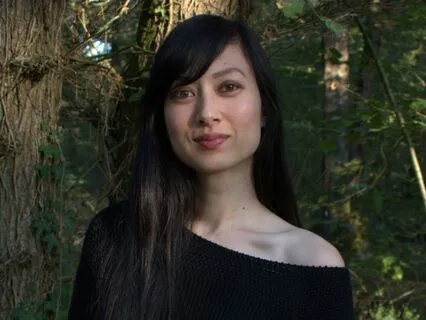
I'm Annie Musu,
A certified EFT tapping master practitioner.
I help women build confidence,
Set boundaries,
And enjoy healthy relationships.
Welcome to my podcast,
Hush Your Mind,
Building a better relationship with yourself.
On this show,
I offer practical wisdom to help you clear fears,
Limiting beliefs,
And trauma,
So that you can gracefully create a life you love.
Welcome to episode number 52 of my podcast,
Hush Your Mind,
Building a better relationship with yourself.
I'm super excited for today's episode because I'm bringing on my first guest expert ever.
I had the honor of interviewing one of my dear colleagues.
Some of the things we discussed are what inspired you to become an EMDR and EFT tapping practitioner?
What's the difference between EMDR and EFT tapping?
In which cases would we pick one modality over the other?
And what should we look for in a practitioner?
Now,
I've had guests on my show before.
I co-created a live EFT tapping session with a guest on the fear of being seen in episode number 37,
And self-doubt about success in episode number 39.
But I first got the idea of welcoming other experts when I kept getting asked,
What's the difference between EMDR and EFT tapping?
People often tell me they're open to other ways of healing trauma than traditional talk therapy.
EMDR and EFT tapping are two popular options,
Both backed by science.
So how does one choose?
I thought,
I know someone who does both EMDR and EFT.
Why not record our conversation and share it with others?
I'm grateful that my colleague Jennifer Taz Vasquez agreed to share her wisdom with us today.
Taz is a licensed mental health counseling associate,
An EFT master practitioner,
Life coach,
Fitness instructor,
Writer,
And a veteran.
With over 29 years of coaching,
Mentoring,
Leadership,
And counseling experience,
She specializes in helping others overcome PTSD,
Trauma,
Anxiety,
Depression,
Low self-esteem,
And navigating challenging life transitions.
Taz is a lifelong servant leader and learner.
She retired from the Air Force in 2018 after 25 years of service.
While she had a successful military career,
She spent her adult life battling depression,
Anxiety,
Post-traumatic stress,
Low self-esteem,
And suicide ideation,
And successfully overcoming these challenges.
She's now on a mission to let others know they're not alone and they can live a soulful life of passion,
Love of self,
Others,
Community,
Of purpose,
Your calling professionally and personally,
And of play,
Zest,
And hope.
As a fitness instructor,
She loves teaching dance,
Cardio,
Kickboxing,
And rock steady boxing for people with Parkinson's disease.
Our intention for this conversation is to help you understand the difference between EMDR and EFT tapping,
So you can make an informed decision on your healing journey.
Enjoy.
Hi,
Taz.
Thank you so much for joining me in this podcast episode.
I'm super excited to have you here.
As an EMDR therapist and EFT practitioner,
You're going to bring us so much insight that my audience has been asking me about.
So thank you so much for being here.
Thank you so much,
Annie,
For.
.
.
We were just recalling that I think we've known each other for about four years now,
And just our love of being able to serve and help people,
And then being able to bring EFT to make it really accessible for others.
And I'm excited to talk more about that,
And then EMDR.
And so thank you so much for having me on your podcast.
Oh,
My pleasure.
Yes.
Well,
Let's dive in.
My first question is what inspired you to become an EFT practitioner and an EMDR therapist?
Good question.
Okay.
So for me,
My healing journey really is what inspired me or brought me to EFT.
I had gotten my master's in counseling about 15 years ago,
And got introduced to EFT then.
And I'll be honest with you,
I thought it was a little woo-woo at that time.
And I was very much still in the military at the time,
And I was very much cognitive,
Behavioral,
Just show me the facts.
And so I had discounted tapping at the time,
Full circle after I retired and was still on my healing journey from post-traumatic stress,
Anxiety,
And depression.
And it was as I was figuring out,
Now what?
What am I going to do with my life?
And I was trying to decide what was going to happen.
Was I going to go back to being a therapist and finish my licensure at the time?
Did I want to start all over with hours given the new state that I was in?
And it was also COVID.
So there was a lot of change that was happening in my life.
And I ended up deciding to be a coach,
A life coach.
And so I had gone down that route.
And along the way,
I love geeking out on self-help and learning about what's going on with the brain and body,
Always have.
And I came across a,
It was a coach for coaches,
And she was an EFT practitioner.
And she was doing a free webinar at the time.
And it was for coaches who were feeling imposter syndrome,
Who were feeling money scarcity,
Things that I think most of us,
As we branch out into entrepreneurship,
We go through at some point in time.
And I was like,
You know,
All right,
Let me give this,
Let me give this webinar a try.
And I was just in the audience,
You know,
Tapping along.
And I was shocked because I'm like,
Oh,
My goodness,
This actually works.
That's what started my,
It piqued my curiosity.
So then from there,
I was like,
All right,
Well,
I want to add this into my,
What I'm doing in my life as a life coach,
I realized that how much I loved EFT,
And that I really wanted to have that as part of my practice.
And then along that way,
As well,
I distinctly remember,
I was still working through post-traumatic stress.
And I remember as one of the group classes,
Where the instructor,
Deborah had said,
She could tell in my voice,
You know,
And I had gotten emotional as I was talking about my history.
And she just stopped,
She said,
Let's tap on it.
I'm like,
We're doing this in the group?
All right,
Let's do it.
And so honestly,
One session,
And that's what it took for me to,
Because I had done a lot of healing work before,
But that session really was the turning point for me in terms of my post-traumatic stress.
But then,
And then we did another session,
You know,
In another group with Deborah,
And same thing,
Worked on the military trauma that I had.
And then I did continue to do my own self-work,
And then started working with others.
And that just was a night and day difference.
Because I remember distinctly,
There was one 4th of July here,
And in Washington State,
And where I live,
Folks love fireworks.
And I used to hate fireworks,
Because five,
Six,
Seven hours of just indiscriminate,
Loud voices,
And my nervous system was so overstimulated,
And just on edge,
Where I just wanted to hide under the covers.
And that particular one,
After this journey,
I was outside,
And all the cacophony,
I mean,
It sounded like a war zone.
And I had tears streaming down my face,
But it was because I wasn't jumping.
I wasn't doing this with my nervous system.
I was able just to take the sounds,
And the indiscriminate sounds,
And I was okay.
And I'm like,
This is what that freedom that we talk about,
And emotional freedom,
When you really process and reprocess those emotions,
And or those memories,
To move them on into just the past,
Where they no longer are impacting you,
They're no longer triggering you,
Is so profound,
And such a huge difference,
That I'm like,
I want everybody to be aware of what's feasible when it comes to EFT.
That's the EFT journey.
And along the way,
Being a practitioner,
Periodically,
I kind of felt called,
Well,
Should I go back to counseling,
Or to be a therapist?
And I was like,
No,
I'm fine not starting over.
I love doing what I'm doing.
And along the way,
I got introduced to an opportunity of presenting an EFT workshop to EMDR therapists,
And got invited to also take the course,
The basic training.
And I jumped at it,
Because like anything,
You know,
I love learning.
I love trying new things.
And I could really see the beauty and the integration that could take place,
And the healing,
And how the parallel,
The ways they intersect,
The ways they're similar,
The ways they're different.
And I could just see that I wanted to do this.
And I kept,
I did the training,
Loved it,
And said,
All right,
Because EMDR is for licensed therapists only.
And I said,
All right,
Well,
You know,
I'm fine doing my thing as an EFT practitioner and a coach.
And along the way,
That just kind of kept coming back up into my intuition.
And I realized,
I needed to listen to it,
Because I really wanted,
I was called to do EFT and EMDR,
And I love also art therapy,
And being able to integrate those with clients,
So they can really have that freedom,
You know,
To live their life in the way they want with more passion,
Purpose,
Play.
And that's why I'm so passionate about helping others and letting them know that they're not alone,
That there is help out there.
Wow,
What an extraordinary story.
Thank you,
Tez.
I don't even know what to say.
You've been through so much.
And it's,
I mean,
I resonate so much when you found that emotional freedom with EFT.
I mean,
It is shocking.
It's amazing how transformed we can be in so little time.
And that it's,
It needs to get out there more and more.
And it is,
It is coming in.
It's in the mainstream,
Especially with,
You know,
Nick Ortner.
And so,
Yeah,
It's wonderful to see you grow in both modalities.
And to,
Yes,
I think,
You know,
That's the,
That's why it was so evident for me to invite you to my podcast,
Because you have this unique perspective of being in the EFT and the EMDR world.
And I get clients who have experienced EMDR,
And who are looking for a new modality,
Because they didn't get what they needed in EMDR.
And then I also had clients who had a great experience with EMDR,
But they feel like they need something different this time.
So both modalities can be helpful,
Depends on each person and where they are on their path,
What they need at that time.
And so I'm curious to hear more about that.
I don't know if it's necessary.
Do you think that we should take a little,
Just a minute or two to briefly explain the difference?
What is EFT briefly?
And then what is EMDR?
Just for those who don't know.
So when it comes to EFT,
If you think about it as a modality,
It's a way of integrating neuroscience and modern psychology,
And then also ancient Chinese medicine with acupuncture.
And it's kind of an integration of those worlds.
And basically you're tapping along your acupuncture point.
And by tapping along those acupuncture points,
You're actually starting to automatically calm your nervous system,
Which is beautiful.
And by calming your nervous system,
And also by the dual awareness of the physical sensation of the tapping.
And then as we talk about whatever the issue is,
Or the emotion as you're doing the setup phrase,
Or the reminder phrase,
You're keeping your attention in the present,
And you're also working on something from the past.
Or usually starting with a feeling,
That's hence the emotional freedom,
And working through that,
And processing those feelings.
Because they tend to get stuck in the body if we haven't processed something.
And it doesn't matter if it's trauma,
If it's depression,
If it's anxiety,
If it's sports performance or enhancement,
You know,
There are so many avenues that tapping is effective for.
And that's the beauty of it.
Now the difference is,
It's very accessible,
Right?
We all can do it.
I like to share clients,
You know,
Even therapy clients,
I show them tapping first,
If they're comfortable with it.
And that's the biggest thing.
Are they comfortable?
And you said it beautifully,
You know,
It depends on where they're at on their journey,
How comfortable they feel with the therapist,
Or with the practitioner that they're with,
You know,
And from there too,
You know,
What are some of the underlying issues,
Where they're at?
Because for both modalities,
If,
Or you know,
The therapy and the modality,
If someone is feeling very disassociative,
Or very stuck,
You know,
And they've really numbed out,
You know,
In terms of they're feeling comfortable changing,
Or feeling comfortable,
Because they've had to protect themselves for so long,
You kind of have to work with that first.
Otherwise,
You know,
You run the risk of neither one being very effective for a client.
And so it's really then about the relationship that you're developing the trust,
That ability to feel safe with someone.
So that's just as important.
Yes.
And then,
And on the EMDR side,
As I mentioned,
You know,
It's for licensed therapists,
It's for or it's a,
It can be a little more intense,
Because you're both kind of have an aspect,
Because in EFT,
Where we're tapping on the back of the hand,
And we're kind of closing the eyes,
Opening the eyes,
Moving them,
In a sense,
It's connecting left and right brain.
EMDR is doing the same thing with that eye,
Traditionally with that eye movement.
And the idea behind that is that through that eye movement,
It enables kind of mimic REM sleep,
You know,
Where our body and our brain are processing.
And that's where it's reintegrating and processing emotions.
And if it's something that's been interrupted,
It was so overwhelming,
Or it happened over and over again,
And we lost our resilience to be able to process things,
It gets stuck,
And it gets stuck in our brain,
It gets stuck in our body.
And so that EMDR then enables you to be able to start processing that.
And it's a little bit more intense,
Because you're doing it,
You know,
For a little longer in that sense.
And you're enabling walking through a memory,
And you're starting it,
And then letting them process it,
Letting them keep going.
And it gets to a point,
Kind of like tapping,
Where all of a sudden,
There's this acceptance,
There's this resolution,
And that reintegration of a memory.
But you're also because the eye movement,
Just like the tapping,
You're keeping your nervous system within its window of tolerance.
So that way,
You can stay with it.
And then when you're done,
It's kind of like writing a wave.
So it's a little more intense.
But then when you're on the other side,
The processing can be very complete,
And sometimes a little quicker,
Sometimes not.
Once again,
It depends on the person,
Because I've had clients in both sides where it's taken,
You know,
Taken longer.
And it's not right or wrong.
It's just a matter of what feels more comfortable for a client at the time.
Yeah,
So that takes me to my next question is,
How do we know then if I'm a client looking for therapy or an alternative therapy,
I'm open to a new modality,
I have the choice of EMDR and EFT,
And there are many studies proving how effective both of them are for trauma.
So how do we go about choosing one?
And in which cases would one modality be better than the other for a given person?
Good question.
And to start with,
It kind of comes back to the relationship with the practitioner or with the therapist.
Some people still have hangups,
You know,
In terms of going to a therapist.
Some prefer looking for a practitioner or someone that's outside of the,
You know,
Traditional medical or the traditional mental health model,
Right,
And then looking for alternatives,
Such as practitioners or on the energy side of the house or,
You know,
With Reiki or with other modalities.
And so it really depends on the person and what they're looking for.
It also depends upon,
You know,
Are they looking for just basics of,
Are they looking for insurance or not?
Typically,
Because even there's therapists who don't take insurance,
Or maybe they're working with an agency or they're part of insurance panels.
And sometimes that may,
You know,
That financial constraint,
You know,
May be an impact.
And so then it's looking at what's feasible.
But beyond that,
Just in terms of which is which,
It really depends on the person and the connection,
You know,
Because if there's practitioners who,
You know,
If they just jumped too quickly into saying,
All right,
Let's get at your deepest,
Darkest,
You know,
Painful past,
It may spook someone and they're never going to come back,
Right?
They're not ready yet.
And so it's really about developing that connection and that rapport and that trust and holding that safe space to be able to see,
You know,
Does this person feel safe?
Does this person feel comfortable?
And then I think education and information is really important because you want to,
We're just guides,
Right?
But we want to make sure someone feels comfortable and then tuning in and checking in with them and not just,
It's not about us,
It's not our ego,
It's about them and making sure that we're in that space.
And some people find this to be really weird,
You know,
They're like,
Hey,
What is this tapping along your acupuncture points,
You know?
And so they don't like it or it's too weird at the time.
I've had clients who initially were like,
Nope,
Don't like it.
And then after a period of time,
They try it again and like,
Oh,
Wow,
Okay,
That does really work.
And so it just depends.
EMDR,
You know,
There's a process,
It's more of a scripted protocol where,
You know,
And you're guiding someone through and you're not just jumping in because there is sometimes a little more activation,
A little more processing that can be a little more intense.
And it's not to say EFT can't be,
Because it can,
It's just,
We tend to then stop,
Stop,
Stop to always bring things back down.
And a good therapist will do the same thing on the,
You know,
The EMDR side as well.
But sometimes that's kind of scary,
That idea of going right into that,
You know,
And there's so many alternative ways to work tapping and EMDR.
It doesn't have to be this.
If someone that doesn't feel comfortable,
There's auditory,
There's tapping,
There's doing this,
That's really that bilateral stimulation,
That left,
Right connecting,
You know,
The hemisphere,
That's the activation for the EMDR that helps the processing and the reprocessing of a maladaptive memory that got stuck.
And tapping is kind of doing a lot of the same thing.
That dual action is really what's key between both.
The nice thing is the tapping you can take with you,
So you can keep doing it on your own.
And with both or with EMDR,
We like to have additional resources before we really jump into the EMDR.
So can a person calm their nervous system on their own?
Because if they can't,
It's going to be really hard to do that reprocessing and it may not be right for them.
Yes,
Yes.
That's one of the biggest concerns I have.
There are many people who come to me and they say,
I'm looking for a new modality.
I feel like that's what I need.
And the thing with EFT is that it's accessible.
I love that I have a tool that I can use in between sessions.
I really want that tool.
They're looking for something where they can support themselves and feel empowered about their journey.
And I think it just makes sense.
We don't want to become dependent on a practitioner or on a therapist.
We want to be able to eventually give ourselves that support and co-regulate with friends and family instead of with a therapist.
So that's the goal.
Yeah.
Very true.
Yeah.
So I guess it's not quite.
.
.
Someone would ask me,
Oh,
This is the issue that I have,
It's childhood trauma,
Which one is best?
It's more of maybe financial concerns,
Maybe what you're comfortable with.
If tapping seems a little too odd,
Maybe you should go towards EMDR.
Some people I meet,
They've found more research on EMDR than EFT,
But then they came to me curious about EFT,
Tried the free EFT session slash interview and had a better rapport with me than with their previous EMDR therapist.
And they jumped into working with me.
And so I really think that is the key thing to finding the next therapist or practitioner you want to work with is how you feel in their presence.
Do you feel soothed by their presence?
Do you feel safe?
Do they look at you in the eyes?
Even if it's online,
Do you feel like this person is completely listening to you and you feel supported?
I think for a long time,
I just assumed that that's what all therapists do.
And eventually people would tell me,
I don't get that from my therapist,
Or I had this really awful experience with this other therapist and I was just so shocked.
But that's just in any job,
I guess there will be people who are more competent than others.
So there's room for all of us and there's room for improvement for even us who are very passionate and supportive.
And you think about the studies that are out there,
Because right now EMDR on the mental health side of the house,
So American Psychological Association and so on,
EMDR,
Which is the national body for EMDR,
Those international bodies and those national bodies recognize EMDR as a kind of a gold star standard along with talk therapy or exposure therapy or dialectic behavioral therapy,
In terms of for trauma.
Tapping is something that while it came about around the same time,
It kind of went the route for a while of kind of the energy psychology,
Dr.
Peter Stapleton likes to talk about different waves of the mental health movement,
From kind of the traditional psychotherapy model,
To moving towards behavioral to positive psychology,
Somatic,
And then kind of energy piece.
And so tapping sometimes kind of gets like I did,
Not knowing what tapping was,
I'm like,
Oh,
That's woo woo,
No.
And there's aspects there because it feels like it and depending on your spirituality,
Depending upon the practitioner and the other,
Where they're coming from and their worldview,
And what experiences they bring to it,
There may be more of that energy psychology piece to it or that energy aspect.
And so that's just something to be aware of.
And,
You know,
With EFT,
There's many well renowned practitioners and or therapists who do EFT,
Like Dr.
Peter Stapleton in Australia,
But she's also leading,
Working to get EFT recognized like EMDR.
And there's actually a lot of evidence based research on both.
So that's something to keep in mind,
You know,
That they're both very effective.
It's just right now,
From a traditional standard,
EMDR is what's recognized,
You know,
Where tapping is considered more of an alternative,
You know,
Therapy,
Although the Department of Defense does recognize it as another second tier,
Meaning that it's an effective modality.
And so progress is being made,
You know,
And over time,
Fully expect to see EFT to be right there with EMDR.
Yeah,
Because we have the Veterans Stress Project,
This nonprofit that helps veterans with free EFT sessions,
Because it's been proven so effective for PTSD.
And I know in Australia,
I think it's Peter Stapleton also,
Who said that their insurance companies or certain insurance companies in Australia are accepting EFT.
Yeah,
It's a very well respected modality in Australia,
Apparently.
It's just a question of time that it reaches all the awful corners of the world.
Yeah.
And I'm part of the Veterans Stress Solution.
I'm a provider that provides those free services and for military and also military families and veterans.
And so it's beautiful to be able to support others,
You know,
On their journey,
No matter where they're at,
You know,
In that way.
Wow.
All right,
Tess.
Well,
I guess I'm curious if you have anything else to say about what people should look for in a practitioner,
Because they can go towards EFT or EMDR.
We kind of touched on some points already,
But what are the main keys we should look for in a practitioner?
I think for each person,
They're going to have to ask themselves,
What is it that they want?
You know,
Are they looking for something,
You know,
In particular?
Are they looking for someone who is,
What's their experience,
You know,
What's their background?
And it's not so much like pedigree,
You know,
Where did they get their training from?
It's more along the lines of,
What experience do they have?
Are they comfortable working with trauma?
Are they comfortable working with depression?
Are they comfortable working with anxiety?
Same thing on the therapy side of the house.
You know,
You're looking at,
Is this person going to help me feel safe so that I can work on what I want to work on?
And it may be,
What is their experience with gender or gender roles or sexual orientation,
Or are they comfortable with the LG,
You know,
Different communities in that sense?
And so cultural,
Yeah.
And so all of those,
You know,
Depending on the person,
Because they want to be validated,
Right?
They want to feel heard and safe because if they don't feel safe and they can't trust in that space,
Then they're not going to heal.
Their nervous system is just not going to let them do it.
Yeah.
We don't heal alone.
We have to learn how to co-regulate with someone whom we feel safe.
Yes.
Correctly.
Because we're social creatures,
Right?
And that's how part of our biology.
And so the,
You know,
That's why I think both modalities are so impactful over traditional talk therapy and some others,
Because of the fact that it keep,
It's keeping your nervous system within its window of tolerance.
And that's what that,
And then that dual attention,
The past and present,
Is really what enables us as practitioner or a therapist to help a client then really start to process those memories and then reintegrate them into their long-term memory.
So then that way,
You know,
Trauma,
I was abused as a child and I had chocolate today,
A little dramatic effect,
But you know,
You can say those statements without feeling triggered,
Without feeling numb and just go,
Yep,
They were just part,
They were part of my life.
And here's where I'm at now,
Where I'm more in that post-traumatic growth phase,
Where we're able to take whatever happened to us and then use it to be able to support others around us.
And then in our community.
Yeah,
Yeah,
Yeah,
Yeah.
Gosh,
I think it's so important to highlight the point of when you said,
If someone is looking for a certain modality,
They could maybe consider the importance of the person's wisdom,
The person's experience and what they're bringing into the session as well.
There's so much talk about different modalities.
I think I just got a huge wake-up call today from my mentor that I am bringing so much more into my sessions than just EFT.
I tend to be a little too humble,
I'd say.
I'd say if there's some miraculous or amazing shifts that happen in a session,
I say,
Oh yes,
It's the EFT.
It's an extraordinary tool and it is,
But I think that it's so important also for us practitioners and for people who are looking for a new modality to consider the fact that the person you're working with is bringing a lot more to the table than just the modality.
They have a certain energy that you're attracted to for some reason.
Maybe you agree with their perspectives on life or you have the same values as them.
That all plays a huge role in that feeling of safety that we feel in a session and it can really boost the healing sessions.
That connection and study after study shows that it's not so much the modality or the therapy.
It's really the connection and the relationship and that sense of trust and that co-regulation because without that,
Like we said,
You're not going to heal.
Yes,
Wonderful.
I love this.
Thank you so much,
Taz.
Do you have a last comment,
Something that you want to leave listeners with?
If you're listening to this and you're identifying or curious or saying,
Hey,
Wait a minute,
Tapping or EMDR,
I don't know about those,
Go try it.
I seriously say they're life game changers and I am so passionate that there is such a sense of freedom and such a sense of soulfulness,
Of playfulness,
Of passion,
Of purpose when you have really gone down that road of your healing journey.
It's not a one-stop thing.
It takes time,
But to be with it and to be in that process and to really know that healing is feasible.
If you're curious,
Go try tapping.
If you're curious,
Try EMDR.
They really are life game changers for people.
Thank you so much,
Taz.
I so appreciate you and I appreciate what you're doing in your work and how much just love that you're bringing into everything that you do.
I just love watching you grow and seeing you support more and more people and you're a luminous soul.
Thank you for being in this world and to be doing your work.
We really need your presence.
Thank you so much.
I appreciate it and I feel the same about you.
It's a pleasure.
Thank you so much again and I'll talk to you soon.
Thank you so much for joining me in this episode of Hush Your Mind.
If you enjoyed it,
Please feel free to visit my about page on my InsightTimer profile for my website and follow me for new content and live EFT tapping sessions.
May you have the courage to love and accept yourself.
Be well and take care.