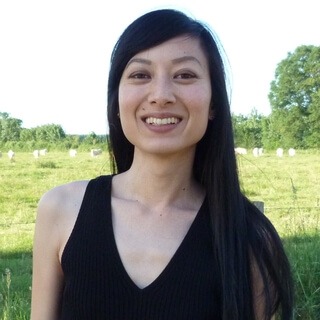
Hello,
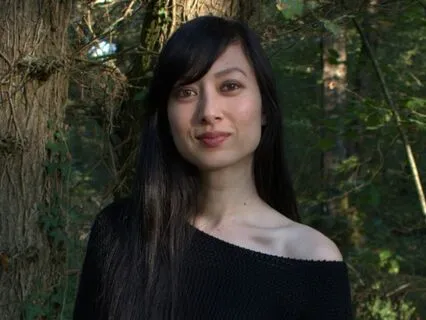
I'm Annie Musu,
A certified EFT tapping master practitioner.
I help women build confidence,
Set boundaries,
And enjoy healthy relationships.
Welcome to my podcast,
Hush Your Mind,
Building a better relationship with yourself.
On this show,
I offer practical wisdom to help you clear fears,
Limiting beliefs,
And trauma so that you can gracefully create a life you love.
Thank you for joining me in episode number 57 of my podcast,
Hush Your Mind,
Building a better relationship with yourself.
Several people asked me these questions,
Which inspired me to revisit my personal reflections on the topic.
How do you cope with death and grief?
How do you deal with the changes after a loved one's death?
It may sound morbid,
But I've deeply contemplated death over the years to make peace with this inevitable fact of life.
I didn't like how uncomfortable I felt whenever the topic reared its head.
I feared not being able to cope with the death of loved ones.
Eventually,
I realized how futile it was to avoid the truth and began embracing this mysterious taboo called death.
What's more,
We all experience the death of our old identities daily as we shed more layers.
Reflecting on my mortality has been a liberating exercise that helps me cherish my relationships,
Connect with love,
And align with my purpose time and time again.
I'm so pleased to bring you today's episode with death educator and grief guide Jen Venker.
She shared some amazing wisdom that left me feeling grounded and grateful.
In our enlightening chat,
We discussed the following.
What's a death educator and grief guide?
Why is it important to talk about death?
How does the death of a loved one change us?
What are different ways to cope with grief?
And how to deal with the death of abusive family members?
Jen Venker is a death educator,
Grief guide,
Pediatric hospice volunteer,
And animal lover.
Jen has spent four years sitting bedside to the dying and considers it an honor every time she is invited to support a family as they navigate one of life's most difficult times.
She loves to bring art and music to her clients and especially loves using art to help families and children process grief and complex emotions.
Our intention for this conversation is to inspire you to embrace death,
Dying,
And grief a little bit more so that you can truly appreciate the present moment.
Thanks for tuning in.
Hi,
Jen.
Thank you so much for being here,
Being a guest on my podcast today.
It's such an honor to have this conversation with you.
Thank you for having me.
I'm really excited to chat with you today.
Oh,
Let's dive in.
I'd love for you to just kind of give us some context about being a death educator and grief guide.
What is that all about?
Well,
As a death educator,
I talk to people about death and dying.
I provide a safe space for people to share their thoughts and concerns and worries.
I sit alongside people on their deathbeds,
Essentially,
Sometimes.
I provide companionship for them.
I will help their families.
A lot of times,
Families feel really lost.
Obviously,
There's medical support that comes in,
Hospice and care.
They are getting services,
Medical services.
But when you're dying,
There's so many questions.
Because it's very taboo to talk about death,
A lot of people think,
I'm not.
Don't be so morbid.
Don't talk about that.
As if talking about death is going to make death happen.
That's absolutely not going to happen.
I promise.
Because I talk about death all the time.
I haven't died yet.
It's not going to make it happen any sooner.
In fact,
It's just going to make you feel more confident.
The more I talk about my death and other people's deaths,
And the more conversations I have,
The more vibrant my life has become.
I feel like it helps me stay present,
Remembering that I'm going to die,
Remembering that this is finite,
That we don't have an endless amount of time.
I know that people think that sounds so morbid and sounds so scary.
But it just is a constant reminder for me that I only have right now.
No,
There's only this moment,
An asteroid could fall from the sky.
Yes,
We could get cancer.
There's any number of ways,
Any number of things that could happen.
No future is guaranteed.
What can you do right now in this moment to fully live your life to the best of your ability?
That's what I help people sit with.
I sit with people who want to do pre-planning and just think about stuff or get things arranged.
And I just have conversations with people who aren't even imminently dying,
But don't have someone to talk to about this.
Or if they have a family member who's dying,
They are just what's going to happen and what happens next.
And I don't have medical licensure.
I'm not a medical support at all.
I will always default to whatever doctors and nurses are guiding.
I never supersede any of that.
And I don't tell people what I think is going to happen.
I provide a safe place to sit and listen.
And I will explain things that there are certain indicators that death is closer.
I will point those things out that they can look for.
But in general,
I don't do any medical advice or support.
I'm just emotional support or something where there isn't a lot of emotional support.
People feel very lost usually,
Even though they have a team of doctors and nurses,
There's not always a ton of emotional support provided.
And that's where a lot of people really need it.
Wow.
I mean,
That is just so amazing what you do,
Jen.
So many things I could pick out there and pick your brain about,
But I think the biggest thing that stands out for me always is how contemplating death reminds us of the present moment,
How sublime the present moment is.
And all of a sudden your priorities become crystal clear.
How do you want to live your life?
And what's most important?
Who are the people who truly matter?
And so I like to play with this question in my latest podcast episode.
I asked people and I often ask myself,
If I had only six months to live,
How would I want to live?
And I think of it was Julius Caesar who would have an assistant,
A deliberate person there who'd remind him who just whisper over his shoulder as he gave his speeches.
Memento mori,
Remember that you will die.
And that was a way for him to stay humble as an emperor.
And so of course he did a lot of damage,
But I think that we could all use the reminder.
So,
I mean,
That's just so beautiful,
So gorgeous that you serve people in this way.
And I'm curious,
How did you get to this vocation?
My path was,
I felt really lost when my grandfather was dying.
I remember going to visit him and he was in a nursing home and I knew that he had had a stroke.
I hadn't seen him for a couple of months.
I had just had my youngest child and I had a birth doula there for me.
And I remember feeling so lost and having so many questions when I was sitting at his bedside,
But I didn't feel comfortable asking the nurses.
I felt really stupid.
I felt really like,
I don't understand this.
There's so many questions I have.
And I remember feeling so supported by my birth doula.
I went in my car at one point to go get some water.
And I remember texting her and asking her,
Is there someone who does what you do for birth,
But for the other end of her death?
And she said,
No,
There is,
But I don't know anything about it,
But I've heard of them.
And I was like,
Okay.
And after my grandfather died,
Well,
Several months after my grandfather died,
But it sent me on that journey.
It kept resonating in my brain.
And I thought,
I need to know the answers to these questions and who is that person?
And I felt so,
I don't know.
It was just,
I still,
I feel wonderful because for me,
I did education.
I did training to become a death doula.
And it was so beneficial for me in healing my questions that I had when my grandfather was dying.
I wanted to know,
I was like,
Is it okay if I touch his arm?
He was making noises and he was not able to speak anymore.
His mouth was open.
It looked a little bit scary.
Like he didn't look like himself.
And I was just like,
Is he in pain?
Does it hurt?
I was touching his arm lightly and he made noises and I couldn't tell,
Am I hurting him with that?
I wasn't sure.
And so I just had all these questions and in doing this work,
I've helped heal that part of me that didn't know if I was doing the right thing that didn't know how to be.
And I also feel like I get to then sit alongside families who also have these questions.
I have a very open policy that there are no stupid questions in death and dying,
Because how would you know?
You've never died.
And very few people have sat alongside other people while they're dying.
It's not something our culture does.
Our culture is very death phobic and doesn't want to have these conversations.
Doesn't want to talk about these things.
So how do you know?
How would you know?
And so my goal is to be the person that I needed in that moment when my grandfather was dying.
And it is such an honor.
Every time I get invited to sit alongside a family and be in that space,
It is a very sacred space.
Someone's final weeks,
Months,
Hours,
Minutes.
It is such a sacred space to have someone invite you in and allow you to be there,
To be a guide or just to provide emotional support or just quietly sit there.
And it is such an honor every time.
And I learn so much.
And it's really beautiful.
And it heals that part of me that really needed it.
Wow.
My gosh.
Thank you so much for sharing that,
Jen.
Gosh,
I can just imagine how.
.
.
Yeah.
I haven't experienced a lot of death in my own personal experience.
My grandmother passed away several years ago,
But I didn't know her that well.
I met her once.
She lived in Vietnam.
And I was born and raised in the US.
So got to see her only once.
And then when her death happened,
My father didn't talk about it at all.
Nothing was said.
And so I think it's.
.
.
You're totally right.
We live in a death phobic society.
And I got my first experience like really confronting death for the first time through one of my exes whose mother died.
And I met her on her deathbed.
She was in a coma.
And so I can totally relate to what you're saying about,
Am I allowed to touch her?
And I don't know her.
Is it okay?
And my ex actually asked me to lean over and give her a kiss on her cheek.
And I kind of looked at her and it was kind of scary.
I didn't know how to behave.
Is this okay?
It's just,
I don't know.
Like you're saying,
We just don't know,
Right?
We've never been educated in that way.
And when I leaned over and kissed her,
All of a sudden she passed.
She died in that moment.
And everyone rushed through,
The medical team rushed through into the room and did what they could.
But yeah,
It was,
She had passed and everyone in the family was very lost at that time.
Of course,
For the grief,
But also all the paperwork and all the,
Like,
What do we do now?
And the heritage.
And it was just super chaotic.
And I was just like the new girlfriend who got kind of thrown into the situation.
All of that to say is that I think my situation isn't only,
It's not unique to me.
There's so many people who are going through similar experiences.
Yeah.
And so I guess I'm curious how death changes us.
I mean,
There's so many changes when it comes to even our relationship with a person and you're saying your healing is continuing as you help other people.
Yeah.
I'd love to hear your thoughts on that.
Well,
I can't answer how death changes each person because it's completely unique.
There's so many different factors,
How close you were with the person,
How well you knew them.
Obviously you're not going to grieve as much for a mother-in-law that wasn't even your mother-in-law.
That was just your boyfriend's mother that you didn't even hadn't known that much.
So,
But how death is going to affect everyone is,
It's very personal.
It is absolutely personal.
But it definitely permeates everything really.
And someone going through grief and deep grief,
It's nobody ever wants to hear this,
But grief is lifelong.
Grief stays with you forever,
But it's not always as frequent as the beginning.
It's usually most intense then.
And I know people say that it gets better,
But it doesn't really go away ever,
But you learn to live with it.
You like make space for it.
There are several quotes that I really like and I'm not going to go into all of them,
But essentially grief is love for that person that you can't express anymore.
And so I like to stick to that one.
And it really helps remind me that grief isn't this bad thing that we hate and that we need to rush through.
Grief cannot be rushed and there is no end to the grieving process really where you are better or back to normal.
I know that our capitalist society will say that you get three to five days or one to two or no time at all sometimes to grieve losses.
And that's just not how human beings work,
Unfortunately for the big capitalists.
So it's okay to still be sad.
I just want to give everyone permission.
If you're sad,
Be sad.
Just sit with your grief.
Grief needs to be almost like a friend who needs to be invited in and you just need to say,
Hi,
You're here.
Today's going to be a sad day.
This is going to be hard today and that's okay.
And then maybe at some point when you acknowledge the grief,
It might decide to leave for a little bit and then come back another day.
Again,
I don't want to,
I could give you like a million analogies,
But it's definitely very unique for every person in every situation.
Obviously losing a partner is going to be a lot different than losing a parent-in-law.
And losing a child is going to feel a lot different than anything else too.
And so it's always going to be unique to that person.
And however you are feeling in your grief,
It's valid.
Yeah.
So beautifully said,
Jen.
My gosh.
Yeah.
It's just so overwhelming grief.
It can come in waves.
That's how a lot of people describe it to me.
And it does seem never ending,
Like this bottomless pit.
And so my go-to tool is definitely EFT tapping.
And I'm wondering,
What do you use as tools or how do you just sit and be with the grief and let yourself cry?
Or do you like,
I mean,
Like you said,
I think it's unique to each person,
But when it's really overwhelming and it gets in the way of like,
In reality,
We do have to go to work or we have to go pick up our kids at school or whatever.
How do you manage?
How do you cope with that grief?
Well,
I think allowing space for it at times when it's convenient is definitely the best way.
Like,
You know,
Obviously maybe you can't break down and cry in the middle of your workday.
Maybe you can take a break or you just sit out in your car and be alone with your thoughts for 15 minutes or whatever to try to get through times where we can't just sit and be sad all day because that's not always feasible.
I understand that,
But suppressing it for too long doesn't usually end well either.
It's still there and it will show itself in lots of other ways if you don't allow it to just be.
But I think that there's lots of different ways that people can process through it and it doesn't have to look like just sobbing uncontrollably.
I mean,
It can if that feels good for your body and or if that's a release or,
You know,
That's just what your body needs,
Then that's absolutely great.
But I help people do art sometimes.
We'll do process art,
Which is where you're not painting a picture that you want to hang on your wall.
It's not like one of those paint nights where you go and drink with your friends,
Follow the instructions,
And make a pretty painting that looks like,
You know,
A sunset on a beach or something.
We talk about colors.
We talk,
Like,
What color do you think of when you think of this person?
And then we just,
Like,
Allow your hand to move.
You know,
We meditate on the person,
We think about them,
Or share a memory.
And then just,
Like,
You know,
Do watercolor or just see how it comes.
And it's not going to be something that you put on your wall,
But it might feel beneficial to express yourself.
Other people like writing.
There's all sorts of journal prompts that you can try.
Writing letters to the deceased person can be really helpful if you had that kind of relationship.
I know people who have paid for years to keep someone's phone line open,
Even though they died.
That way they can text them,
And they will text them happy birthday,
And they will text them,
You know,
On random days,
Or like,
I thought of you today,
And I really wanted you to know that,
You know,
Your grandkid did blah,
Blah,
Blah,
Blah today.
Just lots of ways to maintain the connections with that person.
And talking to someone.
Obviously,
You know,
There's professional therapists and stuff,
But even someone,
A grief guide like myself,
Could just sit and listen and validate.
And I'm not a licensed therapist,
But,
You know,
Sometimes your friends might get tired of hearing about how sad you are all the time.
You know,
Some people,
Unfortunately,
Get uncomfortable hearing all that.
So finding a person you can trust,
A licensed therapist or a good friend who doesn't mind you to them,
Whatever feels good for you,
Finding a way to process through it that way,
You know,
In your hours,
On your lunch hour,
Whenever you can.
But there's so many ways to have like a continued relationship.
I know that sounds weird,
But like,
Essentially,
Like,
Where you're just talking to that person.
And sometimes people just,
You know,
Talk to the ether,
And they know they're not there necessarily,
But they it's comforting.
So I just want to say if it's comforting for you to do art or to write your feelings or write a letter or send a text or talk to a friend,
There's lots of different ways to process.
My only suggestion of things to avoid would be to not do with it at all to just shove it all down.
Anyway,
Trying to help work through it is beneficial.
Wow,
These are such rich ideas.
I have never heard of someone who would keep the phone line open to be able to text.
Oh,
That's so beautiful.
And it's again,
You said,
You know,
It's so unique,
The way we recover and process grief.
And so why not?
Yeah,
Why not keep the phone line open so that we can keep that community communication going,
Especially for people who are spiritual.
I mean,
That is a way to kind of honor the physical,
The physicality of the relationship,
I guess,
Just being in this world on earth,
And then knowing that they're maybe on the other side,
Or whatever the beliefs are of the person.
But yeah,
I can see how comforting that would be.
It made me think of this,
There's a phone booth,
A phone booth in Japan,
Somewhere in the countryside,
I believe.
And it's become a place where 1000s of people from all all over the world come visit that phone booth.
Because it's I don't know how it I don't remember how it became this.
But it's the phone booth where people go and pick up the phone and talk to their loved one who has died,
And tell them everything,
Anything that they want to say that maybe they didn't get to say when the person was alive.
And so yeah,
It reminded me of that.
So beautiful.
There's one in there's a couple in the United States,
Too.
I think they're called.
I think there's one in New York.
And I can't remember.
But they're essentially just old,
You know,
Yeah.
And,
And then you just talk to the other person.
But yeah,
You don't you can just use your cell phone or whatever mode you use to talk to them.
You don't need to travel to upstate New York,
Or Japan,
Or you can it's a good excuse to travel.
But um,
You know,
I feel like you can find ways to communicate with those people.
And whether or not you're spiritual,
And believe that they can hear you,
I feel like it's beneficial for you to process through those thoughts,
You know,
So when someone who's not spiritual,
Or,
You know,
Doesn't believe that people still exist,
Or carry on,
Or,
You know,
With us,
I think it's just you processing your thoughts out loud to that person,
Or on paper,
Or however,
Do that.
And I feel like it's just really beneficial.
I've never seen someone say,
Wow,
I wish I had never tried that.
It's always just been like,
Okay,
I'm glad I know that seems silly,
Or it seems like I didn't think that would help.
Like I was kind of going along with it,
Because you suggested it.
But like,
You know,
I liked it.
You know,
So great.
Not really wanting to admit it.
But like,
Okay,
That's kind of like,
Oh,
It does seem silly.
If you're like cynical,
Or,
You know,
Like,
Agnostic,
And it's just,
I don't know.
But I,
It's just processing.
That's so empowering.
Yeah,
You're giving some place where that love can go.
You know,
Can't share it with that person.
You're just sharing it out loud or putting it on paper or expressing it somehow.
And I feel like it's beneficial for us in lots of ways.
Mm hmm.
Yeah.
I gotta ask you this question.
A lot of people in my audience have come from abusive families like me.
And so they,
You know,
I'm wondering,
Like,
If you've lost,
If you your parent who's abusive to you died,
And now you're,
You got to do,
I don't know what you need to do after.
I mean,
Each person is so different.
But there are some things that you want to say that you couldn't say,
For example,
I guess this would be one way of coping and being able to process all that you needed to do.
I guess I'm trying to say is there's a lot of loose ends for a lot of people in my audience when someone in their biological family died.
And there's like,
Do I go to the funeral?
Or how do I process this grief?
I don't really feel love for them.
I it's it's a strange,
Liminal space.
I don't know if you have any thoughts about that.
Well,
I think the processing of finding a way to process through that anger,
And grief,
And sadness.
Because even if you know,
Even if you're,
I know,
This is going to sound cruel,
But if you're glad that person died,
Because they caused you so much pain,
That's okay.
I don't I know that people sometimes feel guilty.
They're like,
Oh,
You know,
You shouldn't ever,
You know,
Be glad someone died.
And sometimes you think for the longest time,
You know,
Conversely,
That you thought you'd be glad they were gone.
And then you're sad.
And that's confusing.
Because,
You know,
They were still your,
That person in your life,
Whether or not they hurt you.
So sometimes it can be really unexpected,
That then you still feel sad.
And a lot of times,
And this is where it's hard to speak universally and make like a this is the truth for everyone,
Because it's not it's so unique and individual,
But just depending on your relationship,
Your circumstance,
And,
And what happened and everything around there.
I would say you do not have to go to the funeral unless it feels good for you.
I don't care who's asking you to go if you want to go.
Sometimes you can't give closure,
Even if you don't want to go.
But I'm not saying force yourself to go at all.
You don't owe that person anything.
So when someone has died,
Your job is to find what you need to heal.
And that can be going to the funeral to say,
You know,
Goodbye,
You jerk,
Or,
You know,
Or writing a letter to angry letter to that person.
Sometimes that can be cathartic to get it all out.
And then either like burning it in a fire or,
Or mailing it.
I don't know.
It's just a random PO box you find on the internet.
I don't know.
There is an amazing service called Postal Service for the Dead.
They're based in California.
And they actually have a PO box that you can mail letters to.
And it doesn't have to be angry letters.
It can be anything.
And here's a birthday card.
It can be anything that you want to write,
But it actually is like an address that you can write to.
And you can actually stamp it and put it in the mail.
And they have codes,
They will post on social media if you want them to.
And then you put a star on the envelope if you don't want them to open it.
And they will just keep them in an archive.
So they will go somewhere and they will be saved.
But that way you get it like,
Out of your life.
So you can write that letter,
Express your anger,
Your grief,
Your sadness that you failed me or I can't believe you did this,
Whatever things you want to say,
And then just release it out into the world.
You know,
So it's really,
It's a really cool,
Totally free service that this really amazing person started up.
Yeah.
So it's,
It's definitely possible to process,
But I would say that,
You know,
Your grief is your own.
And if you have a safe person,
You can express all these things with,
If you can find someone in your life who will listen,
Who holds space for you or find a deaf professional like myself,
Who will sit and listen.
And,
And just validate all your feelings because it's,
It's so complex.
There's no easy answer,
But expressing it somehow,
Whatever feels good for you is right,
But definitely don't go to the funeral if you don't want to.
And don't feel obligated to do things you don't want to,
You know,
Your grief is your own.
Oh yeah.
So empowering.
Thank you so much,
Jen,
For taking the time to be with me today.
It was a real honor and a privilege to chat with you about death and dying and grief,
Things that make us come alive and live fully in each moment.
So do you have a last message for my audience members?
Live each day to the fullest.
And if you can pre-plan your funeral or the end of your life,
You were doing your family and your loved ones,
A huge service.
Cause as you said before,
That is such a stress to have to deal with after someone dies.
So if you have it all in your capability to do,
I would advise it at least just writing down your wishes somewhere,
What you want done with your body and your things.
Taking that time to think about that and put it in writing somewhere,
Whether you're,
You don't have to prepay or anything like that,
But just putting it in writing somewhere as short and sweet or long and,
You know,
45 pages as you'd like.
Um,
Uh,
But just having it down somewhere,
You thinking through all of that,
What you want it to look like and communicating that,
Just sharing it with someone like,
Hey,
Don't open this until I die or whatever,
Um,
Is,
Is a gift.
It really is a gift.
Thank you,
Jen.
Thank you for you.
You're a gift to this world.
Thank you for all that you do.
Thank you for having me.
It was a pleasure.
All right.
Talk to you soon.
Thank you so much for joining me in this episode of Hush Your Mind.
If you enjoyed it,
Please feel free to visit my about page on my insight timer profile for my website and follow me for new content and live EFT tapping sessions.
May you have the courage to love and accept yourself.
Be well and take care.