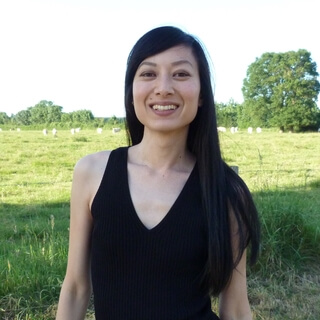
Hello,
I'm Annie Moussou,
A certified EFT tapping master practitioner.
I help women build confidence,
Set boundaries,
And enjoy healthy relationships.
Welcome to my podcast,
Hush Your Mind,
Building a better relationship with yourself.
On this show,
I offer practical wisdom to help you clear fears,
Limiting beliefs,
And trauma so that you can gracefully create a life you love.
Welcome to episode number 55 of my podcast,
Hush Your Mind,
Building a better relationship with yourself.
I'm thrilled to bring you today's episode because the topic is something that has been crucial to my success in my personal and professional life.
It's the idea that bringing presence into our money is essential for our physical and mental health.
So many of us stress about money no matter how much we have in our bank accounts.
It keeps us from fully enjoying life and receiving the abundance that's always present.
On my journey as an entrepreneur,
I've struggled with financial blocks that kept me from helping others on a wider scale.
What I've realized is that more often than not,
Our early experiences heavily influence our current thoughts and feelings about money,
How much we earn,
And how we spend.
What's more,
In a society that equates success with a certain monetary amount,
Our self-worth can take a hit.
But it doesn't need to be that way.
I had the pleasure of interviewing my new friend and colleague Erin Gray.
Some of the things we discussed are what inspired you to become a financial guide and mentor?
When did you realize the importance of bringing presence into your money?
How does being mindful of our financial habits develop success?
What are the different ways we outsource our power?
And how can we start cultivating presence with our finances?
Erin is a former certified financial planner who has over 10 years of experience helping run her family's construction business.
She was the classic overachiever and lived a checklist life,
Delaying her joy and fulfillment for some day.
She took two years off to travel the world,
Spend time with family,
And work through her deep-seated stories and beliefs about money.
She now helps entrepreneurs blend the 3D,
That's the knowledge and understanding in business like bookkeeping,
Taxes,
And investing,
And the 5D of money,
The emotions and their energetics when it comes to money,
So that they can have a business and life they love.
She believes that our business and life can only thrive at the level of our emotional well-being.
Our intention for this conversation is to help you understand why it's vital to cultivate presence in your financial habits so that you feel empowered about your relationship with money.
Enjoy.
Thank you so much Erin for being here today.
It's such a pleasure to have you as a guest.
I'm so happy that you're here for me to pick your brain about the energetics of money.
So thank you for taking the time to be with me today.
Thanks for having me.
I appreciate it.
So let's just dive in.
How did you become a financial guide and mentor?
The short answer,
The short answer is,
Well,
My background is in financial planning and I helped run my family's construction business for over 10 years.
And so working with,
You know,
With financial planning and in the construction business,
Like a lot of entrepreneurs.
And also then I got into coaching and obviously,
Obviously my journey.
Right.
And so I realized like I had had what I call the 3d of money,
Right?
Like I understood like how taxes work and investing and,
You know,
All of the bookkeeping and stuff like that.
And also what I realized for myself and then clients that I coached and other,
Just so many entrepreneurs that I've talked to is like the 5d of money,
Like the energetics and how we feel about money is like,
I don't want to say more than 50%,
But like,
It is really truly like that is the majority of it.
Like all of that 3d stuff doesn't matter if we still feel a lot of fear and shame and guilt when it comes to our money.
And so after taking time off and talking,
Like I said,
You know,
To hundreds of entrepreneurs,
I was just like,
This is a thing.
And what they have shared with me is a thing.
And so really wanting to help people on that energetic and emotional side that we feel with money not just with the,
You know,
Bookkeeping taxes and just the stuff that,
You know,
We got to do to run our business.
Yeah.
And I,
Gosh,
I wonder what was the pivotal point for you?
I mean,
We all know the technical side of money,
Like the taxes and bookkeeping that's like easy.
We know we've wanted to take care of our personal finances.
We have to take care of that.
But how,
How did you come to the understanding that the emotions were the key?
And if they're even more important than the rest,
I mean,
That is,
That's crazy.
When my husband and I were flipping a house in Texas and I literally never got diagnosed,
But like a panic attack,
I literally was in my body.
It felt so intense.
And even though we were doing fine on the project and we were making money and we had money like in my body,
It did not feel like that.
And so that was kind of,
That was back in what,
2018 or 29,
Yeah,
2017,
2018.
And realizing like,
No,
This,
It doesn't matter how much money you have.
If you don't feel what I say,
Like safe and at peace and calm with money.
And so that was probably like the aha for me of like,
Oh,
This is I've done that.
Like what you do with your money.
And I'm still don't feel differently.
So that's where I really started to dive deep for myself of like,
Okay,
I've got to really work through some of this stuff because it doesn't matter how much money we continue to accumulate.
It's not changing.
Like my body isn't changing on how I feel.
Yeah,
Gosh,
I can totally resonate with that.
And it's,
It's such a product of our society,
Isn't it?
And I wonder what's,
What,
What does that mean then if in our body,
We don't feel safe about the number in the bank account.
I mean,
Most of us would think if we had a hundred thousand dollars in the bank account,
We'd feel safe,
Or there's a certain number that we had to get to,
To feel safe and reassured that we can pay this bill with confidence or go to the restaurant and really enjoy the time there.
I mean,
What's the contrast there?
What's going on in your opinion?
I think,
I think for everybody,
We have to define like,
What does safety actually mean?
Right?
Like,
I think,
Like you said,
We've been taught that safety is like,
Oh,
It's a number.
And for me,
What I realized is I would keep getting to a number and then moving the goalposts and I didn't feel any differently.
Right.
And so what I had to realize is like,
What am I so afraid of?
And like,
That's the sitting with yourself and like really looking at and feeling those feelings that you're so afraid to feel.
Like,
I think that is probably the first step.
And when I say like safe in our bodies and safe with money,
What I mean is like,
We're okay.
Feeling whatever motion emotion we need to feel in that moment and to like see it and to feel it and to process it.
You know,
We don't have to,
You know,
Embarrassment or guilt or shame.
If we are more practiced in feeling those feelings,
It's okay.
When those feelings come up.
And so I think that one is just that awareness of like,
What emotions am I just pushing away or I don't want to feel.
And you know,
Like I said,
It's a practice,
It's a skill.
It doesn't happen overnight.
Like I remember like for the first like 30 seconds,
Like that's all I could do.
Right.
Like a sit.
And it was so intense in my body,
But then the more that you practice it,
The like anything,
Right.
The better you get at it,
The more you allow it,
You realize it comes and it goes.
And so really just being like loving and compassionate with yourself.
Like nobody,
I don't think a lot of us have been taught like how to actually be with our money,
You know,
And feel like,
I mean,
There were times and I would go from like hyper-vigilance with money to like total avoidance.
Right.
And so for me,
It was like,
I'm just going to think about my bank account right now.
And what does that bring up?
Right.
Like it wasn't even like opening it up and sitting with it.
Like that was too intense.
And so just like,
Where can you start so that you can be with yourself and,
And,
And feel what needs to be felt,
But not to the point of where it's like,
So outside your comfort zone that like pushes you,
You know?
Yeah,
I get that.
I think in trauma world,
We call that out of the window of tolerance.
Right.
So if you get pushed into the deep end of the water too quickly,
You're probably just drown and die.
Or,
You know,
It would just trigger some sort of really extreme reaction,
Like a panic attack or something.
So we want to kind of regulate our nervous systems and get used to being exposed to this little dose of anxiety when it comes to money or kind of getting used to welcoming the shame that's associated with looking at the bank account or whatever it is.
Yeah.
Yeah.
I love that.
It's so essential.
I mean,
I've been on my own journey as a,
You know,
An entrepreneur for a while now,
And this,
I've come to my own conclusions about this as well,
But it definitely took a lot of time.
And it was always kind of swimming underneath the surface.
And I didn't realize that it was sabotaging my business.
And so I'm curious then if,
You know,
The first step is to start to become familiar with our own reactions.
I'm not quite sure what,
How does this translate?
I'm thinking from someone who's kind of beginning with this whole process,
How does this translate then?
Okay.
We're going to sit and be familiar with the emotions.
Now,
What,
How does this translate to having a better relationship with money and actually like paying the bills?
Yeah,
I think,
I think for,
You know,
Understanding like,
Okay,
Why,
Why are we,
Anything we're doing or we're not doing is for a feeling,
Right?
So when you're sitting with that,
When you have,
You think about like the emotions that you have repressed and like,
How does that actually convey to your relationship with money?
Like everything that we are in,
It isn't,
It is in a relationship,
Right?
So if you think about,
Okay,
What are the feelings that I feel on a consistent basis with money,
If it's guilt and it's shame,
Really what that is,
Is I'm not like,
I,
I feel the guilt very briefly,
But a lot of us probably don't actually feel it.
We push it away,
Right?
It doesn't feel like from a vibrational stance in our bodies.
It doesn't feel very,
It doesn't feel as good as joy or,
You know,
Like love or something like that.
And so sitting with it,
And this is something that you said,
It was like,
This doesn't happen overnight,
Right?
Sitting with it,
Being with your feelings,
Being curious about like,
You know,
A lot of us have generational trauma with money.
Right.
And so being with it,
Allowing it,
And then also choosing like,
How do I want to feel with money?
And I think a lot of us,
And especially I feel like in the self-development world is like,
Oh,
Well think positive and think,
You know,
Abundant thoughts and think,
But if you haven't processed and you haven't actually felt all of those emotions that you've been suppressing for however many years,
It's,
It's hard to,
I always call it's like putting a Band-Aid over,
You know,
A gaping hole.
Like it's not going to work because you have all of that deeper seated emotions that haven't been seen and felt yet.
Yeah.
Yeah.
That's what I tell people too about affirmations.
I have an article,
Like the number one mistake people make about affirmations is they just kind of slap it on top of the limiting beliefs.
It's like sweeping the dust under the rug and thinking that it's going to go away by itself.
It's definitely not going to be as effective if you don't,
You need to look at the stories underneath the surface.
Yeah.
So,
Yeah,
I think I want to dive in more deeply than what do we do with the shame and the guilt?
Okay.
We're going to feel it.
There's been times when I'm like,
Okay,
I felt the shame.
I felt the guilt.
I felt the guilt.
And now,
Now it's still coming up and I'm getting panicky about it.
What do I do?
And how do we know then if we felt it enough or if we've processed enough?
Yeah.
I think that that's only like what you and your body,
Like,
This is where I think a lot of us outsource our power to,
You know,
Um,
Coaches and mentors.
And it's like,
Only,
You know,
What it feels like to have processed that,
Right?
Like if you can only,
If a hundred percent and you only went 50%,
Obviously there's still some more that's going to come up.
And it doesn't mean you sit around and process all day long,
Right?
Like you process,
You feel,
And then this is where I think like EFT comes in and breath work and moving your body in like all these different ways that we can process this energy that has been in our bodies.
Right.
Um,
And I think it's just an ever evolving,
Like,
I think for,
I think a lot of us,
I know I felt like this for a long time.
Like I thought that there was going to be a point when it didn't come up right.
Where I was just completely like all done.
Right.
And that hasn't necessarily been my journey.
It still comes up for me,
But the intensity that I feel in my body is not the same as what it was in 2017.
Right.
Like my recovery or my,
Um,
Is it refraction period?
Like how quickly I bounce back from like that feeling in my body and then how quickly I can come back to like a regulated state is much faster,
Much quicker because I have done it so many times and I see what it is and I see like the patterns or when it comes up and when it shows up for me.
And so,
You know,
There,
There isn't a,
It's going to be different for,
For everybody.
Right.
Like how much trauma have you had around money?
Like how much have you,
You know,
Not processed or how in tune are you with your body?
Right.
Like,
So everybody's going to have to play with like,
And also like with the intensity,
Right.
Like if it feels too intense to actually process everything that needs to be processed,
Then there's more to process at some point down the road.
Um,
And like you say,
Like the window of tolerance,
Like what's the little parts that are going to take you a little bit outside your comfort zone and also still like keep you to not,
To not shut down.
Yeah.
Yeah.
I love that.
That's so beautiful.
Beautifully said.
Um,
I think of this one exercise we had in my UT training and it was basically just pull out a dollar bill and look at it and just kind of sit and see what rises to the surface.
And for most people,
There's all kinds of,
Um,
You know,
Limiting beliefs,
Like,
Oh,
There's just never enough,
Or I'm not good enough to make more or whatever it is.
And then you take out a blank piece of paper and you look at it,
Sit with it and see what comes up and it's completely neutral.
You don't think anything about a blank piece of paper.
And this is the kind of,
Um,
Stuff,
The colors that we kind of project onto the dollar bill,
Right.
And all the,
The,
The trauma,
The generational trauma that comes with that.
And so,
Yeah,
I think it's,
Um,
It's a really great exercise to do with ourselves.
It's kind of test where we're at.
That's how I've processed,
Um,
Things and moved on in this journey.
It's just,
Okay,
I've done some tapping.
I've looked at the old stories now,
Where am I,
Where am I now?
As I look at my budget,
Am I feeling more at ease with myself or am I still getting those really,
You know,
Heavy,
Panicky feelings in my chest?
Um,
Yeah.
So,
I guess what would be the alternative here then,
If we,
Just to get an idea of what happens when we don't,
More of like what happens when we don't do this work,
Because it seems really,
Um,
Maybe not as important,
Maybe not as much of a priority.
It should,
As it should be on people's to-do lists.
Uh,
What is,
What is the consequence of not being present in our bodies as we work with our money?
I love this.
I think a lot,
You know,
Like the self-development world talks about like,
Oh,
We have to do X,
Y,
Z.
It's like,
We don't have to do anything,
Right?
Like we need to go to the bathroom.
We need to drink some water.
We need to feed our bodies.
Like that's what we need to do.
And even like paying attention to language of like,
I need to do X,
Y,
Z.
Like how does that feel in your body when you think I need to do this money work versus I want to do this money work because I want to feel differently in our bodies.
Like we think that there's a right way to be with money and a wrong way to be with money or invest our money or have our money or spend our money versus like,
How does it feel in our bodies?
And when you were saying about taking out the dollar bill,
You know,
And you,
You come up and you have all of your limiting beliefs and also like,
How do you feel when you spend money?
How do you feel when you save money?
Right?
Like for me,
Saving money was almost such a restriction because I was so focused on restricting or like saving and having money.
So that was like,
For some people that might be like,
Oh,
Saving money is fine for me.
It's just more so spending.
And so you're just going to have to play with like,
What are the things that are like,
It's,
It's slowing down.
It's noticing like,
Where are those areas that I feel maybe in my chest,
Or I feel that rise of shame or guilt come up and noticing that and paying attention to it.
And I think a lot of us,
Like,
We think we need coaching,
But sometimes we just need to like,
Actually just see or feel what is coming up in that moment.
You know,
Like how often where maybe you wanted something and your parents were like,
We can't afford that.
And so now you,
You see something you want,
And then that's the immediate thought that comes to your mind.
Like,
Oh,
I can't afford that.
Right.
Like that little child inside of you.
That's like,
I want that.
That's important to me.
And I feel like I can't have it.
Like,
Is this a deserving thing?
Is this a worthiness thing?
And so asking yourself questions and really just kind of,
I know I say paying attention a lot,
But that's really what it is.
Right.
It's,
It's a noticing like what,
And I think also too,
I want to say,
Because sometimes we can search for the feeling,
Right?
Like I think language is a beautiful thing and also we can like,
Use it against us.
Right.
So sometimes we're searching for like,
Well,
What is this feeling that I'm feeling?
And is it shame or is it guilt or just feel the sensation in your body?
Like name where it is in your body.
Right.
Like notice it,
Watch it.
Like if you could pull yourself up 10 feet in the air and you could just watch,
Where is this happening in your body doing that versus,
Because I think it takes us back into our head,
Right?
Like we're trying to name it.
We're trying to figure it out versus being with whatever sensation is occurring in our bodies.
Oh my gosh.
Yes.
You're talking to someone who tends to get up in her head all the time about emotions.
So yeah,
That's such a beautiful reminder and so much wisdom there to actually feel and maybe even stay away from identifying the emotion.
We hear so much in the self-help world to name our emotions.
Name it.
Right.
Name it.
Yeah.
Yeah.
And yeah,
And it has its place.
It's important to be able to do that.
And at the same time,
Maybe if we're getting too much into our heads,
It's a little too mental.
We're not actually,
It's actually pulling us away from our body and our physical presence,
Where all of this is actually happening,
The present moment,
You know,
Right here and now.
So yeah,
Gosh,
That's so beautiful.
I do want to say real quick,
Annie too,
If it's okay of like,
It's hard to,
And we kind of touch on this,
But it's hard to talk about how you want to feel with money.
If you haven't actually like been with,
Like,
Sometimes we want to be like,
Okay,
Well,
How do I want to be with money?
It's like,
Wait,
Wait,
Wait,
Before we try to go to like what we're trying to feel,
What have we actually been feeling?
Like even just over the next week,
What do I feel when I open my bank account?
What do I feel when my kid asks me to go to the movies?
What do I feel when I,
You know?
And so just like kind of being aware of like,
What is my actual state around money and my emotions that I feel with money before we're trying to like,
Oh,
I want to feel more at ease or want to feel more at peace.
Yeah.
Yeah.
Oh my gosh.
Yeah.
This,
You know,
When you were saying that,
I was thinking how important it is to actually address that if we have a lot of trauma or we're not comfortable with being present in our bodies,
That's when it'd be a wise thing to do is to work with a coach or a therapist or a practitioner like me or Aaron,
But yeah,
Working with the professionals that they can hold your hand as you get used to being present in your body and then feeling whatever comes up because sometimes this stuff,
It just kind of comes up and smacks you in the face and you can re-traumatize yourself.
I think it's,
It may be probably rare,
But it may happen.
Sometimes when we're used to putting our attention on the outer world instead of us,
Especially common for people in my audience,
We're recovering people pleasers.
We tend to put all of our attention on other people's needs and away from our own power,
Our own,
We outsource that power,
Right?
It's moving away from our bodies just from since childhood.
So it can be very unsettling to start coming back into the body and being still with ourselves.
A lot of us,
We'd run away from that.
I went through a long period of just staying busy,
Busy,
Busy all day long.
And I didn't realize that it was me trying to run away from all the grief from my childhood.
And then I was covering that up with a badge of I'm being productive.
I'm going to be successful and show everyone that I'm good enough.
And so,
Yeah,
I think that's important to put out there as well.
Yeah,
Absolutely.
And I think this is,
Here we go back to like,
Everyone is empowered,
Right?
Like you 100% work with someone,
You know,
If you feel like it's too intense or,
But like,
You also know,
Like we've been taught,
You know,
That we don't know our bodies or that,
You know,
When we were younger,
Right?
Like to not trust our bodies,
But our bodies know,
Like,
Can we lean into that trust?
Can we lean into,
You know what,
This is all that I can do right now in this moment.
That's enough for me.
And so really,
The word,
The words that come to mind is like taking your power back,
But it's really like your body is this amazing thing,
Like learning to trust your body again.
And,
You know,
If it feels too intense,
Then it's too intense,
Right?
Like really honoring where you are in that moment.
Mm-hmm.
Yeah.
Meeting ourselves exactly where we are.
Yeah.
Yeah.
Yeah.
It's so important.
Yeah.
And I guess where,
What next,
I guess,
If we cultivate this practice of being with the money,
How does this actually translate to more success,
More abundance?
I think,
You know,
I think back to your story of having the panic attack,
Like being more at peace simply with the money.
Yeah.
I'm not quite sure.
That's,
That's really what it is,
Right?
Like,
I think here we go back to,
You said it right.
Like the outside world,
Like at least in the Western society,
You know,
We're so focused on like the amount of money that we have,
Right.
Versus like,
How do we actually feel?
Right.
Like if you were to look at my bank accounts and my investments,
I actually have less money right now than I had several years ago because I've taken the time off,
But how I feel is entirely different.
Right.
I know I'll regenerate that money again.
I know that that's not a problem.
And so it's not,
I wouldn't equate it so much of like,
Well,
How much more success,
Or it's just like,
How are you going to feel?
Because this is my belief,
Like how we feel is everything,
You know,
Like everything.
And so are we more at peace?
Are we more calm?
Can we get back to a regulated state quicker than we did,
You know,
Six months ago?
Are we not as triggered by things that we used to be triggered by?
Like,
Those are the things that I would look at is if you want to air quote,
Like success,
Like,
Have you been successful?
Like that would be like some of the things that I would look at is like,
How do you actually feel on a consistent basis?
Do you get so upset when,
You know,
Your spouse has bought something without you guys talking about it and you have a limit or,
You know what I mean?
Like,
Or are you like,
Oh,
Okay.
Like what is your,
What is your state of being?
How have you changed the way that you like?
And,
And I think,
You know,
The self-development world is a lot of like abundance,
But it's like,
Are you just neutral about money?
Like you,
You nailed it when you said paper,
Like,
Why don't we just look at money?
Like,
It's like the trees,
Right?
It's like,
Oh,
Those are pretty trees out there.
Like they're green and they're flowering,
Right?
Like that's how we want to feel with money.
Like it gets to come and it gets to go and it gets to hang out and it gets to circulate.
And it's just like,
It's just fun,
You know?
It's not this gripping,
Holding onto,
You know,
Feeling that we,
That we feel when we think about it.
Mm-hmm.
Yeah.
Yeah.
So that's the,
Going back to feeling safety within is,
It doesn't matter really what happens on the outside.
I mean,
I think apart from,
You know,
Those who are struggling financially,
Like you're living in poverty and you're really struggling to pay your bills.
Like that's a whole nother thing.
And still,
Even in that extreme circumstance,
What you're feeling is important.
It's even,
It's even more important because I always tell people when we're in the fight or flight stress mode,
While you're thinking less clearly,
This front part of our brain is shut off.
That's where we get ideas,
Creative ideas,
And we open up to opportunities.
And if we're in fight or flight mode,
We will not be able to listen or even pick up those opportunities.
Money-making opportunities will be shut off and it will be a lot more struggle,
A lot more resistance.
And so for money to come back to that neutral state would mean to,
It sounds like,
Create that safety within so that ideally,
No matter what happens around you,
You have that resilience and that strength and that foundation within so that you can think more clearly and take the right actions,
Inspired actions,
And yeah,
Feel successful within first and foremost.
Yeah.
It's like,
I think of it instead of like going for the success,
It's like the success and the money comes because it's just who you are versus trying to go and get the thing to make you feel safe,
Secure,
Proud,
Independent,
You know,
Like it's an inside out approach versus an outside in approach.
And,
And,
And,
I mean,
You talk to people that have,
You know,
Built up millions of dollars and for whatever,
And there might be some,
You know,
Still some things that have emotionally wise,
Right.
That they either they've risked it or something like that and they don't have it,
But they generate it again is because that's already like who they are within them.
Like they're going to be okay.
Like they'll make it back,
You know?
And so that,
That feeling of like,
Yeah,
Safety is the word that comes to mind,
But peace,
I think,
Is also,
I think a really good way to describe it of like,
No matter what,
I'm going to be okay.
Right.
Like no matter what.
Yeah.
Yeah.
Cause there's so many examples of people who make a ton of money and they don't feel safe.
You know,
I think of different stories I've heard and read,
And I love the one story that really,
You know,
Stuck out for me was a woman who made millions of dollars per year and she had $2 million left over for profit just to,
For fun and whatever.
And it was,
It wasn't enough for her.
It was like,
It goes through,
She just works through the 2 million so quickly.
It feels like she has nothing at all.
And then on the other side,
There's someone who lives very modestly and who doesn't have much in the bank account,
But she's living in so much abundance.
She fully trusts life that she's taken care of,
That she's able to manifest whatever she needs in the moment.
Sometimes at the last minute,
It will come in.
And so these two worlds,
They're so vastly different.
And I would use,
I used to think,
Well,
I need to be like the other woman who has millions in her bank.
That's when I would feel rich when I'd had millions of my bank account.
Right.
And I'd feel safe and okay,
Fine.
And then I can stop and relax and,
And just breathe.
Right.
But then there's this other,
Other whole other way of being is being in the 5D,
Like you say,
Right.
The energetics of,
Of money is totally welcoming the abundance right here and now,
Which is the only moment is all we have is isn't right here now.
Yeah.
So it comes back to being present,
Always being present.
Yeah.
And also realizing,
Right,
Like we have minds,
Right.
We're going to go to the future.
We're going to go to the past and also bringing ourselves back.
Right.
Like being in,
It's just like,
You know,
It's,
It's never,
I don't think the point is to never not get triggered.
Right.
Like we're a human being,
Right.
Like in this body,
It's just how quickly,
And not from like a rush state,
But like how quickly can you get back?
You know,
When your mind takes you,
Like my mind takes me all the time to the future.
And I'm like,
No,
No,
No,
No.
And right now,
Right.
Like recognizing we're,
We're right here.
We're right now.
And so,
Yeah.
And like,
Like you said,
The example of the lady,
It's like,
That's true abundance.
When you just generate whatever you want in the moment for whatever you want,
Like that is really,
It's not,
We've been taught,
I don't know if it's like this in Europe,
You know,
But like stockpile your money.
It's like,
But if you knew you could generate it at any time,
Why are we stockpiling money?
You know,
It's a whole nother topic for a whole nother day,
But come back for another conversation.
Wow.
This,
This was so beautiful,
Gorgeous sharing and so much wisdom.
I mean,
You've been able to condense it in such concise words for all of us.
So thank you,
Erin,
For sharing your wisdom with us.
You've come such a long way and I can feel just in the simplicity of how you're expressing all this.
It's like,
Whoa,
This girl's done a lot of work.
She knows what she's doing.
She knows what she's talking about.
Perfect.
Thank you,
Annie,
For having me.
I appreciate it.
It was a joy and a pleasure.
Thanks again for being here.
Yeah.
Thank you.
Thank you so much for joining me in this episode of Hush Your Mind.
If you enjoyed it,
Please feel free to visit my about page on my Insight Timer profile for my website and follow me for new content and live EFT tapping sessions.
May you have the courage to love and accept yourself.
Be well and take care.