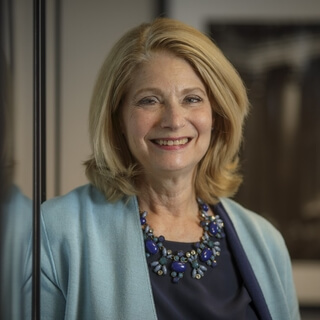
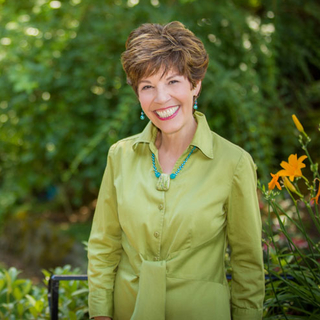
Welcome to the Everyday Mindfulness Show where we educate and inspire people to live fuller lives through mindful practices.
Let's get started with your host,
New York Times contributor,
Leadership advisor,
Sought after keynote speaker,
The author of the Amazon hot new release,
Everyday Mindfulness from chaos to calm in a crazy world,
She's smart,
Strong,
Sassy,
And a trendsetter in the field of mindful leadership.
Your host,
Holly Duckworth.
Welcome to another episode of the Everyday Mindfulness Show.
My name is Holly Duckworth.
And today we have a very interesting conversation ahead.
And I choose that word carefully because this man has the perfect company name.
He is the executive producer for interesting stuff,
Entertainment.
Rob Beamer,
Welcome to the show.
Thank you so much for having me,
Holly.
Glad to be here.
Rob,
As I was preparing for the show,
I was thinking about,
You know,
I don't often get to speak to somebody who has really truly lived the power of storytelling like you have.
Everything from Fuel TV to the Discovery Channel to the Travel Channel through the wormhole with Morgan Freeman,
You have taken on a plethora of interesting projects over your career.
And today we want to focus in on one very special project.
You on April 10,
Just released a perfectly timed movie,
As they like to say,
Called the mindfulness movement.
The mindfulness movement on April 10,
When you released that,
That meant one thing.
Now in May,
It means something different.
Let's start with why.
Why did you take on the project and kind of when did it start?
Well,
It's a years long labor of love.
So I first started researching that probably in 2013.
But by that time,
I had already been practicing mindfulness for a number of years going back about 13 years now.
And it had a profound effect on my life.
So then as I was continuing through a very busy career,
As you mentioned,
Doing a lot of different network documentary programming,
Lots of deadlines,
At that time,
You know,
Two young kids in the house.
So I was feeling a lot of stress.
And,
You know,
I turned on meditation to try and help with that.
And then as I learned more about secular mindfulness,
I kind of gravitated towards that I felt like that was a good fit for me,
The simplicity of the scientific backing.
So as I developed that practice and found it helpful for me,
I started to think,
You know,
I really want to use my skills as a filmmaker to help get the word out in a wider way about the benefits of mindfulness.
And so it was 2013 when I first started some research,
But still very busy,
You know,
With other projects.
And then the filming was mostly in 2017 and 2018,
And editing 2018 and 2019.
And now finally out.
So very glad to be able to share it with everyone now after working on it for so long.
So on the Everyday Mindfulness show,
We ask all of our guests,
What's your definition of mindfulness?
Is this a word that is you've even seen the word evolve since 2013 till now.
What's your definition of mindfulness?
Now that you've interviewed the various experts,
The definitive answer will joke.
Well,
I feel like a key phrase in that is quality of attention.
You know that sometimes people get confused between meditation and mindfulness and certainly meditation a great way to build mindfulness.
But that idea that mindfulness is this ongoing quality of attention and the ability to stay present in the moment.
And then also without judgment,
Because if you are present,
But you've got a lot of making a lot of assumptions or,
You know,
Have a specific agenda,
Then well,
I don't know how much you're really present.
So that idea that you're at this quality of attention,
Paying attention to the present moment without judgment,
Being open to what's happening.
So speaking of open,
We've got a lot of listeners all across the spectrum.
We're going to go,
Oh my gosh,
I can't believe I haven't seen this movie already.
And we're going to have some skeptics.
Why should somebody embark upon committing an hour and 40 minutes of their life to watching this movie in a world of all the media we have right now?
Yeah,
I think,
You know,
There's so much that different people can take from it.
You know,
That's part of why we wanted to show mindfulness being put into action in so many different places throughout society so that anybody who's watching will be able to connect with different parts of it.
And I think Dan Harris did a great job of,
You know,
Telling his story,
Being that skeptic that,
You know,
Was very wary of it.
As he said,
You know,
He thought this was only for people in the Roma therapy and,
And yeah,
That kind of thing.
So I think the reason why anybody should watch it is because I think they'll come to understand that this is a simple tool that anyone can use that's simply based on the way our brains are wired.
So it's just depends on,
You know,
The way our brains are set up that continually focusing,
Bringing your attention back to the present moment can be very helpful no matter what you're interested in,
What your job is,
You know,
What types of relationships you have that just anytime you're more in the present moment,
You know,
You have really a better quality of life and just more enjoyment because you're connected instead of worrying about the past or the future and not really being there.
I've watched this movie so many times already and there's so many pieces I like about it from the practices.
There's,
I don't want to ruin it for people watching it,
But they actually find a really innovative way to have you practice while you're in the movie,
Get to be an experiential and an experiential economy.
And of course,
You know,
Science and research.
But one of the things I really love about this is you address one of the barriers to mindfulness is this whole thing about,
Is it a religion?
How did you come to do your own research and then convey that in such a user friendly way in this movie?
Yeah,
I think it helped for me to have that experience myself because,
You know,
As a teenager I'd been interested in Buddhism and Hinduism and then kind of got away from that.
And as I said about 13 years ago when I started meditating,
It was just from seeing a magazine and a grocery store checkout line.
It was a Buddhist magazine.
So I thought,
Oh yeah,
Meditation.
I used to be interested in that.
Maybe that could help me lower my stress level and,
You know,
Help me not lose my temper so much.
And so I got back into it from the Buddhist point of view.
But it just for me felt,
You know,
A little too much in terms of the terminology and just the secular version of mindfulness felt simpler and just allowed me to focus really on,
You know,
What I could do to improve myself without having to have so much other information to keep track of.
So I think that,
You know,
Would be the way I think it could help anyone in the journey that other people could take if they are skeptical.
You know,
Just that process of discovering this as a simple thing that they can try.
You know,
Again,
Dan Harris does a great job of putting it where,
You know,
You don't have to sit in a funny position.
You don't have to believe in any certain thing.
So if somebody is skeptical,
They really could see it just as a neuroscientific tool to try and see what happens.
I hope that's the invitation that so many people find in this movie and can be inspired.
You've interviewed and captured stories from George Mumford to Jewel,
Deepak,
Of course,
But some of those lesser known stories that I'm so grateful that people will get to hear about.
Was there one story that was an extra surprise to you?
Well,
I think I'm not sure surprise,
But I will say that being at the prison for the mindfulness class there was a very intense experience and being able to hear from some of the prisoners during that and,
You know,
Such an extreme environment and what they were taking from it.
I think that was a very powerful moment.
So I guess,
You know,
Surprising in terms of how they were,
You know,
Open to it and being able to connect with it.
So that was very encouraging.
And I think Fleet Mall of the Prison Mindfulness Institute did a great job of making that point.
You know,
Some people may say,
Oh,
Well,
Why do we have to waste our effort teaching mindfulness to prisoners?
But as he said,
You know,
If we want them to be better people,
Better citizens when they get out,
Then we better give themselves a chance to work on themselves and be able to regulate their emotions better and that type of thing.
So I think that was,
You know,
Really,
You know,
Intense and kind of meaningful experience there and,
You know,
Being able to see the military veterans,
You know,
Of all different ages from,
You know,
Recent conflicts to Vietnam and each of them taking something different from the practice.
You know,
Those are some of the experiences that stand out.
I really love the story,
Too,
Of the elementary and the high schools and how that organization evolved with the movement in a way to serve.
And they talked about having mindfulness rooms versus going into a detention,
You know,
Traditional kids not going into detention and having to sit and be in trouble,
That they get to sit and access that inner voice,
That intuition within them.
And as we move through this time of possibility,
Of pandemic,
As they're trying to call it,
I'm calling it possibility,
Rob,
This is a time of possibility.
I hope that some of those tools that the young people are learning may rub off on some of us old people,
That we can grow our mind from this practice,
From their inspiration.
Yeah,
I mean,
I certainly wish I had had that tool when I was going through school.
And I think it's so great that so many different schools in different areas,
You know,
I mean,
You have,
You know,
Schools in inner cities and wealthy private schools and everything in between using this as a tool.
And I think it's really helpful.
And as you said,
That mindset of instead of punishment and let's send a kid to detention,
What do they really need?
You know,
What can we do to get them back to where they can learn is,
You know,
Helping them calm down,
Helping them see that they can make different choices.
And so,
Yeah,
That was the Holistic Life Foundation in Baltimore.
And you know,
Their story is really inspiring,
Too,
Because they were starting very early in the movement and a lot of people calling them crazy and,
You know,
Why are you guys doing this and get a real job.
And so it was great to see them stick with this and to help their community.
And as you said,
And as they said,
That idea that it kind of ripples out into the community.
So what the kids are learning that they can bring some of those lessons home to other people in their family.
And maybe those people then are able to get a greater awareness and realize that they have some choices to make,
Too.
So I think,
You know,
Being able to show elementary school kids all the way up to Vietnam War veterans,
I think helps make that point that really can help anyone.
So you've been doing your own practice for 13 years.
Always the same practice,
Different practice.
What's your practice look like today?
Yeah,
That's one thing that I think is kind of fun is like keeping a little variety.
So I mean,
The main thing is,
You know,
Just sitting in a chair and doing mindfulness meditation,
You know,
For at least 10 or 15 minutes.
But sometimes,
You know,
If I wake up early,
Then I just say,
Okay,
Well,
I'm laying in bed anyways,
Might as well do that,
Right?
Or sometimes if I wake up in the middle of the night and feeling like,
Oh,
Geez,
I really want to get some more sleep.
But then get into that mindset of,
Well,
I'll just start,
You know,
Doing some mindfulness meditation practice.
And if I fall back asleep,
Great.
And if I don't,
Then I'm still doing something beneficial.
And that's a way to kind of take that pressure off.
But I also do like to occasionally,
I mean,
Before the pandemic,
You know,
Would occasionally go to some group meditation.
And I because I think that's always kind of good to put yourself in some different environments,
Because it's a different experience.
And,
You know,
Having that experience of other people around you where you're all trying to be quiet,
But maybe,
You know,
Someone's chair is creaking,
You know,
Or someone is coughing or sneezing.
And,
You know,
Just that experience of,
Okay,
I can,
You know,
Handle whatever's going on in the environment and still focus.
Or you know,
Things like just walking in nature.
You know,
I think it's good to have that idea of some variety,
Because some people,
You know,
Do put a lot of pressure,
Like,
I've got to do this the same way every day.
And you know,
When there gets to be too much pressure,
Then they might,
You know,
View it as like just another source of stress and decide,
Wow,
This isn't really for me.
So for me,
That's something that works is still incorporating some variety to keep it fun.
Well,
See,
I always love the listeners to hear it from somebody other than me,
We really can't do mindfulness wrong.
Right.
So many people have a resist out why I'm going to do it wrong.
I'm going to fight you.
We each find our own,
Our own practice in this movie gives us a lot of different ways that bring us back to that same awareness point.
Yeah,
One teacher was recently saying that she likes to say the only way you can do it wrong is to not do it.
Exactly.
Yeah.
So how do you think the,
You know,
Knowing you're a mindful person,
You know,
You kind of have an intention when you when you launched a park embarked upon this journey in 2013.
It's taken you on a on a growth transit,
No doubt.
What was your intention then?
And what do you think it is post COVID?
I think the intention stayed pretty clear throughout of really showing that being put into practice throughout society,
Because,
You know,
One thing I felt very strongly about is I don't want this just to be a bunch of experts sitting there and telling us,
You know,
Different pieces of information.
And,
You know,
Having those couple brief,
Guided meditations within it to,
As you said,
Make it experiential,
Because you can,
You know,
Talk about mindfulness intellectually and understand all kinds of things about it.
But it really is an experience and a practice and something to just,
You know,
Dive in and start trying.
So that part of it,
I felt,
You know,
Stayed pretty clear throughout.
I did realize along the way,
Once doing the interviews and hearing these,
You know,
Dramatic stories from some of the experts in the field.
I mean,
People like Sharon Salzberg and George Mumford,
And you just kind of think of them as they've always been experts,
Right?
You know,
They're so insightful and have so much wisdom,
But they all had to start somewhere too.
And so I realized,
You know,
That the ability to kind of tell these personal stories and do it in these chapters of personal transformation would,
You know,
Really,
I think,
Help draw people in.
And so instead of just going from place to place to place,
Whereas being practiced to also have that through line of these personal stories and how,
You know,
These people overcame some significant difficulties and challenges and discovered the practice,
How it changed them and then how they're sharing it now.
So as I went along,
I realized that that was an important component,
You know,
To keep in there or to add in there.
And in terms of now,
You know,
During this pandemic,
That's obviously,
You know,
A lot of fear,
A lot of anxiety.
So it really is,
You know,
The perfect time.
And so I would just encourage anyone to give it a try because,
You know,
It is a way to just help us deal with the thoughts racing through our heads.
And we are in,
You know,
Very unnatural state of not being able to go to work or not being able to go visit friends.
And so it is something that I think can help us adjust.
And one thing that Jon Kabat-Zinn says in the film that I really connected with is this idea that mindfulness isn't about choosing some better moment.
It's about just,
You know,
Dealing with the moment that you have.
So that idea that,
You know,
As you do practice that,
It just helps you deal with whatever is happening.
Acceptance,
Acceptance,
Acceptance.
I'm doing a lot of media interviews right now and that word anxiety keeps coming up.
I'm like,
Wait,
If we all switch that word anxiety for acceptance,
Where would our consciousness be as an organization and as a world moving through the beginnings of what could be a fascinating journey.
So we talked to a lot of CEOs,
You know,
Business owners right now,
And you talk about personal practice and then how your practice changes,
Expands when you're in a small group.
If you're a CEO or a leader right now of a team in this virtual experience,
What might be one way you would say or invite them to try this to reduce the stress,
Bring more employee satisfaction in a world where people are being furloughed,
People are everywhere like where do they start besides watching a movie of course.
Great idea.
I would say that it probably would be best to start with themselves because if they are,
You know,
Managing other people,
Leading other people,
Then that authenticity to be able to say,
Hey,
I've tried this and I found it helpful and here are some things that I took from it.
You know,
Let's try this as a team and see how,
You know,
It feels to each of us and how it may help us focus on a common goal and just go from there.
But I think that ability to speak from some experience,
Even if it's only a week of experience where you've tried it and then you're communicating to other people,
You know,
Hey,
I think this is worth giving a try.
I think that's a really important part of leadership is being able to have that authenticity instead of just saying,
You know,
Here's something new,
You guys go try it and let's see what happens if you really want that buy-in.
I think it helps to be able to,
You know,
Have some personal experience there.
On so many of the shows we've asked guests,
Like what's a question that brings you into your mindfulness practice?
And I didn't even really ask the question,
But I love that guidance as a mindful leader yourself,
That just something as simple as,
Hey,
Let's give this a try.
I know right now we're navigating the awkward.
So a lot of leaders are feeling like the spotlight's on them and they have to have that answer that this mindfulness toolkit practice may be a way that all of us can lean into that authenticity of the comfort and the uncomfort to open up ourselves to new conversations with ourselves and new conversations with our team.
Are you finding that to be true?
Yeah,
I definitely think,
You know,
With this,
All the stress and anxiety these days,
That idea of,
And as George Munford puts it,
You know,
You have to get comfortable being uncomfortable.
So we are,
You know,
In a very unique situation here and,
You know,
Maybe starting a mindfulness practice is uncomfortable for a lot of people,
Especially if they've come up in a business setting.
Although there are some great examples to look to.
I mean,
George was a financial analyst for a number of years.
Bill George,
Who's in the film,
You know,
Harvard Business School CEO many years and has been meditating for over 40 years.
So I think it's really helpful to know that there are some people who have come before,
You know,
Some trailblazers and the number of different companies where it's already being used.
You know,
We found that Aetna and there are so many other places we could have filmed and then covering the Search Inside Yourself program that started at Google.
So it really,
I think,
Is a tool that anyone can turn to these days.
And it's really great to see how much it spread within the business community too.
So do I have to meditate to be mindful or is there like another way around this?
Yeah,
That's one thing that we definitely wanted to get across in the film is that meditation isn't the only way.
So if you think of meditation as one type of present moment awareness exercise.
So there are other types of present moment awareness exercises and really it's the list is endless.
But some of the main ones are mindful walking,
Mindful eating,
Mindful listening.
And so the idea there is that you're completely focused on what you're doing and the experiences,
The sensations.
So for example,
Mindful eating,
I mean the kind of stereotypical thing is,
Okay,
Take five minutes to examine and slowly eat a raisin.
But it's something that you can do at any time in a simpler way of just saying,
Okay,
Instead of working on my desk once we're able to get back to our office,
I suppose someone could do that at their home office too.
But instead of doing that or continuing to look at my phone or my computer during a meal,
Just saying,
Okay,
I'm just going to focus on the meal itself.
The smell,
The texture,
Whenever I notice my mind wandering to something else,
I'm going to say,
Let me come back to that.
And so there's so many types of exercises and also that idea too for people starting out that our minds are going to wander no matter how much we're trying.
And a lot of people I think get discouraged because they think,
Okay,
My mind is supposed to just stay completely blank for five minutes and it just doesn't work that way.
And so that idea of being gentle with yourself to say,
That's all right.
And actually I think it was Diana Winston who said that that moment that you realize that you were lost in a thought and come back,
That's actually the moment of mindfulness.
That's the opportunity.
So it's in a way,
You can congratulate yourself with that and then come back to your focus.
So I think that's another important part too for people starting out to not get discouraged,
Not to feel like they're doing it wrong.
So wherever our listeners are on the spectrum,
If you're a daily meditator,
If you're just a skeptic and you're curious,
There is something for everybody in this movie from the story of Jewel and her heartbreak to triumph,
The story of George and so many that we haven't even had a chance to talk about that.
We have a big surprise for the Everyday Mindfulness Show listeners.
We have partnered with the C-suite Network Mindful Leadership Council to offer a special VIP Q&A with Rob and perhaps maybe some of the guests of the show.
So I'm going to include in the show notes a link to our ticket package so you can rent the movie at $7,
Right?
To rent the movie.
Yeah,
Rent for $7 or buy for $14 to watch whenever you want.
Yeah,
And if you rent it from the time you download it,
You have like 72 hours to watch it or if you buy it,
You have the rest of your life to own it.
So you have this whole month of May to watch it and then on May 22nd and you can join Eric and I and watch it live with us.
Again,
All socially distant,
All socially distant.
Is that the word?
All socially safe,
All exactly wherever your geography is in this adventure of pandemic.
You can watch it from your house,
Download it,
Watch it with your family and then once you get your ticket on that gum road,
We're going to send you a special link to meet with Rob and ask your questions as a part of how to apply mindfulness to your life.
Rob,
Thank you for giving us this privilege for our listeners and this exciting opportunity for them.
You know,
Maybe a mindful movie is a good idea right now.
Well thank you so much,
Holly,
For having me on and sharing information about the film with your audience.
Well,
We can't wait to see you on the 22nd and get more questionnaires from the listeners on the show.
Yeah,
I'm looking forward to it.
So thank you,
Rob.
Remember mindful matters and so do you.
We will see you or hear from you on the 22nd.
Thank you for joining us for today's show.
For more mindfulness every day,
Visit everydaymindfulnessshow.
Com and download the three day challenge and experience the ABCs of mindfulness.