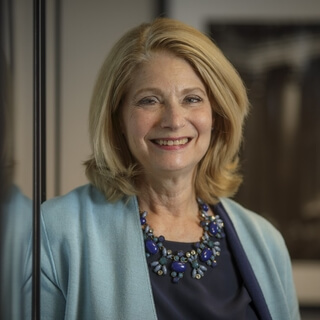
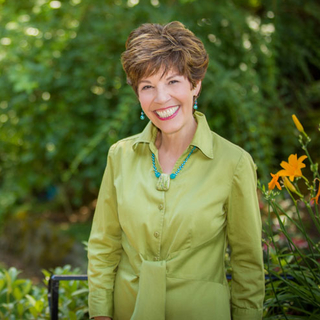
Welcome to the Everyday Mindfulness Show where we educate and inspire people to live fuller lives through mindful practices.
Let's get started with your host,
New York Times contributor,
Leadership advisor,
Sought after keynote speaker,
The author of the Amazon hot new release,
Everyday Mindfulness from chaos to calm in a crazy world,
She's smart,
Strong,
Sassy,
And a trendsetter in the field of mindful leadership.
Your host,
Holly Duckworth.
Hello,
Welcome to the Everyday Mindfulness Show.
My name is Holly Duckworth.
It's my honor and privilege to be the host of this show in these interesting and amazing transformative times.
You're going to find we're going to do a few more shows a little more regularly.
And if you haven't had a chance yet,
You only listen to the recordings know that I am now doing the Everyday Mindfulness Show live every single day on Facebook on the Everyday Mindfulness Show Facebook page.
And you can listen to almost three weeks of recorded shows on everydaymindfulnessshow.
Com and look under the live button.
There's lots of motivation and inspiration there.
And today is no exception.
I'm so excited to bring you the right person at the right time with the right and perfect message.
Dr.
Lene Moline is the director of nutrition for Viejo and the medical director for Viejo.
And boy,
Have I got some questions for you.
Welcome to the show.
Thank you so much for having me.
I think this topic,
Especially right now,
Is more relevant than ever.
Well,
You know,
It's interesting because everything is stress,
Stress,
Stress,
Stress,
Stress,
And it always is,
But it's raised its consciousness and awareness in 2020 with this clear vision of 2020 and all that,
The stuff that that's happening.
We're not going to go into that stuff that's happening because there's just so much more in the truth of how we can be healthy.
And I really want to explore some,
What I would call basic questions,
But these are real questions that I had for these interesting times.
Are you up for it?
Up for it.
Ask away.
So I introduced you as a naturopathic doctor.
What the heck is that?
Great question.
A naturopathic doctor is somebody who is trained at a school.
So we have five right now,
Naturopathic medical schools.
And basically when it comes to those schools,
They are four year medical school program where we learn your basic physiology,
Biochemistry,
Just like a traditional medical doctor would.
But where we deviate is we learn more about things like supplements,
Fundamentals of health,
Nutrition,
And we learn a lot about stress and digestion and more about things that are preventative and look at the whole person and we're supportive care.
So the way I look at us is you wouldn't come to us for a broken arm.
You go to primary care or a MD for that,
But we work all together.
It takes a village to treat a patient.
So we come together and we're a nice little pairing when it comes to Western medicine to look at the whole person.
So I could work with you to maybe find a bridge between what I call the orange pills and the natural supplements.
You work together with those things?
Absolutely.
So we look at the fundamentals of health.
So how are you sleeping?
How are you eating?
What are your relationships like?
Because those are really important when it comes to development of disease or prevention of those diseases as well as overall health.
And then we work with,
Depending on which state you are in,
Some states you can be a primary care provider as a naturopath like Washington and Arizona and see them as a primary care.
In other states,
We don't have that licensure.
So we work in conjunction with primary care providers.
So you'd see them when you need it and it's necessary and see us for all the middle time to keep you healthy along the way.
Oh,
I love it when I guess answers a question before I can even ask it.
That was going to be one of my questions.
And that's where I think our world,
Everything is resetting right now and an invitation for the listener is when it comes to your own health,
I think there's two sides of listening and one is listening to our body.
And I would be curious as you've been doing now,
More telemedicine,
How are you helping people get in more touch with listening to the wisdom of our body?
Because now you don't have a patient coming and sitting in front of you.
They've got to be able to articulate with their mouth,
Words,
What's happening.
Are you seeing more of that?
How can we be more supportive in this partnership?
Yeah,
So one of my biggest pieces,
Making my patients be an active participant in their healthcare journey and in their life.
So a lot of it's building relationships.
So part of it,
They don't even know what's going on necessarily internally.
They're not in tune to how their bodies are feeling.
They may not have a bowel movement for two weeks and think that's totally normal.
So part of it is just getting to know their whole history,
Listening to them and then talking about things and saying,
Hey,
Actually should have one every day.
That's more important and talking about ways to do that.
So identifying what their normal is and establishing a way we can optimize their baseline.
So a lot of it is just building a relationship and a rapport with them and then educating them about what a body is physiologically supposed to do within the complex capacity of what that person's life is.
Because sometimes in an ideal world,
We want them to do something,
But they may be having a job or a lifestyle that doesn't necessarily allow that.
So we got to find a way to personalize it to them.
They hear it,
They listen to it and they take it personally.
And then that way they can communicate a little bit more on how they're feeling,
Get in more touch with their body and expressing symptoms that maybe they didn't identify weren't normal.
Like having,
Waking up with pain every day,
Thinking that was so normal for them and it doesn't have to be.
I was so excited when you found me and you found the show because mindfulness,
As we define it is the practice of being present in the moment with non-judgment.
And while our world's a little quieter right now,
We have some time to be in this presence filled space.
And I think that's why people are getting uncomfortable.
They don't like really even know what to do with themselves or how to be with themselves.
And that's causing stress.
Can you help us maybe,
Are there some mindfulness techniques that you do or practice?
And then I want to talk about some of those fundamental health things too.
So we're going to,
We're going to talk about that,
But,
But first we got to be able to be okay in our body and know what's happening.
How do we do that?
Yes.
Especially when we're not around a lot of people who may be by ourselves or separated from people and there's a lot of confusion and ambiguity.
So that can create a lot of stress in its own right.
There's a lot of physiological stresses right now,
Whether it be a disruption to our routine.
So maybe we're not sleeping as well.
We're not eating as well because we don't have access to all of those nutrient dense foods we normally eat that are a little more perishable or again,
Socially,
We're not in our social constructs that normally decrease stress.
So when it comes to stress relieving techniques,
My all time favorite is biofeedback.
So I talked to each of my members,
Most of them about breathing and the more,
The importance of breath and just one cycle of inhaling to exhaling.
You can actually go from this sympathetic phase of our nervous system,
Which is our fight flight or freeze phase over to our parasympathetic,
Which is rest and digest just by focusing a little bit more attention on extending your exhale.
You stimulate something called the vagal nerve on your diaphragm,
Tells your brain rest and digest.
So take four breaths sometimes is all it needs just to calm the nervous system internally down.
Some other things that I think are really helpful,
Especially right now,
Since our routines can be a little disrupted is movement.
Moving your body is so important.
Spending 25 to 30 minutes of intentional movement every day can be a great way not only for our mood,
Our mind,
Our hearts as well with cardiovascular health and our immune health.
A lot of our immunogenic factors that help fight off any type of bacteria or virus are actually found in our lymph nodes and by moving our body around,
We help lymphatic circulation,
Which can also support our immune health.
So finding something,
Whether it be dancing in the living room,
Going on a walk,
Doing an online class,
Those can be really helpful.
Other things can be,
Although you may not be able to be in contact with a lot of people right now,
You can call them up,
Do FaceTime,
A Google Hangout,
Something that allows you to check in for them and for yourself,
Telling them how you're doing,
The good,
The bad,
The ugly,
Be honest,
Share how you're feeling as well as ways that you found that are helpful to pass the time so you can share those ideas and you don't have to do it all on your own.
And one of my favorite things also is cooking,
Getting into your kitchen and nourishing your body through food can be helpful.
Calling your grandma up,
Now's a good time to find that recipe,
A family recipe,
Even wanting to learn to cook and utilizing that and disconnecting.
So disconnecting from our phones,
Our technology,
Our computers,
Especially if you're working from home and finding a time to be in silence,
Read a book,
Join a book club with some friends,
Walk outside,
Put your bare feet on the ground,
Do what we call earthing,
Just to connect and take a minute.
So there's so many different ways and there's not one size fits all.
It's about finding the thing,
Whether it be artwork,
Projects,
Or again,
Not doing anything.
There's no right or wrong way to do it.
It's about connecting to the thing that you find helpful and doing it every day repetitively.
So you have that tool in your toolbox when the moment comes,
You're a little bit more stressed.
You already have a whole idea of things that work to reduce that.
If I could do a cartwheel on the show,
I would.
It's like,
You know,
If I ever need a co-host,
I'm going to bring you on as a co-host and I've never said that to anyone before.
It's,
I think now is again,
Resetting our mindset that sometimes our race consciousness has a relationship with doctors that may not be good,
Or maybe you've had a bad experience or something has been challenging for you.
And you know,
You've got certain beliefs about this person in a white coat.
And that's why I was really inspired to have a naturopathic doctor on is to educate us on other possibilities,
To invite us into the question.
And in my limited experience with naturopathic doctors,
It also shifts the ability to respond that I now am empowered to make the choices in my medical care versus just going in and sitting down with a white coat and going,
Yes,
Sir,
Yes,
Sir,
Yes,
Sir.
And there's nothing wrong with either option,
But mindfulness,
The practice of being present in the moment invites us,
Especially in this transformational time to say,
What is the relationship I want to have with my body and with my doctor and the food and movement choices that I make in that,
Knowing that I get to live the adventure of both the celebration and the consequences of that.
Absolutely.
And I think,
You know,
When it comes to Western medicine too,
The something that can be really tough is timing.
They don't always have a lot of time and it's by no means on their end.
A lot of times they're restricted by a lot of bounds,
Whether it's patient load,
Insurance regulations.
There's a lot that they are out of their control in that end.
And so it's difficult for them when they get a short time to spend with you to know what are you eating?
How is that impacting your blood sugar?
When they only have a short period of time,
They're going to be more focused on acutely.
Let's make sure your blood sugar is down.
So let's adjust medications and do that and make sure you're taken care of.
But there's so much when it comes to,
You know,
How are you doing,
Checking in,
What are you eating?
What is diabetes?
You know,
I have a lot of patients who were diagnosed with things who didn't even know what they were and didn't even know that they could change it if they wanted to.
So again,
We get to spend more time with our patients and get to know them,
Which plays a huge impact on how they're going to do overall in their health.
The Viejo brand is really built on this idea of healthier and happier you.
And this is a time for us to think about what does healthy mean for us?
Because we get to,
I mean,
We really do on some either conscious or unconscious level choose that.
And happier,
What does happier mean?
I think we've been on the treadmill of,
You know,
Get up,
Go to work,
Take care of the kids,
Get up,
You know,
Whatever your rhythm was that while this may be a bump in the road,
How about we use this as an opportunity to lift ourselves into healthier and happier?
Absolutely.
And part of it's just learning the tools to do that.
Like you said,
Being comfortable with shift and change in routine when we're so used to being on the go all the time in our cars driving to work.
And now we have time with our families,
Maybe time with our partners,
Time with our pets maybe even.
So it's really about taking a second to change our routine and our ritual.
We've gotten so inundated and used to doing and slow down,
Which can be very uncomfortable for a lot of people.
So that's why it's more important than ever to learn,
To communicate with your friends of what's working,
What's not.
Take a second to reevaluate.
How are you sleeping?
You know,
Especially right now,
Creating more,
You still need to stick to a routine,
You know,
Get more sleep in the sense of eight hours.
That doesn't mean sleep in now because you're able to or go to bed later.
So focusing on a good routine of,
You know,
Seven to eight hours of restorative sleep.
What are you eating?
How are your relationships,
Especially home when you may be working with kids,
You know,
Who are also home at this time or a partner you actually haven't spent this much time with opening up ways of communication and dialogue and reevaluating and assessing the health of each different phase of your fundamentals of health and making sure they're in a line of where you want them to be.
Now,
I love that you bring up the sleep one because I do have a few clients that I've been coaching that have been,
You know,
Posting it two in the morning kind of thing.
Again,
Personalized healthcare.
What are things they could think about?
And we're not diagnosing anything,
We're not treating,
But really looking at,
Wow,
I've never had this before.
You know,
I've heard of like sound music therapy,
Obviously,
You know,
Don't have caffeine late at night.
What are things that we could think about?
And again,
This is mindfulness.
This is you got to feel into the uncomfortable part of it,
Maybe journal or take some notes,
Share with your doctor and share with yourself that those things that you're trying that are working and that aren't working.
It's a little bit of a journey.
And sleep is something that as much as our bodies are so complex,
Sleep is a thing that's actually fairly simple and it loves routine.
So it's going to be uncomfortable to change that routine initially until you make a new one and then your body adapts to that.
So there's going to be a little bit of a painful period.
But the best thing I always talk about is first sleep hygiene.
What does your environment look like?
Is your room dark?
That means removing your phone away from your room if there's an alarm clock,
If your curtains are open and bright in the morning,
Making sure it's nice and dark environment.
Cool between 60 to 67 degrees is a nice area to induce a good sleep.
Making sure you're shutting off again,
All of that technology before an hour before bed ideally.
That way you're not in that entertainment in that sympathetic fight and flight,
Entertained phase.
And you're more getting into a restful peace place.
So starting to an hour before brush your teeth,
Wash your face,
Maybe have a cup of warm tea,
Something that's again a little bit more on the calming aspect than a stimulatory.
And then when it comes to sleep,
Going to bed.
And if we're laying in bed and we wake up and we're tossing and turning and having a hard time falling asleep,
The worst thing you can do is stay there.
Because again,
Our body likes routine.
So if we're in bed and we're not sleeping,
Our body and sleep is going to associate that with entertainment or anxiety.
So after about 15 to 20 minutes,
I recommend for my members to get up,
Sit in a chair,
Don't turn on a bright light necessarily.
We don't want to stimulate that it's daytime and reduce our melatonin.
So get in a chair,
Read a book until we get tired again to go back to sleep.
One of the other things that can be really helpful is something called progressive muscle relaxation.
And that's a distraction technique,
Kind of like counting sheep without counting sheep.
So you're basically going to be starting with your toes by contracting,
Relaxing.
And you do that three times up to your feet,
To your thighs,
Up your whole entire body.
But the moment you have a thought that says,
This isn't working,
I'm not sleeping.
I have to do this tomorrow.
You got to start over with your toes.
And before you know it,
Most of my members can't get up their legs before they fall asleep.
So finding helpful little techniques,
Whether it's your environment,
Making sure that you don't have a TV in the room again,
And you're breaking habits that aren't working for you.
So if you're not sleeping,
Get out,
Try some PMR to distract yourself writing in a journal.
If you have things that go through your mind,
Get them off of there and just know there's going to be a little bit of an uncomfortable period to hopefully create a new routine of good sleep.
So you might mention that a lot of us are eating differently right now because we're cooking at home.
And you took a little bit of an alternate spin on it.
I was like,
Oh,
We're cooking so much healthier because we're cooking at home.
You mentioned that obviously some people are having differently processed foods or that kind of thing.
And that impacts our stress in our body and in our digestion.
Is this normal?
Is this something we should be preparing for,
Thinking about?
I've had other clients that say that too.
So everybody's changing here.
What do we do?
Well,
Right now what I hear a lot is I'm home a lot now and I don't have a lot to use.
The best thing I do is I walk by that fridge a little bit too frequently when I'm used to working and sometimes even unhealthily at work skipping meals because they're so busy.
Now they have a lot of time that they're finding themselves snacking a lot more frequently.
And then also again,
Because we're trying to reduce perishable items,
We're not going out all the time to restore them and replenish them.
We can still find healthy options.
So getting things that are frozen,
Like frozen fruits and vegetables.
If you get fresh foods,
I always make a soup that you can freeze for later so they stay a little bit longer.
Getting things like beans and quinoa and whole grains that way can be a nice way again to eat still whole foods without necessarily thinking about processed foods that still last a lot longer.
Also when it comes to our meals,
Preparing meals.
So starting to have an idea jot down for the rest of the week to make sure you are eating food and you're not just snacking all day.
So making meals like a specific breakfast,
Lunch and dinner that you can prepare with the family can be really helpful.
But what I find right now is there's a little bit of this change in routine,
Which they used to do certain things all the time.
And now that they're home,
They get a little boredom and that boredom leads to snacking.
So really focusing on three main meals will help them keep a little bit more satiety and satiated a little bit longer versus snacking all day.
It'd be a helpful way to do that.
Or create healthy snacks around.
If you're going to have snacks,
Have a handful of nuts.
Go have those things out and about so you're not gravitating to those things that are not necessarily as healthy.
And then don't get them.
Don't put them in your house.
Don't tempt yourself.
There's a cupcake in front of me.
Good luck if I'm not going to eat it.
So really trying to not tempt yourself by not having it around you if you can.
This is a time to where I think we can create our own stress cycle.
I'm not eating enough.
I'm eating too much.
I'm staying at home.
I'm stopping.
I didn't like,
Like I just want to remind our guests and I'm sure it's,
You can certainly chime in here if you think I'm wrong,
Which is,
This is also a time for a state of grace and like setting boundaries for yourself.
I won boundary,
I'll be honest with the listeners that I've created is it's the one glass of wine rule a night.
Like what,
You know,
Like it is easy to go and,
Oh,
I haven't,
Oh,
And all the one that right.
Look at those things that you're doing that may be causing you to be numb or forget or zone out or whatever.
And,
And,
You know,
Find ways to make rules for yourself that you're going to infuse.
And I know some of the things we've done is,
You know,
I think it's fun to drink out of a fancy glass.
I put my sparkling water in it,
You know,
In a,
In a sparkly glass,
Those,
These times we can choose to be healthy and celebratory and fun in a personal way.
That's the way I find myself to be personally happier and healthier in a time that I don't necessarily have as much control as I would like to have.
Yeah.
And I think it's,
You know,
It's not a short term thing.
It's not just a few days that this has changed where we can be off of our normal habits.
So,
You know,
Just,
Just going to go back to the way it was.
It's going to be for a longer period of time.
So we need to create more of a routine to stick to so that it's easier once we are able to return back,
It's not going to be so hard to transition back to that state.
It's very easy to get off,
Really hard to get back on.
So creating again,
Structure,
Just like it is about creating a nighttime,
A bedtime and waking up at the same time,
Still creating structured meals.
If you're going to have drinks to it on the weekend,
Again,
Like you would before,
Still in moderation and still make it fun.
You can still make your meals delicious and fun and have fun drinks.
Like you said,
Sparkling water in a glass or,
You know,
I add sometimes I'll add like a little pomegranate juice to my sparkling water to make it seem a little bit more exciting.
So it's still make it exciting,
But have a little bit of structure.
And that way it takes out a little bit of that anxiety of what to eat or what to do when you have things already planned out and are creative.
Bring the kids in,
Bring your partner in,
Do something that connects you,
Make it a fun thing versus an anxiety ridden thing that you have to do can also change that perspective too.
So you've been a very busy professional getting all of your degrees and building your practice and partnering with Viejo.
Tell us a little bit about that and how people can be a part of this movement to be healthier and happier in these interesting transformative times.
This can be a tool to help us grow into that new you.
Exactly.
So what they really does is it wants to create healthy option anytime,
Anywhere on the go.
And right now we're not as much on the go and we're home.
It's a great option because they're nutrient dense,
Uh,
Fruits and vegetable based blends that can help you when it comes to,
Again,
Not wanting to consume so many perishable items.
When you go to the grocery store,
You have really nutrient dense options that you can have at any time that lasts six months or more.
So you can have a cabinet full and always have a nice,
Delicious tart berry blend that's full of polyphenol rich berries or clean greens or a serving of spinach if you wanted that.
We also have immunity blends,
So things focusing on different functional.
So sleep,
We have a nutraceuticals or supplements that help support that calming before sleep as well as allowing you to support your circadian rhythms to stay asleep.
Some immunity blends to help strengthen your immune system,
Especially right now.
And then things that help also when it comes to working out.
So you should still be moving.
We have some things to help support recovery from that.
So we really touch across all lines to support you when you need it the most.
And right now we need it.
So Dr.
Malinga,
You used one of those doctor words.
And so on behalf of the listeners,
I'm,
I'm responsible to ask the question when you snuck it in there,
I got to demonstrate this for you guys.
Nutraceutical,
What's that?
It's a fancy way of saying a supplement.
So something that is going to be a larger dose than you would normally get from just consuming a fruit or vegetable or a vitamin through a fruit or vegetable.
It's in a larger dose.
So we call it a nutraceutical.
So basically it's a supplement.
It's going to be vitamins,
Minerals,
Omegas,
Amino acids.
It's going to be more of that base.
Fantastic.
So what else should we know about health,
Life and navigating these interesting times?
First,
Take a breath,
Breathe.
You know,
This too will pass and we hopefully will be stronger from this.
And we literally will be stronger from this by having tools in our tool bank that will allow us to have better stress reducing techniques.
So trying to put those in place now,
Creating stronger relationships,
Actually connecting with people.
We have it in a long time.
I know for me with having some time,
I've connected more in a deeper level with people around me just because we're all in this together.
Still being movement and active that way,
Finding the thing you love to do to move your body,
Maybe something a little different because you're in your own home.
You may not be self-conscious in certain areas.
I know for me,
Dancing has been something I love to do a little bit more.
And then when it comes to eating food,
All of these things that I'm recommending people to do now is what I ask people to do normally.
And that's something that can help support their immune health now in the future.
And then again,
Preventative health later on.
So they don't only just live a long life,
They live a really beautiful quality of life,
Which is ultimately what everyone wants.
So I'll ask one more question,
Which is kind of a smile question because we're recording this on Zoom.
And a lot of people went from not even knowing what Zoom was,
They're doing a Zoom meeting or two during the week to now they're like eight Zoom meetings a day.
Do you have any thoughts on how we can be a little healthier in this new.
.
.
Now we've got our eyes on the screen and tech and big screens and sounds.
And I mean,
I'm really worried about all the hours with my earphones in.
Like,
What do we need to be mindful of in this new Zoom world?
Well,
Ergonomics,
Make sure that you are not just sitting on your couch and working,
Although sometimes that can feel fun to do.
Make sure that you're standing up frequently to create your own standing desk if you can.
Take a break.
That's a big thing too.
Working from home can also cause our boundaries to be a little less clear.
So making sure you have a start date when you're going to start in and then making sure you have a good solid end date so you can stop,
Put your work down because when you're working from home,
It's hard to separate when you're stopping.
Put the work home and step outside,
Get some breath of fresh air and separate that piece.
So small breaks,
Make sure you're still eating your three meals a day,
Drinking water,
And then making sure that your workstation is supportive in a sense of supporting a healthy body so you're not sore and leaning over and crouched and crossing your legs all day.
So stand up,
Breathe,
And create boundaries.
And I'll add to that in terms of the mindfulness is really do take those little body scans that Dr.
Mullane talked about.
The first few days I was feeling a little discomfort in my wrist and I had kind of asked my body,
What was that about?
And really started to pay attention to how was I using?
Why was his wrists that wasn't hurting,
Suddenly hurting?
You might have new body things showing up.
Don't just sweep them under the rug.
And what I discerned in my own practice is just like you said,
Reach out and call some more friends.
I was holding the phone to my ear a lot more and I was straining my wrist because I was.
.
.
If you watch the live show,
I've made a commitment to make 25 personal calls a day.
Even every call is five to 10 minutes,
I couldn't figure it out.
So that these are easy ways right now for us to honor the stress,
Honor the transformation,
Connect to your doctor or research,
Getting a naturopathic doctor into your healthcare team and some of the products from VHAO to support that healthier body with good nutrition.
Absolutely,
Which is more important than ever.
Again,
Great for kids,
Great for family.
And thank you so much for having me on.
I think good reminders of even for me to take a place of and naturopaths are good addition to your healthcare team.
So add one on if you have a chance.
So how do people get a hold of you and the products that you offer?
Yeah,
So what you have to do is go to vejo.
Com,
V-E-J-O.
Com.
And there you can see our whole product listing of all of our delicious fruits and vegetables,
Our functional blends,
Our performance blends.
And then also on our Learn page,
We're a little bit more about my clinic called VEO Plus that you can learn a little bit about what we do as our naturopaths with our incredibly talented registered dieticians and learn a bit about what we do on the healthcare phase of that.
Well,
Thank you so much for sharing your wisdom,
Your smile and inspiration with all of us.
We hope you'll come back on the show.
Again,
As we're moving out of the stress of this time and into that new transition,
I know you'll have lots of wisdom for us then.
Absolutely,
We'd be honored to be.
Thank you so much for having me.
You're welcome.
Have a great day.
Remember,
Mindful matters and so do you.
Thank you for joining us for today's show.
For more mindfulness every day,
Visit everydaymindfulnessshow.
Com and download the three-day challenge and experience the ABCs of mindfulness.