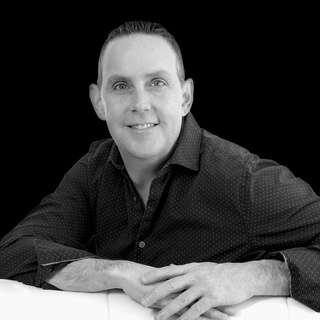
Welcome to Life,
Lessons,
And Laughter with your host,
Glenn Ambrose.
Hello everybody.
Hello,
Hello,
Hello.
Hey,
Ruthie.
I spoke with your friend the other day.
Thanks for connecting us.
It was fun.
And you still have the best hugs in Rhode Island.
So,
Nika.
Hey,
Nika.
Thanks for joining.
Laura.
Look at this.
Everybody's popping on saying hello.
I'm loving it.
I'm loving it.
Ruthie.
So,
Yeah.
So,
Welcome everybody.
Looking forward to this topic.
Yes,
Nika.
Yeah.
This is a big one.
It's because,
I mean,
Lots of people are working.
There's kind of two ways to come at this.
I was thinking about it before the show.
There,
You know,
I always talk about this big spiritual shift happening on the planet.
And that's true.
And it's also,
So like if you look at it as a planetary thing,
It's like,
Oh my God,
You know,
This is part of the shift.
Isn't that cool?
Isn't that interesting?
And all that stuff.
But an even simpler version of it is,
You know,
I say this often,
Like people who are working on themselves have large hearts.
You know,
This is one of the reasons why my,
You know,
My clients all are wonderful,
Loving people.
Because who else would be working on themselves except wonderful,
Loving people.
You know,
If you're a jerk,
You don't really care.
You don't do a lot of self work when you just don't care about anybody.
You know,
So basically people that are working on themselves have very large hearts.
And they're ushering in lots of love into this world.
And they're,
You know,
They're very wonderful people.
But the problem is,
Is that we know we have this strong desire to be a good person.
We have,
And that consciousness is raising and it's getting more and more important.
But we don't have a lot of historical role models in how to be a good person.
You know,
We have some,
But they're touched on very,
Very quickly.
And even the way they're touched on,
They're romanticized in such a way that we don't really get a clear perspective.
You know,
Our idea of being a good person is Mother Teresa giving until our knuckles bleed.
And it's,
That's not sustainable.
Like most people can't do that.
And even Mother Teresa,
You know,
After she passed,
A lot of her letters came out and it wasn't easy for her either,
You know?
So,
I mean,
It's,
That's just not a sustainable,
Realistic way to look at being a good person.
And I saw Sarah join us.
Thanks.
Thanks for joining us,
Sarah.
So,
We have to find a sustainable way,
An effective way of being a good person that doesn't deplete us.
You know,
Lots of people with big hearts are people pleasers.
We don't,
You know,
We want to be kind to other people.
We want to be loving to other people.
We want to help other people.
And,
But,
You know,
There are,
The dynamic that has gone is givers and takers.
You know,
There's tons of codependency in the world.
You know,
Some people have issues and the other,
And depend on people,
And the other people enable them.
Like that's a very,
Very,
Very,
Very,
Very,
Very common dynamic in the world.
And how,
You know,
One side gives too much and one side takes too much.
It's just,
You know,
That,
So we have to create a better,
More sustainable way of being a good person.
So,
We have to have healthy boundaries.
You know,
Boundaries is such a huge issue.
Well,
This is kind of part of that.
We have to understand the dynamics of things.
So,
The dynamics of,
You know,
The topic is you're not responsible for other people's reactions.
And you're not.
It's like whatever,
If somebody else reacts poorly towards something that you're doing,
That's their problem.
And everybody's heard that,
You know,
And it sounds nice on a meme,
But what does it mean?
Like if you don't understand it,
You're going to have a hard time implementing it into your world,
Into your life,
Into your circumstances.
So,
What do we actually mean by that?
You know,
And what I mean when I'm talking about,
You know,
When somebody else reacts poorly,
That's their stuff.
It doesn't matter about the specifics of what how.
Yeah,
But I probably should have said something different.
Yeah,
But I had a part in it.
Yeah,
But like there's all these yeah buts we need to slide away from and just get to underneath all that stuff and just get the dynamic of what happens when somebody reacts poorly.
So,
When,
You know,
There is stimuli,
You know,
So in this case,
We're talking about something that we've done.
So,
We say something or we do something or we don't do something or whatever,
Whatever the stimuli is and then somebody else's reaction is poor.
You know,
The most noticeable one probably is anger,
You know,
So it's like they react in anger or they react sad or disappointed or like and I'm talking outward inappropriate reactions,
You know,
I'm not talking like somebody said,
Hey,
You know,
We're gonna go out to eat and I can't go,
I'm not feeling well.
Oh,
That's too bad.
That's just,
There's nothing wrong with that.
They want to go out to eat with you.
They're a little disappointed that they can't.
That's normal.
I'm talking,
You know,
When people actually get upset and react because that's when we start second guessing ourselves.
That's when we're like,
Oh,
Did I do something wrong?
Oh,
And that's a dynamic that we have to understand is,
You know,
There is always a good way and a bad way to react to something.
Always,
You know,
So no matter what it is,
No matter how horrible it is,
No matter how much somebody is let down,
Reacting negatively is not beneficial to them.
Like,
It's not,
There's a better way to react,
Right?
So acting negatively is,
It's just,
There's in a healthy world,
There's no room for it.
There's just no reason for it.
Now,
Of course,
We don't live in a healthy world yet.
So people are,
People are still reacting in ways all over the place,
Right?
We all do it.
I mean,
I still do it.
You know,
I don't act or I should say react appropriately in every situation.
I don't.
I'm a human being,
You know?
So sometimes I react poorly and a lot of times people react poorly most often when they're triggered.
This is why usually it's,
It's kind of like a version of anger that comes out,
You know,
Or victim.
Oh my God,
I can't believe you're doing this to me.
Or,
You know,
Whatever their go-to is when they're not in control of their emotions.
And that's my point.
They are not in control of their emotions.
How do I know this?
Because there's no benefit to them acting poorly.
And there's always another way for them to react that would be more beneficial to them.
So why would somebody choose consciously to react in a way that has less value for them?
When they could choose something that has more value for them?
Nobody would do that.
It's just an unconscious reaction.
So this can take,
You know,
Lots of different versions.
When somebody reacts,
We don't know what's going on in their world.
You know,
I mean,
Maybe,
You know,
Maybe they get in a fight with their spouse over breakfast,
Or maybe their parent is having surgery that day,
Or maybe they're worried about their kid getting bullied at school,
Or maybe their boss is on their ass and you're their boss.
So,
You know,
Crap flows downhill.
So,
You know,
That's a version of fear.
So they're fearful that they're not going to live up to what their boss wants for them.
And their boss might freak out on them,
Which triggers them,
And then they flip out on you.
So it's,
You know,
It's fear at the bottom of it.
Whenever somebody behaves in a way that is not beneficial to them or the world,
That's a version of fear.
Like anything negative,
Anything that isn't bringing love into the world is a version of fear,
Because those are the only two options.
We have love and we have fear.
So that's kind of a way to deal with people.
If you can understand that what they're expressing is fear.
So like if somebody gets angry or sad or whatever,
It could be something as simple as,
I'm not getting what I want.
Well,
If that's unconscious and it's deep seated and it triggers something from their childhood,
That could release large amounts of fear because,
You know,
It's not about that situation you have at hand.
It's about what it's triggering inside of them.
So that could be triggering a large version of fear from childhood of not getting what they want.
Maybe they had a bunch of siblings and they never,
They were the younger one.
They never got stuff or,
You know,
Who knows the dynamics.
But we all have our stuff.
So something is being triggered.
So and what Sarah just mentioned something.
So power tripping is a form of fear.
Yeah.
Oh,
Absolutely.
Yeah,
It's absolutely a form of fear.
I mean,
Everything negative is a form of fear.
So and I mean that like power tripping.
This is kind of interesting because I've noticed this dynamic a little while ago and it's interesting to me.
There are certain versions of the same thing that have negative consequences from not consequences that have negative perceptions from society.
So power tripping,
You know,
Like,
Oh,
Somebody's power.
They're just power tripping,
You know,
Like we're very easy to judge somebody that is power tripping.
Right.
But it's the same energy.
It's the same dynamic as somebody that is acting like really over the top in control.
So like,
Take this dynamic,
Right,
And bring yourself back to like a teenager.
You know,
When kids are just trying to figure out who they are and where they fit in and all this stuff in society and develop their own identity and personality.
So think about that.
And you've got this kid that's like walking around like overly confident all the time.
Like overly,
You know,
Just,
Oh,
I'm wonderful.
I'm great.
Yeah,
Yeah.
You know,
Just this over,
Like everybody looks at him and they go,
Oh,
Well,
You know,
He's really insecure.
Because he's overacting like he's in control of the situation and he's obviously insecure.
Anybody that's secure doesn't run around shooting their mouth off telling you how wonderful they are,
Right?
They don't have to.
If you're secure with who you are,
You don't have to run around telling people how great you are.
So that's,
This is the same energy as power tripping.
Now we get into a workforce and we're in the workforce and then all of a sudden we feel like a victim in a workforce situation as an adult.
We don't know how much power we have.
We don't know how to set healthy boundaries.
We don't know healthy ways of interacting.
So now we look at somebody that has power over us,
Like as a boss,
And we go,
Oh,
They're just a power trip.
It's the same energy.
If somebody is power tripping over you,
They are insecure.
That's why they're power tripping over you.
You know,
It's the anybody that waves power around doesn't understand power.
If they actually understood it and they actually had it,
They wouldn't be wielding it around because you don't need to.
And that's not how power is actually used properly.
So anybody,
This,
You know,
It's,
I think I said this a little while ago,
And I'm not going to say things like this very often because I don't think that they're the best examples.
And I don't like implying that like any anything negative has a good side because it doesn't.
But this was a dynamic that I learned very,
Very early on in high school.
You know,
Unfortunately,
I was getting bullied and I decided to fight.
So once I was trying to navigate my way around fighting and understanding the dynamics of fighting,
Because that's how my brain always worked.
It's like,
OK,
I'm into a new dynamic of life.
I needed to pay attention and understand how it worked.
So I just very early on,
It was like,
OK,
People who talk too much are confident.
They're not tough.
Usually they're just letting their mouth go.
So if somebody started shooting your mouth off,
Bang,
I'd hit him because it was like I was like,
This is going to be easy.
We'll just get past this person and move on with our lives.
Like I said,
Hitting somebody obviously is nothing I recommend.
And it's even worse than shooting your mouth off.
So I had even more of a negative reaction.
So I'm not saying that all I'm saying is this thing.
I'm trying to explain a dynamic.
This dynamic is very,
Very easy.
Even outside the workplace,
People power trip on Facebook all the time.
Yeah,
People power trip on Facebook.
And I mean,
It's the same thing,
But to some degree,
It's just Facebook.
There's no consequences.
One,
There's no consequences for anything that you say,
Which has people saying too much.
But even more important than that,
The problem with people that power trip on Facebook is that they get an ego stroke out of it.
It makes them feel better about themselves.
Like we all have versions of fear within us.
So we have to learn how to deal with that fear and we can either go in a direction of healing ourselves and working through that fear.
Or what society has been doing for thousands of years probably has been anesthetizing that fear with an ego stroke.
So you go on Facebook and you say,
This is a bunch of crap and you feel better.
Why?
Because you got something that was bothering you off your chest.
And that actually is a beneficial thing to do.
Not on Facebook,
For one,
Because you don't do anything to change your life.
You don't do anything to change the situation.
You just throw up on people on Facebook and then you feel a little bit better for getting it off your chest.
But the fear is still in there that the issue is still out there that you haven't changed your life to no longer include whatever you threw up about.
You haven't developed a coping mechanism.
You haven't processed the energy around that situation.
So you haven't done anything really to fix your situation,
The situation globally,
If that's what you're complaining about or how it affects you internally.
You haven't done any of that.
So you still have that problem inside of you that hasn't been solved,
But you threw up a little bit.
So you feel a little bit better.
And that's just people can do that constantly,
Just,
You know,
Endlessly.
This is why people are addicted to complaining because they get why do people only do what works.
So when you see people doing the same thing over and over and over,
Different types of people doing the same types of things like don't be so quick to judge.
Look into it and say,
Why are they doing that?
They must be getting something out of it.
Right.
And then you can be like,
Oh,
They're throwing up and they feel better after they throw up.
Oh,
Okay.
That's why they're doing it.
It's not because they're a jerk or a meathead.
They're doing it because they're getting something out of it.
Now,
What they're getting is basically useless.
It's just allowing them to walk around another 20 years with the same issues without actually doing anything to solve it.
But nonetheless,
They're getting something out of it.
So this is why I like talking about the dynamics is because we're trying to and if you guys have any questions about this,
Throw them out there.
So when somebody has a reaction to what you did,
It's about what's going on inside of them always,
Not sometimes.
Because if there was nothing going on inside of them negatively,
If there was no trigger that had been touched or no fear that had been touched or anything like that.
If something wasn't bothering them inside,
Then there's nothing to gain by reacting negatively towards you.
Because there's other more appropriate ways to respond.
I think this is kind of the best way to explain this.
These little scenarios sometimes are a little tricky the way I word them because I don't want to put down somebody else.
In this case,
The dynamic was with my ex-wife.
I phrased it in a way where I wasn't putting her down.
I would make myself as the bad guy in situations.
But I had this moment with my son when he was around 12 or something and he had just told me a day or two before I think about his mom really yelling at him for slamming the screen door going in and out of the house.
Now a couple days later,
He starts slamming my screen door.
You know how kids do when they're all excited and they're running in and out of the house.
I was like,
Okay,
This is a teaching moment.
Well,
First,
I was like I need to deal with the situation at hand.
So I stopped,
I called him in.
He said,
Come here.
So he comes in the house and I just stopped and got his attention because you know he's all wound up about what he was doing.
So I have to get his attention.
So I'm like,
Hey,
When you slam that door over and over,
It freaks out the cat,
It scares me.
I'm trying to do something else and there's this bang.
So when you go in and out of the house,
Can you just be easy with the screen door?
He's like,
Yeah,
Okay.
And I explained to him why.
So he was like,
Yeah,
Okay.
And then he went in and out and he didn't slam the door anymore.
So I saw that since he had told me his mom yelled at him,
I saw a dynamic there and I was like,
Okay,
I'm going to teach this.
So I taught my son this.
I said,
Listen,
How people react is not your fault.
It's not your fault.
I said,
And we have a situation here,
Like you were slamming the door at mom's house and you get yelled at,
Right?
He's like,
Yeah.
I said,
Okay,
You were slamming the screen door at my house and you did not get yelled at,
Right?
He's like,
Yeah.
Okay,
So what are those two situations have in common?
They have you slamming a door.
So that's the stimuli.
A little kid slamming a door.
Right?
That's the stimuli that caused the reaction.
So one reaction,
His mom wasn't in control of herself at that particular time to choose,
Consciously choose a good reaction about how to deal with that situation.
So she yelled.
I actually was conscious in that particular moment and I chose a different way of dealing with it.
That was more appropriate and more effective and didn't make my kid feel like crap.
Now,
When I gave him this example,
What I used to do,
If I couldn't figure out another way to teach him something without using something his mom did as an example,
I never wanted to demonize her.
So what I did then is I said,
Listen,
I said,
So remember when I flipped out on you two weeks ago?
Because I had,
Like I lose my,
You know,
I lose my stuff too as a parent.
You know,
I lost my crap on him a few times,
Several times.
So I said,
Remember when I lost my crap on you a couple weeks ago?
He's like,
Yeah.
I go,
That was me not being in control of my own reaction.
I was incapable of slowing down and choosing a good reaction in that particular situation.
I was out of control.
That's my fault.
It's not your fault.
I know you did something to instigate that.
But my reaction was not your fault.
I got triggered and I reacted inappropriately.
So that was just a particular situation where I was incapable of choosing the correct way to deal with something.
That applies always.
Always.
It applies with me,
Your father,
It applies with your mother,
It applies with your teachers,
It applies with your principal,
It applies with the police.
It applies with absolutely everybody all over the planet,
All the time,
Always.
That's how we know it's a spiritual law.
So it's we can have a choice to choose one way or choose another way when we're in control of our emotions.
If we react in a negative way,
That means that we're not in control of our reactions.
I'm not talking about being chased by a bear because reacting in certain situations is appropriate.
If somebody attacked you and you knocked them out,
Well,
That's appropriate.
That's self-defense.
Somebody was attacking you.
That's an appropriate response to that.
I'm not talking about that.
I'm talking about every normal,
Everyday life,
Normal situations.
So do you see the dynamic that when somebody flips out,
Somebody behaves inappropriately,
That's their inability to deal with the situation appropriately?
It's their inability at that particular moment that was triggered by you,
Which you have no control over.
How would you prevent that from happening?
Let's just say for a moment you are in control and it is your fault.
So what are you supposed to do?
Everybody on the planet or everybody in your social circles,
You have to research their childhood and all their triggers and make notes.
You have to know everybody's trigger and make sure you never say anything that will ever trigger anybody ever.
That's an impossible way to live.
So we just have to understand it's their inability to control their emotions and react appropriately.
That's the problem.
It's not whatever we did.
I think that's the overview.
Let me see.
I know Nika said something.
I'd love to hear about fearing reaction in close relationships,
Family or intimate relationships,
Codependent.
I'd love to hear about fearing reaction in close relationships.
OK,
So I'm going to dive into what I perceive this means and you can correct me as I go.
So fearing reaction in close relationships,
Family or intimate relationships.
Yeah,
I mean,
If you're fearing something,
Then you need to assess that fear.
Like,
I mean,
What are they going to do?
If you're in a relationship,
Like this is close relationships,
Right?
It says so if you're in a close relationship with somebody that could physically hurt you,
Then you should probably get out of that close relationship.
But if you're in a close relationship,
Really,
I mean,
If you're in a close relationship with anybody that is inducing fear in you,
Like that's a problem.
That's a problem and it needs to be addressed.
So,
You know,
Setting boundaries is one is probably the most.
So she just commented,
What are they going to do?
The rest is that they'll leave.
You mean the best is that they'll leave or the worst is that they'll leave?
If you're in fear of somebody leaving,
Then they should probably leave.
Like you should probably let them.
That's not a good dynamic to be in.
You know,
This just sounds like,
And I'm going to generalize here.
Okay,
So and everybody listening,
I don't know if this applies to her particular situation.
But like,
You know,
We have to pay attention to the dynamics in which we're in and start taking responsibility for them.
The fear is that they leave.
Yeah.
Okay.
So if the fear is that they leave,
I mean,
It's,
You can't be in a healthy relationship.
Like that is not a healthy relationship.
So this is kind of what,
This is how I put this into perspective,
Usually.
If you are in an unhealthy relationship,
Unhealthy things happen.
Like that,
That's it.
If you are in a dysfunctional relationship,
Dysfunctional stuff is going to transpire.
That's why it's a dysfunctional relationship.
So if you are in a relationship and you have a fear that they're going to leave,
Then that needs to,
That's an unhealthy relationship.
You know,
Like you can't,
That's unhealthy.
So what you need to do is you need to start working on your self-love.
You need to start working on your boundaries.
You need to start working on yourself so you can get strong enough.
Because it's all about you.
I mean,
If you're scared somebody's going to leave you,
It has nothing to do with the other person.
It's all about you.
You know,
Because I mean,
If you had a good level of self-love and you knew that you'd be okay,
Whether they left or whether they didn't leave,
Then you wouldn't have that fear.
You know,
So yeah,
The,
I mean,
Unhealthy relationships.
So then Robin said,
Get out of an unhealthy relationship.
Yeah,
I mean,
Well,
It depends.
Like you're going to learn.
Okay,
So in an unhealthy relationship,
If it's violent or something,
You know,
Really like hardcore dysfunctional,
Yeah,
You need to make a plan and get out.
You know,
I mean,
If you're not safe,
You need to get out.
But if it's just like dynamics,
Like a fear that they're going to leave or a fear of letting them down or a fear of this,
A fear of that,
You know,
If you have that stuff,
Then just start working on yourself.
I don't,
I mean,
If you're ready to leave the relationship,
Then by all means,
Leave it.
But if you're not sure you're ready to leave a relationship yet,
Whatever,
Don't leave it.
I mean,
Like I said,
Unless it's violent or dangerous,
Then stay in it,
Whatever,
Who cares?
I mean,
It's about working on yourself.
And really a lot of times if you need to work on relationship stuff,
A lot of times being in one is a good place to work on one.
So,
So it's the,
My point is there's two ways to basically grow relationship wise.
One is you get out of the relationship,
You spend a bunch of time working on yourself,
And then you get into another one.
And you'll probably not really fully know how much work you've done on yourself until you're in the next relationship.
That's when you'll finally know.
You might think you did all your work until you get into the next relationship,
And then you'll see if you did the work or not.
And you probably,
Most likely you do like most of it if you really try,
But you don't do all of it until you're in the next one.
That's just how it goes.
Or many people learn very effectively while they're in the relationship.
So,
I mean,
Just because a relationship is dysfunctional doesn't mean that we need to throw it out because sometimes they actually work.
You know,
I mean,
I learned this over my years of life coaching.
It's like sometimes when you're in an unhealthy relationship,
I've been counseling people where they were talking and I'm thinking to myself,
They need to get out of this relationship.
There is nothing good here.
There's just nothing good.
And this is just my thought.
But I mean,
I didn't tell them to do that.
That's not my decision to make,
Right?
So,
I just keep helping them work on themselves,
Work on themselves,
Work on themselves,
Build their self-esteem,
Build their self-love,
And all this stuff.
And then every once in a while,
I can't say that it happens often,
But every once in a while,
Like as they start getting healthier and they start setting boundaries,
Then all of a sudden the spouse or the other person in the relationship starts growing too.
And they adapt.
And when there's a line drawn in the sand and they're like,
No,
You can't treat me like that,
And they hold a strong boundary,
That person actually adapts and then the relationship actually gets healthy.
It happens like that sometimes.
So,
Just because a relationship is unhealthy doesn't necessarily mean you need to ditch it.
You can use that as your laboratory to work on yourself.
And then by proxy,
The relationship.
And then this is the beauty about all work is self-work.
Work on you,
Work on you,
Work on you.
So,
When you work on you,
What happens when you're in a relationship is you work on you,
You work on you,
You work on you,
And you get better and better and stronger and stronger and stronger.
Sometimes this person doesn't do the work and then you guys separate.
And if that's the case,
It's much,
Much,
Much easier to separate when you are stronger and have done all the work on yourself.
Because you're in such a better place emotionally and stably and all this stuff.
And when it's time to leave,
Is there some heartbreak?
A lot of times there is.
But it's completely manageable.
It's not as bad as you would think when you two were down here.
So,
Once you do the work on yourself,
It's much easier and less emotional leaving a dysfunctional relationship.
Way more manageable.
And then sometimes this person comes up here and it actually works out.
So,
That's why I tell people just because you're in an unhealthy relationship doesn't necessarily mean you need to leave it.
It's the same thing with like everything is relationships,
Friendships,
Jobs,
Families.
It's all same thing.
Work on yourself.
Work on yourself.
Understand the dynamics of how relationships handle.
Learn how to set healthy boundaries.
Learn to understand that when people are flipping out,
It's their shit.
It's not yours.
And when you understand these dynamics and you start implementing them and you see it,
I'm telling you this stuff is so easily adaptable to.
And the reason is because it works.
Like this is why I've been a life coach for whatever.
Like I see these dynamics and this is not theory.
This doesn't work sometimes.
It's spiritual law.
If you understand the dynamics of how things work and why people do what they do and what healthy relationships look like and what unhealthy relationships look like and what is people's responsibility and what isn't people's responsibilities.
If you understand those dynamics,
Everything gets so simple.
Everything gets simplified.
It's not that complicated.
And if all you have to do is take these situations and learn how to implement them into your life,
Actually take this stuff and live it.
Don't get pumped up,
Listen to me for an hour on fricking Monday night.
That's a waste of time.
Implement this stuff into your life.
And if you don't know how,
Then go get a life coach or me or somebody else.
I don't care what you do.
But this stuff will change your life if you just understand dynamics and what is your responsibility and what isn't your responsibility.
And your life is your responsibility.
A hundred percent.
Nothing anybody does.
When somebody's flipping out,
Yeah,
That's their crap.
But it's also not your responsibility.
You don't have to fix it because you can't anyway.
It's their crap.
They have to do their work.
This is what's meant by be the change you wish to see in the world because you can't fix their stuff,
But you can fix your stuff.
So when you fix your stuff,
Then all of a sudden you're a healthier person.
Then somebody else does their self work and somebody else does their self work and somebody else does their self work.
Now all of a sudden we have a healthier society.
Instead everybody's sitting there going,
Well,
I'm a decent person,
But this jackass needs to work on himself.
I wish everybody would work on themselves.
It's a waste of time.
So the plan is to wait for everybody else to be a good person before you can be in control of your own life and experience joy,
Peace,
Love and happiness.
That's your plan.
It's not a good one.
Your life is your responsibility.
You don't need other people to handle things perfectly.
So I'll give you a dynamic of like if I'm in my power and doing well this day,
And I trigger somebody and they flip out at me and I stay grounded.
I'm not sitting there going,
I didn't deserve that.
Why did they?
It has nothing to do with me.
So why am I going to get all hurt over somebody else's reaction that has nothing to do with me?
I might set a boundary if they're like attacking me and I'm going,
Hey,
Stop,
Zip it.
I'm not going to put up with your crap.
I can set boundaries and stuff if they push it too far.
But I'm not going to get all butthurt because somebody is flipping out over something that I did.
That's none of my business.
It's not in my control.
It's not my work.
It's their work.
So let's see what I know.
There's a couple more comments.
Sarah,
Are we meant to consistently be in control of our reactions?
Don't even the most spiritual people lose their shit sometimes?
Yeah.
Perfect timing.
I just kind of touched on that.
Yeah,
Sarah.
I mean,
Are we meant to consistently be in control of our reactions?
Yeah,
Of course we're meant to consistently.
Are we meant to always be in control?
Consistently means most of the time on a regular basis.
Yeah,
That's what we're trying to achieve.
We're trying to consistently be in control of our reactions.
Absolutely.
Now,
Do spiritual people lose their crap?
Absolutely.
I've given multiple examples of that here on this podcast alone.
And Sarah,
I know you've listened to just about all of them,
If not all of them.
So you know,
I always talk about losing my crap.
It happens.
And it's an unrealistic expectation.
This is why we can't take it personally.
Because it's going to happen.
Absolutely,
It's going to happen.
It's going to happen to us,
We're going to do it,
Other people are going to do it.
So if this is what I meant by like,
If our rule for happiness is nobody loses their shit,
Then we're in trouble,
Because it's going to be happening for a while still.
People are going,
You know,
Maybe when we reach living in utopia or something,
We won't,
But for the foreseeable future,
People are going to be losing their shit.
So it behooves us as people on a spiritual path to learn how to not take that personally.
You know,
That's what it's about.
It's understanding that nothing is personal.
So if anybody out there has not read the four agreements yet,
Go read the four agreements.
I mean,
That is just such a small book,
Easy read.
It's like,
Where is it?
Yeah,
It's a small book.
It's an easy read.
And well,
I'm not going to pull it out.
But here's the I get the three books set,
Which I recommend reading all of them.
But I mean,
Really the four agreements by Don Miguel Ruiz.
Get it,
Read it,
Live it,
Love it,
Be it.
So,
You know,
It's about not taking things personally,
Because then we cannot,
Then we can navigate it.
But if we're all feeling bad,
Because somebody else is triggered,
Then we're not in control of what we're doing.
We're taking on something that isn't ours,
Doesn't belong to us.
And we don't even have the capability of navigating because it's not ours,
And we have no control over it.
Right?
So now,
What so we're just feeling bad.
So now the person that got triggered,
Not only are they triggered,
But now that you know that they have complete control over our lives,
They have control over the scenario,
The situation and our emotions.
Why?
Because we're taking responsibility for their reaction.
Nothing good comes out of that.
That's us handing our power away.
You know,
So understanding the dynamics that it's not,
You know,
Their stuff is their stuff,
And it's not our responsibility.
You know,
That puts us back in the driver's seat because we're not handing our power away.
So let's see.
And then Cindy said,
Oh,
Well,
Before I get this in,
Sarah said everything I've read by Don Miguel is,
And his son is fantastic.
Yes,
His son took over the teachings several years back.
And he,
Don Miguel Ruiz Jr.
And he's got a lot of good stuff.
And they've got another son that puts out a lot of stuff too.
Let's see.
So yeah,
Sorry.
And I know Ben was like clicking on stuff in the background.
Thank you,
Ben.
Cindy,
I used to be a people pleaser.
I read a few books about boundaries.
What a difference a shift in my relationships.
You teach people how to treat you.
Absolutely.
You have to teach people how to treat you,
You know,
And this is it.
This is all part of being,
You know,
So I've done.
This is kind of the trick of being doing these podcasts for so many years and teaching for so many years is that it's kind of about coming in different doorways to very similar topics,
Because this is how spirituality is,
Right?
You have 350 billion circumstances out there.
And then underneath them,
You have main topics.
So like,
Let's just say we take relationships as main topics.
Well,
Relationships applies to romantic,
Friendship,
Business,
Co-worker,
Boss,
You know,
Worker,
Parent,
Child.
Every time you're interacting with another human being,
It's a relationship base.
So now all of a sudden you've got billions of dynamics.
Now all of a sudden you have all these relationships.
And then underneath that,
You have things like,
And I'll use that paragraph.
You have boundaries.
You teach people how to treat you.
You don't take things personally.
You don't make assumptions.
You know,
I'm going with some other of the four agreements,
You know?
So you have,
You have all these things like that,
That apply to this,
That you can come in different doorways that all help you deal with relationships.
So this is about coming in different doorways and you see,
You start seeing the overlap because here I am talking about being,
You're not responsible about how other people react.
And you almost can't have this conversation without talking about,
You know,
Nika brought up codependency and fear and unhealthy relationships Robin mentioned.
And Cindy's,
You know,
Talking about people pleasing and teaching people how to treat you.
And,
You know,
It's,
And Sarah's mentioned a few good things too.
I'm not going to go back through all of them,
But you got my point.
Like these all start overlapping.
So this is,
And I think this is the reason why,
Well,
One of the reasons why I'm harping so much in my teachings now to implement,
Implement,
Implement,
Implement,
Because what we're like,
Just the example I just gave,
We can talk about this shit forever.
We can come in different doorways.
We can use different examples.
We can give different.
Yeah.
But what happens if he's got blonde hair and blue eyes instead of brown hair and blue eyes?
We get so distracted by the specifics and what?
Yeah.
But like,
I really love him.
This isn't a new relationship.
Yeah,
But I'm talking about my parents.
It doesn't matter.
It doesn't matter.
All these specifics don't matter.
What it is is you just need to learn how to have healthy relationships.
You have to understand what is in your wheelhouse,
What is your responsibility and what is not your responsibility.
You have to understand.
And when you start working on your self love and start not talking about boundaries,
Not reading about boundaries,
Not listening to podcasts about boundaries,
But going out there and setting the fucking boundaries,
Then all of a sudden your life is going to start changing.
You know,
So you have to implement this stuff,
Implement,
Implement,
Implement,
Live,
Do,
Because we can talk about it and it's not going to change a damn thing.
And you're not going to fully understand it.
You'll understand it intellectually.
You might even conceive it,
Grasp it conceptually,
Maybe.
Most of the time you'll think you have when you haven't yet.
And then all of a sudden you'll hear the same thing three years later and you go,
Oh,
Now I get it to a whole other level.
That's what happens when we understand something intellectually,
But we don't get it conceptually.
But we even then,
Even when we understand it fully intellectually and fully conceptually,
It's still a life doesn't change.
So we understand something.
Okay.
Yeah.
That and that token gets you on the bus.
It's not until you stand in it physically,
It's not until you look somebody in the eye or and I don't give a crap.
There's different situations for different ways of communication.
Like some people like never text anything.
It's too impersonal.
I don't give a crap,
Man.
There's situations where a text is the safest route.
So I don't,
You know,
Whatever.
Until you stand to until you take physical action in a text,
An email,
A letter in person,
Over the phone,
I don't give a crap how it's done.
Until you stand up and stop allowing somebody to treat you in a particular way or stop taking on other people's stuff until you actually live it and do it.
It's not going to change your vibration.
And that's who you are is your vibration.
Who you are makes up your vibration.
So if you want to if you want to say like,
How can I how can I love myself more?
Go do something that's loving for yourself.
So how can you love yourself more?
You have to take action.
That's how.
So buy yourself flowers on the way home.
Go get yourself a massage.
Take an hour out of each day to do anything that you enjoy.
Set a boundary with somebody out of self love.
Stand in that boundary out of self love.
But we have to take physical action.
We actually have to do things.
We have to act like a person that we want to become in order to become them.
We have to match the vibration of whatever we want to be,
Because there is a specific vibration to people who get walked on.
And somebody that walks on people can smell it a mile away.
Like,
You know,
Do you think it's like a coincidence that victims can like perpetrators can always find victims?
Of course not.
And the perpetrators aren't like conscious.
They're not like,
Oh,
I read energy.
Like,
No,
They're completely unconscious.
But everybody can read energy.
We can pick up on people.
So if there's a perpetrator looking for a victim and they're like,
Oh,
Nah,
Nah.
Oh,
Definitely.
Yeah.
And boom,
They're gone.
Now,
If you ask them on an intellectual way why and how,
They probably wouldn't be able to explain it to you.
But it's the vibration that we all are,
Because there's a vibrational rate of a perpetrator and there's a vibrational rate of a victim.
If you're a victim,
How do you change that vibrational rate is by taking physical actions to not be a victim.
And if,
You know,
I've done podcasts on victims and I've talked about victims all the time.
Victim like we if you think that you are not a victim,
Because this is like a buzzword right now.
Victim.
Everybody understands victim.
Oh,
I don't want to be a victim.
I'm not about being a victim.
And so everybody thinks they're conscious of it and they're not victims.
You're a victim.
Everybody's a victim.
Or 95 percent of the people on the planet are victims.
How do I know?
Because I've been working on myself for 18 years and I still find myself in victim mentality sometimes.
It happens.
We all slip into victim mentality sometimes.
It just happens.
So don't just because it's a buzz word,
Don't get all pissed off when somebody calls you a victim.
Like you probably are.
So it's about real spiritual growth is about not curving away when somebody says a word,
Says something that that you don't like to hear.
Oh,
Don't call me that.
I'm not.
You know,
I mean,
Unless they're a perpetrator,
Of course,
I'm not saying be abused by somebody.
I'm just saying,
Like,
If there's somebody actually trying to help you,
Like a life coach or a good friend and,
You know,
And they're like,
Hey,
I think you're being a victim.
Like,
Open your mind.
Don't get so defensive.
It's nobody wants to be a victim.
So we defend ourselves against that.
And most often it's true.
We are victims,
You know,
But that's not a big deal.
We're not.
So I'm going to end with this.
This is what we need to do.
We need to stop judging ourselves for not doing things right.
We were conditioned and trained and domesticated to not do things right.
So none of us do stuff right.
I mean,
And we're probably going to die still doing stuff wrong.
It's most likely what's going to happen.
So don't worry about it.
Stop beating yourself up for not doing everything perfectly and start patting yourself on the back for recognizing when you don't do things perfectly.
Because that's an opportunity to change.
It's it's so here's the basic dynamic of it.
It's unconsciousness and consciousness.
Unconsciousness does things wrong.
Why?
Because it's conditioned patterns of behavior that we've we've been taught and we've developed over years.
And it's unconscious.
We just react in ways that do not benefit us.
Consciousness means we choose the actions.
And if we know better,
Because like,
Let's say you're you're listening to these podcasts or you're reading books,
You're working on yourself and you're finding better ways to act and you choose that.
That's great.
Another way we can choose stuff is if you're in the present moment.
So you're conscious.
We are connected to divine wisdom at that time.
So very often the right way to handle a situation will just literally flow through you.
You can find yourself taking action and you didn't even you're like,
Oh,
My God,
When did I decide to do that?
That was perfect.
Like,
I have never made a mistake when I was conscious ever in any situation,
Ever in the history of me being conscious ever.
And I think everybody on the planet is that way because you can't because you're in alignment with divine wisdom.
So if you're about to do something that is inappropriate and you're conscious,
You're going to you're going to feel that it's inappropriate because it's going to go against the direction that divine wisdom is pushing you.
So if you're present,
Most often you're going to say something completely creative or you're going to act in a way that's completely creative,
That you probably had never done before.
And it's going to be perfectly aligned with this scenario that you're in.
Or you can also do it by learning this stuff.
And that can even you know,
That can help the process as well.
So it's see,
Do you see how like,
You know,
Earlier I was talking about a billions of circumstances and everybody's trying to figure out how to work their life.
And it's all complicated.
And yeah,
But you got to you don't understand,
Like my specific situation has nothing to do with it.
It's dynamics.
And when you get deeper and deeper and deeper,
You always come to like two choices,
Conscious,
Unconscious.
So when you're unconscious,
Is the moment you go,
Oh my God,
I'm unconscious.
Oh my God,
I handled that poorly.
Oh my God,
I'm not in control of my emotions right now.
Oh my God,
As soon as now,
As soon as you catch yourself,
You are conscious.
Because you are now aware of what you were doing when you were unconscious.
That's basically a definition of consciousness.
So you got to stop patting yourselves on the back for being conscious,
Instead of beating yourself up for being unconscious when you were unconscious.
You didn't know you were unconscious.
Like,
How can you blame yourself for something that you didn't even know you were doing?
You weren't even in control of it,
But you're going to blame yourself for it and be like,
Oh my God,
I can't believe I did that.
Of course you did it.
You were unconscious.
It's what unconsciousness does,
You know?
So stop judging yourself for being unconscious and patting yourself on the back for catching yourself.
So I think,
Let's see if,
You know,
I had a feeling,
Man,
This was going to kind of go all over the place,
Which it did.
But let's see if there,
Is there anything else you guys want me to touch on real quick before I go about,
You know,
The topic?
Because I'm going to try to bring it back.
Yeah,
It's just so basically,
You know,
We're not,
You're very welcome,
Sarah.
Hey,
Tammy,
You're welcome.
So,
Yeah,
To sum it up,
I mean,
It's just we are not responsible for other people's reactions because we are not in control of them.
We didn't make them happen and we can't fix them when they have been happening.
Like that is their emotional trigger getting touched.
And there's no way for us to know other people's emotional triggers.
One time I held up my hand to somebody because they were just like pushing and pushing and pushing.
It was the sales manager at a car place and he was just like,
He was relentless.
He would not stop.
And I had already made my decision.
They had lied to me.
I had driven all the way there and I wasn't going to buy the car there.
And he just kept pushing.
And finally,
And I couldn't get a word in edgewise.
So finally I just held up my hand.
I was just sitting there calmly and I went,
Whoa,
Whoa,
Whoa.
I said,
Just please stop.
And that triggered him.
And I don't know who the hell did that to him in his life,
But he flipped his mind.
Almost came over the table,
Physically attacking me.
The salesman grabbed him.
I was like,
Whoa,
What the hell just happened?
And I got up and grabbed my stuff and walked out because I didn't know if this guy was going to physically attack me or what.
But it was so over the top.
It was so clear in those situations that what I did wasn't this.
Maybe his dad did this or his mom did this growing up.
I don't know who did it.
But it was a trigger and a half.
That's the dynamic we have to understand.
Even if it's smaller than that,
It's the same thing.
It's their stuff.
It's not our stuff.
So it's not our job to fix other people.
Here's this.
I'm going to sum it up.
I just got it.
In spirituality,
We are taught to be responsible for our own lives.
And most people take that very seriously when they are on this path.
I am responsible for my life.
I have to take responsibility for my life.
And we get that.
We do it to the best of our ability.
Right.
But this is the world of ying and yang.
There's another side to that coin.
And a lot of people don't pay attention to that side of that coin.
The other side of that coin is you have to give everybody else's responsibility for their lives back to them.
Because we've been doing it backwards.
We haven't been taking responsibility,
Proper responsibility for our own lives.
But we've been trying to fix everybody else and handle everybody else and make sure everybody else is OK and take on everybody else's crap and be the blame for everything else.
We're taking responsibility for stuff that isn't ours.
We have to give that back.
If you are responsible for your own life,
Which I know that you get that,
I know you understand that you're responsible for your own life.
If that's true,
Then everybody else is responsible for their lives too.
So you have to stop being responsible for other people's reactions.
That's their responsibility.
OK.
If you need to set a boundary because the way they're treating you,
That's fine.
You can do that.
But that's another podcast.
So yeah,
That's the sum up I was looking for.
All right,
Everybody.
Thank you,
Thank you,
Thank you for listening.
Thank you for watching.
I will talk with you soon.
Peace out.