Welcome to Life,
Lessons & Laughter with your host,
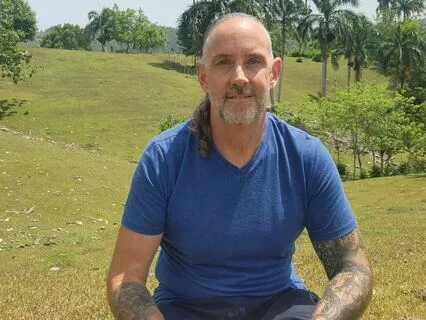
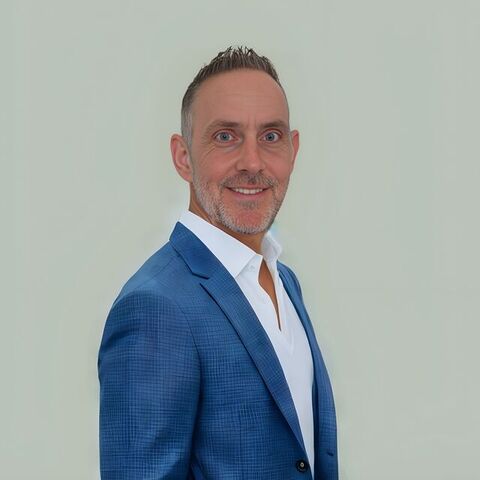
Glenn Ambrose.
Hello,
Welcome to the Dominican Republic,
Virtually.
Hope everybody's doing well.
All is well here in the mountains.
So yeah,
Today we're going to talk about an uplifting topic.
Why are people unhappy?
That's uplifting,
Right?
Well,
It should be.
It should be uplifting because,
You know,
I did a podcast a long time ago about the three steps to solve any problem.
So one is identify what the problem is.
Two,
Identify the solution.
And three,
Implement the solution.
Sometimes some of those steps can be difficult depending on the scenario,
But you can solve any problem with those three steps.
So,
You know,
In alignment with that,
If there are many people unhappy,
And I mean,
I looked into it a few times years ago and there was,
You know,
It's kind of tricky because it's like anything.
It's like whatever survey you choose to look at says a different thing.
So one that I saw said people basically said they weren't living their best life.
They didn't feel like they were living their best life.
So there was room for happiness,
You know?
So it's not necessarily people were saying,
Oh,
I hate my life.
You know,
That's not what this survey said,
But it said it was about 75% of people globally would say that they're not living their best life.
So,
Which doesn't sound like too big of a deal,
Right?
But look at what that means.
You know,
Of course,
Some of those people are going to be working towards their best life.
A lot of people aren't though.
And I think that that is,
That's kind of the point,
You know?
A lot of people would.
I mean,
So look at it this way.
I mean,
I lived 20 years dysfunctionally.
And if,
But I was doing a lot of things that I wanted to.
And I had friends and I was partying,
Especially when I was young,
Right?
And if somebody was like,
Are you unhappy?
Unless I was in the middle of a bout of depression,
I probably would have said no.
You know,
I like my life.
I was completely disconnected to reality.
I mean,
And I don't mean that because of the alcohol.
I mean,
Like I hadn't woken up to what is possible in life yet.
I hadn't woken up to what I call the spiritual side,
You know,
Really understanding what's possible out there.
And while we don't necessarily need to hold that,
You know,
Expect everybody to be living at that stage yet,
You know,
Hopefully someday in the future we will.
But if you're not even aware of what's possible,
How happy you could be,
Or that it's attainable,
That's kind of sad in itself,
You know?
So we can be like,
No,
My life's fine.
No,
It's okay.
To me,
That's not good enough.
It's not good enough to me.
Like,
Eh,
My life doesn't suck,
You know?
How are you doing?
Ah,
Hanging in there.
Like all that type of stuff,
That's not good enough.
And it shouldn't be good enough for other people.
And I think that's part of the problem is that if our life isn't immersed in misery or depression,
Then we think we should have nothing to complain about.
And not that complaining helps.
Doing something about it does help.
But my point is,
Like,
Where is the bar here?
When we're thinking about how people respond to this survey,
Where is their bar?
Because happiness is subjective.
So if you ask a bunch of people that their bar for happiness is like down here,
And it's pretty low,
And they're like,
Well,
You know,
I can't complain.
I mean,
I can eat.
And there's no major catastrophes going on in my life.
So,
Yeah,
You know,
It's okay.
That,
To me,
That's like,
Oh,
My God.
You know?
Like I've said before,
I don't really think I have a fear of dying.
I have a fear of not living,
Though.
And I don't allow the fear to run me.
But I don't like the idea.
So I guess it's not a fear.
I just don't like the idea of not living.
So if I ever look at my life,
Like,
One of the ways I assess my life is that I'll picture myself on my deathbed in the future and looking back and going,
You know,
If I look back on my life and I say,
Well,
It wasn't horrible,
That would be an immense failure for me.
Like,
Oh,
My God.
Like,
That's all we have is our life.
That's it.
Like,
From the moment we're born to the moment we die,
We've got one thing to use,
To utilize,
To experience,
To make the most of,
To do something with.
And that's our life.
So I don't want to get to the end of it and be like,
Well,
It wasn't horrible.
Oh,
My God.
You know?
No.
Like,
Let's live.
So along those lines,
You know,
And I guess this kind of ties into,
So that's my idea of striving for happiness,
Right?
And I mentioned how the bar is low with a lot of people.
So I kind of want to zoom out and just look at where we've come as a society.
You know,
There's a lot of people over here in the Dominican Republic think there's a night and day difference between here and the United States.
And in some areas there is,
There is certainly more opportunity in the United States.
But as a general,
Just a general concept,
There's some things that,
As far as how people live,
That aren't that different from a core dynamic perspective.
And that is,
Is like a lot of people over here will get a job from $250 to $350 U.
S.
Per month.
Like,
That's their income.
But they can also rent a place to live for $100 a month or $150.
Now,
That doesn't give them a lot of extra,
Right?
So they're struggling and life's tough.
And when people struggle over here,
It looks worse than when people struggle in the United States because sometimes they go without eating,
More so,
I would say,
Than people in the United States.
The housing that they live in could very well be,
You know,
Pieces of wood just kind of banged together with gaps through them,
You know,
Where the rain's coming in and the bugs and everything else.
Like,
It's,
You know,
Their quality of life is definitely lower than people struggling in the United States.
But then you have a lot of people in the United States and,
You know,
Of course,
The middle class is shrinking.
So we're having more and more people struggling to make ends meet.
And,
You know,
I mean,
Nowadays,
You have,
You know,
How much money do you have to make an hour to just go get an average one-bedroom apartment?
You know,
A lot of places in the country,
They're $1,
500 a month now.
Like,
People can't,
People can be working full-time with five,
Ten years' experience in a position and not be able to afford a one-bedroom apartment,
A car payment,
Car insurance,
Food,
Internet,
Electricity,
You know,
The basics.
So,
Like,
There's a trap,
Is my point.
The cost of living is equal to the amount of money you're making.
So,
Like,
You can never get ahead,
Right?
And,
Of course,
There are ways of,
You know,
This doesn't apply to everybody.
There are ways of,
You know,
I know lots of people.
My sister and brother-in-law did a nice job of working hard and,
You know,
Both of them their whole lives and,
You know,
Purchasing a cottage and,
You know,
Two states away and going up every weekend to clean it so they can rent it during the summer so they can pay for the mortgage and this thing.
Like,
They worked hard to get themselves into a position that now where they're older,
Like,
They can appreciate the benefits.
And some of my friends have done that too,
You know,
Purchasing houses and then selling them and,
You know,
Paying a mortgage instead of rent their whole life.
And,
You know,
So now,
You know,
I'm 55,
So these people are ballpark around my age between,
Like,
50 and 60.
And I'm seeing people that really kind of had a plan together and worked hard.
And a lot of times when there was two incomes in a household going towards it and,
You know,
If they made smart decisions and all that stuff,
They,
You know,
They set themselves up in a decent position moving forward.
So,
You know,
It can be done.
But I also have seen many people that have worked their whole lives and then,
You know,
Got sick and the government took their house,
You know,
Because they have to go into the hospital because they were sick and then they died.
And it's like,
That was it?
You know,
And they can't even,
You know,
They worked their whole life to pay off,
Pay the mortgage on their house and they can't even leave their house to their children because that's taken,
You know.
So there's a lot of traps out there,
Is my point.
And it's difficult to get ahead.
It's,
You know,
We're taxed over 50% of our income.
You know,
I just saw a video on that that was kind of interesting.
It's like,
It made me think.
I'm like,
Yeah,
You know.
It's like,
Yeah,
We get taxed 30%,
But then there's property tax and there's car tax and there's,
You know,
Excise tax and there's tax on everything.
And then they'll tax what they taxed.
So,
Like,
You add everything up.
It's over 50% of your income that is being taxed.
And this particular video kind of made a reference to slavery that,
Of course,
It's not like the actual slavery,
But that there are some similarities to it because what you're doing is you're,
If you're working and more of your money is going to your master,
The government,
To feed the government,
You're working to feed the government.
And the government isn't taking care of its people.
You know,
I'm reminded of that every time I see these Wounded Warrior Project commercials,
You know,
When I'm watching sports,
You know,
It always makes me wonder.
It's like,
Why is there a foundation that's reaching out to the public of the United States to help wounded warriors?
Like,
Isn't that the government's job?
Didn't they send them to war?
Aren't they the reason that they're wounded in the first place?
So why isn't the government taking care of these people?
Why do the people have to raise money amongst themselves to take care of the wounded warriors that the government sent to war that they're not taking care of?
You know,
We're over $34 billion,
Trillion,
Excuse me,
Trillion dollars in debt and expanding.
And we're,
They're getting over 50% of our income.
And they're still jacking the deficit up.
Trillions of dollars every year.
Like,
Huh?
They haven't passed the budget in over six years.
They won't even,
They don't even pretend to lie to you anymore and say,
This is what we're doing with your money.
They're just like,
Um,
No,
We're,
We're just not going to tell you.
And there's no accountability.
See,
This is where we've gotten,
You know,
We,
I believe that we are living to feed the government.
It's it's we're just a number,
You know,
I remember there was somebody that,
Um,
A retired military person that bought some land in Florida.
I had read this,
Um,
About this story years ago.
And he just bought a piece of land and wanted to go off grid.
And there was this huge lawsuit when he tried to cancel his electricity because they were like,
Well,
No,
You can't.
You can't go off grid.
That's not allowed.
You need to be a cog in the system.
You need to be generating income for us because you live here.
And he's like,
I just want to retire,
Man.
I served my time.
I just want to retire on a piece of land and disconnect from everything around me.
And they're like,
No,
You can't do that.
And it was this huge lawsuit and I heard he almost lost his land and everything.
I mean,
Like,
So it,
To me,
It's not really so important how it turned out.
And I don't even remember how it turned out.
Right.
That's how much I don't really care how it turned out.
The point is,
Is somebody buying land and putting power and sewage and their own water on there and being self-sustaining.
Like,
Why is that?
Why would that be considered illegal?
Why would somebody try to like,
Why would that generate a lawsuit in the first place?
That's absurd.
And this is what I mean.
It's,
It's,
We are cogs on a system.
We are numbers we are just feeding funneling money and power upward.
And it's,
It's at its pinnacle now.
So our quality of life,
That's all based around that.
Tough.
Right.
So the other thing is we just get busier and busier and faster paced and faster paced and,
And being busy is a badge of honor.
Like that's socially acceptable.
Like a lot of times like one of my little things,
I kind of get a kick out of is when I go out in public,
Especially like in the U S and people,
There's a very,
See,
I live in the Dominican Republic,
So it's very different over here.
So when I go to the U S the differences are glaringly obvious that they're that much more obvious.
And I can see what's socially acceptable in the United States.
I could see it when I lived there a lot of it,
But I see it even more now.
And one of the things that's socially acceptable is when people ask you how you're doing,
You have to say some version of busy most of the time,
Or what,
If they ask you what you've been up to,
You're supposed to be busy.
And if you're not,
They look at you weird because like I,
When somebody asked me a question,
I just try to answer them honestly.
So like if they say,
Hey,
How you doing?
You know,
At a grocery store,
I'll think for a second.
I'll be like,
I'm doing great.
And a lot of times people like cashiers look at me and they're like,
Yeah,
Right.
You know,
Like I'm being a wise guy and I'm just looking at them like in a good mood and smiling and they're like,
Oh,
You're,
You're serious.
I'm like,
Yeah,
Doing great today.
And it throws them off because when people ask you how you're doing,
You're supposed to complain about something,
Or,
You know,
Hanging in there.
Okay.
Busy,
You know,
Or if people ask what you've been up to,
Oh,
You know,
Busy,
You know how it is.
That's socially acceptable.
And when I don't say it,
Yeah,
You know,
I,
I kind of work,
I relax a lot.
You know,
I still got my business still working now,
But you know,
I have a lot of downtime.
People look at me weird,
Like because it's not socially acceptable.
We're supposed to be busy.
So people like unconsciously the wheels are turning and it's like,
I like to put like words to that,
The wheels turning.
It's like,
They're looking at me going like,
What?
You don't understand the game and going,
I ask what you've been up to.
You complain about how busy you are and barely have time to do anything.
And then I say,
Yeah,
Me too.
And then we connect over that misery and then we move on with our lives.
You don't understand the socially acceptable way of interacting with each other,
You know?
And it's like,
You know,
It's so embedded in our society.
We don't even think twice about that.
So my point here is,
Is that we're too busy.
We're,
We're moving too fast.
We're feeding a system that doesn't take care of us.
And is flushing money upwards and outwards anywhere.
But,
But it's,
It's our money.
Like it's,
We're paying all this money plus they're printing it like it's going out of style and things are getting worse.
Like,
How is that possible?
That's like a gross misuse of money.
Like we weren't,
You know,
And this is somewhat of a new thing.
Like,
Like I,
I would,
I should have looked up like when we got in,
Like when the debt started just going crazy.
Right.
Because like when I was younger,
I believe it was,
You know,
It was,
You know,
The debt was minimal,
Maybe,
You know,
Billions.
And it might go up like a billion or something.
And then somewhere,
I don't know,
20,
30 years ago or something,
It just started going crazy.
It was just like,
You know,
Two,
$3 trillion a year or one year,
10 trillion or something,
You know,
Crazy stuff like that where it's not like doubling or tripling or quadrupling it's,
It's just like,
It's not even in the same ballpark.
And once we started doing that from what I've seen,
We really haven't stopped.
You know,
I don't know if it's steady.
Cause like I said,
I haven't looked at the numbers,
But,
But the fact is we're over you know,
34 trillion and growing.
It's still expanding.
And we're passing right now.
We're passing a bill.
I just saw of,
Oh,
I don't even remember how many billions to send out to all these other countries.
But,
And I,
I'll kind of wrap up this thought with this.
I saw something that said it was like $263,
000 per person was what the debt is.
Something like that,
You know,
Somewhere between 250,
000 and 300,
000 per person in the United States is what $34 trillion comes out to.
If you divide it,
How many people are in the United States?
It's a lot of money.
That's hard to wrap your brain around.
You know,
And why aren't they trying to cap it?
That's kind of what makes me more nervous than anything.
Why aren't they trying to cap it?
Like why aren't they trying to stop going deeper in debt?
Because they're not,
You know,
Like,
Like I said,
Like once it started taking that leap and we're just,
Just adding trillions and I think maybe the people didn't freak out.
They're like,
Oh,
Okay,
Cool.
Then,
You know,
We're doing it.
You know,
We can add five,
10 trillion to the debt and they don't freak out.
So,
Okay,
Cool.
Let's just,
So like,
And these people that are in charge are a lot of things,
But stupid ain't one.
So like,
Like why would you collapse your own country unless you had a fallback plan?
You know,
This is the type of stuff that gets me thinking like,
You know,
It's a whole country collapsing because of debt.
At some point it's going to happen and you're running towards that line and you're not hitting the brakes at all.
Why?
Yeah.
You know,
Who knows?
I'm not going to get into the conspiracy theory stuff,
But,
It looks like it doesn't make sense.
You know,
It doesn't make sense what they're doing unless you start thinking at what conspiracies,
You know,
And unfortunately people,
You know,
The word conspiracy has become synonymous with lie now,
Which that's not what it means.
So,
You know,
People just say conspiracy theory.
Oh,
That's just a conspiracy theory.
Yeah.
But that,
That doesn't mean it's,
It's a lie or it's wrong.
That means it's a conspiracy.
It's a theory about a conspiracy.
It's not a hundred percent proven yet,
But it's a theory.
Theories you're supposed to look into and find out if the theory is actually true.
So that's what we're supposed to be doing,
But where it's just much easier to get us to say,
Oh,
It's a conspiracy theory.
So that means it's BS because those people are crazy.
We'll see.
We'll see.
So I think I laid the groundwork pretty well about,
Or as well as I want to about,
You know,
The,
The general perception of,
Of life as I see it.
I see it as a trap in a lot of ways.
I see it as feeding the government in a lot of ways.
I see it difficult for us to get ahead.
I see it based on busyness and distraction.
So to keep us moving so we don't slow down and look at really what's going on or feel what's going on inside of us.
You know,
And I'll,
I'll close with this,
You know,
It's,
It's the autobiography of a Yogi by Yogananda.
He came over to the United States in 1920 to,
And he said,
Well,
It's difficult teaching spirituality to Americans because they're moving too fast.
It's hard to get them to slow down enough to take in spiritual information.
And that was in 1920.
That was over a hundred years ago.
We're doing a hundred miles an hour faster than we were in 1920.
Right.
So,
But people are starting to wake up and we're starting to see things.
And one of the things I want to touch on is like the,
The,
The use of antidepressants.
And now of course there are certain people that need antidepressants.
There's a small percentage in my opinion of people that just need them because they just do,
You know,
There's somebody in this world or a few people in this world that there are,
There's always some sort of thing that might not be functioning correctly through genetics or something.
Right.
It happens.
And that's fine.
And also I,
You know,
I'm not one of these people that's against everything.
I believe that antidepressants can be used with people for certain things.
Certain periods of time to get them through difficult periods.
I've taken antidepressants.
I haven't in the last 20 years since I woke up,
But before that I did.
And you know,
I don't know.
I wasn't on a much,
So I think they,
They might've helped a little bit,
But whatever I,
My point is I can see that there are times when people uses it.
So this is not a blanket statement against antidepressants saying that they,
They never serve a purpose.
Sometimes they do,
But they are way over prescribed,
Way over prescribed.
And the,
The,
The thing I want to talk about is that like why,
You know,
People it's,
It's funny the way we look at things is,
Is just insane to me.
So like when you talk to a lot of people that are on antidepressants,
They go,
You know,
Okay,
Why are you on antidepressants?
And they say,
Well,
I have a hormone imbalance,
So I need to take this pill to kind of balance on my hormones.
So that's why.
Right.
Well,
Why are your hormones out of balance?
Like that doesn't just happen.
You know,
Something causes your hormones to be out of balance.
Right?
So if you look at what antidepressants do,
And this was like this succinct oversimplified mentality,
Which,
Which I like,
Uh,
Cause that's all I,
I just want to make a general concept.
I don't want to get swallowed up by specifics.
I want to just stay general.
So it says in layman's terms,
Depression is characterized by a deficiency in your motivation hormone,
Which is dopamine and your happy hormone,
Which is serotonin.
Okay.
So there's a deficiency in your dopamine and your serotonin,
The things that make you motivated and the things that make you happy.
Okay.
So why do we think so many people have a low,
A deficiency in those hormones?
Would it make sense to say that your body doesn't produce happy hormones if you're not happy?
Would it make sense that your body doesn't produce motivational hormones when you're not motivated?
Would say,
Yes.
I would say if you did a scientific,
Uh,
Research about with somebody and you let measured their levels of,
Of dopamine and serotonin and they were exercising regularly,
Spending time out in nature regularly,
They enjoyed their job.
They were in a happy relationship.
Maybe all of those,
Maybe some of those.
I bet you if you measured the serotonin and dopamine in those people,
It would be higher than the group of people that you measure the,
That you measure the dopamine and the serotonin in that do not like their job.
Do not go out in nature.
Do not do anything for enjoyment are not in healthy relationships,
Right?
I mean,
Does the,
Am I way off base here?
But doesn't that seem simple,
But we don't slow down and look at it.
We go,
Oh no,
I,
You know,
The doctor said I had a hormone imbalance,
So I have to take a pill.
Oh,
Okay.
And we just,
We don't even think about it.
Oh,
I've been sad lately.
Oh,
The doctor said I have a hormone imbalance.
Oh good.
It's not me.
It's something it's,
I have no control over this.
I have a hormone imbalance.
So like I just have to go take this pill to balance out my hormones.
It's like,
Well,
Why isn't your body producing that?
You know?
And I think that there's a direct correlation with the way that with the busyness in our life and the trap in our life and the people working jobs that they don't like.
And this,
This busy wheel that we're on.
I mean,
Look at the quality of our lives.
You know that there are intentional communities out there that and you know,
I'm ballparking the numbers here.
You guys know,
Like I talk about concepts.
I'm like,
If you got,
You should do research.
Well,
I don't want to,
So I'm not going to.
But like,
So I'm not,
I'm not going to research the numbers.
I'm just talking general.
If you want specific numbers,
You can research it because I'm not going to,
But what,
And I just lost myself.
What was I talking about?
People work in jobs.
Wow.
Wow.
I just skipped right out and it feels like it's far too.
I might not get it back.
Well,
All right,
I'll start talking about something.
You guys know how this goes.
Maybe it'll come back.
It usually does,
But we'll see.
So I was talking about the serotonin being low and people not enjoying their lives.
Not coming.
All right,
Glenn,
Disconnect and go back in.
And go back in.
So we,
You know,
Let's,
Let's just head into the solution.
So,
So the,
The solution is living happier lives doing things that we enjoy.
And then it,
It produces the,
The,
The dopamine and the serotonin because we're,
We're actually,
You know,
This is one of the things that I tell people to do all the time.
It's like,
What,
You know,
What do you do for fun?
And this is something that I have to do in my own life.
Maybe that,
I guess that's where I learned it.
Like when I was a single parent and building my business,
What I used to do was I scheduled downtime.
I didn't have to schedule work time or anything else time.
Like,
Cause I was always working or,
Or running my son around somewhere or doing,
I was always doing something.
I was busy,
Too busy in my opinion.
So I was too busy and I have to schedule that down,
Downtime,
You know?
And I think that this is,
So I tell people like,
What,
What have you done to that you enjoy lately?
What have you done that you enjoy?
Look into that,
Do more of that.
Well,
I don't even know what,
Like most people don't even know what they like anymore.
Like seriously.
And I talk a lot of times I talk with,
Of course,
People on the spiritual path.
Their eyes are a little bit more open or at least they're trying to be right.
And a lot of people that they're,
They're just so,
They haven't done anything actually fun in a long time.
This is why I love going to,
And I don't,
Honestly,
I don't even do it enough.
But I do it more than most,
Like going for hikes and out in nature.
I love that and going to waterfalls and swimming and,
And going to the beach and,
You know,
All the stuff that the,
The DR provides,
I love doing all that stuff and I should do it more.
And I will.
So,
You know,
We have to design our life,
Create a happy life,
Put it out there,
Design our life,
Create a happy life,
Put,
You know,
So look at this.
We need to,
We can't just be living busy all the time.
I just got what I was going to say.
I was looking into intentional communities and these intentional communities.
I forgot what the numbers were,
But the intentional communities,
Like you could move into these intentional communities.
You could get room and board for free and you had to live,
Work something like,
It was something like maybe 10 hours a week or let's just say it was just like a few hours,
Like maybe two hours a day.
I think it was something like that.
I think it was something like two hours a day,
Something you had to work and you could live in this community.
Now,
The reason I think that that's important is because if you look at an intentional community,
There's multiple people there,
Right?
And everybody has to have a roof over their head.
Everybody has to have food and you know,
They'll probably bring clothing in their own,
I imagine,
But you have a community there of people and to run that community,
To run it where everybody has at least what they need.
And I'm probably more nowadays,
Everybody just has to work two hours.
Most people I know are working more than eight hours a day at their job.
And they're still scraping by.
This is what I mean.
Like that to me is the trap.
Like over here in the Dominican Republic,
People are much happier.
They have way less and they're okay with having way less for the most part.
Like,
Like seriously,
It doesn't really bother them.
I'm not saying that they don't want more.
Of course they want more.
I mean,
Everybody wants more.
Like if somebody says,
Would,
You know,
Would it be great?
If somebody gave you a hundred thousand dollars?
Yeah,
Of course it'd be great.
You know,
But my point is is sometimes they'll have an opportunity to go make money and they won't feel like it.
So they'll be like,
Nah.
And it's kind of weird coming from the United States because you're like,
Yeah,
But you don't have anything.
Like,
Wouldn't you like,
Why aren't you taking this opportunity to make money?
It'll be all right.
I'm just going to take the day off today.
And they'll just,
They just live like that.
No.
And I think that there's room for them to grow.
You know,
Like,
I think everything's a balance between two things.
There's good and bad with the Dominican lifestyle,
You know,
And of course I'm oversimplifying it.
There's plenty of hard workers and all kinds of wonderful things going on over here.
I love it here.
I love this fricking country and I love the people in it.
And I think there's all kinds of wonderful stuff,
But there's also other stuff that isn't wonderful over here.
So they have room for growth,
Just like the people in the United States,
Just like every country on the planet.
There's room for growth for most,
You know,
Personally,
I think the places that probably have it right are the ones that are really removed from society,
Because that's where you find all the people that are,
That they're like,
Oh yes,
We're very happy.
The more removed from society they are,
The happier they are.
It's true.
You know,
Like,
So like the,
The small communities,
I personally think we have to get back to smaller communities where we can,
We can help one another and interact with one another instead of,
You know,
Fearing one another and trusting the government.
That's what killed me during COVID.
It was like,
I was like,
Okay,
Let me get this straight.
Like average people,
You think everybody's crazy around you.
Like your neighbor is probably some Nazi that's going to try to kill you and your family tomorrow.
And,
And these people are like,
You think basically everybody around you is crazy or mad or a lunatic,
Which I think most people I meet are actually pretty damn good people,
But,
And you don't trust them and you don't want to talk to them or get to know them or anything like that,
But you trust the government.
Who's been proven to lie to you in every way,
Shape,
And form for hundreds of years.
Wow.
Like,
And you trust,
Like when they were saying,
Trust the science,
It wasn't science that I distrust.
Like,
You know,
Oh,
What?
You don't trust the science.
You got to trust the science.
The science isn't the one,
The one's making the decisions.
The scientists aren't in the board.
They're not part of the board.
They're not in there saying,
Okay,
We're going to keep this study and push this one out.
Oh,
How,
How do we make trillions of dollars?
Oh,
By,
By lying to the public,
Like we've been caught doing countless times with the lawsuits against us.
That's how we make trillions.
It's how we made trillions before we'll do it again.
Oh,
Okay.
And so it wasn't that I didn't trust the science.
I didn't trust the people in the boardroom that were making the decisions about what to tell the public.
That's what I didn't trust.
And I think we're,
We're seeing with good reason now,
But,
But like my point is,
Is like,
You've got,
You know,
We're all out of whack.
We're,
We're trusting entities that are proven liars and mismanagers.
And we're,
We're like,
Oh,
That's the government,
You know,
Like whatever.
And it's,
It's mind boggling to me.
We have to disconnect from the bigger and,
And,
And start thinking the smaller we need to be the change we wish to see.
And what we need to do is we need to like start designing a happier way to live.
Like there,
We should be able to work personally.
I think we should be able to work,
I don't know,
Maybe 30 hours a week.
I would say like,
I mean,
And I'm talking like realistically,
Like running numbers.
If we weren't putting out over 50% of our income,
If our government actually handled their finances appropriately you know,
You know,
If we were in basically a completely different system than we are now,
Like,
I don't see why,
If you can live in a community and work two hours a day,
Then why wouldn't we be able to work six hours a day?
That's three times more and be able to manage our lives.
You know,
That's what I like around here.
It's,
It's like the,
The,
The people live off the land.
So it's like,
You know,
You,
You see them sitting around at 10 o'clock in the morning doing nothing and then all of a sudden,
You know,
They might be busting their butt building a fence for eight hours or they might go work hard for three or four hours and then just,
You know,
The hottest part of the day,
Take some time off,
Chill,
You know,
Just disappear for four hours.
Then they'll go back,
Work a couple more.
Sometimes they'll get into the work and want to accomplish something and they'll work past dark if they feel like it,
If they feel like it,
That's the difference,
You know,
But they're not out there working eight,
10 hours a day all the time.
You know,
And these are the people that I think,
You know,
Kind of work off the land and stuff up here in the mountains.
This is where I see it a lot.
We got to create this different lifestyle,
Man.
Just as working to pay bills to,
To,
To,
To buy a house that's $500,
000 like when,
When,
When tons of people are making less than 50,
000 a year,
Like for 30 years,
You know,
Like it's,
It's going to be a slow process,
But,
But like try,
I think that the things that we need to start with is bringing joy back into our lives,
Carving out time to do things that you enjoy,
Disconnecting and taking a realistic,
We got to think outside the box,
Man.
We got to start thinking outside the box.
So,
You know,
I've said this before,
Look into off grid communities,
Not that you need to go off grid,
But they're just creative,
Man.
They're a lot of,
A lot of them don't have a lot of money and they're trying to figure out how to live simply in a peaceful life.
Like these people are trying to figure out.
And nowadays is so much with the technology we have.
It's so cool because you can actually,
Maybe this will spark a little excitement in some of you.
You can literally go buy land in the United States,
Like in,
In the middle of the United States.
Like you,
Have you ever looked at the population of countries like where they're settled?
It's,
It's enormous.
Like,
I don't know,
60,
70% of the people or something are around the coast,
You know,
And inland there's very few people.
So like,
There are still places in the United States that you can buy lots of land for dirt cheap.
I mean,
Dirt cheap.
And nowadays with the technology that we have,
You know,
We can,
We can,
You can do things like solar,
You can do things like building Adobe domes.
You can do combustible sewer,
Sewer system,
Like sewage systems where,
You know,
You buy a toilet for,
I forgot what they are like,
You know,
Five,
$10,
000 or something,
And it burns everything right there.
And then you can use the ash for fertilizer.
And then of course there's lots of other systems too.
We have Starlink now,
So we have internet anywhere,
You know,
Like so you can set up rain catch systems.
You can,
You know,
Like there are ways to live off grip,
Like people can set up these systems like,
I don't know in the United States,
But I mean,
You can probably,
You know,
People are doing it,
Especially if they want to do the work,
That's even,
You save even a ton more money,
Recycled materials that you get donated and that you can find.
These people are geniuses at figuring all this stuff out.
Right.
And yeah,
There's,
There are people with no money that are getting a lot of land,
Building a house and having their own place with no money.
And they're finding ways to do it.
You know,
It's crazy.
It's,
It's awesome that this stuff is out there.
So I,
You know,
Start looking into it,
Start looking into this stuff.
And like I said,
It doesn't matter if you want to go off grid,
It's not about that.
It expands your mind as to what's possible.
Maybe you sit there and you go,
You know what?
Like I'm just going to go solar so I don't have to pay electric or maybe I'm going to just get Starlink or maybe I'm going to just use this method that these people came up with to buy land and I'm just going to get a piece of land.
And then I want a regular house on there.
Okay,
Cool.
Like,
You know,
Whatever there's little bits or learning how to grow your own food on your flipping roof or inside your house.
Like there is so many different things that we can do,
But we have to start expanding our mind to unplug from the system and not just be a consumer.
We just live to buy.
That's all we do.
We work to buy live to buy and somebody is making money off of us every step of the way.
So like,
You know,
If,
If we find ways,
You know,
This is what I want to do with some of the land that I,
That I'm trying to purchase now is set up,
You know,
I have permaculture experts that will plant your garden for you.
Like I,
You know,
And,
And people that can build a house.
So like you can have a lot of land,
Enough food growing on your property to feed your family and a house for minimal and it can just sit over here.
You don't even have to do anything.
You can be in the States or Canada or Europe or wherever the heck you want to be.
And you can have this as,
You know,
As a place to vacation to just unplug.
As you could rent it out as an Airbnb,
You can just have it in case the world goes haywire.
You know,
If the,
If the world goes crazy,
Man,
You know where it's going to hit first,
The big countries,
You know?
So,
So having a place out here in the mountains of the DR might not be a bad thing,
Especially if you could,
If you could live off the land on your little,
On your piece of property,
Like you,
You have a place to live and food right there.
You don't need anything else out of you.
I mean,
I love that idea.
That's,
You know,
That's what I'm going to have.
So,
So yeah,
There,
There are all kinds of ways and you know,
That's like big change,
I guess.
So just to spend a couple minutes touching on smaller change,
You know,
Just do things that are fun,
Man.
Like do like moving your body.
Like if you,
You know,
I was a personal trainer for,
I don't know how long,
15 years,
Maybe more.
So like one of the things I used to tell people is find what you like,
Go do,
Go do take a yoga class,
A kickboxing class,
A Pilates class,
A dance class.
And,
And if you'd like one of them,
Do more of that,
You know,
Have fun,
You know,
Go for hikes outside,
Just go for walks.
It doesn't have to cost you anything,
You know,
Like do,
Do something to keep the blood flowing and the life force energy flowing and the serotonin and dopamine from coming up,
You know,
Creating that within you.
You know,
There's all kinds of things,
Pickleball and,
And,
You know,
All kinds of stuff exercise wise,
But also anything you enjoy,
You know,
Start taking guitar lessons or drum lessons or pottery classes or,
Like anything,
You know,
Creativity is a big part too.
You get great joy.
We are creators.
So,
So find a way,
Find a creative outlet,
Writing,
Any,
Anything that brings you joy and implement it into your life.
Because really a lot of times I ask people,
You know,
Yeah,
I've said this many times,
If you ask most people,
What do you want on a life?
They say,
Oh,
I just want to be happy.
What do you want for your kids?
I just want them to be happy.
Like everybody wants to be happy.
And then you ask them like,
Well,
What have you done in the last couple of weeks that makes you happy?
And I'm like,
What do you mean?
What,
What do I mean?
They don't even understand the question.
It's,
This is how far removed we are from joy in our lives.
And it's not okay.
We are paying the cost for it.
You know,
The disease and the diseases rising and the,
The medications and the,
And the sedentary lifestyle.
It's,
It's like,
We're just so addicted to everything becoming easier because of technology over the last 50 years,
You know,
It's like,
Oh,
Well,
You know,
This new car came and I have to like,
I have to adjust the vents for the air to come out appropriately.
What the hell is that?
Like my last three cars,
I pressed an electronic button and it automatically did it like seriously.
I have to like move a vent,
Like a caveman or something.
It's ridiculous.
You know,
This is how addicted to,
To,
To like convenience we are.
We,
It's good to move your body.
It's good to go have to do things.
It's good to get up and walk.
So look into anything that brings you joy,
Anything that brings you happiness,
Anything that you feel excited about,
Anything like that.
I don't care if you're,
You go online and look at air balloons and you get all excited because you think that's so fricking beautiful.
If that's what does it for you,
Then go watch air balloons.
And then every once in a while,
You know,
They have these air balloon shows,
Go travel,
Drive in your car that you pay God knows how much money for,
You know,
Three whole hours and go sit outside at an air balloon festival and drive home or get a hotel and spend the night.
Oh my God.
Like do stuff,
Man.
That's what's going to get the dopamine and the serotonin going.
That's what's,
You know,
That's what we're missing so much so that a gigantic percentage of people are on antidepressants because they just don't do anything that they like in life.
That's a fundamental flaw.
And this is why,
You know,
I wanted to do this podcast.
It's like,
You know,
I'm a hopeless romantic.
I know,
You know,
I get all jacked up about the frustrations and all that stuff,
But it's because I care.
It's because like your life is your laboratory experiment with it.
Your life is your responsibility.
Like,
And people are like,
You know,
This is why I think,
I think those zombie movies got extremely popular there years ago.
I believe things get extremely popular when we resonate with them on a grand scale.
And I think the zombie movies and shows get so popular because people unconsciously on an unconscious level resonated with the zombies.
They were like,
You know,
Like not on a conscious level.
And of course we're not zombies.
I mean,
People are still,
Well,
They're most people are living unconsciously,
But,
But,
So they're not fully aware of why they're doing things or what they're doing,
You know,
Because they're caught up in the societal conditioning.
But so I'm not saying people are zombies.
What I'm saying is there's a similarity between the concept of a zombie and the concept of what people are nowadays.
The concept of what people are is they're just going around just,
Just unconsciously just to feed the machine and to get through the next day.
And they're not really happy.
They're not really living.
They're just kind of walking around through life.
And then you've got the walking dead and there's similarities between those two.
So we got to break out of that and reconnect to our spirit,
To our,
To our,
To our joy,
To,
To the earth,
To whatever makes us happy to,
You know,
Like,
Because this is our life and it's our responsibility and we can do it.
And once people start doing that on a grassroots movement,
Like don't worry about what other people are doing.
You just do it.
You be happy.
And then once you're happy and all your friends like think you're crazy because you're doing this stuff that makes you happy.
A couple of them are going to start doing it because they saw you do it.
And then we got a couple more happy people,
But don't,
Don't do it for them.
You just do it for yourself.
The ones that will pick up and do it,
We'll pick up on their own and do it.
You don't have to go save them.
And the ones that don't want to do it,
Let them be.
They're not ready.
Don't argue with them.
Let them go and just be happy.
And then you'll start other people around you will start getting happy or you'll meet happy people doing happy things.
You know,
There's,
I used to look on,
Years ago,
I used to look on meetup.
Com.
I don't even know if they still have it,
But it's this website where you can go find meetups with people that like doing things that you like.
Sometimes it's singles.
Sometimes it's biking.
Sometimes it's hiking.
It could be all kinds of different things,
You know,
But you can find people and they meet up and they go do the thing that they enjoy.
I think sometimes they go to movies,
Anything.
So,
But we got to think outside the box,
Find what resonates with us and go bring some more joy into your life.
You know,
Just,
If just do that,
You just do that for yourself and other people will start doing it.
And other people listening to this and other people getting this message elsewhere,
We'll start doing it.
And then once you have a bunch of happy people,
You know that we're going,
Other changes will come off of that.
It will snowball in the right direction.
So hopefully that helps.
Thank you guys.
Thank you guys for listening and following.
You know,
Some of you guys have been,
Oh my God,
I probably been doing this for about 10 years now.
So thank you all of you and best wishes and just go bring some fun into your life.
Really.
You know,
That's the,
That's the biggest takeaway.
I think go bring some joy into your life.
All right.
All right.
Thanks for watching.
Peace.