Welcome to Life,
Lessons & Laughter with your host,
Glenn Ambrose.
Hey everybody,
Welcome to the show.
So today I have a special guest.
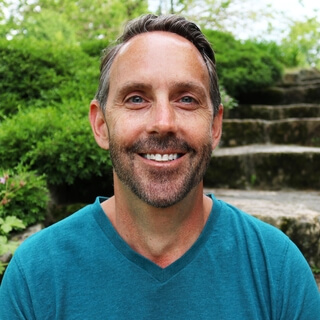
His name is Adam Gutmann and he is the director,
Or I'm not sure of the title,
But he runs Inspired DR,
Which is a program here in Cabarette in the Dominican Republic that helps people in the area.
So I'm going to bring him on so he can explain a little bit better exactly what he does.
So here's Adam.
Hey,
My friend.
Glenn,
How are you?
Doing wonderful.
Thanks.
Good to see you.
Great to see you.
Excellent.
Yes.
I was lucky enough to go down and get a personalized tour by you of your facility and I was very impressed.
So why don't you tell the people a little bit about yourself and what Inspired DR is all about because it's a great program.
Well,
Thank you and thank you for having me on and connect with you on what's happening with us.
Well,
I found myself after a long extended work project in the U.
S.
Where I'm from.
I'm originally from Florida and how did I find myself down in Cabarette?
I came down for an extended vacation after a big,
Long,
Grueling project and really had been here once before,
But I got re-acclimated and was here for six months on a,
You know,
A breather,
A relaxer.
And so while I was here during that time,
I just noticed that there was,
You know,
A lot of,
You know,
Young boys,
Boys just on the street and,
You know,
On the beach and stuff and kind of no real direction.
And so as my time went on here,
I just connected with a buddy who I'd met here.
He and his wife had a little shop downtown in Cabarette and we,
I just kind of pitched the idea,
Hey,
What do you think if we just set up a little,
Little after school,
You know,
Program just to help the boys,
Give them some guidance,
Give them some direction.
And,
And that started with,
You know,
Like nine,
Nine boys from the community,
The parents,
You know,
Were,
You know,
You know,
Coming to see us.
We set up a little place downtown Cabarette and parents would come in and bring their kids in and they wanted some,
You know,
Some help,
Some guidance with the boys.
So we started this program,
We're just teaching English and,
You know,
Beach cleanup and we did sports and just,
You know,
Simple something to do,
You know,
Keep them off the streets.
And so I came to find out that 41 percent of the boys in Dominican Republic drop out of school.
Wow.
So like,
Wow,
OK,
Maybe,
You know,
This is something that's,
That's,
That's a big need here.
And we start talking to parents and they're like,
Yeah,
We want to put our boys in the program.
Like we didn't really,
We just,
You know,
We're doing it for fun to help out while,
You know,
While we could,
We could,
We could offer something.
And so that's kind of how it started.
And so we went from nine boys and 10 years later,
We're at 90 boys in the program.
We teach life skills and values,
You know,
To at risk,
You know,
Youth boys,
Boys ages nine to 18 that are at risk.
There's already a program here for girls working with girls.
So we,
You know,
That's what what left the void for for doing something with the boys.
And so it's kind of mushroomed from there.
And now the boys are starting to graduate the program.
They're getting they're employed and getting jobs.
And,
You know,
Our idea is to is to guide the youth,
The boys to become responsible men,
Husbands and fathers.
And how beautiful is that?
Yeah.
Yeah.
So it's really taken off.
We've gotten a lot of community engagement and,
You know,
That,
You know,
Businesses are starting to hire our boys and like,
Yeah,
We're getting great,
You know,
Testimonials and results.
And so it's been really,
Really fun.
Really good.
We had an awesome team,
You know,
Just just been been a blessing.
And we're so fortunate to be able to make an impact here in a place that we love.
Yeah.
Yeah.
And that's,
You know,
That that's one thing that really impressed me about your program is I'm a firm believer in actually getting to the root of the problem,
You know,
Which I think a lot of programs do not do,
You know,
And a lot of charities,
A lot of them don't do.
You know,
They throw money at a problem and and it's,
You know,
So to get to the root of it,
It's you know,
It's it's how people think it's how they interact with life.
It's life skills.
And,
You know,
When I saw you teaching that people had to be,
You know,
These boys,
How to be men,
How to be good men,
You know,
And I'm like,
Wow,
Like that is that can change.
You know,
That can make an impact and change a society for generations to come,
Because it just it doesn't just affect one person.
It doesn't,
You know,
Get somebody to eat one meal.
It changes the entire direction of their life.
And then that gets passed down to the next generation.
If you have somebody that's a good father and a good man,
He's going to raise good children,
You know,
And if if you have somebody capable of working and taking care of their family,
Then their children are going to be growing up,
Expecting to work and take care of their family,
You know,
And,
You know,
So it's just it just multiplies forward.
The ripples are amazing.
And that's something I really loved about your program.
Yeah.
And,
You know,
That's a great point,
Because one of the keys is our philosophy on positive reinforcement and some people call it positive discipline.
So,
You know,
The basics of showing up on time,
Being respectful,
Cleaning up after yourself,
Those kinds of basic things,
We reward that by taking them surfing or,
You know,
Extracurricular,
Going to the beach or going on field trips and stuff like that.
So it reinforces those that good,
You know,
Positive behavior.
We see it,
You know,
In the feedback from the teachers in their public school that we we visit them to check and see how the boys are doing in their classes,
In school.
We talk to their parents.
We do,
You know,
Monthly parent meeting talking about not only what their boys are doing,
But what the parents are doing and how they're,
You know,
The challenges that they're having.
And what are they you know,
What can we do to help them and support them in their,
You know,
Daily,
Daily,
You know,
Raising of their their kids?
If we if we can,
You know,
Here are our experiences.
Is this can this be beneficial or helpful to them?
And what are they seeing?
And so we can learn from the parents,
Too.
So it's it's,
You know,
It's takes like like they say,
That cliche takes a village or,
You know,
To to to bring up good kids.
And,
You know,
We're working focusing on boys.
But,
You know,
The boys are it's super important that the boys are,
You know,
Respectful and and caring for for the females and in their lives and from their moms and sisters and so on and so forth.
So it's all,
You know,
It's all encompassing.
And so that's what we're trying trying to,
You know,
Make our impact and give give something back that that's going to have meaning,
You know,
Long term.
So,
Yeah,
The life skills that they're learning are amazing.
And it's you know,
It's the like what are the different programs you have?
I know you have like public speaking.
Yeah.
And technology,
You know,
Computer stuff.
And like,
What are what are all the different aspects that that you teach them?
I mean,
I do want to know this and I want the listeners to know this.
But,
You know,
To me,
To me,
What we just talked about is almost more important.
It's like these things are a way to support the vision and the vision is really making people like you said,
Man,
Just teaching people to show up and be respectful like that.
It sounds so simple.
But if you if you were to poll probably most people,
You know,
Over 40 in the world,
You know,
In the United States and other developed countries there,
You hear people complaining about it all the time.
You know,
These kids aren't respectful.
They don't you know,
They don't know how to work.
They don't show up half the time.
Like it's you know,
It's the same stuff in the United States.
And you're over here in the D.
R.
Showing these kids how to do that.
And I mean,
You know,
Yes,
You need specific vehicles to teach them how to do that,
Like I.
T.
And public speaking and stuff like that.
Yeah,
But it's it's just so important.
I mean,
Even like I think you're around my age,
Somewhere around even our generation.
You know,
Like we used to I've I've we've said it.
I remember hearing it when I was in school,
But then all through life.
It's like there's no life class in school.
They don't teach you how to live.
They don't teach you the things that you need to actually live.
They just,
You know,
Teach you these subjects,
You know.
Right.
So yeah,
Life skills and you're using these programs to to to teach these life skills.
Well,
That you you hit the nail on the head.
We do this.
These other things,
The computer literacy,
The English,
Public speaking.
We have a woodwork shop.
We teach social social enterprise entrepreneurship.
One of the key things that we did was.
All right.
When I came here,
I found out.
I came to Cabo Dente.
I found out that 80 percent of the population doesn't know how to swim.
So we said on an island,
On an island that lives where they live on the beach.
Right.
Well,
And there's a but there's a lot of fear associated that with the parents and and,
You know,
Not not wanting their kids.
Plus,
The North Coast can be a little little choppy at times.
And the rip currents,
You know,
Can be there.
It's also one of the things that attracts people to this area because the kite surfing,
Kiteboarding.
But,
You know,
The conditions at times can be can be dangerous.
If not,
If you don't know how to swim,
If you know how to swim,
That's,
You know,
That's that's a different story.
So so we decided to build the swimming pool because there are no really public access swimming pools.
We built a swimming pool,
Full size swimming pool,
And we wanted every one of the boys to be able to know how to swim.
It builds confidence.
Right.
They can also save somebody else that may be in a position.
Fourteen of our boys now,
Now as they've gone through the program,
Have skills,
Junior lifeguard skills.
They can save somebody.
They know CPR.
So it's when you kind of when you were talking about going back into,
You know,
Life skills.
Well,
That's a confidence builder,
Too.
I know how to swim.
I,
You know,
I'm certified.
That goes a long way.
So all that stuff that we teach and the sports as well.
So we kind of use some of those things as carrots to to also entertain and have fun.
But we can teach a lot through the through all the sports and everything.
There's a lot of values that you can get from that.
You know,
Being a good winner,
Being a good loser.
Nobody likes to lose.
But if you're going to lose,
You know,
What's what's what's the best way to handle it and get better,
You know,
So improve.
So that's,
You know,
It all ties into to,
You know,
Those life skills,
Like you said,
And values that are so critical,
Especially in this day and age when that's,
You know,
That's it's so much of it is,
You know,
Math and science or whatever.
But let's get back to the basics.
And how do you build something with your hands?
How do you create something?
How do you get up and talk to somebody in public?
You know,
And those things,
You know,
You carry forever.
Yeah,
Yeah,
Absolutely.
And I and I agree with you.
You know,
I think there's it's definitely my way of learning is hands on and participation and like I would have loved your program when I was younger.
Most of what I most of what I learned,
You know,
I've I've kind of stepped back and looked at what I learned through sports,
Especially when my son was young because he was playing sports.
And,
You know,
And you have these conversations and you have these thoughts and and it's I learned very little in school that I used moving forward in life.
You know,
I mean,
Aside from the basics,
You know,
You learn to read and write and you learn to do some basic math.
You know,
Yes,
Of course.
But beyond that,
I didn't really use anything that I learned.
And I sure as heck didn't learn to be a good person and how to interact in healthy ways or manage my emotions in any way or anything like that.
In school,
I was told to shut up.
And when I didn't,
I got sent to the office.
You know,
It's it's like you learn to follow rules.
Shut up,
Sit down and follow and just follow the rules,
Which I was never good at.
So so it was pretty it was pretty rocky.
Principal's office for Glenn.
Yeah.
Right.
Yeah.
I lived there,
You know.
So so like it was and,
You know,
A lot of it was ADHD.
I wasn't a bad kid,
But like I but when I look at it as,
You know,
A whole and I go,
OK,
You know,
Just the way school is set up,
How did that how did the the dynamics of my classes turn me into a person that's ready to be a productive member of society?
And I can't really come up with any answers to that.
Now,
When I look at sports and even some other activities outside of sports,
But something that I took interest in and was a part of and there was a team orientation to it or a respectfulness that was expected and like all this stuff like I learned so many life skills through sports,
You know,
How to be a team player,
How to think of somebody other than yourself,
How to,
You know,
Do something for the common good,
How to like there's so many wonderful skills and it's you know,
Of course,
It's not just sports.
That's just one example.
There's lots of different ways.
Arts and music and and building things with your hands.
Like you said,
You know,
You have like you have people come in and do specialty classes and stuff,
Right?
Yeah,
That's right.
That's right.
We we've done anything from acting to improv to building the boys building cornhole game or any kind of a volcano,
You know,
Erupting volcano,
Different things,
Learning about stuff.
It's a lot of fun stuff,
But you're learning,
You know,
You're learning while you're doing some fun stuff and it becomes just kind of,
You know,
Second nature or natural to deliver those,
You know,
Those skills and values and then,
OK,
Let's clean up after ourselves now.
OK,
We finished the project.
But like,
You know,
We when we first started like our workshop,
For example,
You know,
The boys are like,
OK,
Hey,
I just want to come in and build something.
And they just start,
You know,
Grabbing some wood and start to build it.
But like,
OK,
Well,
Actually,
We're going to come up with a plan.
You want to build,
You want to draw it out.
What do you want it to look like?
Just some basic stuff like that to get them thinking,
OK,
How,
You know,
What's the measurements,
Dimensions,
How to use a measuring tape,
You know,
Simple thing we think take for granted.
But that's how,
You know,
That's how it started with many of these programs just to just to give some basics and the foundation of these things.
And they're really they're really just tools to to to to bring together.
And one of the things you mentioned about school and I think about school and university when I.
Is that the networking?
So the boys are these 90 boys right in the program.
Now,
Do they they go,
OK,
Well,
This,
You know,
Raniel,
He's good at this.
And,
You know,
Johnny's son's good at this.
And Ezekias is good at this.
Well,
They can start to formulate their future businesses together and go,
Hey,
You're good at kind of finance and I'm good at sales or let's team up and do something together.
And really,
That's awesome.
That's the cool stuff,
Because we want them.
We really want them owning their own businesses.
Not everybody's going to maybe own their own business,
But but we want.
That's why we're teaching entrepreneurship.
How do you build that personal finance?
What do you what do you what do you need to know about personal finance?
You're making money.
What do you do with it?
How do you spend it?
Save it,
You know,
Save it for a rainy day.
This kind of stuff.
What's it cost to have a baby?
Simple stuff like that.
That's a good one.
Right.
And then and then take that to the next level.
OK,
Professional development.
Here's what you need.
Put together a resume.
And what do you need to do with that?
You need to have a resume.
You need to have a resume.
You need to have a resume.
Oh,
Wow.
If we come together,
We can create something amazing because we all have different skills.
And and like you said,
That the concept of just creating a plan,
You know,
It's like I was taught at an early age to,
You know,
Measure twice and cut once,
You know.
So it's that mentality of like wrap your brain around what you're doing first,
Put together a plan and then do it.
And then you're not wasting material.
You're it's done right.
You're not halfway through and then go,
Oh,
Whoops.
We can't even do this because we don't even have half the stuff we need.
Like so that forward thinking,
I think,
Is so important.
And,
You know,
I keep kind of relating.
I keep oscillating back and forth from the United States to here because that's the two places I live.
And and I love living in the D.
R.
But there's a lot of examples or proof that that these kids weren't taught this before because like a lot of the businesses now,
You know,
The mechanics or the construction or the things like that.
Like,
You know,
I've had I've worked with a lot of projects and a lot of times the Dominicans will just start working,
Man.
You know,
They just they don't really have that plan.
They haven't really thought it out.
They'll just figure it out along the way,
Which is really cool for creativity.
They can be extremely creative because of that,
You know,
Which is cool.
But it can cause some problems too.
And then and then I go back to the United States and I'm like,
OK,
Well,
How what does that look like in the United States?
And I'm like,
Because like I grew up in a furniture factory town.
A lot of furniture factories had closed when I was a kid.
But there were some still there.
And it was a lot of blue.
It was a blue collar town.
I guess that's a good way to explain it.
So I did my time in my teen years and my early 20s in this blue collar industry.
And it was the same way in the United States.
Like most of the kids didn't know how to measure twice and cut once.
Like,
I mean,
I was 18 years old.
And I was running the floors for a seven story building in Massachusetts doing steel work.
Like I was running all the floors.
Why?
Because I knew how to do a plan and use a measuring tape and stuff.
And I had to teach a lot of these these these other people like how to use a tape measure,
Like because they weren't you know,
They weren't they didn't have that plan in their head.
So like I just think in the United States,
Like the reason it's not so rampant in adults is just because it's not tolerated.
You know,
Like if you when you get into the you might you're not taught it growing up.
A lot of kids aren't.
But then when you get into the field,
The people that you're working would teach you this stuff,
You know,
Because there's a way to do it and it's very structured.
It's more structured in the US,
Whereas over here it's not as structured,
You know,
So these skills that you're teaching these kids,
I think it's invaluable and I really do see how it makes an impact on the community in the future because we are going to have and the other thing you mentioned was finances and I kind of saw the same thing with finances like there are some really good mechanics,
Electricians,
Plumbers over here when you find them,
But they don't know how to run a business,
Right?
So when you've got these boys coming in and not only are they learning how to use these skills in a proper way to get a better outcome,
But they're also learning,
You've got others or sometimes the same ones learning how to run a business,
Like that's going to impact this community dramatically over the next 10,
20,
30,
40,
50 years,
You know,
Dramatically because the people that are running the businesses are going to know what they're doing.
Yeah,
You know,
You touched on something,
The thing about Dominicans,
They're very resourceful because they're usually limited on resources,
What they have available to them so they've got to be creative and that's a beautiful thing that you can accentuate,
Bring that out but then also give them some of this foundational skills where they can then flourish with,
Okay,
Yeah,
I'm going to come in and create a plan first and then I'm going to use my creative skills then to make that even more effective or whatever.
So,
We love that about the boys,
The little dudes that are coming into the program and their eyes are wide open,
They're ready to learn and they want to get better and so that's for us it's a real reward to see them as they go through the program and then the results.
One of the boys that came to us because he heard that he could learn how to swim,
That was why he wanted to come,
He heard from his brother that he could learn how to swim,
His name is Mark Kendi and so that was important to him,
He came into the program,
He was with us for a number of years,
Six years,
Five or six years in the program,
Learned all these skills and then we ended up hiring him because he had an affinity for photography so we hired him as our photo videographer that AV department and then he's developed his skills even more,
Learned how to email marketing,
How to communicate,
How to message and so now he also,
By the way,
He also got a scholarship while he's here to Isla Academy so he ended up getting his GED,
He graduated from international school,
Accredited school,
High school so he has that on his resume.
We hired him,
He's now running,
He's our digital marketing coordinator,
Learning all these skills in today's world,
AI,
He's creating agents,
AI agents,
Doing all this amazing stuff with us and all these things that he had that foundation and we've got more great stories like that that are happening so we're starting to see the fruits of all that work from the team to now the boys are graduating and they're going out there and getting jobs and they're in demand here locally because they have this basic skill set plus values that employers you know want and need in the community.
Yeah and that's it that's you know I just I don't think I realized for a long time how much I love that word values you know and it's come up a couple times in this conversation and and every time it just like jumps out at me and goes yes Glenn that's what it's all about.
You know it's about the values so it's you know because like I said that's what changes things long term.
It's not learning some little fact about something it's about changing your values and how you know because that changes how you interact with life and it's as soon as I talk to you you know like I mean you know I'm doing this big land project and like when I talked to you and learned about what you do and what you teach these boys you know of course part of me is is wants to help so so I'm like okay what can I do you know but then the other part of me is like wow you know once this land project gets going I might need some help in some different areas you know and I'm like I know one of the places I'm going because you know because you're you're teaching you're teaching these kids like just teaching them English is huge and it's not you know I I think actually I think this is kind of important for for people to hear just the concept about respecting their culture like so like teaching people English is not important because I know English like it's important because like when Pete this is a tourist destination you know when people travel even people from countries that don't speak English if they're going to learn one language they usually learn English so people from Germany and you know and all over Europe and a lot of the ones that travel speak English so if you're going to have a second language English is the one just because it opens up so many doors it opens up so many employment opportunities you know and so it's not about changing their culture it's you know and I was kind of thinking this when you were speaking earlier because you said you know they have this natural creativity and you can feed that and living over here in the DR I see a lot of that like and gratefully I had people point this out to me as soon as my butt came over here and said Glenn because I had never traveled internationally before so I had people some of the people you know literal Dominicans and then some people who had lived here a long time explain how to interact with people in an appropriate way and explain that if I was coming over here to try to turn the people over here into people in the United States I should just go back to the United States you know and I love that so to me it's you know life is about balance so it's always about the middle way so it's about you know there's tons of things that the Dominicans are in my opinion better at like they're better at being happy they're better at being non-attached to material things they're better at creativity they're better at like there's lots of things that they're better at and those are the things that we recognize in them and feed and congratulate them on and embrace as their culture but there's also things that we've learned living in the United States that we can bring over here and help them improve their quality of life without damaging their culture you know and I think that that's where the middle road is and that's and I think it's you know I'd love your take on this but I think the way that your program is designed it almost it kind of naturally does that like seamlessly yeah that's so important I'm glad you brought that up because we're not here to change the culture we're here to offer some other opportunities or other you know some alternatives to how do you get from here to there and so the Dominican culture is amazing the dance the music just the like you said the pleasure and happiness that they get out of and joy that they get out of life is something to be you know appreciated and cherished and so we take we're looking at that as we're weaving through to teach values and some of these skills and bringing out and accentuating and pulling those great things that Dominicans are well known for and I talk to friends back in the states or anywhere and I tell them I'm in the Dominican Republic and they'll immediately say I have this Dominican friend I love them I love being around them and it's you know it's different with other cultures you know it's just they are the life the party we love having them that's the response I always get me too yeah so that's infectious like that's it's just it's really so it's really a pleasure yeah there's you know there's some things that you go wow it's not like that maybe where I come from but that's okay it doesn't have to be like where I come from in Florida and in fact I'd rather it not be just like that because then I could just be in Florida and I love going back to Florida I love going to Chick-fil-a or just whatever but I got the best of both worlds here I'm still part of the United States I'm a proud citizen of the United States I love my country but I also love being here and what it offers me and you know to to you know expand my my horizons and abilities and I can learn every day so yeah yeah that's that's it and you know when I came over here I was over for nine weeks and then went back and moved over seven weeks later and it was and I remember you know people asking me you know why why are you moving over there why did you move over there you know and it was like when I kind of settled in the thing that came out was I I knew that I was going to be a better version of myself over here you know and and it's it comes off of what we're just talking about it comes off of the the the culture over here and me looking at it going you know what I can learn from them like like I'm I get the United States way of living and I can function in it and I can excel in it if I want I can like I get it you know but when I come over here it's just that you know it's the it the word culture is something that's deep and embedded you know and and it's just it's there's not a day that goes by that I don't see something that I would never have seen in the United States and I love that you know I love like like a week or two ago I was riding in the back of a pickup truck with my dog you know like and I'm standing up holding onto the rack and I'm like I'm loving it and I'm like oh my god this reminds me of my childhood in my childhood we used to be able to ride in the back of pickups and it's just an energy of freedom over here there's not so many rules everything isn't so structured and I love that it makes me feel free and open and then sometimes I have to wait a long time for my food at a restaurant because of that you know and I have to remind myself go Glenn do you really have someplace you need to be like relax just enjoy you're sitting at the beach enjoy the view be present relax you know and it helps me be a better version of myself by reminding me what's important and if I get caught up in materialization materialism or something it's like whoa it's not like that over here so it it reminds me to detach you know from from all the conditioning all the toxic conditioning that there's a lot of that in the United States you know and over here it's so different it helps me yeah that's a cultural cultural you know thing and it's you know fast-paced in the US a little bit more depends on where you're from I grew up in a small town it was less of that a little bit less of that but but you know it's competitive right but yeah and here it is it's family family is a big part of the culture and that's where you know those things come into play where you see that old school like we think it used to be and it was you know it's like that here and maybe that's you know social media it's here but it's maybe just hasn't influenced as much as some of the influences that we see and everything is immediate these days you see the news immediately and it's the 24 hour news cycle or less so there's still this island mentality tomorrow I'll get to it tomorrow you know and there's a lot to be said for that too because it's you know you get like you said you hit it it's a balance you know what do I really need to do and get done today and then maybe something else you know isn't gonna get done until tomorrow or the next day or the next week so it's an adjustment and it's it's patience you know you gotta be patient yeah and I think you have to look you know like you have to look for for that because we are so conditioned it's just second nature to be how we are you know and then so when you know when the food's taking a long time the first instinct is is impatience but it's it's being aware enough to go hey wait a minute why did I if I want my food in 30 seconds then I should have stayed in the United States like I came over here to relax more and have a slower pace of life so enjoy it you gotta embrace it right yeah you gotta make those decisions and I think like the other thing I see over here that is so wonderful is community like you know people live not only community like like people live multiple generations will live in the same house you know the towns are smaller like it's and there's an effect because of that I think in the United States we're so independent and so separate we don't even know our neighbors you know and the generations don't live together so like what I see in the United States is so much division and separation amongst people and I think part of that is because there's such a lack of community because like with these people if they're if you grow up in an area where you know everybody where you have little children growing up with older children and their parents and their grandparents it's multiple generations learning to interact with one another on a daily basis not going to visit your grandparents once a month you know or even once a week but living in the same house with them like you need to learn to interact you need to learn to have some respect for older people living in that environment because it's not going to be tolerated if you don't you know so it's it really shapes the culture really shapes how we are and I think it helps like I think one of the we don't in the states we don't know how to communicate very well if somebody disagrees with us it's like I'm cutting you out of my life and over here you're like disagreeing with somebody that happens daily like you can't live in a house with three generations and not have disagreements on a daily basis they don't take them so seriously it's like oh I disagree with you so I disagree with with them yesterday and them yesterday and them yesterday whatever with family so that is kind of how it's you can have disagreements but you still love that person and I think that's something we forgot.
I politics and religion and there's certainly some of that that plays in here but we see that a little bit more magnified in the states where it used to be you could have a political view and it didn't mean you were going to chop somebody's head off so that is different and goes back to family and the respect for family.
Now I grew up in a town that was very similar to Cabaret Day where everybody knew each other and it was a small town like this size or smaller and you could rely on people and you would help your neighbor and it didn't depend on what their beliefs were politically.
So I appreciate that and maybe that's why I also like Cabaret Day because of that childhood experience.
And I think it's you know look I still there's a lot of you know great things about I think the United States does things well and you know I think there's the Constitution I mean it's rare it's still rare in the world some of the freedoms and things that we have but it is you know encroached by you know the development of society and it's different than it is here.
It's a little bit more back in time here and that's to be appreciated.
So again I like to experience both when I can and I work you know I'll go back and work in the states at times do some consulting work.
That's how I make money or generate revenue not within the organization.
So I still need to have my foot in the United States and so I appreciate that but there's no doubt this is a unique spot and to be appreciated by everybody that's here.
Yeah.
I agree and it's just like the I was saying that the benefits of the Dominican Republic are you know there's good and bad and it's we want to feed the good and starve the bad and we can bring in some things from the United States over here that we're a little bit better at and help situations and it's the same thing with the United States or anywhere on the planet.
There's good and bad everywhere and it's just about feeding the good and starving the bad and you know having that good expand.
So yeah I think it's huge.
It's a wonderful thing.
Well and the other cool thing about Cabaret is it is international.
People come here from all over and one of those attractions is the water sports here.
There's kite surfing,
Kiteboarding,
Wing foil,
You know all that.
There's amazing wind here on the north coast.
It's very well known in the Caribbean and throughout the world.
People travel here from all over and the surfing here is also really good.
It's not Hawaii but it's good and you can surf in the morning and go kiting in the afternoon.
It's a really unique environment too.
Culturally it brings in some of those people from outside,
Different parts of the world and then that meshes all together here and so it's a really unique place.
Yeah and one thing that I found out was one of the reasons or I guess possibly the reason that it's so good for these sports is because the mountains are so close to the ocean which creates the wind which really enhances all these sports which you know me I live up in the mountains so I love that.
I love living in the mountains.
I love and we've got the tallest peak in the Caribbean which is I climb Mount Washington and New Hampshire and stuff you know that's as far as I'm going.
I've got a friend that attempted Everest a couple months ago but I ain't doing that but the hiking up here the rivers the waterfalls you know you've got all this stuff and that's the stuff that I really enjoy the most.
I love the mountains and I love the peace and the quiet and I love being able to hop in the car and cook down to Cabaret once twice a week and have all everything that that beach town offers at my fingertips you know with just a short drive away and it's like so I love I love Cabaret you know and I love this whole the whole North Coast area it's very special like you said.
Yeah you're right you're right it is you know 45 minutes away you can get up into the hills up in the you know kind of mountainous area and that's that's also unique.
So this you know this this this country offers so much and if you ever come to I don't know if Glenn if you've been to Gordito's but if you come you gotta you gotta go to Gordito's.
You got to yeah yeah some of your guys work there right.
Yeah yeah not currently right now we've had boys go through their interns learning about you know customer service and working for Deidre over there and so yeah we love it.
They're big they're supporters of the program as well.
Deidre's great.
Yeah Deidre's awesome.
You know Deidre listened to this podcast years for years before I moved here and I said like so I started doing you know I came over for nine weeks and I'm doing my podcast well no it was before I think it was before I even came over those nine weeks and anyway I said I was going to Dominican Republic and she's like where are you going and I said cabaret she's like you gotta be kidding me that's where I live you know so I come over and you know the day after I got here like some some other strangers that I had never met in person but I had met online picked me up at the airport brought me to my Airbnb helped me find an Airbnb in Perla Marina where they were and I was like okay this is a good area because I had no idea what I was doing you know and then Deidre comes over the next day in a taxi and picks me up takes me to the grocery store helps me get food help me get my SIM card changed like got me all set up I mean she's just she's she's an angel man I mean she's such a special person and such an asset to the community and I was at Gordito's I don't know maybe six months ago or something and I knew she was off traveling somewhere and I was at Gordito's and I was so impressed with the customer service there and what they were doing that like you know the food comes out quick they're they're washing the window of the door because there's a handprint like and I'm sitting there going so I messaged Deidre he says hey just so you know relax and enjoy your travels everything the people you have working over here are just knocking it out of the park even though you're not even here I just had this amazing experience and she's like oh thank you it's so good to hear that you know but that's a testament not only to her and Gordito's and how they run things but it reminds me of your program because that's what you get with when you have people that learn the proper values and then you put them into a work environment they implement those proper values and it really enhances the experience for the rest of us yeah you're right you're absolutely right and Deidre she runs a tight ship the crew is amazing there and so that's you know her her her fingerprint on that and then you know just finding the right the right crew but yeah she's great she's she's they they've been big time long time supporter we had our first before we even had inspire that was our first location that we went to Stefan and I we sat out right outside on one of their their their their tables and we're talking about okay what do we do now do we do we take this to a little bit another level with inspire and so that was our first business kind of business meeting there with Stefan and I so they were influential and supportive for sure and and Joe who now who runs the Beach Club at Seahorse Ranch another restaurant really like a higher end beautiful scenery right there out looking out at the water the ocean just a beautiful also another beautiful spot but he's very supportive as well Joe so those are two great spots you know if you're you're in town you come to Cabaret Day you want to hit those spots yeah yeah there's so many good people out here there's so many kind people and helpful people it's just it's such a special beautiful community so yeah but I think I think we can wrap up so I mean how can people help Inspire DR you know because it's such a program that I believe in so what's what's the best way to get in touch with you I'll put a link in the description here but yeah how's how can people help okay well great thanks for thanks for asking Inspire DR org go under our website check out what we're doing and see yeah see if you know if that makes sense for you and and you know we'd love to we'd love to talk to you or whatnot but but it tells you it tells you about what we're doing it gives you good gives you a good picture of what we're doing why we're doing it and and what what the results we're getting from it so yeah Inspire DR org yeah you know I think that's that that's perfect because like what I noticed with you when I met you and when I went and and viewed the property and stuff you're very you're very open to discussions which which I think is cool you know sometimes things are so structured that it's like well you just give me you know twenty five point two three dollars per month and it sponsors a kid and shut up and get away from me like you know whereas you like your program it's it's smaller it's more hands-on and you're like you're so open that it's like oh yeah well you know like oh you want to you have something that you can teach our boys let's see if we can work something out or you have an idea that could oh you know let's talk about it like it's so so I think what you just said kind of reminded me of how I felt when I went to visit it was like oh yeah he was so open to new ideas and and and helping these boys in any way that it's probably better to give them that the the website and have them reach out you know yeah well one that it's interesting you bring that up because um there's all kinds of ways to support um yes of course you know their their funds are needed to operate the program but we we so we have the core program but then people do they'll come in and they'll go hey you know I'm I'm I teach acting great we would love for you know to have a project it could be a five week you know workshop on acting or improv um you know that's roger teaching you know acting or tanner teaching improv or you know all this you know great stuff um that we can we can introduce to the to the little dudes that this expand their their their their ways so that also leads to you know supporting it's it's supportive of the program so if you come and you got some great you know something to bring then let's talk about it that that's awesome yeah yeah it's awesome well keep doing the good work my friend glenn thank you for um for just you know giving giving some time for us to to talk about what we do and and um we really appreciate your you know you spending some time allowing us to do that so thank you yeah my pleasure and I plan to be involved even more in the future so thank you for what you do I appreciate it right on right on all right keep it real sounds good all right thanks everybody for watching and um we will talk with you soon peace you