Welcome to Life,
Lessons,
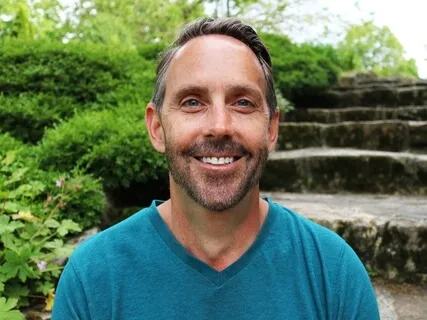
And Laughter with your host Glenn Ambrose.
Hello everyone,
Welcome to the show today,
Which is so appropriate for the season.
We are talking about seasonal depression.
It's so cold.
This has knocked seasonal depression into a whole new realm.
I grew up in Massachusetts and then I lived in Florida for 10 years and it just dawned on me that that probably makes this worse.
I shouldn't have said that out loud.
And then I've been living in Rhode Island for the last 13 or 14 years.
So this is nothing new to me.
I know it and I know I don't like the cold,
But we've had,
For our area,
We've had blistering cold for,
Was it two or three weeks now?
It was like the day after Christmas or Christmas or something.
So it's been two weeks and it's ridiculous.
And I'm not surprised I said two or three weeks because yeah,
If it's been two,
Then it definitely has felt like at least three.
But yeah,
It's like around zero and single digits and stuff like that.
And although we have days like that in the winter,
It's not usually like two weeks in a row,
Just solid.
My house got angry yesterday.
I'm living in a brand new home with,
Everything's new there.
And I woke up in the morning and the heat wasn't working for no apparent reason.
And the smoke detector,
One of the batteries just said,
I'm done today.
And that was beeping.
This is how I woke up with beep,
Beep,
And freezing.
And then once I took care of those two things,
And fortunately it was just restarting the furnace,
So it wasn't that big of a project,
But once those two things were handled,
I realized that I had no water.
Because the breaker tripped and whatever.
So then we needed to heat up the water.
So I think it ended up taking me about another five hours before I got water.
And this is in a new home.
So I'm thinking like,
Yeah,
I think the house just got irritated.
Just said enough.
And today we're getting our break.
It's supposed to be like around 30,
I think,
Today.
Up to 40,
I think.
I went outside to get some equipment for the show and I bundled up a lot just to go out to the car.
And then I opened the door and I took a couple steps out and I was like,
Oh,
It feels like spring.
Yeah.
Yeah.
And it takes a few days where you go,
Well,
I'm just running out to the car.
I don't need to bundle up.
And you open the door and your breath gets taken away.
And just like,
And then finally you go,
OK,
I'm starting to bundle up even if I just have to go to the car.
By the way,
It is still currently below freezing outside.
It's 31 degrees right now.
So that's we're talking a lot about the weather.
But I think that that's what just brought this to the surface because everybody around here is freaking out.
And it's just and it is around the holidays,
Which is those are,
I think,
The two things that really kick off the most obvious seasonal depression is just the sheer fact of the holidays as well as the cold weather coming in.
So it's part of seasonal depression is that you're staying inside more and you're not out doing as many active things and you're stuck inside.
And a lot of times you're stuck inside with family,
Which can be our first source of triggers.
So we can get triggered more often.
Plus we're inside not doing so much,
Not distracting ourselves so much.
So that can also bring up all the stuff that we've been distracting ourselves from.
And when we're still,
That's when if you want to grow spiritually,
Just go sit in a room for a couple hours with nothing to do and don't distract yourself.
Some stuff will bubble up and you'll deal with it.
So I think a lot of the staying in the house and stuff,
We have no place to run and distract ourselves.
We're just kind of stuck with ourselves.
And if we're not in real good space,
We are not very good company.
I don't remember what the circumstance was,
But like a week ago,
Dave,
Our fellow producer,
Said that he was going to go do something.
And I was like,
Well,
I'm not staying in this room.
I didn't stay in the room.
And he was like,
What did you do?
And I was like,
Well,
I wasn't just going to stay in there and have nothing to do.
And he was like,
You can't just sit,
You have a phone.
You just sit in a room all the time by yourself.
You mean you didn't have a TV to watch,
A video game to play or a computer to be on?
But you did have your phone.
What do you mean you can't sit in a room by yourself?
I was like,
Oh no.
Yeah,
We are masters of distraction.
That's not good.
But last night I sat in a room,
This room,
As a matter of fact,
Completely by myself,
Just watching a fire,
Which is pretty odd.
That's the one thing about winter,
Having a fireplace for the first time in my life that is very nice is just watching a fire.
It's calming.
It's peaceful.
Yeah.
It's great.
But no,
I couldn't do it.
I couldn't just sit in a room by myself,
Which is horrible because I've always been able to do that.
Yeah.
So that's just,
You know,
And this is why,
You know,
We have to be careful with the technology.
I mean,
I like technology.
I like a lot of the things that it does.
I find it interesting and neat.
And,
You know,
I got a Google Home for Christmas.
Did you really?
I did.
And I love playing with it.
Okay,
Google.
Okay,
Google.
Set timer for five minutes.
Okay.
And it does.
And I'm like,
This is neat.
And then I screw around with it because like I'll get an email like once a week that tells me what it does.
And it says like that you can ask it jokes.
So I go,
Hey,
Google,
Know any good jokes?
And it'll tell me some really,
It doesn't know any good jokes.
I mean,
I thought my jokes were corny.
These things are horrible,
But it just makes me laugh because it's,
You know,
It's a machine telling bad jokes.
I did that for a long time when I first got an iPhone with Siri.
Yeah,
You just screw with it.
Oh yeah.
Yeah.
So,
Well,
Anyway,
Let's get back onto the topic.
I don't know where we got here,
But I like the tech stuff,
But we have to be careful to not distract ourselves constantly.
Right.
You know,
It's like if there's,
If you have to wait in a doctor's office for five minutes,
You're on your phone.
You know,
It's just,
I mean,
We have to be able to still sit and be still because otherwise,
Honestly,
We don't even know what's bothering us.
We could have things that are really going on inside of us that we need to deal with.
And we are completely unaware of it because we just never get to a place where we're not distracted and we're still and where we can actually go.
Like if,
You know,
We're not distracted and we're still,
If there's something bothering us,
We'll feel really uncomfortable.
Like you know,
And what if people don't slow down,
They think the uncomfortability is like boredom or,
You know,
They don't have anything to do and they're supposed to have something to do.
Like there's something wrong with the situation.
There's nothing wrong with the situation.
Like we're supposed to be able to just sit there and be still and be content.
You know,
We,
Not for,
Not for months on end,
But we should be able to sit with ourselves and not experience it in innate sense of discomfort.
If we are,
Then that stuff that's within us that needs to be dealt with and felt and released and,
You know,
Because if you like yourself,
The first time I experienced it was when I flew from Florida to Rhode Island and after I had woken up and when I was on the plane and I took 6 million things to distract me,
Like I always did,
You know,
Books and headphones and computer and CDs to listen to and music and audio CDs,
Books and like all this stuff.
And I was sitting on the plane and I'm going through each one of those and they just,
I didn't feel like doing them.
So I just sat there and I was,
I really enjoyed the flight.
I enjoyed just sitting there.
So when I landed,
I got back and called my friend and I was like,
Yeah,
It was really weird.
I kind of sat there and he said,
Well,
It's the first time you liked who you flew with.
And I said,
No,
No,
I flew alone.
And he goes,
Yeah,
I know.
I was like,
Oh,
Oh,
I liked me.
Yeah.
Oh,
Okay.
You know,
That was really the first time I really experienced it.
When I was a kid,
We would,
I would stay after school for everything because I did theater and like student council and but detention.
And I,
But I would stay after for things that were just a little bit longer than the late bus would come.
I don't know if everybody has a late bus,
But we had a school bus that takes you to like a mile away from your house after school.
But I,
I didn't,
I would stay at beyond the point where the late bus would come,
But my parents couldn't come pick me up.
My dad couldn't come pick me up until like five 30,
Cause that's when he got out of work.
So I would have like two hours just sitting outside the school and I would just sit there.
And amazingly,
This is before I had a cell phone.
Yeah.
You know,
This is like,
It was just me sitting,
Not even on a bench cause there,
There weren't benches outside the school at the time.
It was like me sitting against the wall of the school,
Just staring ahead,
Looking at traffic for two hours at like 10 years old,
Like nine to 12 years old.
And I loved it.
I always loved it.
I loved just sitting by myself doing nothing.
Yeah.
See,
And that's kind of messed up to me now that I can't do it.
Oh,
And that's,
That's how natural it is.
It's not something we're supposed to have to develop,
You know,
But it's,
It's not like it's a skill we're supposed to be able to learn.
Like it just,
You didn't learn anything to be able to do that.
You were just in the present moment and you just sat there and enjoyed.
So you know,
It's that,
And that's a good pointer towards like most spiritual growth.
It's not about learning something new and acquiring something that's outside of us.
It's about forgetting the stuff that we learned and letting go of it,
You know?
So it's not about getting,
It's about letting.
And if we allow,
You know,
Letting things go and,
And just getting back to the way we're supposed to be,
You know,
And it's,
This is,
It's definitely a real thing.
And I think I play around with it a little bit.
But you know,
The thing with depression is,
You know,
The main component of depression is hopelessness.
So that's why it's such a low vibration is it's,
You feel hopeless.
So if you feel hopeless,
Then you're not seeing how things can get better.
And that's some place that I,
I never go anymore.
You know,
Before I used to live there.
If something,
If something went wrong and people would say like,
Oh,
You know,
Things will be better.
I didn't know what they were talking about.
But then when I woke up,
I was like,
Oh,
Like,
Yeah,
I think,
I mean,
Just because things are messed up at the moment doesn't mean they're going to stay like that.
Like,
In fact,
They never stay like that ever.
Because life and everything continues moving forward.
So everything's always changing.
So it's,
It's,
You know,
I don't fall into that hopelessness like I used to.
It doesn't mean that I don't get a little annoyed because I don't like cold weather.
I can say,
And it can still affect my mood.
You know,
So I think that that's a big piece that we need to look at is,
Is the,
You know,
The it's like most things,
Most things that control us,
It controls us because we,
We don't look at it.
We don't pick it apart.
We don't really understand it.
We just experience it and move on.
You know,
So we're seasonally depressed.
We go,
Oh,
I'm seasonally depressed.
And there's even a name for it.
So I have the right to feel this way.
So I'm depressed and I'm depressed and I'm depressed.
And then we stay there until eventually we come out of it.
And we don't slow down enough to look and go,
Okay,
What is depression?
Hopelessness is the key component in it.
Okay,
So why should I be feeling hopeless in this situation?
Well,
No,
It's literally a season.
Like and the one thing we know about seasons is that they change.
That's that's exactly what seasons do.
So it's not going to be like this forever.
So really there's no reason to have hopelessness.
It just,
It literally doesn't make any sense to feel hopeless about something that you know in the last 5000 years of human history has changed every single year.
You know,
It's always changed.
So why would it not change?
It's going to.
So you know,
So once we start,
I think looking at that,
It's not that you can't,
It can't affect,
You know,
It can affect your mood.
It still affects mine,
But it doesn't,
We don't need to fall into it so much and take it so seriously and let it affect our entire lives and behaviors.
So as you said,
You know,
Because it's given a name,
It has more validity.
So I have the name that I,
You had never heard before we started this,
Right?
Seasonal Affective Disorder.
Which is sad.
Yeah,
Sad.
Mental Affective Disorder is a mood disorder subset in which people who have normal mental health throughout most of the year exhibit depressive symptoms at the same time each year,
Most commonly in the winter.
People may sleep too much or have little energy.
The condition in the summer can include heightened anxiety.
And I asked you when you had read that earlier,
Like,
So what's the seasonal Affective Disorder?
What's the Affective Disorder?
Well,
It affects,
It's to make sad,
I'm sure.
Yeah.
And that's what I said.
I said it's because it sounds really good to make SAD for sad.
Yeah.
Winter makes you sad or summer.
You know,
You have an issue with summer and it could be like seasonal unaffective or ineffective disorder.
Well,
It's,
It's,
It's affective,
Right?
Yeah.
Effective.
So like it has,
Like it's affecting you.
It's stopping you.
It's a disorder that affects you.
It's yeah.
I guess.
And it's stopping you from being.
Yeah,
That's a stretch.
But anyway,
The,
So.
Which I think,
You know,
Just because it has a name that like once we label something,
It makes it even worse.
Like I was listening to the radio.
I probably brought this up before,
Like,
Like a couple of years ago and still embedded in my mind because they,
They came out with a pill to help you with,
I can't remember what they called it.
I love this.
It was shift differential disorder.
So like if you work a swing shift job and you're,
You know,
You're working 7 a.
M.
To 3 p.
M.
And then you change your shift to 3 p.
M.
To 11 p.
M.
Or 11 to 7,
That's,
You have a shift differential.
And obviously if you're sleeping different hours and working different hours,
It affects your body because it gets used to it.
So they've named,
They came out with a pill to help you with this,
Which is bad enough.
But then they created the disorder to justify the pill.
And then the pill was shift differential disorder.
Like there's some disorder you have because you're working different shift.
That's not a disorder.
That's a life situation.
There's nothing wrong.
But people will lock onto that and go,
Oh,
I have shift differential disorder.
You know,
That's why I've been late all week.
Like seriously,
It takes some responsibility for your life.
Now,
By the time you're hearing this,
It's February 3rd or 4th.
It's going to be a balmy 40 by then.
And you are so welcome to February,
The grayest month of the year.
That's true.
All the snow melts and it,
And it looks like you're living in a black and white movie when you're in the Northeast.
Yeah,
It's horrible.
I flew back from Florida when I was like 19 or 18 or something.
And I think I was 18 and I had spent,
I'd been down there for like three months.
So I missed the whole winter and I flew in and my,
My friends picked me up from Logan airport and I still remember this.
Now this was what 22 years ago,
No longer than that,
32 years ago.
And I still,
Still remember this.
We were driving back and it was like around February and all the snow had melted and I moved down there.
Ben's looking at me like I'm nuts.
I moved down to Florida for like three months when I was like 18 and then I ended up back there.
You're not 51.
No,
I'm going to be 50 this year though.
Are you really?
Yeah.
Wow.
You look great.
Thank you.
It's the beard.
Yeah,
It's the beard makes me younger.
But so I was driving back and I remember going,
Oh my God,
Everything is gray.
I felt like,
I felt like I was one of those movies that goes from like color to black and white.
And I was driving in a black and white movie coming back from Logan airport in Boston.
I was like,
Oh my God.
It was,
And I,
Like,
I felt this,
I felt my stomach like jump up into my mouth of sheer terror going like,
Oh my God,
It scared me.
Like actually freaked me out and scared me.
That was the first time I had experienced something like that.
So if you are somebody who suffers from seasonal affective disorder or just seasonal depression,
Sad,
Or you get depressed in,
We're mainly focusing on the winter,
But I mean,
Right.
But you can use it in anything.
But depression is kind of depression for the most part,
Although it varies a little.
But you know,
The reason that most that the majority of people who get depressed in a season get depressed in winter is that things slow down.
You know,
You can't do stuff.
You can't go outside.
You can't,
If you live in a climate where you can't go outside,
You know,
All of all of that stuff.
So what do you do to combat that?
You,
You have to look at it.
And we touched on this a little bit earlier.
It's just,
You have to really,
It's like most things you have to live consciously.
So you have to really look at it and dive into it and see if it makes any sense.
And you know,
Once you see it kind of doesn't,
Then you can start adopting a different belief system that controls your emotions.
You know,
Because I mean,
We just accept things that simply aren't true.
You know,
Oh,
I feel hopeless.
I'm depressed.
I'm depressed.
Well,
What is depression?
Oh,
It's a,
It's feeling hopeless.
Okay.
What do you feel hopeless about?
Well,
I don't then you get,
Well,
It's because it's the season and I don't like the season.
Well,
Yeah,
But not,
You cannot like a season.
You can not like being cold,
But why would that inspire a feeling of hopelessness?
Oh,
Well,
I don't know.
Right.
So it doesn't really make any sense that you feel hopeless because you don't like a season.
So if you don't like a season,
Then what,
What should you do to help yourself with that?
What can you do to help yourself with anything that you don't like,
But you have to experience?
Well,
That brings us to acceptance.
So you can accept it.
Like when I moved up from Florida,
Like,
You know,
I don't know if I've mentioned this in this podcast,
But I like the warmth.
Did you used to live in Florida?
I lived in Florida for 10 years at one time,
But when I moved up,
Right,
I moved up to be a father because my,
I had gotten divorced and my son was young and he moved up back up to Rhode Island with his mom and I moved up to be with my son.
So when I moved up every year,
Winter would hit and honestly it was easier back then.
I have to remind myself of it now because I've been up here so long and my son's so much older and stuff.
But the first few years were the easiest winters up here because every time people,
You know,
People would ask me constantly like,
Oh,
Is,
You know,
Is it tough experiencing the winter?
And I go,
No,
Not really because it's just,
I have a very easy choice to make.
I'm either warm or I'm with my son.
Which one would I rather be?
Well,
I'd obviously rather be with my son.
So it's an easy choice.
And that was in the forefront of my thinking.
And I didn't get depressed at all during the winter because that was right in the forefront.
That was because I had looked at it and I said,
Okay,
Glenn,
You're going to have to deal with something you don't particularly enjoy.
How are you going to make sense of this?
How are you going to deal with this?
How are you going to get yourself to a level of acceptance with this?
And that's what I came up with.
It's like,
It's a very simple choice.
So I didn't feel like a victim of the cold.
I felt like I was choosing to be in the cold because I had something more important that was there and it was worth me making that choice.
Bam.
So that's a good example of what we need to do.
Right.
So you had something that you were focused on that allowed you to not just sit in this depression of like,
Oh,
It's cold.
It's,
You know,
I can't go outside.
That's why diving in and developing a mindset that's going to get you to the place of acceptance is beneficial.
You know,
You have,
That's why we have to go into this stuff and navigate it and look around within it and come to an understanding that actually makes sense.
So I mean,
Most people that live in the Northeast,
You know,
They enjoy the change of seasons.
They enjoy skiing or ice skating or they enjoy being around their family,
Maybe all your families up here and you enjoy being around that.
You know,
Like there's a reason that you live in the Northeast and in the cold weather and that's what you need to focus on.
Why are you here?
And if you're being around your family is worth being cold for a few months,
Then let your brain actually understand that and make that the forefront of your thinking.
You know,
That's what's going to help you.
And if you have no reason to be up here,
Move.
You know,
I mean,
Really,
I mean,
You know,
The world is our oyster.
I mean,
If you just absolutely hate being up here and you have no reason to be here,
If you look into it and you slow down and stop complaining long enough to look into it and realize,
Oh my God,
There actually is no reason for me to put myself through this every year,
Then move.
You can do that too.
You know,
It's and that's empowering.
So,
You know,
It's all about empowering ourselves and understand that we're not a victim of the seasons.
You know,
We are where it's a choice we're making.
So that once we put the power back in our own hands and say,
I'm making this choice for these reasons,
Then we stop feeling like the victim of what's going on around us.
I made a gratitude list of things that we were that I appreciate that I love about winter.
That's a great thing to do.
Christmas.
Love Christmas.
Love I like New Year's,
Even though I just sit at home and watch fish on TV.
The band,
Not like an aquarium.
Yeah,
That would be a well after what you said about the fire,
It could have been an aquarium.
It could.
You know what?
I have said just looked at an aquarium for hours.
I'm not going to lie.
And then,
You know,
Snow days,
I even though like,
You know,
I'm not in school anymore.
You're not.
I love the day.
I love days where everyone has to stop what they're doing and stay home and everybody.
You know,
It's really horrible for the people that don't and the people that have to go out and make it to work anyway.
That is horrible.
And I'm so sorry.
But for the majority of people who have to,
You know,
Hey,
You're not,
You know,
Life stops for a day and your home and your it's free time.
Yeah,
You can make like hot chocolate and just play games or something,
Do stuff that you don't normally get to do.
Yeah,
We,
Um,
Uh,
The we in the house,
We were,
Um,
Uh,
We had a,
There was a snow day.
There's a big storm a couple of days ago that happened.
And we were just all having lunch,
Like having grilled cheese sandwiches and hot chocolate.
And I was like,
This is awesome.
This wouldn't have happened today if we all had to go to work.
We all,
You know,
Like if we all had to go do this,
We wouldn't have taken this moment to spend this quality time together that we should be making time for.
Right.
So it's a day that's like,
Hold on,
You've got to do this.
You have no choice.
You can't leave.
There's two feet of snow outside.
Yeah,
That's,
And that's,
That's a big part of it.
It's you know,
Being grateful for what you have,
Not complaining about what you don't,
You know,
It's just realigning what your focus is,
You know,
And it's,
It's the,
You know,
And before we end,
I want to touch on the holiday aspect because that affects a lot of people.
I think,
You know,
The stresses of,
Of buying presents and sometimes being around family,
That can be difficult.
It's the same pattern is,
You know,
We have to dig inside these things and not just go,
Oh,
I'm stressed out because I have to buy presents.
So I'm stressed out.
So so I'm stressed out.
Like,
Well,
Go under that and try to find a solution.
You don't have to buy presents.
Well,
Yeah,
But they expect me to.
Yeah,
Well,
That's them.
So start taking some responsibility for your own life and start,
You know,
If you go to everybody and you let them know ahead of time,
You know,
Hey,
You know what,
I either I don't want to spend all my money on presents or I can't afford to or whatever the case may be and explaining it,
You have the right to live your life the way you want to live your life.
You have that right.
And other people have the right to not like it.
Yeah,
You know,
And,
You know,
It'd probably be fair to tell them ahead of time so they don't run out and feel like they got to buy you something or whatever.
But and even if they do,
That's their right.
Right.
They get to buy you something if they so choose,
You know,
But it's just don't sit on the surface and not think about this and just say,
Well,
It is the way it is.
So therefore I have to be miserable.
You know,
This year ended was leading up to it was the most stressful holiday season because of everything that you just said.
The people around me being very concerned about presents and gifts and money and all of that stuff.
And I just tried to tell everybody around me,
That's not important.
That's not important.
No,
But we and we have to take that deeper because people,
You know,
People run around saying that so we know it because it sounds good.
Right.
No,
It's no,
Really,
It's not about the presence.
It's not about the president.
They don't mean it for a second because they haven't even slowed down to think about it.
So what I tried to do and what I say I tried to do is mainly because of like this podcast and things that like that that I've learned.
We came up with ways to be thoughtful that were very inexpensive for everyone around us.
Ways to be thoughtful.
The thing gifts that didn't cost,
You know,
Ten dollars even like just but they were thoughtful.
What would be really thoughtful and like make you go,
Oh,
Wow,
I didn't even.
Yeah,
That's amazing.
And then so it was the most stressful six weeks or something leading up to Christmas,
Like a long time leading up to Christmas was very stressful.
And then Christmas Day and Eve was one of the best holidays that I've ever had because everybody just relaxed into it and let it go.
Yeah.
And it started specifically when we because of an idea that you and I talked about on this show about a year and a half ago,
We started making a gratitude jar where every time something good happened throughout the year,
We wrote it down and put it in a jar and put it on top of the fridge.
Yes.
And Christmas Eve after everything was done,
We all sat around and read the good things from last year.
That's so amazing.
And it just completely Dave talked about how Jane Lynch,
The comedian and host and everything like Glee and stuff,
Was on a did an NPR interview.
And she said that December 26th is the saddest day of the year because you're always chasing.
I always sat up waiting for holiday spirit to arrive and it never did.
And the moment that we sat down and started reading those great things that happened this year that we had all forgotten about.
Yeah.
Boom.
And all of a sudden the spirit was there.
It was there and it felt like Christmas and it was like it was the first Christmas in a long time that felt like what you think Christmas should feel like.
Right.
And that's taking responsibility for your life and implementing something instead of sitting around whining about it.
You know,
That's it.
And like one of my friends,
It was a good example to me.
I have a couple of close friends that we lost a very good friend of ours a couple months ago and one person decided that they didn't want to be around all the holidays.
You know,
They were very sad at this,
The losing of this person,
Which,
You know,
I completely understand.
But they decided to go on a retreat,
A yoga retreat on Christmas.
Like it was perfect because she could just disconnect from all the hoopla going around and she could do what she enjoyed,
You know,
Have some yoga,
Have some time alone,
Be away from everything,
Eat some healthy food,
Exercise,
Just do healthy things in an atmosphere away and just disengage from all the stuff going on around that she didn't want to participate in.
She has the right to do that and it was the right place for her at that time.
And that's the type of mentality we need to do.
You know,
My other friend went out of state to visit a friend that they were really close with and spent it with her.
So like it's,
You know,
That's taking responsibility for our lives.
Our situations,
You know,
Going,
Well,
No,
I have to go here and I have to do this because it's the right thing.
Those days are over,
Man.
It doesn't,
You know,
Intention is not everything.
We need to do what's right because it's right for us.
You know,
And that's not selfish.
That's self-love is a big difference.
Taking care of yourself and when you're loving yourself,
You can better love others and really,
And that's what,
You know,
Everybody wants to get to the core of what this season means.
Well,
What,
You know,
It's about the birth of Jesus.
What did Jesus teach?
Love.
So it's about love and stress has nothing to do with love.
So cut it out and don't run around saying you're doing it in the name of Jesus because you're not,
Because that's not what Jesus wanted.
Jesus did not want to say,
Hey,
Let's set a day aside for my birthday and have everybody get more stressed out than ever to try to do something to celebrate it.
No,
That's,
That's not the intention.
So we need to veer away from that mentality and really get back to self-love and loving others and taking action to do it.
So there,
That's great.
Well,
We ran long,
But you know,
Yeah,
We had to touch on the holidays.
So,
So I know that we cover this later or Dave does the voiceover at the end,
But if,
If you are feeling any sort of seasonal depression or any sort of depression or you just want to talk to somebody or help,
You know,
Reach out,
Glenn is here for anybody.
Any,
Any listeners,
You know,
I respond to whenever I can.
Some phone calls,
You know,
You have people all over the world that would,
That are talking to you.
That's awesome.
Absolutely.
Don't,
You know,
Don't be shy to reach out.
Thanks.
All right.
Thanks for listening.
Glenn is available for life coaching sessions in person or via phone and Skype.
To book an appointment or for more information,
Go to glennandbrose.
Com,
Follow him on Facebook and Twitter or click the link in the description of this episode.