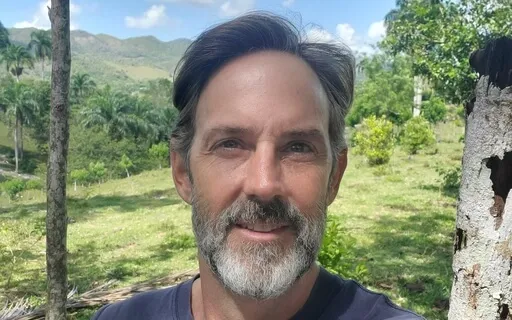
Welcome to Life,
Lessons,
And Laughter with your host,
Glenn Ambrose.
Danan Danan Danan Danan Danan Danan Danan Danan Danan Danan Catchy little ditty.
What's happening people?
How are you?
Welcome to my life.
So today,
This was decided four minutes ago.
Maybe six minutes ago.
Oh and I just realized I have the wrong mic on.
Okay guys,
I'm gonna keep talking while I change my mic.
I think.
Anywho,
Yeah so I just talk about last minute.
I am officially last minute today,
Even more than usual.
You guys know I don't do a lot of planning and I had some work done so my office is all out of sorts.
I had some work done on the house yesterday.
So yeah,
But as I get this microphone going,
You guys still should be able to hear me.
If you can comment that would be awesome and let me know and I'll get my microphone hooked up.
But yeah,
Last minute I decided to talk about parenting.
I got into this a little bit earlier today and so of course my mind was on it.
So when I was thinking about topics,
This one naturally popped up.
Oh good,
Thanks.
You can hear me.
Good,
That makes me feel better because because this is taking me a little while to to connect,
I just put it in backwards.
So I'm glad you guys can at least hear me decently now until I get this mic set up and hopefully you can hear me better.
And this will be a good experiment.
You guys can tell me if the mic works better.
So and this is an example of how to live without freaking out when something isn't going the way you expected.
So let's see,
Settings,
Mic,
Microphone.
There.
Now this now I'm using my microphone.
So yeah,
Let me know.
Let me know if this sounds better or worse.
Because I'm using a MacBook and the one thing that I was surprised with was the camera on this is actually better than the external camera I have.
I guess like it's sharper.
So like I used to have a separate camera and I don't even use that separate camera anymore.
So maybe the microphone is so good that I don't need to use a microphone anymore.
I'll just use the laptop.
We'll see.
So yeah,
Let me know in the comments please.
And stay sounds.
No,
I don't understand that one.
I know you're trying to help me.
I can't understand the message though.
I know it sounds different.
Does it sound better now with the microphone or did it sound better before I plugged in the microphone?
Or about the same.
That's fine too.
So yeah,
As I'm waiting to hear you guys's feedback,
I will start talking about the topic which is parenting.
Okay,
Sounds the same.
Okay,
Cool.
Well then I guess it's not that important to use the mic.
Next time maybe I'll just go without it or maybe I'll start going without it.
So cool.
Good to know.
So parenting,
You know,
The parenting stuff,
We're not gonna do it perfect.
You know,
I think.
Okay,
Thank you Diana.
So need all the parenting help I can get?
Yeah,
Don't we all.
We all need parenting help.
And you know,
What I'm gonna share today is the things that worked.
Okay,
I'm probably not gonna share a heck of a lot of stories about stuff that didn't work.
Because why?
It's not gonna help you guys.
So what I'm gonna do is just give a little precursor and let you all know that I did not do anything perfectly.
Especially parenting.
And we do not need to hold ourselves to a standard with parenting.
It's,
You know,
It's gonna be all over the map.
I think for starters what I'm gonna mention is one of the big parts of parenting is it's kind of like everything else.
It's our energy,
Right?
It's the state that we're in when we're trying to do something.
It's so important.
How we do things and why we do things are determined by our energy.
And those are much more important than what we do.
You know,
What we do isn't that important.
It's why we do it and how we do it.
Because that determines the energy.
And that's like with everything.
So as far as,
You know,
The energy in which we parent,
What I found was that as long as I was unconscious,
Makes me laugh to say it,
When I was parenting unconsciously it didn't go well.
Big shock,
Right?
When I was parenting consciously it went much better.
The difference is is when I parented unconsciously,
I parented from a place of preconceived ideas of what parents should do.
You know,
We all have,
We've been so conditioned by society and domesticated,
We have a box for everything.
Like this is what a father looks like.
This is what a mother looks like.
This is what a family dynamic looks like.
This is what sibling dynamics look like.
This is what a work dynamic looks like.
This is what a boss dynamic looks like.
A friend dynamic.
We have boxes for everything.
And they have these unconscious outlines,
This unconscious description of what a parent does and how a parent acts and what a parent is supposed to do in certain situations.
And it's all derived from our past.
Of course most of it is from our own parents.
You know,
What they did.
And a lot of it is from social,
Just being exposed to other social aspects.
And when I say it's determined by what our parents do,
What I what I mean by that is some of it is some of the things,
Like if you're a parent,
Most often you have done something where you heard yourself and you sounded like your parent.
You know,
And you go,
Oh my god I'm turning into my parent.
Like most of us have done that.
That's because our behavior comes from them as as parents specifically.
So because there were our role models,
You know.
So so that is one aspect.
But there's also the other aspect that there are certain things that our parents did that we said I'm definitely not going to do that.
Now some of those we still do once we become parents.
And then some of those things we actually don't do.
We make sure we don't do them.
And oftentimes we head too far in the other direction.
Which is a common occurrence to unconscious behavior.
You know,
I've done this many times with you guys.
I'm gonna do it again with my pendulum here.
So you know,
Everything is pendulum.
Everything is balanced.
Everything is in the middle.
So if we're,
If our parent is,
A lot of times,
Overly strict and we don't want to be like them,
We swing way over to the other side.
We're not strict enough.
Okay.
So this is,
You know,
We're looking for balance.
We're looking for the center point.
So you know,
Most things in life are like that.
So making conscious adjustments.
So my,
One of the conscious adjustments I made was my father was very structured and very,
I hesitate to say strict.
I mean he was strict but not in a militant kind of way.
Like there are definitely parents who are much stricter than my parents.
You know.
But there was a strictness aspect to it that was pretty,
Because it was so structured.
Like everything was perfectly consistent all the time and it was just,
It was a right way of doing things all the time.
There was no real fluctuation when I was a kid.
You know.
So that's what I mean by the strictness in my upbringing and I didn't want to be like that because it felt one way.
It was always one way.
So what I did was,
I was like,
Okay I'm not going to do that.
But I did see the value in consistency.
So I'm like,
How can I have consistency without being the same,
Like having,
Being so much structured.
You know.
Where the answer is,
You know the answer before you even ask.
Like there's no flexibility in there.
There's no real life dynamic to it.
That's not how life is.
It's like,
You don't just,
Hey can I have a candy bar?
No.
Always.
Like that,
It's no today and it's gonna be no for the next 42 years.
Like that's not life.
You know.
So I wanted to bring in a little bit more flexibility.
So I wanted to,
You know,
I'll use the candy bar thing because it's a good example.
That most people have experienced this.
So I used the candy bar thing as an example.
I saw that,
So all this stuff is bleeding into other things.
So it's truly a spiritual conversation because there's so much overlap.
You can't really talk about one.
So I saw the value in consistency.
Alright.
So consistency,
I'm gonna stick with the candy example and double back to this.
The reason for consistency.
But so what I decided was,
I wanted my son to be able to ask me if we could do things or if he could have a candy bar or whatever.
And if he wanted something so we could have a dialogue or something.
So like he might be able to get a candy bar sometimes.
So what I did was when he,
I made it about the question not about the specific scenario.
So whenever he asked me a question I would stop and think about it.
That pause would disconnect me from my preconditioned responses.
You know it didn't turn it into a structured automatic,
He asks and he gets a no.
Or he asks and he gets a yes.
Like I wanted to bring consciousness into it and slow down and think about the question before I answered them.
Which is a wonderful habit to get into in all areas of life.
Just pause for half a second and give a thought-out response.
You know so,
Dad can I have a candy bar?
And I would think is today a good day to have a candy bar?
Is there a reason not to?
Like you know are we on our way to have dinner?
Or has he had,
Has he gotten a candy bar every time we go out?
Like for the last three times?
And he's starting to think that this is a habit and he doesn't have to have one every single time we go out?
You know just every once in a while is nice?
Like am I?
So I would ask myself these questions and just kind of do,
It would take me a second to do just a quick little bring some consciousness in and come up with an answer.
And it was a freaking candy bar.
It doesn't have to be the perfect answer.
You know like if I made a mistake and maybe he should have had a candy bar and I said no big freaking deal it's a candy bar.
You know the risk is low he'll be fine.
You know so I didn't make it some huge intellectual exercise.
So what I did was you know I just do that check real quick and then I'd give him an answer.
And like when I first started doing this I was almost waiting for the day that I said no I think if I remember right.
Because I knew I wanted to give him an explanation.
So here we are we're at Walmart I still remember it.
And he asked me and I said no and he started going please dad please can I please and I stopped and I turned around he was behind me I turned around I said I said I can't say yes I can't say yes now.
And he goes yeah of course you can say yes you can change your mind you just say yes it's fine and I can get the candy.
Dad really you can say yes?
And I said no I can't say yes because it's not about the candy bar.
See I taught Mateo dynamics from day one and we can teach our kids dynamics which I gotta make them know of because this is important.
I'm gonna go into dynamics in a minute too.
So I taught him the dynamics so I said it's not about the candy bar anymore.
He said well of course it's about the candy bar.
He said no it's not it's about my answer now.
It's about me saying yes or no and you trusting that I'm going to stand in my answer.
That's what it's about.
So that you see if if I if if I say no you can't have a candy bar and then you go please dad can I have it please please dad please can I have the candy bar please please and then I go oh yeah okay.
What I'm teaching you by my actions is that when I say no what you need to do is keep asking me over and over and over and over and over again and eventually I'll cave and say yes.
And then if if I teach you that that's how you're supposed to behave to get what you want from this day forward every time we're in a store that's what it's gonna look like.
I'm gonna say no you're gonna say please dad please dad and it's gonna happen with everything.
It's gonna happen with a bike you see that you like.
It's gonna happen with a candy bar.
It's gonna see it happen with a toy that you want.
It's gonna it's gonna happen with everything and I'm not living like that.
I'm not gonna live like that for the next 15 years.
I'm not doing that every day.
So what I'm doing is when you ask me a question I will think for a moment I will give you an answer and then it's no longer about the topic it's about my answer.
It's about me being true to my word.
It's about me standing in my honesty.
When I give an answer I mean that answer and you can trust that answer and that's what I'm teaching you.
I'm trusting you to teach me that I'm teaching you to trust me so that you can believe what I say when I say it and we're gonna get along much better because of that.
He understood.
He understood.
Did he try me a few times?
Of course he tried me as a kid.
That's what they do.
They push.
They test boundaries.
Kids are our mirrors.
They are wonderful teachers for us.
So when when a kid is pushing your boundaries and we're going,
Oh kids are jerks.
They push our boundaries.
No they're wonderful teachers.
They're pushing our boundaries.
Right.
Why?
So we can learn to stand in them and then we're better setting boundaries in other areas.
Right.
There are kids.
They ain't going nowhere.
We can set boundaries with them.
They're still gonna love us.
They might get pissed off for a while to get over it.
You know.
So this is what I did and it worked dramatically well.
You know this was one of my wins.
You know so much so that we'd be at stores with the with with other kids and they'd be like can we get a candy bar?
Can we get a candy bar?
And I'd think about it and I'd go no no candy bars today.
And they'd go please please.
And my son would go don't even bother.
And they're like what do you mean don't bother?
Don't don't bother what?
Like you go don't bother don't bother asking him.
Don't bother saying please please please because it's not gonna work.
Once he says no it's a no.
Every time guaranteed.
And these kids were like huh?
What?
But but they'd take him for his word and they just stopped bugging me.
So his friends knew it too.
You know it was a beautiful thing.
So the dynamics that I was talking about.
The dynamics.
See we think we can't explain stuff to kids and we can.
So and to prove this what what I'm gonna use as an example is basically every belief system we have in our heads.
Most of you know that have listened to me.
We have belief systems.
This is what determines our behavior.
Most of those belief systems were set in place between the ages of four and eight.
Okay.
That's when we've been on this planet long enough to start understanding that our way of looking at life doesn't work.
Well it does but but as a child it doesn't.
Like we come into this world being all love and and just ah well you know everything's love.
You know and then and then we start getting conditioned by the people that are already here about what society is like and and you know no you can't listen to your body.
Don't you know I'm not hungry.
Well you have to eat.
It's dinner time.
Kids are like what?
My body tells me when I'm hungry and when I'm not hungry and I'm not hungry.
Well that that's not how things work here on planet Earth.
You eat when it's dinner time.
What?
And it takes some while to understand this stuff.
So after years of being domesticated and conditioned to weigh the way society works they start under thinking that the way the truth that they know and this is what we're getting back to as adults we're trying to remember this truth that we've been conditioned out of right.
But these kids are starting to go around four they're starting to go like my way doesn't work like everything being love and fine and all this stuff like I've developed this ego identity that like my stuff is mine.
You see that's starting to happen as toddlers where they start going mine me mine.
Like before that they don't really know what's what's theirs.
That's their ego starting to be formed.
They start creating separation between them and other people.
That's why like when you take a kid's toy away from them if you just walk up and take a kid's toy a lot of when they're really little like toddlers they'll they'll scream bloody murder like you just cut off their arm.
It's because they're identity they don't understand egoic identity they're still figuring it out so that they're attached to that toy like it's actually part of them.
They think it's like an arm it's like mine me mine this is part of me so you take it and they freak man some some of them right because so so their ego is starting to build and create and they're starting to create this ego identity.
So what happens is as you know as they get older they're they're um I lost my train of thought oh they're creating the belief systems okay so they're creating belief systems around this stuff and their belief systems are you know they're creating belief systems about everything in the world and a lot of it is based on I'm not good enough I can't when I do what I want what I feel is right I get yelled at.
See love is conditional on earth I mean not all of it of course but a lot of times the way parenting most parenting is done is based on conditional love not unconditional love.
We we love our kids conditional unconditionally we love them unconditionally but that's not how we act as unconscious parents.
When we're consciously acting we act more in alignment with unconditional love.
When we're unconscious and there's just acting like who we think a parent is that's very conditional love.
That's how kids receive it right because when when they do what we want they receive love.
When they do what we don't want they don't receive love you know so it's very conditional if you're doing what I'm telling you to do and do what I want you to do then I love you if you don't I'm not saying that I don't love you but I'm gonna act like it you know so this is this is why these kids start going okay I need to figure out earth like I need to figure out what's going on so between the ages of four and eight most of our dynamics in which we we behave out of are set in place they can also be set in place through traumatic events later in life too but most of them are set between ages of four and eight this is why when like people develop a go-to so when crap is really hitting the fan usually they either freeze they flee or they fight right it's you know defense mechanisms it's you know so what happens is these kids develop this and a lot of times if you notice siblings are different why because none of those three work well it's not just one way to fit all situations but we pick a go-to so oftentimes what happens is an older siblings been here longer they pick one maybe it's a fight they fight for everything you know and then as a younger kid you're trying to figure out what to do and you get an example of a kid fighting for everything so you and you see that it doesn't work sometimes so you're like they fight all the time doesn't look like much fun doesn't really work all the time I'm gonna pick something different so they usually pick freeze or flee you know so this is what one of the reasons why siblings are so different a lot of times they are sponges man they are taking in everything that's going on so as they're as they're picking this stuff they're they're noticing dynamics well how do I get what I want well what I want is love how do I get that well if I keep my mouth shut they seem to give it to me more okay so I'll keep my mouth shut you know some some kids pick that so this is the dynamics that I'm talking about they understand dynamics kids understand that as babies just about they understand that so I explained stuff to my son since he was three years old and people like you talk to him like that yeah I talked to him like that now like he you think he can understand I'm like I know he can understand me because he can because he they're in life they're on planet earth and they're trying to figure out how to interact with life they're trying to figure out what to do when to do it how to get what they want what's good what's bad how to act how to interact they're figuring out all that stuff between ages of four and eight that's why our belief systems are there so when somebody like selects fighting let's say a lot of times when they lose their temper when they're 45 they look just like a five-year-old losing their temper if you watch them if you like disconnect from the energy like of course which is easier if they're not arguing with you flipping crap on you if they're flipping crap on somebody else and you can just be the observer and you just watch you can almost see a five-year-old acting out their behavior their energy looks different their body language is different they look like a little child throwing a temper tantrum and it's the same like if if somebody decided to flee you'll notice a lot of times they'll stomp their feet when they leave the room like a little child I'm not it I'm not taking this just like a little child their body language turns into a child why that's because that's when their belief system was set in place that's where they went they had experienced enough in life where they went when I'm overwhelmed and I can't handle the situation this is what I'm going to do well how did they set that belief system in place if they don't understand dynamics of course they understand dynamics they understand being overwhelmed maybe they can't verbalize it but they understand it you know maybe they can't verbalize all this stuff but they can understand when you verbalize it so when you're talking to them and you're like do you just get so you know you can talk to them like a little kid be a little and animated you know you get so you don't know what to do yeah every kid will say yeah every adult will say yeah every every human being on the planet will say yes I know what you mean why because everybody's experienced it even if they're four you know and you can teach them this stuff so you can explain these dynamics to them and they will understand you one day one day Mateo was he was little I'm up and I'm not even sure I may have I may have not taught him the little don't ask me over and over thing yet I think you I think it was even before I taught him this I'm not sure though it was probably close in age but we're we're in Walmart one day and he said to me he there was this kid screaming another cash register that he wanted a candy bar I think it was a lollipop I kind of remember you want this kid wanted a lollipop and he was flipping crap over a lollipop and Mateo goes he was little he was still sitting in the carriage and he goes I know why that kids doing that and I said you do he goes yeah he's doing it because he knows if he does it long enough that his mom's gonna say yes and he's gonna get the lollipop that's why he's doing it and he was all proud of himself you know I know why that kids doing that because he knows he'll get that lollipop and I was like you're right that is why he's doing it and I don't know if that's what spawned me to teach him the lesson or if he knew that already because I taught him the lesson I don't know but regardless it was really freaking cool so I guess that part of the story so when you're explaining stuff to kids you know do these you know explain why you're doing it there are much smarter than you think they might not understand everything but they do understand dynamics and if they don't understand everything who cares man you planted a seed you're communicating with them on an intelligent level that's a beautiful you know relationship basis to have so explain the dynamics so explain things you know explain things to them explain the why that you're doing things and don't BS them so don't BS yourself first you know like if you're gonna talk to your kid about something slow down disconnect from the unconsciousness and lock into the consciousness and look at the situation realistically before you have the conversation with them you know like school now I have to be honest and I dislike school more than most people why geez I don't know because I had a horrible time in school like I just I was ADHD off the wall and I couldn't sit still and that's unacceptable in school environment you need to sit still at a desk and pay attention I couldn't do either one of those so I got in trouble constantly through through school from pretty much day one until I graduated I was in trouble so no I do not like school and it's kind of not how I function anyway in a lot of other ways that I won't get into but for this conversation it's not important but like to the idea behind school and I'm gonna preface this by saying I understand it's the best system we have at this particular time and we're starting to do better there there are lots of schools out there and adjustments being made where I think we're heading in a better direction but the general basis of school is taking all kids and making them as close to being at the same level as humanly possible in everything you know everything we teach like English math you know whatever history you know that what everything that we teach we want to get them at a decent level as close as possible and we had to set different standards like in my school it was like oh ones were the smartest and then oh two and then oh three and then oh four or I don't know if they had oh four or if it went to the remedial classes but there there are you know we had to have that structure because it's impossible to get everybody at exactly the same level so we have that but within that system that's what we're trying to achieve and if you don't do well at something they put extra attention on it so they get you better at it which is counterintuitive like I mean if you're not good at something you shouldn't be doing it that's why you're not good at it you know you just like there was like I was I was really good at math in school it was very like I actually did good in math even in high school when I didn't try it anything so basically math I didn't really have to try I could just trip and get it right so so like some people lots of people aren't like that lots of people struggle at math well guess what you shouldn't be doing math like is it beneficial to learn how to add and subtract sure so so you can keep your checkbook straight or something you know which we don't even do that really nowadays but like trying to get people really good at or not even really good but just at a certain level at math that shouldn't be doing math is counterintuitive so when somebody's not good at something we put extra energy towards it like we should be trying to find out what people are good at and get them extra good at that because that's what they're supposed to be doing right so the the system that everybody is the same the idea of taking children that are at their highest energy level that they'll ever be in their entire life and making them sit at a desk for six hours a day is just absurd to me it's just mind-boggling that we even think that that's a good idea for some reason I don't I don't get it so yeah I have some issues with the school system when my son came to talk to me about not liking school or when it came up I don't like school it's like yeah it's ridiculous I didn't sit there and tell him like oh you but you need it it's and and it's necessary and and you have to know like first thing that I did was say like you know what what don't you like about it well I don't like that they make me do this stuff that I'm not good at and I have no interest in I make sense I understand that if somebody came into my life now as an adult and said you have to do a bunch of stuff that you're not interested in and you don't care about I would be irritated so I understand I agree with his frustration I do you know so I would agree with him all this stuff I'd be like yeah I don't get it either I hear you bud you know I hear you you know there's a lot of things about school that I don't I don't agree with well why do I have to go well that's just society that's just how society is set up right now you know I mean society does a lot of things aren't the smartest thing like a lot of things that society does is stupid and it's foolish but this is the world in which we live so what I explained to him and I use I actually did this I ended up doing this at a talk in front of a bunch of middle schoolers which was an experience man I never worked with kids before especially at that age and fortunately Mateo was that age so somebody said hey do you want to come and help us out with these this thing I said sure they're like you sound like you you know you do that you can talk you do workshops you want to be our key speaker and open the thing sure why not I get there I hadn't done anything in public for a while and when I don't do stuff in public I had it I used to have a huge fear of public speaking I mean gigantic that I got over so so like the nerves can come back up here I am in an auditorium with filled with kids I have no idea what I'm gonna say because I don't prepare anything and the nerves are starting to come up and whatever I got through my initial thing and then we they're like okay we're gonna break you off into groups now all you and all the other teachers that were nice enough to come down and we're gonna give you your own room and we're gonna break the kids up into groups of like 20 or 25 and we're gonna move them around to each different teacher okay so they show me to my room and I'm sitting there going what the hell am I gonna teach these kids I have no idea what I'm gonna say I've never talked to these kids before how can I connect with them and I'm like I'm gonna teach them like a lot of kids don't like school so I'm gonna teach them a different perspective on school so this is just what came out so I said hey like you guys play sports and they're what do you play what do you play and one of them said soccer I said perfect my son plays tons of soccer so I'll talk about soccer but you can use any sport I said so what do you guys like about soccer and they're like kicking the ball and running and playing with my friends and I was like okay cool so there's lots of fun that you have that's why you like it and he said yes I said okay what would happen if you got on a soccer field and you just start kicking the ball out of bounds or on your own net oh well I'd be on the bench right okay so if you're on the bench do you can you enjoy kicking the ball and running and playing with your friends no oh you can't okay so if you can't enjoy that you can't enjoy the game that you love then that's no fun sitting on the bench right so you have to accept that there are certain rules to play you have to run in the right direction with the right rest of your team you have to kick on the other team's net not your net you can't kick the ball out of bounds so you accept that there's rules and if you accept that there's rules and you play the game by those rules you get to have all kinds of fun with your friends right yeah okay that's life there are rules and right now you're in school so when you're in school you have to play by the rules and if you play by the rules well then you can have all kinds of fun with your friends you can society says that you need to get an education you can get an education and when you get out of school you can kind of start doing you can start really following what you want like when you go to college you get to pick your major you get to pick what you like to do and then you can follow that and you can get a job in that field and people can't come up to you and be like you know well you don't have an education so you can't do this like you played the game you you know so so you can you can do whatever you want and they're like oh cool so my purpose with my son and with these kids was to put them in control of their life see what we do as adults is we try to control kids we try to get them to do things that we think are important for them without them understanding why and that's a crappy setup because that because they're constantly like how long do you think that's going to last how much effort can people put in in a healthy way when they don't want to do what they're doing that and that we we never address that we never address that dynamic kid we're making kids do what they don't want to do and they come up to us and they go I don't want to do this and we go you have to go yeah but I don't want to yeah but you have to and then we wonder why we're doing a bunch of stuff you know and then we're at we're adults doing jobs that we don't want to do because somebody said we had to make a bunch of money or you know this will make us happy if we do this and we this is why we're all messed up right so start teaching them at an early age that for them the way I told it as I said you use school don't let school use you so you're going you're going to school because your parents say you have to and you do your school work because your teacher says you have to write yep do you like that no okay then don't do it for them don't do your schoolwork because your teacher said you have to do your schoolwork don't go to school because your parents told you you had to go to school.
Go to school so you can do whatever the heck you want when you become an adult.
Use it.
You use school to get what you want.
You're in the driver's seat of your own life.
And I taught this to young kids.
I taught it to my kid when he was little.
Put them in the driver's seat of their own life.
And that was the only time,
You know,
My son did the best work when he decided that because there's excuses especially for intelligent kids.
My son's very intelligent which can double back on you as a parent,
Right?
I was very intelligent so I could over I could rationalize and overcome stuff.
So like as long as my as long as I was trying to get my kid to do things in school he would find a way not to.
Be like uh the teacher didn't you know the teacher didn't give us a homework at the end of class.
Well you should have gone nasty then.
Well I did no she it's her responsibility to tell me like once I explained to him I'm like no you your teacher gets paid the same no matter whether you get your homework done or whether you don't.
It doesn't matter.
It doesn't matter if you get your homework.
Cool Diane.
It doesn't matter if you if to the teacher if you get your homework done.
I mean of course some teachers there's good teachers out there don't get me wrong that that actually care about their students and are trying to but I mean at the end of the day that doesn't matter.
It doesn't matter.
Kids should be doing what they're they want to do for themselves.
They need to they need to use school to to get what they want.
Like who wants to go who wants to be standing around in life with no skills,
No education,
No abilities,
Helpless and have a bunch of adults be like okay well you got to work at McDonald's you have to do this you have to do that.
See the more cards you're holding then the the more you can play out like the more cards you're holding the more choices you have.
So this is how I see education and I mean of course there's ways you know I started my own business.
I don't have a college education and I'm fine.
It's not the only route but it is a good route.
I mean to be honest with you if you apply yourself and get more education you have more opportunities.
You know fortunately I'm kind of lucky because I need to have my own business and I need to do things on my own.
It's just how I function.
So me not having a college education hasn't held me back.
Many people it would hold back because many people don't have my same personality right.
So it's helpful and even if even if I did start my own business like if I had an education if I went to college and learned all business courses and entrepreneurial courses and stuff like that my business would have built a lot quicker and a lot easier than the stuff I went through.
I had to learn it on my own.
So there is benefit in getting an education.
My point is that we're looking at it wrong.
We just tell kids do what I'm saying.
Do you know do what I say.
Do what I tell you to do and and they're like yeah but I don't understand why.
It seems stupid and it seems foolish.
Yeah it is stupid.
It is foolish.
You shouldn't have to get an education to do what you want but that's society man.
You might as well accept it and play by the rules then you get to have whatever you want.
If you don't accept it you don't play by the rules.
You got no cards to play and you're standing there and you're in life and you kind of got to do what other people tell you because you got no cards to play right.
So don't let school use you.
You use school for your purpose to design your life so you can do what you like and you can be happy.
That's empowering.
This is what we want to do with children is feed them,
Empower them,
Teach them how to live their life so they get what they want.
You know now all of a sudden you're sitting there and you're going you know your teacher doesn't give you the homework and you go okay well teacher doesn't give me my homework.
If you're looking to not do homework because you don't like homework you just won't do it and then you go into class the next day and you get a crappy grade and the teacher goes well you should have asked or yes I did give it to you or blah blah blah whatever whatever the excuse is that day and but the point is is you add end up with the bad grade the teacher doesn't so if the teacher screws up your future sucks.
That's not cool right so you take control of your future.
If you make sure you get good grades why?
To please a teacher?
No.
To please your parents?
No.
It's because it's your future that's why.
You're the only one that's going to suffer if you don't get your homework done because you'll get crappy grades you'll be holding less cards right so do it for you don't do it for everybody else.
Now all of a sudden that's empowering now you're creating your life you know that that that's the good stuff this is what we want to do to our kids we want to empower them we want to teach them that yeah we got to play by some rules and sometimes the rules are stupid but whatever they're the rules they're you know do you see a way around it me neither so we let's play by the rules you know why so you can get what you want that's why not for anything not for any other reason right so let's see what else I got down here I see what that rolls into explaining things yeah giving giving them freedom of choice and stop see so this is I knew it was rolling into something what it's rolling into is the dynamic between parent and child very often is us versus them and we have to change that because it's unconscious as parents we don't know we're doing it you know if we knew we were doing it we wouldn't be doing it but we're just we're people just like everybody else is so we don't know what the hell we're doing half the time so what we need to do is we need to stop this us versus them dynamic and that bleeds right into what I was just talking about so do you see when when it's no you have to do your homework why because you're supposed to and and they they don't under really understand why it's us versus them we're just trying to make them do something basically kind of out of sheer force or or intimidation or authority you know and that's authority versus somebody and that's a us versus them dynamic and we got to get out of that you know we got to stop that because it's not true and any you know as parents we know this kids don't know this though they think that we're against them especially as they get older the older they get the more they start thinking for themselves and then they don't think exactly like us and they're like it seems like it's you know they don't understand why we're constantly trying to make them do things that they don't want to do how the hell are kids supposed to make on you know how are they supposed to understand that wait you're constantly making me do stuff that I don't want to do of course they're going to think it's us versus them dynamic right but us as parents if if if I went to a thousand parents and said hey you know are you trying to keep your child down and just trying to get them to do a bunch of stuff and then do a bunch of stuff that's not going to benefit them just for the sake of doing it parents would be like no I'm not trying I love my child I just want what's best for them I want them to be able to succeed in life I want them to be able to live a happy life and do what they want and I know that this is kind of part of the system oh well then teach them that you know what's funny is most often my my my clients come to me in not just parenting dynamics and every dynamic and they go I just want to tell somebody this or I just want them to understand this and they go what should I say and usually the answer is what you just said to me that you should say that to them you know but for some reason in our head we turn it into something more complicated tell kids the truth you know tell them that we love them tell them that we're on their side tell them that like we don't know what we're doing we're parents man we've never been parents before there's no freaking users manual we have no idea what we're doing we're just trying to get them to to have the best chance at happiness in life as we as we think and we've been on this planet for a while so we understand some of the rules better than they do so we're just we're just trying to get them to play the game not because the game makes sense the game is stupid man the game is stupid admit that to your children society is ridiculous the rules that it lives by is they're foolish they don't make any sense but they're the rules that we live by and if you can live within them man you can play the game and have a blast and you can get what you want so don't don't get so caught up with the rules man like how many how many kids play soccer you know and and like how many kids have thought sat down and thought about whether they really agreed on the offsides rule or where the line is on the offsides like have they really have you they really sat down and thought about it and said no this doesn't make sense i think that they should have an offsides line 10 yards further that makes sense and i'm not playing this game until they fix that 10 yard sign line no of course we don't do that we're like whatever man it's the rules we accept it it's non-resistance when you stop resisting that's when your suffering ends this is another thing this is this is law this is universal law this is how everything works on the planet all suffering is resistance to what is when you're resisting reality you suffer emotionally so instead of resisting the rules just look at them and understand that there's silly little rules some of them are okay some of them aren't whatever they're still the rules how do i get what i want inside these rules and if that's the way these kids are thinking they're going to find a way and and not only that and not only that they're going to be motivated to achieve it once my son let go of like trying to find a way out of doing his homework and he just decided it's my responsibility and i want to graduate high school so i'm going to do what it takes to get my work done no more problems and i fought with him for like two years oh like every single way i possibly could do i monitored everything he did i got every emails i was in the schools i was talking to his teachers i was having meetings i was setting up plans none of it worked why because my kid was smart that's why and he would manipulate his way around stuff why because he wasn't motivated to do it so finally i said i've done everything that i can you want to fail that bad you're going to have to pay the consequences in life there are consequences so this is the next thing that i'll go into so i told him i said you know you're gonna if if you want to fail that bad like you fight me on everything that i do so if you want to fail that bad fail i i just can't do this anymore because i'm working harder than you and i'm working harder than your teacher at you getting good grades and and being able to not even good grades just be able to get your work done and and and graduate like i'm working harder than both of you and i'm the only one that isn't in this game there's a teacher in the game and there's a student in the game i'm not even in the game and i'm working harder than both of you and you both of you are sabotage in this game i'm out you guys can do you guys can do whatever you want.
And if you want to fail,
And you want to blame it on the teacher for the rest of your life,
Then fail and blame it on the teacher.
See how far that gets you.
And I took my hands off of it.
And,
And then all sudden,
It clicked.
Because it was his choice.
And he decided,
No,
If I apply myself,
I can probably do this never a problem again.
His senior year,
He got the best grades ever than he ever did in his life.
Now,
Granted,
We moved from Rhode Island to Florida.
So the school system is different.
You got to be honest here.
He said the school was very easy.
But still,
He made sure he did his he got his work done his junior year and his senior year because it was his responsibility.
Freshman sophomore year,
I was fighting him the whole time.
You know,
So there's an example,
I didn't do everything perfectly.
You know,
I taught him a lot of stuff younger and he did sometimes you got to reinforce this stuff.
Somewhere in there,
You know,
Being a single parent,
You're very busy and you lose track of things and you make mistakes and somewhere in there,
I guess I lost the dynamic and then I had to recoup it.
Which happens,
It's part of parenting,
It's fine.
So natural,
Natural consequences.
My son,
I didn't punish my son,
It was natural consequences.
And that's this is what I told them.
I said,
This is life.
There's just natural consequences in life.
I'm not punishing you.
Because that's a us versus them dynamic.
And I didn't want that.
So I explained that like all of nature has natural consequences.
It's just that it's just how the entire universe works.
Like if the sun got too close to the earth,
It would burn up.
Like that's a consequence.
That's not a punishment.
If,
If a lion decides to not go hunting,
Then it starves to death and it dies.
That's not a punishment.
That's a natural consequence.
So everything is like that.
There is just natural law.
And when you align yourself with that natural law,
Then you don't suffer the consequences of being out of alignment with that natural law.
And when when the consequences are a punishment,
They're just a sign to tell you you're not in alignment.
You know,
So if we explain this to kids,
We go,
Listen,
You know,
When you're,
When you're out of alignment,
When you're not doing what's in alignment,
Then it's things get rough and rocky.
And we have to let you know that you're not in alignment somehow.
Why?
So you get back in alignment.
That's why.
And all of life is like that.
It's like that for us adults.
It's like that from the time we're born until the time we die.
And it's more like that when you're an adult.
So as an adult,
My job as a parent is to teach my children to be prepared for life as an adult,
Gradually,
Like it's it,
You know,
To be responsible on a consistent basis to to find happiness in this society where there's so many problems,
And to stay in alignment with our truth and what's right.
That takes practice,
That takes learning.
So what we need to do is we need to practice that and as as a,
As parents,
That's what we're doing.
We're trying to teach these kids how to stay in alignment.
So there's natural consequences.
So give them choices,
Let them choose,
Let them choose.
Because if they're doing something because you said to do it,
They're not going to be motivated.
That's not where the motivation people aren't motivated to do things that other people tell them to do.
I mean,
Look at that when look at your look at,
Like most of the adults have parents have jobs,
Right?
Do you like it when your boss comes over and goes,
You need to do this,
Get on it?
No,
It doesn't feel good.
Well,
It doesn't feel good to kids either.
You know,
So what we need to do is we need to teach them that there's,
There's choices,
You have a choice,
You can do whatever you want.
Kind of like I was telling my son,
If you really want to fail out of school,
You can fail out of school.
I mean,
I've done everything that I could for the last two years to prevent it,
And it ain't looking good.
So apparently,
I can't prevent you from failing.
I tried.
But I can't,
You have to do it.
It's your choice.
So you choose.
And if you choose to fail out of school,
I'm not going to be happy,
I'm still going to love you.
You're always going to be my child.
I'm going to love you.
And you might not have many opportunities in life.
And you might,
There's a good chance you suffer because of that because of your choices,
Because you went out of the the alignment of the rules.
And you chose to go another another way.
Well,
You know what,
If you're,
If you're sad,
There's going to be a little piece of my heart that aches for you.
But I can't live your life for you.
I can't do this for you.
So I'm trying to teach you to make choices that benefit you.
And the way I'm going to do that is when you do things that are good for you.
I'm going to be like,
Hey,
Nice job.
When you do things that are bad for you.
I'm going to be like,
Wow,
I'm surprised you chose that.
You know,
You have the right to choose that you can choose whatever you'd like,
But you know that there's a natural consequence to that,
You know,
Because we discussed this and the natural consequences that like,
You know,
If if I'm trying,
I don't know if this is a good example,
And I don't really care.
I'm just trying to make a point.
Um,
But you know,
The the rule is,
Is like,
I worry if you're not home by a certain time.
So like,
If you're not home by 10 o'clock,
If you choose to not be home by a certain time,
You know,
I mean,
I have to I have to show you that you need to be punctual,
This is part of responsibility,
It's going to benefit you like your life as you move forward.
And if you if you choose to not be punctual,
Like in your job,
Like you have to be at work at a certain time,
If I haven't trained you to be consistent or taught you how to,
You know,
Be consistent and responsible with your time,
Then you'll get a job and you won't show up on time and you'll get fired and then you won't be able to buy food and you won't be able to have a roof over your head.
And you'll be homeless because you can't keep a job because you can't show up on time,
Because I didn't teach you responsibility.
So my job as a parent to prepare you for life is to teach you about responsibility.
I'm going to do that by natural consequences.
I'm going to show you that there are consequences when you don't follow the rules.
That way,
When you get out into life,
You're going to understand that there are rules,
And you'll follow them and you'll get whatever you want and have this wonderful,
Happy life.
You see how it works.
You know,
This is the type of stuff that we have to teach them.
These are the explanations and yeah,
You can draw a line.
You can draw a line between work and school,
You know,
Because that helps them see because they think they're a victim of the school system.
It's like,
No,
No,
No,
Man,
There's rules all through life.
You know,
So as an adult,
This is what it looks like.
Do you see it's kind of similar to what I'm trying to show you here?
See,
I'm just trying to teach you that if you go along with the rules of life,
Then you can do whatever you want.
You can have all the freedom that comes with that.
And that's what you want,
Right?
Cool.
So I'm trying to teach you that.
I'm trying to help you get there.
So there.
Freedom of choice,
Explain things.
And okay,
So long-term thinking and consistency and parenting,
I'm going to kind of bring these together.
You know,
Consistency is key,
Man.
We have to be consistent.
So the long-term thinking helps that because as parents and you know,
I mean,
Sure,
Especially as single parents,
I would say,
You know,
There's one person instead of two,
So it can be harder.
But it doesn't matter.
The dynamic doesn't change.
It just makes it a little harder or not,
If there's more than one of you.
But consistency is important,
But it's tiring being a parent,
Man.
We are exhausted being a parent.
It's the busiest stage of life when you're trying to work,
Have a career,
Keep a house clean and decent,
Get kids doing what they're supposed to be doing,
Extracurricular activities,
Friends.
There's just so much going on when you're raising your kids and working.
That is the busiest stage of life by far.
And it's exhausting.
So we have to take care of ourselves to the best of our ability,
First off,
Which is we have to take care of ourselves to the best of our ability,
First off.
Why?
Because that's how our kids are going to learn to take care of themselves.
You know,
You want to avoid your kid being 35,
40 years old,
Coming over to your house going,
Oh my God,
I'm exhausted.
I like I feel like I'm having a nervous breakdown.
I don't know how to handle it.
It's just Oh my God,
You want to know how to prevent that?
Take care of yourself now.
That's how you prevent that.
Because if you show your children by your actions how to care for yourself,
They will care for themselves when it's their turn.
So it is not selfish to care for yourself.
It's,
You know,
There's that self love,
Self ish is different.
So,
So self love,
Show them self love by loving yourself,
And then they will love themselves.
So that's,
You know,
Caring for yourself is not taking time away from your kid,
Caring your for yourself is teaching them how to care for themselves.
It's teaching them to value themselves.
If you do not value yourself,
They are not going to value themselves when they get older.
So value yourself,
Take care of yourself and let them see you taking care of yourself.
So you can be a better mother and you can be a better father and you can be a better friend and whatever spouse and etc worker,
We have to care for ourselves.
Okay,
So one of the ways to do that is looking at the long term.
I alluded to this with the candy thing at the grocery store.
When you are being consistent,
You are thinking long term.
Okay,
So when when you're doing something,
Like when you're when you're exhausted,
And the kid goes,
Please can I have the candy bar?
And you go,
Oh,
Yes,
Just take the candy bar so you can just leave me alone.
So I just get five seconds piece.
What you're doing is you're training them to continue pestering you.
You know,
That's what you're teaching them.
So that's what they're going to do.
And you can ask them this,
And they'll even tell you most of them.
Because again,
They understand dynamics.
So what you have to do is you have to understand your training your children how to teach how to treat you.
You're teaching them how to treat you.
We we teach everybody how to treat us.
This is what we do in life.
And we have to be conscious of that fact,
Because that's how people treat us.
So we are teaching our children how to treat us.
So what we're doing when we're being set being consistent,
Even though we're tired,
Is we're digging up a little extra energy at that moment.
And if you say you can't do it,
You're full of crap.
Of course you can do it.
Because that's what being a parent is when you've given everything that you think you can give,
And then you dig deeper and you give more,
You're a parent until then you're not.
That's part of being a parent.
So you can dig deeper and find another like five minutes worth of energy to be consistent with them.
And if you do,
It sets the tone on them not pestering you for the next 10 years.
Because that's what you're doing.
So if you are consistent with them and your behavior and you dig deep and you get that little ounce of energy,
That little extra ounce to stand up and be consistent with them,
What it's doing is they're going to treat you with much more respect later on down the line.
And you're not going to have to get into these 20 stupid arguments in a freaking store for the next 10 years.
That's exhausting.
No wonder why you're exhausted.
You're having these ridiculous arguments over freaking snickers for 10 years.
That's exhausting.
Don't do it.
Find the energy to be more consistent now.
Set the rule now.
Be consistent with it so you don't have to have it for the next 10 years.
Everything is like that when you're parenting.
Set the structure.
And if you see something new,
Set the structure on that.
You know,
This is so that that long term thinking we have the ability to have long term thinking we can see,
Oh my god,
This is exhausting.
I don't want to do this.
But wait a minute,
What's my life going to look like in five years if I don't set the tone now and stand by it?
Oh my god,
I'm going to be arguing with this kid for the next five years.
I'm not going I'm not putting myself through that.
I'm not putting my kid through that.
Do you think kids like arguing with you?
No,
They don't.
Nobody likes behaving in unhealthy ways.
Kids argue with us because they get something out of it.
If we're consistent,
And they're not getting anything out of it,
They're not going to argue because it doesn't feel good.
Nobody can treat another person like crap and feel good about themselves.
They can get all excited because they got what they want in the moment.
But over time,
Treating people poorly is arguing all the time is not a good way to feel good about yourself.
You just can't.
It weighs on people.
And they push it away and pretend it doesn't matter.
Screw people.
I don't care.
Bologna.
You can't hide from yourself.
If you treat people poorly,
You have low self esteem.
And it's going to get lower the more you do it.
So we it's just Yeah,
Another reason to teach these kids this.
Let's see.
I don't.
I mean,
I think Yeah,
Way over an hour.
I gotta wrap it up.
So I'm not even enough.
I think that was pretty much everything.
There was one other thing that popped up.
But unless it comes up in the next 10 seconds,
I'm not going to say it because we're way over.
So um,
Yeah,
I'll take a quick glance at the comments.
Francis,
You're you must be up late.
She's in the UK.
Chris,
I always loved how you interacted with Mateo.
Yeah,
Chris,
You get to see some of it,
You know,
Firsthand.
So that was cool.
Jenny give my son choices.
That's awesome.
Yeah,
Consequences.
Don't overschedule your kids.
Yeah,
Yeah,
It's we do too much,
You know,
Sometimes.
So I don't know what was that thing that just jumped out?
Living here.
Oh,
Consequences.
Yeah.
So real quick,
I'm just gonna I'm not even gonna really explain this too much.
What we know where we fell off,
Just so you understand,
Like in a historical sense,
Like generations ago,
It was okay to beat your children,
And they're supposed to be seen not heard and all that type of stuff.
That's how things went on for hundreds of thousands of years.
Okay,
So things that were like that for a very,
Very,
Very long time.
And it worked,
Because people were different.
People are much more sensitive now,
Because there's a spiritual awakening happening on the planet.
And we have to be more sensitive to enter into a new more loving way of being.
So this change is occurring generation and generation generation.
So like my parents generation was the first generation to,
To begin stop beating their children really,
You know,
Or maybe my grandparents,
Like the beatings,
And the fear slowed down one or two generations ago,
It slowed down by the time my generation came,
It was most people didn't beat their kids.
I mean,
Some some still did,
But most,
Especially in the developed countries,
Most parents didn't beat their kids anymore,
Which is cool.
Don't beat your kid.
Good frickin idea.
However,
We didn't replace those consequences.
That was your consequences,
Your ass whooping.
Well,
We we stopped the ass whooping,
But we didn't replace it with anything.
Do you see this is why I mean,
The kids are great nowadays.
I think the kids are phenomenal nowadays,
And I'm a huge fan of them.
Period.
That being said,
Like the part of we need to teach them that there are consequences for their actions,
Because they they just they know everything's cool,
Man.
Everything's all right.
Hey,
It's fine.
Lighten up.
It's okay.
And that's a very important spiritual loving,
Wonderful aspect to have.
And we don't want them to lose that.
But we need to teach them that they need to participate in their own lives.
And they will derive joy from now.
We need to empower them and be like,
Man,
It's a blast.
It's a blast having freedom.
It's a blast being an adult doing whatever the hell you want,
Whenever the hell you want to do it.
It can be fun,
Man.
It can be fun being an adult.
You know,
It's cool.
But like you need to do certain things to acquire your freedom or to stay in alignment with your freedom.
If you don't follow the law,
You get thrown in jail and you're not free.
If you don't follow society's rules to some degree,
Then you're not going to have the freedom to enjoy the life that you want to have.
So we need to teach them consequences,
Structure.
You know,
If you don't do this,
This is what happens.
It's just a natural consequence.
It's not a punishment.
It's just a natural consequence.
This is this is how it is.
And we can tell them up front.
And we can even help them say,
Hey,
What do you think the consequences should be?
I did that with my son all the time.
Hey,
We need to,
You know,
Your behavior is off in this way and it's causing problems.
You know,
You're disrespecting me.
So,
You know,
For the next two weeks,
I'm going to be on your case to really respect me because that's not okay.
All right.
So since I'm going to make sure that you're respecting me and I'm going to call you on it every time,
There needs to be consequences for if you decide not to.
That's what a boundary is.
If a kid gets to choose whether he's going to follow you or not follow you without any consequences,
Why the hell would he follow you?
Right?
There has to be consequences.
And it helps if they know them ahead of time.
So I would sit down with my son and I'd be like,
What do you think the consequences should be?
And you want to know what?
When he was young,
Most times I had to pull back his consequences.
I thought they were too severe.
He would punish himself way too much.
He'd be like,
Oh,
No video games or TV for a week.
I'm like,
Geez,
Dude,
You just kind of maybe maybe that should like be strike three,
Not strike one.
That's kind of a big consequence.
You know,
Like,
I just want and I used to tell him,
The consequences are to capture your attention.
They're not to punish you.
I just want to capture your attention.
So you notice that you're not enjoying the way your life is going.
When you do these behaviors,
When you disrespect me,
Your life,
You don't have as much freedom.
You don't have as much joy.
You don't like the way it feels.
You don't really like your life when you're busy disrespecting your father all the time.
That's a natural consequence.
You shouldn't like your life if you're disrespecting your parents.
Right.
So I would bring him into the conversation and be like,
You know,
And we would go steps one,
Two and three.
And three,
I would try to make really severe so he never hit it.
And I would understand that he would push me because he's a kid.
So when he pushed me and did one,
I didn't go,
Don't you understand that you're going to go two and then three and I said,
No,
It's your choice.
I understand.
You want to test the boundaries.
Well,
Here's your consequence.
Oh,
You did it again.
Okay.
Well,
Here's consequence number two.
Oh,
Oh,
You did it.
You really want to push.
Okay,
There's consequence number three.
And then the resistance would go,
No,
This isn't fair.
Okay,
Man,
It's your choice.
You knew what the consequences were.
I followed through on number one and number two.
What made you think I wasn't going to follow through on number three?
And I follow through with everything.
So of course I'm going to follow through on number three.
You know,
I think that happened once.
Because once they understand the dynamic,
They don't push.
Once they understand,
Like,
Okay,
Life is definitely going to get worse.
And I know what the consequences are.
Because he told me,
This is going to happen,
Then this is going to happen,
And then this is going to happen.
I really don't like my life when number three happens.
I'm going to make sure I don't do that.
I might push one or two if I'm feeling a little feisty,
But I ain't doing number three because life sucks when I hit number three.
Good.
You know,
This is,
It's consistency.
What's funny is this is the same thing with addicts and alcoholics.
It's the exact same thing.
Attics and alcoholics will drink and use until what they do doesn't work anymore.
There's no consequences in life.
That's why people are running around drinking and drugging,
Because they don't experience a hard enough consequence yet.
So when you're trying to work with an addict or an alcoholic,
You got to stop letting them think they're in control and set standards and know that they're going to,
They're probably going to overstep the boundaries.
Why?
Because they always overstep them.
And they always,
You know,
Life never gets bad enough to where they have to stop.
So when you set those consequences,
And then they experience,
Wait a minute,
One,
They actually followed through,
Two,
They actually followed through,
Three,
I'm out of the house.
What?
Now all of a sudden,
They start,
It starts clicking,
The consistency starts clicking and going,
Oh my God,
My life is actually getting worse.
And it's out of control.
I need to change something.
And that's when people start changing.
When it clicks in their brain that they don't like their life,
Because they're not doing what they're supposed to be doing.
That's when the desire to change kicks in.
And it's the same with addicts and alcoholics,
As it is with with children,
And most other people,
To be honest,
In between those two.
All right.
All right.
This is,
I think,
My longest,
But very important topic.
So I'm going to wrap it up.
You guys,
Thank you for your comments.
Thank you for watching and reach out if I can help.
So let's see.
Here's my ending.
All right.
Thank you guys.
Peace.
Looking for more?
Check out over 200 episodes of Life Lessons in Laughter or click the link in the description of this episode to connect with Glenn directly.