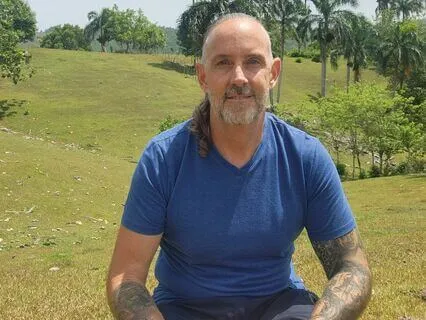
Parent/Child Dynamics - L,L,&L W/ Glenn Ambrose
In this episode I dive into the dynamics of parents and children as we grow up and how it affects our lives and relationships with each other later in life. It's said that: how your kids treat you when they no longer need you for food and shelter is a direct reflection of how you made them feel when they needed you to survive. There are multiple ways to look and process this and I dive into several of them. Please note: This track may include some explicit language.
Transcript
Welcome to Life Lessons and Laughter with your host Glenn Ambrose.
Hey welcome to the show everybody.
Welcome welcome.
Today we are going to discuss parent-child dynamics.
So you know I think with this one it's it's important to first take a deep breath and center yourself.
The reason is is that you know as we're growing up you know most of what we're exposed to is our family of origin.
So our family of origin creates our dynamics right.
So like our initial dynamics,
Our initial triggers,
Our initial issues you know it's sometimes most stuff can be traced right back there right.
You know relationship issues all kinds of stuff.
So it you know this podcast can trigger people.
It can trigger parents.
It can trigger children.
It can trigger both to become defensive and sometimes it's even the reverse which was often my case which is an interesting dynamic.
Like when I was growing up because of what society labeled as my poor behavior it would you know teachers and principals and stuff would trace it back to my home life as if there was something wrong with my home life.
And you know of course and depending on how you want to look at it which perspective you're coming out at it from there was something with my own life.
But it wasn't anybody's fault.
It wasn't my parents fault.
It wasn't it's just how I was and how I was fitting in which I think is the case for everybody.
So like I used to get very defensive when people would attack my family because even though I was very different from my family I could sense and feel the love and I could understand that they were doing the best that they could.
They were really trying.
Now of course when I got older and I you know I was really confused hitting adolescence and I I needed to blame my confusion on somebody I directed it at my parents for a period of time you know later in life.
But you know that that was just a period that I was going through trying to figure out who the heck I was and why I didn't fit in.
And it had to be somebody's fault and I was trying everything that I could so it couldn't be mine and you know blah blah blah.
But like when I was young and then after I woke up especially I knew this before I woke up but especially when I was young and after I woke up like I'd get defensive if if anybody said anything negative about my parents or my upbringing.
And I mean to some degree rightfully so I guess you know I mean there's a certain there's a certain dynamic to this that kind of takes place with everyone we care about anyways.
Right.
If if like it's OK for us to talk crap about our family or our loved ones but as soon as somebody else does it it's like whoa you don't have the right to do that right.
So that's a whole nother podcast because deep down we do love these people and we know it.
So even if we're venting a little or something it's you know that's all it is on some level to us even if we think we mean it.
But you know when push comes to shove we're going you know most people stand up for the ones that they love.
So.
So back to the dynamics of this podcast like really you know don't don't ride a wave of emotion.
And this is kind of good advice I guess for for listening to any of my podcasts or.
Listening to any information.
With the intention of.
Seeing things from different perspectives or healing or something like that like you got to center yourself.
And if you get triggered do your best not to ride the trigger wave out of reality.
Stay focused on.
On staying centered.
And if you don't agree with something or if you don't like the way it's phrased or something that's OK.
You know like you you have the right to say I don't really agree with that.
I don't really see that that's true.
OK fine.
But don't shut your brain down and shut your ears off.
Just keep listening and you have the right to your opinion.
And maybe later on.
You'll come to a different understanding maybe later on in the podcast or in the book or whatever your information you're taking in.
You'll come across something a lot of information that does click with you.
Maybe that piece will never click with you.
And that's OK.
You know but don't throw the baby out with the bathwater.
So to speak you know.
And I was fortunate enough to kind of have that realization very early on as I was taking in information because I wasn't capable of taking in and comprehending and absorbing everything that I was taking in.
So sometimes I was like that's a load of crap.
And I wanted to slap the you know close the book and say screw this or whatever.
But I was like no I'll just push that to the side and then I'll continue on because I think this person might have things to say that can benefit me.
And then you know oftentimes I would almost always actually I would come to a new understanding of what I was resistant to.
I was just wasn't ready to hear it at that time.
So all this to say stay open stay relaxed.
Nothing's that serious.
Like you know just stay open and contemplate just contemplate.
Oh is there any truth to that.
Oh am I feeling this emotion because I'm getting triggered.
Oh that might mean that there's something there.
Stuff like this you know.
So so yeah this I'm going to try to come at this from both directions because I think it's important because I think if we don't there's a tendency to blame other people.
Well there's definitely a tendency to blame other people.
And I don't want this to be the case because I truly don't believe that anyone's to blame.
It's it's just that there's it's just understanding this dynamic and between parents and children and why why these things occurred and understanding them better makes you better capable of dealing with it.
So I'm gonna with that being said maybe you guys will understand why I did such an explanation in the beginning.
Once you hear the quote that kind of sparked this or I don't know if it's a quote or what.
But I saw this somewhere and I was like oh that's an interesting way to come at things.
And I saw it from two different sides so I thought it would be a good topic.
So what I read was how your kids treat you when they no longer need you for food and shelter is a direct reflection of how you made them feel when they needed you to survive.
Okay so basically it's saying that you know how your adult children treat you now that they don't need you to survive is a direct result of how you made them feel when they needed you.
You know when they needed you growing up.
So I look back on this and my initial reaction is you know okay well what's my relationship with how I treat my parents.
And you know I've talked about this many times.
I'm not extremely close in the way other people would describe being close with your family.
I don't spend a ton of time with them.
I don't talk with them constantly.
And that's a result of a lot of things.
But one aspect of it is you know it was because of who I am as a person.
Right.
And it's this like I don't think that that's a good thing or a bad thing.
I think that we need to find what works for us.
We're all individuals and that's it's not it.
Like society tells us if we're really close with our family then we're a good person and we really love them.
And if we're not then there must be something wrong.
Right.
Which I think is a load of crap.
Because I see a lot of people that are extremely close with their families and they have nothing but drama turmoil heart wrench.
And it's just a nightmare.
And they can't pull away because of this dysfunctional negative behavior because of the societal pressure that they need to be close to them because of their family.
You know now that sometimes sometimes there are families that are very close together.
And sure there is.
I mean whenever you have people that are close together there's going to be a certain level of drama.
You're going to get on each other's nerves sometimes that that's normal.
That's not what I was talking about a moment ago.
I'm talking at a high level of dysfunction where it's causing major turmoil in your lives and you can't get out of it.
That's the problem.
Having a certain level of turmoil and disagreements and dysfunction in a in a family is normal.
That's part of being in a community.
That's part of learning to deal with.
Now I'm learning to navigate navigate difficulties and understanding that the love you have for somebody is more important.
Right.
That's a sense of community and that's a beautiful thing.
But I mean if you have you know one of your siblings coming in stealing all your crap you know year after year and buying drugs with it and you can't figure out how to separate yourself from that dysfunctional behavior.
That's a problem.
That's your problem.
They've got their own problems but you've got your problem.
You know like unconditional love doesn't mean you allow yourself to be conditioned consistently abused and stay in an abusive relationship.
That's not what unconditional love means.
It means you love them regardless.
Even if you have to cut them out of your life because they're destroying yours.
You love them anyway.
You do it because it's the right thing to do and you can't continue enabling them and you love them and them being able to take advantage of you is not benefiting you and it's not benefiting them.
It's just enabling them to continue that negative behavior.
So unconditional love is a feeling and enabling is not unconditional love.
OK.
So that's the overview.
So there's not one picture of a relationship with your family that that means everything.
OK.
So like so that because the initial reaction right is like oh how your kids treat you.
This is why it's so important to slow down and read the words of things and under get the understanding deeper instead of the initial reaction.
The initial reaction is how how your kids treat you when they no longer need you for food and shelter is a direct reflection of how that they made you feel when they needed you to survive.
So OK my parents and I aren't real like close in the normal sense of the word.
I think the love is there but we don't spend a ton ton of time together.
So people from an outside perspective and maybe even us initially if we just think of it real quick we don't dive into it.
Even my parents and myself might interpret that as like oh my God my parents did bad stuff to me and now I'm not close to them as I'm as an adult.
But that's not what that's not what this is saying.
So don't go with your initial reaction.
Slow down.
It says how your kids treat you.
Not how much time do you spend with them.
How your kids treat you.
I think I treat my parents with respect and I think they treat me with respect and I think we love each other very much.
And I.
So I think that that is a reflection of how they treated me when I was a kid.
Right.
Because like I said when I was a kid if like I knew I was dysfunctional and I wasn't fitting into society and I was confused and I didn't understand why and all that stuff.
But as soon as somebody one of the teachers started making a comment which is this is really nice.
You know when that when the adults are doing this.
I'll tell you you know I experienced so much poor behavior from adults when I was a child.
It's it's kind of embarrassing.
You know you'd think as an adult you're you wouldn't drop down to the level of a child and go tit for tat with them.
And it seems like that happened consistently with the adults.
Consistently with the teachers.
A little less with the with the principals and the vice principals.
Maybe they were a little bit better versed in discipline or maybe they had a little more power.
I don't know.
But but the teachers.
Wow.
Yeah.
I had a lot of them that just I mean granted I understand I would frustrate them and that would bring that behavior out of them.
But I mean like if they were to grow up a little bit I think that that would have been helpful.
But this is but this is my point.
Like teachers literally would be like you know just ripping me just telling me how much of a horrible person I was and such a pain in the ass and and blah blah blah blah blah.
And that you know my my home life must be a nightmare.
And I mean they would insult my parents.
You know your parents must be crappy parents and all.
I mean it was horrible some of the stuff that they said especially to a little kid.
And like sometimes I would allow them to unleash on me especially well when I was younger when I was older I wouldn't allow it.
But when I was younger I was just you know you feel powerless and you're like OK they're going to unleash on me for a while.
If I do anything back I'm going to get more trouble.
So I'll just shut up and let them go.
And sometimes I would do that.
And then as soon as they they started touching on my home life I'd lose my I'd lose my mind.
I'd go don't you freaking talk about them.
And then I go right back at them because I knew I could feel that my parents loved me like I could.
I couldn't.
You know I've tried to explain this before.
It's like there was lots of love in my house.
There was lots of.
There was lots of external expressions of love through actions.
Like we weren't overly lovey huggy.
You know I love you.
I love you.
I love you all the time.
We did have a little bit of that right.
There was definitely some of that.
But it wasn't overly emotional.
Lovey lovey.
What I mean is like my parents were always there you know like in a good way.
There they were.
They were always there.
My my you know I've said my father coached my little league team.
I hated that.
I hated him being the coach of my little league team at the time.
Because I had a bad temper and I would always get in trouble and my father didn't want it to look like he was showing favoritism to me.
So I was on the you know I'd get ripped out of games and thrown on a bench constantly and at practice.
It was you know it wasn't fun.
And then I'd catch it all the way home and then I'd catch it at home.
So it was.
Yeah it wasn't fun.
However like when after my son was born you know and I told my parents this at one point like I don't know.
I think it was it was.
Well I don't think I know.
It was extremely important.
The most important thing for me to be there for my son.
Not ever.
And you know which if that's your gig that's fine.
It's just it for me.
I had to be there.
I just knew I needed to be there on basically a daily basis.
You know I was with my son five days a week.
We changed the schedule a little bit to four days a week but more hours.
So like you know four days a week is consistent time with your child.
That's what I knew it was going to be like that.
People before I even got it I was like I was like you know this is what I'm going to do.
This is that's how I see myself as a father.
And they're like you can't you're not going to get that.
Like how.
I'm like I don't know.
I just that's how I see myself as a father.
The consistent father figure in their life.
And I and I told my parents I'm like you know I think you know I don't know where that came from.
It was just this inner knowingness that that was what was going to happen.
And you know it could have been from a lot of this stuff from my childhood that my parents were there.
They were there like we'd argue.
They didn't understand me.
I was confused.
All kinds of turmoil going on turned into a nightmare during my teenage years.
All this stuff.
But they were there.
I always knew they were there.
A lot of times I didn't even like that fact.
I didn't like I didn't like them coaching my my little league team and I didn't like them being in my life when I got older and I pushed them out and all that stuff.
But I knew they were there.
Right.
And that played a part.
So maybe that is part of or the reason why that's what I felt I needed to do as a father.
You know maybe that's where I got it.
So this is why this topic is so interesting to me because there's so many layers to it.
It's so interesting to me because you know I love dynamics.
So I see multiple dynamics in all this stuff.
So it's like you know on one level I just explained how my parents were always there whether I liked it or not not impacted me in a positive way growing up you know and as a man and as a father.
So I think it impacted me enormously.
So that's great.
Right.
And that's deep.
Like this is why I like looking at things deeply because you've got to look below the surface to see that.
Because if I just look at it on more of a surface level and I go OK what was it like growing up in my house like you know kind of another aspect of this this thing that I was reading is a direct reflection of how you made them feel when they needed you to survive.
So when they needed you to survive that's referring to how I felt as a child.
At a young age how I felt as a child that's a right at a young age was completely misunderstood.
I they were always there and I knew intellectually that they loved me but I couldn't connect with them in the same way.
It seemed that my parents and my sister spoke the same love language and their minds worked the same way and they could communicate with each other really well and they could connect with each other energetically like I could feel it you know.
And I wanted that.
I remember desiring that connection that I would see like between my my sister and my father or my sister my parents and like I could feel it.
And see it there.
I don't know the similarities would would would resonate.
And I was like I was like yeah I want to you know I'm part of this family.
I want that too.
And then and they wanted to connect with me just as much as if not more than I want to connect with them.
And that's what I felt right.
That's what I knew.
That's what I could see.
That's what I could sense.
And that really made a big big big difference.
But the problem was is I couldn't really connect.
I couldn't because I was different you know.
And at that young age it affected me.
You know I think I got lots of benefits with them trying to connect knowing they wanted to connect knowing that they loved me.
I think that that was probably my saving grace because if I didn't have that I would have really been screwed.
Because the actual connection was where we struggled as a family.
Like I well they didn't.
I did.
You know so like we we just couldn't connect fully and feel that that closeness that oneness with as a family unit.
I just you know I've told this story before.
I remember as a young kid my my sister and my father like playing a game.
My father would try to pretend to steal food while not pretend he would steal some food off my sister's plate at dinnertime.
And they'd laugh.
And it was a game.
And she'd be like no stop.
And he's like and you get tricky and get a piece.
And you know like and I could feel their bonding.
And I'd be sitting on the other side of the table just watch like feeling it feeling that connection and their joy and their playfulness and going oh I want that.
I want that.
And and then my father would turn to do it with me.
And I'd be like I'd get all excited because now it was my turn you know to connect.
And my father had tried to do the same thing.
And I would react and like fight him off for my food.
I was I was a you know I don't know if it was my personality the fact that I was a boy maybe a little more aggressive that I would get a little more aggressive defending my food.
So instead of a kind of a playful no it was like you know I mean I was kidding.
I didn't want to hurt him.
But like but like it was I defended more fiercely my food because you know like I said I don't know why.
Maybe it was my personality or or I was a little more aggressive.
And then like well the game would have to end really quick.
Like my father would want to play the game but I would be so aggressive that you can't maintain that aggressiveness for long because somebody actually is going to get stabbed with a fork.
So it would end abruptly.
And then I'd be like oh no.
Like there'd be a part of me that that wanted to keep playing and connecting.
But like but we didn't.
And I didn't I didn't understand at the time you know a part of me was like oh no I was too aggressive and I wrecked the game or or why isn't he playing with me anymore.
I don't know.
I was a little kid.
It was confusing you know.
But that that aspect of not being able to connect and not really feeling accepted because I was always in trouble.
You know I was I was I I was I was I was very ADHD.
So it's very high energy.
But I was also my impulse control was horrible.
So I would always find myself doing things which would always get me in trouble.
And then they'd always ask me why.
And I always would say I don't know.
And they'd think I was lying.
And I wasn't.
I literally didn't know how I had gotten there.
I just an impulse struck me and I found myself doing it.
Next thing I know I was in trouble.
So there wasn't thought everybody thought you know that's I guess I won't stay on this.
But you know that's something that I find interesting in society now is like when people behave negatively um people judge them like like like they consciously choose to be chose to behave like that.
It's like seriously like like when somebody loses their temper they're like oh they shouldn't lose their temper.
It's like well no kidding.
They shouldn't lose it.
Of course of course they shouldn't lose their temper.
What does that have to do with what just transpired.
Well they shouldn't.
It's like yeah it happens sometimes people lose their temper.
Like what do you think they sat down and said well I have a choice to lose my temper or I have a choice not to.
I think it would be more appropriate to lose my temper right now.
And then they go off.
Do you think that that's actually what happened.
Is that what happens when you lose your temper.
You sit down and you decide acting like complete jackass is the right move.
Is that what like that's how you live.
Nobody lives like that you know.
So so anyway you know back to back to the topic at hand.
It's you know not not being able to connect.
It's you know like I don't look at it as as my parents fault.
I get all because like you know I look at it and I'm like how would they possibly know.
I've explained this before.
It reminds me of that book The Five Love Languages because that's an interesting dynamic the dynamic you can use in different scenarios.
So if you understand it.
So the dynamic is one that you know we all have a different love language.
And of course it can be more than one combined two or three combined a little of each whatever.
But we all have just keep it simple.
There's five love languages like you know I probably won't remember all of them but physical touch words of affirmation gifts quality time and one other one.
So so like these.
But the interest to me the interesting part of the dynamic of the five love languages is the idea that we're just kind of born like this or whatever like or we develop it at a very young age.
Right.
The way we give and receive love because the way that we receive it unconsciously determines the way that we give it.
Because if if somebody gives you like let's say your love language is physical touch and somebody gives you words of affirmation and you're like oh that's nice.
And then they give you a gift and you go oh that's nice.
And they spend quality time with you and you go oh that's nice.
And then all of a sudden they give you this huge hug and this physical contact and that's your love language.
You go oh my God this feels so good.
That's what I needed.
That's what I wanted.
Right.
So it feels so good to you that when you want to express your love of course you're going to unconsciously try to do it the same way.
Why.
Because it felt good for you.
So therefore if it's like and you're not sitting there knowing this you know when you're a you're not going like well there's five love languages and I seem to enjoy this.
But other people like you only know what your experience is.
So there's no way for anybody to know that there are even other love languages let alone what those love languages are and which ones have which one.
Right.
So you know of course we can learn about this and figure it out as we get older.
But but the interesting part is we tend to give in the way that we enjoy receiving because it's all we know.
We don't know anything else.
So you know so my parents I think was even more confusing for them because my sister came first.
Like you know like if my sister came second maybe it would have been less confusing.
But then I wouldn't have gotten the pressure that I needed to turn into who I needed to turn into.
So you know I'm not saying it's that they should have.
I think everything that we go through is a perfect system to create what we need to experience to wake up.
So you know even some of the difficulties even well all the difficulties that I experienced helped me wake up later on.
So it's I don't regret them.
It's just I'm talking about dynamics here and understanding them.
So like who knows maybe if I came first and my parents thought a certain way but it didn't work with me they would have been like well wait a minute.
We need to try something else the way we think doesn't work in raising children.
Right.
Because it's not working with our child.
And then that so then maybe they learn a new way of you know that they open up their mind.
Who knows.
Go seek help.
Find different ways of treating a child.
And then all of a sudden my sister comes along and they're like oh well this one I guess children are different because this one kind of clicks with the way that we think.
But my sister came first.
So it's like it seemed to me and you know who knows I could be wrong.
This is just my perspective.
It seemed to me that my parents and my sister kind of were of the same mindset.
Their minds all worked the same.
So then you've got two adults raising a child and everything seems to be going well.
So what's the feedback.
Oh I must be doing something right.
Which they were.
They were doing the right thing with my sister because it worked.
But then I come along and they're like well like how you raise children is how you raise children.
You know it wasn't so individualized back then.
So it's like.
So the fact that it worked reinforced that there was nothing wrong with the way they were parenting that there was something wrong with me.
Right.
So that you know that's the dynamic.
So they just kept trying the same things over and over expecting a different result because they didn't know any better.
They didn't know that there was other ways to parent.
They didn't know that you know it was just very logical and clear and they'd look at it and it made perfect sense to them.
And quite honestly looking back the way they think is very logical and it makes a lot of sense.
Like if quite honestly if I was them I probably would have done the same thing because I get it now.
Like you know like hey don't do this and then you won't suffer.
And I was like yeah but I got to try it anyway.
That's that's not normal.
You know that's that's not the norm.
It's like so one.
No wonder it was confusing for them.
So yeah.
Now where am I going with this.
I think I'm just going to take a step back and kind of read what this podcast is about and see what jumps out.
So it's this parent child dynamics.
It's you know the way.
So the way your kids treat you when they no longer need you for food and shelter is a direct reflection of how you made them feel when they needed you to survive.
So you know one piece of this that just popped up is we need to look at this in a broad conceptual way because otherwise you like I was talking about we get triggered if we zoom to it too close and look at this too closely.
It's it's I don't think we get the deeper meaning behind it.
So it's.
So when I needed somebody.
Supposedly you know that I needed somebody.
Well apparently I didn't need somebody because I didn't have them and I ended up waking up.
Now if I had somebody that was that could connect with me all the way through life like my parents maybe more teachers there were some good teachers that actually were capable of connecting.
There are just few and far between.
But but like if I had more of that would I like I don't know.
I don't know that that would have benefited me in the long run.
Right.
It's easy to look back and go oh yeah.
Well you know like I was doing earlier.
I don't know.
I don't understand how how adults especially in the teaching industry are so ignorant about how to deal with children like that's your job.
That's your it's literally your job.
And I understand that we don't like that.
They didn't have the ADHD back then.
But I mean a troubled child is a troubled child insulting them and just throwing them out of class.
And label you know telling them that they're bad over and over and over.
You think that that's going to fix them.
Like it's absurd to me.
But but it can be very frustrating.
And you know God knows teaching is a very difficult occupation.
I couldn't do it which doesn't mean too much because I believe we have to take responsibility.
And like I couldn't do it.
Well that's why I don't do it.
Right.
So like if there's teachers out there that are using that as an excuse.
Well you don't understand.
It's really difficult.
It's like well if it's really difficult for you then don't do it.
Like maybe you should get into another occupation.
I do life coaching because it's not difficult for me because I like it.
I enjoy it.
Like if your career and this goes with anything teachers nurses doctors every profession out there.
Software engineers if you don't like it you shouldn't be doing.
But it's easy.
It's easy to look back and go.
They should have done this.
They should have done that.
It would have my life would have been smoother if I experienced this or if I experienced that.
But like what to me I have to take a step way back and go OK what's the point of life.
Because this is fleeting and temporary and I believe we're eternal beings.
So like really what's the point.
And to me it's to wake up because once I woke up I experienced more peace and love and happiness than I ever did before.
So so everything that led to that me it's like well it was worth it.
It kind of needed to happen.
For me to wake up because I think waking up is the most important thing we can do while we're here.
Waking up to the joy of life you know.
The rest of it's just suffering.
So so you know the fact that I had to go through a bunch of suffering when I was younger.
I don't.
When I when I think deeply about it.
I don't harbor resentments or anger because it's like it's what got me to where I am.
So if anything I should be grateful for it.
And on good days I really am.
You know thinking back to being a child and some of the things that were said and done to me.
It's like woof.
You know it's like wow.
I don't know how.
Somebody thought that was a good idea.
As an adult I don't get that one.
But then other parts you look back and you go well you know they're human.
They're human.
And I caused a lot of frustration because of not fitting into what society told me I was supposed to be.
I wanted to.
I just was literally incapable of it.
You know a lot of people thought I was trying to be a pain in the ass and I wasn't.
I was actually trying to fit in at a young age.
It was just by the time I was like 14 I realized that I couldn't.
So then it was like well you know and I had I had put all this pressure on myself to be a good person because I really wanted it more than anything.
I really wanted to be accepted and approved of and feel that connection with my family and loved and not judged.
And I wanted that more than anything.
It was just at 14 I realized that I couldn't get it.
It wasn't it wasn't happening.
So then I broke left and I stopped trying to to appease society and I just started doing whatever the hell I wanted which really infuriated everybody and drove them absolutely insane because they then they can control me in any way shape or form.
And and they looked at my attitude and they could tell I didn't care.
I didn't care what they thought anymore.
You know I mean I did on some level but I had pushed that way way way way down.
And it was just like it's me against you.
So let's go.
I'm going to I'm going to do me.
And you know if you've got a problem with that let's I'm willing to go all the way to straighten this problem you have with me out.
So whatever you want to do let's go.
You know the consequences I'll face them.
You want to argue.
I'll argue.
You won't fight a fight.
What do you want.
Let's go.
But what I'm not going to do is I'm not going to go back to how I felt as a child trying to appease you because I can't.
You know like I had accepted that I couldn't and I was actually right.
I couldn't.
I was physically literally incapable of fitting into society in the way that they wanted me to fit in.
You know it was just to them.
They saw it as being being a rebel.
And I just saw it as accepting reality.
Just how it is.
This is my lot in life.
So I thought right.
So then I get older.
So you know this is why I see this in two ways.
Well I've explained it a few different ways.
But it's like you know you think back to the childhood and you think about what you didn't get and.
The mistakes that adults made in your life namely your parents.
And it's like ooh that affected me.
That hurt.
You know.
So yeah.
OK.
Well that's one way of looking at it.
And we got it.
You know what I think.
Well hopefully we've gotten to the stage in society now.
I know it's pretty well known that blaming your parents doesn't do anything.
Doesn't help.
It doesn't change anything.
You know.
So why do it.
Like if you're just sitting there blaming your parents for your upbringing and you're upset with them.
I recommend doing the work to get beyond that to work through those resentments and let them go.
Because you're never.
You do not have a possibility of being content and happy without that.
You can lie to yourself.
I did you can push it down and pretend it doesn't matter.
But until you make peace with your upbringing there's no way you can be happy because it's too deep.
It's a two core of a level.
So all you can do is stuff it down and it's going to rear its ugly head randomly.
Here and there until you can't keep it down anymore.
And then it's it's just gonna you know it's like the it's like a thorn like Michael Singer talks about.
It's like a thorn.
You know it's a foreign object in your body and it's trying to push its way out like a sliver.
You know so this is what's going on with those those resentments and stuff within us.
It's a foreign body when I was supposed to be walking around with resentments towards people.
You know resentment is is re which means again and from centire which means to feel.
So it's to feel again.
That's what a resentment is when I was supposed to be walking around with energy inside of us.
That makes us re feel horrible experiences over and over and over again.
Eventually we need to work through that.
You know maybe maybe maybe generations.
And this this might be important if you guys don't know this.
Like we are changing as people.
You know like I hope you guys know this.
But this is a spiritual shift that's happening.
This is why everything's been changing.
Like basically because I said so was how we raise children for tens of thousands of years.
You know you just did what you were told.
And if you didn't you got a backhand.
And that was the extent of parenting to some degree.
Of course it was love involved and all that stuff.
But but that was kind of the disciplinarian model for so many tens of thousands of years.
And then now all of a sudden in the last three generations we don't beat our children anymore.
Like and there's all this talk about sensitivity.
That's because people are changing.
We are evolving into a new way of being.
And learning curves along this.
So like this is what we're more sensitive.
This is why we're changing things.
And I think our learning curve going through this period is is that we figure out we figured out through our upbringings.
But you know I think my generation was a pivotal one.
But it bled into other generations.
Before and after that we like we felt more deeply.
Because that's why we're dealing with our children's emotions more.
We're more conscious of how our children are feeling and what they're thinking and trying to explain things and stuff like that more instead of just shut up and beating them.
You know like like I said it's not just our generation.
I mean you know it's bled into other started before us and it continued a little after us or is continuing after us.
But that so we're becoming more sensitive.
We're trying to figure out a new way of interacting with our children and beating them and just being completely blind of their emotions and how we're making them feel isn't an option anymore.
Because kids are coming in more sensitive.
And I think like I said a big a big aspect of that was us and our parents generation to some degree.
That's why we're raising our kids different.
It's because of our experiences.
Your experiences as a child directly impact how you are as a parent positive or negative.
They directly impact that.
So you know why are you know why are the kids nowadays they don't have a lot of consequences.
Why.
Well because when the adults like my age were growing up we had tons of consequences and they made us feel like crap a lot of times.
Like because we're they didn't they didn't learn.
They didn't understand us.
So they still disciplined us.
Less beatings a lot less beatings although still some.
But like they they the way we felt as children we were much more sensitive.
So our feelings got hurt more than than previous generations.
So therefore when we become adults and when we become parents we're like well I'm not going to do that to my kid.
I'm not going to make them feel like I felt when I was a kid.
Right.
That's how the change takes place generation to generation.
They're coming in more and more sensitive.
Sensitivity is a good thing because like you know for tens of thousands of years wars were acceptable literally going around the world killing other people as a manner of living and acquisition.
And like that that mentality is going away like the young.
The more sensitive we are we get.
This is why the right.
You know look at the levels of PTSD with the soldiers coming back from war nowadays compared to before.
Now granted they didn't diagnose it many years before but a lot of generations before were able to accept it as this is just the way things are.
It's just how it is.
Like you go to war and you kill people and then you come back and you get back on with your life.
And more people were capable of doing it.
I'm not saying it was easy but percentage wise it seems to me anyway that there was a lot.
There was a lot less PTSD.
There was a lot less suicides.
There was a lot less problems with people coming back from war because of how they were.
Now people are more sensitive and you just can't do that.
They can't just go over and and see these atrocities and and be part of all this stuff and then come back whether they do it or not and then come back and just pretend everything's normal.
Like the people are too sensitive nowadays.
It's not.
So this is but it's going to help us pull away from war more as time goes on which is you know going to benefit us.
It's just difficult right now.
So so let me see if I can kind of just wrap this up.
So it's you know it's easy to look back.
We cannot.
We got to get over blaming our parents for things and understand that if we use those things excuse me if we use those things for our benefit if we heal those things then we're going to become better people.
And we can as we work through these things and we can choose something different.
So if you're an adult child now and you still have resentments towards your parents and it's affecting the way you're treating them I suggest you work through it like we can never we can never put our work on somebody else.
So it doesn't matter if your parents were the seeming cause of it because they were adults and you were a child.
Like if they're older now and they're not capable of getting understanding this then they're not capable of understanding this.
It's just their generation.
It's just how they were.
You know if they're 70 80 90 years old and they they don't get this type of conversation then they're not going to get this type of conversation most likely.
But the beautiful thing is we don't need them to for us to do our work to find our peace and happiness.
That's all on us.
Now is it nice when somebody says hey sorry about that.
Well sure.
But it's not needed nor is it the most part of the work.
It's a very very small part of the work and it's not even necessary.
But people think it's the biggest thing.
Well I need closure.
I need I need my parents to acknowledge what they did.
No you don't.
You don't need anybody to heal you.
All you need is you to heal you.
You don't need somebody else.
That would be a messed up system.
Well I you know I experience childhood trauma and I want to live a happy life.
But the person who inflicted the childhood trauma on me isn't capable of healing themselves because they're too lost.
So I guess that just means that I'm hit.
I'm meant to suffer for the next 90 years.
Wow.
Like you know slow down and really look at that.
That's how you think the system is.
That's messed up.
Like that is not the system.
So what we can do is heal ourselves and work through this.
And then once we see that you know then we can go back and look at this and go like OK.
You know I I it was nobody's fault.
Everybody was doing the best that they could.
Blah blah blah.
You know you might have to dive deeper.
You know just a little saying like that probably isn't going to clear away all that stuff.
You might even need to get some help.
So you work through that stuff and then you then you can interact with your parents in a way that's right for you.
And again it doesn't mean that you spend tons of time together and you talk on the phone every day and all that stuff.
That's fine for some people.
But it's not going to happen for other people.
And that is not necessarily what a loving relationship looks like.
You know I mean I I deeply respect my parents and if they needed me for anything I would be there in a minute.
And I just went over to Maine and spent you know a little bit of time with them.
It was like three days where it was just almost always just us three.
And it was nice.
Like really nice.
Like I I loved it.
I really really really enjoyed it.
Not that you know it always has to be just us three for me to enjoy.
I enjoy it when my sister's there.
My brother in law was there at times.
Sometimes if my nieces are there you know but fine.
Even extended family members my aunts my cousins anybody.
Bring them all.
It's all fine.
You know.
But my point is is that like it was just us.
And I really enjoyed my time.
I really liked that.
And that to me is a reflection of this of this statement.
How are your kids treat you when they no longer need you.
I don't need them.
I don't need them.
But I really enjoy spending time with them.
When I do really enjoy it.
It's very special.
It warms my heart.
It warms my heart to know that you know I've gotten to this age and and through all this turmoil I can look at my parents would with such.
Love and respect and gratitude for what they did do.
And an understanding and compassion for what they were incapable of doing when they were younger.
I don't blame them in any way.
Like it's you know I I raised my son.
He's 23 now.
Like I mean and here I am Mr.
Conscious and spiritual teacher and self care and all this stuff and understanding and blah blah blah blah blah.
And you know what I did some wonderful things with my son.
I think the man that he is is just.
I'm so grateful.
I'm so grateful when I leaned into my spirituality because I think some of that stuff was helpful to him to come out the way he is because he's an amazing wonderful young man.
I don't take credit for all that you know because like I made a bunch of mistakes when I leaned into my spiritual ways of doing things.
I did some really good things.
And when I fell back and some of the things that my parents did for me like just be there I did good things when I fell into the conception of what a father was supposed to be or acted unconsciously.
I did some stuff that wasn't good.
You know we're all going to do some of that stuff.
But it's the overall thing that really makes a difference.
So I just looked at the time peeps.
I got to fly.
All right.
Thank you for listening.
And I will talk with you soon.
Hope that helped.
Peace.
4.9 (9)
Recent Reviews
Amber
July 15, 2024
Hey Glenn, I’ve been listening to you for many years on IT. I appreciate you, and I wanted to let you know this is my favorite talk. Of course because it resonates with me personally, but also because of the landscape of the childhood trauma discussion these days. I’m a counselor and I just truly love to hear the depth of love, respect, empowerment, and peace that emanates from your talk here. Thank you endlessly, sending you love❤️🙌