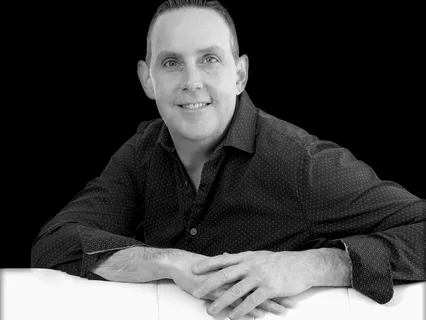
Welcome to Life,
Lessons and Laughter with your host Glenn Ambrose.
Hello everyone.
Welcome to the podcast.
Today we are talking about knowing your limitations.
This is good.
This is a good one for me.
This is a good one for you.
Because you just experienced an example in your life where you didn't know your limitations.
There aren't many times in my life when I haven't experienced something.
Something to do with your limitations?
Yeah.
Always.
I try to test my limitations,
Not on purpose.
Unconsciously?
Yeah.
Unconsciously testing your limitations.
Yeah,
It doesn't usually work out too well.
Unconsciously doing anything doesn't seem to work out too well.
So you pushed,
Like last week or so,
You pushed yourself way too much and ended up sick.
Yeah.
So that's a tendency that I have to do.
If you look back,
Not that I'm like an extremely hard worker or anything,
Like I wouldn't go that far,
But if you look back over the,
I have a,
I have like an infection issue that I've had for years.
I was working at a call center and I got like a cut on my leg and then I like sat with my legs under me and it cut out the circulation.
So I've become susceptible to this cellulitis infection over and over again.
And the more you get it,
The more you get it.
So like once a year it happens and Faith is licking my leg right now.
It's very cute.
That's the dog,
By the way.
The dog has added so much to this podcast behind the scenes that you guys don't even know.
But anyway,
The,
So it always happens where,
You know,
If I'm living unconsciously for a little extended period of time and I just kind of go,
You know,
When I wear myself out to that point is when I end up in the hospital.
Huh.
Isn't that interesting?
And this has been for five years now you've said like,
Hey,
Maybe that was a,
You know,
Maybe that was a little bit of a wake up call.
Maybe slow down.
Maybe slow down,
Pay attention to what you're doing.
I'm like,
Yeah,
Yeah,
No,
Totally.
And then I do it.
And then about a year later,
Nine months,
Six months later or whatever it is,
I'm like,
It's a cycle.
And that's,
That's usually how things happen,
You know,
If,
And that's something that bringing consciousness and we notice if we start looking at things.
Basically there is a cycle we'll,
We'll experience some negativity.
So we'll go,
Oh no,
I need to change my behavior.
So we start changing our behavior and then we change it for a while.
And then,
Then all of a sudden everything's going better.
And then all of a sudden we kind of lose focus on it.
And then we drift back into unconsciousness and then we start behaving poorly again.
And then all of a sudden the negativity increases and then we pay the consequence and then we go,
Oh crap,
You know,
That sucked.
So then we adjust our behavior and the cycle starts all over again,
You know?
So it's,
It's,
You know,
Really about knowing our limitations and learning to,
To implement the structure on a regular basis and limit ourselves,
You know?
And that's what you,
That was the text that you sent me,
Um,
When I told you,
Cause we were supposed to,
Uh,
We had a,
Um,
A podcast scheduled to be recorded about a day later,
Um,
When I got ill and,
Uh,
The,
The text response that I got from you was,
Um,
Okay,
You know,
Time to,
Time to set some limitations,
Uh,
To bring some structure.
That's what it was.
Yeah.
Yeah.
And,
And I hadn't talked to you,
But that's just what kind of came out.
So like now that we're talking,
I can see that it was heading in the right direction cause I just responded,
You know,
In that way because that's just the feeling I got.
And it was like,
Oh,
So now I understand why I got that feeling,
You know,
Because it is the structure that where we're very undisciplined.
We just run around unconsciously.
So if we're going to shift our behaviors and live within our limitations,
We need to bring that structure in and be responsible for our lives.
You know,
It's like,
I have to look at,
Look at my life and I have,
You know,
Running your own business,
You have a lot of freedom and which is cool,
But when it's your own business,
You tend to overwork too.
So there's the dog.
Boy,
She's being noisy.
She is my favorite part of this podcast now.
It's going to need to switch to a video podcast just so we can get a camera on the dog.
Yeah,
Really.
Oh,
So you're messing with my microphone now.
But the,
You know,
The,
Um,
The structure really helps us keep track of what we're doing.
Right.
And it's,
I remember when I first,
When I first woke up,
I was down in Florida and I was going to be moving up here and I was really trying to live my life consciously and in a healthy way.
And you know,
My,
My eyes opened up and I was living all spiritually and everything.
But what I started to do was research houses and you know,
Like apartments and places to live and you know,
Researching all this stuff,
Jobs and everything because I was going to move from Florida up to Rhode Island and I felt myself living,
Like kind of doing too much and I was like,
Ah,
That's all right.
It's just,
I'm just gonna,
You know,
Allow myself to go with it.
And I was doing it in a very unhealthy way.
So I was like really researching too much.
I started missing sleep.
I would skip,
I started skipping meals and I was like,
Well,
If I take it too far,
Then I was going to go on a retreat with some friends like in a week or two.
So I was like,
Yeah,
If I,
If I kind of get out of sorts,
I'll just kind of regroup during that retreat.
So I allowed myself just to live really in an unhealthy,
Obsessive way about researching.
And I was a lunatic.
I went on that retreat and thank God I had that retreat because it really allowed me to recenter myself.
And I remember I went into a meditation and I was laying in this gazebo and this beautiful retreat center down in Florida.
And I'm laying in the middle of this gazebo because we had like,
Uh,
After the introduction,
We had like some silent time so we could do whatever we wanted,
But it was to be in silence for a few hours.
So I laid down this gazebo and I was,
I just kind of fell into this meditation and all of a sudden I saw myself with laying there with fire all around me and all of a sudden I got up and I started like kind of messing with the fire,
Like sticking my toe in it,
You know,
Just kind of seeing what I could get away with without getting burned.
And I just got this message,
Don't screw around,
Don't play with the fire.
You were just playing with fire.
Don't do it.
Literally.
Yeah.
And so,
And what I got out of that message was I can't allow myself to live in unhealthy ways because I can get caught up into it and all of a sudden find like when you're caught up in living in unhealthy ways,
Sometimes you never know how long it's going to last.
You know,
Like it could,
Because you don't have control over it,
You're out of control.
So like you could go three months,
Six months,
A year,
Some people go five,
10 years and then,
You know,
Some people go 20 and have a heart attack and drop dead.
You know,
You don't know where that line is.
You don't know.
It's a dangerous thing.
It's a dangerous game.
To do what you did saying,
I'm going to go crazy because I have this retreat.
Right.
And I'll make up for it on the retreat.
Yeah.
If I get too far out of control,
I'll recenter myself on the retreat.
It was a dangerous game I was playing because,
You know,
And because when you're,
It's a spiral,
It has its own energy pull to it.
When you start getting out of control and giving up control of your life to unconsciousness,
It's got to pull and it starts spinning faster and faster and tighter and tighter.
And you don't know when you're going to wake up,
Come out of it.
You might be too far down.
You may have done too much damage to be able to pull yourself back out,
You know,
So,
And you might've done too much damage to your body to where,
You know,
You have some severe,
Severe health issues because of it.
So it's,
You know,
I learned back then,
That was 13 years ago.
Don't play with fire.
Do not screw around with,
With unconscious behavior.
You know,
Set your limitations and it's how to,
It's how I try to run my business now.
You know,
I'm not perfect at it.
Like before I went on vacation,
Which was like about a month ago,
I was in the middle of,
Um,
Kind of not really double booking,
But a little bit of double booking because I want to get all my clients in before I went on vacation.
So I had a little extra client work.
Plus I was rebranding my website and everything else.
Plus I was,
Yeah,
You know,
Plus my son was finishing his third semester in school,
So we're putting a little extra effort into that and squaring away everything before we took off on vacation.
And so that was a little extra work.
It was just a lot of extra work and I could see the vacation and I was pushing myself a little bit,
You know?
And I had one eye open and I allowed myself to push myself a little bit.
And even the little bit that I did there,
I didn't like doing.
I did a little too much,
You know,
But,
But I was conscious.
I was doing it and I was monitoring myself too.
I never let myself get fully engulfed in it.
Right.
Did I do a little too much?
Yeah,
Yeah I did.
I did a little too much,
But I'm not perfect.
So,
And,
And I,
There's no way I was going to get completely caught up in it,
You know?
So,
So it was,
You know,
It's a learning curve and I've had other situations in the past where I've handled them perfectly,
Where I was aware I had a lot going on and I was just a little bit more structured.
And I just was like,
Nope,
Stop,
Stop working,
Give yourself downtime.
Nope,
Stop working,
Give yourself downtime.
And I've done it in the past.
I've done it like effortlessly almost.
It was beautiful.
And that's the thing,
That's the thing.
Setting your,
Knowing your limitations,
Right,
Doesn't mean that you're setting,
You're putting handcuffs on yourself.
Absolutely not.
It doesn't mean that you can't do something.
It's,
I'm assuming,
I don't want to presume to know what I'm talking about here,
But it's the way in which you do it.
Right.
Right.
Yeah.
And it's,
It's,
You have to be conscious with what you're doing and you have to make conscious decisions and,
And just because,
You know,
Sometimes in life we might have to work a few extra hours.
It's okay.
You know,
But looking at it going,
I understand that I'm working a few extra hours.
Maybe I should get to sleep a little earlier and then doing that,
Or I've worked a few extra hours,
A couple of days here to really finish this project.
I can't continue on this pace.
I have to stop,
You know,
And,
And that includes even if our bosses are telling us,
You know,
People think that just because a boss says something that we have to do it.
And it's,
You know,
I mean,
That's really dangerous,
Especially like salaried employees,
You know,
That don't get paid hourly.
It's like you,
You cannot give your limitations.
You are the giver in a,
You know,
In a work environment,
You give work and the company gives you a paycheck.
So when,
When you're giving work,
When you're playing the role of the giver to a company,
You can't give the company control over how much you give.
The you're the giver.
You need to control how much is given.
You can't expect the taker to control how much is given.
You know,
That would be like somebody,
You know,
Going into somebody that's taking,
Like,
Let's say somebody was taking money from me and I was helping them out and they were just coming and they were getting money whenever they needed it.
And I just gave it to them and they just took it.
That would be like me getting upset when they drained my bank account.
I can't give them control over how much,
How much they take.
They don't know.
They don't know what's in my bank account.
They don't know what I'm capable of giving.
They don't know what's healthy for me.
So as the giver,
It is my responsibility to set the limits,
You know,
And that's in everything in our lives.
So we have to,
We have to be able to say,
I can give this much without hurting myself.
So I think this is a funny anecdote towards,
Towards this,
Towards this end.
We're talking a lot about overworking,
You know,
And what's ironic to me is that,
And I think that this gives a big idea of structure,
Is that the night before I got sick this past time,
Right?
What I did that was so bad that exhausted me by the time that I went to sleep that night and then there was about a six hour gap of sleep,
Was actually having fun.
So I was done with work stuff around like four and then I went and saw my parents for a little bit and then I was gonna go home and go to sleep.
The next day,
And I didn't end up getting to do it,
But the next day I had several things to do including like a five and a half hour wedding that I was supposed to be working,
That I never ended up working.
And I,
You know,
In the evening of that night on Friday I was exhausted.
I was tired.
Yeah.
Right?
But I had this window of fun that was gonna happen.
Dave had an early gig and I hadn't spent much time with him in about a week.
And I was like,
If I can just stay awake,
If I can just make it another two hours,
We can have a little bit of time to hang out.
And that'll be great.
So instead of going to bed at eight o'clock when I was exhausted,
I had coffee.
That's an unconscious decision.
I had coffee and then ended up staying up and hung out until two o'clock in the morning.
And then when I went to go to bed,
I couldn't go to sleep.
I was like,
Oh God,
You know,
I over exhausted myself.
Right.
Yeah,
Because you just didn't listen to your body and what you needed.
Right.
And it wasn't overworking.
It was this idea of downtime.
I was like,
I have downtime.
I'm gonna go out this hard.
Yeah,
Because you were caught up in the energy of going at everything hard.
Right.
So I was like,
I'm going to do this.
We're going to,
We're going to,
And we had a great,
You know,
Time.
Well,
Yeah,
I'm sure.
It was a great evening.
Yeah,
I'm sure it was.
I was really happy about it.
And I went to bed really happy about like the quality time that we just got to hang out as friends that like we hadn't gotten in a little while.
And that's why they say the,
The,
The path to hell is paved with good intentions.
You know,
You had a good intention.
Right.
Oh,
I'm going to go hang with my friend.
We're going to have some fun.
That's a good intention.
This is the only podcast we've ever done where he isn't in the room right now.
Yeah,
Really.
And uh,
I hope he just doesn't listen to that part.
But so you had good intentions,
But you weren't listening to what you needed at that time.
That's how that's,
You know,
That's how we live unconsciously.
And we do that in a lot of situations and which kind of is a good segue right into relationships,
Which you know,
I kind of wanted to touch on with setting your limitations because that's the other way we just set.
We do not set limitations within relationships and it's because we don't,
We're not,
You know,
We're not slowing down to look at what we actually need.
We're just going,
Well,
I need to do this because it's good.
So what we do is we do things like volunteer when we really don't have the time to volunteer.
Why?
Because we want to feel like a good person.
Well then we end up giving into our kids every little whim that they want.
Why?
Because we want to be a good parent.
Uh,
And then we give in to everything that our boss wants.
Why?
Because we want to be a good employee and then we give into everything that our spouse wants because we want to be a good spouse.
And we then we give into everything our friends want because we want to be a good friend.
It's that's not being a good person that is depleting our energy supply until we are sick or and or dead.
You know,
That's what that leads to.
So that can't be the right model for being a good person that you know,
We,
And but we live like that unconsciously.
Well,
I have to give.
Giving is better than receiving.
I have to give,
Give,
Give of myself,
Give.
And it's like,
Wait,
No,
You have to set the limits.
You have to know what your limits are and you need to be able to give your body rest when it needs to rest.
You everything is a cycle.
You're supposed to be giving with one hand and receiving with the other.
If you constantly give,
Then all you do is deplete yourself and then you crash and then guess what you can't do?
Give.
But if you're giving and receiving,
Then you can give forever.
Because as you give,
You receive and as you give,
You receive and as you know,
It's full cycle,
Full circle.
That's the way things are supposed to be.
But we need to monitor ourselves and see what we're doing.
Slow down enough to see what we're doing and go,
You know what,
I just,
I can't do that.
You know how many times like somebody will ask me to go out and do something and I do not have a large social life at this point.
It's one of my things that I constantly keep needing to put attention to,
To try to expand it because it just gets caught in the leeway.
That's just kind of where my life is right now.
So I'm constantly putting attention,
But sometimes it comes up where I have an opportunity to go do something and I have to sit there and go,
Glenn,
You really need to be more social.
So do you want to go do this?
And I have to sit down and get quiet and still and go,
No,
I'm exhausted.
I need rest.
My body needs rest.
I understand that I need to go out more,
But today ain't the day.
I just need to curl up on the couch and get some rest and then I'll do it and I'll feel better,
You know,
And then I can go out the next day and go do something or I can make some plans and go do something.
You know,
We can have everything that we want in our lives.
It's just we have to pay attention to how we're living and pay attention to our limitations and know when we need to pull back and we can't hand our power over to everybody else in our lives expecting them to know what our limitations are.
They are the takers.
They do not have access to our emotional bank account.
So you can't give them the debit card because they will just continue taking because it's an endless supply of whatever they want and they don't know what the limits are.
So you have to hang on to your own debit card and let people know,
No,
I'm getting depleted.
I need to take care of me now.
How much are you supposed to be aware of other people's limitations?
You're not.
That's not your response.
How could you?
You know,
I mean,
We just can't.
I mean,
Some people who are overly caring will try to.
They'll be like,
No,
No,
No,
No.
I see you and I'm going to take care of you for you.
And that's jumping into somebody else's life.
We need to take responsibility for our own lives because we can only function from our perspective.
We don't know what's in somebody else's tank,
Nor could we ever.
My friends try to do that for me sometimes because I overextend the giving.
So they'll try to look out for me on that.
Which is nice.
That's a good thing.
But it's on me.
Right.
At the end of the day,
That's not how you want to live your life.
And too many times I blow past that anyway.
They attempt.
They attempt and it doesn't work.
They're an alarm and I just hit snooze.
But yeah,
Exactly.
Shut up for now.
I'm all right.
Come talk to me when I'm in the hospital in a month.
Yeah,
Exactly.
And little things like that can be helpful.
It's not that we always have to do everything alone and we can't take help from other people.
That's wonderful that you have friends that go,
Hey,
Maybe you should slow down.
But with these podcasts,
What I'm trying to do as a general rule is to have people living the healthiest life possible.
If you're depending on other people to call your boundaries for you and call your limitations,
That's not the healthiest way possible.
You want to be able to set those limitations yourself and not depend on your friends.
Because what if they're caught up in their life and they miss one?
And they will be.
Oh,
They will.
Because everyone is.
Absolutely.
Always.
As we talked about in the last episode with sensitivity,
Everyone's living their own life.
Right.
From their own perspective.
Everyone has their own perspective,
Their own inner monologue.
Everyone is.
Everyone is the main focus of their own life.
And they're the director and the writer and the main actor in their own play.
And they're going about life from their perspective.
So then all of a sudden,
Something captures their interest and they're not able to care for you in that particular way.
And then we're like,
Well,
What the hell?
That was your job.
Why didn't you take care of me?
It's like,
No,
No,
No,
No,
No.
That's not my job.
I was just trying to help.
Right.
You know,
Even,
Would you say like even like a best friend,
A sibling,
A spouse,
Like you're still just a character in their play to them.
Oh,
Absolutely.
It's about you.
It's always about you.
It has to be because we can't take our brain and mesh it with somebody else's brain.
It's like,
You know,
We always are functioning from our own perspective.
You know,
We can be thoughtful and stuff like that.
We can get to know people and stuff like that,
But we can never hand the responsibility for our life and our happiness into somebody else's hands because it's impossible for them to know what we need all the time.
So eventually they're going to drop the ball.
Even if they know us better than we know ourselves,
They'll drop the ball at one time and then all of a sudden we'll look at them and go,
Well,
What the hell?
What was that?
How come you've been taking care of my happiness for six years,
Which would be a miracle by the way,
But you've been taking care of my happiness for six months.
How come all of a sudden you didn't care for my happiness this time?
Well,
You know,
I was watching the baseball game.
I didn't even notice.
How could you not notice?
Then all of a sudden you're in a fight.
Like how the heck did I get here?
I feel like I've had this conversation before.
Yeah.
Well,
I think they make,
You know,
They make sitcoms out of this.
Someday I'll make that a sitcom.
So knowing your limitations.
Knowing your limitations,
You know,
In our work life,
In our social life,
In our sleep life,
In our relationship life,
We have to take responsibility for our own lives and allow others to take responsibility for theirs.
And it's,
You know,
We're the only ones that can slow down enough and get a reading on our bank account,
Our emotional bank account,
And see what we're capable of giving or our energy bank account and see what we're capable of giving.
You know,
We're the only ones that can do that.
Heck,
It's hard enough for us to do it.
You know,
We actually need to slow down and go,
What does my body need right now?
Right.
Well,
The same way,
The same way though,
That you wouldn't go pay a bill without checking your bank account first to make sure that you have the funds,
You have to live consciously and be checking in with yourself and say,
What do I need?
Do I have enough of this to give?
Right.
And not,
How do I replenish this?
And I think the biggest trap that people get caught up in is this,
This mentality that they need to do everything for everyone else because that's what equals a good person.
Right.
That is not what equals a good person.
You know,
A good person can help others and can be there for others,
But not at the expense of themselves.
It's just a martyr that's going to end up depleted in a ball in the corner somewhere.
That's not that impressive.
You can't burn the candle at both ends and expect for there to be anything left.
All right.
Lesson.
Point taken,
Lesson learned.
Thank you guys for listening to this podcast of Glenn talking directly to me for a half hour.
So Glenn,
If people want help defining their limitations and,
Um,
And,
And,
And,
And I know a guy.
Do you?
I do.
I think I know a guy right now.
I'm looking at his business card.
Yeah.
Brand new business card.
Yeah.
This guy,
Glenn Ambrose,
And he's easy to find.
Glenn Ambrose.
Com and check that out.
Check out the new website and uh,
And um,
You know,
Keep,
Keep paying attention to your life and it's really good to get an outside perspective and that's,
You know,
Usually what I can help you do.
Like everybody needs that and outside perspective to kind of put things in,
Uh,
In order.
It's very helpful.
That's why I have a life coach because I,
You know,
With my own stuff,
It's good to get that neutral outlook.
So yeah,
If I can,
Uh,
If you'd like a,
Um,
Consultation or like to get in touch,
Just uh,
Go to my website,
Reach out and uh,
I will get back to you as soon as possible.
So thanks for listening.
Thank you Ben.
Oh,
Thank you.
And if you guys like the show,
Uh,
Wherever you find it,
Please,
Uh,
Like,
Leave a comment,
Subscribe.
Um,
It really helps other people to find the show.
Yeah.
And give me awesome ratings because apparently that's important,
I guess.
Yeah.
It's like,
I mean,
It's,
It's not so important to me,
Although I love seeing it,
But,
Uh,
I get that,
That's what helps it climb up the ratings so more people get exposed to the good message.
And that's really what I want.
That's right.
You can help other people by sharing your own opinions about the show.
Yeah.
All right.
Thanks.
As long as they're good.
Even if they're not good.
I won't take it personally.
So it's all good.
We've gotten bad reviews before.
Yeah.
I'm sure we'll get them again.
Uh,
Thank you very much.
All right.
Thanks,
Everybody.