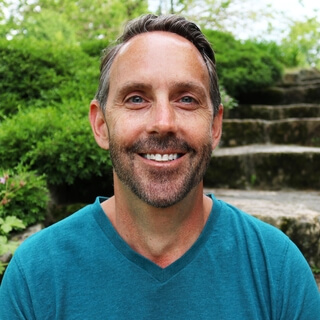
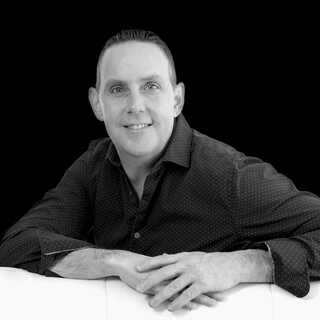
Welcome to Life Lessons and Laughter with your host,
Glenn Ambrose.
Hey,
Everybody,
Welcome,
Welcome,
Welcome.
Welcome to your identity show.
So,
Yeah,
You know,
I've talked a lot about our conditioning and our social conditioning and forgetting our conditioning over the years,
Which I think is a very important part.
We have to consciously interact with life as opposed to unconsciously interacting with life.
And a lot of our conditioning is dysfunctional.
It just simply doesn't work.
It's just societally acceptable and passed down.
You know,
A lot of times,
Generation to generation,
We just,
You know,
See,
There's always an ounce of truth to our conditioning.
There's always some aspect of it that makes sense.
That's why it resonates with us.
That's why we can accept it without diving too deeply into it,
Because at first glance,
Just like,
You know,
It sounds like it makes sense.
And everybody else is saying it like it makes sense,
Like the energy behind it,
Since it's accepted by people,
The way they say things implies that it's a fact.
It has that energy.
So,
Like,
It's very easily accepted for us.
This is,
You know,
They do this in marketing.
You just say something like it's a fact,
And then it's,
It's almost feels foolish to question it,
Because it was so matter of fact,
The way they said it.
And there's an ounce of truth to it.
It's not totally true.
It's actually false.
But the ounce of truth,
Just go as soon as our brain finds that.
It's like,
Oh,
Yeah,
Well,
Of course,
It's true,
You know,
And then we don't second guess it,
We don't do a deep dive in on it,
We don't really think about what it means.
We just accept it as part of our reality.
You know,
Like,
One of the common examples of this is,
You know,
People who,
Who,
You have to work hard to make money.
Like everybody knows that.
No,
You don't.
The hardest working people that I know make the least amount of money.
It's,
You know,
Now,
That's not to say that,
But,
But where's the ounce of truth,
Right?
That makes us make it sound right,
And makes it acceptable.
Well,
The ounce of truth is if you put energy towards something over and over and over,
You know,
Consistent energy towards something,
You're likely,
Likely to achieve it.
So there's an ounce of truth to that.
But it's not,
It's,
It's not just working hard.
Like that's,
It's working hard as an oversimplified version,
You can go dig ditches for,
You know,
Every day for 10 hours a day,
Making $5 an hour,
And you're never going to get rich,
You're never going to be abundant,
It's never going to happen,
No matter how many days you do it,
No matter how hard you work,
No matter if you dig slowly,
Or if you dig quickly,
It's,
You're not going to get abundant,
And you're going to work extremely hard.
So there are,
My point is,
Is there are other variables that we have to take into consideration.
So,
You know,
I'm not going to spend too much time on conditioning,
I just wanted to kind of lay a foundation about,
You know,
Kind of why I'm talking about our identity.
It's,
I'm trying to explain that our identity is based on our conditioning.
It's created over our entire life of our experiences.
And one of the socially conditioned things that we are taught to believe is that we have to remember where we came from,
You know,
And now that would,
Which isn't true.
But is there an ounce of truth to it?
Yes,
There is.
Okay,
So remembering where you came from can be an exercise in humility.
It can motivate you to help people in the community.
You know,
If you came from a poor community,
Let's say,
And then you did what you needed to do,
And you landed in a place of abundance.
Well,
Remember where you came from.
Well,
That can be remembering that there are people less fortunate than you and maybe figuring out a way to help them in a philanthropic aspect,
Which helping others is an alignment with God's will.
So,
You know,
So there are little ounces of truth here and there to this conditioning that can be beneficial.
So it sounds good right off the top,
So we do it.
But we don't think deeply enough.
And what does this mean?
And do I need to remember where I came from in a balanced way?
Or totally?
What if I remember where I came from too much,
If I hold on to it really tightly?
Is that detrimental?
Right?
And this is part of what I'm talking about today.
It can be detrimental depending on how you hold on to it.
You know,
Remembering where you came from just in a surface-y way,
And using it as a motivation to help others and things like that.
You know,
There's obviously nothing wrong with the parts of it if you do it in a healthy way,
If it helps you remain humble and all this stuff.
There's technically nothing wrong with that,
And it can have some benefits moving forward.
However,
What I'm talking about today is that we do that with everything.
You know,
Most people do that with everything.
We do that with,
You know,
This is why it's hard to let go of traumas,
Because it's part of who we are,
We think.
And we think that that's very,
Very important.
Well,
I have to remember what I've been through.
I have to remember what I've gone through.
I have to remember how hard it was.
Like,
Why?
Why do you have to hang on to that and bring it into your future?
If you've found a better way,
Like bringing the darkness into the light with you isn't going to work.
You know?
Like,
It's not as important as we make it out to be.
Like I said,
Are there some benefits?
Well,
Sure there are,
But there's also some detriments that we should be aware of.
And that is creating an identity around it.
You know,
And I've done my own version of this.
It's like,
You know,
Being an alcoholic for 20 years was such a foundational part of who I have become.
Right?
And we think that that's the,
So important.
This is where I'm going to launch out into the more spiritual aspects of this,
Because I'm telling you,
Like,
You know,
Remembering like ADHD,
And my school experience,
And my rebelliousness,
And my pushing against that,
And not fitting into society,
And alcoholism,
And all this stuff.
And if you look at that,
And the way we're kind of conditioned to look at that,
It's like,
Oh,
Okay,
Well,
You know,
Glenn worked through all that and used it to propel himself forward.
And what a wonderful story that is.
And all this stuff in it,
You know,
It's kind of like watching a movie,
You know,
It gets you all warmed up,
And heart centered.
Why?
Because we all have stories of going through,
Coming from someplace,
Going through hardships,
And making it through to the other side.
You know,
Everybody's experienced hardships.
So it makes us feel connected.
And again,
When we're using it in those ways,
To feel more connected and stuff,
Then there's an aspect of goodness to it.
And we're using it in a way that can benefit us.
But if what,
You guys know,
You know,
When I'm talking about the real spiritual stuff,
It's,
The words are hard to find sometimes.
So I,
You know,
I'm,
I'm going to go off into the identity aspect of it more now.
And,
You know,
I just want to preface it by saying,
I'm not saying that there are no benefits to it.
I've touched on several of them already.
So,
You know,
If we're using it in proper ways,
There can be some benefits to it.
But we have to balance it out.
Because what we're doing is we're actually using our past to create our present identity.
And that's just another identity.
Okay,
So,
So like,
If I go,
Oh,
Well,
I was identified as an alcoholic,
I identified myself as an alcoholic,
As I was going through alcoholism,
Or a troublemaker,
Or a rebellious teenager,
Or whatever it was,
If that's my identity,
If that's who I think I am,
Then I'm interacting with life in a way that I am conditioned to believe that looks like,
Okay,
This is so I guess this is one more little piece that I want to explain.
It's our identity is not only built of,
Off of our experience and who we think we are,
It's also an aspect of our identity is,
What does that equal out to?
Like,
What does that make us?
I think it'd be easier to explain like,
In,
In,
In a particular role.
So one particular role that I've played during this lifetime is a father.
So when I have my father hat on,
It's very different than other hats.
Right?
Like,
I'm not behaving and thinking and speaking in the same way when,
When I was being a father to my eight year old son,
As I was when I was on a date with a woman,
Those were two totally different roles.
And my behavior and my thinking processes,
And my speech and my feelings were completely different in those two situations.
Right?
So and what we have to be careful of with these,
With these roles that we play is we have unconscious boxes as to what that role consists of.
So when I was acting like a father,
I,
You know,
There were many times where I was acting like I thought a father should act.
That is a pre-constructed identity based on what I have seen in my past from fathers,
Not only my own father,
But fathers on television,
Hearing other people talk about their fathers,
All kinds of different experiences,
All meshed in,
Gathered into my,
My memory,
My brain and pact,
And it created a father identity.
And whenever I drop into that father identity,
I behave like that unconsciously.
And some of that stuff is really good.
You know,
I had a good father growing up.
So like,
I could draw from some very good experiences,
But some of it was bad,
Because,
You know,
Like one,
My father didn't always know how to deal with me,
We were,
We're,
We're very similar in a lot of ways.
But then we're also very different in some very foundational ways too.
So like,
And neither one of us knows how to back down very well.
So there's good and bad there.
But also,
You know,
Certain things that I took in off of TV,
Or,
Or,
You know,
Society as what a father is,
That's all packed in there.
So I have,
I'm reacting unconsciously in ways as a father.
And that is not a good way to be a father.
Like I've said before,
The my greatest moments as a father were when I disconnected from that box,
When I dropped into the present moment.
And when I was acting out in the of whatever felt right in that present moment,
That and looking at me,
Those are,
You know,
I guess if I had to oversimplify two of the my biggest parenting aspects of that things that I did that benefited me,
That helped me be a better parent was acting out of the present moment.
And just focusing on me as the problem.
You know,
Which is kind of a life lesson,
Usually where we're addicted to external circumstances.
So if my son was bothering me,
Or wasn't doing something he was supposed to,
Or,
You know,
Whatever,
There was some sort of problem,
Our tendency is to focus on the problem instead of the solution.
And so as long as I saw him as the problem,
I didn't have much luck coming to the solution.
As soon as I stopped looking at him and reminded myself that I'm the father,
I'm the one that that is in control of the dynamics within the house,
And making sure they go smoothly.
And it's my responsibility.
So if if something isn't going smoothly inside the house,
Then it's something that I'm doing wrong,
Because I'm in control as the father is,
You know,
So when I would do that,
Then I would think,
Oh,
Like,
So that exercise in itself actually does what I'm talking about.
Because if you're sitting there,
You know,
Going like,
What am I doing wrong,
It forces you to think originally.
Because the reason you're doing things wrong is,
In a particular situation,
Is because you're behaving unconsciously.
If you were acting out of the present moment,
You wouldn't be making mistakes.
I've never made a mistake in the present moment.
When I was purely dropped into the present moment,
Because we're functioning through divine wisdom,
Or I should say divine wisdom is functioning through us.
So we don't make mistakes when we're locked into the present moment,
And we're connected to divine wisdom.
It's just,
If there's an appropriate thing to say,
We find ourselves saying it.
If there's an appropriate thing to do,
We find ourselves doing it.
It's just intuitive,
And it just flows through us.
And that is ultimately what I'm talking about today,
Is getting to that place where we're intuitively acting through divine wisdom,
Is acting through us,
And we're interacting with reality like that all the time.
I'm just using,
You know,
It turned out that I'm using the fatherhood example to explain this.
So,
So yeah,
When I'm making mistakes as a father,
Or any,
Or any other area of my life,
It's because I'm functioning from my brain,
All the data that I have collected over my lifetime,
Packed in just like a computer.
It's,
Our brain is literally a computer.
It only functions off of one thing,
What it has been fed,
What it has taken in.
This is why people are,
You know,
One of the biggest hurdles to helping people that are less fortunate,
Like in poor situations,
Generationally,
Is hope,
Because they haven't,
They've lived lives for generations where they didn't,
They didn't have situations in front of them where they're like,
Oh,
Well,
You know,
My neighbor,
And my cousin,
And my brother,
And my uncle,
And my sister's friend,
They all became highly successful in life.
I can do that too.
They don't have those examples.
It wasn't data put into their brain.
They didn't see it.
The only people they saw that had any level of success or money were drug dealers.
So,
If they don't want to suffer and be poor their whole lives,
They have to become a drug dealer.
Why?
Because that was the only information that was fed inside of them.
When they looked at the rest of society,
They just assumed that they were different than them,
Because nobody around them was doing that.
Right?
So,
This is what I mean.
We feed,
We create these boxes of preconditioned information that we've experienced our whole lives,
And we base our lives off of it.
We base our decisions off of it,
Our thinking,
The way we handle situations.
So,
If I'm functioning from that,
And I live in a dysfunctional society,
And I'm trying to be a father based on what I've seen portrayed in my past through a dysfunctional society,
I'm going to do dysfunctional things.
I'm going to do things that don't work.
Why?
Because those were the things that I saw.
Those were the things that I experienced.
So,
They're in my data bank.
They're in my computer.
They're in my brain.
So,
Some of the times I'm going to do those,
And I have to disconnect from that preconceived notion of what a father is,
And start coming up with some in the moment,
Divinely guided inspirations.
And that's when I had my best moments as a father,
And that's when I've had my best moments with everything.
So,
This is what I'm talking about today,
Is that our identity,
Who we think we are,
Is just a macrocosm of a bunch of microcosms,
Right?
So,
My identity,
My overall identity,
My egoic identity,
As some people will call it,
It's just who we think we are.
I think that I'm a white male with blue eyes that was born in Massachusetts,
And my name is Glenn Ambrose,
And I'm this,
And I experienced alcoholism,
And I got sober,
And I've lived spiritually.
Identity,
Identity,
Identity,
Identity,
Identity.
It's all this huge identity,
And each one of those can be a micro identity.
Oh,
I'm a father.
Well,
That's part of who I think I am.
I'm a spiritual teacher.
That's part of who I think I am.
I was an alcoholic.
That's part of who I think I am.
And like,
All that stuff,
You know,
This spiritual shift is,
We must advance in our spiritual growth.
Like,
We can't sit here and just play the same game over and over.
You know,
We have to keep expanding and growing to more broad spiritual belief systems and realities,
And lean into them and start embodying them.
This is how we create the new paradigm.
So,
This identity is made up of a bunch of experiences,
Many,
Many dysfunctional and not helpful from my past.
So,
The more that I am locked onto that,
The more mistakes I'm going to make.
And this even applies to things that we would label as good,
Right?
So,
I'm a spiritual teacher.
I woke up spiritually 21 years ago,
And I studied all these spiritual teachers and came to my own conclusions and developed my own way of teaching and all this stuff.
And,
You know,
All that stuff sounds good.
And if I lean on that identity too much,
Well,
What is a spiritual teacher?
If I'm a spiritual teacher,
What is a spiritual teacher?
Well,
A spiritual teacher,
You know,
I'm just going to throw some things out there.
I don't know that I'm going to necessarily agree with all of these.
I'm just painting a hypothetical picture of what an identity of a spiritual teacher is.
And some of these I will agree with,
And some I might not.
So,
If I believe that I'm a spiritual teacher,
And that's who I am and what I am,
Then every time I've been exposed to a spiritual teacher before,
Or what my perception of a spiritual teacher was before,
Helps create who I think I am.
You see?
So,
I could come across spiritual teachers that are arrogant,
And I go,
Oh,
Well,
I must have to be arrogant.
I'll come across,
You know,
Be spiritual teachers that,
I don't know,
Nothing's popping into my head.
But my point is,
Whatever on an unconscious,
That's the dangerous part.
This is unconscious.
I'm not aware of all this stuff.
I'm not aware of some belief system that I locked onto when I was 12 years old,
You know,
Getting pinched behind my arm by a priest because I was misbehaving in class.
And my little brain created a belief system around that to explain why a so-called priest was behaving in that manner,
Angrily,
And,
You know,
Lashing out,
And supposed to be a representative of God,
So I thought,
And I'm a kid,
And now all of a sudden they're behaving like this,
And I don't understand why.
So,
I have to come to some sort of conclusion about what's transpiring in my life,
What I'm experiencing at 12 years old,
At eight years old,
At six years old,
You know,
Like,
When we see all this stuff,
And that's all stuff that's packed into my brain,
Creating a box called spiritual teacher.
99% of it I'm unaware of.
And if I just start unconsciously acting like what I think a spiritual teacher is supposed to act like,
Because that is the identity that I've leaned into,
It's going to,
I'm going to be behaving in ways that I probably shouldn't be behaving,
Because it's unconscious,
And I'm not doing it in an aware-based way.
Now,
Fortunately,
I think I'm very rebellious,
So that's probably happened to me less,
But has it happened to me?
Absolutely.
Absolutely.
I mean,
Being a life coach and a spiritual advisor for all these years,
Of course there's an aspect of my unconscious that has started seeing me as that.
That started locking on to that,
And I see it every once in a while pop up,
And I try to keep it away.
This is why I try to drop into the present moment.
This is one of the reasons why I don't prepare for my podcasts.
I'm not trying to present something to you in some educational,
Learned way.
It's never been my intention.
I'm trying to be as authentic as I possibly can,
As unattached to any identification as I can.
I'm trying to be known as much as I can.
I'm trying to trust God as much as I can.
I'm trying to let information flow through me as much as I can without my brain getting in the way and going,
Oh,
Glenn,
You shouldn't say that.
Oh,
Glenn,
You should say this.
Oh,
Glenn.
Why?
Because what is saying that?
What is monitoring me saying,
Oh,
I shouldn't say this,
And I shouldn't say that,
Or I should say this,
Or I should say it that way?
If I engage my brain and start controlling my podcast and the things that I do working with clients that way,
Then it's me.
It's all me doing it.
I don't know if you guys saw that on the video.
Let me know if you saw a thumbs up just pop up.
Oh,
There it is again.
Maybe if I do it,
It does it.
Yeah,
When I do a thumbs up,
There's a little bubble that pops up as a thumbs up.
Let me know if you guys can see that.
Anywho.
So I'm trying to stay in the moment,
Not control what's coming out of my mouth,
Because then it's more likely to be divinely guided.
Do I do it perfectly?
Nope.
But it's a lot more divinely guided than if I started researching and planning and plotting and saying what I thought you people wanted to hear,
Or what I should be saying as a spiritual teacher.
Then all my past experiences are coming in,
And it's shading what's coming out of my mouth,
What I'm saying,
What I'm presenting to you,
And that's the last thing that I want.
I don't want my past experiences shading.
I want to be in the moment and just have whatever is supposed to come out in this present moment come out,
Because then I'm less identified as a particular thing,
Which minimizes it,
Right?
Any label minimizes what you're labeling.
Is a tree more than a tree?
Yes.
Go over and put your hands on it,
And you can feel its aliveness.
Look at it without the label of a tree,
And you'll start connecting with the essence of it,
The energy of it.
It's much more than a tree.
As soon as we label something,
It minimizes it into a verbal sound that doesn't represent all of what it is.
This is why we see kids that see a dragonfly for the first time,
And they're like,
They don't know what it is.
Oh my God,
It looks so unique.
But they don't have a name for it,
And they can connect to its essence.
Everything is like that when you're a kid.
Um,
So we,
If I drop into a label and a preconceived notion of what that label is,
Then I'm not it anymore.
I've just,
I've just thrown aside the essence of what it is.
So this is what I'm trying to explain with us.
We have to start letting go of our past.
You know,
I don't,
I don't know how much this would work for everybody.
I understand that there's different ways of doing things,
But for me as an alcoholic in recovery for 21 years,
I couldn't imagine walking through my life on a daily basis,
Reminding myself that I'm an alcoholic or was an alcoholic or whatever you want to call it.
I mean,
You know,
I,
I guess I,
I think that most likely,
And I don't even know because I don't think about it,
But I think most likely if I were to pick up a drink,
There's,
There's a above average chance that if I were to start drinking alcohol again,
I would drop back into the same problem that I had when I was an alcoholic before.
Why?
Because that's generally what the scientific evidence shows.
It's what many people's past experience shows.
Um,
I,
I have no interest in drinking alcohol.
I haven't,
And I,
I don't see the,
Really the benefit of me starting to drink.
Like I don't,
Why,
You know,
Why pour,
Uh,
Acetone or,
You know,
A poison that's broken down into acetone into my body and give my liver something else to do.
Like why I,
You know,
I don't really see the benefit so I can escape reality and not feel like myself.
Well,
I can meditate to do that if I need to.
And even better,
I can learn how to interact with life.
So I don't need to escape from it.
I don't need to feel different by pouring something into my body that propels me to do more work on myself.
So I don't have any interest in doing it,
But I can't imagine.
I,
I,
You know,
I go,
I've said this before,
I go months,
Probably years without even remembering that I'm an alcoholic.
It's just not part of my existence anymore.
I don't have to fight off a drink.
There's not something that inside of me that's going,
Glenn,
You should drink.
Uh,
Like that's not recovered one.
It's not my experience in recovery.
And two,
I don't consider that recovery.
If you have to talk yourself out of picking up your drug of choice,
Then you were not recovered.
In my opinion,
Recovery is free from a hopeless state of mind and body.
I am free from a hopeless state of mind and body.
That's what it teaches in the recovery programs.
I'm free of that.
I do not have to walk around defending myself from it.
So,
You know,
That,
But I had to break out of the box that I was taught in AA that if I stopped for one minute,
I have to be constantly vigilant.
Like I'm fighting something over and over and over and over again every day.
And it's like that it just,
I mean,
Don't get me wrong.
I was very involved in AA for eight years and I love the program and it saved my life,
But that doesn't mean that I think a hundred percent of it is correct,
Especially nowadays where it's so watered down.
So,
So like,
You know,
This is just my experience.
I mean,
If I'm not here to argue with anybody,
Heck,
If you're staying sober,
I don't care what you're doing.
God bless you.
You know,
Like if you've got to go to meetings every day,
If you've got to pray for strength every day,
Whatever you got to do to do it,
Do it.
But just know that there's,
There's a possibility of being free from the struggle.
And to me,
That's real recovery.
It's being free.
I get,
I'm free to live my life the way that I wanted to without any fear or trepidation about alcohol.
That's a,
That,
That's recovery.
So it was just another example of how conditioned thinking is embedded everywhere.
And we have boxes and perceptions of what everything is about what an alcoholic is,
What a sober alcoholic is,
What a father is,
What a son is,
What a friend is,
What a worker is,
What a boss is.
We have preconceived notions of absolutely everything and they're conditioned and they are parts of our identity.
And as long as we are latched onto them and dragging them into our future,
They are going to control us in ways.
And they're going to control our thinking in ways that are detrimental.
Sometimes,
Sometimes they can be beneficial.
Sometimes they can be detrimental,
But where are we going?
Like what,
What,
You know,
Where,
Where are we trying to get to?
We're trying to become where we're living in the present moment,
Where we're not dragging our identity and all its dysfunctional and,
And misperceptions and confusions.
We're not bringing all that with us to determine how we're going to act in a situation.
We don't need it.
When we're in the present moment,
We are attached to divine wisdom.
We are attached to,
To,
To the ether,
To all the information that's always has been and ever will be.
We,
It just functions through us and it's beautiful.
That's the way we have to start interacting with life.
So as we let go of our identity and we practice living in the present moment,
It's,
It's kind of like it's two sides to the same coin,
Right?
As we're practicing living in the present moment by,
By brushing our teeth and just feeling that connection in the present moment,
Or while we're in a parenting moment or,
Or a difficult moment with a friend,
And we just drop into the present moment and we allow the words or the actions to flow through us organically.
And we look at it and we go,
Oh my God,
How did,
How did I ever do that?
That was perfect.
That's because it's not us.
And it's not based on our past identity.
It's based on divine wisdom flowing through us.
We all have this ability,
This intuitive ability just to allow,
Open up and allow the present moment to unfold as it is as a participant with it.
So we unfold as we are.
And the perfect way to handle things flows just organically through us.
You know,
So we have to be careful not to bring our past with us.
You know,
We've been conditioned to think that we're supposed to,
You know,
And it's,
It's,
We're,
We're not going to like living like that.
One,
You can't make a mistake when you're in the present moment.
You just can't because divine wisdom is functioning through you.
It's not you.
We make mistakes.
God does not.
So,
So when God is flowing through us as us,
We don't make mistakes ever,
Ever.
We handle everything perfectly.
And I know that's a difficult concept to grasp for a lot of people,
But we have to start grasping it,
Play with it in little situations.
I mean,
It could be anything,
Drop it,
Practice dropping into the moment and figuring out what you feel like eating in the present moment.
And you know what?
Our body knows what it needs like nutrient wise and all this stuff,
Nutritional wise.
So like we can practice being in the present moment to figure out what our body should be eating for that particular meal.
We,
You know,
We can do it that way.
What are some other ways?
You know,
Any decision that you,
That,
That you're trying,
That you need to make,
Drop into the present moment and practice making your decision out of that.
You have a situation that you can't figure out as a parent or a child.
It doesn't matter where you are,
What stage of life you're in,
Just practice it,
Play with it.
Try to do it more.
Try to,
Try to figure out what to do from the present moment,
But you're not figuring out what to do,
Right?
You're not,
It's,
It's not like using your brain.
You don't drop into the present moment,
And then go,
Okay,
So two plus two equals four,
And then four plus four equals eight.
So then if I add those things together,
I'm going to get 12.
Like,
No,
You just hopped right back into your brain.
That's not,
That's not open with information flowing through you,
You know,
Put your attention more on your body,
Your torso,
Your heart area to disconnect.
Like if nothing else,
It just helps disconnect you from your brain,
Because that's what we got to do.
Our brain thinks it's there to solve all the problems.
So it just kind of does it because it's conditioned to.
So we have to disengage our brain and put our attention somewhere else.
You know,
So for me,
It's the heart,
It's actually the whole torso area,
Because I do feel things in my heart a lot.
I'm a very feeling person.
So if I monitor my feelings,
I can,
I can get guidance there.
Like I'm talking about feeling right now.
And I can feel my,
My heart center now,
Just because I'm talking about my heart center.
So there's consciousness there.
So there's awareness there.
So I feel it,
I feel this warm,
Pleasant sensation in my chest right now,
Because I'm talking about it.
But I was also talking about my torso.
So I can feel some sensations in my in my stomach as well.
You know,
I think our stomach is a very good determiner of our feelings.
It's a good guidance system of good or bad.
Like,
So,
You know,
When I was in my earlier years,
Like I had a very nervous stomach.
So maybe it's more susceptible,
Maybe I'm more susceptible to it because of the way that I'm made up.
But I bet you a lot of us can feel like this.
A lot of us are on this path of very feeling people.
So like,
I used to get myself so jacked up before a football game that I mean,
I would throw up like several times like bile just before games,
Just because I'd be so amped up and my stomach,
You know,
So and if I got nervous,
Or if,
Like,
My stomach,
When I got my nerves,
They manifested in my stomach.
So now,
You know,
That's obviously in a negative way.
But now,
Like,
If I'm trying,
If I'm working on my intuition,
And,
And trying to connect in the present moment and do this type of thing,
Which I do,
Like,
Sometimes,
I'll have a choice between two things.
And they can be something silly that I'm going to order on Amazon.
But I'll use that as a practice and go,
Okay,
Like,
How do I feel about,
You know,
I did this power versus force.
Dr.
Hawkins,
Which is some cool information out there,
Muscle testing,
And with with my son,
And it's this is another way to kind of do the same thing that I'm talking about.
Because our body knows the truth.
But like the first time I was experimenting with it,
I did it for some Bluetooth headphones on Amazon.
It's like,
Okay,
Should I buy these?
Or should I buy these?
And I had my son push on my arm.
And the one that I was strong on was the one that I should purchase the one that I was weak on was the one that I shouldn't purchase.
So I purchased,
So I tested two,
And I purchased the ones that I was strong on.
And they turned out to be very good.
Bluetooth headphones.
But you can do that with your feelings,
Too.
Like sometimes,
You know,
I'm like,
Okay,
And I'll just use the headphone example.
Okay,
Should I get these headphones,
And I'll pay attention to how I feel in my torso.
Especially,
Sometimes I can feel a little tension in my head,
Too.
But you got to be careful with that,
Because your head is where your brain is.
And that's where the thinking comes in.
And you don't want to tap into that.
But like,
If you can just feel pressure,
That's usually a negative feeling,
Feeling pressure in your brain,
You know,
So that would be a no for me.
Feeling a little nausea,
Or just a little,
Almost like a slight ache or something,
Something unpleasant in my stomach.
Oh,
That's a no.
Sometimes feeling nothing is the yes.
Sometimes I feel something pleasurable.
Like in my stomach,
Let's say,
We'll stick with that example.
You know,
Oh,
Should I get this one?
Oh,
I feel something pleasurable.
That's probably a yes.
Should I feel the other?
Or should I choose the other?
Oh,
No,
I feel like this little nausea type thing,
Or I don't know,
Maybe not nausea,
Something that ain't enjoyable.
So that's a no.
But a lot of times,
I can feel the negative,
Like something that I don't like,
Like tension in my head,
Or an upset stomach just slightly.
That's my no.
And then when I go to the yes,
I just,
I don't get anything pleasurable.
I just get nothing.
Nothing I can identify.
But if I've got my no,
I don't need my yes.
All I need is one of them.
Sometimes I get the yes,
And I don't feel the no.
Sometimes,
You know,
I get the no,
I don't feel the yes.
Sometimes I feel both,
Whatever.
So my point is practicing dropping into the present moment,
Using our intuition,
Dropping into our connection with divine wisdom,
And living from that place.
And then if you're doing that,
You can see that you don't need your past.
You don't need your past.
All that data that you collected over the past,
You don't need it.
I guarantee you,
I know not to touch a hot stove.
How did I learn that originally?
I don't know.
Me?
I probably touched one.
There's probably a really high chance that at least at some point,
I had to just,
Even just tap it,
Just to make sure that it was hot.
You know?
Now,
Am I going to,
If I forget my past,
Am I going to go start touching hot things again?
No.
No,
I'm still connected with my brain.
I'm not actually literally forgetting all of my past.
I'm just not carrying it around with me as a part of my identity,
Who I think I am,
One.
And two,
If I'm getting better and better at functioning through divine wisdom,
Divine wisdom would never have me touch a hot stove.
So even if I did forget it,
Intellectually,
I still wouldn't do it,
Because I wouldn't make a mistake connected to divine wisdom.
This is our practice.
Like,
This is the type of stuff we have to get better at.
We have to take a different way of interacting with life that's more spiritually truth centered,
And actually start living it in our day to day circumstances.
Like it,
You know,
I think what we've done is we've got so caught up in learning,
And we're not implementing.
You know,
It's just we go,
Oh,
Did you hear this new teacher?
And I'm going to go take a workshop.
It's like,
Why?
You,
You've been studying spirituality for 10 years.
What do you need to learn?
It's simple.
If you were implementing what you had already learned for the last 10 years,
You'd be Gandhi by now.
Like it's,
We don't need to learn anymore.
We don't really need to learn anything.
Like it's,
It's all within us.
You know,
This is believe it or not,
I,
There's a part of me that I wish I enjoyed reading more,
Because I just don't and I never have,
Except for the like five,
Six year period after I got sober,
Where I just devoured books and information.
And then right after that,
It got shut right off again.
I just don't.
And I have no attention span to sit there listening to,
To other teachers and workshops and all this stuff.
I just can't do it.
And there's a part of me that wants to,
Because I know that I don't know everything.
But I keep being pushed to going within.
No,
Glenn,
Just go within.
No,
Glenn,
Just go within.
Yeah,
But wouldn't it be easier if I learned from another teacher?
No,
Just go within.
No matter how hard I try,
You know,
That doesn't mean that I don't pick up little nuggets here and there.
I still do.
I still pick up little nuggets.
We're inundated by information all the time.
I'm constantly learning by a little meme or waste something's phrase differently,
Or maybe even the title or the one paragraph description of a workshop.
I can,
A lot of times I can just take the title and if it captures my attention of a workshop,
I'll read the,
Be like,
Okay,
What's this about?
And I'll read just a description,
What it's about,
And I'll skip three quarters of it.
And I'll just scan it and I'll be like,
Oh,
Okay,
So what they're teaching is,
Is to come at this particular spiritual principle through this doorway,
Kind of like what I'm doing right now.
Like in this podcast,
All I'm doing is I'm trying to explain to you guys in different ways,
How,
Why our past is part of our,
Is conditioned and part of how we live unconsciously in the now when we're,
When we're unconscious,
Interacting with life,
The more we're attached to our identity,
Which is our past conditioning,
The more mistakes we're going to make.
You know,
And like I said,
It's not,
I mean,
There are times when we've learned things that can help us.
You know,
I've learned things in business.
Oh,
Don't do that.
Oh,
Okay.
Do this.
Well,
I guarantee you,
Even if I hadn't learned that,
If I dropped into,
If I was really good at living in the present moment,
When I came to make a choice,
Should I do this or should I not do this?
I would not do it if it was negative.
I wouldn't get the same result as what I mentally learned.
So again,
Like we're not,
Even if we forgot everything living in the present moment,
We wouldn't make any mistakes and we'd always make the right choice,
But we've still got our brain.
We can use our brain sometimes and remember some stuff.
It can be helpful.
We're not going to,
I guess,
Maybe a better way to say it.
We're not going to be perfect at this people.
Like we're still going to have our brain.
We're not going to walk around lobotomized like,
And not,
And then have somebody from our childhood come up to us and say,
Hey,
You know,
My name's Mike.
Remember me?
We grew up together and we go,
No,
I don't remember you because I've let go of my identity and I'm this spiritual floaty around thing now.
Like that's not going to happen.
We're not going to magically lose our brain and all the information that was put in there.
It's still there.
We can tap into it whenever we want and it can even serve purposes sometimes beneficially,
But if we're addicted to it,
Then we're just interacting with life unconsciously and there's going to be lots of problems with that.
So that's my point.
It's not,
It's,
It's not that we have to completely abandon our thinking or that's what we're supposed to do.
Maybe we are,
Maybe we're not,
I don't know.
I'm not there yet,
But,
But like we're,
We still,
Our brain isn't going to just dissolve and not exist anymore.
Like it's still going to be there.
We're still going to have our memories.
We can still enjoy our memories.
We can still maybe even pick through some of them and consciously choose,
You know,
What we want to do,
What we don't want to do.
But my point is right now,
Most people are living off of that all the time.
And I've said this many times.
Most,
If you ask most people,
If they know what they're doing and why they're doing it,
They would say,
Yes,
And they don't.
This is why it's because it's all conditioned boxes that we've created through our past experiences and it's reactionary.
And most of the time we don't know 90% of the information that is in that box because it's millions and millions of experiences throughout our life.
That's all jam packed together.
We don't,
We can't sort through all that data.
Our brain can,
But we can't.
It just creates this preconditioned response that's completely unconscious.
So we're not actually consciously choosing most of the time.
It's our brain.
It's,
You know,
It's just a search engine.
What do I do in this situation?
You do this and then we do it.
And we think we know why we're doing it,
But most of the information we're not even aware of,
Nor if we looked at it,
Would we agree with it?
So as we let go of our identity and we practice being in the present moment,
That's going to,
You know,
We're functioning like 99% brain and playing with our intuition 1%.
And we just have to start shifting that.
You know,
Who knows,
Maybe when we get to 50,
50,
It'll be the perfect balance.
Maybe,
I don't know.
Maybe we'll get to 90% living in the present moment and 10% leaning on our brain.
Maybe,
I don't know,
But all I know is 99% living basically unconsciously,
Not knowing why we're doing what we're doing.
And 1% living in the present moment,
Leaning on perfection,
Divine wisdom,
Ain't a good balance.
So let's start implementing this stuff.
Start into our everyday lives.
This is what's really going to change your life.
Not going to another workshop,
Not releasing another trauma from your childhood,
Not this,
Not that.
It's just living this stuff.
We know enough to live it.
We have to live it every day,
All day to the best of our ability.
And it's fun playing with this stuff.
It's like,
Oh my God,
You know,
You do it right a couple of times and you're like,
This is so cool.
It's not like work.
So hopefully I explained that well.
I don't know.
To me,
This was a,
This was a little bit of a difficult one to find the words for.
But that's part of what I do,
Is just lean into this stuff and give it my best shot.
So hopefully you guys got something out of that.
Practice letting go of your identity and functioning through allowing divine wisdom to function through you.
Those are the two sides to,
To the same coin,
Because letting go of your identity is also letting go of preconditioned responses,
Which is also called unconsciousness.
So if you're functioning less from your identity,
You're functioning less from unconsciousness,
A bunch of data added up throughout your life that spits out an unconscious response.
We don't want to do that.
We want to function from the present moment and let divine inspiration flow through us more and more and more.
All right.
Hope that helps.
Good luck.
Let me know if I can help and that'll do it.