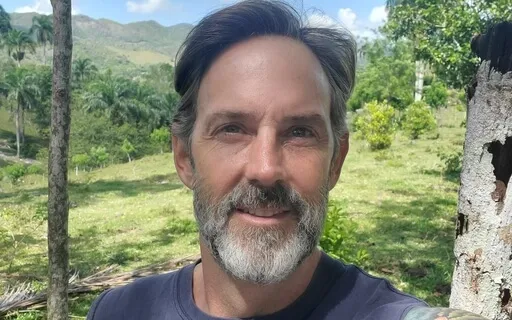
Welcome to Life,
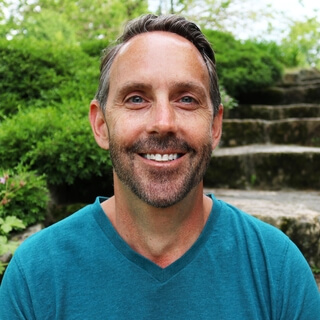
Lessons and Laughter with your host,
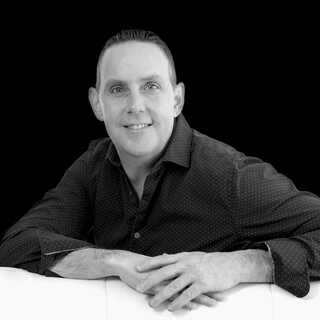
Glenn Ambrose.
Hello,
Hello,
Everybody.
Boy,
This camera looks funky today.
Oh,
Well,
It is what it is.
Hey,
Everybody,
Say hello.
And where you're from,
Please.
Oh,
And I'm gonna activate my comments on here.
So today,
I am talking about a 38 special song from the 80s.
Hold on loosely,
But don't let go.
If you cling too tightly,
You're going to lose control.
So,
You know,
This is a very important aspect of spirituality and living a peaceful,
Contented life.
Hey,
Laura,
Thanks for joining me from Rhode Island.
So,
Yeah,
Holding on loosely,
Not knowing,
This is a very important aspect of a peaceful life.
And,
You know,
It probably doesn't get talked about enough.
We have to get comfortable not knowing.
We have to get comfortable not knowing,
Because basically where we are now is,
You know,
Our,
Our brain is in control of us instead of us being in control of our brain.
So our brain wants answers,
Because it feels it has questions.
So in our life,
If you know,
Oh,
I'm not sure what I want to do,
Or what I'm going to do,
Or I'm not sure how to find happiness,
Or I'm not sure which way to go this way or that way,
Like there's always questions.
And we think we're going to feel better when,
When we get the answer to those questions.
So we,
We dive,
We dive into these questions,
Trying to get the answer,
Trying to get the answer,
Trying to get the answer.
That's what our brain is doing.
Because unconsciously,
That's the job we gave it.
We gave it the job of answering this question,
Kind of,
You know,
Unconsciously,
We give that job.
So we didn't really know we did.
But we did.
So it's constantly trying to answer this question.
And this is the pressure we feel,
You know,
We feel pressure living like that.
Because we don't,
Most of the things we think we know,
We don't know.
You know,
And hey,
Deanna,
My Rhode Island friends are popping on first.
I love it.
So,
You know,
Why,
Why are we seeking these answers?
Well,
We're seeking these answers.
Let me see.
I just realized I didn't really move my mic over.
Maybe you guys can hear me better now.
So our brain is seeking these,
These answers,
So we can relax,
So we can feel safe.
You know,
And there really isn't any safety there,
Because we don't really know what we're doing is we're taking educated guesses,
Which is fine.
That's,
You know,
We can take educated guesses.
But we actually think we know the truth a lot of times.
And we latch on to it for that sense of safety.
And it's,
And then also,
Which is kind of cool when it works out,
Because then we think we're safe.
But when it doesn't work out,
Then we lose our sense of safety.
And it's like,
Oh,
I don't feel safe.
Well,
Of course not,
You know,
Because you've latched on to thinking,
You know,
The truth,
Truth of things when you don't,
You know,
I mean,
Basically,
We really pretty much don't know the truth about anything ever.
That's the reality of the situation.
I mean,
If you think about spirituality,
It's a,
You know,
It's a great place to start.
We don't know,
Like,
You know,
I don't,
Like many years ago,
After I woke up,
I decided that it would be a good idea for me to have a concept of God,
A concept of some sort of higher power.
Because I didn't know,
I had learned all this stuff,
And I had opened up to this stuff.
And,
And for me,
I knew that there was something,
But I didn't know how to describe it or anything,
Or even I hadn't slowed down to figure out what my concept of God was.
So I sat there,
And I started thinking about different things that I had learned and things that I had read.
And I was like,
You know,
That resonates with me,
That resonates with me.
Well,
I think that this is probably a part of God.
And I pulled in like,
I don't know,
Three or four pieces of things,
Concepts,
That I think that if there's a God,
It would probably embody.
And I said,
Okay,
Well,
This is kind of my concept of God.
And then I was like,
Okay,
Well,
Does that,
Does that really describe my concept of God?
And I was like,
Well,
Not really.
I mean,
It points to it in certain ways,
But it doesn't really fully express what I think the concept of God would be.
I was like,
Okay,
So my brain said,
Okay,
Glenn,
We'll bring in more pieces,
Like bring in more things that you,
More concepts of God that you think might be true.
And I was like,
I don't,
I think that that's kind of it for now.
I don't want to bring in more pieces.
And that was when I got comfortable not knowing.
I was like,
It feels right to me to not have some locked down concept of God.
I don't think I'm supposed to have a lockdown concept of God.
Like if there's this omnipresent,
Omni-powerful thing that always has been,
Always will be,
I don't know that my brain has the capability of comprehending it at all.
I'm not sure,
I'm not sure I could comprehend it,
Even if I spent my entire life trying to.
I don't,
I don't know that I could.
And I don't know that I want to,
Because I'm going to be constantly expanding and growing and my perceptions can change and something that I perceive to be true,
I might perceive something else to be true later on.
So I'm going to hold this concept of God loosely,
And that feels good.
And if I come along more pieces over the years,
I'll add that in.
But I always want it to have room for expansion.
I never want to lock it down into a labeled thing that I think I grasp.
Because that is when you lose the essence of it.
You know,
This is something that I think I first saw from Tolle,
Eckhart Tolle,
Talking about labeling things.
You know,
Like if you look at a kid that doesn't know what a dragonfly is,
And it's the first time he sees one,
He's like,
The reason he's so excited is because he's connecting to the essence of this creature that is just beautiful and mind-blowing.
And then we label it,
We go,
That's a dragonfly.
And it goes,
Now it's a thing.
It's a little thing with a label.
Now we can go,
Oh,
Dragonflies are cool.
But we don't have that same reaction that a little kid does when he doesn't know what it is.
When he doesn't know what it is,
There is no label.
So the essence of it is emanating,
And he's connecting with it.
And then when we label it,
It shrinks it right down.
So we can do that with a tree.
Go,
You know,
You can go look at a tree and go,
Oh,
I'm going to look at the beauty of this tree.
It's a tree,
And I'm looking at the beauty of it.
And you'll feel a certain amount of beauty.
But if you take the label of tree off and you just connect to it,
Just feel its aliveness,
Now all of a sudden it's a broader experience because you're connecting to the essence of it,
Because it's not minimized down to a label.
Okay,
So this is the same concept.
So in spirituality we have to hold things loosely.
Like I remember many years ago when Oprah first started the Super Soul Sunday series,
She had Deepak Chopra on at one point,
And she always used to ask people these questions at the end of the show.
And one of the questions was,
What do you know for sure?
And if you know Oprah,
She loves this.
She loves thinking she knows stuff for sure,
Which is kind of comical because she's very spiritual,
So she doesn't really know anything for sure.
But she thinks she does,
Or she likes the terminology or something.
So because I hear her doing it with Deepak and Oprah's 21-day meditation challenge,
When she does it,
She'll often start or finish with,
One thing I know for sure is,
And it's like,
Yeah,
You don't really know anything for sure.
You're just like the rest of us.
But when she asked Deepak,
She said,
Deepak,
What do you know for sure?
And he said,
Nothing.
And she was like,
Huh?
Nothing.
Like you're one of the top spiritual teachers on the planet,
And you know nothing for sure.
And he's like,
No,
It's constantly evolving,
And it's constantly changing.
And that's the reality of the situation.
So like,
If something resonates with us,
Cool.
Implement it into your life.
Live it.
You know,
Like,
I mean,
I'm constantly,
As a life coach,
I'm constantly showing different perspectives to my clients on subjects that they have,
That they might be struggling with.
So they might have an issue in their life that they're looking at a certain perspective.
Then I come in from a different perspective,
A healthier one,
Hopefully,
Seeing how that's my job.
And then,
Like,
What happens is there's an inner knowingness that gets triggered when something resonates,
Not everything that I say,
But when something resonates,
They feel it in their body.
And while you're feeling it in your body,
That is your signal that it's true for you at this time.
At this time,
It's true for you.
If something resonates,
Then yes,
You should absolutely follow it,
And you should trust your instincts,
But we shouldn't be latching on to it like it's this permanent map.
Like,
We don't have a permanent map.
There isn't one.
Things constantly change in this reality,
And we have to get used to that.
We have to get used to the constantly changing dynamics of things.
You know,
We think we know,
And we don't.
Like,
How many,
What's the divorce rate?
50%?
People don't get divorced.
Most people don't get divorced expecting,
I mean,
Get married expecting to get divorced,
Right?
So,
That means most people think they're going to,
Their marriage is going to last,
And the divorce rate's like 50%.
That's crappy odds.
I would not put $20 down on a table,
And say,
Hey,
Flip a coin,
And if it's heads,
You know,
I double my money,
And if it's tails,
I don't.
That's really not the best odds.
I like the odds in my favor,
And we're doing this with our lives.
We think we know,
You know,
And it's not a problem to,
It's not a problem to make an educated guess.
It's a problem when you think you know everything,
And it's fact.
You know,
How many people have bought a house,
Or moved into an apartment that they thought was the right one,
And it turned out it wasn't?
Probably most people.
You know,
Most people don't live in the same place their entire lives,
So they,
It,
A place worked for them,
And then it no longer worked for them,
So they moved somewhere else.
So,
There's no permanent that,
You know,
There's no permanent right answer for everything,
And we don't need one,
So we don't have to delude ourselves by trying to find safety in,
In some truth that we think we know,
Because we don't know the truth.
We don't know what's right for us.
We have a very limited perspective.
You know,
We can lean in the direction of things,
And as long as it's bringing us joy and working,
We should continue to do that,
But we have to understand that things evolve and change,
And they might,
And some things might stay the same,
Some things might not,
But we don't know.
You know,
That's the point.
We have to get comfortable not knowing.
It's okay.
It's actually really a fun way to live your life,
Because you're not running around attaching to things all the time.
You know,
And then,
And then it starts falling apart,
And then you're like,
Oh my god,
I don't know.
Now I have to figure out again what I didn't know,
Because I was wrong,
And then we judge ourselves for being wrong,
And we think we're stupid,
And then we constrict,
And we make a crappier decision on the next one,
And it's just,
It's just a freaking melee.
Oh,
So what do you guys think about that so far?
I'm gonna keep going,
But I'm gonna keep an eye on your comments.
You know,
Most things in science,
We lean on science so much,
Like science is known.
It's,
Most things that have been proven by science in the past has been debunked later on,
And went,
Whoops,
Yeah,
Rocks are solid.
Whoops,
Oh,
We developed a microscope,
And we found out that it's actually,
They're not solid.
They're actually moving electrons.
My bad.
You know,
Like the,
We have to understand,
We don't,
We don't really know the truth of stuff.
Hey,
Chris,
Another Rhode Islander.
So,
So yeah,
We have to hold on things loosely,
You know.
Everything changes in this realm.
We're in a transitory realm,
So if we get used to not knowing the truth,
We hold things loosely,
We're adaptable for change,
And yeah,
See,
I was just talking about the houses,
And Laura said this is the first house I moved into without saying I'll never move again.
See,
You're learning,
So you know,
Because how do we know?
You know,
Like when I moved over here to the DR,
People were like,
Are you moving over forever?
And like when people ask me questions,
I try to give a thoughtful answer,
And that one stumped me.
I'm like,
I don't know what they mean.
Am I moving forever?
Like,
Like until I die,
I have no idea.
Are they asking,
Am I planning to move for a year or two years and then move back?
I don't know.
I don't think like that.
I don't think many people do think like that.
Like,
Oh yeah,
I'm going to pick up my entire life,
Move to another country,
But I'm just going to do it for a year or two.
I don't think most people do that,
You know.
I mean,
If they are doing that,
They don't really say I'm moving there.
They say,
You know,
I'm moving there temporarily,
But I just said I was moving here.
So I literally,
I'm so used to not knowing what the next chapter brings that it actually confuses me when people ask me like,
You know,
Something on a permanent thing,
Because I'm like,
That's not even a thing.
How would I answer your question?
Like,
How would I possibly know if I'm going to live in the DR for the rest of my life?
I'm like 53 now.
I'm probably going to live to around 100 if,
You know,
Genetics and science is any indicator.
So like,
Am I going to,
I don't know what I'm doing next year.
Like last year,
I didn't know I was going to move to DR this year,
You know.
So I'm just used to not knowing and it's,
When you get used to it,
It's very relaxing because you're not striving to latch on to things that you can't latch on to.
None of us can ever know,
You know.
It's,
Everything's temporary and it's ebbing and flowing.
We have to go with it.
What was the other thing?
Oh,
And I'm not going to spend a lot of time on this,
But,
You know,
It causes a lot of arguments because people think they know the truth and they don't.
Like,
So how can you,
Like,
It would solve a lot of arguments if people understood that they didn't know the truth.
Truth is perception-based.
There is no actual truth on this earth.
It's just perception.
People can look at,
People dismiss evidence all the time and,
You know,
The COVID stuff and the vaccine stuff,
That's the hot topic that everybody's arguing with and they think they know.
They talk like they know.
You don't know.
Nobody does.
Why?
Because the information is,
Half of it is being hidden,
The other half of it is being slanted one way or another.
And like,
If,
You know,
I've,
I don't get into a lot of COVID or vaccine conversations because they're a waste of time,
Quite frankly.
But,
You know,
So to use this as an example,
It's like if somebody shows me,
Like,
You know,
Somebody can come in with evidence one way and evidence another way.
And so I had somebody recently ask me,
Like,
Send some kind of evidence one way over and say,
You know,
Hey,
You might want to watch this or something.
So I watched the first,
Like,
Four minutes.
And what I saw was the one person was pro-vaccine.
And he was going into somebody who was anti-vaccine and he was debunking all the things that this guy said and said,
Hey,
Look,
He's lying to you.
And he was like,
Hey,
I'm going to get you a vaccine.
And I was like,
You're not going to mess with it,
You know,
Because,
You know,
This guy said and said,
Hey,
Look,
He's lying to you,
This is his motive for lying.
This is how he's lying.
This is what he's avoiding when he says,
Like,
He's only giving you part of the story to slant your perspective into the anti-vaccine direction.
And from what I saw,
You know,
In four minutes,
I was like,
Okay,
Is similar and I'm just gonna assume that this guy is right.
Like let's just say the guy that's debunking this anti-vaccine guy,
Rips apart his argument and this anti-vaccine guy is proven to be 100% wrong.
Let's just say that for the sake of argument.
What does that mean to me?
Nothing.
It means absolutely nothing.
That's why I don't waste my time watching it because it doesn't mean anything.
Because there's like,
I've come to my conclusion based on what I feel inside and the way I make decisions on everything.
I pay attention to the dynamics of how things work.
I pay attention to patterns of how people are behaving.
If people behave a certain way,
Like all along for the same reasons,
I highly doubt they're gonna start behaving a different way when the situation is the exact same.
They're probably,
If they've done this 150 times in a row in similar situations,
They're probably going to do it 151.
So like,
And this is how I do everything.
I pay attention about how I feel.
I pay attention to dynamics and I make educated guesses.
But that's all they are,
Guesses.
I don't know.
I don't know if the vaccine's bad or if the vaccine's good.
And I don't really care because it's not my decision to make.
We each have to make a decision that's personal to us.
But thinking that we know the truth based on information,
Because this guy that debunked the anti-vaxxer,
People pay attention to the extremists all the time.
So you got this extremist anti-vaxxer and then they debunk him and they go,
See,
Well,
Then all anti-vaxxers must be telling lies like this guy that we just proved is telling lies.
No,
That's not what that means.
That just means that this guy was telling lies.
And by the way,
We can do the same experiment with the people who are pro-vaccine.
We can go look at their stuff and we can just fill it full of holes over there too.
All you gotta do is guess somebody that's really educated in an anti-vaccine way,
And they will shoot holes in absolutely everything that the pro-vaccine side says.
So we don't know,
Nobody knows.
You make your educated guess and live your life.
But we would be arguing a lot less if people didn't think they were in possession of the sole truth,
Because they're not,
Nobody knows.
Nobody knows what's gonna happen.
The world could blow up tomorrow.
And then we're sitting here going,
Jeez,
Well,
Maybe we,
The world's blowing up in eight minutes.
I guess that trip to the waterfall that I didn't take yesterday,
I should have taken.
Because like,
I was being cautious because I thought I was going to live forever or for another 50 years.
And I wanted to wear my mask and social distance and get my shots and not do anything risky.
But yeah,
I'm gonna die in eight minutes.
So maybe I should have done something risky.
Like my point is,
We don't know,
It's endless.
We can make educated guesses and that's cool.
Make your educated guess,
Whatever you think is right,
Do it,
Do it,
Man.
You know,
But don't think that you're in sole possession of the truth because you're not.
Nobody knows,
I can't drive this home enough.
Nobody knows the truth about just about anything.
You know,
Like even if you get to the truth of how COVID started or something,
Like I'm sure that that's a whole nother argument that I'm not interested in.
But like,
You know,
Like,
Oh,
Okay,
It was like,
Oh,
They did it in a lab and it was all planned.
Like,
Oh,
Okay,
Let's say that's true.
So what?
Like that's one little piece where way beyond that now,
It doesn't change your life.
So people are really trying to figure out what the truth is when,
And this is what a lot of people don't understand when they talk to me about things.
When I say I don't care,
It doesn't impact my life.
People don't understand.
This is why,
Because I understand that I don't know.
So I'm not interested in finding out perceived truths,
Which aren't actually true because they might be true and they might not be true.
And even if they're true now,
They might change later on.
So I'm not interested in latching onto those things for senses of safety.
I don't feel safe when I think I know.
If I think I know something for sure,
Like that's right for the entire world and for everyone,
And I'm in sole possession of it,
The one thing that I know for sure is that I'm full of shit.
Because how the hell am I supposed to know what's right for everybody all the time?
You know,
I'm a life coach,
Not a magician.
I'm not God.
So my perspective is limited.
So I don't care about most things.
Why?
Because this is a good way to kind of bring this into your life.
Ask yourself when you're trying to find out the truth to things or when you're trying to find out answers and stuff,
Ask yourself,
How is my interaction with life going to change once I find out this answer?
And if you see that your life isn't gonna change and the way you interact with life isn't going to change,
That's when you know that it's an egoic question.
Your ego wants to know.
Your ego is very concerned with the temporal.
Your spirit is very concerned with the eternal.
So like most of the stuff,
You know,
Oh,
What if COVID was started in a lab and it was just,
They're trying to kill off a bunch of people in the world.
How does that change my life?
Oh yeah,
It doesn't.
I'm gonna live my life the exact same way,
Whether that's true or whether it's not true.
So I guess I don't care whether it's true or not.
Same thing with all of it.
I just,
It's,
With just about everything,
It doesn't really matter what the truth is.
It just doesn't.
I'm going,
If we hold on loosely and we just live our lives and we just lean in the direction of what feels right,
What brings us joy,
And we stop judging everything all the time and trying to get the right answer.
It's not about,
There is no right answer.
We fool ourselves sometimes.
Like we'll have a choice between two cars,
Right?
And we'll be like,
Oh,
I have to pick the right one because otherwise I'll have problems.
And then we pick one and we have no problems with that car.
So we think,
We tell ourselves that we picked the right one.
We don't know we picked the right one.
Maybe neither one of them was gonna have any problems.
Maybe the other one was a better buy than this one,
Because there was some collector that really likes his cars that his father had when he was a kid and wants to buy one and is willing,
When you're ready to sell it,
Is willing to pay you $2,
000 over sticker for the thing.
You know,
Like there's so many variables in the world that we just don't know,
But we keep latching onto them in this illusion of safety.
So if we just relax a little bit and just,
You know,
We don't have to make the right decisions.
There's my bell.
I should mute that.
We don't have to make,
Okay,
I guess I can't mute it right in the middle.
So we're not going to know what the right decision is.
So we could take a lot of pressure off of ourselves by simply making the decisions based in love and not making decisions based in fear.
And understanding that if something doesn't work out,
We can change it in the future and just navigate life like that.
You know,
That's when we're supported.
The universe doesn't give two shits,
Whether you buy a Nissan Sentra or a Honda Accord,
If they even make those anymore.
The universe doesn't care.
It really doesn't,
There isn't a right and wrong answer,
But the universe does care if you make a decision based in love.
Ooh,
Well,
I'm going to buy this one because like,
I think it's going to bring me more joy.
Oh,
Okay.
That's a good thing.
And I don't like breaking down.
So buying a car that I don't think is going to break down,
That would be enjoyable.
Okay,
Cool.
So which one do you think is not going to break down and it's going to bring you a little more joy?
It's,
We put too much emphasis on our decisions.
Like my father actually has a nice way of explaining this,
Like how he makes decisions.
Because he's very spiritual,
Even though he doesn't consider himself spiritual in this way,
But he's found ways that work.
And if things work,
That means they're spiritual underneath.
So like the way he explained it to me was,
He says,
When you're making a big decision,
Weigh out all the odds and do your research.
And sometimes one side gets really obvious that it's the right way.
It's the best way.
You know,
Like if you take a car to a mechanic and the mechanic says,
Oh,
This car is a piece of crap.
Like it's half falling apart now,
You shouldn't buy this because within six months,
You're going to have to replace major ticket items.
And you take the other car to the mechanic and he goes,
This one's in great shape.
I recommend you buy it.
Well,
That's an obvious decision,
Right?
Like that's pretty clear.
I mean,
Unless you want the car to break down,
Which I don't know why you would.
So that's clear.
So you go with the obvious decision.
But a lot of times when you do the research,
You come to where it's either 50-50,
And these are the ones that give us the most trouble,
Right?
Because it's confusing.
When it's obvious,
It's easy.
When they're close,
It's confusing.
Then we really put the pressure on ourselves.
Then the anxiety really gets heightened.
So if it's 60-40,
60-40,
40-60,
Whatever,
One way or the other,
That's close enough.
Call it a tie.
And then throw your emotion in.
Do it logically.
Your emotions aren't good to make complete decisions from.
Because your emotions go,
I like a red car,
And the one that the mechanic said was gonna break down is red,
And the other one's blue,
But I really like red and I really want a red car,
So I'm gonna get the red car even though it's gonna fall apart.
Like that is just an emotional decision.
There's no logic to it.
It doesn't make sense.
And it's probably the wrong thing.
So like,
So emotion solely is not a good reason to make decisions.
Use your logic,
Do your research,
And then when it's 50-50 or 60-40 or 40-60,
When it's that tough decision,
Bring in your emotion.
Because like,
Now you're only talking like a 10% difference.
So like the chances of,
You might have 10% more,
You know,
You might have to spend $100 more a year to keep this one running.
Who gives a crap?
It's close enough.
And you got the car that you wanted,
You got the red one,
And you always wanted a red one.
So like bring your emotion in right at the end if it's close,
And then just go with whatever's gonna make you feel joyful.
Because that last 10% doesn't make that much difference.
You see,
So even that,
That's like,
To me,
That's spirituality.
It makes sense.
Like we're not going to know for sure.
So bring in a little emotion and move towards your joy.
Let that be the final indicator.
That's what we're supposed to be living from in the first place,
You know?
Peace,
Joy,
Lean in towards things that we think that we're going to enjoy in life.
With jobs,
With homes,
With cars,
With spouses,
Like anything,
We're never going to know for sure.
But use your fricking head for the logic aspect of it to some degree,
And then you can bring in some emotion and make that final decision,
Because you're never going to know for sure anyway.
It might work,
It might not.
So let's see if I get anything else to touch on.
Yeah,
That's pretty much everything I had.
This might be a short one tonight,
Which I had a feeling that it might be earlier,
But I was like,
Yeah,
I think that a lot of times,
And it doesn't end up being so,
So I didn't know.
So I took my hands off of it.
And another thing,
Another example of this is like,
If you guys paid attention to my social media today,
I asked the question,
I said,
Hey,
And I mean,
It was late in the afternoon and you never know with the algorithms,
I've been seeing some really weird algorithm maneuvering,
Like some stuff that I post just doesn't get out there,
Nobody sees it.
And then other things that I post,
Tons of people see it.
And a lot of times if I put in the word spiritual or something,
Like it doesn't,
Most people don't see it.
I get no comments.
So,
But anyway,
I asked,
Hey,
What should I talk about on my life because as usual,
I didn't have anything specific planned and I didn't get any responses.
Okay,
So now if I thought I needed to know,
That would have bothered me.
Well,
Now I don't know what I'm gonna talk about.
It's okay,
I never know what I'm gonna talk about.
I don't know.
And I'm comfortable with that,
I like that.
So like right before I got on the computer to start doing this,
My brain shot this signal that said,
Glenn,
Your show is in 10 minutes.
You don't know what you're gonna talk about.
You better figure it out.
My brain said that,
Right?
I was like,
So I had this little reaction inside of me.
It was like anxiety,
I felt anxiety.
Oh yeah,
I better figure it out,
It's almost showtime.
And then I went,
Whoa,
Whoa,
Whoa,
Wait a minute.
I don't need to know,
Relax.
I don't usually know.
Just relax and whatever's right will come up.
It always does.
Oh yeah,
Okay.
And then I relaxed.
And then I sat down and jotted down three different topics in five minutes and then picked one.
And it happened to be not knowing,
You know?
So we have to,
It's important to get comfortable in that space of not knowing and not put the pressure on ourselves because,
You know,
This is kind of what it looks like in a daily,
When you live life thinking that you have to know stuff.
What happens is it breeds anxiety because anxiety is fear of the future.
I'm supposed to know what's gonna happen in the future but I don't.
I'm supposed to know what I'm gonna do but I don't.
Oh my God,
I'm supposed to know how things are gonna play out but I don't.
Oh my God,
What's gonna happen?
Well,
If I fool myself into thinking that I know what's going to happen,
Oh,
Well,
I'll start this job.
It's a really good job and I'll start it and everything will be fine.
Oh,
Okay,
Now I don't feel anxiety,
Right?
Because I latched on to something that I have no idea if this is the right job,
I haven't even freaking started it yet but I tell myself,
No,
It's the right job.
Oh,
Okay,
Then I can relax,
Why?
Because I latched onto something and told myself that I know the truth.
When you don't,
You don't know the truth.
You're just lying to yourself so you feel better.
But there's another more effective way to live with the absence of anxiety about the future,
Fear of the future.
And that's getting comfortable not knowing because then you're like,
Well,
That fear pops up,
Right?
And goes,
Oh my God,
What if this is,
You know,
How do I know if this is the right job?
You go,
Well,
I don't,
I don't know,
Maybe it is,
Maybe it's not but I'm okay with that.
If it's not the right job,
I'll just find another job.
People do it every day,
I might be there for a while until I can find another one but I'll find another one eventually,
It's okay.
Oh,
All right,
See,
That's actual safety.
When you trust yourself to navigate life and go with the flow and it's all gonna work out,
That is where your anxiety really goes away because that you can depend on,
You can depend on yourself.
You can depend on your ability to navigate life.
It's all,
You know,
You win in the end,
You know,
Spoiler alert.
Wait,
I'm supposed to say spoiler alert before and then say you win at the end.
But you know,
My point is that that's where you can function from that sense of safety and you can minimize the anxiety.
The reason that people live through anxiety so much is because they're latching on to what they think is the truth so much.
And sometimes it plays out and it works and then they go,
Yeah,
See,
So I do know the truth sometimes now I just have to duplicate that in every situation always so I feel safe.
It's like,
You can't do that,
You can't do that.
You can't predict life and make the right choice in every situation always.
Well,
If you can't do that,
Then you're gonna feel very unsafe because you're going to think you're supposed to do that but yet you're not going to be able to do it.
That's what causes anxiety.
So let's see,
Yes.
And then Chris said,
Not knowing takes the pressure off.
It does.
As soon as you understand you're not supposed to know,
Then it takes the pressure off.
If you think you're supposed to know,
It adds pressure.
Oh my God,
I'm supposed to know and I don't.
Oh my God,
That's where major fear comes in which is resistance to what is.
All suffering is resistance to what is.
So the fact is,
Is we don't know but if we think we're supposed to know and we don't,
That's resistance to the fact that we don't know and that's where the suffering comes in.
It's not the fact that we don't know.
That doesn't cause our suffering.
What causes our suffering is we think we're supposed to know and yet we're incapable of knowing.
That's where the anxiety comes in.
And we,
Diane's on,
We reached all the way up to mass.
We went from Rhode Island to Massachusetts.
I call that faith.
Yeah,
Diane,
That's exactly what it is.
You know,
It's,
That is where our sense of safety comes from.
There's two things that we can derive a sense of safety from.
One is the eternal.
You know,
Faith in God,
Faith in the universe,
Faith in spiritual law,
Faith in whatever you want to call it that's bigger than you and smarter than you that makes stuff happen.
Like we can have faith in that.
Why?
Because it's eternal,
It's never changing.
That's what eternal is.
It always stays the same.
What was true 2000 years ago is true 2000 years from now.
So that is the type of stuff that we can have faith in.
We can,
Because it never changes,
It stays the same.
And the other thing we can have faith in is ourselves.
We can't have faith in anybody else.
Like we can't.
When you're choosing a spouse,
Do you want to choose somebody that you think is trustworthy?
Of course you do,
Of course.
So you do,
You make your best judgment,
But you can't trust that.
You don't know if your spouse is going to die or have a spiritual awakening and go meditate and have mountains of Tibet for the rest of his life,
Or,
You know,
Have some fricking breakdown from a childhood experience that you didn't know about and they run off and they end up marrying somebody else.
Like we don't know what the future holds.
We don't know that,
But so we can't have faith in it.
We can't derive a sense of safety from it.
What we can derive a sense of safety from is not knowing and being okay with that and knowing that we'll be able to navigate it.
And we are supported by something larger,
You know,
And this is kind of where you need to find your personal path.
I mean,
I understand that some people don't even,
They don't believe in a God,
Which is fine.
Like you don't have to believe what I believe in.
You don't want to believe in a God,
Don't believe in a God.
Doesn't matter.
Like just depend on yourself then that you can navigate things and you don't need to know,
Or you don't have to think you know what the truth is.
That whatever it is,
If you lean in the wrong direction,
You'll just make an adjustment and go on and things are going to work out.
If you adopt that belief system,
You know,
That's going to be enough to bring you a more consistent sense of safety than the delusion that you know what the truth is.
You know,
This is why like,
When I look at the politics,
I'm like,
Are you freaking kidding me?
Like you people haven't figured this out yet.
I mean,
You know,
I don't know the truth,
But I know that Donald Trump and Joe Biden are two knuckleheads,
I know that.
That's freaking obvious.
You know,
They both have issues.
I mean,
It's not even questionable that those two people are questionable at best.
And people like,
Three quarters of the country is fighting over one side or the other.
When both sides suck.
And they act like they know the truth.
It's like you're literally overlooking obvious things that they've done wrong.
You're obviously overlooking them.
And you're saying,
Yeah,
They did those things wrong.
And this guy did those things wrong,
But I'm going to overlook those because I think this guy's worse.
That's how people are making decisions.
And then they are fighting sometimes to the death of this.
Like they're in possession of the truth of something.
Oh,
This one's right.
We must vote this way.
Seriously?
Really?
Yeah.
That's like going to a junkyard,
Picking out two of the crappiest cars there and going,
No,
We should buy this one.
This one's going to be dependable.
No,
We should buy this one.
This one's going to be dependable.
Neither one of them are going to be dependable.
They've proven that.
You know,
You're not in possession of the truth.
You don't know what's going to play out.
You know,
When Donald Trump got into office,
Everybody was a hundred percent sure.
And it shocked me how many spiritual people got knocked all over the place when he went into office.
You know,
Oh my God,
The whole world's going to end.
We're all going to die because Donald Trump's going to kill us all.
And he is Satan incarnate.
And look,
Somehow we're still alive and we made it through four years and some other knuckleheads in office now.
Magic.
Oh,
We didn't die.
You know,
And the reason I say I was surprised at how many spiritual people got knocked is because we,
You know,
We try to live spiritually to the best of our ability.
And none of us are perfect at it.
I'm not perfect at it.
But I mean,
A foundation of a spiritual existence is kind of having faith in something,
You know,
Like Diane alluded to.
If we're going to have faith in something,
How can you just be completely distraught when somebody you don't like gets elected to an office?
Like,
Isn't God more powerful than Donald Trump or Joe Biden?
Like,
Isn't kind of creator of the universe?
Like,
Isn't it omnipresent,
Omni-powerful?
Isn't that kind of a big deal?
Can't we like,
Can't we,
If we say we believe in spirituality,
Can't we have a little faith in that something that created the universe and is omni-powerful and omnipresent?
Like our fate is in its hands as opposed to one of these guys?
I mean,
I can understand not liking somebody.
I can even understand protesting against stuff or standing up for what you,
Not,
I don't like protesting against stuff,
Protesting for stuff.
Don't be against anything.
Be pro something.
Against is just fighting energy.
So stay in love and be for something.
If you want to be for something,
If you think one side is going to do a better job than the other side,
And you want to promote it or say,
Hey,
I think this is good.
Go ahead,
Go say,
I think this is good.
But don't be in the delusion that you know what's right.
And you know how things are going to play out because you don't,
None of us do.
And it's okay.
We're not supposed to.
We're in an experiential reality.
I think I'm probably going to wrap up with this.
We're in an experiential reality.
So we are supposed to experience things,
A myriad of things.
And it's okay.
We can experience frustrations and sadness and anger and happiness and joy and peace and love.
We're going to experience it all.
We're supposed to.
I'm a big fan of leaning in the direction of things that bring me more joy and leaning away from things that bring me less joy.
I mean,
To me,
That's just common sense.
But I don't think that I'm creating some life that's completely absent of things that I don't like or everything's going to go my way.
And if they don't,
Then whoever is against me is wrong and I'm right.
Do you see how this breaks down a lot of the arguments when you're not holding things so tightly?
When you just hold them loosely and you form an opinion,
Go ahead,
Man.
That's why you have a brain.
If you formed an opinion,
Go live your opinion.
Go implement whatever you think is right in your life.
Go ahead.
But just don't overly attach to it like it's the ultimate truth and everybody else that doesn't believe what you believe is wrong.
We're individuals.
We're supposed to have different perspectives.
We are not supposed to agree on everything.
For some reason,
We think we're supposed to agree on things.
And for the life of me,
I can't figure out where we got that misconception.
I think it's a problem with lack of community.
We don't have smaller communities anymore.
So it's very easy to interact with people on social media and keep them at arm's length.
And our coworkers,
We cannot get,
Don't get too close to them and keep them at arm's length.
And don't get to know your neighbors cause you might not like one.
So keep them at arm's length.
And we keep everybody at arm's length and we separate.
We don't have this sense of community.
And when you don't have a sense of community,
You forget how to work through things.
Like,
I see that up here in my community,
In my little spiritual community up here in the DR.
We have to,
We have disagreements sometimes.
And we have to go,
Well,
They look at it this way,
But I look at it this way and that's okay.
They have the right to live their existence the way they live their existence.
And there's,
I still know that they're a very good person.
So like,
That's cool.
I agree to disagree.
You do it your way,
I'll do it my way.
And when we see each other or when we're talking,
We'll respect one another.
Even though we know we disagree.
You know,
That's called community and we've forgotten how to do that.
Now,
Like there's no consequences if you don't get along because everybody's at arm's distance.
Like here,
There's a consequence if I don't get along with people in my community.
I either don't have any socializations or we fight every time we see each other,
Or,
You know,
That's the type of stuff that would happen.
My life would be unhappy if I didn't know how to work through things.
And I got better at it living in a community because it's demanded in a community.
And I've never,
I never got good at this out in,
When I lived in the United States cause I didn't need to.
I could keep everybody at arm's length.
And if I didn't like somebody,
I just wouldn't see them anymore.
And I'd go about my life in my little independent world.
You know?
So I think that this is a by-product of a lack of community,
You know?
So it's okay,
We have to agree to disagree and understand we're not supposed to see things the same way.
I think we should go back to those days where,
When I was a kid,
Somebody said,
Hey,
Who are you voting for?
And most people I knew would,
If somebody asked them that,
They'd look at them weird.
It'd be like,
I don't discuss that.
That's my business.
Like good.
We should go back to those days,
You know?
It's like,
We don't have to end friendships and family over some knucklehead in some office somewhere that doesn't know who the hell we are.
And we don't know who the hell they are.
We don't know.
So agree to disagree,
Hold onto things a little loosely and make,
Depend on yourself and make room and go with the flow and change and ebb and flow,
You know?
Do that.
And of course I filled this podcast time right up to an hour again,
After I said it was gonna be a short one.
See,
This is why I don't say it's gonna be a short one,
Because it never is.
I keep rambling.
All right,
People.
Thank you.
Thank you,
Thank you.
I'm gonna wrap it up.
And go out there,
Try to hold things loosely.
Things that you think you know,
You don't.
And it's okay.
It's a lot more peaceful life when we don't know.
So,
All right,
Deuces.
Deuces,
I said that earlier.
It was fun.
Talk to you guys later,
Peace.
Looking for more?
Check out over 200 episodes of Life Lessons in Laughter,
Or click the link in the description of this episode to connect with Glenn directly.