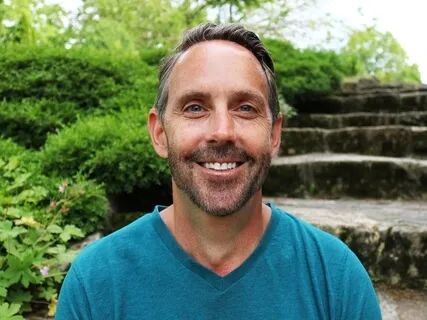
Welcome to Life,
Lessons,
And Laughter with your host Glenn Ambrose.
Hello,
Welcome to the show.
Today we are talking about hand movements.
It's not a visual medium,
Glenn.
No one can see the ridiculous.
I was just doing some really weird hand movements.
So I just.
.
.
Wow.
Yeah,
That was odd.
Anyway,
It gets me in a good mood.
So we are talking about doing your best.
That was my best at an intro.
I just did my best and my best is always good enough.
So it doesn't matter that it wasn't a visual medium.
Okay.
Okay,
Good.
Point proven.
So yeah,
We are talking about doing our best and that our best is always good enough.
So oftentimes we have expectations of ourselves that are completely unrealistic and we try living up to them.
So you know,
And I believe it was Lisa Nichols that I heard say this.
She said that her commitment,
The commitment she made on her spiritual walk was to always keep moving forward.
And she understood that some days that she would run and some days she would walk and some days she would crawl.
But her commitment was to always keep moving forward.
And I thought that that was a really good way to put it because that's the reality of our lives.
We don't have the same levels of energy every day.
And we don't have the same positive outlook every day.
And some days things get to us and we are bothered and it's just our best is different on different days.
And we tend to beat ourselves up and punish ourselves for what we consider our bad days.
And as long as we do our best each day,
Our best is good enough.
It has to be.
It's all we can do.
So I know some people going through difficult times,
If you're going through a real difficult time,
Some days your best could be laying in bed crying all day.
That could be your best.
So we have days like that but we have to stop beating ourselves up and really look at if we're doing our best that particular day.
Did you try?
Did you put in effort?
That's it.
And another way that I like said is I've heard Tony Robbins talk about it and he talks about how you have your own rules for happiness.
And most people aren't conscious of that.
So they don't even know that they have a rule for happiness,
Let alone know what it is.
And if people looked at what their own rule for happiness would be,
It would probably be something like I get up on time and jump right out of bed energetic.
I go take a shower,
Get dressed,
Have a good breakfast,
Interact with the family really well,
Have a smooth drive into work,
Get along with everybody at work,
Don't really have any major problems there,
Everything goes smoothly,
Have a nice drive home from work with no traffic,
Enjoy a healthy dinner,
Interact with the family really well and just get along and help the kids with homework and that goes well.
And then go to bed and fall asleep right away.
And if that's what your day looks like,
Then you're happy.
And that is such an unrealistic expectation.
But that's kind of how we live,
Unconsciously without even slowing down to look at it.
So we wonder why we're getting negative and feeling like we're having so many bad days.
It's because we expect everything to go perfectly all the time and as soon as it doesn't,
It's like our day is wrecked.
But if you take that and you compare it to somebody else who says,
My happiness is if I get up and I do my best today.
If that's your rule for happiness,
You're going to have a lot of happy days because now you're measuring something that you can control.
You're measuring your effort.
And that's really the only thing we have control over.
We don't have control over external circumstances and if everything goes the way we think it should go.
We don't have control over all that stuff.
But what we do have control over is how we react to it and what our efforts are.
So if we set our expectations based on realistic goals and things we have control over and quite honestly,
Keep that bar low.
Because really what's the important thing here?
The important thing is that we have a lot of good days,
Which adds up to a good life.
Something else that Tony Robbins says a lot is that people overestimate what they can do in a year,
But then they underestimate what they can do in 10.
So you're focused on these bad days that you have and you don't look at the whole.
Right.
Yeah.
Everybody like,
You know,
And if you think of like,
Don't think of yourself with what I'm about to say,
Think of somebody else.
So if you think of somebody else that's really caught up in a problem in their life,
Are they looking at it from a big picture point of view?
No,
No,
They never are.
They're looking at it through a microscope on this one little thing that's a problem.
And you know,
All their attention is focused on that problem.
And it's no wonder why they can't see the solutions.
You know,
With we,
That's what we do.
We walk around and we're so hyper focused on what's in front of us and what's happening at this exact moment.
We're not looking at the big picture.
And if we look at the big picture,
We can understand that,
You know,
Everybody has bad days.
Everybody stumbles.
Everybody has struggles.
You know,
There is nobody that has succeeded in any area of life ever in the history of the world ever,
Ever,
Ever,
Ever,
That has not experienced some sort of a setback.
You know,
Nobody has succeeded that hasn't experienced something like that.
So it is part of it.
And you know,
Unconsciously,
We have these expectations that life is just a straight path.
And,
You know,
I used to see it with personal training all the time.
It's like somebody has one bad meal or one bad workout and they're like,
Oh,
I don't even know why I bother.
It's like,
Well,
It's just one.
If you if you treat your body one way for 300 days out of the year and another way for 65 days out of the year,
How do you think your body's going to react?
How it's going to respond?
More the way of the 300 days?
Yes.
You know,
And it's the same with us.
And it's,
You know,
No matter,
It's not really about what we do.
It's about how we're doing it.
You know,
That's why,
You know,
Setting the goal or the bar for happiness lower is so important because it's because then we're what it that's different than having big goals.
You can still have huge goals,
But have your bar set for whether you're happy lower because you just want to be happy doing whatever you're doing that for you to be happy and say,
Okay,
If I did my best,
Then I'm happy.
Okay.
Now,
What people unconsciously think if you lower the bar that low,
Well,
I'm never going to do anything.
It's like,
Well,
No,
That that's two different things.
One is being happy throughout your day,
Which adds up to having a happy life.
And then another thing would be setting goals of what you want to accomplish that day.
They're two different things,
You know,
So you can still be very productive and hold yourself accountable and accomplish a lot of things,
But not have that dictate whether you like yourself or not.
You know,
So we need to and that's that's where we have most of our problems is when we take two things like that and mesh them together and pretend they're the same thing,
You know,
We need to separate them and have realistic expectations for each.
Right then.
Yeah.
Yeah.
What does what role the structure play?
None.
None.
I just felt like saying that.
Okay.
Well,
But what role does structure play in getting yourself to do your best every day?
You know,
Like,
Yeah,
And it's it really helps us to to shape more realistic expectations,
You know,
And most whenever I talk about structure,
You know,
I always mention that it's structure isn't to take our freedom away.
It's to structure our life in a way so we actually have more freedom,
You know,
Because if we have no structure in our lives,
Then we don't get done what we need to get done.
We don't make the money that we need to make.
We don't then we're struggling to pay the bills and we can't go experience the things in life that we want or we don't have the time to experience them.
So structure can focus our attention on certain things so we can get those things done to free up more time to enjoy life.
You know,
That's what structure is for.
It's not,
You know,
That because I am super rebellious.
So anything that feels like it's restricting to me,
I will rebel against.
So I needed to change my understanding of what structure did so I wouldn't rebel against the structure.
You know,
So once I understood that when I structure my time and I structure my days,
Then it allows me the freedom that I actually want.
Then I started doing it.
But yeah,
It's the we just laughing because we did some stuff about a couple months ago.
We started implementing a little bit of structure,
A little bit more structure.
Yes.
Into some things.
And I had a note at the top of a meeting notes between you and I.
The second week that we were doing it.
And the note that I wrote to myself was how you started off the meeting going,
I'm not feeling good about this structure.
It feels overwhelming and restricting.
And I don't know.
And then you fought through that.
And now before,
You know,
In between recording two shows,
You just told me about how you did like a ridiculous amount of stuff.
Right.
Surprised yourself and your best,
Your best expanded.
Right.
Because you've been adding structure to your life.
And now you're like the other day you were telling me like,
Oh yeah,
It's been ridiculous.
I've been getting up like really early.
And then that's going to change in a couple weeks.
But like,
I've been doing this and then I haven't done this.
And then like so much more stuff has been getting done.
Like it's interesting because you're the life coach.
Right.
Yeah.
But I'm in a unique opportunity right now to see you expanding.
Right.
You know,
Yeah.
And we constantly do that's,
You know,
I think that that's important because we do beat ourselves up too much.
So it's like to understand,
I talked to my clients about this.
I use my personal life with my clients often because I think it does bring an authenticity to it and an understanding that we beat ourselves up too much.
You know,
Like I'm constantly expanding and just I know that I'm rebellious by nature.
I know that,
You know,
That sometimes when some,
An extra layer of structure comes in that it makes me feel uncomfortable and I have to wiggle through and stretch myself and push through.
And it's not always easy,
You know,
But I'm constantly growing,
Constantly expanding.
We all are.
So it's,
But I expect that,
You know,
And that's what I really want.
And it's really helped my life in a way where I want other people to understand that too.
It's okay.
It's okay if you feel uncomfortable.
It's okay that you're bumping up against the ceiling of what,
What your comfort level is.
It's okay to push through that,
You know,
And to,
To do more.
And I feel like what you were saying about structure,
Helping with limiting your expectations is such a great point because I think that when you're,
When you're living not structured,
And I actually wrote about this this morning in my like morning journal that I started doing is without structure,
The,
The,
The low amount of things that you have to do,
Since there's no time or reason to do them at any certain point,
They add up and then you stress and then you're,
It,
It limits your freedom because all of a sudden you become a slave to having to do this thing right now because there was no time to do it.
You didn't take the time to do it before.
So now you have to do it.
You forced yourself into this thing where it has to be done right now.
And it limits your freedom.
Whereas a little bit of structure and doing your best the whole way through gives you plenty of time to do whatever and know,
You know,
These are my expectations for today.
These are the things that I need to get done.
And then the rest of the time is mine.
Right.
And you can truly enjoy that time because you have your brain wrapped around how you're going to do the other stuff and when you're supposed to do it.
You know,
It's,
It's very difficult to relax when you have all these pressures just weighing down on you.
You know,
You're trying to enjoy yourself and you're going,
Well,
I should be doing this.
I need to get this done.
I don't know how that's going to get accomplished.
I don't know.
You know,
So you never fully relax and enjoy the time because you're part of your unconscious psyche is stressing out about what you didn't get done yet.
You know,
So it's,
It's that plus we put off the big things and we distract ourselves with a lot of little things.
You know,
I do that constantly.
If I don't have enough structure,
I'm,
I'm always,
I'm an action taker,
So I'm always busy.
I'm always doing things,
You know,
But sometimes if I don't have the right structure,
I will do six million little things.
And then the one big thing that really needs to get done doesn't get done,
You know,
So I need to bring in that structure and go,
Okay,
You know,
You've pushed this off long enough.
You need to focus on this.
Even if you don't get it all done,
You need to start chipping away at this,
You know,
And get that done.
The rest of this stuff,
It's prioritizing,
You know,
Like I don't need to swing by the drying cleaners and pick up a jacket that got a new zipper.
I don't need to do that today.
I understand that I'm out and about.
I understand,
But I don't need it because it's not cold enough where I actually even need that jacket yet.
You know,
I could just get home as soon as possible and start on the work that needs to be done that's due soon,
You know,
Like it's just little things like that,
You know.
So bringing in that structure for your life,
You can look at it and go and then you do your best.
You just do your best.
And if you're sitting there and,
You know,
Granted,
I think being an entrepreneur and being my own boss,
I have so much more freedom that this is so much more important in my life than somebody that has a typical eight to five or nine to five,
You know.
So it's like I have to implement this structure because I can stay busy all day doing six million things and then,
You know,
Nothing gets done.
So it's like,
And it starts to weigh on me.
But if I can have that structure and I know,
You know what,
I didn't finish what I wanted to finish,
But I sat down for four hours and did as much as I could.
I'm good with that.
It's like,
Oh,
Well,
There must have been too much work for me to do in four hours then if I didn't finish it because I was there doing it.
I did what I was supposed to.
And the other thing is I have more time set aside in the future to finish it.
So I'll finish it then,
You know,
So it's that it does help you get realistic expectations when you break things down and see,
You know,
Whenever somebody's whenever somebody's stuck in a place in their life,
What I try to do is set up an exit plan for them,
You know,
Start because you don't necessarily need to get out of a difficult situation in your life,
Like a job that you don't like or a relationship that you don't like.
A lot of times the first thing to do is not to run out and get yourself out of that situation.
It's to learn what you need to learn,
Bring instruction,
Set up an exit plan so you can leave that situation and still be in control of your life.
A lot of people go,
Oh,
I don't like where I am.
And then they jump out of the frying pan into the fire,
You know,
Because it didn't slow down enough to set up a plan.
So it's setting up that plan and walking towards what you want to achieve in a structured way that that really helps you take responsibility for your life and everything gets accomplished.
You know,
I mean,
Eventually everything gets accomplished.
But you know,
What oftentimes we try to we have this list of stuff that needs to get done and it's that list is never going to get done ever.
Eventually it will never get done because when when the laundry is done,
You're literally wearing clothes that need to go in the laundry next.
When you're done grocery shopping that day,
You are taking steps to need more groceries by eating.
You know,
So it's perpetual.
You know,
We're always going to have things to do.
So if we bring some structure in,
We understand what we're capable of and what when we're going to be able to do it.
And we set our bar for happiness a lot lower and not saying I'm going to be happy if I do my best,
Not if I get absolutely everything accomplished that ever needed to be done,
Because we'll never be happy that way.
Right.
John Wooden,
Who you love to talk about when you're talking about doing your best,
Has a quote that says success is never final failure is never fatal.
So like,
You know,
You're never going to you did a task.
It doesn't mean that there aren't going to be more tasks.
Right.
You know,
Yeah,
Right.
Yeah.
The same thing,
The laundry is like you're wearing clothes that are now dirty.
Yeah.
And failure isn't fatal.
So if you fail at something,
That doesn't mean that you should not be happy and your day needs to be wrecked.
That just means,
You know,
At that time,
You weren't able to accomplish whatever you needed.
So hopefully what happens is you learn from your failure,
Whatever needs to be learned,
You see why it failed,
And then you go try again and then you succeed.
You know,
Again,
Everything is like that.
We just we have these thoughts of ourselves that if we fail,
That there's something wrong.
And no,
There's nothing wrong with failing.
Everybody fails regularly.
It's part of life where we're supposed to because that's what makes us grow.
We learn from what we did.
You know,
I mean,
If if we weren't supposed to fail,
Then what are we supposed to do with all the children trying to learn how to walk right now?
Like just tell me give it up.
Oh,
Never mind,
Just let's just get them all like,
You know,
Wheelchairs and let them push themselves around because they felt like five times in a row.
It's ridiculous.
They keep failing.
They'll never do it.
It sounds ridiculous when we're talking about a child learning to walk,
But that's the reality of things.
And we put that same type of pressure on ourselves where,
You know,
And obviously it should not be there.
By the way,
I didn't just pull that John Wooden quote out of nowhere.
When you said the when you started the podcast by saying we're talking about doing your best,
I immediately looked up John Wooden quotes because every single time we talk about doing your best,
You have talked about in our personal life,
Like in our not on the podcast,
You have always brought up John Wooden.
What do you think about this quote?
This really kind of sums everything up.
Podcast is peace of mind,
Which is a direct result of self satisfaction and knowing that you did your best to become the best you're capable of becoming.
Yeah.
Knowing that you did your best.
That's what it's about.
And that's what we have control over.
You know,
And that's a big,
Um,
That's a big proponent of,
Of happiness.
Yeah.
And that's,
You know,
Just making sure that you put in the effort to do whatever it is that is your best happiness and success.
You know,
It's like it walks us towards succeeding too.
And like John Wooden again,
You know,
He,
He had those,
He taught his basketball players how to tie their shoes that were like how to put their socks on everything that they did was done a certain way and it was done to the best ability,
To the best of their ability.
So his,
Like he never talked about winning or losing.
What he did is he said,
Make every time you take a basketball shot,
Every time you take a shot,
It's the best shot you can possibly take.
It's the best follow through.
It's the best release.
It's the best.
It's the best that you can do at that time.
Every time you dribble a ball,
It's the best dribble you can do.
Every time you put your sneakers on,
You tie them the best way possible.
It's just your,
You know,
And he set them up for success like that.
You know,
If you,
If you get into the habit of doing your best at every little thing that you do,
Then you're going to be doing your best in all areas and the results will take care of themselves.
I mean,
I forgot what he,
I think he won like seven championships in a row or something.
So it's like,
You know,
That the success speaks for itself.
You know,
Now does that mean that all of his players hit every basketball shot that they took and it went in?
No,
Absolutely not.
But it was the best that they could do at that time.
And that's,
And they didn't judge themselves every,
Oh,
Well,
You know,
The shot didn't go in.
So that wasn't my best shot.
So therefore I'm a loser.
No,
That's not what the best means.
You know,
The best means the best that you can do at that particular moment.
And then the best you can do at the next moment,
Best you can do at the next moment.
And if we get into the habit of doing that and stop judging ourselves all the time and really understand what doing your best is and understand that that fluctuates day to day and sometimes even moment to moment.
When we understand that,
Then we'll stop beating ourselves up and judging ourselves and we'll start patting ourselves on the back for our successes.
We'll start believing in ourselves more and we'll start experiencing more happiness.
Final quote from him.
It's not what you do.
It's how you do it.
Yeah,
That's it.
To the best of your ability.
Yeah.
I think that when you when you're not right when you're not doing stuff to the best of your ability,
This is this is how I feel about this.
It it's the same thing with not putting in structure like like we talked about earlier having too many expectations.
It breeds anxiety and guilt that you're not living up to what you think,
Right?
That you're going to and shame.
And I heard a quote and I'm not sure what it was from a couple days ago that said that your imagination is only capable of two things.
I think it was Deepak Chopra actually.
Your imagination is only capable of two things,
Creativity and anxiety.
It can only it can only it can only do one of those two.
It can only do those two things.
So and the funny part is is like that if you want to even get deeper with that,
It's both creativity,
Right?
Your imagination is only capable of creativity.
It's just either creating something you want or something you don't want.
Yeah.
You know,
So it's this when you're not when you're not getting up in the morning and doing whatever and knowing that you're doing whatever it is that is your best that day and knowing that whatever it is that your best is fine for that day is good enough.
Then that breeds anxiety and low self-esteem,
Fear,
Guilt,
Shame.
And the probably the best way to nip that in the bud would be to to get up and try.
Yeah,
It's just to do your best and without the realistic expect unrealistic expectations that your best has to be knocking it out of the park every day because that's just not the reality of it.
Your best is going to be different on different days,
But you have to do your best.
You cannot feel good about yourself if you're not doing your best.
It's literally impossible because you can't get away from yourself.
You can't hide from yourself.
You know,
You might be able to fool everybody else doing things half ass and your your half ass might be so good that everybody else doesn't know that you're doing half ass and they praise you and you could have everybody else in the world fooled except yourself.
You're going to have low self-esteem guaranteed if you do not do your best.
This is this is ironic.
Two days ago,
I was teaching.
I'm currently teaching an improv class to middle school kids.
And there was a kid and there's a there's auditions at their school coming up.
And I was talking to all of them about how,
You know,
No one in middle school is a Broadway caliber actor like you're all already good enough.
It's all about having the confidence to believe in yourself that you are.
And you've all gotten up and acted like fools in this improv class.
You know,
Everybody's pretended to be weird things and animals and like,
You know,
Yeah,
To go into that knowing that you're already good enough.
And there was there's one kid in particular who is fine and great when he's just talking to you.
But when he got up on stage,
He had a stutter.
And so I stopped him after a scene and I told him that he did great.
And I addressed the stutter,
Which I was like wondering if was a mistake as I was doing it.
But I was like,
You made that work for you.
Every scene that you've done,
You're very nervous and you're having a stutter.
And you know,
He's in fifth grade.
Like this is going to happen.
But he made it work for him every single time he adjusted.
And even though he had this difficulty,
It worked with the character that he chose to be.
And I was like,
That's it.
You're your your best.
You're doing your best.
And it's good enough to be great.
Right.
And I made everybody give him a round of applause and everything.
The next time he came up,
No stutter.
Wow.
That's huge.
Yeah.
See,
That's huge.
And that's the stuff that we teach kids,
You know,
Is the same stuff that we struggle with as adults.
You know,
I heard it said that being an adult is just finishing learning what you didn't learn as a child.
Because it's the same stuff.
It's just we need to learn it at different levels and deeper levels and in different ways.
You know,
So it's it's it is it's all about doing our best.
And it's you know,
I learned that through sports and stuff growing up and I tried to teach it to my son.
It's it's if you're on the field and you get just destroyed,
The other team is just way better and they destroy you.
If you go out and you do your best every play and you just play to the to the last whistle blows and you leave it all on the field,
You're going home and you're going,
Man,
It sucks that we lost,
But I did everything I could.
You do not feel bad about yourself.
You do not feel shame.
You don't feel negativity.
You know,
You might still not like that you lost.
That could still upset you.
But your self can your self perception isn't affected.
Your self esteem is not affected.
You still feel good about yourself.
You still feel capable,
You know.
But if you go out there and you just don't play too hard and even if you win,
You're coming home and you know that you did not do play very hard.
You don't feel good about yourself.
You just don't.
You know,
Your self esteem drops.
So and it's like that with everything.
You know,
That's why it's doing your best and knowing that your best is different.
You're not going to win every game.
You're not going to do everything perfectly.
But did you try and did you do your best?
And once you practice that and really understand that your best fluctuates from day to day and cut yourself breaks on the days when you have enough days,
It's really not that difficult to implement.
And it's a really wonderful way to bring happiness,
Peace and joy into your life because it all work is self work,
You know,
And it starts with you and the better you feel about yourself and the more you love yourself,
The more you're going to experience joy,
You know.
So,
So do that.
So go do that.
That's good.
Go do your best and your best is good enough.
Always.
Glenn,
You've been doing your best with this show for almost 100 episodes now.
I have.
And we talked about last episode how easy it is to contact you.
Yeah,
Show me an email.
For questions for obviously for life coaching,
You can go to glenambrose.
Com.
But for just if you want to interact,
If you have questions that you want to be addressed on the show or comments or you want to,
You know,
Say how the show has affected you or hasn't affected you,
Whatever,
You know,
You can do that on the life lessons and laughter Facebook page or Glenn Ambrose life coaching on Facebook.
And we are going to try to do something kind of special for our 100th episode.
So if you have a comment or a question,
Send a message,
Post something,
Post a video,
Send an audio file,
Tell us what you think,
Tell us what your experience with the show has been or any questions that you'd like for Glenn to answer.
Yeah,
We're going to try to really make it interactive for that 100th episode.
So we really want to feed off of the listeners and what they're getting out of it or what you want to get out of it.
So yeah,
Please get in touch with us.
And thanks for listening.
And we'll talk to you soon.