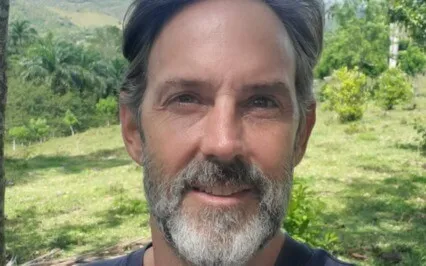
Welcome to Life,
Lessons,
And Laughter with your host,
Glenn Ambrose.
Hello.
Is there anybody in there?
Just nod if you can hear me.
Is there anyone at home?
I think the people listening to this podcast are going to be like,
What was that?
And a little Pink Floyd moment.
Hello.
Happy sunshiny people.
How are you?
How art thou?
Talk to me.
How's your headspace?
Where's your head at tonight?
Good,
Bad or indifferent?
So here we are.
Here we are on another Monday night.
This is one of those episodes where,
Like,
You know,
I've never done a lot of preparation for my podcast and I don't edit them.
So it's,
You know,
It's always just whatever is coming through.
And it's also whatever is happening as I come in,
You know.
So,
Like,
You know,
I know that I'm doing this every Monday night.
So as a general rule,
I have it in the back of my head and sometimes the forefront of my head that this is coming up in the day.
And there's different levels of mental preparation.
Sometimes I think about stuff.
Sometimes I don't.
So today I didn't.
I tried thinking about things,
But I don't force it.
So today I tried thinking about things like two or three times.
I kind of looked over some possible topic ideas and none of them really resonated and I just couldn't get into the rhythm of thinking about this podcast.
So I stopped.
And then,
You know,
I figured,
What was it,
Like,
I don't know,
Maybe 20 minutes,
Maybe a half an hour before showtime.
I was,
I heard something outside that sounded like an unusual sound.
And I still don't know what it was.
But the faith,
My dog was outside.
So I went out and to check on her and she starts,
She comes walking around the corner and our heads down and I'm like,
Oh.
And she,
You know,
It's a benefit living out here in nature and it's a benefit having these cows and donkeys and all this stuff for her to play with.
But she also can't help herself and rolling in feces every once in a while or something else that stinks just as bad.
And I took one look at her and she's got this,
I didn't smell it.
I believe it was crap just down her neck,
You know.
And I'm like,
Oh,
Man.
So I had to give her a bath like right before the show.
So I kind of came sliding in right at the last minute.
Zero preparation.
But I have a topic.
That's a that's a that's a good start.
I almost just just went like,
Let's just do a Q&A,
You know.
Hey,
Sarah.
So Breckenridge,
Colorado now.
OK.
All right.
You're always in cool places.
California,
Colorado.
Pam,
Hello from New Mexico with your chili pepper.
Welcome.
Welcome.
So so today,
You know,
I I was going I was flipping through my podcast ideas a little bit on random pieces of paper.
I'll show you guys that are watching the video.
So this is these are my podcast ideas on three different types of paper.
Chicken scratch as they come.
So I was kind of flipping through some of the ideas and nothing was resonating.
Then I saw the controlling headspace.
And like today was an off day for me work wise.
So what I decided to do was I had gotten these stickers on Amazon for your car like that go on the side of your car or on the hood of your car.
And so I got these stickers because they're like 10,
15 bucks each,
You know.
So I was like,
Oh,
That's kind of that's kind of cool.
I'll put some mountains on the side of my on the side of my Jeep,
You know,
Because I live in the mountains.
And,
You know,
Whatever.
Everything I bought altogether was probably less than 40 bucks.
So I was like,
Yeah,
All right.
You know,
And I've had them sitting here for a for a few weeks.
And and this is where the headspace comes in.
So now taking,
You know,
Vinyl stickers or I think the vinyl or some of them are whatever and putting them on a vehicle and trying to not get bubbles in them and all this stuff.
Right.
That is something that's perfectly wrong for me.
I could get anal about it.
I can get frustrated.
I can if I'm not in the right headspace,
I can rush a little bit and move the wrong way and fold them in half and screw up everything and then get really pissed.
And like,
So this is one of those things that I needed to make sure I was in good headspace for.
So this is why they've been sitting here for three or four weeks,
Probably because I was not going to rush them.
I had no idea how I was going to get them on.
My first instinct was to,
You know,
Pay somebody to put them on.
But like,
You know,
The.
You got to take the culture into consideration over here.
Like if you ask somebody over here,
If they can do something,
The answer is yes.
It doesn't matter what it is like.
They can be like,
You can ask anybody on the street,
Anybody on the street.
Can you perform brain surgery?
And they'll be like,
Absolutely.
Let's get started.
It's just this it's how they are because it's a possibility for money.
And so so they're just like,
Yes.
And then they figure it out along the way.
And then another thing that's common with the culture is that they'll just go try to put it on and they won't read directions.
They won't figure out how to do it.
They won't take their time.
And this is something that really requires some precision.
Right.
So I'm like.
So I can just picture somebody going,
Oh,
Yeah,
You just rip this off and you stick it on.
And it's like,
No,
That's not how they work.
And now your stickers are wrecked.
So I'm like.
So I just left them there and I was like,
Maybe a day will come when I feel like doing it.
Or maybe I'll have somebody help me someday.
Like,
I just didn't rush it.
So today I was like,
Yeah,
I think I'm going to try.
I'll try one.
And,
You know,
I watched a video like four times.
I'm reading the directions,
Get my trying to get my mind wrapped around the process of what to do.
And and I'm like,
OK,
This is the headspace.
I had to make sure I was in the right headspace.
You know,
It's and a friend of mine was helping me at one point and we're laughing about it because she was saying one of my neighbors,
She was like,
Yeah,
This is one of those things that I pay people to do because I would it would frustrate me.
And I'm like,
I'm the exact same way.
So that's why I had to make sure my headspace was right.
So I like first I center myself and and get my head.
And this might seem.
I don't know.
I guess I might seem over the top for some people.
It's not for me.
And I don't know if it's not for me just because of my personality in general or because of the life I lived before.
Like I,
I can get upset still.
So I had to get my headspace in and make sure I was unattached to the outcome,
Because that's often what triggers negative headspace is you start if something goes wrong,
You stop panicking.
Why are you panicking?
Because the outcome isn't going to be what you want.
Right.
So if you're not attached to the outcome,
Then you can control your headspace better.
So I center myself and I go,
Glenn,
Are you in good?
Don't even start if you're irritated about something or if you're not completely present because because you don't stand a chance.
Like,
You know,
When I if we're and this applies to everything,
You know,
I'm going to use applying the stickers as a real life example,
Because I just did it a couple hours ago.
But this is everything this you can use this when you're about driving in your car and you know,
You don't want to get upset driving.
You can use this when you're going into a meeting.
You can use this when you're about to have a.
Difficult conversation with somebody,
You can use this in any and every situation,
It really pushes us into conscious living and making conscious choices and being more in control of ourselves.
So so first,
You know,
I center myself and it's like,
OK,
You know,
How are you feeling,
Glenn?
Whoa,
OK,
Like,
I mean,
If you're feeling a little discontented,
Which a lot of times you don't even notice until you put your attention on it.
Another benefit of this,
You're going to see the benefits,
Just that there's many of them and you're going to see them unfold.
I haven't even really gotten started yet.
And I think I've already listed two benefits.
But so so first you can realize,
Like,
Whoa,
Wait a minute,
I'm really not in that good of a headspace.
If you just go do something,
Especially stuff that that is can be difficult,
You can do this with anything,
But especially the things that could be difficult or you could get frustrated with or they could go south easy,
You know,
Especially those.
But you can do it with everything.
So first you go,
OK,
You know,
Once you center yourself,
If there is that if you're all caught up in some.
You're all caught up in some negativity,
Like you feel that as soon as you become president,
You're like,
Oh,
Oh,
Oh,
OK.
All right.
Well,
Let's let go of whatever that was.
And if you need to work through something,
You work through something.
If you don't,
Sometimes it's just a matter of getting disconnected from the collective.
I can't think of the word,
The collective momentum.
Thank you.
The collective momentum.
That is going so fast on this planet.
You know,
Everybody's moving so fast.
The energy is moving so fast and everybody's doing 90 million things.
And there's a momentum to that.
So just disconnecting from that and just centering yourself.
Oh,
OK.
All right.
All right.
Now I'm here.
Now I'm now I'm present.
OK.
All right.
You're in good space.
Yeah.
Yeah.
Nothing's really bothering me.
You know,
Nothing.
OK.
All right.
Cool.
So you're I'm about to go put these stickers on and.
You know,
I got to try to be precise and I and I could get frustrated easily.
I don't know what I'm doing and I've never done it before.
And it's kind of a one shot deal.
So so this is a perfect setup to get upset.
So it's like,
OK,
Well,
You know,
How can I prevent myself from being upset?
Well,
An attachment to the outcome.
OK,
So.
Well,
These these stickers,
Let me get my consciousness involved in this.
So we've got to slow down and do this stuff.
I know I'm not the only one.
You know,
We have to slow down and do this stuff.
This is how we live consciously.
Like controlling your headspace is a gateway to living consciously because you choose your outlook on things.
You choose how to approach them.
You choose how you're going to react if something doesn't go your way.
You're consciously choosing what your experience is going to be instead of staying in this unconscious state and just trying to plow through.
And then,
You know.
So.
So I'm like,
OK,
Well,
You know,
If things go wrong,
Am I going to get upset?
Well,
Of course,
I'm going to be upset.
OK,
Well,
Why?
Attachment to the outcome.
OK,
So how can I be unattached to the outcome?
Well,
If it doesn't work out,
It's OK.
It's OK.
Like,
You know,
I mean,
I'm going to use some specifics from my example,
You know,
Just because they're going to be different for everyone.
And this isn't like I've got an old beat up Jeep,
Man.
You know,
It's it's strong and it's dependable to get me up and down this mountain and Dominican Republic.
That's all I need.
I don't need something luxurious and fancy.
It would probably break in two trips.
So but it's not the most beautiful looking thing.
You know,
It's it's nice.
It's fine.
But I don't really care if it doesn't look perfectly beautiful.
Oh,
OK.
So if you screw up the stickers and they don't look just right,
It'll probably still be fine.
Yeah.
Yeah.
That'd be fine with me.
It's not that big of a deal.
I'm just trying it.
Or,
You know,
I can probably take them off.
And I mean,
Like I said,
I think all of them together and I get a bunch of them were probably like 40 dollars altogether.
So it's not like it's a huge investment.
Whatever.
Throw it in the trash.
You tried.
Oh,
OK.
So if it doesn't work out,
Then I can just kind of throw them away and say I tried.
Or maybe they'll come out close enough where maybe I can just let go of that.
Anal nature that they have to be perfect and they'll give me I'll just be like,
No,
It's close enough.
Live with it,
Glenn.
OK,
Good.
You know,
So I've done that with things.
Sometimes things don't turn out exactly the way I want them.
And I go,
OK,
Well,
You know,
This is a learning opportunity.
Glenn,
You know,
Don't get overly anal with how things look.
You know,
Don't don't lean into the OCD direction.
Lean away from it.
It's not perfect.
It's fine.
It's good enough.
You know.
So I got my head in all that in the right space.
Now,
All of a sudden,
I'm more relaxed and I can start doing this stuff without putting so much pressure on myself.
And as I'm performing this,
These movements,
As you know,
As I feel since I took a little time and you know what,
What I discussed probably took me two or three minutes.
You know,
But if you take 10 minutes to prepare yourself to do something before you do it,
It's probably going to go a lot better.
Because that's the space I'm in,
That's the headspace I'm in.
I'm in calm headspace.
I'm not attached to the outcome.
I'm already prepared that if this doesn't work out exactly how I want it,
It's OK.
Oh,
OK.
So now all of a sudden I have the pressure off of myself.
I'm more relaxed.
I'm less likely to make a mistake.
I'm in good headspace.
I go in there.
I started doing things.
And if something starts going wrong or I start hyper focusing and getting too anal with it,
It doesn't feel right.
It doesn't match the headspace that I'm in.
So then I can just go,
OK,
Well,
If since it feels weird,
It captures my attention and it's like,
Oh,
Oh,
Yeah,
Relax.
You're getting uptight.
Relax.
It's OK.
Oh,
Yeah.
OK.
You know,
And then and I put the first one on the hood.
And like I had to center it and stuff and it came out good.
I was surprised that I had to do these little ones and they kept sticking to the backing,
The wrong side instead of the right side.
And I have had to keep working,
But I finally got them to work.
You know,
And since I was in good headspace,
You know,
My brain wanted to get frustrated a few times.
Those matter with these stickers.
You're freaking this supposed to stick on this side and sticking on the wrong side.
You know,
And I could have gotten frustrated,
But,
You know,
I just kept bringing myself back to that right headspace and doing it.
And then then when I finally got it,
It was it was nice.
And then I put two like one long one on the side,
On a on a door on each side.
And they they were long.
It was like a mountain range.
Right.
So they're long.
And I'm like,
I think I need,
You know,
Could I do this?
Yeah,
Maybe.
But boy,
Another pair of hands would be helpful.
You know,
So I went and asked the neighbor if she could help me.
Again,
Good headspace,
Not not that's a conscious choice.
I don't usually ask for help,
You know,
And then even on the video,
The guy with the guy,
The guy was genius.
He put this mountain range across the car.
Right.
And then he's like,
I'm thinking to start on one side and work your way across so you don't get the bubbles.
He puts it across and and attaches the top and then works his way down.
And I was like,
Oh,
My God,
That's genius.
I might be able to do that alone.
You know,
And I was like,
One,
Maybe you could,
But just another pair of hands would be better.
You know,
Relax and just take it easy.
Get some help.
Yeah,
OK.
You know,
And when I'm in good headspace,
I can make those conscious choices.
When I'm not in good headspace,
Like sometimes,
You know,
Maybe good isn't the right term.
Good is the right term when you're in good headspace.
But the opposite of good headspace isn't necessarily bad headspace.
Sometimes it's bad headspace,
But sometimes it's unconscious headspace.
It's just it's just we're just moving too fast.
We're not really slowing down and thinking about what we're doing and why we're doing it.
We just do.
Right.
So,
You know,
So me,
I mean,
If I if I wasn't if I wasn't centered,
I would not have asked for help because I don't usually.
And I just find a way to get things done myself.
And it's but no slow down.
This connects from that momentum.
Yeah,
That would be easier.
It's not that big of a deal.
It'll probably take us 15 minutes.
You know,
So I did it.
And,
You know,
As soon as she came over,
She was like,
Yeah,
This is one of those things that I would.
Pay somebody to do because it would frustrate me.
I'm like,
Yeah,
I get it.
And then I,
I,
I had this flash when she said that of this meme I saw.
Like a year ago or something.
That reminded me of my childhood.
Somebody said that there was this meme that went out that said something like,
You can't offend me.
I helped my father work on a car when I was a kid.
Now,
This,
You know,
A lot of people will resonate with that,
You know,
Like,
Yeah,
Man,
I helped my father work on cars.
I helped my father build a entertainment center for our living room out of wood.
Me and my father redid a bike.
I wanted a,
I wanted like a,
I don't even know,
Like a BMX style bike,
You know,
I wanted that.
So what we did is we went to the junkyard,
Literally to the dump and got a frame of a bicycle that was thrown into the trash that was God knows how many years old.
I mean,
This thing was ancient.
I had never even seen a bike put together this way,
But,
But we wet sanded it all down and painted it and built a bike.
So like I had done projects with my father,
You know,
And all you got to do is,
Is like,
You know,
Back at least when I grew up when,
You know,
You're working with your father,
It,
You know,
It's,
It's just like nowadays they get frustrated,
You know,
And then you got a kid that's either asking stupid questions because they're young and curious,
Or they give them the wrong tool or they don't hold the flashlight right or,
You know,
Something.
So it's like,
You know,
You get an earful.
And,
And it's funny because I caught myself doing that to my son a couple times,
You know,
When,
When he was trying to help me and he got,
You get a little short with them,
You know,
Because you're already in bad head space.
So you take it out on them.
So I was kind of laughing as I went through this and I was like,
Cool.
So,
So,
You know,
To finish up this specific example and then move on in the topic.
I got them all on.
And they really came out nice.
I'm really surprised.
They came out better than I thought they would.
These things are pretty easy to put on.
Yeah,
They're pretty easy to put on because I don't think I'm,
I was,
I don't think I'm really talented in this area.
But they came out really nice.
I was impressed.
So with the,
With the stickers,
And I guess now in hindsight,
I was impressed with myself because I stayed in that proper headspace.
You know,
This is everything.
This is,
You know,
This is before I do a podcast center,
You know,
Before I get on a call with a client center for a moment,
You know,
Just,
Just send,
Just take a moment and center and just go,
Okay,
You know,
Like think ahead.
Like when,
When I'm going to work with a client,
A lot of times I'll kind of do a little,
A little,
I'll put a little thought into it more than just centering,
You know?
So I'll center and I'll be like,
Okay,
You know,
Are you,
You know,
Disconnect from anything out there that might be bothering you.
Center in here and then get yourself in good headspace.
And,
You know,
What are you about to do?
Well,
I'm about to open up and try to allow information to flow through me to help them to the best of my ability.
Okay,
Cool.
You ready for that?
Yeah.
You know?
Yeah.
I'll feel that when I ask that question,
I'll feel like calmness or something.
Yeah.
Okay,
Good.
If I don't,
It's like,
You know,
Something,
Some little bit,
Some crappy feeling comes up.
It's like,
Oh,
Whoa,
Okay,
Wait a minute.
What's that?
Let it go.
Release.
Just let it go,
Man.
Like focus.
You know,
You're,
You're about to go work with somebody here.
So focus on where you are and get yourself there.
Oh yeah.
Okay.
All right.
And then just like,
Oh,
You know,
Beauty,
Beauty of problems is,
You know,
I learned this very early on.
Like,
We think we have to handle problems when they're in our head and we don't like we can put them down and come back to them.
And if they're a real problem,
It'll still be there.
Don't,
You know,
Don't worry.
You're,
You're,
Our ego tells us it needs to be fixed now,
Which 99% of the time is not the case.
It doesn't need to be fixed now.
As a matter of fact,
Rushing to fix it is usually what makes it worse.
So,
You know,
Get into the habit of just putting those problems down and then go back to them.
It's okay.
If it's a real problem,
It'll still be there.
If it runs away on you.
Oh,
That's even better.
Then now you don't have that problem.
Right.
So,
And sometimes when you go back to them,
They aren't there or they fix themselves or wasn't really that big of a deal because you're in better head space.
So,
So,
You know,
Put things to the side and focus on what you're doing.
Get yourself into the right head space for what you're doing.
So,
You know,
This,
Like I said,
This is a gateway to conscious living because you slow down,
You disconnect from the unconscious momentum of just doing,
Just unconsciously doing things.
I got to do dishes.
Okay.
I'm doing dishes.
What am I going to do when I'm doing the dishes?
I'll vacuum.
Yeah.
Okay.
Vacuum,
Vacuum.
Okay.
I'm vacuuming and I'm vacuuming and bang.
And I hit something like,
Oh,
Like you're not even there after time.
Half the time we're doing stuff.
We're lost in thought or we're certainly not focused on what we're doing.
And we're certainly not focused on our head space.
Right.
So,
This is a gateway into making conscious choices and living more consciously.
So,
Hey,
Mike,
Arizona in the hissy.
Yeah,
Yeah,
Sarah,
You can fly over to apply some stickers next time.
That'd be cool.
So,
So,
And,
You know,
Let me know if you guys have any questions as we go through this,
But really headspace is everything because it determines how we interact with what we're doing.
Instead of unconscious reactions or just momentum pulling us,
You know,
We're more in control of our behaviors and our actions and things go better.
You know,
Instead of running around,
If we don't do if we don't do this,
Those stickers don't come out right.
The those stickers are in the trash barrel.
There's at least a 75% chance those stickers.
If I didn't center myself,
There's probably a 75% chance that those stickers would be in the trash right now.
Because,
Like,
Let's say I got them.
Let's say I got them.
Good enough.
Okay.
Where,
You know how I said earlier,
You know,
In my good headspace,
I'm like,
Hey,
You know,
Don't get overly anal even if they're not perfect,
It's okay.
If I don't do that,
And I don't do any of that,
And then I start getting by the time I start realizing that it's not exactly right,
I'm already frustrated.
The ball is already rolling down that hill.
So now,
Them not being right compounds my frustration.
So now it's not just about them not being right.
It's about,
I'm frustrated I tried doing it,
It didn't go right.
It attached to my pinky finger and I don't even know why it did that and it's snowballing into a melee,
And by the time I'm done,
It probably could be 90% fine,
And I'd be so damn frustrated from my whole experience that I'm like,
It looks stupid anyway and you rip it off.
And you crumple it up and you throw it in the trash.
You know,
So it's,
You know,
If we're not taking the time and controlling our headspace,
Things do not go well,
You know,
And this is sometimes I actually have an issue I saw recently is sometimes when I work with people,
When I'm not planning on working with people,
Like I have my work days right I see my clients on certain days.
And when I'm working like I'm on man those are my work days and I love it and it's flowing and everything's cool,
But like sometimes I'll either work with somebody,
Kind of spur the moment,
Or somebody I know socially will start asking me questions out of the blue,
Which happened to me the other day.
So,
So,
Like I had somebody that I knew socially asking me questions,
And I wasn't in work headspace man,
I wasn't prepared.
So I just started firing out information and my head was somewhere else,
And the information was right,
But then I didn't get the response that I wanted,
And I wasn't centered.
So then I started getting irritated.
And,
And I got more irritated and then you know then aside coming out my voice that I was irritated.
And it's like I could have avoided all that.
If I just slowed down and centered myself and got my headspace right.
You know that this is like it.
This is why everybody's running around teaching being in the present moment,
Living consciously.
Meditation,
Being in the now,
Whatever else you want to call it,
You know,
Mindfulness,
Whatever,
It's all about getting you in the right headspace.
It's,
This is where we can function effectively from good headspace.
If we,
Most of the,
Like,
If we try functioning from bad headspace well you're screwed.
It's not going to go well and I don't give a damn what you're doing.
If you're trying to change the channel on the television it's probably not going to go well if you're in bad headspace.
If you're talking to somebody,
If you're in bad headspace it's not going to go well,
Because bad headspace,
So I'll focus on the bad headspace a little bit.
Bad headspace is basically when you're wrapped up in negative energy.
That's why I think that there's kind of like three versions here.
We can be in good headspace,
We can be in bad headspace,
Or we can be in unconscious headspace.
So the unconscious headspace is just when we're going through life 90 miles an hour and we're just reacting to things and not really paying attention to what we're doing and,
You know,
Plenty of problems can transpire because of that.
Bad headspace is when you're specifically in bad headspace,
Like negative headspace,
And this is for me,
Like,
I have to,
You know,
I have rules man.
I have made rules in my life.
When I'm in bad headspace I'm not allowed to think about anything,
And I'm not allowed to come to conclusions on anything.
Because when I'm in bad headspace only negative thinking matches that energy.
Like when you're in bad headspace you're wrapped up in negativity.
So when,
You know,
Nothing good,
Nothing positive matches that energy.
You're looking for more negative,
You're in negative energy,
You're wrapped up in it.
I mean,
You got to be wrapped up in it.
It's consuming your thinking,
You know,
So you're in this bad headspace,
You're just negative,
And then somebody comes and goes,
Isn't it a wonderful day and you just want to choke them?
That's because,
It's not because it's not a wonderful day,
And it's not because you hate people that are pleasant,
Right?
No,
It's strictly because their energy doesn't match your energy.
That's why.
It rubs you the wrong way,
Goes up your ass sideways,
Because it's like,
You know,
It doesn't match the energy that you're in.
So only negativity matches negativity.
So if I'm in bad headspace and I try figuring things out,
Or coming to conclusions on things,
It doesn't go well.
Because most of the time I'm sitting there and I'm going,
Well,
Okay,
Well,
What if I did?
Well,
That probably won't work because of this,
That and the other thing,
And I don't even know why I bother.
That's the type of thinking that goes from my head when I'm in negative headspace.
So I'm like,
Okay,
You're not allowed to think of stuff,
Because everything sucks when you're in negative headspace.
So what's the sense in thinking about things?
You know,
And your brain tells you,
Oh,
This is when,
This is the truth,
Man.
When you were walking around happy for the last two years,
That was a lie.
And you had your head in the clouds,
Or you buried your head in the sand,
You were deluding yourself of the reality that everything sucks.
Now that you see everything sucks,
This is the real truth.
Like that's what your head says.
And,
You know,
Years ago,
I kind of,
You know,
I would dance back and forth with these things a little.
And I noticed my brain saying that,
And I was like,
Well,
How do I know what the truth is then?
You know,
Like if I'm in negative headspace,
And my brain is saying,
This is the real truth,
You're looking at things realistically now.
It really says it with some conviction,
Like,
And it actually kind of makes sense to me when I'm in negative headspace.
So maybe that is the truth.
How do I know?
So then,
So what I went on a mission,
Because that's what I do,
To try to figure this out.
So I waited until I was in,
I was like,
I came up with an idea.
I'm like,
I'm going to compare the two.
Because I think when I'm in good headspace,
I don't know now because I'm in bad headspace,
But I think when I'm in good headspace,
I think that that's the truth.
So I'm going to compare it.
So when I was in bad headspace,
I was like,
Yeah,
Well,
What?
And it was all this rational,
Rational reasoning behind it,
Like,
Well,
What I perceived as rational reasoning.
And it was all thinking based.
And it was like,
Yes,
I'm confident that I am sure that this is the case.
And it was all like a mental exercise.
And I took note of that.
So then I got in better headspace.
And I started thinking about some of the things I was thinking about in negative headspace.
And of course,
I had a completely different perspective,
And everything was fine,
And,
And all that.
And,
And then I went,
Okay,
Well,
Is this the truth?
How do I know that this is the truth?
And the negative way of thinking isn't the truth.
So I kind of tuned in.
And what I noticed was that I felt the,
I felt the truth in my body more.
When I was in good headspace,
I was like,
No,
Man,
I know everything's okay.
I know that things are going to work out.
I know it.
I know it in my body,
Like there's an inner knowingness.
So I noticed a difference.
I was like,
Okay,
That's in my body,
And my negative headspace was in my head.
So there's a differentiation.
You know,
And then I then I started using some rationale and said,
Okay,
Intellectually,
You know,
Like,
Do I have good reasons for this?
Or am I just floating around feeling good?
You know,
And intellectually,
I came up with some solid reasons.
And I'm like,
Okay,
So intellectually,
I could probably talk myself into believing either one is reality.
But the big difference was,
Is I felt,
I felt the truth in my body,
That I always believe my head can play tricks on me,
My body always knows the truth.
When is that inner knowing this?
That's what I trust.
And then I noticed that there was one other little piece.
The other little piece is what if,
What if I don't know,
Like,
What if I'm wrong?
What if the negative really is the truth?
Or what if neither one of them is the ultimate truth?
And I'm just picking one?
Like,
You know,
What about those scenarios?
And I was like,
Well,
If I go with the negative,
I just feel like crap.
If I go with the positive,
I feel good.
So I'm just gonna go with the one that feels good.
Like,
Why not?
You know,
Like,
What we're going through life and somebody says,
Hey,
You know,
You,
We have a free dinner here for you.
We know that you really like lobster.
So here's some lobster for you.
And we know that you really hate liver and onions.
So here's some liver and onions for you.
So take your pick.
Now,
What are you going to do?
You're going to pick the one you like,
Right?
Well,
I like feeling better.
So why don't I just pick the one that feels better?
I don't even quite honestly,
I don't even really care if I'm lying to myself.
I don't care.
Do I do I get to walk through life,
Enjoying myself and feeling good and enjoying life?
If I do this?
Yes.
Okay,
Well,
I'm going to take that door,
Please.
Because I like I would rather be wrong and happy than right and miserable.
Any day.
So that's the other reason.
Now,
I truly believe that that,
You know,
Like,
I trust my inner knowingness.
So I believe that that,
You know,
That's the actual truth.
But honestly,
I don't,
Deep down,
I don't really care.
I don't care.
You know,
This is this is why a lot of my spirituality,
It's like,
You know,
I opened to spirituality,
I didn't learn it intellectually.
So,
You know,
I did study a lot of teachers after I awoke in to make sense of what I had opened up to,
And to learn a language to be able to share with other people.
But I opened up to it.
So I just opened up and understood stuff differently.
So,
Like,
At the end of the day,
I don't,
I don't care about specifics.
And this is I differ from a lot of other spiritual teachers and a lot of people on spiritual paths.
Because,
You know,
They,
They want to,
Like,
They'll choose a story.
Maybe it's the Christian story.
Maybe it's the Hindu story.
Maybe it's the Buddhist story.
Maybe it's some other story.
And that explains the spirituality.
And they'll be like,
Well,
This is the truth.
And I'm like,
I don't care.
Like,
What do you mean you don't care that those are all lies and this is the truth that's important.
Like,
It's not important to me.
It's just not.
I don't care.
I don't care about the story.
What I care about is how I can apply it,
The,
The,
The actual nugget of spiritual truth.
I just want to implement that into my life and live a better life.
That's it.
I don't care what story is attached to it.
So I don't care if I'm lying to myself.
I don't care if I'm telling myself the truth.
I don't care if I believe in a right story or if I believe in a wrong story.
And if I implement this,
Does it benefit me in my life and those around me?
Yes.
Okay.
I'm in.
It's that simple.
Let's see.
Sarah says,
But some people get so used to their misery that it becomes what makes them happy because it's comfortable.
Well,
Yeah,
I understand what you're saying,
But it doesn't make them happy.
And I know you,
You have it in quotes because you know that too.
Yeah,
It's,
It makes them comfortable.
Right.
And that,
That's,
That's fine.
I think.
So I'm going to go out on a limb here because I noticed patterns and,
And Sarah's Sarah's pattern is you want to help people so badly.
Oh my God.
So badly.
And it's a struggle for you because you have such a big heart that it drives you crazy that you can't help people when you see like you,
You understand a lot of this stuff,
And you felt the joy that comes with living like this.
So like you know you see a good movie and you want to tell 10 people well,
You get the secret to life you want to tell a billion people.
So like you get all this excitement to share it and it seems like there's a fair amount of people around you I don't know if it's family or friends but that you interact with on a regular basis that are just.
You know,
Ready,
You know,
And the more we push them the more they're going to close off.
It's like we have to,
We have to give people space because that's what love is,
You know,
That's what you know we we say oh yes but I want what's best for them know that's control,
You know,
Having compassion we it's a very fine line we can feel for these people we can be like,
Oh man I you know.
I wish I get it.
Oh,
Just made me cry Sarah said,
Yeah,
Well you've got a huge heart and you want to help but it's like,
You know,
We cannot,
It's,
It's,
It's actually detrimental,
It pushes them away because everybody feels energy.
And so like when we're trying to help somebody that doesn't want to be helped.
It's manipulation and control energy and they can feel that and they push away from it even more.
But if we just accept them for where they are,
And just be like yeah that's where they are,
And I love them.
And I have,
I wish they would open up to this stuff but they don't have an interest in it.
And that's okay.
It's okay.
Like accept them for,
For them as they are where they are just accept them practice acceptance and loving them as they are,
And stop thinking that they could be somewhere better.
And if they just try to get someplace better,
They know that you're there.
You'll probably be the first person they come to,
And then you can help them,
But until that point,
You've got to give them space and just let it,
Let accept them for where they are,
You know,
It's okay I have,
You know,
My,
My,
My family is not on the spiritual path that I'm on my.
I have many friends who are on the spiritual path that I'm on.
And that's okay,
Like I don't,
You know,
I mean I'll talk to them about,
About this stuff because they're my family and they love me and,
And,
And so they'll,
You know,
They'll,
They'll wonder what goes on in my brain sometimes you know,
So they'll have conversations about it,
But then sometimes we won't talk about it at all.
But what I don't do is I never try to get them to get on this path,
Because I don't know if this is their path.
My,
My way is not for everybody.
You know,
I mean,
Some people listen to me and think I'm an idiot,
So it,
Which is fine I'm not supposed to be life coaching 8 billion people.
So,
So it's,
You know,
Like,
So maybe their spiritual path is different,
And they shouldn't be on their mind.
You know,
It's so I,
You know,
We just got to not try to convert people.
Yeah,
So I'm going to try to get,
Get back to where I was.
I mean I'm not far off I mean this all ties in.
But,
But I'll try to get back on topic a little bit.
So,
So,
So with the,
With the negative headspace,
You know,
Like,
Yeah,
So where I kind of jumped off was,
It's like I don't care if it's true,
Does it make me happy.
And I know it's true too but,
But yes it does.
Okay,
It makes me happy and it enhances my life and the life of those around me so I'm going to continue to do that.
Well I can make that choice if I'm in conscious headspace.
So,
So we got to understand negative headspace is bad because it's negative energy like Tolle talks about,
Eckhart Tolle talks about the pain body.
And I like when he talks about the pain body I love that he uses that example because he,
He,
The way he talks about it is the pain body is a separate entity from us.
And it's in charge when you're in negative headspace.
So I like the separate entity aspect of it so like the mentality is that,
Like,
We are not angry we have that we have the pain body has anger energy.
And that pain body is attached to us.
So,
Anger,
You know,
I'm not angry.
I have anger energy attached to me,
That's in control of what I'm saying or doing at this particular time.
The reason I like that is because of course I'm still in control of what I do I mean you know you can't you,
You can't use as an excuse for poor behavior.
Because it's still your energy field is your responsibility,
You know,
So it's not about that.
I like the separation because it starts getting us used to understanding that there's nothing wrong with us.
And there isn't,
You know,
There's nothing wrong with us like we're fine,
We are divine we are perfection everything's fine.
Sometimes,
If anger energy takes us over or the pain body takes us over,
And is directing our speech and our thinking.
Well,
Then we can go down the wrong road so what the best thing we can do is become use our awareness,
Capture that and hit the brakes and just stop.
Because if we continue trying to function and think through things and come to conclusions when we're in that headspace,
Nothing good is going to come out of it,
And you're not thinking clearly,
Because that anger energy,
Not only does it only match the other negative thoughts and behaviors,
So it never matches up to anything positive,
But also,
It starts anger,
So it's shutting down your brain,
You know starts pushing you into fight or flight so you so your brain literally start shutting down so you can't think clearly.
So,
So you're,
You're not capable of thinking well.
And the only thoughts that are going to make sense to you are negative ones,
Nothing good comes out of that.
So this is why it's so important to,
You know,
Like I mean a lot of times in life,
I'm in a good position right now where if I need to.
If I can,
Like a lot of times you can get yourself out of bad headspace right,
Sometimes you can.
So fortunately sometimes I'm just like I can actually,
If I can't get myself out of bad headspace I will literally go come home and just not do anything for the rest of the day.
Now,
You know if I have clients that's different because as soon as I disconnect my brain from my life and focus my energy and my attention on somebody else.
That gets me right out of bad headspace,
Every time.
And it's wonderful because I can still work,
You know,
And that that is actually,
You know,
A good tool for people trying to get out of bad headspace if you're trying to get out of bad headspace stop thinking.
Well one stop thinking about your life right we already kind of discussed that are coming to any conclusions but.
So what do you do,
Right,
Think about something else I mean,
On my off days I might just sit there and watch a few movies.
So I don't.
But one of the best ways and they teach us in recovery,
When all else fails go help somebody else.
And what it does is it disconnects your brain from your stuff,
And you start thinking about somebody else's stuff that's one of the best ways about helping somebody else.
That's one of the best ways to disconnect yourself from bad headspace.
You know,
It's a great tool,
Go help somebody,
Go help somebody else,
You know,
Because you're not thinking about you,
You're very negative headspace is the pity pot.
You're very self absorbed,
You're very everything sucks and me me me me me,
You know,
So when you disconnect from that and start focusing on somebody else,
Then it's a it's a very good tool,
You know,
Again,
You still got to be conscious,
Because I mean if you're just running around bed headspace and you're like,
Everything sucks.
Glenn said I'm supposed to go help people.
All right,
I'm gonna go help you.
Hey,
What do you need help with.
Well,
You can't frickin do it like that,
You know,
Relax take a pill disconnect from your,
Your pity pot and stop focusing on that person and focus on on the idea of helping them shift your headspace at least a little before you actually attempt it.
Don't run out somebody all pissed off and say you're here to help them.
Like,
You know,
So,
So,
You know,
Clear that headspace.
What else What else am I gonna touch on Oh,
Well,
Yeah,
You know,
I just said that,
Like,
You know,
Sometimes I'll disconnect for a day and I just won't do anything Yeah,
If I can,
And,
You know,
When I work with others,
That I can still do that so so in my life,
You know,
Where I am right now I have kind of a lot of days probably,
You know,
Probably at least 75% of the time.
I'm in negative headspace,
I have options.
It wasn't always like that.
You know,
One option is to work with my clients,
Which pulls me out of it and I'm fine.
The other option is to shut down for the whole entire day.
And if I can't get out of it,
I always try to get out of it first and sometimes it's very dense and very thick,
You know,
And then I can't.
But,
But not everybody can do that people can't just,
You know,
So so you what you do is you minimize,
I wasn't always able to do this.
So I had to do it just like you would have to do it for many,
Many years,
You know,
So that you know when you have to be at work all day and you're in bad headspace and you can't quite get out it you just minimize man,
You minimize,
And you don't again you don't try to come to any conclusions on anything.
You know,
You don't minimize your conversations minimize,
You know,
Your thinking.
If there's anything you can put off,
Put it off.
Hey,
Can I get back to you on that tomorrow.
Like you don't have to give them a full explanation but you know create some space for yourself.
And just minimize and if there's something you need to do then it's even more important that you are conscious about your headspace.
So if you can I get so,
So here's a,
Here's a fourth option right you know I get this information unfolds as I talked about it.
So we talked about good headspace we talked about bad headspace we talked about unconscious headspace.
Well,
You know,
When you're in a situation where you're when you're in bad headspace,
And you can't get out of it.
And you have to be at work.
Well,
You can minimize that and just try not to take things too seriously,
And try to create space and just,
You know,
And you just have to be really conscious really come into the present moment and really understand,
I am in bad headspace.
Nothing good comes out of bad headspace,
I have to be really careful with what comes out of my mouth,
I have to think three times and speak once before I say something,
Slow down,
Live more consciously,
Then you can be in control.
You know,
Slow everything down and just,
And you can tell people to.
I mean I've told tons of people be like,
Oh man.
I'm just in really bad headspace doing is this like mandatory that we need to do this now.
Because I'm trying to be positive but it's just,
Just things aren't going well right now.
Can I just get back to you on this.
You know,
Like,
Because everybody's had a bad day,
Everybody's had been in bad headspace.
So,
Most of the time they'll identify,
You know,
Or they'll be like,
No,
Or maybe they'll tone it down a little bit,
You know,
To try to be like,
Oh okay he's kind of,
He's having a tough day let's,
Let's just go easy.
Okay yeah let's everybody go easy,
You know,
Talk to talk to me with kid gloves.
See the,
You know,
One of the things I learned,
Like when I first woke up pretty much was I don't like I'm fine with if people thinking that there's something wrong with me.
You know,
Like if somebody goes,
Oh,
Glenn is really moody,
And you got to be really careful how you talk to him.
Good.
I have no problem,
People thinking that of me.
That's fine.
Good.
Be careful when you talk to me,
Because that's all like,
I just like it when people talk to me consciously.
I like it when people think before they speak to me.
I like it when people are courteous when they interact with me I like that.
Now if they need to tell themselves that Glenn is moody for that to get them to act courteous to me in a courteous manner to me.
Okay.
Because all I care about is the end result.
Are you going to behave in a courteous fashion with me.
Yes.
Okay,
That's what I want.
That's what I like.
We're good.
Whatever you have to tell yourself to get yourself to be courteous with me,
I could care less.
That's fine.
You can,
I can be dinner conversation I've been dinner conversation my whole life,
Especially when I was younger.
You know,
That's,
And that,
That's actually a real term.
When I was in high school.
Some girl I went to school with was came to me and she said,
Oh,
You were dinner conversation last night,
And I was like,
What.
She was like yeah you know we sit down for dinner and.
And you were,
You were the talk of the conversation last night.
I was like,
Oh,
You know,
And I don't remember I got I sure I did something stupid and got in trouble at school or something and the parents must have heard about it so they're sitting there going,
You know,
Hey,
You know,
Did you hear what Glenn Ambrose did don't do that don't be like a Glenn Ambrose I'm sure was something along those lines,
You know,
Um,
But yeah it was dinner conversation and I got a kick out of the term dinner.
Oh,
I was dinner conversation,
Like I felt honored.
So,
So like I don't care about dinner conversation like people can have whatever dinner conversations they want,
And they can think poorly of me they can think highly of me,
Whatever you know what I'm concerned with is,
Can we get along with one another.
Oh,
Yeah.
Okay,
Cool.
Feeling that I have a temper helps that thumbs up I have a temper them know.
And I do.
I have a temper,
I have leftover temper.
You know,
I mean,
I still get upset.
Let's see.
Being aware that you're even in that space is the key knowing it's temporary and tomorrow will be better Oh beautiful point Tina.
I agree with you 100% being aware that you're even in that space is key,
Knowing is temporary,
Knowing it's temporary and tomorrow will be better.
Yes,
And most of the time tomorrow is better every once in a while you have a few crappy days in a row.
It's all right.
Not that big of a deal you get through it.
But yes,
Awareness is key.
This is why meditation helps so much This is why living consciously live so much the more we practice this,
We can pick up on this,
And that,
You know,
Awareness,
I don't pray for much like as far as for me,
You know,
Like,
I don't,
I don't know I just never really have I don't,
You know,
Sometimes I do here and there but but for me it's it's more prayer is more like this.
It's like there's two sides to the coin.
The side that everybody hears is God will not do for us what we can do for ourselves,
And that's true.
But the other side of that coin is God will do for us what we cannot do for ourselves.
That is how I figure out my prayers.
If it's something that I can do,
I don't ask God to do it for me.
If there's something I can't do,
Then I asked God to do it for me,
Because that's the rule.
So that's what dictates my prayers for the most part.
So,
So when I pray like this is it's awareness she said being aware that you're even in that space awareness is probably the number one thing I have prayed for in my life,
Because it's a great prayer,
And it works awesomely because we are responsible for changing our lives and monitoring how we we do things right.
So,
If our life is our responsibility God's not going to be coming in and and and and taking us out of that headspace and stuff like that right.
But if we're unaware.
If we're not even realizing we're in bad headspace,
Or we're not even realizing we're moving too fast and we need to slow down,
Or that we're behaving unconsciously if we're not even aware that we are,
Then how can we change it.
We can't.
Right.
So if we're not aware,
Then we can't make the changes.
Boom,
We just dropped into God's little plan.
So we go okay God,
I need your help here,
Please give me awareness when I'm behaving unconsciously.
Please bring me awareness when I'm in bad headspace,
Please bring me awareness,
Please,
Please make me aware and it comes man.
I'm telling you,
It works awesomely your awareness gets heightened,
And you pick up on this stuff and it's starting the next day,
Like usually I'll pray at night the next day I noticed a big difference.
So,
So it's like you notice that.
And as soon as you notice it,
Though,
As soon as the awareness that God gave you is heightened and you go oh,
I'm aware,
You need to stop,
And that takes practice.
Because a lot of times when you're in bad headspace,
You don't want to stop,
You want to go 90 miles an hour and you remember,
And then also now awareness pops in and it goes,
Hey,
You're in bad headspace and you want to go I know Shut up.
And you want to just continue.
And you can't.
You know you just made a deal with God.
Hey,
You give me awareness,
And then I'll do,
I'll make the change that's that's the deal,
You got to hold up your end of the bargain,
Because otherwise your prayers aren't going to work.
Like you you can't ask for help and then get that help and then not take it and then ask for that help again.
You know,
I mean if you screw up here and there that's fine but I mean,
My point is you actually have to make a conscious effort to do this and it's not that easy in the beginning,
It gets much easier after you do it a few times.
But in the beginning you actually have to be at work and really crappy headspace and,
And when that awareness pops in every ounce of energy in your body wants to tell that awareness to go f off.
Shut up.
And you got to just know.
This is the deal I made.
I have to stop,
I have to stop for a second,
Just stop.
Breathe.
Center myself disconnect from that bad headspace.
Breathe.
And just center yourself.
You know,
That's it.
Now you broke,
You broke the momentum of that or negative headspace you know,
Maybe you won't stay there but it's but breaking that momentum is key.
So let's see,
I'm gonna take one more comment Susan.
My challenge is to stop berating myself when I do get into negative headspace I'm disappointed in myself so I stay.
There you go.
That's the,
You know,
That that's the thing I mean you know what's funny is it's the reason I start giggling is because you know the answer is built into the question it's it's like you know,
I have to stop berating myself when I do get into negative headspace.
I'm disappointed in myself so I stay in negative headspace right so it's like,
It's a self-fulfilling prophecy is what it is.
It's like you like in that sentence,
It shows why you shouldn't do it.
Like it literally tells you why I need to stop berating myself because when I berate myself and makes me stay in negative headspace.
Yeah,
Exactly.
So this is this is kind of what I meant about with that awareness.
You know,
I mean one everything we need to slow down and do everything slower.
So,
Like,
Most people like,
Like,
Something that Susan just just wrote.
Most people say this,
They speak like this about many many many many things.
Okay,
And what they say it's because it's an intellectual understanding so so you know,
So she has intellectual understanding she says,
She knows that she should not berate herself,
Because it keeps her stuck in headspace so why does she,
If she knows that she shouldn't do it,
Why does she still do it.
This is what we need to do with everything slow down.
Intellectual understanding does not change a person.
You know,
I've done other podcasts on this.
It doesn't change anything.
So we need to slow down and go inside and find out why you are berating yourself if you know it doesn't work and you're still doing it,
Then there's an unconscious and or subconscious belief system that thinks you are supposed to be rate yourself.
And those unconscious and subconscious will override our conscious every time.
That's why we do things that we know are bad for us is because that we never slow down enough to go inside and find out the,
The subconscious or the unconscious roadblocks that the,
The,
The objections,
Like you're saying I shouldn't be rate myself.
Your unconscious or subconscious is saying yes you should.
So you need to go inside get still go into a meditation or center yourself and go.
I shouldn't be rate myself.
And at first,
Maybe the intellect will kick in and go yes that's right you shouldn't.
Then you have to go deeper into your body put your attention on your body and go.
I will no longer be rate myself.
And then all sudden the uncomfortability starts bubbling up.
I will no longer be rate myself.
Oh,
The objection stop bubbling up the unconscious belief systems that you're supposed to be rate yourself that if you just don't beat the crap out of yourself then you'll never change.
See we are conditioned since childhood,
That through punishment that negative reinforcement changes,
Negative behavior and it doesn't.
All it does is makes us feel bad about ourselves they scientifically proven that.
So,
So what we need is positive reinforcement that's what changes negative behavior we need to feel better about ourselves not worse.
That's what changes it,
But we have to get through that childhood conditioning that says,
No,
If I beat myself up enough if I punish myself enough,
Then I will choose a different way of doing things.
That's what we've been conditioned our whole society is set up on now.
That's how our parents raised us.
That's how the school system is set up.
That's how the jail system is set up.
That's how the police forces set up.
That's,
That's,
That's how everything is set up our entire society is set up through negative reinforcement for negative behavior,
And it doesn't work,
It's been scientifically proven to not work in psychology studies.
It doesn't work.
How do we not change it then.
Well,
You know,
This is what kills me when it like in COVID everybody was like oh you don't believe in science,
Like what you get to pick and choose stuff like science proved that negative reinforcement doesn't change negative behavior only positive reinforcement does that so what what like why haven't we done it like we learned that 3040 years ago at least,
Why haven't we done anything in society to change out why why are the,
Why the parental system still the way they are,
Why are the school system still the way they are why the jail system still the way they are what you don't believe in science.
It's like we pick and choose when it works for us,
You know,
And and and yeah,
And there's many different problems with that statement that I won't go into because that's off topic.
But my point is,
Is that we need to slow down and go within consciously,
And as these as these objections to what we consciously know is,
Is the correct way,
Come up,
We can we can feel those and go okay.
So,
Yeah,
Well,
You know,
When I was four I locked into a belief system,
Because my parents said that they were punishing me.
So that I would choose something differently.
This is why,
Like with my son I never punished my son.
I never punished him.
And I never use that terminology I gave him consequences for his actions natural consequences that's life,
There's a difference to that.
There's a difference between punishment and natural consequences.
You know if,
And I would explain it to him,
Like if a dog doesn't eat,
It starves to death and it dies that's a natural consequence.
It's not a punishment.
You know,
You need to learn how to be responsible.
So if you choose to not follow through with your responsibilities that are yours,
You're going to have a negative consequence.
And the reason is is because I need to teach you responsibility if you're going to go out in life,
And you're going to have a job and you and you don't understand responsibility because I never taught it to you.
You know,
You just be like,
I don't feel like going to work today.
So you just don't go.
And then you go into work the next day and you find out you're fired.
And then all of a sudden,
You're like,
Well,
What's the problem here?
Oh,
I'm going to lose my apartment if you fire me.
How am I going to eat?
I can't eat,
You fired me.
It's like,
Well,
Yeah,
You didn't.
That's a natural consequence for not showing up for work.
That's just how it is.
You don't go to work,
We have to get somebody else to do your job.
So you're really of no use to us.
That's just a natural consequence.
You know,
So I taught him that way because I didn't want to teach him through negative reinforcement.
So we have to go in and reframe that stuff,
Those unconscious belief systems,
And we need to do it by slowing down.
So so I think that's going to do it for tonight.
It's,
You know,
Live in consciously,
Be aware of the headspace that you're in,
Shift it when you can.
You know,
Sometimes just being aware that you're in negative headspace and,
You know,
Doing a gratitude list or just thinking about things you're grateful for,
Grateful for about or just looking at the something that's pissing you off and go,
Hey,
Is there another way I can look at this?
Because the way I'm looking at it is pissing me off.
So maybe there's a different way of looking at it,
You know,
And reframing.
And I did a podcast on reframing.
So sometimes you can reframe things and just now all of a sudden what was causing that negative headspace,
It's gone and you're fine.
Sometimes it's that simple.
Sometimes it goes on for a day,
Sometimes two or three days,
You know,
Which hopefully is pretty rare.
But it happens,
You know,
And what we have to do is minimize the damage while it's happening.
Live consciously,
You know,
Slow down and be aware,
You know,
And pray for that awareness.
So that's going to do it.
So thank you,
Guys.
Thanks for listening.
Thanks for participating.
Good stuff.
Yeah.
Like I keep doing my checks.
This is how I function.
You know,
I'm always checking.
Like,
So right now I'm like,
OK,
I'm ending.
So I say that I'm ending the podcast and then I kind of do a scan of my body.
And then sometimes information pops up and says,
Oh,
You forgot to mention this or but right now I just feel calm and like ending it is the right move.
So now I'll end it.
And you've got a little peep into how I function.
All right,
People.
That's going to do it for tonight.
Thank you.
Talk soon.
Peace.
Be well.
Looking for more?
Check out over 200 episodes of life lessons and laughter or click the link in the description of this episode to connect with Glenn directly.