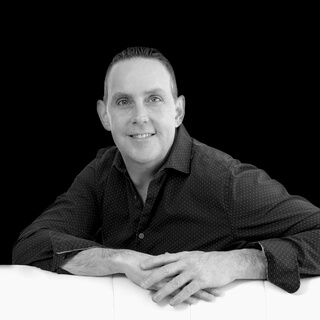
Welcome to Life,
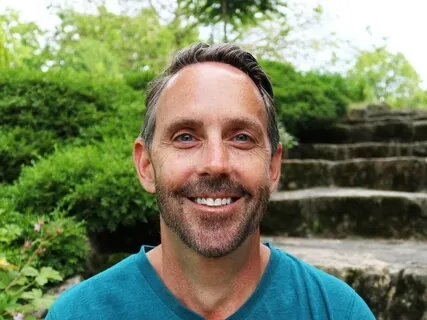
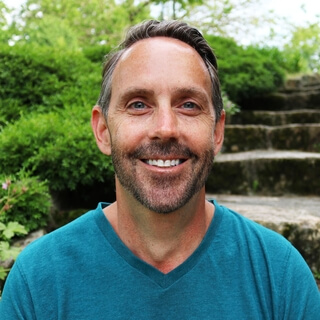
Lessons and Laughter with your host Glenn Ambrose.
Hey everybody,
Welcome to Life,
Lessons and Laughter.
This is Ben,
Glenn's producer.
We are going to switch things up a little bit today.
And instead of the normal Life,
Lessons and Laughter Fair,
Where we talk about one topic for the whole 30 minutes,
We are going to give you a little taste of Five Questions with Glenn.
So you're actually going to get 10 questions with Glenn today because we're going to put on the first two episodes.
But Five Questions with Glenn is a video series that is completely free on Glenn's email list.
So all you have to do is go in and subscribe if you like it.
And basically the whole concept is that he answers five different questions in the episode.
And that's pretty much it.
So here it is,
The first two episodes of Five Questions with Glenn.
We hope you like it.
Hey everybody,
Welcome to Five Questions with Glenn.
This is our first episode.
We don't know how it's going to go.
Not at all,
No.
We're on the edge of our seats here.
Yeah.
This is special for the email group from my website,
Exclusive.
So we're going to jump right into it.
And Ben is going to be drilling me with five insane,
Amazing questions.
That's right.
So today's topic in general is something we don't cover a lot on the podcast,
Which is health and wellness.
You spent a lot of time as a personal trainer,
Many,
Many years.
I did.
Yeah,
So these are some questions that we have for you.
One,
I want to start getting healthy.
Where do I start?
At the beginning.
Next.
You want to start getting healthy.
Where do you begin?
Eating right and exercise.
Really.
I'm assuming we're going on the physical end of this.
That's one aspect probably.
Yeah.
So if we're talking physically,
Then eating right.
And a lot of the eating right,
Honestly,
There's so many fad diets and you can find specific ways of eating that fit different people's lifestyles and stuff.
But I had the most success with people as a trainer just having them eat five times a day.
Just having small meals,
Small portions regularly throughout the day.
And just using your head at what you're eating.
If you eat some boneless,
Skinless chicken and some veggies,
As opposed to three Snickers bars for lunch,
Then that's using your head.
The three Snickers bars isn't good.
The chicken and the veggies is better.
So use your head like that.
Breakfast,
Lunch,
Dinner,
Small portions and a snack in between.
And make it healthy.
Yeah.
That kind of covers question two,
Which is what are some tips for eating for starting to eat better?
Well,
There you go.
Yeah.
Just start there.
It's just a general way of using your head.
I also like apps for that too because apps keep track of.
.
.
A lot of times we take in tons of sodium or cholesterol that we're not even aware of that's in foods.
So apps putting in what you eat each day really keeps track of all that stuff and help you get a balanced diet.
And the previous question,
Exercising,
We didn't really touch on.
That's question three.
How do I find a fitness routine that works for me?
Oh,
Well,
There we go.
I've got to stop jumping ahead.
So yeah,
The fitness routine,
There's a couple of basic things.
One,
I always tell people try to find something you enjoy.
People don't spend enough time looking to find what they enjoy.
Experiment a little bit.
Some people,
There's so much out there.
Pilates and Zumba and yoga and bicycles and treadmills.
And I'm just talking,
Well,
Not only cardio,
But there's a lot of cardio in those things that I mentioned.
And of course,
Some strength and stretching.
But there's weights,
There's kickboxing,
There's so many options out there.
Find what you enjoy and then do more of that.
You don't necessarily have to do only that.
You can do a few different things and do some of it outside and some of it inside.
Just experiment with it a little bit.
And the other big piece I think is just don't set yourself up for success.
Don't say,
Oh,
I'm going to go to the gym five days a week for two hours a day starting tomorrow.
It's like,
Come on,
Man.
That's just too big of a commitment.
If you can start with three days a week,
Great.
If you don't do three,
Then cut it down to two.
If you can't do two,
Cut it down to one.
Just start with something small,
Get a little consistent with it and then build off of it.
It's kind of insane.
This is five years of doing this show together.
Question number four is why do so many people fail at either getting in shape or then staying in shape once they've lost weight?
Why do so many people fail to keep the weight off or to ever get there in the first place?
Well,
I think keeping the weight off is the easiest.
It's just people go back to doing what they were doing before they took it off.
You got to look at this as a lifestyle change and be consistent with it.
If you live one way to lose the weight and then you stop doing that,
You're probably going to put it back on.
That's why finding the joy in what you do and making it simple is so important because it's a lifestyle change.
Don't look at it as a short-term fix and then it won't be.
Then why do people fail?
A lot of times,
They're setting themselves up for failure.
People usually fail through overwhelm.
Overwhelm is just when something's too big.
We go,
Oh,
We're going to the gym one day a week.
That's really small.
So I shouldn't be overwhelmed by that.
If your goal is to go one day a week and you're not going one day a week,
Then it's too big for you.
Spending the time trying to judge whether it should be too big or it shouldn't be too big is a place where people get stuck.
Well,
It shouldn't be too big.
I should be able to handle one day.
If you're not doing it,
Then it's too big.
Period.
You don't have to spend any time figuring out if it should be too big or if it shouldn't be too big.
It just is.
So make it smaller.
Am I going right into your next question?
Well,
Actually,
My final question is how is my happiness directly impacted by my fitness and wellness?
Oh,
Okay.
So I'm not going there.
Well,
Yeah.
So I mean,
To finish the thought,
If going to the gym one day is too big,
Then I've said this before.
Just figure out what you can do.
Can you put your sneakers by the door?
Can you pack a gym bag and put it in your car so you take it to work with you?
Just do something that you're capable of doing and then build off of that.
Yeah.
I put my sneakers by the door today.
Okay,
Cool.
Awesome.
Success.
Yahoo.
All right.
Now tomorrow I'm packing the bag.
Okay.
And then pack the bag.
Now you've got the sneakers by the door and you pack the bag.
That's two things.
That's success.
Congrats.
Okay.
Now the next thing,
You know,
And just build off of it because it's,
You know,
We need to,
We can't beat ourselves up for motivation.
Oh,
I suck.
I should have done that and I didn't.
That doesn't make us feel motivated.
It makes us feel like we're losers and we're never going to do anything right.
So it lowers our energy.
So we have to just start with small successes,
No matter how small they are.
And then it's like,
Oh,
I did that.
That's good.
Well,
That's good.
Oh,
I did that.
That's good too.
Now also my energy is building and I have the motivation to go take the next little step.
And you know,
And that's what you build.
That's what you want to do.
You want to feed the positivity,
Not smash yourself over the head with the negativity.
So,
Yeah.
So now what was that last question?
How is my happiness directly impacted by my fitness?
Well,
You know,
I heard it said,
I loved this when I read this years ago,
I read something that said,
Exercise is the most underused antidepressant in the world.
And it's so true.
I mean,
You know,
Like it releases the endorphins.
It brings you joy.
You feel better,
Which is actually another little piece that a lot of times people do wrong.
They go to the gym and they complain the whole time they're there.
Oh my God.
Oh,
This is so hard.
Oh.
And then they work real hard.
Like when I used to train people,
Like people,
Somebody would be working hard at that,
Doing an exercise,
Then they'd finish and they'd be going,
Oh,
That was horrible.
And then don't give yourself negative feedback for doing something positive.
If you're doing something positive,
Give yourself positive feedback.
You know,
Yay me.
Hey,
Look,
I'm here.
I'm doing this.
Good for me.
Good for me.
Then eventually we start,
You know,
If we feed ourselves positive thoughts over it,
We start feeling better about going and it's not a chore.
You know,
It turns into something that we can enjoy.
So it's,
You know,
That's a big part of it.
But if it does release the endorphins,
It does make us feel better about ourselves.
It does make us happier.
It allows us,
For me,
You know,
When my son was young,
One of the reasons that I worked out was to try to keep up with him.
It's like I wanted to go climb mountains with him.
I wanted to play sports with him.
I wanted to,
You know,
Go to amusement parks and walk around.
I wanted to do things with him,
Not just sit there watching him.
You know,
I want to interact with him.
And that gave me the ability to do that.
Now that he's older,
It's more about me again.
You know,
I mean,
I'm 50 and for me to live to 100 is completely feasible.
You know,
My grandmother lived to 96.
So for my generation to make it into our hundreds is completely realistic.
So I got 50 years left.
That means everything that I've experienced up until this point in my life,
I've got a whole,
Including birth,
Learning to walk,
12 years of school,
All that stuff.
Plus my adulthood,
I have another chunk of time just like that to go.
I need my body to be working.
I don't need it to be falling apart halfway through.
You know,
Like,
I mean,
I want to do stuff.
I want to experiment.
I want to experience things in this world.
There's so much to do.
I want to ride a camel to the pyramids and I mean,
Swim with the dolphins.
There's just so much we can do and experience in this world that we need to have a body that's capable of carrying us through this journey.
And on this topic,
It's a little bit off topic,
But I heard Bear Grylls say something once that I loved.
I love Bear Grylls.
Oh,
That dude is awesome.
And he's broken his back.
I mean,
Like,
Severely.
Like,
I broke my back,
But it was minor.
He broke his back like severely and I mean,
All kinds of injuries and stuff.
And somebody was asking him like,
If he's worried about it.
And he was like,
No,
Man.
He's like,
I want to,
At the end of this lifetime,
Like,
I want to come skidding in sideways in a used body.
Like,
I want to hang up that meat suit and be like,
This one's used,
You know,
Like,
Holy crap,
He got a lot of use out of this one,
You know,
And I love that mentality.
It's like,
You know,
We have a body,
It's capable of wonderful things.
Let's use it.
You know,
Instead of wandering,
Walking around in fear all the time trying to protect it.
It's like,
Use it.
You know,
Our bodies are remarkable thing.
If we break a bone,
It heals.
I've broken plenty of them.
So it's,
I like that mentality too,
You know,
And that's just not that I think we should try to beat the crap out of our bodies or do risk.
Like,
I don't do really risky things like I like zip lining.
I don't consider that risky.
Like,
I,
When I went zip lining,
I saw the safety measures that they use.
Like,
It's like,
You have more chance falling,
Just walking down a sidewalk than you do falling it like it's completely safe.
So,
So I mean,
I don't take unnecessary risks anymore,
Like when I was younger.
But I still want to use my body,
You know,
And not just walk around in fear all the time.
You know,
It's if you if you don't use it,
You're going to lose it.
So let's just use it and enjoy life.
You know,
It's it's one of our best tools to get enjoyment out of.
Yeah,
Absolutely.
So,
All right.
So that's five questions with Glenn.
Five and all about wellness.
Interesting.
I had no idea you were going to go there.
Yeah.
Well,
That's what,
You know,
Some people want to hear.
So,
So,
You know,
It'll be different.
Sometimes it'll all be about one topic.
Sometimes it won't.
But,
You know,
That's that's what this is.
And this is the only way the only way to see it.
You know,
You maybe you'll see the first one.
But the only way to see these is to sign up to the mailing list.
So thank you guys for doing that.
And yeah.
And feed us your topics and questions.
I would love that.
Yeah.
Yeah.
Probably the best.
Well,
No,
I was going to say the best way is send in a topic and then five questions,
Which you can do that,
Too.
Or you can just send in five random questions.
I kind of want to try it both ways.
I don't know if I'm going to like one way better.
Yeah.
Or if we'll mix it up.
Exactly.
Yeah.
So right now,
We're in experimental stages.
And of course,
We want to we want to give information that is going to help you.
So before if that's our goal,
We need your input.
So send in those questions so we can you can get answers to your specific questions.
So I guess that'll do it.
Right,
Ben?
Absolutely.
Thanks,
Guys.
All right.
Thanks for listening,
Everybody.
And we will talk at you soon.
Hey,
Everybody.
Welcome to five questions with Glenn.
So here we are.
The second episode.
And Ben's going to fire out some random questions this time.
Yeah,
Absolutely.
All right.
So,
Glenn,
The first one,
We talked about this a little bit on a podcast,
But about anxiety in particular.
But why is anxiety why do you think anxiety is so rampant in today's society?
Well,
You know,
It's a fear based society,
You know,
And and I think anxiety is fear of the future.
And we're moving so fast that we're never in the present.
So,
You know,
So I mean,
We're constantly trying to control things.
I think,
You know,
Can fear of the future and control basically go hand in hand?
Because I mean,
Really,
What are we trying to control the future?
Of course,
We're not,
We're not usually trying to control the past.
So we're trying to control the future and control is such an intricate piece of our issues,
Because we don't feel safe.
Yeah.
So since we don't fundamentally feel safe,
And we don't feel safe because we're disconnected from our source of safety,
Which is eternal,
The spiritual being that we are.
So if we find safety and being a spiritual being,
And then we interact with life in a more playful way,
Not so serious,
Then we won't need to control it,
Because we'll feel safe.
And,
You know,
That can help.
But I think it's rampant,
Because most people don't live like that.
They're not living anchored in the safety of being in a eternal being,
And then interacting with life playfully.
They're interacting with life like everything that happens is the end all be all,
And it's very serious,
And we have to try to control it.
And we have to derive a sense of safety,
A false sense of safety by trying to control the future of things.
So things don't happen that we might not like.
God forbid.
So,
You know,
I think that that's kind of the overview and the mindset of why there's so much anxiety.
Why,
Question number two,
Why is there so,
Why do you think that there's so much focus on the negative things in the world today?
It's an easy way to connect with people.
There's something that's been passed down generation to generation about not thinking you're better than anybody else.
There's such a huge fear of not thinking you're better than anybody else.
That's such a taboo,
Horrible thing.
You know,
You're a bad person if you think that.
So it's like subconsciously we do all these things to prevent somebody thinking something bad about us like that.
So,
You know,
If you walk around,
The perception is that if you walk around and somebody says,
How are you?
And you say,
Oh,
I'm wonderful.
Everything's great.
Then that's going to make them feel bad about themselves.
And you're going to be perceived as thinking that you're better than them.
That's how people perceive.
It's not true most of the time.
Most of the time that doesn't happen.
I mean,
I tell people I'm wonderful and amazing all the time and people usually get a kick out of it.
They usually actually like it.
But people think that it's going to be perceived a certain way.
And that's also why people talk about negative things because it's safe.
Oh,
You know,
This sucks,
Right?
Yeah.
Sucks.
Okay.
So we're on the same page and we can agree it sucks.
Everything's cool.
But what if I say something's wonderful and then they don't think it's wonderful?
Well,
Then I might get into an argument or in my,
You know,
If we pay attention to what people talk about,
It's very safe topics.
And it's usually negative because it's very easy to agree on those.
We all get that this sucks,
Right?
Yeah.
Oh,
Okay.
Good.
It's just a much safer topic.
Yeah.
You're not saying something positive about something that you believe in is making yourself vulnerable.
It's a lot easier.
You might get judged for that.
Exactly.
So what is the biggest change that you've seen in the last 10 years in society in regards to spirituality?
Wow.
We should do a whole podcast on that.
The biggest one?
I don't know,
Man.
There's just been so many in the last 10 years.
I guess if I had to group it into one thing,
It's really spiritual maturity.
You know,
10 years ago,
15 years ago,
There was a lot of,
I've seen us transcend a lot of older topics that used to hold people down.
Like a lot of people used to get hung up on,
You couldn't have any money or own anything if you were going to be spiritual.
Like,
Because that's not spiritual.
You need to give away everything.
And now people have kind of understood that we live in a world of abundance and there's nothing wrong with it.
So that's one example of this,
Of us transcending old spiritual paradigms that people used to really anchor into and believe in.
And I see a lot of that.
I see a lot of us just expanding our minds,
Which I guess another example of us expanding our minds is really how the Pope connecting with other religions and saying,
Yeah,
It's all one God,
But we just call them different names and respecting other religions.
I think that that's such a huge shift right now.
I mean,
I'm reading a book with the Dalai Lama and Bishop Desmond Tutu that they're writing together,
Coming at it from Tibetan Buddhism and Christianity and talking about joy.
And it's cool getting,
You know,
How,
And like they consider each other very close friends and they both consider each other very spiritual loving men.
And like Bishop Tutu is like,
They get a special place in heaven for you,
Dalai Lama.
I mean,
You know,
They're like,
They truly believe this.
So,
I mean,
I think that that is a good example of us opening our minds and spirituality becoming more inclusive and less exclusive.
And I think that's happening because we're understanding things at a deeper level now.
Yeah,
For sure.
One thing that we've talked a lot about is people helping people and how that affects them.
So how has helping so many people through your work affected your life?
It's everything,
You know,
Really.
Everything that I have personally is a result of helping people.
So it's kind of everything,
You know,
It's the source of my joy.
It's the source of my abundance.
It's because I've aligned with what I'm supposed to be doing in service.
So it's,
Yeah,
It's given me everything.
It's given me a place to live in Florida that I wanted.
It's helped me raise my son.
It's,
You know,
Everything that's important to me,
Helping others has allowed me not only to achieve it,
But to achieve it in a joyful manner.
You know,
I think that's the biggest thing is it's like,
If you're helping people right,
It's not a chore.
It's the largest source of joy that you can have.
And if you're living from that,
I mean,
What else do you want?
And,
You know,
To be fair,
You know,
I'm a life coach.
So it's obvious.
It's more obvious,
Especially the way I'm talking and how I live.
But it doesn't,
It can look different for everybody.
You know,
You don't have to be a life coach to,
You know,
Give back and feel the things that I'm feeling.
You know,
You can have your regular job and every job out there,
You can help other people in some way,
Shape or form at doing your job.
But also,
You know,
Of course you can do outside of work as well.
And it's,
You know,
It's the foundation of everything.
If we look close enough,
We're all doing it to some degree and we're all doing it more than we realize.
And I think if you can take anything away from this question,
I think it's this.
Look into what you're doing and spend time trying to figure out how it helps people.
Because the fact is,
Is it does.
And it's about time you start getting credit for that.
I explained jobs to a four year old,
Like why people have to work.
And I explained everybody's jobs to him that he knows.
So all of his family members and stuff in the aspect of how they help people.
I was like,
Mommy works at a grocery store.
She helps people get the food that they need and she makes it easier for them.
You know,
Your dad's a cook and he makes food for people.
I think the misconception,
People have such a stigma against money and it's not about the money.
Money is just a symbol.
So if you look at how people,
Like you said,
The grocery store,
It's like it doesn't matter if I life coach somebody that works at a grocery store,
And then they pay me money and then they go to work and then they help get the groceries available.
And then I take the money that they gave me and then I go buy groceries.
It's still an exchange of energy.
It doesn't matter if we do it that way or if I life coach a farmer and then they hand me a bunch of food.
It's the same thing.
It's just we use money as a symbol to connect the dots,
That's all.
But it's still an exchange of energy.
So if we start seeing it that way and stop taking this mind-made,
Man-made demonizing of money,
And just say,
Okay,
It's not about that.
The jobs that we do are helping each other.
And I think once people understand that,
They would derive a lot more pleasure from the jobs that they do.
Absolutely.
And our last question,
Be as quick as you can,
Is why is living consciously so important?
You have one minute.
Oh,
Good.
Well,
Because if you don't,
You're either living in the past,
Which doesn't exist because it's gone,
And we don't have time machines that I know of.
And so you're living in a place that doesn't exist.
And whatever happened in the past,
You're recreating for the future,
Which a lot of people don't like,
Which isn't good.
So you're missing the only moment you actually have.
The only time you can ever do anything is right now.
I can go online and do something for my business,
But I'm doing it right now.
I can't do it tomorrow.
If tomorrow I end up doing it,
Then it'll be the now.
So you're missing the present moment is the only thing we ever have.
If we're worried about the future,
It just fills us with anxiety.
It doesn't exist yet.
It's not here.
It's just a mind-made concept.
What a way to bring that back full circle to the first question too,
About anxiety on this one.
Anxiety.
Well,
You've seen this,
But now other people know.
When I do life coaching,
Very often that happens in my life coaching sessions.
We'll start talking about something and then I kind of know when to wrap it up when we go full circle.
Yeah.
And it's like,
Oh,
It's like the universe is like sealing it for us.
Speaking of,
You know,
We have,
Man,
We've been talking for three and a half hours.
Not on this in particular thing,
But we've been talking for three and a half hours.
So I have to let you go so you can go help some more people.
This has been five questions with Glenn exclusive for the mailing list.
Thank you so much for signing up for that.
And if you have questions for Glenn,
Random questions,
Five questions on one topic,
Whatever it is,
Send them in.
Glenn at Glenn Ambrose dot com.
Thanks,
Man.
Yeah.
And if you don't have questions,
Think some up and then send them in.
So that'll do it.
Thanks for listening.
And I'm looking forward to getting at your questions soon.
Glenn is available for life coaching sessions to book an appointment or for more information,
Go to Glenn Ambrose dot com.
Follow him on Facebook and Twitter or click the link in the description of this episode.