Hello folks,
I wanted to talk a bit today on being barefoot and connecting back with the earth.
Now I first figured this out by sort of stepping backwards into it.
When I was retraining racehorses,
They're shod on the track.
They put aluminum shoes on them called racing plates and they shoe them in a fairly unnatural position with their toe at a very strange angle.
And they do that specifically to keep the horse from breaking their leg.
So the injury goes from something that would end their life to when they do get injured,
It just ends their career as a racehorse.
The horse still lives,
They recover.
And there's been tremendous breakthroughs in farrier-y.
And that's the art of shoeing a horse,
Trimming hooves,
Care of the horse's foot.
And track farriers are revolutionary.
They're amazing.
And I am so grateful to them and so grateful for what they do because they have preserved so many wonderful horses and protected them from injury with tremendous success.
The shoes going on horses now look nothing like 40,
50 years ago.
They're amazing.
And I'm grateful.
But what I learned was when you take a thoroughbred off the track,
You either keep their shoes on the rest of their life,
All the way around,
All four feet,
Or you take their shoes off and you let them be a little ouchy.
You stick them out in a field and you don't touch them for six months.
And the way I had my place set up,
We had what's called a track around the outside of the pasture.
So the horses have to walk more.
They walk around the outside to get to water,
Minerals,
All the hay that's hanging up,
And then you give them a certain part of the day on grass.
And I changed their diet too.
I fed them.
Are you ready for this?
Hay.
Revolutionary,
Right?
Horses eat hay.
You would think it would be so normal,
But to feed them just straight grass hay and a mineral balancer and alfalfa as they needed it for the protein,
You would think that would be very normal.
But that was shocking to folks because in show barns,
Horses are kept in a small stall,
Just like actually on the racetrack or at some lesson barns,
They're kept in a small stall.
They're fed a lot of grain,
So a lot of corn,
A lot of soy in these mixes.
And they're not fed very much hay and they don't walk much and they all need shoes because their feet are kind of a mess.
They're very sore without shoes.
And what I found was when I popped the shoes off my horses and I stuck them out and let them be horses for a while in a process called a let down,
They came out of that six months with very strong feet without diseases of their hoof like laminitis,
Founder,
Navicular,
Abscesses that are so common in these race horses.
And it's not that the breed itself is predisposed to it,
It's that they've been shod from the time they were a year old.
So little babies.
So when you give them that time,
They come out of it with healthy feet.
They get fat on you,
Which is very hard to do with a race horse.
They look amazing.
They have muscle on them.
They just look lovely.
They're shiny.
And mentally,
They're focused and they're happy and they're laid back and they're not in a hurry to go,
Go,
Go,
Go all the time.
At the track,
They spend every waking moment thinking about running or prepping to run.
They don't go outside very much except to work out.
They are just machines.
So you have to give them that letdown time mentally to just be a horse.
And mine go out in groups and they do whatever in the world they want to do during the day,
Whatever it is that horses do.
And they spend several months doing that.
And then I get on them.
And there's a huge difference.
I used to ride them at the track to try them out and then bring them home.
And from the trial ride at the track to when I sat on them,
It was like a totally different animal.
And I learned about the barefoot thing with horses by just popping their shoes off because they don't need shoes to be out in the field.
And actually the way I had it set up,
They were going over enough gravel and sand that they were trimming their feet pretty much on their own.
I balanced them a little bit,
But they were mostly wearing their feet down very correctly.
So that was great.
And so I did some research into this for my own horses that I was keeping barefoot.
And I found that when a horse steps down,
They actually need that pressure.
Their hoof disforms and reforms.
It moves to absorb the shock and reforms.
And that motion sends blood back up against gravity,
Back up into the horse's body.
And of course,
When you have a 1500 pound animal with gallons of blood to move,
Their heart is doing so much work.
So any assist you can give it is probably super appreciated by their vascular system.
So because there's less impact absorption,
The hoof does not change shape when there's a steel or iron or nowadays aluminum,
When there is a metal shoe on,
The hoof can't move and flex the way it's supposed to.
So shod horses are not only sore if they lose a shoe or you take a shoe off,
They are unable to regulate their hoof the way a barefoot horse could.
So they're less likely to recover from things like an abscess or a deep chip.
And they're more likely to get inflammation in the hoof.
So that shows up as laminitis,
Navicular,
Coffin bone rotation.
The hoof is not just a solid piece of tissue.
It's a living,
Almost an organ.
There's a lot going on inside a horse's hoof.
So by not letting it flex and move,
You're actually limiting nerve input,
You're limiting blood flow,
You're limiting your horse tremendously.
And the sensory input in a shod horse is a lot less.
They can't feel where their foot is.
So on a trail,
They're more likely to slip.
Or on ice,
We actually take specific studs for ice.
We use boreum padding and studs in shod horses in the winter so they don't slip.
And some horses get screw-in studs that you have to screw in and remove before you come in the barn because they're a good two inches long.
It depends on what they're doing.
All because otherwise they would slide around and break their leg.
And this is very standard stuff in show barns,
Which is what I have experience in.
So I was figuring out that my barefoot horses were performing and doing better than shod horses.
They had better longevity.
I didn't have a single case of laminitis.
It was the way I was feeding.
It was the fact that the horses lived outside.
They had sheds that they could decide to come and go from.
I'm big on freedom of choice.
So they could do whatever they liked.
And they were moving and eating better and just walking around without shoes on.
And for years,
I never correlated that between what's going on with my horses and how that could apply to me and human beings.
And when you think about it,
We are kept,
Or living,
Choosing to live.
We are living in a way that's not unlike these horses.
The number one cause of medical issues in a horse is inflammation.
And you could argue,
Guess what?
The same thing in human beings.
We're also eating high sugar,
High fat diets that are highly processed and not what we're genetically made up to eat.
We also don't move very much.
We're very sedentary.
And when we do move,
We're in a rush.
Our blood cortisol is spiked.
We get blood pressure issues.
We get all sorts of cortisol related issues from stress,
Anxiety.
We don't sleep.
And we wear shoes all the time,
Just like a racehorse.
We wear shoes all day every day or we're in a house not touching the ground.
So I have a neurologic condition from Lyme disease.
And I had no idea about grounding until I started doing it.
Earthing grounding,
Whatever.
It's all the same.
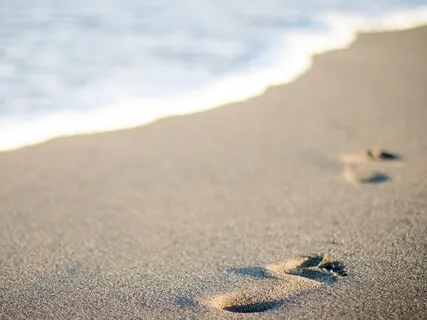
The idea is you put your feet on the ground.
Shocker,
Right?
Barefoot,
Just go stand on the dirt or in the grass or something.
And it shouldn't be as profound as it is,
But there's something very cool going on there.
There's a lot of research done on the electrochemical exchange happening in your body when you put your feet on the ground directly.
And I've seen the radiographs with the horses after they've galloped with shoes or they take a horse that's barefoot and they gallop him and the same thing.
I've seen that.
And the one is all lit up and looks like a Christmas tree and the poor thing just looks like it's in agony.
And the other one looks cool.
Well,
It's all blue and the horse is fine.
And to see the same stuff in humans,
In human radiographs after grounding,
I suppose is what it's called,
Walking around barefoot in the dirt after being a human for a while,
It was shocking to me.
And then I felt like an idiot because I hadn't put two and two together before.
But thinking about it as a collective,
We have all sort of had a let down period for those of us that were in quarantine.
The whole world has had a little bit of a reset.
We've had some time to be home,
Be quiet,
Learn how to be humans again.
And so yes,
Terrible things have happened this last year and we're all processing it.
But I think we can come out of this knowing a little bit more about how to be people,
A little bit more about where our hopes,
Dreams and goals lie.
And maybe learn how to stop and slow down a little bit and take the time to put our feet on the ground,
Eat an apple,
Learn how to be a human.
Because not unlike the race horses that are used to going a million miles an hour,
And then when they come to my place are just completely lost for several days,
They don't know what to do.
We've all been through that recently.
And many people have lost loved ones and many people are grieving and this isn't over yet.
But there is something valuable in it.
I think it's important to take the message from the last year and learn what we learned,
Pay attention and carry that forward into whatever we do next.
For me,
That's putting my feet on the ground,
Walking around barefoot.
What is it for you?
We all need to take time to let ourselves be human again and learn what that is.
Because we're all stuck in fast forward in our culture.
We're all in a race.
And we would all do well to slow down and learn a bit about ourselves.
Thank you for listening.
Go put your feet in the grass.