Good morning,
Everyone.
Good evening,
Good afternoon,
Wherever you are,
And welcome to this week's Weekly Energy Boost.
My name is Eli Sheva,
And this morning,
David and I are gifted with the presence of a very special guest who I'll get into momentarily.
Today is I'm like a deer in the headlights right now.
Today we are talking about helping others heal,
And this is the fourth in the series of this month,
This month of Taurus,
Where we've been talking about health and wellness.
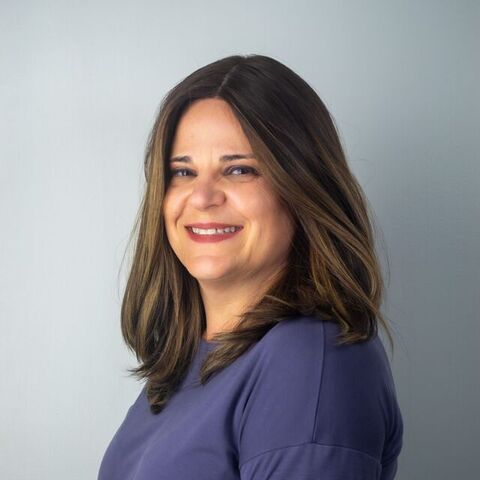
And we are joined this morning by Dr.
Ali Evans,
Who is a Kabbalah student and naturopathic doctor who specializes in integrative and restorative health and has a lot of experience,
Especially in women's department,
In the women's department,
As I'll call it.
Not to get too specific,
We'll let her get specific if she wants to.
But anyways,
We brought Ali here because she is a living example and practitioner of everything we've been talking about over the past few weeks.
She's not only living it,
But she's also guiding others to live that way.
And we thought there would be no better voice to represent the experience and the ability to create health and wellness,
Not only on a physical level,
But integrating all the aspects of the self,
Which is really what we've been talking about this month.
So the weekly energy boost is intended to be a seven-day spiritual weather forecast.
However,
We do our best,
Both David and I and our guests,
To bring meaningful life lessons,
Practical tools,
And wisdom so that this,
What we share today,
Not only helps you get through the week,
It will help you get through life.
And literally,
This is so powerful,
Such a powerful opportunity,
Where in this time period that things are coming up.
I actually spoke to someone last week who told me that she had like 900,
Slight exaggeration,
900 different symptoms come up for her out of the blue,
Out of nowhere,
Getting tripping,
Falling,
Bumping this,
Cracking that,
Scraping this,
Inflamed that.
And I said,
You know,
If it was one part of the body over and over again,
I could be helpful.
I think that the universe is just trying to get you to wake up.
And what's the wake up call?
Well,
That was what our conversation was about.
But today we want to hear from,
How should we call you?
What's your,
What do your patients call you?
Well,
My patients call me Dr.
Evans,
But you know,
You can say,
Hey you,
And I'll still respond.
That's how I respond to that too.
Actually,
If you just say mom,
I'll probably respond back.
Okay,
Mom.
So our guests are obviously very excited to hear from you.
And we have a lot to talk about today.
I guess maybe I should check in with David first and see if David has any backdrop he wants to paint before we begin.
I don't have that much backdrop.
This is a powerful week.
It's the week that actually corrects the flow between the upper and lower worlds.
There's a big emphasis on financial correction,
On the ability,
On the reproductive correction.
So if we're talking about bringing children to the world,
If we're talking about a disconnect between you and your children,
This can be corrected and may be tested in this week.
And overall relationships too.
I mean,
That's everything.
But that's what this pipe called Yasod does.
It unites the upper and lower worlds.
Many times we talk about different dimensions of energy that have to do with different spiritual properties.
But this is the one where if you're missing flow in an area of your life,
This is the week that will be tested and we can receive the inspiration to correct it.
That was,
We could have asked for no better backdrop than that.
Because one of the things that I think we wanted to talk about is that the exactly that idea that the body really,
If all systems are in check,
Everything flows properly.
And there are certain,
Not certain,
There's just a general,
We want to look at what are the things that cause that flow to be interrupted,
Or to become blocked.
And I think that's where Hey,
You comes into the picture.
Well,
And yeah,
When you said that it's the perfect segue,
David,
Because I think of,
You know,
Our job,
And when we when we're talking about like the topic of the show,
Helping others heal,
I think it's relevant,
You know,
Obviously,
To those in the healthcare field,
But I think it's relevant to anyone helping anybody,
Friends,
Family,
And but also the way we help ourselves internally.
So our own internal family,
Patients,
Whatever you want to call it,
It's relevant to everyone and everything.
And,
And exactly what you just said,
David,
The idea of health is really we already are flowing,
We're just removing the obstacles to that flow.
So the job of,
You know,
Me as a physician,
Especially thinking a little bit more holistically,
And in an integrative way,
I'm always thinking about,
You know,
If you picture a garden hose with a kink in it,
Or a garden hose,
It's not flowing,
The job is to figure out like,
Well,
Where's the kink in the hose?
And how do we then unbend it,
So we have flow.
And the flow is always there.
It's been there forever.
It's,
You know,
It's what physicians in ancient times used to call the vital force.
So it's not something we have a deficiency of,
We're just trying to remove the blockages to that flow.
Well,
You're saying that everyone innately,
Because we are connected to the light of the Creator,
Whatever force it is that you want to call it,
It's not that we're trying to find healing or find something that's going to help us fix us,
Remove our pain,
Present us some kind of pain in their body.
They're thinking,
Well,
What's going to remove this pain?
It's kind of like if I take an Advil,
This Advil now is going to bring me something that I didn't have.
What you're saying is,
When this is pretty intuitive,
When we remove that blockage,
Then things go back to its natural state,
Which is a pain free state.
That's exactly right.
And I might even say,
Maybe it's not necessarily a pain free state,
But it's the ability for our body to properly deal with the pain and right our ship.
So just like a ship is out sailing,
You know,
In the water,
And a wave comes,
The wave tips the ship,
But that ability for the ship to right itself.
That's what I think of as health.
It's not the absence of pain.
It's not the absence of disease,
Meaning dis-ease and imbalance.
It's not the absence of that at all.
It's the presence of that,
But the ability of our system to have this dynamic equilibrium and be able to right our ship.
So I think it's not the absence of stressors.
I mean,
And we could talk about this with emotions,
We can talk about this with our spiritual growth.
It's the ability to meet those challenges and find our way back to balance pretty uneventfully.
Beautiful.
Beautiful.
So we're going to get into the juicy stuff now.
We want our audience,
Our live audience to know that you can ask questions.
Ask any question if you're in front of an ND,
A natural doctor and one of the best with a Kabbalistic background and spiritual understanding.
What would you want to ask?
What would you want to ask,
Allie?
So put that in the in our in the comment section of my Facebook page or our YouTube page,
And we'll get to that.
I want to know what is the most common,
What are the most common problems people come to you with?
And the reason I want to say that is so that our audience can can connect with that,
Can can feel a similarity of form.
I'm sure whatever you're going to say is probably going to be what 90% of our audience feels.
So there's two answers to that.
But what I have to share with you guys,
I was I was coming to clinic this morning and I was thinking about this show topic.
And I was thinking about what it is that,
You know,
What,
What the kind of medicine we practice is and what I think true healing is.
And I was picturing and,
You know,
I have two kids,
You guys have kids,
But anyone who's been around a toddler,
You know,
That horrible game,
That's like the why game where they're,
You know,
The toddlers,
Like,
Why is the ocean blue?
And then they're like,
But why?
But why?
And it keeps going and it keeps going.
And eventually,
We would end with just saying,
It's physics,
Like,
Science,
That's why or physics.
And,
But I had this thought on the way to clinic this morning,
I was like,
Oh,
My gosh,
I am that toddler,
Like my job.
I get paid to be that annoying toddler.
Asking why?
That's good.
And I think I'm going to answer your question,
David,
But I think that idea.
So you know,
In past episodes,
You've used that analogy of the swamp,
Like,
Nothing in nature.
I mean,
That's not totally true.
But we don't want the swamp like the swamp is stagnancy.
The swamp is non movement,
The swamp is usually not so healthy.
And so there's two ways we approach,
Let's say cleaning the water,
Like trying to restore crystal clear water to that swamp.
One is we put like drops of treatment,
Right the way we might treat a pool or a hot tub,
Like let's just put drops of treatment and hopefully the water will clarify.
But the other question is to say or the other treatment paradigm is to say like,
Well,
How did the swamp form in the first place?
And let's put like we said,
Let's remove that obstacle.
And then the water will flow and we actually don't need to keep treating it.
And so to answer your question,
What do I see in my practice?
And you know,
We do primary care.
So a lot of a lot of kind of preventative health and kids exams and women's exams.
But the crux of what I see is kind of what Ellie Sheva was mentioning people with 90 symptoms.
And there's not a slam dunk diagnosis of Oh,
You have,
You know,
A goiter in your thyroid,
And that's what's causing this or you have,
You know,
Whatever lesion,
We're dealing with real humans and real people with this interaction of all the systems of the body.
And I mean that all the physical symptoms of the body,
But also the emotions,
The mental health,
The spiritual health.
So we're dealing with a site,
Complex interplay of all these systems.
And how it shows up is complaints or cysts or symptoms,
Right?
I'm tired.
My hair's thinning.
I don't have a lot of energy,
My appetite's off.
And my blood sugars are funky.
My,
You know,
For women,
My menstrual cycles are off.
And so these can keep gaining weight,
Is complaints that there's not and a lot of mental complaints,
You know,
I'm just not as happy as I think I should be or I'm depressed.
And so the the job of what we have to do is figure out like,
Okay,
Here's the swamp with all the symptoms.
Now let's figure out why it's a swamp.
And so we're going to figure out why it's a swamp.
And let's be that toddler that keeps asking why.
So that's,
I would say the crux of what my job is.
But also,
You know,
People can do start to do that themselves in whatever form,
Start asking a little bit more of why.
And I want to address something that I'm sure we all do as soon as we feel a little twit little somewhere or a little pain,
We start googling.
And then we're convinced that we have some kind of terminal disease.
I think everybody does that.
Yeah,
I think,
Are you?
What?
Dr.
Google is like my primary partner in practice,
People come in and they're like,
Well,
I've already seen Dr.
Google.
Now I'm gonna ask you.
WebMD has convinced me that I have a terminal terminal situation.
And I think,
Yeah,
And I think like one of the I think even harder for people is when they can't get an answer when they aren't fitting in a box,
Right?
And they feel a little bit hopeless.
Like if there's,
You know,
Western medicine,
And I practice very integrated medicine.
So I do prescriptions I do,
You know,
Refer for surgeries.
I'm doing the kind of an integration of all of it.
So there's I'm not in one camp or another.
But I think Western medicine is very based on diagnoses and algorithms.
You know,
We match a pharmaceutical to a diagnosis.
And if you don't fit in a box of a diagnosis,
You're sort of dismissed as like,
Really,
There's nothing wrong.
When in fact,
Functionally or emotionally,
Or mentally,
There's a lot going on.
One of the things I want to interject by saying is practical spiritual advice for all of our listeners.
Allie's going to share with us some of the tips and tools that she uses with people who come see her.
But one thing that's really important to know is that when you start feeling different things in your body,
And you start having symptoms,
The mind starts to wander and everybody starts to freak out.
And we do this with every part of life.
We do this,
If you have your main correction being in relationships,
By main correction,
I mean,
That's the area we're always being challenged.
So everybody's got an area in their life where they're always being challenged.
That's the area of their correction.
And for some people,
The universe talks to them through their body versus through their husband or wife or kids or financial situation.
So when you start getting these symptoms or messages,
The most important thing is to not freak out and to have certainty.
Because the certainty beyond logic,
There's two types of certainty.
The certainty within logic,
Which is,
I did Google it,
It does fit in a box,
Now it totally makes sense.
So I have certainty that I'm going to figure this out because my logic now has been supported by Google.
As opposed to certain beyond logic,
Which is,
I don't know what's going on,
It keeps happening,
No one's been able to help me,
I have nothing physical to really wrap my arms around to be able to give me comfort,
Therefore I must rise above my logic and say I have certainty beyond logic.
And the Kabbalists say that when you have certainty beyond logic,
That's when you enter the miracle state.
That's when you start to—because you could go see Ali,
And this is a really important point,
You could go see Ali,
And my brother's a physician,
So whenever I have something I'm calling him.
And he's not going to get the message,
Or Ali's not going to get the message,
Unless I come with the right consciousness.
So this idea that someone else is going to solve my problem,
Even your Google search algorithm can't be accurate until your consciousness is first tuned in to certainty beyond logic.
And even if you have to fake it,
Even though I don't feel it fully,
I desire to have certainty beyond logic that everything's going to be okay,
That I'm going to find what the solution is,
That the Creator wants the best for me.
And that immediately plugs you in to finding the right people.
And if you already have the right people,
That they'll receive the right messages,
And so the healing will come.
That's like the Rev always used to say,
What does a person go to,
You know,
10 doctors and the 11th is the one that has the solution.
It's not because the 11th went to a better school,
Or has more experience,
Or understands the problem.
It's because only at the patient's process,
When they reached the 11th doctor,
Were they ready for the healing to commence.
And so I think that a lot of,
One of the things that Ali often shares with me is that there's so much of conventional medicine,
And no disrespect,
There is a time and a place for it,
And it is absolutely an essential building block in what we're talking about.
But there's a lot of it that's focused on dealing with the symptoms and not going to the root.
We talk about this when we talk about spiritual malaise,
Right?
That if a person,
If you're being challenged,
We spoke about this when we talked about stress.
You can get rid of the stressor,
But it's really our perception of the stressor that needs to shift.
So you can get rid of,
And by the way,
That's also the essence of one of the teachings we talk about endlessly around Tikkun,
Right?
If I'm leaving a job because of a certain dynamic between me and another person,
If I don't resolve the dynamic in me,
What's bothering me,
What's pushing the button,
If I don't work on extracting that button that's getting pushed at my current job,
That button will continue to be pushed at my next job.
So that it's not,
We're really good at putting out forest fires.
We need to be busy instead with preventing forest fires.
And that's,
I think,
What I understand is the key to holistic medicine is not just looking at the symptoms,
But looking at the root causes.
Yeah.
And I think something both of you guys are saying,
I mean,
Just to talk for a second about what a symptom is,
Let's take,
For example,
A car and you have this rattling sound under your car,
Which is a symptom,
And you are like,
Gosh,
This is so annoying.
This car keeps rattling and you just cut the muffler off,
Right?
Like,
We'll just remove the symptom.
And then you're like,
Oh,
It's created this whole new,
Like,
It doesn't treat the why,
You know,
The toddler who keeps asking why it doesn't treat the cause.
Same way,
You know,
For anyone out there who's a gardener,
If you have like a weed in your garden,
Like,
Let's say you have this dandelion and you just pull the tops off,
Which is like the symptom,
The root,
It's,
You know,
Give it two days and you'll have another flower,
Like you have not uprooted the cause.
And I think,
You know,
A symptom,
Like you said,
David,
This certainty beyond logic,
I think the certainty beyond logic has to also be,
Well,
There's multiple things that come up.
One is the symptom is a gift.
The symptoms are this way that the body kind of waves this flag and says,
Pay attention,
There's this imbalance happening.
And like you said,
Ellie Sheva,
It's this way of treating it proactively before it's turned into the forest fire symptoms are really gentle way of the body trying to get your attention.
And then it'll get louder and it'll get louder.
So I think there,
You know,
That certainty is also this certainty that I'm in alignment and receiving messages and I'm aware enough to realize that there's a symptom happening.
And then I go down this process of asking the why.
So our audience is asking so many questions that we can maybe get into the details of what are some of these symptoms mean?
What are you finding that they're mainly linked to?
And I'm guessing the answer will be something around types of tikkun,
Suppressed emotions.
Can we ask another question before we get to the specifics?
Because people want the juice.
People are asking for the juice here.
I want to hear the Cliff Notes answer to how Kabbalah has influenced your practice.
Well,
It hasn't.
No.
That's just a fun little hobby on the side.
Right.
No,
I think it's,
So just as we talk about in Kabbalah,
These spiritual rules of the universe,
It's the,
You know,
This idea of,
You know,
The body is this microcosm.
So when we look at the body,
We're looking at this mini tree of life and this microcosm of how things flow from level to level and the tools that we use to restore that flow and keep that flow going.
It's the same,
It's the same exact system.
We're just using it internally on the body for at the level of the individual.
You know,
Kabbalistically,
We can apply it to the level of kind of the spiritual growth and then so on and so on to the point of changing the entire world by healing,
You know,
Our shoulder pain,
Let's say.
So I think for me,
It's,
And it's the same,
I mean,
We could break it down.
It's the same rules.
You know,
If you look at the oath I took as a physician,
Especially specializing in naturopathic medicine,
It's basically there,
The rules are the rules of Kabbalah.
It's like,
You know,
First do no harm.
I mean,
These are,
We could apply them,
But the,
It's first do no harm.
It's be proactive instead of reactive.
In medicine,
We call that prevention.
So,
You know,
Using the gentlest way possible,
Honoring the healing power of nature,
Meaning not just using natural remedies,
Which we do use a ton of,
But also that the body already,
Like we said,
The flow is already there.
It's not a deficiency of flow we have to restore.
So all of the same tenants apply,
You know,
Two folds,
Both in the microcosm and the macrocosm.
All right,
Beautiful.
Let's get to the,
Let's get to the cause and effect portion here.
People,
I mean,
People want to know,
People want you to be able to put their symptoms in a box and explain it.
Yeah,
So let me,
Yeah,
Let me give you some of that stuff.
And you tell me if this is kind of what you're thinking.
So yes,
When we talk about what symptoms are people coming with and what's the why behind it.
Yeah,
What you said,
David,
It is very linked to our tikkun,
Meaning,
And this is part of having that certainty when a symptom arises,
Meaning we get a particular set of symptoms.
So let's say,
For example,
And this is a real case,
This is a patient of mine,
And who was having asthma,
It came on at like,
I think she was 47,
She's now 80.
So her asthma came on when she was 47,
And was just severe out of nowhere.
So her,
You know,
Her symptom is I'm having trouble breathing.
I all of a sudden,
You know,
When I used to be able to take these long walks,
I can't walk anymore.
So her first line of treatment is to treat the lungs,
You know,
She's doing all the things and it doesn't,
It doesn't really matter,
You know,
Whether it's herbs or homeopathy,
Or using steam inhalations or bronchodilators and prescriptions,
They're all treating the lungs,
Right?
So she's doing she,
She's doing she before she comes into the office,
She's been doing that for years and years,
And she's really not getting better.
And that's like,
I will tell every listener,
If you're treating a system or a symptom,
And you're not getting better,
Dare to think outside of that system.
So dare to think,
Oh,
Wow,
It's a lung complaint,
But using all the lung medicine isn't helping.
Like perhaps we need to look at a different system that might be causing it.
And I will tell you every system in the body is,
Is interact is interrelated and interacting with every other system.
So in her case,
You know,
Doing more like doing a little bit more of asking why it turns out that when she was when her asthma came on when she was 47 is when her dad died.
And her dad had been in the war,
And had come home and just had so much PTSD that he kind of didn't know what to do with.
And she was a pretty perceptive,
You know,
Especially in she was a pretty perceptive kid,
And was kind of energetically picking up all of his kind of nervous system energy and trauma that he didn't know what to do with.
And when he died,
She kind of that was how she held on to his legacy,
And was to take on his kind of holding his breath,
And to try to heal what he hadn't healed before he died.
And for her,
Her treatment had nothing to do with lungs,
She had already done that it wasn't working.
So for her,
It was like such a strong focus on the nervous system that needed to happen.
And then her symptoms got better.
So that's,
You know,
One example of like,
A symptom and what might be at the root,
You know,
Can we go even deeper and say,
What is her T Koon?
You know,
What did she come into this world to repair?
Maybe it's maybe it's boundaries between her and other people and what she takes on in that discernment of what's hers and not hers.
And maybe it's about,
You know,
Father energy,
Like,
We can go much deeper.
And I do think,
You know,
Just to give a couple other examples,
You know,
Oftentimes,
It's not random where the body puts symptoms.
So for someone who's has a ton of anger,
And is pissed off all the time,
We might see it in the urinary system with,
You know,
Chronic urinary tract infections or interstitial cystitis.
And for people who,
You know,
Their T Koon is letting go or control issues,
We see a lot of digestive system,
Complaints,
Constipation,
The inability to totally relax and digest.
So there is definitely a link with that.
But it's not formulaic,
You know,
Every individual is this beautiful mosaic of their genetics,
Their epigenetics,
How they were nurtured,
And their T Koon,
Their astrological sign.
So we kind of see the beauty of each person's unique fingerprint,
I would say.
And that's what we always want to treat it.
And that's why I think it's so hard to put medicine in a to try to make it systematic,
Because there's no two individuals that are the same.
I love that.
If you have more of those,
Keep it coming,
Because that's what our audience is relating to.
The case studies,
I think,
Are very exciting for people,
Because even in the,
You know,
Four or five,
You just rattled off,
There's 100 people listening,
Identifying with each one and taking that into their,
Their thoughts.
And I want to share with you one case I know Ali dealt with that was particularly remarkable to me.
I know somebody that was having trouble conceiving.
And with Ali's help,
And reflecting,
Obviously,
And nutritional adjustments,
And your help,
Of course,
In my health,
The,
You know,
I mean,
In the in the physical reality,
It was really the the lack of certain minerals and oils and things like that in the body.
But the I think that the big lesson was that in in desiring and appropriate for this week,
Also the week of the flow and the moving that energy,
Especially in the lower part of the body.
It's it's really there's there's stages like Ali said,
There's a symptom and the symptom comes up and we dismiss it and we ignore it.
And things build up and they seem random or arbitrary or coincidental.
And then they,
They accumulate and then lead to what we would call a blockage.
The same thing goes on a spiritual level,
Right?
There's no,
As Ali said,
The body,
The physical body is really a microcosm and the universe is the macro.
So when there is a blockage,
It is emotional.
And I would love to talk more about the emotional stuff.
Emotional is really energy,
Right?
We had few guests already that talked to us about mutual energy,
And we had a few guests that talked to us about moving energy,
Feeling emotions,
Letting them roll off of us rather than holding on or revisiting,
Reliving,
Rehashing the past wounds,
Issues,
Challenges.
The the gift is in being able to have somebody I think to reflect that off of to bounce that off of sometimes we take and I think that we see this in the comments as well.
People looking at illness as punishment,
People looking at not feeling well as punishment.
I think we need to talk to talk a little bit about that because that of and within itself causes issues.
Looking at the universe as a punishing universe is a way to make oneself sick.
Yeah.
And let's go there.
Let's talk about emotions.
It's so important.
So I live in the Northwest and in Oregon and we have all these waterfalls everywhere.
And I love walking and hiking and looking at the waterfalls.
And I think earlier this year,
I had this thought about how much energy it would take.
Like if you can really picture standing in front of a waterfall,
How much energy it would take to try to hold that back even the tiniest bit,
Right?
Like you're watching this huge majestic waterfall and you're like trying to hold the water back.
I think if there's one like piece of advice I can give to anyone listening,
The biggest thing we could do to heal ourselves is allow whatever waterfall,
Which oftentimes is an emotion or a thought or a fear to just come.
Like the wasted energy we spend trying to hold it back,
I think is part of this whole idea of chronic stress.
When we talk about stress and people might hear about like,
Oh,
My adrenal glands aren't functioning or I have adrenal fatigue.
What's really interesting about that is the root word in Latin for the adrenal glands is S-U-R-R.
It's the same root as the word surrender.
That's the Latin root.
And I think the issue with,
We've evolved to a certain point and nature is incredibly intelligent.
It's not that life is moving too fast for us.
We have everything we need to keep up with the pace as it evolves,
But what's blocking us and what's exhausting us is all that wasted effort trying to hold waterfalls back.
And so in that context,
I think of like to go into the emotional realm.
The body does not differentiate between running from a tiger,
Like literally running from a saber tooth tiger that's chasing you and running from your grief,
For example,
That you have not suggested.
The body cannot,
It's the same chemicals and neurotransmitters that float through our bloodstream.
If it's a tiger or if it's grief,
There's no discernment in the body between that.
So this idea of allowing,
Like really allowing for emotions.
I know you had Karen Adler on and you guys were talking about grief,
But this idea of truly allowing whatever emotion to come,
I think I almost want to say a hundred percent,
But maybe let's say 99 percent.
I think 99 percent of chronic disease is emotions that we are resisting.
And that's what causes the suffering.
Let's take a pause right there and reiterate what was just said,
That is your belief and probably our belief as well.
The 99 percent of chronic issues have to do with,
Would you say suppressed emotions?
I want to say more than suppressed,
I want to say resisted emotions because it's more the,
It's the effort we're putting forth to hold them back because they scare us and because they're big and we don't,
We haven't learned what to do or how to deal with them.
So a lot of people are talking to us about depression and sadness.
Somebody comes to you and these are emotions that they have.
What would you,
What would you say to them?
Yeah,
So I think I'll answer first from kind of the spiritual,
Emotional component and then we'll talk a little bit physically,
But depression,
Just like you said,
David,
There's no punishment.
There's every symptom,
Every complaint is,
I know that people are going to want to roll their eyes at me,
But it's a gift.
Depression is the way,
A very intelligent way that your body set and your system tells yourself,
Enough's enough.
I've reached my point of not being able to do it myself.
It's all too much and I'm going to go ahead and hibernate,
You know,
Quote unquote.
And it's wise and it's,
Wise and it's,
I mean,
Every symptom and every emotion we have is a part of us trying to save the whole.
It's,
It's best intention and it can feel so ugly and so icky.
But it's got this very positive intention.
So one of the things I would say with depression,
With anxiety,
I treat a lot of mental health.
Let's say with a patient's coming to mind with obsessive compulsive disorder,
One of the absolute best things we can do is turn towards those parts of ourselves that let's say,
You know,
I'm thinking of my patient with OCD,
Where he will be walking down the sidewalk.
And then if he walks kind of,
You know,
An inch too far to the right,
He has to go back and start his walk over.
And so it might take him two hours to get 100 feet,
Because he has to do it perfectly.
And what happens internally is all these voices and parts come up,
You know,
This part that says you are,
I can't believe you're doing this.
This is so ridiculous.
You're so annoying.
A part that says,
I can't believe how weak you are that you can't use your brain to overcome this.
And a part that says,
If I don't do this,
I'm going to die.
And,
You know,
We all have all these parts to ourselves.
And part of what I think holistic healing is an integrative medicine is also allowing a seat at the table for all of those parts.
They are all part of your internal family.
They're all part of you.
And just like your own kids,
You wouldn't banish any of them,
You might have one child that you absolutely love and who drives you crazy,
But they still have up,
You're still going to nourish them,
And shelter them,
And listen to them and take care of them.
And it's the same thing.
So when I say 99% comes from resisting,
I think it's resisting these parts of us that come up and feel unwelcome.
It's like turning towards them and welcoming them and parenting them.
And I think the more I see my patients do that,
The more that flow starts to restore because so much of the suffering and when I say suffering,
I don't just mean mental and emotional,
I also mean pain.
And I mean,
You know,
Very physical body pain or chronic symptoms,
They start to go away because the body is not turning against itself anymore.
It's actually welcoming itself.
And just as an aside,
When we think about autoimmune diseases,
So anything ranging from,
You know,
An autoimmune thyroid disorder,
Like Hashimoto's,
Or rheumatoid arthritis,
Or anything where the body is kind of making antibodies and attacking itself,
We can kind of look at it the same way.
And I'm not saying that we've caused it if we have autoimmune disease,
Not at all.
I'm more giving a tool for how to start to heal it.
When we have autoimmune disease,
It's the body really unable to discern what's self and what's not self.
So it's having trouble welcoming all parts of itself.
So then it starts to,
You know,
Form antibodies and attack the thyroid gland or form antibodies and attack the joints in rheumatoid arthritis.
The work of loving and welcoming all parts of yourself is what starts to heal and what anyone can do themselves.
They don't need a physician for that.
And that starts to heal that process of the body kind of turning against itself,
If that makes sense.
Wow,
So simple.
It's so simple when you say it.
I mean,
I'm gonna.
.
.
And so hard.
Well,
I think there's several camps of people listening right now.
There are the people who are like,
Wow.
I mean,
Maybe it's not the first time I've heard it,
But it feels like the first time.
And then there's the people that are 100% subscribed to what you're saying.
They want so eagerly to overcome their grief,
To get out of their,
As you said,
Their hibernation,
Their body's hibernation.
They want to solve the lines that they've been told they have.
But then begs the next question,
Well,
How do I do that?
Because you're not sitting there going through all the problems that they've had with their dad and their mom and someone they've lost in betrayal that's been building up for years.
You're not doing that in the office.
You're bringing to their attention that these are the potential causes.
What does a person do after that?
I mean,
I know students come to me all the time.
I don't have the ability to sit there an hour a day and to go through everything in their lives and one by one.
What do you recommend for them?
Yeah.
And I think.
.
.
So a couple things.
First of all,
We don't heal ourselves by healing our past.
We heal ourselves by every choice we make in our present and beyond.
And that heals the past.
You know,
If we want to go super deep,
There's really no such thing as time.
If we want to go super deep,
There's really no such thing as time.
And when you think about.
.
.
Ali's dropping some ten lumen disseminations on us.
I love it.
I love it.
It's like quoting VRE and Rob Oschlag,
Some of our deepest texts.
Dr.
Ali Evans,
NDTLE.
NDTLE,
That's what you need to put.
.
.
It's like the sneak attack of the ten lumen dissemination.
As you know,
There is no time.
If we haven't learned that during COVID,
I don't know what we've learned.
Time is definitely elastic now.
We've proven that.
But I think that question and if I was listening,
I would have the same question.
Like,
That's all great.
What do I do?
And I think,
I mean,
If I could give.
.
.
The one thing I can tell you to do is to turn towards all of the parts of you and all of the emotions when they come up.
So let me give.
.
.
I'm going to give an image and then I'll talk more about it.
But to go back to this idea of a toddler,
And I have nothing.
.
.
I love toddlers.
I treat many toddlers,
But it's just they have.
.
.
I think the toddler stage is when you start to express yourself without the filter of society saying what is acceptable and not.
So it's kind of a helpful stage to look at.
So think about when a toddler wants to get your attention,
Right?
Like,
You're standing and doing the dishes and the toddler,
And let's pretend the toddler is your anxiety.
The toddler took my book cover and threw it in the trash.
Real life happening this week in my house.
Right?
Like,
Toddlers are so good at getting attention.
And what I want to say is our emotions are toddlers.
So let's pretend it's anxiety.
It's this feeling of,
Oh my God,
How am I going to pay my bills this month?
Okay?
That toddler starts to say to you.
.
.
That toddler tries to get your attention.
Let's say you're standing and doing the dishes and they start to poke you.
They're poking you on the leg like,
Hey,
Mom,
Mom.
And you're doing the dishes and you're like,
Kind of trying to ignore it.
It's a little annoying.
And then they get a little louder.
And then next they're throwing things.
Next they're pulling down your pants while you're doing the dishes until you finally stop and turn around.
And you're like,
What?
Our emotions are that.
And what happens when you do turn around and give that attention?
They say what they want to say,
Which is probably like,
Actually,
I want a blueberry muffin.
Not,
You know,
A big ole.
.
.
Exactly.
And then when you listen,
They're like,
They toddle away and go play.
Like,
So our emotions,
It is no different.
And somehow we've lost,
We're so,
We've not,
How do I say it?
We've just not learned.
We haven't learned either by modeling,
You know,
By our parents that we're doing their best,
But hadn't learned it either by society that's really afraid of big emotions.
We just haven't learned how to do that.
And the tool and the how do I start to get out of depression?
How do I start to get out of anxiety?
How do I start to get out of chronic joint pain?
Whatever it is,
Fill in the blank,
You know,
Weight that I can't get rid of.
Those tiny moments that you can turn towards the discomfort,
Meaning that voice that's saying,
How am I going to pay my bills?
Or the voice that's saying,
I may never,
I may be alone the rest of my life.
Or the voice that's saying,
What if I have cancer?
Or the voice that's saying,
What is that nagging feeling?
It's grief.
And I,
You know,
Because I lost a loved one that I don't want to deal with.
So the more we can do that,
And I think it works best to do it in tiny ways.
So,
You know,
Maybe we don't start with the undigested grief of having lost our mother.
Maybe we don't go there first,
But maybe we stop and listen to that voice that says,
For example,
I'm not going to pay my bills.
You're not good enough.
Like,
You know,
A lot of a lot of my patients will have body I mean,
A lot of humans have body image issues.
So let's start with the voice when you're getting dressed in the day that says like,
Oh,
That shirt doesn't look good on you.
You're fat.
Great.
Turn towards that instead of walking away or going to escape from that voice.
Turn,
Turn towards it as if it's your child with curiosity.
Try to have you know that not judging,
Not striving,
Not trying to make it go away,
But just that calm curiosity you would have if it was your toddler talking to you like,
Oh,
Okay,
I hear you.
Is there any,
You know,
How did you come to be?
Or is there anything you want me to know?
Or what are you trying to do for me?
And there's this way of engaging with that toddler who's trying to get our attention instead of pushing it away.
And I think with enough pushing away,
We start to get into that space of chronic disease,
Whether it's depression,
Because our body says it's too much.
And we're going to just pause.
And you know,
Whether our thyroid starts to slow down,
Because we're just absolutely exhausted.
And it's trying to slow put the brakes on our body.
And I think that's a really long winded way of answering your question,
David,
But how do we start to heal it?
That's what we can do.
And we can do it in the tiniest ways.
It's not,
It doesn't have to be that we start by climbing Mount Everest.
That was an incredible answer.
And it serves those incredible answers.
And you know,
What's amazing,
We just hit the end of our show.
I already have people writing when you're coming back on.
And I will say,
But I did want to say one thing to add to what you said,
Because you triggered a tenuminous emanations concept in my mind.
Why are you laughing?
I was just so happy.
Yes.
No,
Yes,
Yes.
You should be proud of your student who was literally drawing down from the- I'm oozing with joy.
Yes.
No teacher is happier than when I have a student is in his early,
Early 20s.
And he looks like a surfer.
He's just very,
You don't think like he's a capitalist.
So I was talking to him about a concept.
So he looks at me,
He's like,
You're talking about Mati below Mati,
Right?
And for those of you who don't know,
This is like the essence of a very,
Very deep concept that we rarely teach about,
But it has this idea that something exists and doesn't exist at the same time.
Anyways,
I was very proud.
So the point I was going to share is that there is this concept in tenuminous emanations about how the vessel,
If the vessel doesn't restrict,
Meaning if the vessel takes energy that it hasn't earned,
In other words,
Reactively,
If it doesn't push that energy away,
That pushing is called a simsum.
It's a contraction.
It's voluntary contraction.
I make a decision to deal with something.
If we don't do that,
Then the universe enforces a contraction upon us.
That's called masah,
Puts a curtain down,
And it pushes the light away anyways.
So what you're saying was so powerful about the body,
It's kind of like if we don't deal,
If we don't put a pause,
The body puts on the pause.
And this image of the body going into hibernation in terms of some people who feel depression or different ailments.
Every ailment is another way that the body is saying,
Well,
If you're not going to stop,
I'm going to stop.
And I also love the example of what she said,
What Ali said,
Which is the toddler,
It's so true,
The toddler will scream and scream and scream until you look at it,
Just acknowledge it,
And then it's done and it moves on.
And it has nothing useful to say anyways,
But it does just want to be acknowledged.
And yeah,
My toddler,
Gibberish comes out of his mouth,
But if I don't look at him while he's saying the gibberish,
He will escalate the gibberish.
So I loved all those examples.
They're going to stay with me.
Wow.
Now I have to wrap this up.
So first of all,
Okay.
First of all,
Thank you,
Ali,
For being here with us.
The funny thing is,
I would say that maybe I orchestrated this whole month just to be able to have you on already after all these years of thinking about how to make it happen.
So first of all,
Thank you.
This concludes our month of health and wellness.
Next month,
We are focusing on,
It sounds so funny because every episode we focus on this,
But we're going to focus on spirituality,
Techniques,
Approaches,
And practices.
Literally,
Every other show.
We're focusing on spirituality.
Which is what we focus on every week.
And as always,
We welcome your feedback,
Questions,
And comments.
You can reach out to us at energyboost.
Com with any questions you might have,
Any guests you want to suggest,
And any topics you'd like to hear more about.
Thank you,
Ali.
Thank you,
David.
And we will see you next week on the Weekly Energy Boost.