Hello,
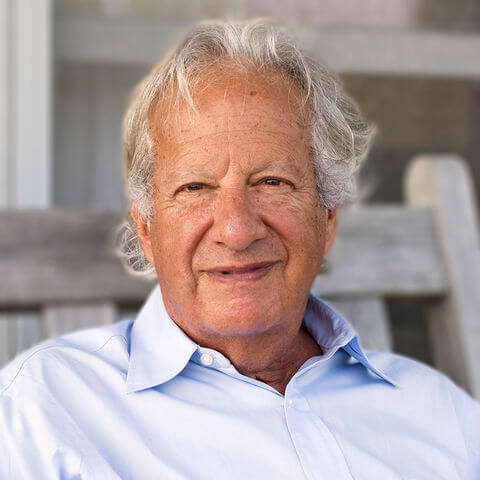
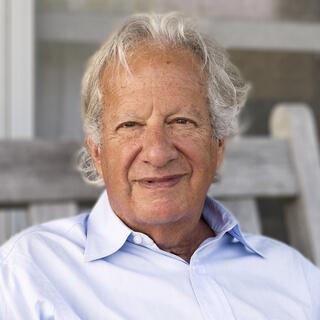
My name is Elliot Dasher.
I am a physician and meditation teacher.
I would like to introduce you to a rapid method for calming the mind that you can use in your daily practice or during your day-to-day activities.
There are three progressive phases of meditation.
First,
Calming the mind.
The second,
Resting and stillness and the third,
Experiencing the nature of the mind,
Our authentic self.
The first phase,
Calming the mind,
Is a powerful antidote to the stresses,
Challenges and disharmony of day-to-day life.
It is also the foundation for the further stages of meditation.
Now why can this method so quickly calm the mind?
Because it bypasses mental effort and relies slowly on the physiologic relationship between breath and mind.
The respiratory and consciousness centers in the brain appear to share common pathways.
By relying on that relationship,
We can directly slow the mind through specific breathing methods that bypass mental effort.
We just do the practice and calmness automatically follows.
Let's begin.
Find a comfortable seat or cushion,
Sit with a straight back,
Close your eyes and relax your entire body.
Here are the instructions and following these instructions we will practice together.
First,
We will take a deep breath,
Breathing into the lower abdomen and at the point of maximum inspiration,
Hold and suspend breathing for a comfortable count of six.
You'll notice that when you hold your breathing,
When you suspend your breath,
The mind naturally becomes still.
To repeat,
The mind cannot create mental activity while holding the breath.
Next,
We fully and forcefully exhale,
Completely letting go of everything in your mind.
Again,
When exhaling,
Drop everything in your mind,
Let everything go,
Clear your mind completely with this forceful exhale.
And third,
At the end of the exhale,
Again hold the breath for a count of four and experience the stillness.
In that gap,
The mind should feel completely empty and still.
Cherish these turning points in the breathing cycle when the mystery of stillness and openness naturally reveal themselves.
Let's do two of these cycles together and then you can practice on your own.
First,
A deep breath into the abdomen,
Counting to six,
Spending the breath,
Experiencing the stillness,
And forcefully blowing out,
Resting on stillness to count to four.
Deep breath into the abdomen,
Resting in the stillness while holding the breath,
Forcefully blowing out,
And resting in the stillness again.
Now do ten of these on your own while relaxing your body and mind.
Deep inhalation into the abdomen,
Stopping the breath,
Resting in the stillness that's there,
Forcefully blowing the breath out,
Resting in the stillness that opens at the end of expiration when you hold the breath again.
Notice how the mind stops and stillness opens when suspending,
When stopping the breath at the end of inhalation and at the end of exhalation.
When doing this practice on your own,
You can continue these deep in-breaths,
Breath-holding,
Exhaling,
Breath-holding,
Until your mind is completely calm.
Always,
When you're holding the breath,
Just experience and be aware of the stillness and rest into that.
Notice how you can very quickly quiet the mind merely by holding this rest period at the end of inspiration and at the end of expiration,
Experiencing the stillness and the silence.
So any time that you do this,
You will find the mind calm and quickly.
Now return to normal breathing,
But continue to slightly suspend breathing after inhaling,
Bring the stillness of that gap into the rest of the breathing cycle.
The sequence is normal breath in,
Hold and suspend breathing,
Breathe out,
Catch the gap at the end of exhalation and repeat the cycle.
This is similar to what we have done,
But now we bring the cycle into normal breathing where it is less accentuated.
Continue this with normal breaths for the next couple of moments.
Breath in,
Suspend breathing for just a moment,
Feel the stillness,
Breath out,
Feel the stillness and the gap at the end of expiration and repeat it.
With normal breaths,
Less accentuated,
In,
Suspend breath,
Out,
Suspend breath,
The out breath,
Blowing everything out of the mind.
Continue this for the next couple of minutes with normal breathing.
If you find the mind gets noisy,
You can then take a much deeper breath in as we have in the beginning,
Hold it longer,
Breath out,
Hold it longer and this will help bring the mind and the breath back to quietness and then you can return to doing this with normal breathing.
So continue in this manner.
Now that we have calmed our mind as rapidly as we can,
Let's practice sustaining this calm.
The primary way of sustaining inner calm is the shift how we relate to spontaneously arising thoughts,
Feelings and mental images.
Rather than react to them or give them our attention,
We simply note their presence,
Wave hello and return to the breath.
Thoughts and feelings come and go unless we attach to them and fix them in place.
So we sustain the calm that we have achieved by letting go of all mental activity,
Allowing it to come and go on its own as it naturally will.
If we do not react to it,
Get interested in it,
Put a story about it or get involved in it.
No clinging,
No pushing away,
No denying,
Just let mental activity come and go on its own.
Practice this for the next two minutes or so while continuing slow inhaling,
Suspending breath,
Exhaling,
Catching the gap at the end of exhalation.
You can extend the hold at the end of inhalation to further quiet the mind.
If a good thought comes up,
It's okay.
Who cares?
Let it go.
If a challenging thought comes up,
It's okay.
Who cares?
Let it go.
If a difficult emotion arises,
So what?
Let it go.
It's all okay.
Just appearances in the mind.
Just let go one after another and continue the breathing practice.
It is natural to at times lose your practice.
When this occurs,
Stop,
Open your eyes,
Start again with number of deep breaths and holds until your mind is calmed down sufficiently to return to a slower,
More normal breathing cycle.
You can use the deep breathing and breath holding at any time during the day to calm the mind.
You can do it with your eyes open as well as your eyes closed.
Just a few cycles may calm mind and body.
Maybe one minute,
Maybe three,
Maybe five,
Maybe ten.
Continue this practice of your breathing with the inhalation,
Holding,
Exhalation,
Holding.
When the music stops and the guidance is over,
You can continue for a period of time on your own,
Cherishing both the breath that brings life and the gaps that naturally reveal the mystery of stillness,
Emptiness,
And vastness.