Hello,
Welcome to this Shaking Medicine class.
We are going to explore therapeutic trimmering,
Which has so many applications for our health and wellbeing.
This mechanism of therapeutic trimmering is something that's instinctive within us all.
We're all born with it.
We just need to remember it.
So doing this journey is more like a remembering of something rather than learning something new.
This is great and a very natural and probably one of the most effective natural ways to relieve things like stress,
Anxiety,
Suppressed emotions and trauma,
As well as physical aches and pains and tensions in your body.
A lot of the stuff that is the root cause of many of our ailments in our society is addressed with Shaking Medicine because basically stress in some form or another is the root cause of many of our disease,
Stress and trauma and such.
And so we're gonna explore this journey,
This audio journey of Shaking Medicine.
This is actually the first time I've taught beginners Shaking Medicine class via an audio only format.
So I'm very excited to be exploring this with you.
Welcome.
Thank you for doing this.
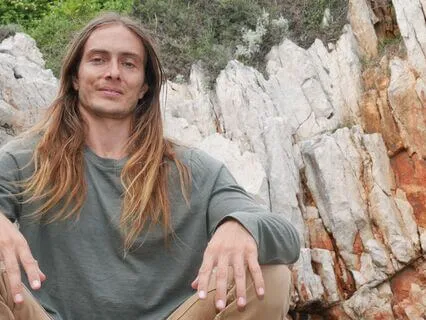
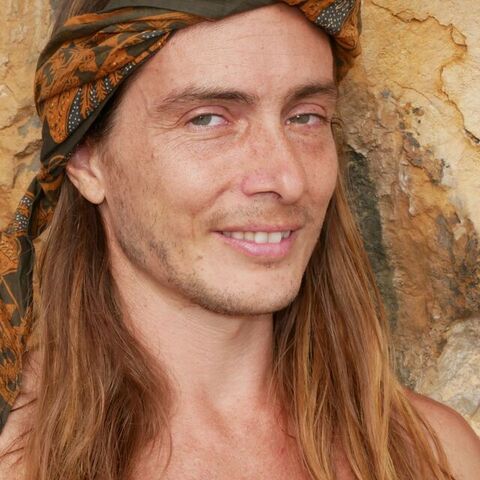
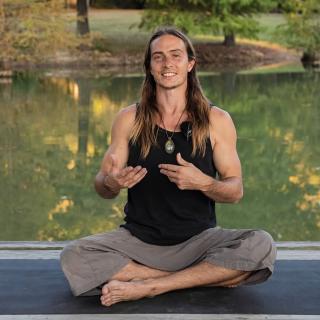
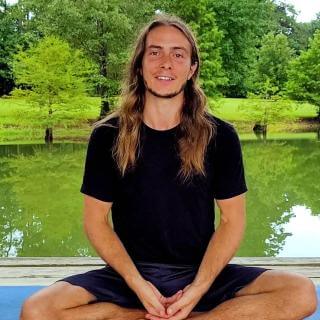
My name is Dr.
Keith Motz.
I founded the Shaking Medicine Foundation for sharing Shaking Medicine with the world.
And it's a pleasure to be sharing this with you.
So without further ado,
Let's get into it.
Safety wise,
Rest as much as you need to rest.
And if you have any inkling of like,
Oh,
I'm not sure about this,
At any time you can stop,
You can also reach out to me and get further support to continue your journey.
So let's do this.
Let's start by warming up our physical body a little bit.
Let's stand in a beautiful balanced stance,
Mountain stance.
It's really,
It comes from Qigong,
This kind of standing here so that you're in your center,
In your balance.
It's like you're standing in as relaxed a way as you can.
It's like a meditational stance.
So find your center,
Find your balance.
How can you stand here with least possible effort?
So little effort that if you were to relax anymore,
You might start falling over.
But of course we don't wanna fall over.
Once you find that,
Take a few deep breaths into your belly,
Energizing yourself,
Parasympathetic rest and digest breath.
So feel your belly undulate out as it expands with the in-breath and coming in as it releases the breath out.
About two more rounds of that.
Take your time inhaling,
Fill up.
Exhale,
Let it go.
Maybe allow a sound.
Exhale,
One more time.
Inhale,
Exhale.
From your center,
Let's start to circulate your hips.
Spiral and circulate your hips.
Let them move and groove.
Let it be mostly about how it feels.
How do your hips feel here?
Start small and grow the circles as it feels okay.
Feel the lines,
Feel like different sensations through your body,
Your hips.
Lean into those tight spots,
These tense spots,
Any sensations of like,
Oh yeah,
Let's kind of lean that way and hang out there for a moment.
So you can speed it up,
You can slow it down.
You can kind of hang out in a spot that feels really good.
This audio format's great because one of the biggest intentions in shaking medicine is to really move based on sensations that you feel right here,
Right now in this moment.
And every time you do a class,
It may be a bit different.
As you keep spiraling,
Feel the spirals move down your legs,
The roots of your body.
Your knee joints are undulating and articulating.
So moving any tension there.
Similar with your ankles.
Feel your ankles make little circles.
Maybe you feel the bottoms of your feet kind of massage into the earth so that you can really connect.
You can even move tension here in your feet.
Now,
Let's go upwards from the hips.
So allow your spine to circulate.
Focus the circles in your spine.
First,
The tailbone,
The lower back region,
Which just slowly move up vertebrae by vertebrae into the rib region of your spine,
Your thoracic heart space area,
Eventually into the neck and all the way to the crown of your head.
And then we'll,
Let's change directions from the head and spiral slowly vertebrae by vertebrae.
See if you can feel each individual vertebrae and articulate all the areas and parts of your spine.
Loosen it up.
And wherever you are,
Have a big breath in again and a sigh out.
Ah,
Beautiful,
Beautiful.
This is a practice of really the central nervous system of moving from this place.
It targets the emotional body,
The energetics,
The nervous system particularly.
So our central nervous system runs through our spine.
So one of the best things we can do is warm up our spine.
Now,
Let's get creative.
Let's turn the circle,
Spinal circles into spinal waves.
Whatever that means to you.
See if you can send in like an undulation,
A ripple through your spine,
Create a wave.
Doesn't matter so much what it looks like.
Let it be what it feels like.
And with each wave,
It's a chance to allow the energy to kind of flow through.
It's a chance for you to feel any spot,
Any part of your spine that might feel a little more stuck,
Tense,
And like before,
We can kind of hang out in that area.
Micro-move,
Lean,
Stretch,
Open.
Couple more like that with some deep rounds of breath.
Ah.
Find your rhythm and let the rhythm evolve too.
Let's not get too stuck in one particular rhythm.
Every wave is a chance to explore something slightly new.
Feel new parts of your body.
Wire,
Rewire your brain to body,
Neural,
Electrical connections.
Beautiful.
And then we'll bring it back to center.
Let's have a big breath in to reach up high.
And then exhale,
Scan your body from head to toe.
Like you're grounding.
You're back in mountain stance and you're grounding yourself into stillness and moving any heavy excess energy down into the earth.
Big breath in.
Exhale to scan and rinse and drain all the heavy stress,
Anxiety,
Anything that's coming up.
Let it just sink into the earth.
One more round like this.
Inhale,
Fill up with beautiful,
Fresh life force energy.
And then exhale,
Let it all go.
Wow.
Have a moment here if you'd like to set an intention for your practice.
Can be sending love to yourself or a loved one.
One of my favorite intentions,
Which is in a deep alignment with the nature of this practice,
It's to allow the therapeutic,
Trimmering,
Animalistic mechanism that we're about to explore now to show me what it wants to show me and to empty myself and listen and be open.
And when you're ready,
Let's start to explore some therapeutic trimmering,
Which is the focus of the class.
We warmed up our body.
We tuned in a bit to our energy through breath,
Through some simple qigong-like movements.
And now let's trimmer here.
So first,
Let's just see if we can build a very basic connection to spontaneous shaking.
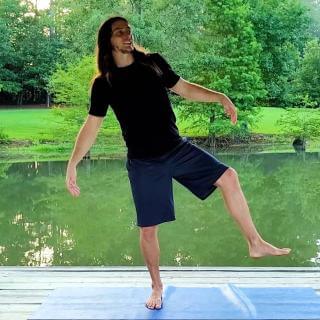
What we'll do is we'll lift one knee to our chest.
And if you need balancing support,
You can hold onto something.
And then that lifted knee,
Start to straighten it out in front of you and then bend it.
And then do that two or three times,
Straighten and bend.
And particularly when it's as straight as you can get it without pushing too hard,
But you might push a little bit hard to tire the muscle out.
And pretty much everyone will start their leg.
If you hold it here for a moment or a few moments,
Almost everyone I see do this,
Their leg will start to,
That lifted leg will start to shake spontaneously.
See if you can feel that.
And the idea,
Once you start feeling it,
Is just to hang out with it for a moment.
Yeah,
This is a strong shape and you'll likely feel spontaneous shaking here.
Rest when you need to rest,
Hang out with it for a moment.
What's happening here is our muscles essentially are tiring and then they're telling us that,
Hey,
I'm getting tired here.
And it's quivering,
It's tremoring,
It's shaking.
So this is a surface level way to find the shaking.
Let's just go ahead and switch sides.
Do the other leg,
Lift the other knee,
Bend and straighten a couple of times.
And then just start to feel where your leg starts to spontaneously shake as best you can.
Hold it up in this kind of effortless effort place of enough effort to hold it up,
But also as relaxed as you can,
If that makes sense.
In this,
Like this middle place,
We can start to hang out where it spontaneously shakes and just relax it.
Start to slowly as it's shaking,
Relax it back down.
See if you can relax it down so slowly that you can hang out with the spontaneous shaking as long as possible.
So that's a beautiful way to start building or understanding a relationship of the shaking mechanism and allowing it.
Now to go really deeper with it,
We need to be able to tremble in softer shapes.
So my next offering is a simple lunge.
So come into a simple lunge,
Feet are about hips width.
It doesn't have to be too strong.
And then what we'll do is we'll start bending and straightening our back knee.
Maybe it kisses the earth,
But it doesn't have to necessarily go that deep.
And just start to bend and straighten a few times.
And now as you move through this range of motion of bending and straightening your back knee,
Start to slow it down and start to really feel and listen.
We don't wanna force the shaking,
We wanna allow it when it's ready.
And no worries if you don't get shaking in all the shapes I offer.
If you even get it in a few of them or one of them,
That's very powerful for you to start connecting to your shaking mechanism.
And as you bend and straighten that back knee,
Slow down and when you find a place where you shake,
Start to hang out in that spot.
Start to let go of the range of motion and just be with the shake.
And once you land in the shake,
Relax as much as you can and just allow the shake to be there.
This is soft,
A bit softer,
Still a strong shape,
But softer than lifting her leg in the air.
And great,
So go ahead and switch sides.
Let's do the other back knee.
So moving through that range of motion,
Slowly and as relaxed as you can a few times,
Bending and straightening.
Yeah,
Find your,
I like to call it a shake in station because it's like we're tuning one of those old analog radios.
And if we move through the range of motion too fast,
It's like skipping,
It's like moving the knob too fast.
We'll skip all the stations.
So the idea is simply to move really slow and relax and then start to hang out in the spot where you shake,
Where you spontaneously shake the most.
Very important,
We don't wanna force the shaking.
We want to allow it when it's ready.
And then the practice transitions.
Once we're in a shake in station,
We let go of any strategy really of finding the shake and we just,
Ah,
Yeah,
Let go,
Surrender and allow the shake.
Shaking medicine is a very powerful practice of learning to let go of the control and allow this letting go of controls,
Not something that many practices out there really do,
Even like our yoga and meditation.
It's like controlling the mind,
The body,
The breath.
In this practice,
We wanna balance all that control with letting go of control,
Learning how to let this,
Our nervous system and our instinctive animalistic intelligence move us for us to heal us.
Beautiful,
Okay,
That's awesome,
Well done.
Those are strong shapes.
Let's come back to mountain stance.
One more quick one in standing.
Come back to your mountain stance,
Which is that neutral standing position.
It's probably the shape we can be in a standing position,
Maximally relaxed.
Your feet are roughly under your hips.
Your weight is centered through both legs and centered through the toes and heels.
Relax as much as you can and then start to bend and straighten both knees together really slowly,
As relaxed as you can.
It's like you're going towards a gentle half squat.
You don't have to go too far,
Too deep.
It could be a micro bend and then straighten as well.
So then that's our range of motion here.
Bending and straighten your knees.
And just see,
It could be super subtle.
It might be more subtle than the stronger options we just did,
Most likely it is.
But feel,
Even if it's super subtle,
Like a micro little tremor,
See if you can feel that.
Start to tune into where you shake the most here.
And then again,
Once you find your shaken station,
Yeah,
You can let go and just allow the tremoring to be,
Allow the tremoring to move you for you.
We transition the practice from scanning and finding a shaken station to being in the shaken station and listening to it,
Letting our logical mind rest and relax and let go.
A big thing in this is to let go of thinking,
To calm the mind and let your logical controlling mind take a nap,
Let it go to sleep as your instinctive gut mind,
Your primal essence of the animal that you are can come in and move the stuckness,
The stress,
Anxiety,
Tensions,
Traumas,
Et cetera.
Breathing,
Sounding as much as you like,
Very powerful for this practice to stay with your breath.
If you haven't found the shake in this mountain stance,
You can go back to a lunge if you want or humbly keep scanning through the range of motion as slow and relaxed as you can until you do start to find it.
It may take some time at first.
If you haven't done therapeutic tremoring shaking medicine before,
It's likely that this is very new to you.
So I don't want you to feel like you have to get it quick and easy right at the beginning.
It can take some people a bit of time and I highly encourage you to put the dedicated practice and to get in it because I strongly believe from my experience and what I've seen in a lot of people is it's one of the most powerful practices we can embody and it's not hard.
It can take a class or a few classes to start to really get it.
Most people get it,
I'd say,
In their first class but it's not something we need a year or 10 years of dedicated practice to get.
It's like a matter of one to like a few classes at most to start to embody this and be able to access it again,
To remember it,
To understand it from experiencing it.
And it may be that you tune into a shake for a bit and then it kind of stops.
If that's the case,
Go start again,
Going through the range of motion and exploring.
A big one to add on here is another range of motion is to tilt your pelvis.
You can tuck your tailbone and lift as a range of motion,
Explore that tilting.
And if you're doing it fast,
Slow it down,
Do it as slowly and as relaxed as you can.
Maybe you need to do it a few times before you find your shaking station with that one.
And by adding a range of motion,
It can help move the shake from the legs up into the hips and the torso.
So it could add to the shake you already had going,
Or maybe you were struggling to get the legs going in that first one.
And this one,
By exploring just a new rhythm,
A new range of motion,
This one might land for you.
Different things,
Different positions and muscle groups will land more easily for different people.
So let it be playful,
A sense of exploration.
There's no really right or wrong,
Except for maybe like following the invitation of really patiently and as authentically as you can allow the shaking to arise spontaneously when it's ready,
Rather than a sense of kind of forcing it to come online because you think,
Oh,
I'm not doing it.
And right,
And I wanna shake.
So you make it shake.
That's not,
That is voluntary shaking.
That's good for us.
It's healthy,
But it's not really the intention of this practice.
And it's a much more surface level kind of shaking,
The voluntary shaking.
We wanna go into the deep shaking,
Therapeutic tremoring that we explore here in shaking medicine primarily.
And it's the,
Really the only kind of true shaking that exists in nature.
Animals don't voluntarily shake.
It's all spontaneous.
And let's now,
Wherever you are,
Let's integrate that.
Let's take a big breath in.
Reach up maybe,
And then exhale.
Let any excess energy that's come up drain to your feet,
Into the earth.
I like to inhale,
Gather life force energy.
And exhale,
Let it all drain and sink all,
Any energy in the head,
The heart space.
Let it drain at least one more round like that.
It's important to,
It's important to be able to stop this shaking just as much as it is to be able to turn it on.
So this is called self-regulation.
And it's very important to sort of master the shake,
To be able to express it outward,
But also bring it inward and slow it down and turn it off and come into stillness that way.
All right,
We explored some shaking and standing.
Let's do a little bit on our back.
So laying down on your back,
Maybe you take a moment in shavasana to just kind of melt,
Melt and relax.
That was a horse slips.
I did a lot of that for relaxing the face.
Maybe you try it.
Brr,
I find that so juicy and beautiful for bringing us into rest and digest.
And really anything that helps relax us,
Helps us go deeper in shaking medicine.
The more we relax,
The more we can deeply tremor.
And the more we tremor,
The more it relaxes us generally.
This practice is about moving into parasympathetic rest and digest state.
So all that heavy energy that's more fight or flight associated,
It becomes transparent.
We can feel it and see it and it starts to dissipate out of us and integrate and move.
So in your laying down position,
Let's explore three shapes here,
Which are also great to do in bed,
Really when you wake up or before going to sleep.
This practice can really help you with many things,
Including sleeping better because deep sleep is generally better when we're in,
It's more accessible when we're in those deep parasympathetic states.
So first one,
Strong option first,
Because strong-ish options are generally easier to start tremoring in than gentle options.
Although the gentle options are usually where we can go deeper.
So it's a journey.
Let's start with legs in the air.
Send your legs above you.
Anywhere that's kind of comfortable.
It can be a little bit strong sometimes to hold your legs in the air.
If it's too strong,
Maybe do one leg at a time.
But the idea is to start to slowly bend and straighten your knees with your legs in the air.
Just like before,
Exploring that range of motion.
Maybe even the legs go a little bit higher,
Lower or wider.
Any angle,
Any micro movements,
Fair game,
And just start to slow it down with each round.
Go more slowly,
More relaxed until you find a quake or a shake,
However subtle it may be.
That's a sensation,
A signal from your body saying,
Hey,
There's something here to look at.
And then you start to hang out in it,
Relax in it and allow the shaking.
Once you land in the shake,
Nothing to do,
But be there and then allow the mechanism to take over in your mind more and more to let go and rest.
That's option one,
Stronger options.
We generally don't hang out in as long,
But you're welcome to stay there as long as you feel called to.
Option two is to place your feet down kind of just in front of your sitting bones and then slowly peel your hips into the air for shaky bridge.
Maybe do one bridge kind of quick,
But again,
The idea is to lift and lower your hips in this one.
Each time,
Slow it right down.
And listen.
Listen to where your tremor mechanism arises here.
Maybe you're starting to get the hang of it.
Once you find,
This one's good for the hips and the spine.
Hanging out in your shaky bridge.
And a nice one to add on,
But maybe encourage it to go a bit more into the core and the psoas and such as a gentle crunch where you just like minimal possible effort for a crunch where you just lift your upper back,
Your upper shoulders maybe a bit to slightly engage the core muscles.
And then you relax back down and you might find,
Woof,
That helps to bring it more into the belly.
That one can also be done with legs in the air as well as the next one we'll explore in a moment.
And actually already,
I'll go ahead and transition us into our last option,
Shaky butterfly,
Where you can place your hips back on the earth and then allow the soles of your feet to come together and your knees wide.
Use pillows or anything.
Maybe if you need that support on the outside of your legs.
And then the idea of this one is slowly allow your butterfly wings to come in towards each other gently and slowly.
And then when you feel it,
Let them slowly fall back open.
Do that a few times if you need.
Scanning and looking for your shaken station here.
You'll get your butterfly wings spontaneously flapping.
So yeah,
We have a few options here on the back.
I love the back because generally it's,
I think,
One of the,
Pretty much the position we can relax in the most is just melting onto the earth grounding into the earth.
We can turn off all muscular effort and all control as much as possible.
And even try that wherever you are,
Maybe just sense,
Like,
Where can I let go a little bit more?
Maybe it's relaxing your face,
Your fingers,
Your toes,
Your jaw,
Anywhere.
Just see if you can go a bit deeper by surrendering into this process a little bit more.
That's a good sign that you're doing this well,
That it's working.
If you can go deeper by doing less and allowing more.
Ah.
Wherever you are,
A few rounds of deep breaths with some sighs on the out.
Ah.
Maybe the sighs and the sound evoke you're shaking a little deeper.
Ah.
Ah.
If you're newer to this practice,
And this is,
I mean,
Really true for anyone,
Less is more.
We don't wanna overdo our shaking too much,
Too quick.
It can kind of fry your nervous system.
Ultimately,
You're so empowered to make that decision that's right for you of what's too much.
But generally,
If you're newer,
We don't yet have that relationship with this mechanism to know deeply what's too much.
Too quick.
And so it's better generally to err on the side of less and to rest and cultivate this practice in a sustainable way.
So I'm gonna invite you,
If you really feel you wanna keep going a bit longer,
Feel free.
And when you feel complete with the shaking here after maybe it's a few more minutes or so,
What we'll do is we'll come into deep rest and deep stillness like we did before.
Bring the shake to stillness.
Lay down in shavasana,
Laying out on the floor.
Be completely as relaxed as possible as you also bring the shake to stillness.
Maybe some residual tremors happen because your nervous system's excited for moving all this energy.
And beautiful.
Allow that,
Accept that.
But generally bring it to softness and keep encouraging it to stillness now,
To rest and integrate this practice today.
Come back to it maybe tomorrow or in a few more days when you feel integrated and do some more in a sustainable way.
Dig up another layer of tension,
Of that trauma onion,
So to speak,
And dissolve that layer by layer.
We can unravel,
Unwind,
And ultimately rid ourselves of all that excess energies and stresses and such and traumas that we're holding onto and come back into complete homeostasis.
And that's really one of the first major goals of this practice is to reach complete animalistic homeostasis again.
Rest as long as you feel to rest,
Maybe even take a nap or go to sleep if it's your nighttime.
And I hope to see you in another one.
Thank you so much for shaking with me.
So much love to you.
Namaste.
Have a beautiful day.