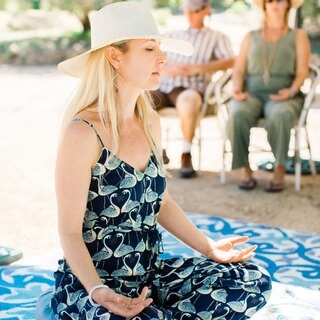
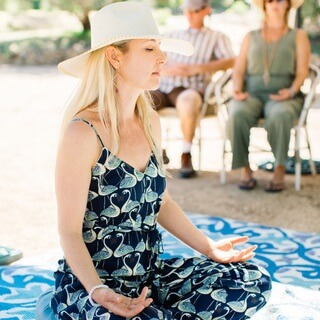
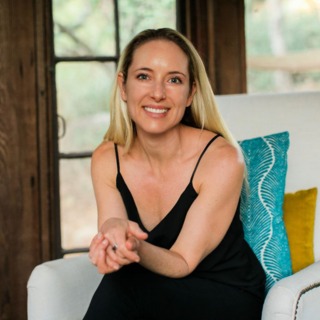
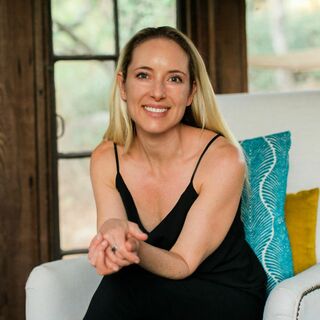
What does it mean to live in the realm of ambiguity and possibility in your life?
And how can you use your suffering as a teacher for you?
That's what we're going to explore today on Your Life in Process with Dr.
Kelly Wilson.
This episode is a little bit different than some other episodes that we've had on Your Life in Process.
And I went into it with intention to really allow Kelly Wilson,
The co-founder of ACT,
To be Kelly Wilson and not try and tame and control him into listing the 10 bullet points of ACT or the 10 ways to live your values today.
I know that sometimes I offer episodes like that and actually find them somewhat useful.
But this episode is really a journey through Kelly Wilson's life.
He is one of the most influential psychologists of our time in having been a co-founder of ACT and a professor of psychology and winner of multiple awards,
Teaching and mentoring awards at the University of Mississippi.
He was past president and fellow of the Association for Contextual Behavioral Science.
And he has really devoted himself to the development and dissemination of ACT and its underlying theory and philosophy for the past 25 years.
That's included publishing 90 articles and chapters,
As well as 11 books,
Including Acceptance and Commitment Therapy,
The Process and Practice of Mindful Change,
His book about addiction called The Wisdom to Know the Difference,
And most recently,
Using ACT to treat anorexia with Rhonda Merwin.
Some people have said that Stephen Hayes is sort of the heady part of ACT and Kelly Wilson is the heart of ACT.
And I think there's both head and heart in our conversation today,
As well as head and heart in my conversation with Stephen Hayes.
But I think what really showed through is somebody who's pausing to reflect on his life and not needing it to stand out in some cohesive narrative way,
But rather really learn from each of the painful moments that he has experienced.
And he showed up in a way that he shows up in his workshops and interactions with clients,
Which is always authentic and close to his emotions and his heart.
So it's a real honor to have Kelly Wilson on the show.
He is the reason why I became interested in ACT over 15 years ago.
And he is the portal for many people to ACT.
He gives you a different kind of ACT.
It's fluid and flexible and organic and wise.
Take a listen to Kelly Wilson,
And I'll see you on the other side.
I am really excited to share with you that we are going to be having another summit this October 21st and 22nd that's free for you to join and that you can watch on demand on your time.
The summit is from Striving to Thriving 2.
0.
If you attended last year's summit,
I know that you will have a sense of the rich and meaningful conversations that I have with folks around this concept of striving in an unskillful way and how to shift towards more skillful,
Compassionate,
Values-based striving.
I'm going to be talking about how to use ACT to aim high without burning out.
And then I'll be having conversations with Trudi Goodman and Jack Kornfield about the transformative power of loving awareness.
Kimberly Wilson will be talking about why nutrition and lifestyle matter for your brain health.
Rick Hansen is going to talk about the wellspring of nature.
And Jennifer Payne is going to be sharing how to restore and revive using ACT to address racial trauma and promote social justice.
I can't wait to have another conversation with Anna Lemke about the neuroscience of striving,
How to get your dopamine system back in balance.
And Dan Siegel will talk with me about Intra Connected,
His new book that's coming out that is integrating identity and broadening belonging.
Alyssa Epple and Alexandra Crosswell will be discussing how to use deep rest for cellular regeneration.
I'm really excited about this lineup.
They were all hand chosen by me because they are folks that inspire me,
Have changed my practice and my life.
And it's a real delight that they said yes to coming on this summit.
You can sign up for the summit at fromstrivingsotthriving.
Com.
So it is really a gift of all of these folks that have come together to talk about this topic and a gift from me to you.
I hope that you enjoy it.
And I really look forward to this fall when we can put all of these principles into practice together.
Thank you.
Thank you.
Thank you.
Thank you.
All right,
Kelly Wilson,
Good to see you at home.
I'm assuming at home.
Oh yes.
This is my library.
When I nailed you down for this conversation,
We were in like a platform between escalators at a conference and you were,
I think,
Living in a camper for a while.
I was.
My wife and I have like a,
Like a Mercedes sprinter van,
Except that has like,
You know,
Hot and cold running water in a bathroom and you know,
All of those kinds of things.
So we were,
We were on a 10 week adventure this summer in our van.
Super fun.
Yeah.
People that have sprinter vans get really like,
There's like a competition amongst the sprinter van people.
They totally deck them out and they get all,
How many can you get,
How streamlined can you get,
Is yours pretty sweet inside?
You know,
I considered having one made for us,
You know,
Because there are people who do that.
Yeah.
But when I talked to a very trusted van upfitter and I started to tell him,
You know,
What my wife and I wanted to have in this van,
He said,
There's a certain number of things that you add on where you're just better off to go buy from one of the manufacturers who builds those things.
We have had,
And this is our fourth,
One,
Two,
Three,
Four,
Our fourth motorhome.
So we sort of raised our children in these,
You know,
The wonderful things about being an academic is that,
You know,
We would just leave for six or seven weeks on these kind of giant loops around the country when the children were small or,
You know,
Trips to six,
Seven week trips to Europe.
And,
You know,
So I'm the king of vacations.
I actually have documentary evidence that that is true.
And I kept my children in the vacation game until they were,
You know,
Well into adulthood.
Yeah.
The secret life of academics,
You always sound like you're traveling,
But you're kind of work,
You know,
You kind of have to go work in some of these places and meet other people and do a little bit of that.
Yes.
Those things were always intermingled for me.
And I've had the very good fortune of really doing work that I really love and mostly only with people who I really love.
And so it created this kind of wonderful extended family for my children.
You know,
Like when it's their birthday on social media,
You know,
They're getting,
You know,
Australia and Italy and,
You know,
And they,
So it was kind of a side effect of the work was that and it was intentional,
You know,
As we were raising our children,
We kind of wanted them to sort of,
They were raised in a very small town,
But we wanted them to think of themselves as,
You know,
Citizens of the world.
And so to have lots of friends,
Lots of places and to experience different places was important to us.
Yeah.
I am going to have on a researcher,
Erin Westgate.
I don't know if you're familiar with her,
But she,
She studies boredom and then she studies this new construct,
Psychological richness.
And one of the,
Which she separates,
She makes it it's distinct from meaning and from happiness.
So it's a distinct construct.
And one of the things that contributes to psychological richness is travel.
And it's because of the perspective shifts that happen from travel.
So that's pretty cool.
Your kids got that experience in their early lives.
So when I,
One of the things that happens when I invite people on to the podcast is I send it over to my podcast assistant that sends out this form and the form asks for things like your bio and what is it that you want to talk about in the show?
And there are some people who it is like,
I really have to pull teeth to get them to fill out the form.
And they're often academics.
Another one I'm not going to throw under the bus,
But I will is Alyssa Epple.
She has not filled out her form yet.
And so the folks that don't want to fill out the form,
There's one reason or another,
But you had,
You sent me an email,
You did not fill out the form,
But you sent me the,
Sent me an email.
And I just want to read a few lines from it to just give a little bit of taste of Kelly Wilson,
Because for some people listening to this,
You are like the guru of all gurus.
And for other people that are like,
Who's Kelly Wilson and why are we talking about as camper?
But one of the things that you said in your email was you wanted to talk with me and I'm guessing you have a reason for that,
But I can't seem to guess what that reason is.
I have not written a public facing book in a decade.
I don't have a psychotherapy practice.
Then you went on to say,
I suppose I've been thinking about things like the centrality of values and self and identity as creative processes.
So yeah,
I think those are good things for us to talk about,
But I found it amusing that you questioned why I would want to talk with you as if you'd have,
As if you haven't changed the field of psychology in a dramatic and substantial way,
Which you have.
And then also I can share a little bit about how you've changed my life.
I suppose all the way along the way I've traveled with incredible quantities of uncertainty.
And so moment by moment as I have worked,
I very often think,
Oh,
I'm uncertain about what it is that I have to contribute.
And I decided really a long time ago that that was none of my business.
Like that conversation I was having with myself about,
Am I good enough,
Smart enough?
Do I have something to contribute?
And I instead used as a metric the people like you who invited me to come and talk.
And I just trusted my audience,
If you will,
My students.
Like I taught undergrad classes that were pretty wild and woolly and not usual in any regard,
But always full.
And the students sent things back to me,
Emails sometimes.
I get emails from students that were my undergraduates a decade and a half ago.
And they're like,
I went to take this class on abnormal psychology and I learned about me.
And thank you for that.
But it does leave me where somebody like you says,
Come and talk to me for an hour.
And I'm like,
Yeah,
I wonder what she wants to talk to me about.
So,
Yeah.
Well,
You know,
I think we've all had experiences in our life when one hour with someone had a bigger impact on us than years of therapy or,
You know,
Workshop after workshop after workshop or reading book after book after book about something.
And that hour could be,
You know,
Talking to someone you don't even know.
You know,
A sort of a moment where somebody opens up in a certain way and hits you really deeply.
And I had one of those hours with you.
So that's part of why I want to talk with you is because 15 or so years ago.
And the hour for me was I was in graduate school at CU Boulder.
I was recovering from an eating disorder and studying eating disorders.
I had withdrawn my first year because I was throwing up in the halls of my own building where I was researching bulimia.
And I decided I probably should go somewhere else to figure this out before someone figures me out and,
You know,
Went into yoga and all that.
And then came back and Kelly Wilson showed up in my life.
And what you did in that hour,
I don't even know what you did except for make it okay.
For me,
I didn't disclose any of this until recently.
But you know,
I had to like wait for 15 years to feel comfortable sharing this with my professional colleagues.
But you made it okay to be human.
And so I think that that experience that whether it's an undergraduate or a client of yours or many therapists that have been inspired by you,
It changes them.
And it opens something else up for them.
And then they can do different work in the world.
So I don't know what the magic of Kelly Wilson is,
But somehow you do it.
You know,
When you talk about those kind of hours that change the trajectory of your life,
I certainly can't help but think about conversations that I had that were just like that with people who I did not necessarily spend that much time with,
But they pointed me towards something or caused me to see something in a different way.
And there's a cumulative effect of those,
I suppose,
You know,
People who could see things in me that I couldn't see in myself.
And you know,
I just relied on that.
I started to learn to rely on that,
You know,
Because I spent such a long time relying on what I thought of me or what I thought I might be able to get away with or what I might be able to get you to think or something like that.
I remember a conversation,
One that came to mind when you said that is I was at the community college because it was a high school dropout,
You know,
And when you're a high school dropout,
You go to the community college because they'll let you in with a GED and like that.
And so I had this professor there and he was an extraordinary thinker.
You know,
I didn't really know exactly.
I couldn't have identified,
Like said what that was that I was seeing in him at the time.
But now I do.
But at the time I knew I was in front of something that was like interesting,
Important,
Like a way of thinking about the world,
A way of approaching inquiry questions that,
You know,
I had not witnessed before.
And I got near that and he directed me academically in ways that I mean,
It's not possible that I would have ever thought of them because he directed me towards things that I didn't know existed really.
Be lucky.
That's it.
I was lucky.
It was my first college course when I came back to school at the age of 30,
You know,
Western Civilization.
Yeah.
So,
You said you haven't written anything in a while.
There's two books that you've written that I go back to quite a bit.
And one of them is Things Might Go Terribly Horribly Wrong.
And I love the reframe of They Will Go Terribly Horribly Wrong.
That's a great one for folks that experience anxiety.
It's when I give to clients with anxiety.
But the other one is Mindfulness for Two.
And it's for therapists.
And you know,
You have the kind of going,
You had a going joke for a while if it's not a couple's book.
You can actually put it on the cover to say it's not for couples.
But let me tell you,
This is a great book for couples.
So here is the reason why.
Because you,
In part of the book,
You go into the experiential avoidance strategies of therapists.
When you start feeling like you're a failure as a therapist,
Like you're not doing a good job,
All the things that you do to manage that.
And some of the things that you list are exactly what the avoidance strategies exactly what we do in couples,
Right?
So we do things like try to be big,
Or we try to be really small.
We act like an expert.
We get too clever about things.
We bring out a clipboard.
But I think in couples,
What we do is we bring out a,
Like a to do list,
You know,
Like that's what I do is when I feel uncomfortable in relationship,
Here's all the things that you need to do to make me feel better.
And you know,
This concept of mindfulness and in relationships,
I think before we even go into values,
I'd like to start there because you you have a marriage that's strong enough to go on a 10 week trip together in a van.
So with so I'm curious for you,
Like what what are the practices you're doing in your marriage at this point in your life that's keeping it going?
Yeah,
You know,
When they there's those marriage vows to talk about,
You know,
For richer for poorer and sickness and health,
Man,
We have tested the outer boundaries of those things in the extreme.
I met my wife,
Whose name is also Diana,
In 1979.
And I mean,
I just it was just like this.
Breathtaking you know,
Like I just I mean,
It was entirely sort of love at first sight and just,
You know,
We,
We drove around all night and watch the sunrise.
And,
You know,
We've been together ever since,
You know,
I mean,
You know,
We,
So,
You know,
40 coming up on 43 years.
And you know,
I mean,
At the time that she met me,
I was a dope thing.
You know,
I mean,
I was I had no fixed address.
I had no employment that was,
You know,
I mean,
There are a lot of zeros in my social security history back in those years,
You know,
So I mean,
I was part of using drug were using drugs at that time.
Oh,
My God.
Yes.
Yeah.
Like every day,
All day.
Yeah.
So you have to describe what a dope fiend is like for real.
I'm sorry.
I mean,
I just I slipped into the vernacular.
You know,
I mean,
I was I started getting on high when I mean,
I started like,
I mean,
My first time when I had control of how much I drank.
You know,
When I,
You know,
And it wasn't like a sip out of my dad's beer or something like that.
I you know,
Drank myself into a blackout.
So at about age 13 and you know,
That just that was like set the pattern for the next 17 years.
You know,
When I had any say about how much,
You know,
Alcohol and then later,
You know,
I mean,
You name it,
But,
You know,
All into,
You know,
IV drug use through the 1970s.
You know,
Heroin,
Pharmaceuticals,
Cocaine,
Amphetamines,
You know,
Many,
You know,
Overdoses and you know,
I mean,
I was I was a frightening,
But on a good day,
I was a good party.
You know,
I mean,
Wherever I was,
You know,
There was going to be some really like good getting high to be done and like that.
And I think that,
You know,
Was attractive to my wife who had,
You know,
Just graduated from high school and,
You know,
Braces and like that.
But it wasn't very sustainable,
You know,
And although it did,
You know,
It did it did sustain for about five years.
And then I like cracked up,
You know,
And ended up in a locked psychiatric facility and a month in rehab,
Like,
You know,
She had left me and,
You know,
I was just enormously like suicidal and strung out and,
You know,
Like,
I mean,
I was a disaster and,
You know,
She did the smart thing,
Which was to put a little distance between herself and me.
And very quickly,
I ended up,
You know,
Institutionalized for a couple of months.
But we came back together after I got out of the hospital and so,
I mean,
You can see there's a lot of evolutions in here,
You know.
So she went from like,
You know,
Dope fiend,
You know,
Drug addict,
Alcoholic,
You know,
Lurching from one dope teal to another Kelly to just out of the locked psychiatric hospital and the rehab Kelly to,
You know,
You know,
We both got a couple of little jobs when we got out and,
You know,
Tried to figure out who the hell we were gonna be together,
You know,
Because we weren't this,
You know,
The kind of center of this party than who we were gonna be together.
And we've gone through different iterations of that.
And I think there was a period of time where I had a kind of a contingency on our marriage and it was sort of like,
Well,
If it goes like this,
Then I'll stay and if it doesn't go like this,
I won't stay.
And I think I had a sort of epiphany at about,
You know,
In the late 1980s that was sort of like I was sort of measuring my wife every day and I felt pretty terrible about that.
You know,
Kind of a worst nightmare,
You know,
For someone's insecurities to sort of feel like they're,
You know,
Operating on a contingency,
Somebody with their hand on the back door all the time.
And so,
You know,
It started to be more,
I think our relationship became more like,
Not like are we gonna get through this,
But how are we gonna get through this,
You know.
And it's really,
You know,
Been sort of evolutions of that sentiment,
You know.
Some people,
You know,
It's just like all flowers and unicorns,
I suppose,
For,
You know,
40 years,
But,
You know,
I mean,
We've been through stuff,
You know.
I mean,
She had cancer,
I had cancer,
You know.
I mean,
You know,
We went through our education,
You know,
We both got educations and professions and had children and pretty recently,
You know,
Pretty big transition.
Our children aged out and,
You know,
I retired from the university.
And so,
You know,
We're kind of in a new,
You know,
Like who will we be?
You know,
We became a couple again in 2019,
You know,
When I retired.
No kids at home,
No job.
I mean,
No full-time job.
And,
You know,
Like who will we be together?
And of course,
That was sort of exacerbated by having a pandemic that,
You know,
Said,
And by the way,
We're gonna stay home for a couple of years.
Yeah.
What are we gonna talk about now?
Yeah.
I mean,
You don't wonder about that,
You know,
Going into retirement,
Like will our marriage survive retirement?
And you know,
I can't imagine my life without her.
Well,
In some ways,
Like the way it started is that,
I don't know,
I mean,
I kind of feel like I started my relationship with my husband in a similar way of like I was a mess.
So anything compared to that is good news,
Right?
Like he saw me at the ugliest and he's seen,
You know,
We see our partners at the ugliest.
And so it actually was our wedding anniversary yesterday,
Our 15th wedding anniversary.
And we never do anything kind of anti-hallmark and all of that,
But it was our 15th.
And so what he did was he printed out the poem that we read to each other for our vows.
And I hadn't seen this thing in 15 years.
I totally had forgotten that we'd read it.
So I have it here.
It was called the invitation by Oriah Mountain Dreamer.
And the second to last line in it,
Well,
There's really good lines in it,
But one of the lines is it doesn't interest me where or what or with whom you have studied.
I want to know what sustains you from the inside when all else falls away.
And I was looking at it again this morning because it's by my bedside table and thinking about interviewing you and your response to that,
Like,
What do I have to offer?
That's the part that I'm interested in about you is what has sustained you when all else falls away because you've gone through retirement and having some of these life changes.
And that leads us to values,
I think,
Which is what 27 minutes in we'll start talking about values like what sustains you or what has sustained you when all else falls away.
You know,
I was talking about,
You know,
One of the things that came out of this string of people who saw in me what I could not see in myself.
And I think one of the things about that that has been a sort of a guiding light for me for a really long time has been,
I guess I stopped treating myself so much as a problem to be solved or covered up.
And I made a friend of what I found there,
Even though what I found there does not look like the kind of stuff that most people,
You know,
Hope to find when they look.
You know,
What I found was vulnerability and uncertainty.
And but not just vulnerability and uncertainty.
So you see,
If you take something like vulnerability and uncertainty,
You could think of them like in the arts,
You can think of negative space.
And I'm very interested in negative space,
You know,
Like when I go to the museum and I'm taking photographs of a painting,
I'm very,
I've got so many,
I've got like hundreds and hundreds of photographs that aren't of like the image in the painting.
They're like of the line at the edge of the image in the background.
It's that sort of negative space that lifts things to the foreground.
You can know as much by these kind of absences as you can by the thing that really gets your attention.
And so I suppose that,
You know,
In that kind of hollow of my extraordinary vulnerability,
Which I knew,
I mean,
When I was a kid,
I would cry.
Anything could make me cry.
Anyone could make me cry.
And I grew up in the 50s and the 60s,
You know,
To be a boy with a name that was like thought of as a girl and to cry at just the drop of a hat.
I mean,
There was none of this gender fluidity kind of stuff,
You know.
I mean,
It was like you were either like a football player or,
You know,
I mean,
I just thought it was the worst possible thing about me,
You know,
Was,
You know,
I just thought I was weak and maybe I am.
But in that vulnerability is like the depth of that is the depth of how much it turns out like how much I care about people and care about my connection with people.
And I care really deeply about that.
You become very easy to hurt.
And so,
You know,
When I stopped making an enemy of that and started to talk out loud about it to my students and,
You know,
To people at workshops and to write about it or to let it kind of come through in my work,
Then people could hear that.
People like you were just sort of like,
Oh my God,
You know,
I know about that,
You know.
Like,
Here's this guy talking out loud about it in front of a classroom,
You know.
So here's this thing that I'd made an enemy of the first 30 years of my life,
Which ends up being like,
You know,
Carried in a certain way,
Carried with,
You know,
Like here's what I have.
And uncertainty,
You know,
Likewise,
Like the sort of not knowing,
A certain kind of willingness to be with a not knowing and ambiguity,
Which also shows up psychologically as the enemy.
And for me,
I have a seriously cultivated interest in kind of regions of not knowing of uncertainty.
And I really think if you want to do something new and creative,
Then having a cultivated appreciation for uncertainty is an extraordinarily useful thing.
Any kind of creative work,
You don't really get like psychologists,
They don't talk about this.
Most of them don't talk about it very effectively.
Certainly not in that kind of behavior therapy universe,
CBT universe,
I don't think.
But talk to artists,
You know,
And they sit down in front of a blank canvas or,
You know,
Think to write a song or something like that.
You know,
There's just,
Ugh.
Yeah.
Well,
I think there's something scary about uncertainty,
But we're also trained up from really early on to avoid it.
I don't know why this came to mind,
But when you were just talking about uncertainty,
I was with my kids and these two boys that grew up on a farm.
They grew up on 60 acres of farmland and we went to the botanical gardens two days ago.
And the botanical gardens are all beautiful,
But you got to stay on the path,
Right?
So I'm bringing these farm boys and this group of boys to stay on the path.
And of course,
The farm boys went off quickly,
Off path.
And one of the docents came up to them and one of them was up on this big boulder,
Like exploring it and kind of hanging from the tree a little bit.
And I could see her,
Oh,
He's going to like break a limb or something.
And she said to him,
You got to stay on the path.
You know why?
And he said,
Why?
And she said,
Because there's snakes.
And he said,
Yeah.
And then she said,
Have you ever seen a snake?
And this is a farm boy.
He's like,
Yeah,
I've seen lots of snakes.
And then he said to her,
The snakes are more likely to be on the path because they like the flat areas.
That's what I know about snakes,
Right?
But our instinct is like anything a little bit on the edge,
Whether it's creativity or outside of the lines or talking about this or doing that scares people or makes us uncomfortable.
And so what we do is we scare ourselves or scare each other to get back.
And you've kind of lived that way,
Obviously in academia,
You're not the traditional academic.
And you've said a lot of things that other,
And I'm sure,
I mean,
I don't know what happened behind the scenes,
But I'm sure stuff happened behind the scenes for you.
But yes,
This is just the way moving into the realm of uncertainty and unpredictability is a skill set.
It's you know,
I mean,
The choice,
The alternative is to keep doing what you always did.
You know,
I mean,
We have,
We all learn patterns.
We learn them early on that give us a kind of sense of safety,
You know,
Like we at least know what we're doing.
And you know,
We do those things over and over and over again.
And when we get under adversity,
We do them harder.
And usually people have kind of an A game and then they got a B game.
So you know,
I suppose my A game is a litigator,
You know,
Like I can litigate like no,
I mean,
I can win an argument,
You know.
Afterwards,
I might wonder like,
Geez,
Do I like the prize,
You know,
Like,
Like,
Like I've tried to let go of litigation with my wife.
And that I think has been a net benefit to our marriage.
Because you know,
That those were the kinds of things that would always sort of leave me like,
You know,
What exactly am I one,
Except she stopped arguing,
You know,
And you know,
And then I just feel like,
Oh,
Great,
You know,
So I want to be here.
And then my,
You know,
B game is,
You know,
Withdraw,
You know,
Sulk,
Close my door,
You know,
Pout.
And you know,
People learn,
You know,
Ways of managing their social environment.
They do them over and over and over again.
And to let go those patterns to recognize where they're happening and what they produce and to let go those patterns,
Put you in the middle of,
You know,
I don't know,
You know,
I don't know how that goes after that.
But you know,
Like,
I mean,
I've spent a career as a psychologist and training psychologists.
And other mental health providers,
People come to us,
They want something more,
Something new.
And that means that they're going to need to walk in the midst of uncertainty.
And it would just seem wrong to me to,
And it's not like I know how it's going to go for them.
If they make some big change.
I wouldn't have predicted how my life went.
I mean,
The smart money was on the graveyard prison,
You know.
But I mean,
I was wrong about that.
So I don't pretend to know for other people how things will go.
But I've got a good radar for kind of fruitful uncertainty,
You know.
And a faith in sort of slowing down into those moments.
One of the things that you said at some point in time that I think about a lot with clients and I think about that with myself is that you were more interested in possibility than you were interested in probability.
Like that the probability might be quite low,
That you'll stop using heroin.
It was actually quite low.
It was quite low that I would recover from anorexia.
I mean,
We kind of had like the two deadliest diseases going between the two of us.
And here we are,
You know,
We're alive and in marriages,
The probability is pretty low that your marriage will last as long as it has.
But what you're interested in is possibility.
And I'd like to talk about that,
Like how you be in ambiguity,
But also,
You know,
Sort of move into possibility.
And then we have to talk about values and what that,
Like where that is in all of this.
Yeah.
Towards what?
Yeah.
I don't have a,
Like,
I think it would be really lovely to like have some book that says,
You know,
Here are all the good things and you should do all of these good things.
And here are all the bad things and you should like not do all those bad things.
I have never like found a resource like that that suited me.
And I know and respect and love some people who have more of that,
Although really,
Even if you have a pretty,
You know,
Pretty like a doctrine that you can follow,
There's like,
How will I follow that?
It's complicated being a human being.
And so what to do next?
And so for me,
I think of mattering,
Of valuing as,
For whatever else it is,
Evolving,
Like the practicalities of living a valued life are an evolving thing for me.
So really early on,
That was a guiding light for me.
Like when I was very first in recovery,
I had a $4 an hour job.
You know,
I went to my job at six o'clock in the morning and my job was to get the guys up at this small group home for,
They were deinstitutionalizing some,
You know,
Adults,
You know,
Young and middle-aged adults who had spent their entire lives in large institutions for people with intellectual disabilities.
So my job was I would go in,
I'd get the guys up,
Get them,
You know,
Showered and dressed and food so that they could then go to their,
It was kind of a work simulation environment,
Like a day program that they went to.
And I had a little time before I would go.
I would start working,
I would just be there and it would just be me sitting in the dark,
You know.
So I'm out of rehab like a month,
You know,
And I have no confidence at all that I am actually going to stay in recovery because I have no history of staying in or,
You know,
Quitting except sort of partially this or that.
Like I mean,
You know,
I quit shooting dope in 1979 but I didn't quit doing dope in 1979.
So,
You know,
Like I didn't have a lot of faith in that.
And so it was really small.
It was just sort of like,
I mean,
I would sit in the dark and I still like I've got a book up on my shelf that has these some of these little yellow Post-it pads.
And I would kind of meditate on like,
You know,
If just today I could like not break anything,
If just today I could like not hurt anyone,
You know,
If I could just do my job,
You know,
That would be pretty great,
Pretty great.
And I would just sit,
You know,
There in the dark talking to I don't know who I was talking to just.
But I didn't worry myself too much about that.
Just sort of like,
Oh,
You know,
God helped me remember to not hurt anyone today.
Just just get me to bed,
You know,
Without hurting anyone.
And so it was small.
And it was a small practice.
But,
You know,
Like,
I mean,
A miracle happened,
You know,
I mean,
Really,
Like this person who had been high every single day since he was 15 years old,
You know,
Got a year,
Got two years,
Got three years,
Got four years,
Graduated from college,
Got into a Ph.
D.
Program.
I mean,
You know,
But it really and that kind of sitting in the dark as a metaphor also describes like a kind of key to my doing psychotherapy.
Like when I sit with someone,
Like I assume,
No matter how dark,
No matter how dark it is,
No matter what the circumstances are,
That there is something possible for them.
And I just wonder about that relentlessly.
I am deeply curious about that.
I mean,
That practice that from,
You know,
Winter of 1985,
That practice lives in me still today.
It's aimed at different things.
And I've learned to offer it to other people.
You know,
I mean,
I sort of found out who I was and what I valued.
I can look back and I can say,
Well,
Of course,
You know,
But it wasn't of course at the time.
Being a father,
You know,
I had a child back in 1975,
So she was born into a horror show,
You know,
With my first wife.
She was born into a horror show.
I mean,
I couldn't hardly lay a glove on that one.
You know,
I mean,
It was such a failure that I,
It was incomprehensible.
You know,
I mean,
I probably,
If you would ask me at the time,
You know,
What should you do?
I would say,
You know,
Never have any children and stay away from children.
And that way,
You know,
Your train wreck won't like accidentally run them over.
So,
You know,
Like being a parent,
Which is like a central value for me right now.
Like I,
I mean,
My daughters are,
You know,
I mean,
It would mean the world to me and being a father to them,
You know,
Being someone who they can reach out to,
Who they can rely on,
Like they know.
Like I,
I wouldn't have predicted that.
I never would have predicted that.
I can look back and I can see it,
But I can see it in the hollow.
You know,
I could see it in the,
In the,
You know,
How sad I was.
That hollow there tells me about the depth of caring that was there.
But then it was just like warning danger.
Yeah.
Yeah.
Okay.
Without the trust yet.
But I,
I just,
What I see in you as you,
As you talk about that younger version of yourself is,
I mean,
I can feel that you have compassion for him,
But I imagine that there's been periods of your life where you haven't liked him so much.
I mean that the father to your daughter when you were struggling so much.
And I,
I think for myself,
I have like parts of parts of me that I can have compassion for and I can get it like,
Yeah,
That was a really stressful time and it's understand,
You know?
It's these other,
There's like a few things that they just don't get to get into that compassion category.
Like they don't quite make the cut because they're just not worthy of it yet in some way.
And I'm wondering how for folks that are listening that have those few things,
Like the parts of themselves,
They don't even want to get close to touching because it's so painful and they're almost disgusted.
No,
It,
That reticence,
That caution can hold you back from a lot of things.
I mean my wife,
Diana and I,
I mean she came in knowing,
I mean when I was a dope fiend,
I had clarity on there will be no children,
You know?
Like that's,
You know,
I'm never going to do that again because the only sure way to not screw that up is to just not do it.
And so she came in,
Like,
You know,
Kind of signed in under that,
You know,
Idea and we did not have any children for 14 years.
We were together 14 years with no.
And at first it was like never,
And then it became,
Well,
It could be someday.
And then it became,
I think so maybe later.
And then I got my like first gig in Reno that had like benefits.
And I got this job and I remember coming home and I'm saying,
Or maybe now,
That was in 1994.
In 1995,
You know,
My daughter Emma was born and it was like coming back to life,
You know.
I think of like who I was as a father in the 1970s and really up into the 80s because in the 70s I was,
You know,
Just dangerous to be around.
Being with me wasn't dangerous.
And then I was just absent,
You know,
When her mother left and it was just,
And you know,
She was just with her mom.
And then I was just kind of pretty much absent for,
You know,
Five years.
So I was kind of a danger for three or four.
And then I was just,
You know,
Absent.
And I don't know that I could ever really forgive myself for that.
Like I let how bad I felt when I saw her be more important than her knowing that she had a father who cared that she existed.
I mean,
I'd eat a broken Coke bottle before I'd do that.
You know,
I mean,
You know,
Like I would just like,
I can't fathom,
You know,
That.
Yes.
And I imagine that you sat with a lot of clients who have a similar but different story and felt like,
Of course,
Forgive yourself.
You know,
Like,
Like,
It's so easy to feel that towards somebody when you know that they they were in an addiction.
It's just so much harder when it's you.
Well,
And and I mean,
Really,
The resolution that came with that was not the kind of shift that happened with that was not that I had this big revelation like,
Oh,
Kelly,
You can be forgiven.
It was really from my daughter when she was she got to be about 15 years old and,
You know,
Kind of became,
I suppose,
Secure enough and curious about who her dad was.
And you know,
I had the really good fortune of having a daughter who does not think that deserving and love are,
You know,
Like those are just sort of orthogonal in her world,
Like they just don't have anything to do with each other,
You know.
And I think that the thing that I discovered or that she taught me was that this that it wasn't up to me,
You know.
Now,
Years later,
2017,
I sat with my father on the last day he was alive.
And he said to me,
I can never forgive myself for what I did,
You know,
To you and your mother,
You know,
You boys and your mother.
He left us when my brother Randy was like five,
Six.
I was,
You know,
Three,
Two.
And my little brother David was like in the oven,
You know,
And he said,
I can never forgive myself.
And I said,
It's not up to you.
You know,
You're forgiven.
You know,
Why?
Because I'm a grown up and I can forgive.
I can forgive people,
You know.
My daughter taught me that.
And I mean,
I don't know that I,
I mean,
I don't like torture myself about the wrongs I did,
You know,
To my daughter,
You know,
The danger I put her in,
The abandonment that I made her suffer.
I mean,
I don't spend,
You know,
I'm not like up all night,
You know,
Suffering that,
But when I look at it,
Oh man,
I,
I know that I'm,
You know,
I'm sorrowful,
You know,
About that.
Um,
But I mean,
That doesn't seem wrong to me.
I mean,
I mean,
I don't,
I don't think I'm like tortured.
I'm just,
Uh,
It is a painful,
You know,
Living has consequences and,
And some bells you cannot unring.
Yeah.
If you didn't have remorse or upset around it,
It would be concerning in some way,
Some kind of psychopathic,
Not someone without values can,
Um,
Without contact with their values can skate through things like that.
So it's,
You know,
I do hear and there that the pain makes the,
Her forgiveness even more meaningful to you.
And also the intentionality with which maybe you,
Um,
Approached your next chance.
Yeah.
Oh goodness.
Yeah.
Yeah.
Yeah.
It means a lot when you haven't,
When you get in.
And we don't all get another chance.
I mean,
Not everyone gets another chance,
But when you do,
It's like,
Oh,
This is so lucky to have it.
Yeah.
Yeah.
I mean,
Like,
Like I think about the relationship I had with my dad in the years before he died.
And um,
It's such a fortunate thing that I like lived long enough.
Um,
And I don't,
I don't like,
I don't take credit for it.
I had a lot of,
You know,
I tell my recovery story at different times and people on there like,
Oh,
Congratulations.
You know,
Like,
Like this isn't a story of personal triumph.
I mean,
I don't think people should hear this as a story of personal triumph because,
Um,
Or if it's a story of personal triumph,
It's the story of a lot of,
A lot,
Long,
Long line.
I mean,
This,
The number of people who have contributed to me,
Um,
Being able to like be here right now and doing,
Able to do the things that I do.
I mean,
They're just uncountable.
Um,
I count myself as fortunate.
Um,
I lost in the last decade,
Um,
Two of my brothers and I had lost one,
Um,
In 1987 to suicide also.
And none of my brothers,
Um,
Lived long enough to forgive my dad.
You know,
They didn't live long enough for that.
You know,
Living seems to me to be a project of learning to carry and be carried.
That's what I used to tell the kids in my lab and research group,
You know,
And,
Uh,
Graduate students,
They come to graduate school and they're much more prepared to carry than they are to be carried.
You know,
They just don't know how to,
Um,
Families are like that,
You know,
You got to carry and be carried.
And um,
If you don't,
It causes all kinds of trouble,
You know,
And,
Um,
Brothers are like that,
You know?
And so,
You know,
My brother Dave carried me when I got into graduate school.
He bought me my first computer.
He was so proud of me,
You know?
And uh,
So,
You know,
I,
I'm,
I,
I can like forgive my dad for all of this.
I can do that,
You know,
Cause they weren't like bad people.
They just got killed by their last mistake.
See,
I'm not like better than my brothers,
Um,
But you know,
Enough bullets missed.
My last mistake didn't kill me.
Um,
It doesn't take anything away from the work that I did,
But I don't,
But I think,
You know,
I wish my brothers,
You know,
Hadn't gotten killed by that last bullet.
And you know,
That maybe,
Uh,
I think,
You know,
I have to think,
I think I got enough time,
Got to see enough things,
Had a chance,
You know,
For their own children to see them and understand them as adults,
Um,
That it,
It,
It would have changed them,
You know,
That they're better angels would have had a chance.
I push off of that personal triumph story.
I tell you,
It just,
Just,
It's not,
It just doesn't seem right.
Yeah,
It's,
It's such a good story.
We all want to,
We all want to believe it,
You know,
And it's helpful because it's another,
It's like another avoidance strategy.
It's another one of those sort of,
I can hang my hat on that personal triumph and yeah,
It's easier to understand.
Yeah.
You know,
It's,
It's sort of like the parallel is in a history and historiography,
You know,
Is that one of the things that history writing suffers from at times is what they call great man histories or great forces histories that,
And the problem with these histories is they sort of write out,
You know,
The whole rest of the universe.
And they sort of rewrite history to fit that narrative.
And in that rewriting,
You know,
There's a sort of violence that's done,
You know,
People get just erased out of,
You know,
Out of that world.
And they give us a false impression of what progress looks like from the inside out.
There's a historian who I'm mad for and she is super unusual,
Let's say.
Her name is Ada Palmer.
And if you want to kind of dip into the wonderfulness of Ada Palmer,
Two recommendations would be if you Google like Ada Palmer on progress and read some of her essays that are available online on progress.
And then also her wonderful science fiction book called To Like the Lightning.
And Ada is a kind of a historian of ideas.
So she's a renaissance historian and,
You know,
She reads primary sources and like that.
And it turns out that,
You know,
History is messier and,
You know,
The intentions that we attributed to the people who,
You know,
Are kind of central figures in the creating of change did not necessarily have the intentions that we,
You know,
Lay on them.
And I know that seems a little bleak to people because it's sort of like,
Well,
What will we hold on to?
You know,
They want some narrative line we could say,
You know,
But there is one in there,
I think,
For me anyway,
Which is to be attentive and faithful to the needs of the day.
You know,
Not to some story about the day,
You know,
But,
You know,
Faithful and attentive to the needs of the day.
That process has taken me here that and all them bullets that missed,
You know.
Going back to the camper.
That is one thing I have a girlfriend that has a sprinter van and they just came back from their 10 day family,
Her and her boy.
And I'm like,
What is it that these camper folk love so much?
She said,
I love how simple it gets.
It's just about washing your little dish,
Making your little coffee,
Folding up your little bed,
And that this,
You know,
Being attentive to the needs of the day.
And there's something that's really soothing and wonderful about living a life that that's all it is.
And that can produce really grand,
Incredible things.
But there's no value difference,
I guess,
In terms of whether you're waking up people in a group home,
Or you're the community professor,
Community college professor that's having this conversation with Kelly Wilson,
They were all attentive to the needs of the day and that you were attentive to the needs of the day.
Exactly.
You know,
Like,
Like how things turned out,
That community college professor could not imagine that,
You know,
That moment in the darkness,
Hoping that I might make it through the day without hurting anyone,
Not breaking anything.
I couldn't,
From there,
I could not have seen this.
But it served the needs of the day,
You know,
And it wasn't like,
You know,
I wasn't trying to get over or,
You know,
Cheat or,
You know,
Game the system or anything like that.
That's true.
And,
You know,
I guess I never thought of it.
And I appreciate,
Thank you for offering what might have been on my professor's mind when he took that time with me and said,
Oh,
You should apply to Gonzaga University.
Like,
What was he doing there?
And you know,
It's kind of striking that I've never really sort of thought about that.
And I think I suppose I have honored it because I did what he,
I did what he did,
You know,
A thousand times with students,
You know,
Took students who didn't even know whether they were supposed to be there at all.
And,
You know,
Maybe.
Yeah.
Well,
Thank you,
Kelly,
For taking this hour,
A little bit over an hour with us.
And just a deep thank you for what you've offered me.
And then it gets translated to my family and my clients.
And you know,
That one hour with you made a big difference in my life.
And I continue to think about it.
So I would highly recommend,
I know you're not going to do anything.
I don't know what to promote.
I mean,
We can promote your values workshop through Praxis.
Can they still access that?
Yeah,
That's it.
I mean,
There's that.
And you know,
I have a couple,
I mean,
If some of the people are,
I mean,
I assume some of the people who are listening to your podcast are mental health professionals or healthcare professionals or some sort or another.
And mindfulness for two continues to be my favorite thing I've ever written.
And you know,
I got a couple of client facing books.
But yeah,
I mean,
I,
The thing I,
I'm,
I mean,
I'm super happy with this values course.
And the self course that I just finished also.
I mean,
It's,
It's got this kind of flavor of leaning into not knowing in conversations with people about what they might care about in a world where they could and you know,
Who they might be in that,
In that world.
So if you know,
This conversation we've had has some appeal,
I think that they will find that flavor in these and the production group at Praxis just,
You know,
I mean,
I could not be more impressed with,
You know,
What a good job they did of not trying to stuff me into some box and to let just me be me and then,
You know,
Edit that into a course.
Yeah,
Yeah,
They're really good there.
Good.
So we'll,
I'll make sure we link to all of those different things.
And I,
Yeah,
This today's podcast is a little bit different than most of my others,
Which is what I would expect.
But you know,
I do sometimes lean on and maybe it's just the expectation to lean on the,
This is what to do and this is what not to do lists.
And so I close every single podcast I close with sort of a summary and here's what you can do this week.
Here's what you can do this week.
So I will still pull out some things and I am a,
I am a behaviorist like you are.
So I do think it's helpful to say like,
Here's how to behave.
Being willing to cultivate an appreciation for uncertainty and spaces where that rises up,
That is something to do.
It's a kind of a weird to do thing.
You know,
I mean,
It's not like a,
You know,
Like I go run up the mountain every other morning,
You know,
It's not like that exactly.
But and,
And like that being faithful to the needs of the day,
You know,
Coming aware of that.
It's you know,
Which includes,
You know,
Like looking back at times when God,
How did I not see that need of the day?
You know,
I mean,
There's some I'm really grateful that I saw and was faithful to.
But during those same periods,
Boy,
You know,
I'm also aware that there were ones that,
You know,
I just couldn't see,
I wasn't prepared.
So,
Well,
It's a pleasure to talk to you.
It's a pleasure to talk with you too.
And I'm glad to have a second chance because I think the first chance I had,
I wasn't attentive to the needs of the day.
And I felt like today I was more because I knew it was a second chance.
So thank you and many blessings to you and your family and your sweet wife,
Diana,
Goddess of the hunt and the moon and all of those wonderful things.
Kelly Andelisio We'll see you later.
Heather Well,
If you made it this far,
Congratulations.
Kelly and I ended up talking for another hour after this conversation ended.
And of course,
Half the time I was wishing I had recorded it.
But some of the things we talked about after the conversation recorded were about his relationship with Stephen Hayes,
Where ACT is going,
Some of his early experiences with psychodynamic supervisors and his real love of teaching and taking in students and being able to mentor and guide them the way that he was guided.
So I appreciated Kelly boiling everything down for us because we wandered all over the place on this episode to two practices.
And I will say Kelly is a staunch behaviorist.
If you read any of his books,
They're quite behavioral and behavioral in a very human way.
But the two behaviors that he suggested that we cultivate and work on this week are one,
Being willing to have an appreciation for uncertainty and notice the spaces that it shows up for you.
When you become an apprentice to uncertainty and you develop the skill of sitting in uncertainty a little bit longer,
Being curious about it,
It gives you the capacity to take risks,
Get creative,
Start a family,
Start a job,
End a job,
End a relationship,
All sorts of things.
So this ability to cultivate appreciation for uncertainty is in many ways one of the greatest powers that you will have in life.
The second practice that Kelly offered us is to become aware of the needs of the day and be faithful to the needs of the day.
So you can have an idea of what your day is supposed to look like and how you want to show up.
So as you go through your days this week,
Open that valve of awareness to the needs of the day.
What are you needing?
What are the people around you needing?
How can you allow yourself to be carried and how can you carry others as Kelly said?
And be faithful to those needs.
So thank you so much Kelly Wilson for being on the show.
Thank you for listening to this different episode of Your Life in Process.
I hope that it is of benefit to you and to those that you come in contact with in your life.
Thank you so much for listening to this episode of Your Life in Process.
When you enter your life in process,
When you become psychologically flexible,
You become free.
If you like this episode or think it would be helpful to somebody,
Please leave a review over at podchaser.
Com.
And if you have any questions,
You can leave them for me by phone at 805-457-2776 or send me a voicemail by email at podcast at yourlifemprocess.
Com.
I want to thank my team,
Craig,
Angela Stubbs,
Ashley Hyatt,
Abby Deal,
And thank you to Ben Gold at Bell and Branch for his original music.
This podcast is for informational and entertainment purposes only,
And it's not meant to be a substitute for mental health treatment.