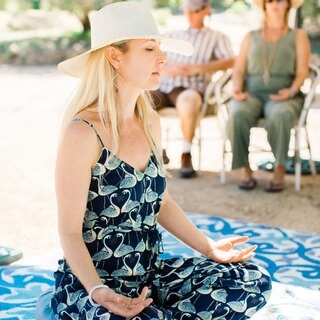
Are you feeling emotionally and physically depleted from a parenting?
You're not alone.
Many of us are feeling that way as parents.
It's been a long haul and there are some strategies and things that we can do to navigate parenting in a way that aligns with our values and Maybe has a little bit more imagination and flexibility to it That's what I'm gonna explore today with Julie Bogart on your life in process There is so much variability in how the pandemic has impacted parents and caregivers But one thing is for sure it has been an additional stress Some polls are reporting that close to half of parents are burned out and levels of anxiety and depression Has really risen since the pandemic started Psychological flexibility is your ability to stay present to stay engaged and to stay connected with your values as a Parent even when life becomes completely unmanageable and What the research is showing is that parents that are more psychologically flexible during this time Have less spillover effects of the stress onto their kids There's less marital discord and there's a better ability to navigate these challenges Today,
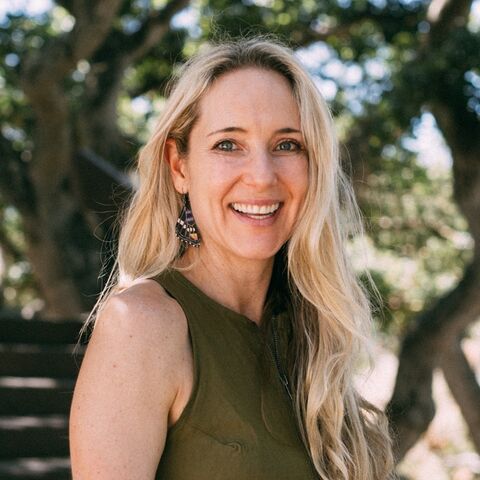
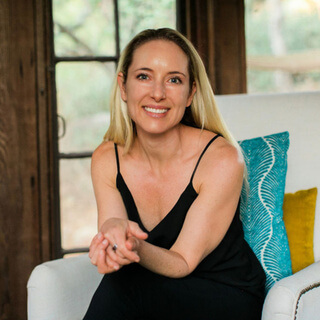
I'm going to talk with Julie Bogart who I think is the living embodiment of psychological flexibility She is known for her common-sense parenting and education advice and is the author of the beloved book the brave learner which really has been a lifeboat for me and She's brought joy and freedom to countless home educators her online coaching community brave learner home the brave writer Podcast and Julie's popular Instagram account our lifelines for tens of thousands of weary parents all over the world She home-educated her five children who are now globe-trotting adults and Julie has a new book out called raising critical thinkers that I'm really excited about take a listen to Julie Bogart We talk about everything from imagination to critical thinking to some of the wisdom that she has as a woman who has five kids Out of the house and successful in their lives and at the end Let's circle back and I'll share with you your daily practice for parenting with psychological flexibility All right here we are with Julie Bogart who is a friend and mentor and we're gonna be talking about a topic that I think many parents can relate to right now,
Which is parental burnout and Julie's a mom of five So I'm sure she's the trend is with parental burnout off and on through her parenting But she also works with thousands of parents and has some insights into it from that angle So I'm really glad to have Julie here because she's always a comfort to me when I'm feeling burned out Thanks for having me Diana.
I love this topic and you're absolutely right.
I have experienced burnout plenty of times in my adult life Especially as a mother and it's interesting because in terms of from like a psychological research perspective Burnout is different from depression and anxiety It's distinct because it has these features of physical exhaustion Emotional overwhelm but also a sense of detachment this feeling of like you can't get joy from your kids And you actually don't really want to be around them you and and that can contribute to a lot of shame for parents you get you you're less engaged with your children and then that can even turn into a cycle of Not finding the joy of parenting anymore,
Which also makes you detach more I think part of what happens for parents is that they have not added up the cost of parenting and What I mean by that is they enter into becoming a parent often not everyone but often with a lot of joy,
Right?
We're Anticipating creating a family life having a lot of love Having traditions and values and this rich life that we envisioned that we could have as adults But there's a second part of us that we were cultivating as children and that is the vision of adulthood That is the fruit of being a child So when you were 10 11 15,
You're thinking ahead to that day where you're autonomous You get to decide when you go to bed you get to decide what TV shows you watch you get to decide where you travel to who you associate with there's a certain vision of freedom and liberation and identity that we cherish as children that we believe will be realized as adults and then for many of us now some people Spend their 20s and 30s being those adults and then they have kids when they turn 40 or 39 or something But for the vast majority of my audience,
They have kids somewhere between 25 and 40 and it's in that Time period when they decide to have children or adopt them However,
They come by their kids that they are suddenly ushered back to childhood forcibly like you're supposed to care about Daniel Tiger TV show and Minecraft and playing Candyland and there's a part of your inner life that is rejecting those things because you've already done them and Yet now you're supposed to enter into them with like this enthusiasm and hold heartedness and it feels like that thing that was the tantalizing vision of adulthood that was in front of you is Suddenly being pushed back another couple decades The foundation of burnout then in my view is the loss of your identity as a unique human being adult When overwhelmed with the tasks and demands of parenthood which push you back into a childhood you've already outgrown Absolutely,
And I would add another layer to that.
It's not only that the childhood,
You know We're sort of over being we want our autonomy But it's also comparing ourselves to how it was because oh,
Yes,
We had a little bit more room We had room to you know,
Go in and do our own thing go on vacation with our partner It's already a really challenging time.
You're already sleep-deprived.
You're already stressed and then it's just this this extra layer You've lost that version of you that you know,
You want you wish you could have back but there's a beauty during this time and What I today's my Nine year old's birthday.
He just turned.
Oh Happy birthday.
Happy birthday to him and I will say that pre pandemic birthdays were like Way overdone in my world with my kids.
I would like spend a lot of money at Michaels I would do it up.
It would be like a big extravaganza,
Right?
And what my nine year old's birthday morning was was me waking up about 15 minutes before he did and going getting some computer paper and a Sharpie and On that computer paper each piece of paper I wrote one thing up to nine that I love about him Oh And then I posted them and sort of in secret spots all over the house so that when he woke up he had to go On a little treasure hunt of things that we love about this kid.
It's a door and It was just as impactful For him.
He felt loved.
He felt excited It was fun,
But it was way less stressful for me And so I think that parents are actually in some ways getting more flexible and realizing what really matters Because of the pandemic so there's I do think there's some outgrowths in our parenting that we can be hopeful About I love that idea.
I think one of the things I come more from the homeschooling background and one of the things I think homeschoolers have discovered early on is that there is value in the Intentionality of the action more than the performance of it So when you talk about a Sharpie on a sheet of printer paper versus streamers from Michaels That very much reminds me of the way.
I raised my kids there is a feeling of connection that comes from using the resources that are available and being intentional and Because of the limits on resources during this time or outings we've had to be more intentional I lived in Morocco and my kids were really small and I remember hanging out with one of my friends and she had just had a visit from someone from the States and that person had brought t-shirts and puffy paint and crayons and pastels and all kinds of art supplies that they couldn't get in Morocco and we were joking about how We were using to the last drop all the puffy paint like there wasn't a single drop left in any tube We were using the pastels and the colored pencils and markers till they were dry and a nub Because we had no other options.
These were what we had.
We treasured them.
We treated them like they were super valuable That's part of the effect of deprivation deprivation teaches us to value our resources and to use them almost with respect and honor because we know that there is a limited supply so staying home with your kids or Being responsible for their education when you weren't before or at least more Responsible setting them up for success can actually enrich your relationship with your children and it can lean to a feeling of competence Which will offset the burnout burnout is the feeling that you cannot live up to your own expectations Let alone those of other people But when the expectations get blown out of the water when you can't perform an amazing birthday party,
You will Discover resources within that actually enhance your well-being and sense of self-esteem So I think those are things that we can really tap into to offset the burnout,
You know You might even say to your children.
I know that we've done XYZ the same thing every day What would it look like to change it up?
Should we have breakfast in the living room on a picnic blanket?
Should we how about you make the breakfast and I'm just gonna go over here and Scroll through Instagram and you surprise me like allowing yourself to let the resource come from within Instead of feeling deprived of the resources that are external to us is a great a great first step And I think what you're talking about there Julie is cognitive flexibility And I'm guessing that you teach a lot in your brave writer program As well as your book the brave learner and that's actually how I got to know you was when the pandemic hit and we decided to homeschool our kids I Texted one of my good friends who's a homeschooler and said who is the best out there?
And she texted me a picture of your book Well,
I think that and I read it and we fell in love with you and you know,
The rest is history but I think that what Struck me in your approach and that was so freeing and that maps so much into psychological flexibility.
Is that There's all these rules and expectations whether they're internalized rules that we have our own head or societal rules around what parenting is supposed to look like and We need to start to question those and our new book is about critical thinking We need to think a little bit more critically about those and help our kids start to question those Because they're actually not always lined up with our values and a lot of times They can be barriers to us being able to adapt and evolve as life changes Yeah.
Yeah,
So I love your work.
I love the language of Psychological flexibility and also this notion that our best lives are lived when they are in accordance with our values That's language that I feel like I've taken from you really into my own lived experience so the psychological flexibility piece really is about Not limiting ourselves to a script to the feeling that somebody else or even ourselves have set up a Path that is unflexible.
I just did a little podcast episode last week That is called keep all the options on the table.
I think we eliminate options.
We say well,
I can't do this when it's too expensive Instead of brainstorming how to pay for it or how to bargain exchange for it or how to get it at a discount I can't do this because it will not yield X result get my kid ready for college is not the best Version of this birthday party,
Whatever is living in our imaginations But when we actually expand to include options options that are sometimes just psychological like a different disposition some that are practical like fixing the environment some that might be research-based like I Actually don't have a solution I'm gonna spend time Finding more options than the only two I can see right now when we do that.
We actually create room For the full person that we are to show up when we're trying to follow a script We're usually lopping off whole parts or personalities Feelings felt experiences that are barriers and I'll just give an example.
So I have five kids They're all very different than one another and it would have been a huge mistake For me to assume that my oldest son was going to learn in the same way that my daughter did There was a moment in fourth grade when he told me that he hated his life He didn't just say he hated school or he hated learning or he hated his bedroom.
He hated his life It's in that moment where the script that I was following was failing so miserably that I had to be psychologically flexible enough to see the person in front of me and Start imagining a life that would bring him joy Not just academic success Not just good character building but like a life worth living And so I think that's when you talk about psychological flexibility.
That's what I identify it's actually seeing peering into the true nature of reality and Responding to it with as many options as you can think of rather than Sort of drilling down screwing down on the vision and then forcing everyone to conform to it That is what leads to burnout by the way Because your vision is not being realized and you're facing opposition the whole time,
You know So if you want to sleep through the night and you have a baby who will not sleep through the night you are at odds You have two options initially one is to let them cry it out The other is to sleep with them and breastfeed them but there are third and fourth and fifth options and it would be worthwhile to give yourself permission to investigate those and Let yourself problem-solve so that everyone's well-being is accounted for and those third fourth and fifth options may sort of kind of Cycle in and out from day to day and week to week and develop totally age And I think I've done all of them baby in the bed.
I will not have this baby in my bed anymore The whole the whole gamut and a lot of it had to do with that That psychological flexibility that you're talking about and it really is about knowing what your values are Like what is most important?
I often think about like whatever sport my kid is in I'm sort of that's the metaphor of the day.
So right now they're in basketball So in basketball,
It's like you need to know when when to let the ball go out of bounds Like don't go for it because if you touch it It's gonna cause a problem like let it go out of bounds and there's some balls right now that we just need to let Go out of bounds because they're not important to us.
Yeah,
Because they're draining to us or You know or somebody else may be able to be may be able to get it That's closer than we are and then we also need to know how to pass the ball And I think that that's part of the thing about being a parent and burnout When you look at workplace environments that are associated with burnout It's workplace environments that tend to put a lot of expectations on the individual We do that as parents.
I mean,
You know,
Our home is our workplace,
Right?
It's a system and so we need to learn how to pass the ball and For me during the pandemic one of the things that we did is I sat down one day and I wrote down all the tasks of maintaining a home everything from taking the compost out to folding the laundry to You know at the end of the day putting the you know dishes in the dishwasher and we put them on these little sticky notes and I lined them up all along the counter and We went through one by one like the four of us you pick one you pick one you pick one And and that became our task for the week and then the end of the week comes we do the same thing We put them all on the counter and realizing that I actually didn't have to do it all and that I have capable children that They won't do it as well as I do it probably or it might help me so much so that second one is passing the ball,
But then the third one is Which balls are really important to you that you take and for me?
That's it's important for me on a birthday morning for my kid to know that he's loved So I will wake up early and I will make it Special but I may not make it in the same way special as I as I used to right?
So I think that's that's the flexibility part of parenting that you taught me how to just get more creative about things I'd love to talk about your book critical thinking and kids because I think that as You do that with yourself as a parent it spills over into how you also work with your kids and becoming critical thinkers and more flexible so I love that you are bringing it up in the context of responding to your environment and responding to Challenges and this idea of collaboration and community is so essential in the spirit of critical thinking So my book is raising critical thinkers a parent's guide to growing wise kids in the digital age the reason that I wanted to recite the subtitle is that I think we are faced with a whole other level of challenge around digital life and children so one of the dangers that we're experiencing or Challenges we're experiencing during this pandemic has been how much screen time our kids have they want to decompress?
By playing a game on a screen or watching a TV show or Scrolling through tik-tok and so there's this feeling in the digital age that there is a massive amount of information coming through this two-dimensional device and Kids are supposed to sort it for what they value for what is not true For what's propaganda for what's trying to lure them into an unsafe space and then for which things actually do provide relief Entertainment information and joy because we get those things from watching TV Using phones playing online games as well Like there's no we can't just ban it because it actually does produce value.
And so when you're talking about this Psychological flexibility around thinking and behavior you and I've talked about this before but I see a difference between standards and values There is a danger that when we set a standard like my child will only play an hour of a video game each day because I want them to Spend more time playing outside okay,
That is a rule or a standard that now we have to enforce and When we go into enforcement,
We end up driving Conflict because the person who is being enforced upon Doesn't necessarily agree to that standard So you're taking a standard that you create and you're expecting someone else to live up to it but if we focus on like your idea around values,
We might say I value entertainment that brings a lot of aliveness in my child's life and So what if video gaming is one of those items?
What if watching a TV show in a binge watch is one of those items Rather than we're just trying to regulate and enforce a standard around it now So using your post-it note example,
Which I think is so great We could have post-it notes of all the things that bring joy and here's the truth Most parents have a very tiny set they want the kid to think of those things But the child doesn't have access to money Transportation or research it is up to you to provide the options It is not up to the child to brainstorm them So you could sit down with your child and say would it be fun to learn how to use a power drill?
Would you like to discover how to make your own jewelry with Sculpey clay?
Should we look into using our television time to learn how to paint?
There's this guy named Bob Ross who has a whole series we could try like you could actually Create such a smorgasbord where video gaming is a part of it that when they go on and when they come off They know they are not being destitute They're not being left to this very minute part of the day where they get to experience their values and then the rest They're just living up to your standards.
I went to a Talk with Doug Abrams.
He wrote the book of joy and then a new book called hope About climate change with Jane Goodall.
Oh Wow,
And in the talk,
He said that He said this quote and I don't know if he attributed it to someone else or if it was him So we'd have to look that up,
But I remember the quote which was Despair is an insult to imagination.
I love that.
What a great good Yeah,
And I I learned about sticky notes post-it notes from you And fun and they're movable because they're movable ideas you can rearrange that I remember writing out a sentence where Each word was on a different sticky note with the kids and I mixed them all up and they had to swap in different Adjectives,
Right?
And so this sort of like flexible thinking.
Yes,
You foster and that's imagination And that's the problem solves of problem solvers of our future because our kids I think we're all so Imagination and that's the problem solves of problem solvers of our future because our kids I think what breaks my heart is All the problems that our kids are faced to solve that.
We've yeah,
They've inherited but then also what opens my heart is the possibility of these open-minded problem solvers the hope of imagination really being what is needed in order for us to Move forward as a species and and heal the problems of our of our planet so You are the queen of imagination the queen of creativity and thinking outside the box when it comes to education But also just a parenting in general,
You know Imagination is such an underused resource in education.
I spend a lot of time in my book talking about it The last whole section is devoted to what I call the rhetorical imagination,
Which is the capacity to entertain multiple viewpoints Simultaneously without getting triggered right dispassionately able to be flexible in that way And so one of the ways I looked at imagination I did research into it and it turns out studies show that children start off with a very bold Imagination and we've seen it we're so delighted by our toddlers right and our five-year-olds the way they put on dress-up clothes and pretend to be a dog and They there's just like a seamlessness.
They know When they're pretending to be Robin Hood that stealing is wrong but they get to experience the thrill of stealing and giving that food to their younger toddler sister and The parent knows.
Oh,
They're just playing pretend but there's a certain Imaginative quality that is shaping how they understand that dynamic that is valuable By third grade it starts to diminish and by sixth grade studies have shown it's gone Gone which is just staggering to me because why would it be gone by sixth grade?
Well what I contend and what some of the research shows but a lot of this is also just by you know Theory after all this reading we become such right answer giving test takers by sixth grade.
We are so indoctrinated in the system of information in matching information out That we've forgotten we are allowed to entertain thoughts we don't agree with We aren't allowed to entertain those thoughts because that's what we were trained to believe in school There is one right answer the people who get the right answers get A's when you disagree with the answer You don't get an A.
So there is this inner need in us under time pressure to quickly sort For the most authoritative answer that we have available Imagination allows us to look at a difficult question and Imagine all the various answers a variety of people would need to be true for their lives to stay good That's what a belief is.
It's what I need to be true for my life to stay good That's what it is when we start to endow other people with the same Interior logic mechanisms as our own that are shaped by all the factors genetics where we were raised how our parents were what?
Education we got our Socioeconomics when we bring all those factors into play we can see the logical coherence of a view that we even find abhorrent Because for that person it provides a kind of safety and vision of a happy life For that person even if we forcefully disagree so to circle this all the way back to the imagination We need to get better at actually inhabiting the views.
We don't hold not just reading about them,
But Experiencing them a little bit encountering the people who hold those views and actually being fascinated rather than rendering verdicts Our job is not to find the one right true thing it is to generate deeper insight to peer into the inner nature of a perspective a person a community a practice a law whatever it is and Generate as many Insights as possible that take into account the greatest number of people This is a skill that I think has been completely sacrificed on the altar of testing and grades.
I love that Julie First of all,
I love that.
Um it's also sacrificed on the altar of the child-parent relationship because Children want to please you and they do they will learn to maintain the attachment with their parent They will turn off Their own inner world.
They won't say that thing.
They won't do that thing They won't sort of step outside of the box because they will prioritize the attachment with the parent over them thinking critically or differently their parent and I during the pandemic one of the things that my kids have gotten really good at is cooking and I've shared this story I think I might have shared this with you on your podcast,
Which is a fantastic podcast But Liz one day we were reading this book called.
This is how we do it It's a lovely book and the book goes through all these different children all over the world.
This is how I get to school This is what I eat for breakfast This is what it's in my bedroom and they kind of show these different Perspectives of all these different ways of living and so we were reading that book and we were actually writing our own book at the time This is how we do it.
And that was their homeschooling To take pictures and write about their different,
You know ways in which they live And so I went up to the house one morning.
I had an early client I went to my house and there's my son and he had made his whole breakfast and he was sitting down for breakfast and he was eating Pesto pasta.
I Love it.
I love it It's so my my patterning was to be like that's not breakfast And literally who eats pesto pasta,
That's my bias right,
Right and he said to me he said mom in That book I learned about people that eat fish for breakfast and eat pasta for breakfast and I thought it would be really fun to eat chicken for breakfast because It's one of my favorite things and in that moment.
It was like the perfect example of not Putting my stuff on him and letting him be The creative imaginative thinker that he is So quickly we step in and we correct and that's right He learns that they need to correct self-correct to stay inside our own imaginary Boxes,
You know that that would maintain the attachment now you are so dead-on and I that makes me want to go through a sort of a Model of something that would be beneficial to your audience So we were talking before about video games which always comes up as a big topic of conversation when we talk about parenting and so if we were to approach a child and their video gaming habit through a Raising critical thinkers lens rather than enforcing a standard or our own values on our child It would look different and here's how it would look you would think to yourself Gosh,
This child is spending way too much on time on the computer.
I'm going to entice them away I'm going to give them an art lesson or invite them to cook with me and then the child says no I don't want to do that I really want to play on the computer and then you say well you can have 20 minutes and then the child says Actually,
I want to play for 24 hours So what we do is we enter into a persuasion contest the child is trying to persuade you But they have less skill and they have no authority and then you're trying to persuade them So that they won't be mad at you for limiting their fun experience so if you were to come to it with a psychological flexible Perspective or raising critical thinkers kind of perspective.
I would invite you to go all-in on the child's perspective first I would say Oh 24 hours Wow 24 hours on a game Tell me more about that.
How do you imagine staying awake?
What do you imagine you can accomplish in 24 hours that you can't do in an hour?
Who's gonna take your place when you go to the bathroom,
So what you're actually doing is you're going all-in you're like,
Oh Let's actually fantasize about 24 hours on the computer Let's let him imagine both the barriers and the benefits of doing this project By the end and here's where I invite you to take a risk by the end What if you actually allowed it to occur?
What if you said,
You know,
There are people who?
Dance for 24 hours and raise money for charities.
Have you ever thought about that?
What if you played 24 hours on the computer with your brother just coming in when you pee and We raised money and gave it to X Community,
What if we just like really go all-in on this experience?
First of all,
I've done dance marathons to raise money You don't want to dance for like a week after you've done 24 hours of dancing.
There is a certain Diminishing return value to the fun when you indulge it that completely But part of what I think we miss is giving our kids first-hand experience With the outcome of their own envisioned ideas what they imagine Will be true.
And so when you're raising a critical thinker you want them to have the data They shouldn't just take your word for it I'm not saying just abdicate your parenting but use this as a way to gather data do research understand each other better Experiment.
These are ways that we can be as parents that are so different than just I know more than you I have your best interests in mind.
I want you to know that that's true.
So just do what I say And what you're capitalizing there on Julie is actually something that's a strategy that's used with hostage Negotiation that's used with getting people to change their drug use that's used.
Yes,
You know some of the most intractable situations and it's motivational interviewing which is has these qualities of Affirmation like affirming the person that you believe in them that they can make decisions for themselves.
It has Self-determination giving them the autonomy to make that decision reflective open listening where you're you're highlighting The pros and cons and and letting them when somebody makes a decision for themselves They're much more likely to follow through on it right than a decision being made for them We know that and it just maps on to what is good good parenting But I will say as you're talking about all of that It's exhausting In my in my household which is it came actually from a client of mine that she called it the washing the water bottle test and She said she knows she's burned out when washing the water bottle just feels like Too much of a task because you have to go under the sink and get the special long scrubby To get to get to those secret spots and it just takes that much effort and I have the washing the water bottle You know test for myself of burnout and I feel like I've been more in that place and When I'm in that place,
It's really hard to have these like,
You know long heartful conversations with kids and be my best self And so I'd love to talk about that like for the folks that are just like,
Okay I can't deal with post-it notes right now because that would require ordering post-it notes and that's above and beyond my skill set So let's talk about like burnout burnout and what what do you suggest there?
So to me when you're that burned out The first thing to do is to take a break and I know that's really difficult when you have a lot of kids so micro breaks count Going to the supermarket by yourself counts as a break,
Even though it's a task One of the things I used to do every day is I listen to an audio book while I made dinner and I put my Kids in front of the television for two hours and that was daily.
I was like,
That's what they're doing They're gonna watch PBS and I'm gonna make dinner and I will have headphones in this is,
You know Just me private time.
I think it's really really important for adults To have something that reminds them that they are smart and that they are adults.
So when you know the the home maintenance tasks Do make you feel burned out because they're never done but if there's some meaty thing that you can do that stimulates your mind and gives you things to think about whether it's listening to a Podcast or it's reading a book or it's attending a lecture.
I feel like those actually Alleviate burnout because your mind is being used in a way that stimulates new thoughts that are enjoyable for you some people Thoughts are not the thing.
It's physical activity using their bodies is the way that they experience that relief So I also recognize that you know,
Whether it's swimming or working out or going running These are all really common recommendations and I'm very keenly aware of that as I'm saying them When you are the most burned out and none of those recommendations are working It might be time to get some professional help and that's the thing that I think we sometimes forget about I Know for me.
My burnout was not usually tied to overloaded schedule.
It was tied to broken-down relationships Whether it was my marriage or a particular child.
That was a real strain or something going on in the community I was a part of and so if you are in acute Burnout where the usual things don't support you in getting out of it taking a break going for a run Intellectual life doing something for yourself that nobody else is allowed to do right like even eating your own little yogurt that you bought for yourself and you don't share it with the toddler like if these usual things Don't start to alleviate get some help because there could be a deeper trigger that's at work in your life and it needs actual professional clinical support Mm-hmm.
That's where I feel like clinical support or social support We're meant to raise children in groups.
We're not meant to raise children alone That's not how we've been doing it for hundreds and hundreds of years And now we're doing it that way and I reached out to actually some of my friends before this podcast I just texted them last night Some of them are therapists some of their single moms some of them are kids with have kids with special needs Some have little kids some have teenagers and just ask them about sort of what's their experience during the pandemic and burnout and the slew of texts That came in I was like,
I'm doing a podcast They just kept on going and going sharing and sharing and then at one point someone said gosh,
It feels really good To talk about this.
There you go.
Who knew I was doing an intervention Yes Yeah And the results were all do you know all over the place like,
You know it's a parent with two kids in private school and one kid in public school and she was just talking about the awareness that like the complete Differences that her children have experienced because Some are totally in this complete privileged experience where they've never missed a day of school and then others are you know It's like rolling blackouts and a real awareness of her own privilege For another parent who is a single mom She talked about just like the need for for solitude and quiet how precious that is to her now and how she will She will hold on to that,
You know,
Whatever way she can through exercise or meditation We're a parent with young children who are unvaccinated.
They're under the age of five She just talked about like my goodness the decision-making And the shutdown of this and the council of that and how do I hold a cheery,
You know,
Loving warm Space for my kids that are just going through all this this constant change So I will also say there was another parent that said the pandemic has been so great for my family Mm-hmm We've just hunkered down.
She's on the East Coast We're like,
We're all cozied up and I'm just like hanging so everyone's experience is different I will just say that but when we can gather in community and share about our experiences whether that's with a therapist Or with another another parent that social support is one of the key processes in our human flourishing It maps out like every single kind of research study You will always see social support rising to the top as what's most important that completely makes sense to me and I can imagine in This isolated time.
It's even harder.
I live alone.
I'm not married.
My kids are grown And there are weeks there were weeks Especially during the first year of the pandemic where I didn't even leave my house I would take a walk each day in my neighborhood But my car would sit unused for weeks at a time and no one came to visit me so I was only talking to people either on zoom or I was alone and there was a point at which I Finally started to feel the effects of it.
Like I I started to think I should I don't get a hug I am NOT gonna make it like I haven't been hugged in a month.
I I Don't know how people go on without any contact And so there is that social support is I'm sure so critical I think so often when I'm with people who are burned out It's just that they've overloaded their schedules and maybe the pandemic for some people really emptied them out You know It's nice for me for a whole year to know that I didn't have to make any excuses to not fly anywhere I got to stay out of airports for a whole year that felt like a miracle to me But back when I was raising kids Going to an airport was the miracle All I wanted was to have one weekend where I would fly somewhere So,
You know these demands on what creates mental health risks shift based on the circumstances of our lives and I think the the key piece for me is just being Very mindful of the line when you cross over into that true despairing place where nothing's helping And I just bring that up.
I've been through a divorce.
I've been through crises in my family and Those moments really have always required additional help something that is bigger than a friend's listening ear So that's why I brought that up.
Yeah.
Thank you Julia,
I want to close with a question for you that I am curious because we've talked at different points in time About this concept of process and I'm curious for you what it means to live your life in process That's so interesting that you asked that because I was just journaling about that the other day You know you hear all the time Enjoy the process don't enjoy the outcome.
It's not about the outcome.
It's about the journey,
Whatever and I started asking myself if that was true Yeah,
I really wanted to know if that was true because I really do love my outcomes like I love the birth of my babies I love when my book is done.
I but I also do enjoy I Guess it's like this when I'm writing my books I Look forward to every single day of writing because writing is such a joy to me and someone could look at that as process I suppose because the book isn't done but each day feels like it's done.
It feels like a very big achievement So for me,
I think the way I live my life in process successfully when I do is that I?
Actually value today Whatever amount of things happened in that day those things become meaningful to me But I do actually really love some outcomes like I love me a good outcome.
I like to see a good balance sheet I like getting awards.
I loved graduating and walking down the aisle.
I love Outcomes so for me they they kind of go hand in hand.
Is that fair?
Oh my gosh I love that angle on it of course you would have a fresh perspective on it and what I'm hearing from you is that you actually savor and I think that that's we go back to parenting and surviving parenthood at least for me.
I feel so much better when I'm taking the moment to pause and take in just like the tiny hands and the awkwardness of the preteen and actually savor it because knowing that it's all impermanent and it's all gonna change but in a lot of Ways that is outcome savoring the outcome that's present in the here and now I think that's right And honestly one of the things about I'm I just turned 60 this year Which is like one of those unfathomable age numbers because you never imagine that that will be you It's always the older people in your family that are 60 and above But this morning I was thinking about in the shower I don't feel that different than when I was 18 or 25 or 40 and people will say that But here's what I mean by it.
The cravings are the same.
I can still get hurt feelings by My boyfriend if he doesn't remember to text You would think by 60 that wouldn't hurt your feelings anymore But no it can I can also get swept off my feet at 60 the same way I felt in at 18 That's interesting to me So sometimes like when I look at people who are my age or older now and I've assumed that they were like more mature Sure,
We have a lot more life experience and we have more reasons for our beliefs and our thoughts but that person on the inside is pretty darn similar to when we were young and The cravings and the needs we have are very similar.
So when I think about living life in process,
That's what I think of It's being able to connect those dots like the Julie I was at 16 who yearned Right,
Like I I went to college wanting to be an actress and I put the kibosh on that pretty early and ended up Majoring in history,
But I look at the thread of my life and there's performance throughout it There's the ability to use my voice in these kinds of settings whether it's podcasting or conferences or narrating my audio book Things I could not have known were in my future But we're in process then when I was dedicating myself to theater and acting so that's kind of what I think It's being able to value sort of that trajectory and with my children,
Of course,
There were moments I would pause and just look around the room and be amazed that all five were living in my house And I was the mother I rose very conscious of the summertime of life when I was in that mode I am now in the autumn.
They don't need me They love me,
But I'm a little bit now the person that they condescend to and placate even though they still think I'm Okay fun This is these are transitions.
And so what is the new process and recently for me?
It was like,
Oh Well,
Gosh if they don't really need me so much and I'm in the habit of being needed I'm gonna cultivate all these other things that I used to think would be really fun If I had the time and kids who didn't need me,
So that's for me.
That's what process means It's like the ability to reflect on where you've been where you are where you're going and embracing it not resisting it.
I Adore it Okay.
Okay,
Julie wise mentor.
Thank you for that.
I always I always like to keep someone that's a little bit Down the road from me to learn from you know And then and I believe that we have teachers and sometimes our teachers are younger than us,
Too But yeah,
I don't say that about you.
I've learned so much from you You're just so insightful and have given me language for things that I intuited but didn't fully understand.
I love your work Well,
Thank you.
So for folks that want to learn more from you directly.
We've talked about a podcast.
We've talked about some books We've talked about a learning platform.
Can you just give us a Overview of all those different places that people could go sure.
So on social media I'm active on Instagram so you can follow me at Julie brave writer and we post all kinds of stuff for parents really helpful stuff Then my website is brave writer comm and that is for parents who homeschool and for parents who don't we provide?
Supplemental resources as well as core curriculum and we have online writing classes for all ages and stages of Development all the way through high school and then finally I have two books the brave learner Which is for parents who are looking to enrich and enchant their children's education at home and then raising critical thinkers Which is newly out and that book is for parents of any kind and it will help you actually grasp What the task is to help your kids be wise and to actually enhance your relationship with your children It's not about the political scene that we're in in case you're worried about that It's actually about that relational piece and then good practices good tools to use Yes,
And working with Julie is one way to also work on your own burnout.
So It's great.
So,
Thank you Julie for spending time with me.
It's always a delight to be with you and Enjoy all those ventures without your kids.
Thank you so much.
Yeah.
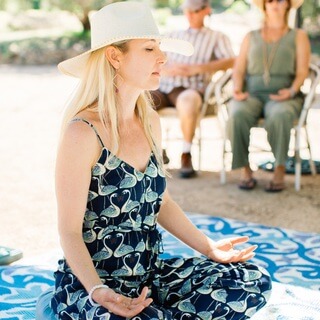
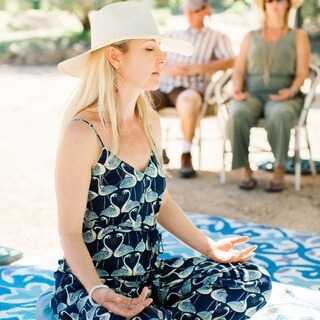
Thanks Diana So here's a few takeaways from my conversation with Julie Bogart first roll with the resistance enter into your child's experience instead of trying to Negotiate against it or problem-solve it that'll give you a little bit more freedom to be imaginative and entering into the realm of imagination is one of the things that Reactivates our wonder again as parents the second thing that Julie talked about that really hit home was the importance of remembering of you the you that is outside of Being a parent and how to nourish that you even if it's with small little things that you do Also,
Savor the good savor the process savor the outcomes take in those moments of success and really let them Download into your nervous system In terms of becoming a more psychologically flexible parent There's three things that I want you to try out The first is a very simple one,
Which is the simple practice of getting present with one eye in and one eye out Many times as parents we neglect our inner needs We forget that we have to go to the bathroom and then we have to eat and that we need to sit down and put Our feet up from time to time and that's where it takes the practice of one eye in checking in with yourself Throughout the day.
What is it that I need right now?
Do I need something to eat?
Don't I need to cry?
Do I need to just step outside and go for a walk?
One eye in and Then when I out is also really important of being in the present moment as opposed to being in your head When I out can be everything from perspective taking with your child it can be just Acknowledging and looking around of your house or nature or looking out the window or looking at your child's face But being present in the here and now it's incredibly helpful when you're stressed or anxious to get present It helps you be able to handle just what's on your plate in front of you The second practice of psychological flexibility that I hope you can take away this week is begin to notice your own mind Notice your own thoughts whether they're critical or hopeless or despair or their rules Become an observer of your parenting mind and the way that you can choose your thoughts is by asking yourself Is this thought in line with my parenting values?
Is this thought supporting imagination?
Is this thought supporting the health and wellness of my family?
So notice your thoughts and rather than getting carried away from with them get a little distance from them and focus on Your values which is the third practice Your parenting values at the end of the day.
What's important to you about being a parent?
When you go through your day and you look at how you behaved how you acted as a parent What are the moments that you feel really proud of?
What are the moments that you want to remember when you're 60 years old and you're looking back over your life?
Those may be indicators of what your parenting values are and Sometimes committing to your parenting values may be allowing some balls to drop Get some social support in all of this talk about it share this with others talk about parental stress talk about pandemic burnout It's a real thing get some support in whatever way you can because we are not meant to parent alone I hope this podcast helps you feel a little bit less alone in your parenting.
Take care Thank you so much for listening to this episode of your life in process when you enter your life in process when you become Psychologically flexible you become free if you like this episode or think it would be helpful to somebody Please leave a review over at podchaser.
Com And if you have any questions,
You can leave them for me by phone at 805 457 2776 or send me a voicemail by email at podcast at your life in process calm I want to thank my team Craig my producer Angela Stubbs Ashley Hyatt Abbey deal and thank you to Ben gold that fell in branch for his original music Just a reminder.
This podcast is for informational and entertainment purposes only and it's not meant to be a substitute for mental health treatment