How can you be a high achiever while still having values-based purposes?
And what do you do when there's just too many good things to choose from in your life?
That's the conversation that I'm going to have with Dr.
Patricia Zarrita-Ona today on your life in process.
But before I do that,
I want to remind you that you can watch these episodes on YouTube.
If you want to see Dr.
Z and me in action,
Go to Dr.
Diana Hill on YouTube and check it out,
And please share it with a friend.
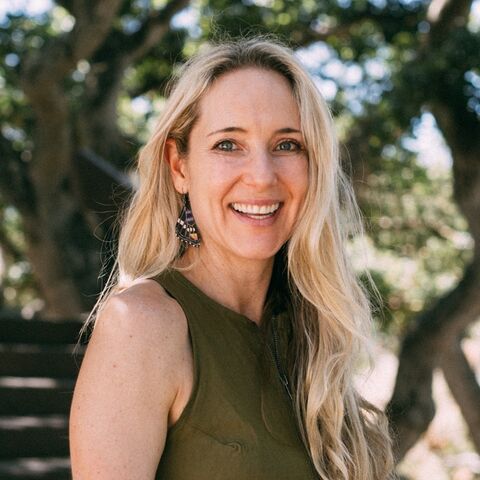
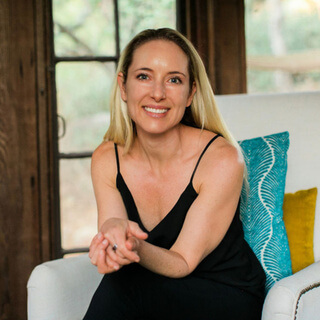
I'm Dr.
Diana Hill,
And I'm a clinical psychologist who has also had a long-term ambivalent relationship with striving.
I've talked about my relationship with striving as being like a frenemy.
In a lot of ways,
My high achiever nature has led me to be successful in the world in terms of getting my PhD and having a thriving practice,
And it's also been really detrimental to me.
I've seen how my ambitious pursuits can sometimes lead me into competitive drive.
It can lead me into neglecting important aspects of my life,
Like my body or my family,
And it can actually exhaust me when I am not engaging with it in a flexible way.
Acceptance and commitment therapy,
In combination with yogic principles and principles from contemplative practice,
Have played a really important role in unraveling from rigid striving and moving towards being in the world where I'm balancing effort and surrender,
Striving and letting go,
Acceptance and committed action towards wise effort.
That's why I'm so excited to talk with Patricia Zarita-Ona today.
Dr.
Patricia Zarita-Ona is the author of a number of books,
Including Escaping the Emotional Rollercoaster,
Act for the Emotionally Sensitive,
Living Beyond OCD Using Acceptance and Commitment Therapy,
The Act Workbook for Teams.
And today we're going to be talking about her book,
Which is Acceptance and Commitment Skills for Perfectionism and High Achieving Behaviors.
Dr.
Z is authentic.
She models her values in the interview.
She also has some really good concrete takeaway strategies that you can apply to your life that I can't wait for you to hear from her.
And the way that she weaves it in so personally and so skillfully and so lovingly is beautiful.
Stay tuned for the end of our conversation where I'll give you some things to try out,
Some simple tasks to do this week as you continue to build your psychological flexibility right alongside me.
I would love for us today to talk about perfectionism and high achievement in a way where we utilize ACT as sort of a container to explore it,
But also how you maybe have gotten tripped up by it in your own life and why you're studying this,
Why you're doing this work.
One thing that I like to do when I start therapy with clients is to ask them about what is it that they care about that brought them here.
It's really interesting because oftentimes when you're struggling with something,
You want to talk about all the things that you're struggling with and you don't see that there's something underneath it that you deeply care about.
So I want to ask that of you as we're talking about perfectionism and high achieving behaviors today.
What is it that you care about,
Dr.
Z,
That brought you to this work?
Wow.
That's such a beautiful question.
I think in my heart,
I'm a relationship person.
I'm all about connecting with others.
I'm all about building long lasting relationships and working through things with people,
With them,
Next to them,
Behind them.
And I think in some way,
My whole life has been around that in my personal life,
In my career.
So I value creating intimacy and connecting in a real way with people and having depth in my relationships.
And I think that when I think of therapy,
Many times behavior therapists will get accused of not paying attention to the relationship,
Being very focused on the worksheet.
But reality is that we're actually very attuned with a person that is in front of us.
To me,
It feels like we are dancing,
Right?
Sometimes the dance goes smooth and soft.
Sometimes we move fast.
Sometimes we have to slow down.
But there is a lot that is happening with a person that I'm working with,
And it's such an intimate and rich conversation in every session.
It's never perfect or clean,
Right?
But the degree of intimacy that we get to have with the people that we work with really speaks to my heart.
Getting to understand another person,
Where they are in a given context,
How they become to be who they are,
Has been important in my life.
So I think that's something that I deeply,
Deeply care in my life,
In my friendships,
And in the work with my clients.
So when you're talking about caring about intimacy,
And that that's what drives a lot of your work,
It makes me think about how when we care deeply about something and then we enter into a work situation or a relationship,
We want to achieve that thing,
Right?
But at the same time,
I think about myself early on as a therapist,
How much I got actually more rigid in the therapy room because I wanted to do a good job.
And actually that rigidity can interfere with our intimacy or can interfere with our value.
And what I want to talk to you today about is something that I've been contemplating a lot in my own life,
Which is this concept of how to achieve things that you care about,
Pursue,
Have that sort of effort,
Wise effort towards meaningful goals,
Without getting sidetracked by our mind,
By our not good enough-ness,
And all these things that get in the way.
So let's talk a little bit about that.
And I know that your work is centering around this concept right now too.
Yeah.
Yeah,
It's a really,
It's a very thoughtful reflection.
And here's my take on that.
And I don't have the truth with capital T.
I just can tell you about my experience personally struggling also with high achieving behaviors as an immigrant,
As a woman,
As a person that has to prove herself in a professional environment,
And as a clinician.
I think what I have encountered a lot in my life,
Both personally and professionally,
Is that we tend to think of different psychological struggles in a binary way,
As dichotomous constructs,
Either people justice or not,
Sweet and sour,
Angels and demons.
And if you look at the literature about perfectionists,
And this has been happening the last 20 years,
Most of the times,
This may sound very strong,
But I think most of the times the message has been to demonize perfectionistic actions.
It's bad.
You have to drop your standards,
Let it go,
As it will be so easy to do so.
When behaviors,
As we know,
Have been reinforced multiple times,
And doing things right and perfect pays back,
Feels good to get things right,
Feels good to get an A,
Feels good to be appreciated by others,
They are hard to let go.
They're just hard to let go.
So I encountered that in my life,
Personally,
And I encountered through the stories working with my clients.
They experienced the same type of message that they have to drop their standards.
The challenge is that it's not easy to let go when you deeply care about things.
And I think in my experience,
Again,
Most of the clients that I have worked dealing with perfectionistic actions or high-achieving behaviors,
They're actually very attuned with their values.
They're actually very in touch with what's really,
Really matters to them.
The challenge is that they get very attached sometimes to one outcome or to one way of doing things.
We both know that within ACT,
If my value is to create intimacy,
There are different ways for me to do so.
I may ask you how you're doing,
What are you afraid of these days,
What really moves you today.
I may ask similar questions to my mom.
I may write a letter to my friends,
Sharing with them what I have been struggling with the last couple of months.
So there are different ways in which I can live my value of creating intimacy.
But I think when people are prone to high-achieving behaviors and they don't check,
They are attached to one single,
One way of living that value,
Then if my value,
Let's say,
Is disseminating evidence-based skills in a compassion action way,
But I only think that the only way to do that is by writing a book.
I'm going to put on my energy right until 3 a.
M.
,
Wake up the next day,
Drink a lot of coffee,
And I do the same.
It may look like I'm living my value,
But what's happening to my health?
What's happening to my body?
What's happening to my friends that are saying,
Patricia,
We want to see you or to your partner that wants time with you?
So I think that it is tricky but not impossible to distinguish when we're truly living our values and when we are attached with one outcome and we attach to one way of living the value and we're losing ourselves.
So the message is so beautiful there that you don't have to let go of your value.
And that's what I think a lot of times folks come in,
We're afraid of this perfectionism is working for me.
I'm a high achiever.
I like being a high achiever.
It's actually something that I feel pride around,
But it has all these consequences when I get rigid.
So the idea is not to let go of the value,
But rather it's to hold it and handle it in a different way,
In a more cognitively fluid way and a more open to possibilities that you can continue to live your values,
But do so in a way that's more effective,
Maybe more efficient as well,
And also more expansive.
And I think that that's what ACT really offers us.
And I also think for me,
I've actually really been influenced by yogic philosophy and Buddhist philosophy in this area.
So in Buddhism,
There's these four noble truths that map onto ACT,
Right?
So the four noble truths have to have to do with life is uncomfortable and the cause of our suffering has to do with our attachment to things,
Our aversion from things we don't like and from our delusions,
Our beliefs that we get hooked into,
Which is very much maps onto the model of ACT.
And in that four noble truths,
There's an eightfold path,
Which is your path to freedom.
And one of the items on that eightfold path is skillful,
Wise effort.
And I think that when we're talking about working with ACT and high achievers,
It's how do you actually get more skillful at your achieving and not as much about letting go of your achievement?
And that's something that I'm really trying to do in my life because I've had such a long history of actually having my high achievement take me down personally and has really caused a lot of suffering for me,
Both physically in terms of how I've worked with my body,
But also in my relationships,
In my family.
And I want to keep achieving,
But I want to do so more skillfully.
But let's talk about some of the things that you use and apply in terms of these skills of ACT with high achievement.
Jana,
I am having a curiosity here and let me know if it's okay to ask,
Because I think what you shared is very personal and it's beautiful.
And I don't know if it's okay if I can ask a question.
Yes.
I'm losing intimacy.
Let's do it.
Lovely.
Lovely.
So you mentioned something really,
Really moving here that you in your life have experienced how perfection is cause your health and affect your relationships.
But here you are today striving,
Creating your podcast.
You have published the ACT Journal.
You have been researching and writing on striving behaviors.
How was your experience?
How did you make that shift from engaging in perfectionistic actions to the point that your life,
Your self-care affected to where you are today in which you are expanding and you are living with so much,
I think,
Fluidity and organicity right now?
Well,
I don't know about that.
I mean,
You could ask my friends and family,
Always so fluid and organic,
But I think it's been a process.
I mean,
That's the title of this podcast is Your Life in Process.
And it's been a process.
It's more of an accordion,
Kind of sometimes I get hooked by it and I come back in and I get rigid.
And a lot of it has been using these principles that I'm learning from ACT and really embodying them.
So first is tuning into my body and noticing what it feels like,
Like getting a sense of what it feels like when I am caught up in unhealthy striving.
It feels contracted,
It feels forced,
It feels like I'm holding my breath,
And it feels like I'm putting out a lot of effort and getting more exhausted.
And yoga has taught me a lot about that because I've also had the experience of forcing my body through exercise and yoga is a different way of relating to the body,
Right?
When I'm not in that state and I'm practicing more of doing things that are driven by my values and letting go of the outcome and just really kind of throwing stuff at the wall,
Let go of my sense of self so that I can be more myself,
Right?
The less that I hold onto a sense of self,
The more I get to be myself.
How that feels in my body is expansive,
A sense of vitality and energy,
And also just this like freedom to be creative and go for it.
When I come from that place and my self story is going to keep on going,
It's just always in the background,
My mind is always in the background.
But when I move towards that expansiveness and that willingness to just open up and allow,
Then all of a sudden I can create things.
So that's part of it.
I think the other part of it is self-care and putting some containers and boundaries around things.
And that's something that I'm continuing to work on because we live in a world where we can be working 24-7 and our work is in our pocket.
So that's another thing that I think is really important for especially achievers at this point in time in modern society is that you can love something so much,
But then you can overdo it because you love it so much.
That's right.
That's right.
So it's beautiful to hear that for you,
I started by noticing how it feels in your body.
And that was in some way the beginning of many of the shifts you have been making.
My journey has been perhaps similar and a little bit different too.
You asked at the beginning,
What's my personal story with the striving and perfectionistic behaviors?
And the reality is that I'm an immigrant,
I'm coming from a working class family.
And I think our academic environment and professional environment as friendly and cozy as it could be also has some degree of competitiveness,
Right?
Who is doing what?
Who is writing what?
And I know for me when I was in graduate school as a person who has English as a second language,
My mind had the thought,
Will I make it here?
Will I be a successful professional?
Who is going to see a therapist that has an accent?
And the response was to work hard and hard and hard,
Right?
But interestingly,
When I start breathing and living up the skills,
One of the things I start noticing was this urge to do more,
To write more,
To work harder.
And for me,
When I tap into that urge,
That was the beginning of identifying a choice point in which I have to step back.
And instead of going along with that urge and do more or stay very late,
Right,
Or make sure that I clean the apartment and look super impeccable,
I step back and check what's really behind this.
Is this driven by my value because I care about disseminating at the skills or what is really,
Really behind this?
Am I trying to run away from these fears of being a failure,
These fears of not being good enough?
So for me,
I started by checking my urge that comes with doing more,
Working hard,
Pushing more,
And then checking what's behind,
Checking what's really driving this urge,
Right?
So I think that was a choice point,
And that's something I try to teach my clients.
And then from that choice point,
I really try to make room for the imperfections that comes with every single thing we do.
I have learned to radically accept that every single day I'm breathing and I'm working on something,
Something is going to go wrong and off.
Like this morning,
Right,
In our IG Live,
I couldn't hear what you were saying,
Right?
So in the past,
My mind would have going to,
Okay,
Patricia,
You have to get this right.
You know,
Test the equipment like three times,
Seven times,
Reality is that every human being,
We are doing the best we can in a given situation,
And that's the best we can do.
And something most of the times is going to go wrong and off.
I don't like it,
I can assure you that,
I will hope that it doesn't go wrong,
But that's the life that we're living.
So making room for the imperfections and predictable situations and planned circumstances that come has been extremely helpful.
This sounds a little bit silly,
But I can tell you my life is liberated when I wake up every day and I say,
Who knows what's going to go wrong today,
Right,
Because something is going to go wrong.
So I think that was another,
A different mindset to learn to harness my drive to do things right and to manage my own fears of being a failure and not making it in this country.
So I think it's interesting when we look at how we have learned to cultivate this prowess to do things right,
To achieve striving without losing ourselves or losing our bodies.
And it's so interesting because when you allow things to go wrong,
And then you're able to navigate them as they're going wrong,
Like we just did this morning,
And even,
I mean,
Just behind the scenes on this conversation,
We decided that we were going to have this like last night or this morning,
Who knows.
So there's zero prep work going on beforehand,
These two high achievers,
But in some ways,
That's what develops and builds our self-trust because we start to see that,
Oh,
I can step into the unpredictability of life,
Which is the one guarantee that we have in life is that it is unpredictable.
And when we allow ourselves to be with the unpredictable and still show up and do the best that we can in the circumstances that we are,
We also develop this trust.
I can handle things,
I can navigate things.
And even when things do go wrong,
I can navigate that because oftentimes,
At least for me,
It's the beforehand,
It's the worry,
It's the,
Am I going to do a good enough job?
It's the over-preparing,
It's spending a lot of time,
Wasted time in trying to control a situation or control myself that I would rather put in other domains of my life.
And I will say that's the second aspect of,
You asked about how am I navigating this or figuring this out,
The second aspect of is that creative hopelessness of recognizing when I am in unhealthy achievement,
Perfectionism,
Rigidity,
The costs are to people that I love,
Including myself.
And now as a mother,
I don't want my rigidity to harm my children.
And so that's another thing that I can see when it shows up.
And even during COVID,
That summer of 2020,
When things got really intense and hard for everybody and different people,
Different amounts,
I noticed my striving and perfectionism start to kick up.
And it was my way of managing uncertainty,
Right?
Just work more to manage uncertainty.
But I also caught the consequences of it pretty quickly.
And those consequences,
When we start to develop greater awareness of our striving cycle,
And we look at the consequences,
We can ask ourselves,
Is this the life that I want to build?
And maybe I want something different.
I think it's very interesting to see how,
And this is also my experience and what I have seen in my clients' experience,
Is that our tendencies,
Our proneness doesn't go away.
It will stay when we are 50,
60,
70,
Whether we are in the States,
South America,
Asia,
Australia.
But what is different is how we relate to them.
And I think fundamentally,
We can learn to nurture and cultivate and nourish even these perfectionistic actions without losing ourselves.
I know for me,
When I start tapping into what's my urge,
I'm having one of those urges,
What's behind that?
Am I running away from something?
I'm running away from my own fears of being a failure.
And what's the value here?
What do I really want to make this moment about?
The outcome of that has been better decision making,
Less analysis paralysis,
More capacity to say no to many,
Many things,
Less rumination.
Of course,
My mind still goes on and on with the stories about not being good enough,
Right?
But I'm not overly consumed with it,
Or I'm not driven by them.
So I think,
As you were saying,
Contrary to what people believe,
Once we learn to harness the power of perfectionistic and striving actions,
We actually have so much more mental energy,
Emotional energy,
And body energy to do other things,
To make decisions.
We stop procrastinating,
Because then we're willing to make mistakes.
We're willing to hear a rejection.
We're willing to hear no,
Right?
Even though it hurts deeply.
But I don't think that we're running a life that continues to be constricted by the fear of being a failure.
One of the things that I found really helpful in a conversation that I had actually with a Buddhist psychologist,
Her name's Radley Weininger,
And she's written on what she calls LERPs,
Longstanding repetitive painful patterns.
And what she talks about is sort of these longstanding patterns that show up over and over and over again.
She describes this as being slimy.
They slip over us,
And we can just feel the slime on our bodies,
Like,
Here I am again.
This is my LERP,
Right?
And to identify,
When did this first show up for me?
When did this feeling of,
As you described,
Being an immigrant to the United States,
And the challenges of that,
And what are people going to think?
For me,
It sort of traced one of my LERPs back to being in grade school and a fear of being left behind.
I was very young when I was in grade school,
I was younger than the kids in my class.
And that fear of left behindness,
Like,
Oh,
I'm not on the same page as everybody,
I don't belong,
Drives a lot of my striving,
Like,
I need to catch up,
I better run faster.
And sometimes it's just helpful to also identify and give it a name.
And that's very much part of what I think ACT does a beautiful job of,
That also maps on to other approaches.
Again,
These are all processes,
Right?
But giving something a name,
Identifying,
How old were you when this thing showed up for you,
This pattern,
It gives you a little bit of distance and perspective on it.
It helps you not over-identify with it and be able to label it.
And then choose,
You know,
Choose a different action,
But also have a little compassion for yourself,
For that younger version of you that maybe has developed this pattern for a reason.
You survived something,
Probably.
So in some ways,
Overachieving is incredibly helpful.
It has paid back,
But we just want to keep it on check,
Right?
We certainly want to keep it on check.
But if I can add to what you say,
I think another frame that perhaps has been helpful in my own life,
And I try to teach my clients to the best I can,
Is really to watch our mind for what it is.
An operating system that cannot be upgraded,
An operating system that was highly effective for the cavemen and the cavewomen that our ancestors needed to survive,
An operating system that is perceiving threat,
That is anticipating threat,
And is keeping track of what went wrong in the past.
And once we can see that our mind is doing the best it can to keep us alive,
For me,
There is a tenderness that comes with my mind when it goes into this harsh mode.
I'm not looking at my mind as the enemy within,
Or something I have to get rid of control,
But I'm looking like,
Oh man,
My mind got so scared right now about the possibility of something going wrong.
And then I think that's where self-compassion kicks in.
We can be very harsh,
Critical with ourselves,
But once we learn again to see what our mind is doing,
Which is connecting patterns,
Is trying to create alarms,
Sometimes false alarms,
Perhaps most of the times false alarm,
Responding to that with kindness has been,
Again,
Very liberating,
Because I am not spending energy trying to fight back with my mind,
Or trying to prove how good I am,
Or trying to reassure myself that everything is going to be okay.
So I think there is something really beautiful that within ACT,
Where we learn to step back and take and embrace the moment for what it is,
And understand ourselves in that context.
There are so many tangible takeaways from this conversation with Dr.
Z,
And I want to remind you that if you want to take a deeper dive into ACT,
This is something that you're interested in and want to explore more,
You can check out my course,
Which is Foundations of ACT.
It's available at drdiannahill.
Com,
And it'll walk you through the six core processes of acceptance and commitment therapy.
Go check it out at drdiannahill.
Com.
There's something really important about that as well in understanding that other people have that same biology and brain too,
And I think in particular with competition.
Because you mentioned competitive drive before,
And that's something that I think can be very painful for folks,
And actually what especially high achievers.
Competition makes us battle each other,
Right?
Because we don't feel that there's enough resources,
And it comes from a competitive drive that we need to compete for limited resources.
Evolutionarily,
Our brain was designed that way.
And when someone is competing with me,
I'm like,
Ooh,
All of a sudden I need to compete for this,
Right?
And I'm in this struggle,
And it's the competition that's driving my behavior,
Not my values.
But I do think that that understanding of competitive drive is also the way that our mind operates when we feel a sense of lack or a sense of not enoughness.
Then I can see that in others and try and connect to the vulnerability or the intimacy or what's underneath it,
As opposed to getting hooked by that co-competition that we tend to do.
And I think in particular,
High-achieving women are the worst at it.
Yeah.
Actually,
It's very interesting,
The literature on competitive behaviors,
Right?
I think we see a lot among dancers,
Sports,
Right?
People who are professional athletes,
Right?
You will hear a lot.
And I think you pinpointed beautifully that through evolution,
It has kept us alive.
Of course,
We need to compete with each other.
Am I cutting enough stones?
Am I killing the same number of animals?
How many children do I have?
But I love what you're saying,
That today we do have a chance to relate to that competitiveness in a different way.
But I do think that it can be a hook.
It can be a hook,
As many things.
So I think keeping in check that drive behind our perfectionistic and striving behaviors is fundamental.
Checking our choice point,
What's really driving this urge?
Am I attached to an outcome?
Am I attached to one single way of doing things?
So I think when we ask those questions,
Or when you tap into your body,
As you were saying,
That's something that you practice daily.
So I think it makes a difference.
If I can add something here that I found also that was very hard to accept,
Perhaps for me personally,
Is that learning to nourish this proneness to high achieving behaviors is not perfect.
It's not perfect.
It's not easy-peasy.
It's workable,
Yes,
But requires commitment.
And I also think it requires to live with intention in every choice we're making.
And the reality is that many times when people are prone to high achieving behaviors because they deeply care,
They want to give their best in every single area in our life.
We want to be the best psychologist we can possibly be,
The best parents we can be,
The best cooks we can be,
You name it.
And living a life in which we learn to nourish perfectionistic actions without losing ourselves also means learning to say no,
Even to things that matter to us.
And that's one of the brutal realities that we think that we should say yes to every single thing that we care about,
But that's human-impossible.
We are not superhumans.
The day has X number of hours.
We have certain limited amount of energy during the day,
Mental energy,
Emotional energy.
So I think that what was hard for me was learning that in the name of my values,
I have to stop sometimes working on some things.
In the name of my values,
I have to say no to a particular invitation because it is human-impossible to give our best all the time in every single thing we do.
So I think in some way also living our values is disconnecting from some things that are also important to us.
And that's hard.
That is really,
Really hard because we often encounter situations in which,
Okay,
Do I keep writing on my book or do I go to have a dinner with Diana,
Right?
I care for the friendship.
I care for the book.
Right?
What do I do?
I should try to do both.
It doesn't work like that.
Then we are pushing ourselves again.
So it's a little bit silly,
But sometimes I say we need to stop in the name of our values.
In the name of our values,
We need to say no.
And that requires a lot of willingness,
Which is one of the processes in act,
Acceptance,
Allowing for the discomfort of saying no.
And it really is in the surface,
I think,
Of maybe a greater value of caring for yourself.
It's sort of like a buffet.
No matter how incredibly beautiful the buffet is and the restaurant is,
If you pack too much on your plate,
You're not going to be able to enjoy.
You're not going to be able to savor each bite,
No matter how good it is.
Sometimes you need to say,
I'm full.
My tummy is full.
My life is full and I have to stop here.
And I think that's challenging for me.
But it's also,
I think,
Challenging in a world where we have way more access than we ever have had to every single book that you could read.
We love Masterclass and our family.
I could learn how to produce a movie.
I could learn how to make a French tart.
I could learn everything,
Right?
It's all at my fingertips.
And how do you make that discernment and choose and open to that feeling of I don't get to have it all.
It's okay to feel that disappointment.
It's also something that we need to teach our kids,
Because I think this is sort of bread early on.
Our kids are overscheduled and they're exhausted,
Even though these are all wonderful things to do,
But they're not experiencing that real psychological flexibility of,
I'm going to say no here,
Because it's important to me to be able to savor my yeses.
Yeah.
I think for me,
Certainly,
It has been hard and it's still hard.
I think that what comes as you were saying,
Saying no in the name of our values,
Requires willingness,
Requires saying yes to the pain that is going to come.
Because of course we duplicate and we want,
You want to be the best mom and you want to make sure your kids have the skills,
Right?
But you also,
When you say no,
You have to make room for that sadness that may come.
Sometimes the disconnection,
Sometimes that frustration with yourself.
So I think it's a very important micro skill that in the long term,
It will help us to continue being ourselves without losing our minds,
Without losing our relationships.
Not easy,
But I think it's important to also remember that sometimes we think that,
Again,
People who are prone with high achieving behaviors and in order for myself,
We think that living our values is giving our best to everything.
Human impossible.
We are not,
You know,
We are not superhumans,
We're human beings,
Not human doers,
Right?
So I think learning to make room for what comes when we say no,
Even to something that matters,
Can be very liberating in the long term.
And it can be very connecting and freeing in our relationships.
There's nothing I love more than being around friends who give me their time,
Give me their presence.
You know,
I'm saying yes to you right now because I'm not running off to the next thing.
And the same is true with our young children,
You know,
Because if we're so busy,
We're not saying yes to that moment of like,
Hey mommy,
Can I show you this thing that I just learned or this thing that I'm excited about at school because we're onto the next thing.
There's a conversation that I had with Anna Lemke,
Who's the chief psychiatrist of addiction at Stanford.
And she talks a lot about dopamine and how,
How dopamine drives so much of our behavior.
And when we do something for that hit,
Right,
Whether it's workaholism or that achievement,
We get this spike in dopamine,
But then we get this drop off.
And the drop off is this low that then drives us to go and do it again.
And what she really makes the argument for is that we need to get more comfortable with the in between,
The dissatisfied state so that when things that come that are good,
They're more sustaining rather than pursuing that,
That constant hit of dopamine.
And I do think that saying no is strengthening our capacity to be with that discomfort.
And the more that we have the ability to be with our own discomfort,
The more freedom that we have in our life to choose things that are meaningful and to make decisions that sometimes are difficult for us.
For me,
Leaving a podcast that I've been on for five years and saying goodbye to something that was very,
Very successful,
Doing so well,
But listening to my own heart around this is something I need to say no to,
Even though it's a good,
So that I can make room for a yes in another area.
Yeah,
It's incredible how quite often we have to make those choices.
I think life brings to us many opportunities and we have to make these choices.
If I can go back a little bit to something very powerful you say when you were mentioning this professor from Stanford,
This dopamine high.
You know,
When I talk to a lot of creative people,
That's writers,
Painters,
Graphic,
And you know,
In those groups,
There is a lot of people who are prone to high achieving behaviors,
Right?
One of the things that I hear often is that there is this deep emptiness that may come when they are done with a project.
And if they don't have the next project,
There is just this space in which something is off,
Right?
And I don't know if you relate to that,
But I certainly have experienced that,
Right?
When I'm done with a book,
It's like,
You know,
It's sweet,
It's bittersweet,
Right?
It's really sweet to see the book out there,
To hear from people that are reading the book.
There is also this like,
Oh my gosh,
You know,
There is the sadness a little bit,
Emptiness.
And I do think it's very important to make room for that,
To sit with a stillness,
To sit with a stillness and to sit with what's coming up to you in that moment without rushing.
And I think once we also can nurture that,
I think we can get better and better with the choices we make for the next project if we want it to be a next,
If we want it to be a next.
There's a being with that emptiness,
But also finding the ground underneath it,
You know,
That there's still a ground,
Even when it feels empty,
There's still a ground because we are more than our achievements.
We're more than our books.
We are more than our looks.
We are more than so many things.
And I think that's where,
For me,
Spiritual practice has really been helpful of like,
Where is my ground?
And my ground is feeling interconnected.
It's connecting to nature.
It's connecting to my true nature,
As Thich Nhat Hanh would say,
My true nature,
Which isn't dependent upon this gold star or this trophy or this new thing.
And so we can feel the emptiness of the loss of the thing.
It's like the day after Christmas,
Like,
Oh,
It's over,
But not feel that we ourselves are nothing because we don't have those things.
Yeah.
I think,
You know,
For me,
I think for me,
Learning that micro scale,
A very important one really came from act.
I really,
I really believe that has helped me to be a better human being,
Right?
I think the other thing that happens is that,
And I know this also for myself,
There is so much pressure for people to find a perfect life work balance.
Well,
We have plenty of research showing that it doesn't work like that,
Right?
Adam Grant,
Organizational psychologist,
We study this a lot.
He talks about finding rhythms.
And I think that if you're learning your life to put your heart,
Your hands and your feet when you're working on a project and then also make room for practicing stillness and you also make room to experiencing your values in different areas of your life,
You are going to find more seasonal ways of living life and still doing what you care about without hurting yourself or the people around you.
And I think that is also important when we think of a striving of perfectionistic behaviors that instead of shooting for this perfect life work balance,
I think we're naturally with seasons.
It's a more seasonal life,
I will say.
It's a more seasonal life and it's also seeing your life as an ecosystem,
That ecosystems have producers,
Ecosystems have,
So those are the plants,
Ecosystems have consumers,
The animals eat the plants,
And ecosystems have decomposers.
And the decomposers are what sort of break the material down and let it kind of settle and turn it back into the earth.
We are good producers and we're good consumers as humans.
We forget to decompose,
Which we need.
We need to decompose and we also need to play.
And if we can integrate play into our achievement,
Then that is also a fun part because we're decomposing while we're producing.
Because that sort of creative play is a way of re-energizing ourselves and letting off steam and letting our mind go wherever it goes and be in the flow of it all.
And I have felt that with you today in this interview,
I felt play and I felt flow and I felt intimacy and connection and that makes this not work or it makes the wise effort of achievement in a skillful way that's not depleting.
So I appreciate you for taking your time with us.
You're lovely and so brilliant.
Oh,
It has been a treat and thank you so much for making the time.
And I have to say that I am really respectful and appreciative of the shift you're making of living the podcast,
Understanding your own podcast.
What I have learned from you is that you really care to put your life out there and to put your work out there in a way that is so compassionate and you go out of your way to make sure that the person in front of you feels seen and feels cared.
So I want to say how much I value those qualities and my heart is with you for what's coming for you for the next.
Thank you for having me again.
My heart is with you as well.
And for those of you that want more of Patricia,
You can get it through her new book that is just out on Act for Perfectionism and High Achievers.
Is that the right title?
Can I say it again the right way?
Love it.
Okay.
And that is available to you and I'll put a link in the show notes and then you can also learn more about her at drz.
Com.
So check her out there.
Many blessings to you.
Enjoy your day.
Thank you.
Thank you.
I think that ultimately becoming a skillful high achiever involves getting more self-aware and more discerning about how you use your time and your energy.
Here are three things that I want you to try out this week.
I'm going to be trying them out as well and I want you to report back to me how they work for you.
The first thing that I want you to try this week has to do with a body-based practice that I mentioned.
I want you to start to tune in to your body and notice the difference between how it feels when you are caught up in rigid,
Forced,
Striving,
Overachieving,
Imperfectionism that isn't being driven by your values but rather is driven by avoidance or pushing or forcing.
Where do you notice it in your body?
Does it feel constricted?
Do you notice tension?
Do you notice that you hold your breath?
Do you notice that you rush through?
What does it feel like in your body when you are engaged in effortful striving?
And then I want you to notice the contrast of that.
Pay attention to times when you are engaging with your values but you're doing so in a way that is more expansive,
Maybe more flexible,
Maybe more creative,
And a little bit less attached to the outcome.
What does it feel like in your body then?
Where do you notice sensations?
How do you feel like you're moving?
How are you breathing?
Making that discernment between rigid,
Controlled effort versus expansive values-based effort in your body will help you with this next step.
So start to pay attention to your body.
And then the next step is noticing choice points.
And that's something that Dr.
Zarita had talked about and we'll talk about in other episodes.
Choice points are those moments in time where we're either turning away from our values or we're turning towards our values.
With striving and with perfectionism,
You will notice that there's something underneath it that's driving it that you're trying to avoid.
And when you're trying to avoid that thing,
The fear of failure,
A fear of not good enough,
A fear for me of I'm being left behind,
Then all of a sudden your behavior is being driven by an away move as opposed to a towards values move.
Pause.
Notice that choice point.
Notice what's underneath it.
Allow yourself to be with the discomfort of allowing some of those not good enough feelings or thoughts or belief systems to be there as you continue to turn your behavior and action towards your values.
So that's the second part.
Notice the choice point,
Allow and accept for the discomfort and turn towards your values.
And then the third thing that I want you to do that I think was probably my favorite part of the episode and the most profound thing that I've heard in a long time,
It was when Dr.
Z talked about saying no in the service of your values.
Sometimes we need to say no because we need to create space for the things that are important to us.
And there are too many good things on our plates.
Many years ago,
I learned directly from Thich Nhat Hanh.
And I remember one of the Dharma talks that he gave where he talked about flower arranging.
And he said that in the West,
We pack all of these flowers into a bouquet and they're all beautiful flowers.
But because they're so packed in,
We actually don't get to see them or appreciate them.
He recommended making a flower arrangement with just a few flowers with space around each and every one so that you can savor the beauty of each.
And that involves letting some things go,
Saying no to even beautiful flowers that may be coming along the way.
When you are overpacked,
Overscheduled,
And there's no margins,
You end up not being able to enjoy the life that you're in and the process of doing wonderful things in the world.
Because I know that you are doing wonderful things.
I know that you have big goals for yourself.
I know that there are things that you care deeply about that you want to pursue.
And each and every one of those things deserves some space,
Deserves your attention,
And deserves you showing up fully.
So say no to some things,
Even if they're things that sound pretty good,
Because it's in the service of those values.
Okay,
Try out those three tasks this week.
Pay attention to what skillful,
Wise effort feels like in your body versus contracted,
Driven effort.
Pay attention to those choice points,
And then say no to something in the service of your values.
Let me know what you do.
I want to know.
You can contact me at podcastatyourlifeinprocess.
You can also contact me through Instagram.
Thank you so much for listening to this episode of Your Life in Process.
When you enter your life in process,
When you become psychologically flexible,
You become free.
If you liked this episode or think it would be helpful to somebody,
Please leave a review over at podchaser.
Com.
If you have any questions,
You can leave them for me by phone at 805-457-2776 or by email at podcastatyourlifeinprocess.
Com.
This podcast is for informational and entertainment purposes only and is not meant to be a substitute for mental health treatment.