What does it mean to be creative and how can you overcome some of the obstacles that get in the way of your creative spirit?
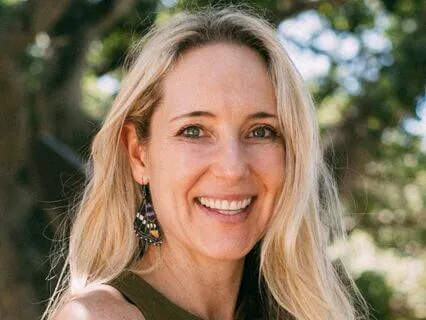
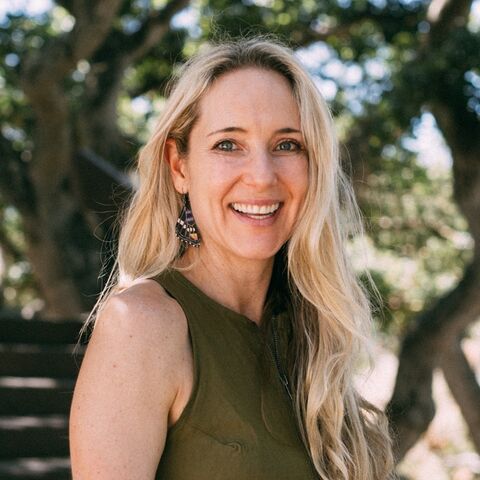
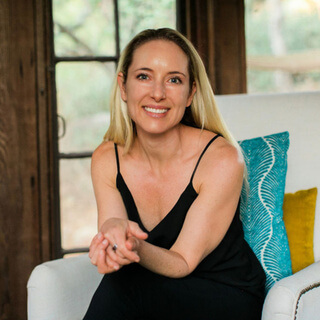
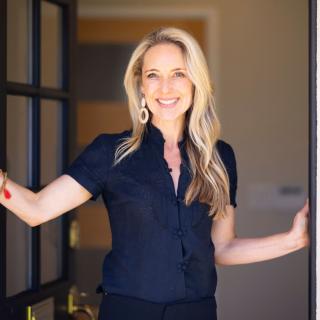
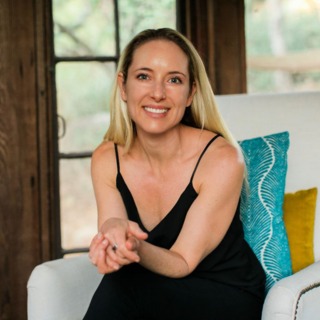
That's what we're going to explore today with Sarah Hamlin on The Wise Effort Show.
Welcome back.
I'm Dr.
Diana Hill,
Clinical psychologist,
And I think moving into a place of more creativity lately and trying to pave my own path.
Sorting the edges of creativity for me is things like leading retreats and workshops,
Integrating different ideas from places that aren't always integrated.
And one of those places that I am practicing creativity is interviewing folks that I think are engaging in wise effort in their lives that are outside of the field of psychology.
I knew I wanted to do an episode on creativity because when we get uplifted by creative ideas or we spread creative ideas,
We move people,
We shift people,
And we innovate things.
And what better person to talk to about creativity with than a comedian whose craft it is to be creative on a daily basis.
Sarah Hamlin is a comedy writer and director currently at The Daily Show,
And she's going to talk to us about how she gets to those sticky spots of places like fear or where it's just not funny,
How she gets over them or maybe through them to a place of more creativity so that she can produce the work that she wants to produce,
Have the impact that she wants to have.
You're going to hear things like how she uses emotional intelligence and other people's facial expressions as cues for her,
The context in which she's working in that supports creativity,
And how the sensitivity of our culture has increased over time and how that influences comedians.
You can't just make fun of people for physical characteristics anymore.
You have to be more creative.
And she'll tell stories about creative things that she has made,
Funny bits and pieces that have had an impact,
As well as how she's using comedy for more social impact at The Daily Show.
So enjoy this conversation with Sarah Hamlin,
And I think that you will love her as much as I do.
Okay,
Sarah,
Yeah,
How pregnant are you?
I am at 36 weeks.
So I have two to five,
Well,
Two to four more weeks because I'm not going to go past 40.
But yes,
I'm extremely pregnant.
And I was just saying,
You know,
I was on The Daily Show podcast a couple weeks ago,
And I've been kind of keeping my pregnancy off social media.
But like,
It's it's a shot like this.
It's like,
You know,
Portrait style,
You could definitely see that I'm pregnant.
So I guess that's my coming out.
But yeah,
It's,
It's very pregnant,
Very pregnant.
Very pregnant.
Yeah.
That's why we had to squeeze this in.
You know,
I like move boulders for this for this time to be able to meet with you because I knew if I did it one day later,
Our chances get lower and lower every time.
I mean,
We could do it from the hospital.
Like I'm,
That's gonna be probably the most chill time those couple of days that I get to be there.
And,
You know,
People are taking care of me.
So yeah,
It's actually quite delightful in the hospital.
I loved it.
I loved all the room service.
So I've given birth at this hospital.
When you give birth on the Upper East Side in New York,
This particular hospital gives you a Chanel gift bag when you leave.
Wow.
So I'm looking forward to that.
Fancy.
Very nice.
Yeah.
So Sarah,
We have to disclose that you're my cousin and you're my first family member that I've had on this show.
Oh my gosh.
I know.
Wow.
Yeah.
You beat out my dad.
Take that Uncle Rob.
Yeah.
Uncle Rob,
My dad,
All the other people that could be on.
And we actually have a shared,
This is something that people don't know much about with me,
Is that we have a shared lineage of a lot of creativity in our family.
Our grandparents were artists.
Our great-grandfather was a well-known portrait painter.
Our shared uncle is an artist.
Our shared cousins are very creative and making documentaries and doing all sorts of cool stuff.
And then my sister and I are kind of off on the side,
Not doing as many creative things,
But creative in our own ways.
Okay.
Writing a book is kind of creative.
There's creative aspects.
But I wanted to talk to you because I think of you as being super creative in the arena of comedy,
In the arena of producing and directing.
And you've been creative since you were just a little girl.
I totally remember that about you.
And how Wise Effort plays a role in that?
What is Wise Effort in the domain of creativity?
So that's something we could talk about.
I love it.
Tell us a little bit about what you do,
Because you work with The Daily Show.
What does that mean?
What does that look like?
Yeah.
So I've been at The Daily Show for a while now.
I started in 2016,
Which was a really interesting time to start.
We were all very excited for Trump to have this funny campaign and then go away.
And then we were all very surprised on our election night show when that didn't happen.
And yeah,
Before that,
I've been working in comedy for a long time and sort of at this intersection of comedy with real people.
So I actually came up through a lot of reality TV.
I like to tell people that I have the most embarrassing resume you've ever seen.
Because I just was part of that early 2000s,
You know,
Just working on the cheesiest reality shows and having so much fun.
And is there like food truck reality TV and yeah,
Like,
Oh,
I would say I'm very proud of the food trucks.
No,
I mean,
I worked on like,
Bad Girls Club and Bridalplasty and a lot of dating shows.
And I was attacked by Sebastian Bach while I was working on Celebrity Fit Club.
I worked on the two Corey's,
You know,
Rest in Peace,
Corey Ham.
So I just,
I got to work on a lot of like,
Really interesting reality shows.
And then my passion was always comedy.
And so I sort of found myself exploring this weird intersection of like doing comedy with real people who sort of know they're on a comedy show,
But they're kind of being themselves.
But you know,
They're in these uncomfortable positions that we've put them in,
You know.
And so then at The Daily Show,
It's been very similar,
With a little more of like a political bent.
Although we also do talk to like,
People who believe in Bigfoot and are trying to find him.
So my job as like a director,
Producer,
Writer is I'm finding these interesting stories or interesting characters and then thinking of,
Okay,
How can we amp up the comedy?
What are some jokes we can do?
On The Daily Show,
We have these correspondents who go through the story.
So it's like,
What's this person's kind of journey through the story?
And sometimes it's a more serious political story.
It's like,
Okay,
What do we do to make,
You know,
Climate change funny?
How do we get people thinking and talking about abortion in a way that is sensitive?
Also,
You know,
I really believe that comedy is,
I learned in film school,
They would talk about like sugarcoating the pill,
Like you can really get through to people using comedy in a way that you can't necessarily do dramatically.
Because when somebody laughs,
They kind of open up for a minute.
And I do think that,
You know,
Some of the pieces I'm most proud of from The Daily Show are about really serious issues that are important to me.
So a lot of the work is just finding out how do I take my experience of what makes me outraged and what makes me laugh about the story and try to convey that to an audience.
I was watching your video on paying athletes.
Oh,
Yeah.
And,
And it's so it was so timely,
Because I was watching that video in preparation to talk to you.
And in the New York Times just today,
They came out with a statement about how athletes are going to be paid.
And you have this,
This really creative way of,
I think what you ended up doing is you bring a bunch of,
There's like a scene where,
Like,
As if you were a construction worker,
And your boss was telling you that you're not going to get paid for your work.
And then at one point,
The athletes say,
Well,
Yeah,
That's okay,
We can do this.
But maybe,
Like,
You don't get paid,
Right?
And the boss is like,
No,
I make millions,
Right?
So this coach is making millions,
But the athlete not making anything.
And it,
It,
The way that you used the scene,
The comedy,
All of it actually had,
It actually shifted my perspective a little bit around paying athletes.
So this short,
These are short bits.
And I don't think people and I didn't know this until talking to you.
We think that that the,
The comedians that are up there,
Trevor Noah,
That we think that they're writing their own stuff,
But but they have a lot of writers behind the scenes that are,
Are you allowed to say this,
That you're kind of writing what they?
Yeah,
I mean,
There's a,
There's a writers room on the show.
Definitely.
I mean,
It's all it's,
It's,
Yeah,
It's funny,
I,
A piece that I did won a Webby Award.
Two years ago,
Or three years ago,
And I remember it was like,
Trevor Noah wins Webby Award.
And I'm like,
Trevor Noah,
Like,
He wasn't even in the piece.
It was like Michael Kosta in the field,
And I was directing him and,
You know,
But of course,
It's like,
You,
Yes,
Like the face of the show is sort of the show.
And now that we have john back,
I mean,
That's even more,
He's like the,
The Daily Show guy,
Even though he's only on once a week.
So yes,
We have,
I think our writers room is maybe 12 people.
And,
And then my side,
We do a lot,
We do the everything that's sort of out of the studio.
So we do the sketches,
Field pieces,
All that kind of stuff.
And then I'll bring in writers sometimes to punch up pieces.
Or in the case of that sketch,
That was fully written by the writers room.
And I was directing on that.
So um,
But yes,
Totally.
There are people writing on I actually just today I had a piece on about this guy who's like a huge Joe Biden fan.
The joke was like,
We found the one guy who loves Joe Biden.
And I did have multiple friends like,
So is this a real person?
Or is this an actor?
You know,
I'm always like,
No,
These are real people.
They really are.
Yeah.
Wow.
Okay,
So sad.
This is this is the kind of thing that most people would feel.
I don't know,
Like,
This is an intensely pressure full,
Filled experience to write for something that millions of people are going to see.
And also,
Within a group,
Other people are probably reviewing each other's ideas.
And I feel like one of the places that is pretty vulnerable is trying to be funny.
Because what if you're not funny,
I had a comedian client once,
And there was so much anxiety about getting up,
She was stand up,
But like getting up and standing up there and not landing.
So how do you deal with that?
Like in terms of the creative process,
The fears,
Anxieties that show up?
Yeah,
I mean,
That's such a great question.
I think it's really interesting.
So just talking a little more about the writer's room,
I remember,
There's a sort of stereotype of what a writer's room is like,
Like a Hollywood sitcom writer's room,
It's usually a bunch of like,
Funny white guys all trying to tear each other down,
And a lot of sniping and a lot of politics.
And a lot of,
You know,
If it's not funny,
You get your butt kicked.
And when I started at the Daily Show,
You know,
So we,
Each morning,
We have this morning meeting where,
You know,
Some of the they'll play clips from the stories of the day and writers,
Producers,
Whoever's in the room will kind of like throw out ideas or make jokes off of the clips.
And the first time,
The first few times I was in that room,
I was just so struck by like,
Sometimes people would throw out a joke that was like a dud.
And nobody,
The room wouldn't laugh.
And there was no one calling them out.
You know,
There was nobody being like,
You know,
Shut up,
Joe.
Oh,
God,
No,
Joe,
I was trying to think I was like,
Going through my head.
I'm like,
I can't say Jimmy,
I can't say Steve.
I'm just trying to think I'm like,
Of course,
Joe,
Not you,
Joe,
You're always a Joe.
We love Joe.
I should probably Yeah,
So it just really struck me that when there was something funny,
People would immediately kind of build on it and jump in.
And when there was something that wasn't funny,
There was no,
It would just it just fell.
And it was like,
Okay,
Next,
You know,
And I was so grateful for getting to experience a writer's room like that,
Where,
You know,
People were just taking their ego out of it.
And it was 100% about,
You know,
I mean,
When you're making a show in the morning to go on the air,
That night,
There's not a lot of room for like,
Oh,
You know,
We have to keep going and making jokes.
And,
And I think for in terms of the fear,
I mean,
God,
I was terrified.
I don't know if I spoke in that meeting for years,
Because,
You know,
I would speak in my smaller departmental meeting,
But that meeting is really intimidating.
And yeah,
That fear of not being funny.
I mean,
I think when I first started out,
At the show,
I was really,
Really careful about what I would say,
Because it's like,
You,
You know,
You don't want to be thought of everyone's judging you,
Because they don't know you yet.
And,
And now I've become a little more of a person where I will just try to a lot of times,
People will bring an idea to the meeting.
And they're like,
I'm not sure.
Is there anything funny here?
Is there anything good?
Could this be a story and I will,
You know,
Anything that comes to mind,
I'll just throw out there because it's sometimes it's not funny,
But it leads to some someone else having something funny,
You know?
Yeah,
There's there's sort of two pieces to that that feel important.
One is the context that we're in that can support our creativity.
And in order to be creative,
You have to be in this,
This sort of liminal space between the edges of what you don't know,
Like you have,
You have to enter into those edges of what you don't know,
The sort of the wandering space,
Like we could try this,
And also be able to build on what you what you do know,
Right?
And there,
That in order to do that,
You have to have safety,
There has to be some degree of safety.
So we're not going to be super evolutionarily,
We're not going to be super creative,
If we're feeling threatened,
It's like,
No,
We're going to go back to just what we know,
We're not going to skirt those edges.
And so there's a there's something about that room that's probably designed that way,
Like they've learned,
No,
We have to,
We have a limited amount of time,
People need to be as free as possible to express themselves so that we can build on that expression.
And then there's another element where you were,
You were quiet for a long time.
So you you were avoiding,
Maybe putting your ideas in,
But now you see the benefit of,
If I throw an idea out there,
I'm actually part of a group part of a collective idea generating machine.
It's not just your your own idea,
So much so that it's not your idea that we think it's Trevor Noah's idea.
When we see him say it,
Yeah,
So you're letting go of ego a bit.
Yeah,
Yeah.
So we're going to talk about Buddhism,
Sarah,
But this is like,
This is some there's some no self in that.
Yes.
Space.
Yeah.
Okay.
I mean,
That's really the key.
You know,
I feel like just that constant letting go of the ego is so much of the work.
I mean,
Especially as a director,
Because when you're a director,
You know,
The whole thing is geared around your ego.
Like you look at like,
Hitchcock or Truffaut or Tarantino,
You know,
It's like,
You,
You're sort of in this space where everything revolves around you.
But the most important thing is just,
You know,
Constantly checking in with yourself like,
Is this working?
Is this not working?
How can we how can we,
You know,
Find the right way through together,
Like with the crew with the talent?
So it's,
It's,
But yeah,
So I will just go into ego 1000 times when I'm directing.
Oh,
It's not funny.
It's my fault.
Oh,
It's ego and it's fear.
It's like,
Oh,
It has to be good or else I'll look bad versus like,
Hey,
You know,
Just saying out loud,
Like this isn't working.
What can we try?
You know?
Yeah.
So there's a willingness there to just keep keep trying new and different things until something lands.
What was interesting to me,
I looked up a little bit about creativity and the brain and what's happening in your brain when you're in that creative space.
And there's one that it's a,
It's a unique time where two systems of the brain,
Which usually don't work together,
They usually work in opposition to get opposition from each other come together.
And so one system of the brain is the mind wandering system,
The default mode network.
And that's like when you're like,
You're actually really not being mindful.
When that default mode network is active,
You're just out there and this is like when you're on a run and a great idea comes to you or you're right when you're waking up in the morning and you're kind of in that semi sleep awake space.
And then the other system of the brain that's active is the control center of the brain,
Much like this executive functioning.
And when those two come together,
You get this experience of creativity because creativity is to create something.
It has to have,
There's like a product associated with creativity and creativity is a process.
It's both.
So it's both mind wandering and producing at the same time.
And I'm curious,
When do your most creative ideas come to you?
Because I imagine there's some that happen in that room,
But I imagine they happen in other places,
Unexpected places for you.
Yeah.
I mean,
I'm not the first person to say definitely the shower.
Taking a shower is always like a thing that helps me find that.
I do think that with comedy,
A lot of it is the room.
A lot of it is talking with other people because when you're kind of generating jokes and ideas,
It comes from a conversation and seeing somebody's eyes kind of light up or seeing where somebody,
You kind of lose somebody like that helps.
I think a lot of it comes from actually kind of trying to shut down the judgment and just lean into like,
What is funny?
Before I was a director,
I was a camera operator.
And a lot of that job is finding,
Just figuring out what's the best position to be in for a shot.
And so for instance,
When shooting B-roll,
It was always like,
Okay,
I'm looking at this beautiful view and you can just drop the camera at eye level and shoot what you're seeing because you know it's beautiful.
But the tool that was really helpful was digging in like,
Okay,
What do I specifically like about this view?
And then how can I adjust my camera position to emphasize that?
Which sounds really basic,
But it was very revelatory for me.
Like,
Okay,
The thing I love about this view is the bridge that I'm seeing has this really interesting shape to it.
And the clouds are really beautiful.
So okay,
I'm going to go on a low angle,
I'm going to emphasize the bridge,
And I'm going to shoot a time-lapse so that the clouds are really the focus of the shot.
Like little things like that.
And with comedy too,
It's a similar thing.
It's like taking,
Okay,
What's this joke?
What's the thing that's funny about this joke?
Do I need to see the person's whole body to understand how much they're struggling?
Do I need to see their face contorting?
So it's like having that moment of,
What do I think is funny about this?
Or what do I think is important?
Or what do I love about this?
And then how can I tweak the way I'm showing it to emphasize that detail?
Okay,
This is good because I think therapy is the same way.
Oh,
Really?
Yeah.
Okay.
It's like your client is this whole view,
Right?
They're going to come in with their,
And then this week,
And then my mom did this,
And then my sister did this,
And then my brothers,
Blah,
Blah,
Blah.
And they just like spew the whole story.
And so that's like the whole view.
It's a beautiful view.
And as their therapist,
I'm sure I'm listening to content because I don't want to miss anything.
I want to make sure they- And you're like,
You talked about your mother.
Yeah.
Is that like the banana peel of therapy?
You go throw out a banana peel,
Have someone fall,
It's like,
Let's just go back to the mother.
Often.
Often.
But you can also miss a lot if you just go to the mother,
Right?
So you have to pay attention to where's the bridge in the clouds,
And the bridge in the clouds is when is that client either picking up the pace and talking about something that you can tell brings them a lot of vitality,
So you want to go for that,
Or what is the client circling around but not really touching that you want to zoom in on and slow down around because there's something that they're avoiding there that is really the meat of the matter,
Right?
And that sort of,
That's the lens of the camera.
So we could think about that in terms of creativity.
I mean,
I think this is kind of interesting is that you could use that camera lens in all sorts of things.
Like if you're a coach,
Coaching sports,
Or if you're bringing creativity into a leadership situation,
The practice of pointing your camera in the right spot and getting,
There's a curiosity aspect to that,
But then there's also a purposeful nature of it,
Like you're putting it there for a reason,
You're focusing on the face for a reason,
Or you're focusing on the body for the reason,
Or you're focusing on the mother for a reason.
Just you don't blanketly always go to the mother.
There's lots of clients that haven't talked to them about their moms at all because they have great moms.
Well,
That's reassuring.
I've talked about my mom a lot in therapy.
Hi,
Mom.
I love you.
Oh.
Yeah.
What would we say that is?
What are you doing there?
Zooming in.
I would say it's about refining.
You know,
I think people think of comedy as this very instinctual subconscious thing,
You know,
Because when you laugh,
It's involuntary.
It can be a surprise,
But there's such a craft to it.
I think that that refining process is so important with all creativity.
You know,
I feel like as Americans and as sort of Western people,
We have this idea of like,
You're either a genius or you don't have it,
You know,
And we talk a lot with like teaching children to work hard rather than like,
You're great at math.
Say like,
Wow,
I see you working so hard at math.
And I think as a creative person,
The most destructive thing you can believe is like either I'm a genius or I'm not,
Because there are so many things you can do to increase your sensitivity and that refinement and that experience and that like,
It's a process of making the thing better and better and better.
I mean,
I think I whenever I bring something into edit,
You know,
You shoot the piece and you're like,
This is brilliant and we got so much great stuff.
And then you get into edit and when you're working towards that director's cut,
You're like,
Oh,
My God,
We totally failed.
We don't have anything.
This isn't funny.
This isn't good.
And then you're just like tweaking and tweaking and tweaking and fixing and like kind of like a gold miner panning for gold,
Trying to get rid of all the little bits.
And then,
You know,
You kind of you can really have something great,
But you can't get stuck in that part where you're in the woods and you're in fear and like you're like this.
We didn't you know,
All you're seeing is the mistakes.
So I guess that's when people fail.
That's when people get into that woods and they're like,
It's not good.
And therefore and therefore I am.
That's the I am statement where you get fused with some kind of content of who you are,
Whether you're a genius or not,
Or you're good at math or not or whatever,
And then you bail.
And and then you don't and also like you try and do it by yourself rather than bringing other eyes in to help you get to see if there's something in here to mine the gold of.
And that's a huge tool,
Too.
I mean,
I feel like I will try to talk through the story before I go out and shoot.
You know,
I'll try to talk through the story with people and just get a feel for not only how they're reacting and where they're leaning in and where they're sort of losing interest,
But also how I'm feeling,
You know,
Like you said,
Talking about a client who kind of goes gets vitalized by one thing and then kind of like doesn't want to talk about something else like that's a really good way of me finding the roadblocks before I'm even going into production because I'm able to just feel instinctively like,
Oh,
I kind of you know,
I got the ick at this beat.
Maybe it's not as genuine as it could be.
Maybe it's not quite what it's supposed to be.
Yeah,
So there's a good amount of emotional intelligence required to be a comedian.
Like you need to have that awareness of what other people are feeling,
Being able to climb in their skin or being able to be attuned to their facial expression or their feedback that they're giving you and using that as your tool for refinement.
One of my favorite Daily Show pieces I did,
It was like one of my earlier ones.
I think it was in my first year working there.
It was about this subscription box for racism.
So it was like Hello Fresh,
But it was a box,
This monthly box for like mostly white women to like learn how to be anti-racist.
And I remember the first time I ordered this box.
Yeah,
Yeah,
Yeah.
It was awesome.
I'm so sad it's not there anymore.
It was these two really sweet black women activists who were in Michigan.
And so we went to interview them and I felt like we had so many great jokes.
And then that interview,
I think I ended up using like maybe one joke.
And the whole interview was just them talking about what they do.
And then Roy Wood Jr.
,
The correspondent,
Like making faces.
And that was such a huge experience for me realizing,
You know,
You could write the funniest joke in the world,
But the thing that's funny is watching someone be surprised,
Watching someone like have a feeling,
You know,
I mean,
It's comedy is just such a visceral thing from the gut that.
That was a real surprise to me,
Like I was like,
No joke is as funny as Roy Wood Jr.
Raising one eyebrow.
Yeah,
What you said there about comedy is so visceral.
I would say much of the things that capture us in terms of creativity and creative expression is a it's a body based nonverbal response.
It's hitting that system before it gets to our thinking system,
Which is like,
Was that funny or what?
What were they trying to do there?
Right.
That comes second to just the the reaction that you feel seeing the piece of art or,
Yeah,
Seeing a facial expression.
That's good.
And then there's also a good degree of letting go,
Because if you're taking something and you're only using you're getting you spend all this time making all these great jokes and then you're kind of,
OK,
I'm willing to just let go of them all to be able to have this piece be really funny,
Even if my jokes aren't in it.
And I feel like that is a practice of the letting go of like you can put a lot of effort into something and then you can it's almost like one of those,
You know,
The Buddha's sand mandalas,
Right?
Like all these days they spend they do this out here.
My dad always wants me to go to these things with him where they spend three days making a sand mandala and these little tiny detailed dropping of colors of sand,
This beautiful piece of art.
And then this is from a Tibetan tradition where the Tibetan Buddhist monks take it down to the ocean and they just let all blow away.
And a little bit of that with what you're doing,
Mandala making.
Yeah,
Definitely.
Yeah,
I think one thing I want to mention,
Too,
Is,
You know,
I think comedy is such a male kind of world.
And I do feel like becoming a mother has really changed my my point of view there.
And I and because I had a lot of and I just want to say that,
Too,
Because I had a lot of fear about becoming a mother.
And just like your brain changes and you become softer and you cry more easily.
And it's like there's all these things that that change.
And and I found,
Too,
Like after I had a baby,
I didn't feel as sharp.
I felt really kind of fuzzy.
And it was hard for me.
It became a lot harder to like write a hard joke or like.
I was just worried,
Like,
Oh,
My God,
Am I not funny?
I'm just become this like serious mom,
You know.
But one thing that I did start to notice was that my sensitivity and facial expressions was like dialed up to 11.
And I drive the editors at work crazy now because I will just be like that reaction shot,
You know,
I need like 10 percent more disgust and 10 percent less like shock,
You know.
And I do think that it has made me better at that,
Being able to take the temperature or know when I have a performance because,
Yeah,
Your brain just gets reformatted so that your focus is just on this one little person's face.
And how are they feeling and how can I discern this type of cry from this other type of cry?
So it actually is very helpful in working in comedy of like.
Seeing that those little subtleties of performance.
Yeah,
Well,
Your your threat system and your body,
Your bonding system are activated,
Right?
So you're you're also more alert to what looks potentially threatening.
And how to protect your child.
And then you're alert to signals of safeness or safety.
And a lot of those come from facial expressions.
I mean,
What I learned from Stephen Porges about polyvagal theory is that all these little lines around our eyes send signals when we smile that we're that we're safe.
And I actually had I had a couple of my office and she was so frozen from so much Botox like she had no she and he was just sitting there.
He's like,
I just I just feel like she doesn't see me.
I just feel like she doesn't love me.
And I'm like,
Because she she can't smile.
Oh,
I'm like,
Just lighten up like 20 percent lighter on the Botox next time and all your couple's therapy will be resolved.
You won't have to come back.
Whereas they say the one between your eyes,
If you're if you're a parent,
You know,
Hit that one hard because that frown,
The wrinkle between your eyes,
You want to do less of that.
Oh,
Yeah.
Then your child thinks that you're always mad at them.
Right.
So this is when you're this is great.
What do I have?
I haven't I don't have that much.
I know that the corners of my mouth have started to turn down.
I'm like,
I don't think I'm like,
Oh,
Sad all the time.
But that's the one that bothers me now.
I'm like,
Yeah,
This is what we share.
This is our genetic lineage.
Sarah,
I'm sorry.
OK,
OK.
Grandma Eleanor.
Genetic.
OK,
It's from Grandma Eleanor.
Well,
She was amazing.
So,
Yeah,
She was amazing.
She was never mad.
She just,
You know,
Sloping,
Sloping of the lip downward.
So you just smile more,
You know.
But yeah,
These are these are things about,
Yeah,
Motherhood.
And gosh,
I mean,
You're going to be coming back after maternity leave to like a hot mess of an election that you are responsible to write for.
How are you going to do that?
I mean,
What is your what are your thoughts around creativity there?
And and even how you handle these hot,
Heavy topics that.
It's hard to be funny about,
You know,
It's hard to be funny about war.
Yeah.
Oh,
My gosh.
It's so much harder to make a joke for a place of sensitivity.
And,
You know,
It really narrows your ability to be funny.
It's interesting,
I was talking,
We were talking about 2016 and starting at the show in 2016,
I remember I wanted to do a piece about like our country being so divided.
And it was like a week before the election.
And I was like,
Let's go to a Trump rally and a Hillary rally and tell people,
OK,
In a week we're going to all be one country together.
So can you just say something nice about the other side?
You know,
The piece is called like one nice thing.
And it was like Jordan Klepper,
Just like pulling teeth,
Trying to get these people to say one nice thing about Trump or one nice thing about Hillary or even one nice thing about their supporters.
And,
You know,
It was just the fun of it was just watching people squirm and being like,
I can't say anything,
You know.
But these are the same parents that are on a playground saying,
Go say one,
Go share that toy with that being forced sharing.
Yeah.
Yeah.
And it was so funny,
Too,
Because I remember the whole time we're cutting the piece,
We're thinking Hillary's going to be the president.
And then the piece aired.
You know,
We're shooting our live show at 11 o'clock and we,
You know,
Are kind of 20 minutes into knowing that Trump is going to be the president.
And all these jokes that were just like the softest jokes that were so unfunny to us that morning.
You know,
This this girl who says,
You know,
When Trump says build a wall,
I say,
Let's build you into the wall.
Like it was such a dumb joke,
Huge laughter.
And then all the jokes that we thought were so funny of just like this crazy stuff that these Trump supporters are saying,
Like no laughs.
People are just like,
Oh,
My God,
This is our life now.
So it's it's also just.
The what is funny can just like change in a heartbeat.
And and part of it is like.
Understanding the mood that people are in,
There was a piece I did that was called Who's to Blame?
That was like a week after the election.
That was this sort of interrogation type thing where you bring in this guy and he says,
OK,
It's millennials fault.
And then we you know,
He had written this whole think piece about how millennials are at fault because Trump won.
And we say,
OK,
Let's bring in a millennial.
And then she is actually revealed to be the writer of another think piece who said,
You know what,
It was not millennials.
It was white women.
OK,
Let's bring in a white woman.
And then she says she's actually the author of the think piece who said,
You know,
And it was the sort of like Russian doll thing of all these Democrats pointing fingers at each other,
Because that was like kind of how everyone felt after that election.
And then I remember we we screened it for Trevor and he was just like.
People are too sensitive to see this right now.
The tone is too kind of silly.
You know,
People are just really so scared and hurt and sad right now.
I don't think we can put this on.
And I was so mad because I was like,
But it's so funny.
Like,
We're all just blaming each other.
It's so useless.
But that was this moment where he was just very sensitive to like,
What is the mood and and how can I speak to an audience in an empathetic way?
And how flexible are they?
To be able to to go into that type of creative humor.
I mean,
I've had that with clients in like when a classic thing that you'll do with an OCD client is you make them do the very thing that they're like afraid of doing.
Right.
So something like,
You know,
A hand washer,
An obsessive hand washer.
I'll make them like I'll walk them like down to my trash cans and I'll say,
OK,
Let's touch the trash can.
And then after you touch the trash can,
Put it all over your face.
Oh,
My God.
In your hair and down your arms.
Right.
And then let's go touch the trash can again.
Right.
So as a New Yorker,
This is like really alarming me.
This is like as disturbing as when my child started licking the subway poles.
And I'd be like,
Please don't do that.
Yeah.
Right.
Right.
So there's some healthy OCD.
And then there and then if it's running your life that you can't like you have to like walk a large circle around a trash can.
And there's a time and place for that.
Right.
Like you can do that.
If if you've gotten the person built up to touching the trash can,
Like there's enough flexibility and space and reason why you're doing it and intention around it,
But not just because you're in New York and we should all be open to germs.
Right.
Like that.
So there there's something about,
Yes,
It's about the mood.
It's about the context and it's about the openness.
Is how open are we to being?
Shifted in some way,
Whether it's,
You know,
Like comedy can can can shift your the way you see something like me watching that video that you did around athletes getting paid,
And that's not like it's like it's not a super passion project of mine of like whether athletes should get paid or not.
But I felt a different way after I watched it,
You know,
And and so.
Yeah,
There's a there's a space that we need to be in to be able to be creative and also to receive other people's creativity.
Yes,
Definitely.
And I've also noticed,
Too,
Audiences have really become a lot more sensitive,
Like,
Yeah,
The.
When I started at the show,
You know,
There were a lot of voiceover jokes we would do about people's appearance.
You know,
We call some guy like Elmer Fudd in the voiceover,
And we don't do that anymore.
And and just seeing to like.
Yeah,
Audiences are more sensitized,
They don't they really don't like anything that feels like punching down.
And,
You know,
I think there's a lot of older comedians that are really upset about this and like,
You know,
Oh,
It's,
You know,
Snowflakes or comedy isn't like supposed to be woke or whatever it is.
But it's sort of nice to be challenged.
You know,
You can't just go for that like lowest common denominator joke.
It's more fun to,
You know,
Have to think of like,
OK,
How can I be funny and kind at the same time?
And then I know,
Too,
There is a moral element of this,
Of like,
There's a line that that you don't want to cross.
And it's it's a weird thing when what your your job is like kind of making fun of.
I mean,
We will do like hidden camera stuff or,
You know,
Kind of gotcha stuff.
But there has to be like a sensitivity.
I really appreciate like Ronnie Chang,
Who's one of our correspondents.
He before every interview says to the person like,
OK,
We're rolling.
If you don't want to look stupid,
Don't say anything stupid.
Just know everything you're saying is being recorded,
You know?
And I mean,
It's like,
Sure,
That goes without saying,
But it's I I just appreciate that type of,
You know,
Kindness.
And I think I hated that at first.
I was like,
Don't say that.
They're not going to say something stupid.
Don't worry,
They will say something stupid.
It's fine.
Yeah,
Well,
It's informed consent,
Which I think is part of also the ethos of what we're kind of swimming in.
Being informed about what we're stepping into or,
You know,
Choosing to be in a certain space and and so much of gosh,
If we like think about our childhood experiences around comedy,
It's like you're a you're a single child,
Sarah.
But let me tell you about my older sister,
Like,
You know,
I was the source of her entertainment,
Right?
And and so that it kind of goes back to that feeling of,
Wait a minute,
The way in which we maybe had fun was at the expense of somebody else hurting.
And do we want to perpetuate that?
Or could we use comedy in a way that we're shifting ideas and perspectives and moving people in the places that they wouldn't normally move to?
Like,
Wow,
Can you think about something nice that you could say about Hillary's following or you think something nice you could say about Trump's following?
That's that's not hurting anyone.
That's actually getting people in a humorous way,
Getting people to look at the ridiculousness of ourselves,
That we are ridiculous.
And you're just highlighting that not to not to be mean to illuminate.
I love David Brooks,
His book.
He talks about illuminators,
People that are illuminators,
That they walk into the room and they illuminate others.
And I think comedy has that potential in some ways.
Creativity.
OK,
Sarah,
We're going to we're going to wrap.
OK,
Great.
This is such a fun interview.
Thank you for having me on your podcast.
Wait,
Before I do that,
I'm hanging up before you list all your places that we can find you on the hospital that you're going to be at with your Chanel bag.
If we were to go back through what we just talked about,
What are the highlights?
What are the takeaways?
I mean,
That's that's that's tough because I just like to immediately forget things after I say them to avoid the the embarrassment of having said anything.
I get self-conscious and stuff like that.
I'm curious to know.
I would love to hear yours.
And then can you go first and then I'll go if there's something that you.
I felt like,
Oh,
This part is good when you were clearly pointing to places that you've used comedy and your creativity to to make a statement about something and that you and that you're actually making statements about things on the show.
This is the most political show that I've ever had.
And I have to air it because you're my cousin.
But it's OK.
We can you can.
I don't usually go there.
I know.
Switzerland when it comes to politics on the show.
Yeah,
That's OK.
Everything Sarah said,
I had no association with her whatsoever.
Just but but actually really like that.
I did that and I felt it from you.
And then I just there was moments where I was just sort of engrossed in your story,
Because I think I could I can envision these scenes that you're talking about because you're a good describer.
And it was it was fun.
It just was fun to hear the creative stories of things that you've made in your career.
It's such a young whipper snap.
You are my younger.
You're my younger cousin.
Yeah,
I mean,
I just I I just want to say,
Like.
It has been such a long road for me,
And I feel like,
You know,
There are some people in comedy who just are so naturally confident and just throw themselves out there.
And often it's people who are like in front of the camera.
That's not me.
I'm like behind the camera person.
And I just.
I hope that,
You know.
People will just give themselves some space to be creative.
And for me,
The biggest thing has just been trying to let go of the fear,
Trying to let go of the judgment,
You know,
And that.
Yeah,
That like opening and that just letting things be kind of bad until they get good and that having that beginner's mind like that,
To me,
Is just the most important thing because,
You know,
There are just so many funny people who give up because it's really hard.
You know,
It's like a very hard industry.
And yeah,
That that ego death of like I mean,
It's not ego death,
But that that ego blow of when you say something is so funny and nobody laughs like you have to do that a million times to get funny.
And I just want people to know that.
You don't have to be perfect right out of the gate or know the thing,
And I do think that,
Yeah,
Like the stuff we talked about just about communicating with other people,
Bringing other people into the process like you brought up,
You know,
Getting other people's feedback,
Asking for counsel and being humble and open to not even being open to criticism,
But like asking somebody to look at something and make it better like that.
That to me is so important.
Yeah,
Feedback.
I did a show a while back on feedback,
But I think feedback is essential.
That whole 10,
000 hour rule is bunk.
It is not true.
You can do the you can do the unhelpful thing for 10,
000 hours and you're not going to get better at it unless you get feedback,
Right?
So we all need that feedback.
Okay.
Well,
Thank you,
Sarah.
And enjoy your last few weeks of being a parent of one.
All going to change.
Yes.
Well,
Sean is also a second born.
My husband,
Sean,
Is also a second born.
So I'm just hopeful that he will help keep the bullying and the weird power dynamics of first and second child to a minimum,
Because he knows that pain too well.
I know.
As second borns,
We always kind of,
The youngest child,
We protect.
But it's good.
It's good to get a little beat up every once in a while.
Just minor,
Like minor beat up.
But a nookie.
Just a nookie.
A nookie.
A few names called.
Okay.
Good,
Sarah.
So good to see you.
Thank you,
Sarah.
Thanks.
Take care.
Thank you so much for listening to this episode of the Wise Effort Podcast.
Wise Effort is about you taking your energy and putting it in the places that matter most to you.
And when you do so,
You'll get to savor the good of your life along the way.
This podcast is for informational and entertainment purposes only,
And it's not meant to be a substitute for mental health treatments.