Hello and welcome to the CalmCast,
A time to feel calm and think clearly.
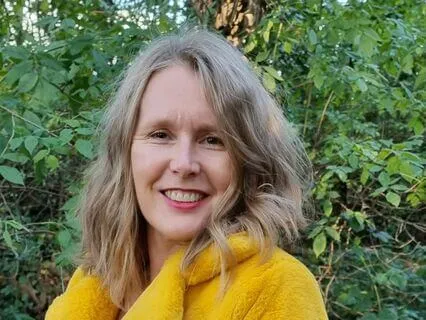
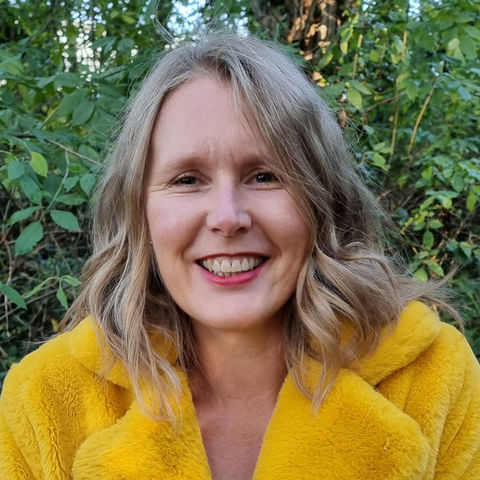
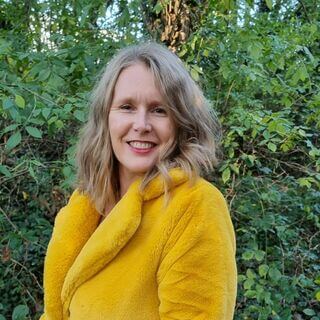
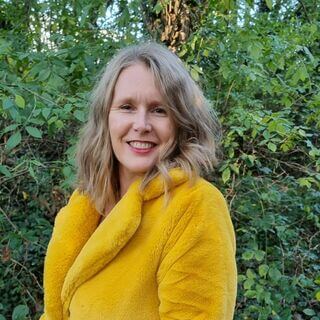
I'm Claire Downham,
The Queen of Calm,
A Transformational Life Coach.
I was a burnt out head teacher who finally made the journey to calm after years of trying,
And I want to prevent you from having to do the same.
The CalmCast is a series of short explorations gently guiding you back to your natural state,
Which is calm and clarity.
Just listen like you would listen to music,
With an open mind and curiosity.
There's nothing else to do.
Now let's relax into today's episode.
So hello,
I've only just made it this morning,
In fact I am a minute more so later than normal doing this,
Because I've been for a lovely walk today in the dry weather,
Which at the moment in the UK is a bit few and far between the dry days,
We've had a lot of rain,
But that is the nature of life,
Isn't it?
It's this amazing fluctuating thing,
And for us too,
And I think maybe if we all saw that,
That our nature is to fluctuate,
Then we would all have a much nicer experience of life,
Because we wouldn't be so bothered about the fluctuations.
And that really does lead us beautifully into this topic.
And as somebody who helps reveal people's potential,
I call myself now a human potential catalyst,
And I've just realised that the intro to this actually says I'm a transformational life coach,
So I probably need to change that,
Don't I?
But that's what I kind of call myself,
Is a human potential catalyst,
Because there's something to be seen around who we really are,
And something that is often hidden from us is our potential.
And part of what hides it is this idea that we're supposed to be one thing all the time.
And so today,
Exploring mindfulness is a really interesting topic,
And the first thing that I'd like to say about mindfulness is that it is not a tool or a technique,
It is not a course,
It is not something you have to do or make yourself be.
It is yet another one of these natural states that we as human beings have access to all the time.
So when I talk about cultivating mindfulness,
It may well sound like I'm inviting you to do something to cultivate mindfulness,
But in actual fact,
Maybe all my titles should be revealing.
Revealing Mindfulness for Effortless Productivity would be a better title.
I always do this,
Don't I,
With the titles?
I set off and then I decide the titles are the wrong titles,
Which is fine.
Because mindfulness or presence,
I actually prefer the word presence maybe,
Is a natural state.
And as usual,
Check out the small people,
They are mindful,
They are in the present moment,
They're not in their thoughts about the future or the past.
And if you ask a little child something about the future,
Are you excited about Christmas,
For example?
Did I just say that word in July?
They would immediately go,
Oh yeah,
Yeah,
Yeah,
Really excited.
But then they would just,
They're saying that because you've asked them a very specific question.
And then they're back on with the thing that they're on with,
Having fun,
You know,
Enjoying themselves.
They don't stay caught up in a conversation about the future,
Because that's not how their little heads have learned to be yet.
But our heads,
Of course,
Have learned to be in the future,
In the past.
And I really do think through our experience of the people who spoke around us.
So,
You know,
I would have said that I had more of an inclination,
Maybe I had a bit of both,
Actually,
I think I always was a bit of a worrier in the past.
And I also would have spent time in the,
Sorry,
A worrier,
Spent time in the future thinking,
And then I would spend time in the past as well.
And I think we just learn that from,
From being around people who are talking like that,
Because people do talk like that,
Don't they?
They talk about the future,
They talk about what's coming,
You know.
I always feel mildly amused when I'm in any kind of business networking things,
And people are talking about the economy and what it's going to do next.
And is anybody accurately predicting what's going to happen with the economy or anything else for that matter?
I suspect not.
I suspect they're not doing that.
Except that,
Of course,
When we do say something's going to happen in the future,
If we think,
You know,
If we then take action towards that,
We might make that happen,
Because that's how it works,
Isn't it?
But generally speaking,
We're,
You know,
We're thinking about the future and we're thinking about the past.
And when I say cultivated mindfulness,
Really what I mean is this is really the embodiment of this lovely quote from Eckhart Tolle,
Which is the moment you notice you are not in the present moment,
You will naturally fall into the present moment.
And really,
In this conversation,
All I'm encouraging is awareness.
But there are some helpful things to know about what it feels like to not be in the present,
To not be mindful.
And that is that it feels awful.
You think a lot about the past and ruminate,
Or you think a lot about the future,
And you'll feel awful.
It's really that simple.
It's no more complicated than that.
And I think that's really,
Really helpful to see because it looks like you need to do a six-week course on mindfulness-based stress reduction in order to experience that.
But that is inside us all the time.
So that's the first thing is,
It's not as hard as it is difficult.
I've even learned to teach it at one point,
Because I could see the benefits of the mindfulness aspect.
I could see the benefits of helping people to be in the present moment more.
And I think that's really helpful.
And I think that's really helpful.
And I think that's really helpful.
And I think that's really helpful.
And I think that's really helpful.
And I think that's really helpful.
And I think that's really helpful.
And I think that's really helpful.
And I think that's really helpful.
And I think that's really helpful.
And I think that's really helpful.
And I think that's really helpful.
And I think that's really helpful.
And I think that's really helpful.
And I think that's really helpful.
And I think that's really helpful.
And I think that's really helpful.
And I think that's really helpful.
And I think that's really helpful.
And I think that's really helpful.
And I think that's really helpful.
And I think that's really helpful.
And I think that's really helpful.
And I think that's really helpful.
And I think that's really helpful.
And I think that's really helpful.
And I think that's really helpful.
And I think that's really helpful.
And I think that's really helpful.
And I think that's really helpful.
And I think that's really helpful.
And I think that's really helpful.
And I think that's really helpful.
And I think that's really helpful.
So,
Looking at all the things,
Or thinking about all the things we have to do,
So,
Looking at all the things,
Or thinking about all the things we have to do,
And then just then not doing anything.
And then just then not doing anything.
Because law looks too much,
And it looks like we have to do it all at once.
And I think overwhelm really is.
And I think overwhelm really is.
Overwhelm is just looking at everything that we have to do,
Overwhelm is just looking at everything that we have to do,
That's on our list,
For example,
And thinking we have to do it all now.
That's all that overwhelm is,
Really.
But overwhelm creates a lot of freeze,
But overwhelm creates a lot of freeze,
Which means that people tend to then not do anything at all.
Which means that people tend to then not do anything at all.
And it's interesting,
Actually,
I've been noticing a little bit of that in myself recently,
Because I've got quite a few bits on at the moment.
Because I've got quite a few bits on at the moment.
And I'm noticing a little bit of friction there,
And I'm noticing a little bit of friction there,
A little bit of avoidance,
So it's fun to see it.
I don't need to do anything about it particularly,
But it is great to see it,
To be able to see it happening.
But it is great to see it,
To be able to see it happening.
Whereas before I would have just avoided and avoided,
Because I would have not known it was really going on.
Because I would have not known it was really going on.
So that's the first thing,
Is that overwhelm comes from thinking we've got to do it all now.
Is that overwhelm comes from thinking we've got to do it all now.
That kind of overwhelming thinking comes from not being in the present moment.
Comes from not being in the present moment.
Because when we're in the present moment,
We literally are pressing the next key on the keyboard.
We literally are pressing the next key on the keyboard.
We're doing the next thing on the list.
We're doing the next thing on the list.
I was doing a live on Insight Timer a few days ago,
I was doing a live on Insight Timer a few days ago,
And somebody said,
They'd heard this quote,
Which was,
How do you eat an elephant?
Well,
One bite at a time is the answer.
Well,
One bite at a time is the answer.
Because that's it,
Isn't it?
How do you do anything?
Well,
One keystroke,
I tell you,
If you're typing something,
If you've got to write a blog,
Or you've got to write a book,
Or writing a book,
I remember recently I was working on my Constant Calm coaching programme,
I remember recently I was working on my Constant Calm coaching programme,
I remember recently I was working on my Constant Calm coaching programme,
And I could feel the sense of needing to have some kind of inspiration and I could feel the sense of needing to have some kind of inspiration to get started with this document.
And in fact,
All I did was,
The next step really was to open the document.
Once I opened it,
The next step was to just read some of it,
And start reading it.
And then the next step was to go,
Oh,
Actually,
This is in the wrong place,
Let's start moving it around.
Before I know it,
I need to have this bit here.
Excuse me,
I really want people to know about this,
So I'll put that in there.
Oh,
This is a great metaphor,
I'll put that there.
Before I knew it,
I'd created this course.
It was not a small undertaking,
It was not a small undertaking,
It was quite a meaty piece that I've created.
But it was meaty,
It was one bite at a time.
It was quite a meaty piece that I've created.
One keystroke at a time,
One step at a time,
One sentence at a time.
Whatever small unit of production Whatever small unit of production makes sense to you.
And when we're in the present moment,
When we are mindful,
We just are,
We then go into this slow state,
We then go into this slow state,
Because from moment to moment to moment,
We're just doing the next thing that makes sense.
We're just doing the next thing that makes sense.
And the next piece falls into place.
And it's therefore just not as hard And it's therefore just not as hard as we might think it is.
And so there's very little to cultivate.
And so there's very little to cultivate.
That's the first thing,
You know,
Just as a recap.
Because mindfulness is available to you right now.
Because mindfulness is available to you right now.
It's not something you need to go learn to do from the outside in.
It's not something you need to go learn to do from the outside in.
You are naturally able to be in the present moment.
You are naturally able to be in the present moment.
You just have to notice when you're not.
And to notice when you're not,
Notice your feelings.
Feeling anxious?
Your thinking's in the future.
Feeling anxious?
Your thinking's in the future.
It doesn't have to be there.
You can get off that train.
You don't have to stay on it.
And you know,
You're thinking about the past,
You're ruminating,
You're feeling low,
You're feeling dragged down.
I think more so with productivity,
We're more likely to be off in the future,
Aren't we?
We're more likely to be off in the future,
Aren't we?
But both.
I think the noticing is the present moment activity.
I think the noticing is the present moment activity.
Once you're observing your thinking,
Once you're observing the state of your body,
You're with your feelings,
Then you naturally are the presence.
Then you naturally are the presence.
Then you naturally are the presence.
You are presence,
Observing.
You are awareness.
You are the thinker,
Not the thought.
You are awareness.
And that naturally nudges you into the present moment.
And in terms of effortless productivity from that point of view,
And in terms of effortless productivity from that point of view,
You're just doing the next thing that's in front of you.
You're just doing the next thing that's in front of you.
And it's really not as complicated as it might seem.
And it's really not as complicated as it might seem.
So I hope you found that helpful.
I hope you have a super productive day.
I hope you have a super productive day.
If you'd like to experience more productivity,
Then my course,
And stress to success,
Effortless productivity with the three principles,
Effortless productivity with the three principles,
That is available on Insight Timer now.
That is available on Insight Timer now.
And it's really,
You know,
If you're not familiar with my work on Insight Timer,
If you're not familiar with my work on Insight Timer,
Then I highly recommend having more of a nosy around.
Then I highly recommend having more of a nosy around.
If you're listening to this track,
You can go and have a look and see what else I've got available.
So please,
Please do do that.
So please,
Please do do that.
And thank you so much for listening to this track.
And thank you so much for listening to this track.
And I hope you enjoy more of my stuff in the future.
And I hope you enjoy more of my stuff in the future.
And I hope you enjoy more of my stuff in the future.
And I hope you enjoy more of my stuff in the future.
And I hope you enjoy more of my stuff in the future.
And I hope you enjoy more of my stuff in the future.
And I hope you enjoy more of my stuff in the future.
And I hope you enjoy more of my stuff in the future.
And I hope you enjoy more of my stuff in the future.
And I hope you enjoy more of my stuff in the future.
And I hope you enjoy more of my stuff in the future.
And I hope you enjoy more of my stuff in the future.
And I hope you enjoy more of my stuff in the future.
And I hope you enjoy more of my stuff in the future.
And I hope you enjoy more of my stuff in the future.
And I hope you enjoy more of my stuff in the future.